
Metabolic Syndrome and Diabetes: One Root, Multiple Branches
When five specific metabolic abnormalities cluster together in the same individual — abdominal obesity, elevated triglycerides, low HDL cholesterol, high blood pressure, and elevated fasting blood glucose — the result is called metabolic syndrome: a condition that dramatically multiplies the risk of both Type 2 diabetes and cardiovascular disease. The relationship between metabolic syndrome and diabetes is not coincidental — they share a common root in insulin resistance and visceral fat accumulation, and metabolic syndrome essentially represents the pre-diabetic metabolic state in its most fully developed form. Approximately 34% of U.S. adults meet the criteria for metabolic syndrome, making it one of the most common medical conditions in the country and one of the most powerful predictors of future disease. Understanding what metabolic syndrome is, how it is diagnosed, how it relates to diabetes, and how it responds to intervention provides a practical framework for addressing the biological precursors to Type 2 diabetes before they progress to a formal diagnosis. Our guide on belly fat and diabetes risk covered the metabolic syndrome criteria in the context of waist circumference; this article goes deeper into all five criteria, their mechanisms, and what to do when you have them.
The Five Criteria of Metabolic Syndrome: Each One and Why It Matters
The most widely used definition of metabolic syndrome — the joint statement definition from the International Diabetes Federation, American Heart Association, and World Heart Federation — requires the presence of three or more of the following five criteria. Meeting three or more simultaneously (not just one or two) defines the syndrome, reflecting the idea that the clustering of multiple risk factors is what creates the dramatically elevated risk.
1. Increased waist circumference (abdominal obesity): The threshold varies by ethnicity — above 40 inches (102 cm) for men and 35 inches (88 cm) for women in Western populations; lower values apply to Asian, South Asian, and Japanese adults. Waist circumference is the most central criterion because visceral fat — the fat inside the abdominal cavity — drives most of the other four criteria through its release of free fatty acids and inflammatory cytokines. Abdominal obesity is present in virtually all individuals with the full metabolic syndrome cluster.
2. Elevated triglycerides (≥150 mg/dL or on triglyceride-lowering medication): Elevated triglycerides in the context of metabolic syndrome reflect the liver’s response to insulin resistance and excess free fatty acid input from visceral fat: the liver packages these fatty acids into VLDL particles that carry triglycerides into the circulation. High triglycerides simultaneously drive low HDL cholesterol through triglyceride-HDL exchange (when triglycerides are high, the enzyme CETP transfers triglycerides into HDL particles in exchange for cholesterol, causing HDL to be catabolized faster), creating the triglyceride-HDL dyslipidemia pattern that is the metabolic syndrome’s lipid signature.
3. Reduced HDL cholesterol (below 40 mg/dL in men, below 50 mg/dL in women, or on HDL-raising medication): Low HDL is a cardiovascular risk factor and also a marker of the insulin-resistant metabolic state. HDL particles perform reverse cholesterol transport — removing cholesterol from artery walls — and low HDL reflects both reduced production and increased breakdown (from the triglyceride-HDL exchange described above). In the context of metabolic syndrome, low HDL is largely a downstream consequence of high triglycerides driven by insulin resistance and visceral fat, rather than an independent driver.
4. Elevated blood pressure (≥130/85 mmHg or on antihypertensive medication): Hypertension in metabolic syndrome reflects multiple mechanisms of insulin resistance and visceral fat excess: increased renin-angiotensin-aldosterone system activation (driven partly by renal fat accumulation and inflammation), increased sympathetic nervous system activity, sodium retention from hyperinsulinemia, and endothelial dysfunction from inflammatory cytokines. The blood pressure threshold for metabolic syndrome is lower than the standard hypertension diagnostic threshold (130/80 mmHg for Stage 1, 140/90 for Stage 2), reflecting that even modestly elevated blood pressure in the context of the other metabolic syndrome features is part of a high-risk cluster.
5. Elevated fasting blood glucose (≥100 mg/dL or on diabetes medication): The fasting glucose threshold for metabolic syndrome corresponds to the prediabetes range (100–125 mg/dL) or above. Elevated fasting glucose in this context reflects impaired hepatic insulin sensitivity — the liver is continuing to produce glucose through gluconeogenesis even in the fasting state, because insulin’s suppressive effect on this process is blunted by insulin resistance. The presence of this criterion in metabolic syndrome means that glucose dysregulation is already clinically apparent, and without intervention, progression to Type 2 diabetes is highly likely.

How Metabolic Syndrome Predicts Type 2 Diabetes Progression
The relationship between metabolic syndrome and Type 2 diabetes is quantitative and compelling: adults with metabolic syndrome have a 5-fold higher risk of developing Type 2 diabetes than adults without it, and among those with metabolic syndrome who also have elevated fasting glucose (meeting the fifth criterion), progression to Type 2 diabetes within 5 years occurs in approximately 30–50% of cases without intervention. The mechanism is direct: metabolic syndrome represents the biological state in which insulin resistance has progressed to the point that compensatory hyperinsulinemia is straining beta cell capacity, visceral fat is driving systematic insulin signaling failure across multiple organs, and the inflammatory milieu from adipose tissue is accelerating the decline of insulin-secreting capacity. In most cases, Type 2 diabetes develops as the progression from metabolic syndrome when beta cell compensation finally fails — the sequence is insulin resistance (metabolic syndrome) followed by inadequate insulin secretion (Type 2 diabetes). This means that metabolic syndrome is the critical intervention point: it is the stage where lifestyle and sometimes medical intervention can prevent the transition to full diabetes most effectively, before beta cell function has substantially declined. Our guide on what is prediabetes covers the prediabetes stage that often coexists with metabolic syndrome, and our guide on what the A1C test means explains how to monitor the glucose component of metabolic syndrome and track intervention effectiveness.
Non-Alcoholic Fatty Liver Disease: The Sixth Component
Non-alcoholic fatty liver disease (NAFLD) — now increasingly called metabolic dysfunction-associated steatotic liver disease (MASLD) — is so consistently associated with metabolic syndrome that many experts regard it as an unofficial sixth criterion. NAFLD involves the accumulation of fat in liver cells (hepatocytes) in the absence of significant alcohol use, and it affects approximately 25–30% of the global adult population — rising to 70–80% in adults with Type 2 diabetes. The relationship between NAFLD and metabolic syndrome is bidirectional and mutually amplifying: visceral fat excess drives the delivery of free fatty acids via the portal circulation directly to the liver, overwhelming the liver’s fat oxidation capacity and resulting in hepatic fat accumulation. In turn, liver fat accumulation directly worsens hepatic insulin resistance — the liver continues producing glucose through gluconeogenesis even in the presence of insulin — which drives higher fasting blood glucose, higher insulin secretion, and worsening of the other metabolic syndrome components. The presence of NAFLD in a person with metabolic syndrome significantly accelerates the progression toward Type 2 diabetes and is associated with substantially higher cardiovascular risk. Importantly, NAFLD is highly responsive to the same lifestyle interventions that address metabolic syndrome broadly: a 7–10% weight reduction through diet and exercise consistently reduces liver fat by 30–50% in clinical trials, reducing hepatic insulin resistance and improving all five metabolic syndrome criteria simultaneously. Our guide on hormones and blood sugar explains how insulin resistance at the hepatic level — the central defect in NAFLD-metabolic syndrome — drives the dysregulated glucose output that is one of the most challenging aspects of managing prediabetes and early Type 2 diabetes.
Reversing Metabolic Syndrome: What the Evidence Shows
Metabolic syndrome is highly responsive to lifestyle intervention — more so than most chronic medical conditions — because all five criteria share insulin resistance as their common driver, and lifestyle changes that reduce insulin resistance address all five criteria simultaneously rather than requiring separate treatments for each. The evidence base for metabolic syndrome reversal through lifestyle intervention is strong and consistent across multiple high-quality clinical trials.
Weight loss of 5–10% of body weight reduces visceral fat disproportionately (as discussed in our guide on weight gain and insulin resistance), improving all five metabolic syndrome criteria: waist circumference decreases, triglycerides fall, HDL rises, blood pressure falls, and fasting glucose improves. At 10% weight loss, complete metabolic syndrome resolution (no longer meeting 3 of 5 criteria) is achieved in approximately 50–60% of individuals in clinical trials — a rate that is comparable to or better than pharmacological interventions targeting individual criteria separately.
Aerobic exercise reduces visceral fat, improves insulin sensitivity, lowers triglycerides, raises HDL, and modestly lowers blood pressure — again addressing multiple criteria simultaneously. The evidence supports at least 150–250 minutes of moderate-intensity aerobic exercise per week for meaningful metabolic syndrome improvement, with additional benefit from resistance training that addresses muscle mass and glucose disposal capacity.
Dietary quality modifications — reducing refined carbohydrates and added sugars, increasing soluble fiber, adopting Mediterranean-style fat composition — address triglycerides and glucose criteria through direct metabolic pathways independent of weight change. In people with severe hypertriglyceridemia, reducing added sugar and refined carbohydrate intake can lower triglycerides by 30–50% within weeks — faster than exercise or modest weight loss would achieve. Our guide on sedentary lifestyle and blood sugar addresses the physical activity component of metabolic syndrome management in detail, including the specific role of movement breaks in reducing post-meal glucose — one of the most direct and immediate lifestyle interventions for the glucose criterion of metabolic syndrome.
Metabolic Syndrome and Cardiovascular Risk: Beyond Diabetes
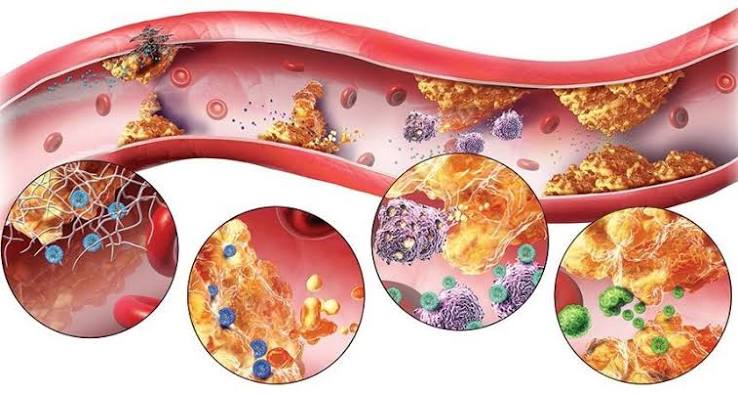
While the relationship between metabolic syndrome and Type 2 diabetes is the focus of this guide, it is essential to understand that metabolic syndrome poses equally serious — and actually more immediately life-threatening — risk for cardiovascular disease. Adults with metabolic syndrome have approximately a 2-fold higher risk of cardiovascular disease (heart attack and stroke) compared to adults without it, and among people who have both metabolic syndrome and established cardiovascular disease, the risk of recurrent events is dramatically elevated. The cardiovascular risk from metabolic syndrome operates through multiple simultaneous pathways: atherosclerosis is accelerated by chronic vascular inflammation driven by adipose tissue cytokines; hypertriglyceridemia and low HDL produce a proatherogenic lipoprotein profile; small dense LDL particles (more common in insulin-resistant states than large buoyant LDL) penetrate the arterial wall more easily and are more prone to oxidation; hypertension imposes mechanical shear stress on arterial walls; and elevated fasting glucose produces direct glycation damage to endothelial cells. The combined effect of these mechanisms means that even if an individual with metabolic syndrome avoids progression to Type 2 diabetes through glycemic control, the cardiovascular risk from the other components of the syndrome requires active management. This is a critical clinical point: treating only the glucose criterion of metabolic syndrome while ignoring the lipid, blood pressure, and waist circumference criteria leaves the patient at substantially elevated cardiovascular risk. Comprehensive management of metabolic syndrome addresses all five criteria as an integrated cluster. Our guide on hormones and blood sugar explains the hormonal mechanisms — particularly chronic cortisol elevation and adipokine dysregulation — that drive both the metabolic syndrome components and their cardiovascular consequences, providing a unified framework for understanding why this cluster of findings is so clinically dangerous.
Medications Used in Metabolic Syndrome Management
While lifestyle intervention is the cornerstone of metabolic syndrome management and produces the broadest simultaneous improvements across all five criteria, pharmacological intervention is often appropriate when individual components are severe, when lifestyle intervention has not achieved adequate control after 3–6 months of genuine effort, or when the presence of established cardiovascular disease or very high cardiovascular risk makes waiting for lifestyle results clinically unacceptable. The approach to pharmacological management of metabolic syndrome is typically to target the individual criteria that have the highest cardiovascular or diabetes risk implications:
For elevated blood pressure: ACE inhibitors (lisinopril, ramipril) and angiotensin receptor blockers (ARBs like losartan) are the preferred first-line antihypertensives in metabolic syndrome because they have neutral or beneficial effects on insulin sensitivity, unlike thiazide diuretics and beta-blockers that can worsen insulin resistance. RAAS-blocking agents also provide specific kidney-protective effects in the context of prediabetes and early diabetes that make them particularly suitable in this metabolic context.
For elevated triglycerides and low HDL: Fibric acid derivatives (fenofibrate, gemfibrozil) specifically target elevated triglycerides and low HDL — the lipid pattern of metabolic syndrome — producing meaningful reductions in triglycerides (30–50%) and modest improvements in HDL (10–15%). Omega-3 fatty acid preparations at prescription doses (4 g/day of icosapentaenoic acid, EPA) are FDA-approved for severe hypertriglyceridemia and show cardiovascular event reduction in high-risk populations. Statins are used primarily for LDL lowering (when elevated LDL is present) and for their robust cardiovascular event-reduction benefit, though they have limited effect on the triglyceride-HDL dyslipidemia that characterizes metabolic syndrome specifically.
For elevated glucose (prediabetes): Metformin is the only medication specifically recommended by the American Diabetes Association for diabetes prevention in high-risk individuals with prediabetes — particularly those under 60, those with BMI above 35, and women with prior gestational diabetes. It modestly reduces progression from prediabetes to diabetes (by about 31%, compared to 58% for intensive lifestyle intervention) and has no significant cardiovascular harm. GLP-1 receptor agonists (semaglutide, liraglutide) are increasingly used in the metabolic syndrome setting — they reduce glucose, body weight (particularly visceral fat), blood pressure, and triglycerides simultaneously, addressing multiple metabolic syndrome criteria with a single medication. Our guide on what is diabetes covers the treatment landscape for established diabetes; for people with metabolic syndrome who are in the pre-diabetes range, the medication decisions are appropriately discussed in our guide on what is prediabetes.
Monitoring Metabolic Syndrome: What to Track and How Often
Effective management of metabolic syndrome requires periodic monitoring of all five criteria — not just the one or two that prompted the initial diagnosis. The monitoring approach should be systematic and regular enough to detect both worsening (which would indicate the need for more intensive intervention) and improvement (which confirms that current strategies are working and should be maintained). General monitoring recommendations for adults with metabolic syndrome include:
- Fasting lipid panel (triglycerides, HDL, LDL): At least annually, more frequently if values are significantly abnormal or if triglyceride-lowering interventions have been initiated
- Fasting glucose or A1C: Annually if prediabetes range; every 1–3 years if normal, depending on clinical risk
- Blood pressure: At every clinical visit; home blood pressure monitoring is recommended for adults with elevated readings between office visits
- Waist circumference: Measured at each clinical visit alongside weight — tracking changes in waist circumference provides a more sensitive indicator of visceral fat change than weight alone
- Liver enzymes (ALT, AST): Annually in people with suspected or diagnosed NAFLD, since liver enzyme elevation can indicate progression of liver disease that is not captured by the standard metabolic syndrome criteria
For self-monitoring at home, tracking fasting blood glucose is the most accessible measurement tool that directly reflects improvement or worsening of the glucose criterion. Our guide on fasting blood sugar explained covers interpretation of home fasting glucose readings in the prediabetes and diabetes context, and our guide on how to track your blood sugar numbers provides the logging and pattern analysis framework that makes home monitoring clinically meaningful rather than just number collecting. For people managing metabolic syndrome who want to understand the full picture of their glucose patterns beyond just fasting values, our guide on blood sugar after meals explains the post-meal glucose dynamics that are particularly important in insulin resistance and often worsen before fasting glucose reaches the prediabetes threshold — making them a sensitive early indicator of metabolic syndrome progression.
Metabolic Syndrome in Young Adults: A Growing Concern
Metabolic syndrome was once considered primarily a condition of middle-aged and older adults, but the combination of rising obesity rates, increasingly sedentary lifestyles, and worsening dietary quality has produced a significant increase in metabolic syndrome prevalence among adults in their 20s and 30s. Currently, approximately 20% of U.S. adults in the 20–39 age group meet the criteria for metabolic syndrome — a rate that has roughly doubled over the past two decades. In young adults with metabolic syndrome, the long-term cardiovascular and diabetes consequences accumulate over more years of exposure, producing ultimately more severe outcomes than the same degree of metabolic syndrome first identified in a 55-year-old. Metabolic syndrome identified in a 30-year-old who maintains the same unhealthy lifestyle over the following 30 years will produce a vastly more diseased cardiovascular system by age 60 than in a 55-year-old who develops similar findings but has only a 10-year window before retirement and reduced metabolic stress. This is the argument for aggressive early identification and intervention in young adults with metabolic syndrome — not just to prevent diabetes and cardiovascular events in the coming years but to prevent the cumulative damage of decades of metabolic dysfunction. Young adults who develop metabolic syndrome through lifestyle factors (particularly weight gain and sedentary behavior in the post-college years) are also excellent responders to lifestyle intervention, with faster and more complete reversal possible at younger ages when beta cell function is still fully intact and visceral fat accumulation is less entrenched. Our guide on what is insulin resistance explains the earliest detectable sign of metabolic syndrome progression — insulin resistance beginning in skeletal muscle — and why catching it at this stage before the full cluster of criteria develops is the optimal intervention point. Our guide on family history and diabetes risk provides context for understanding why young adults with strong family histories of metabolic syndrome and Type 2 diabetes should prioritize early metabolic screening even before they develop symptoms or obvious risk factors — because the genetic predisposition toward visceral fat accumulation and beta cell dysfunction means that the metabolic syndrome pathway begins earlier and progresses faster than in the general population. Taking metabolic syndrome seriously in the 20s and 30s — rather than dismissing it as a problem for later in life — is one of the highest-yield health decisions an at-risk young adult can make, with the potential to prevent decades of cumulative cardiometabolic damage through interventions that become more difficult, less complete, and less effective the longer they are delayed.
Sources: Alberti KG et al. “Harmonizing the Metabolic Syndrome.” Circulation 2009. | American Diabetes Association. “Standards of Medical Care in Diabetes.” Diabetes Care 2024. | National Heart, Lung, and Blood Institute — Metabolic Syndrome. | Mayo Clinic — Metabolic Syndrome. | Grundy SM. “Metabolic Syndrome: A Multiplex Cardiovascular Risk Factor.” J Clin Endocrinol Metab 2007.
Bookmarked this article on metabolic syndrome and diabetes: what you immediately — going to reference it regularly. I especially valued the explanation of why these recommendations exist, not just what they are. Appreciate the effort that went into researching and writing this — it shows.
This is one of the clearest explanations of metabolic syndrome and diabetes: what you I have found. The section on managing this condition day-to-day was especially useful for planning. Will definitely be coming back to this site for more health information.
Thank you for covering metabolic syndrome and diabetes: what you so thoroughly without being overly technical. I especially valued the explanation of why these recommendations exist, not just what they are. This is going into my health folder that I bring to every doctor’s visit.