
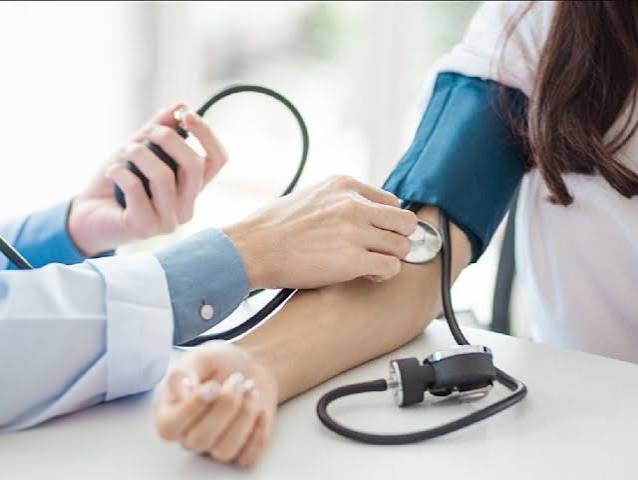
Why Diabetes and High Blood Pressure So Often Occur Together
Diabetes and high blood pressure (hypertension) co-occur in approximately 70–80% of adults with Type 2 diabetes — a coincidence rate far higher than chance would predict, reflecting shared biological roots and bidirectional causal relationships between the two conditions. When they occur together, their organ-damaging effects on the heart, kidneys, brain, and blood vessels are dramatically compounded — making the combination significantly more dangerous than either condition alone. Our guide on diabetes and heart disease covers the cardiovascular consequences of this combination; this article focuses on why diabetes and hypertension occur together, what blood pressure targets are appropriate in diabetes, which medications are preferred, and how lifestyle strategies address both conditions simultaneously.
Why Does Diabetes Cause High Blood Pressure?
Several distinct biological mechanisms link diabetes and insulin resistance to elevated blood pressure:
- Sodium retention: Insulin stimulates the kidneys to retain sodium and water — a physiological action that helps maintain circulating blood volume. In states of insulin resistance and hyperinsulinemia (high circulating insulin), this sodium-retaining effect is amplified, producing increased circulating blood volume and elevated blood pressure. This is one reason why weight loss — which reduces hyperinsulinemia — reliably lowers blood pressure in people with insulin resistance and Type 2 diabetes.
- Sympathetic nervous system activation: Insulin resistance activates the sympathetic (fight-or-flight) nervous system, increasing heart rate, constricting blood vessels, and raising blood pressure. Elevated catecholamines (adrenaline and noradrenaline) from sympathetic activation also impair insulin signaling further, creating a vicious cycle between insulin resistance and sympathetic activation.
- Endothelial dysfunction and reduced nitric oxide: As described in our guide on diabetes and heart disease, high blood glucose reduces nitric oxide production in the endothelium. Nitric oxide is the primary vasodilating (blood-vessel-relaxing) molecule — when it is reduced, blood vessels stay more constricted than normal, and blood pressure rises.
- Kidney damage: Diabetic kidney disease (nephropathy) impairs the kidney’s ability to excrete sodium and regulate fluid balance — a role that normally prevents blood pressure from rising. As diabetic kidney disease progresses, this regulatory capacity declines, and blood pressure rises further, which in turn accelerates kidney damage — creating a self-reinforcing cycle of kidney-hypertension damage.
- Obesity and visceral fat: The excess visceral fat that drives insulin resistance in most people with Type 2 diabetes also directly raises blood pressure — through increased aldosterone secretion, compression of the kidney (increasing renal venous pressure), and adipokine-driven sympathetic activation. Weight loss addresses this mechanism directly. Our guide on belly fat and diabetes risk covers the relationship between visceral fat and cardiometabolic risk.
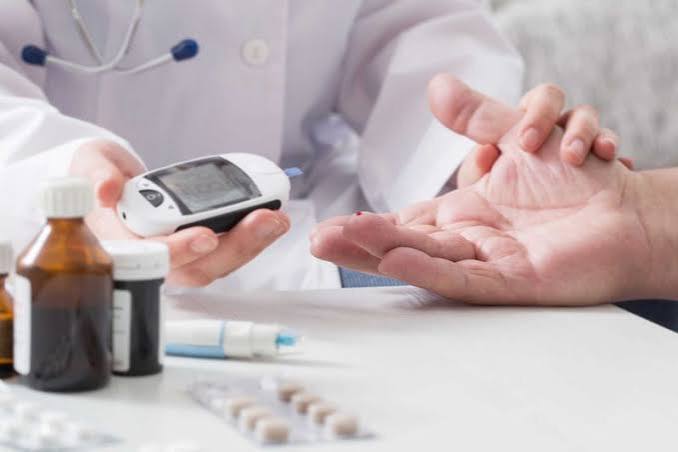
Blood Pressure Targets in Diabetes
The blood pressure target for adults with diabetes is more stringent than for the general adult population. The American Diabetes Association recommends a target of below 130/80 mmHg for most adults with diabetes, based on evidence that this level reduces cardiovascular and kidney disease outcomes compared to more lenient targets. The systolic blood pressure (the upper number) is the primary focus for cardiovascular risk reduction; the diastolic (lower number) is typically controlled when systolic is well-managed, but may require specific attention in people with elevated diastolic alone. For older adults with diabetes and multiple comorbidities — particularly those at risk for orthostatic hypotension (blood pressure drop on standing that increases fall risk) — individualized, less stringent targets may be more appropriate. Our guides on diabetes in older adults and what is normal blood sugar provide context for individualized target-setting in different patient populations.
Antihypertensive Medications Preferred in Diabetes
Not all blood pressure medications are equally appropriate in diabetes — some have beneficial effects beyond blood pressure lowering that are particularly valuable in diabetic patients, while others can worsen glucose metabolism or metabolic risk factors:
- ACE inhibitors (lisinopril, ramipril, enalapril) — preferred first-line: These medications block the angiotensin-converting enzyme, reducing angiotensin II (a potent vasoconstrictor) and providing specific kidney protection beyond blood pressure lowering. ACE inhibitors reduce proteinuria (protein leakage in urine — the earliest sign of kidney damage) and slow the progression of diabetic kidney disease. They are preferred first-line antihypertensives in diabetes, particularly in people with microalbuminuria or established kidney disease.
- Angiotensin receptor blockers (ARBs) (losartan, valsartan, irbesartan) — equivalent to ACE inhibitors, preferred when ACE inhibitors cause cough: ARBs block the angiotensin II receptor directly and have kidney-protective benefits equivalent to ACE inhibitors. They are the preferred alternative when ACE inhibitors are not tolerated (the most common reason being the dry cough that ACE inhibitors produce in approximately 10–15% of patients).
- Calcium channel blockers (CCBs) (amlodipine, diltiazem) — effective second-line, metabolically neutral: CCBs are effective blood pressure medications with no adverse metabolic effects and can be combined with ACE inhibitors or ARBs when single-agent therapy is insufficient. Dihydropyridine CCBs (amlodipine) are preferred for blood pressure lowering; non-dihydropyridine CCBs (diltiazem, verapamil) should not be combined with certain diabetes medications and are less commonly used in this context.
- Thiazide diuretics (hydrochlorothiazide, chlorthalidone) — effective but use with caution: Thiazides effectively lower blood pressure and are frequently used as add-on therapy, but can worsen insulin resistance, raise blood glucose, and increase triglycerides at higher doses. Low-dose thiazides (chlorthalidone 12.5–25 mg) are generally acceptable and provide meaningful blood pressure reduction with minimal metabolic impact.
- Beta-blockers (metoprolol, carvedilol) — use for specific indications, not first-line for hypertension alone: Beta-blockers can mask hypoglycemia symptoms (blunting the tachycardia that normally warns of low blood glucose), worsen insulin resistance, and raise triglycerides. However, they remain essential medications in people with diabetes who have had a heart attack, have heart failure, or have angina — where their cardiovascular mortality benefit is substantial. Carvedilol (a combined alpha/beta-blocker) is preferred over non-selective beta-blockers in diabetes because it has more favorable metabolic effects.
Lifestyle Strategies That Lower Both Blood Pressure and Blood Glucose
The most powerful lifestyle interventions for people with both diabetes and hypertension are those that address shared underlying mechanisms — particularly excess weight, physical inactivity, dietary sodium intake, and alcohol consumption:
- Weight loss: Even modest weight loss (5–10 kg) produces meaningful reductions in both blood pressure (approximately 5–10 mmHg systolic) and fasting glucose. Weight loss reduces circulating insulin levels (reducing sodium retention), reduces sympathetic activation, and decreases visceral fat’s contribution to aldosterone and blood pressure elevation. Our guide on weight gain and insulin resistance covers the metabolic mechanisms underlying weight-related blood pressure elevation.
- Reducing dietary sodium: The DASH diet approach — limiting sodium to below 2,300 mg/day (and ideally below 1,500 mg/day) — reduces blood pressure by 5–10 mmHg in sodium-sensitive individuals. Most Americans consume 3,400–4,000 mg of sodium daily, primarily from processed and restaurant foods. Practical strategies include cooking at home with herbs rather than salt, choosing low-sodium canned goods, and reading nutrition labels for sodium content.
- Aerobic exercise: Regular moderate-intensity aerobic exercise reduces systolic blood pressure by approximately 5–8 mmHg and improves insulin sensitivity simultaneously — addressing both conditions through a single intervention. The ADA and AHA recommend at least 150 minutes per week of moderate-intensity exercise for people with diabetes and hypertension. Our guide on sedentary lifestyle and blood sugar covers the exercise-metabolism relationship.
- Limiting alcohol: Heavy alcohol consumption raises blood pressure through multiple mechanisms and substantially reduces the effectiveness of antihypertensive medications. The recommendation for people with diabetes and hypertension is to limit alcohol to no more than 1 drink per day for women and 2 for men, and to discuss even moderate consumption with their healthcare provider given the additional blood glucose effects of alcohol.
Home Blood Pressure Monitoring in Diabetes: How and Why
Home blood pressure monitoring is strongly recommended for people with both diabetes and hypertension, for several important reasons. Office blood pressure readings are taken at a single point in time and can be affected by “white coat hypertension” (blood pressure elevations triggered by the stress of the clinical environment that do not reflect true resting blood pressure). Home readings provide multiple measurements across different times of day, in the person’s natural environment, that give a more accurate picture of true blood pressure control than occasional office readings. Home monitoring is particularly valuable for:
- Assessing whether blood pressure medications are working throughout the day (not just at the time of an office visit)
- Detecting morning blood pressure surges — which are particularly risky periods for cardiovascular events and are not captured by afternoon office visits
- Identifying masked hypertension (normal office readings but elevated home readings) — which occurs in a significant proportion of people with diabetes and is associated with the same organ damage as clinic-confirmed hypertension
- Detecting orthostatic hypotension (blood pressure drop on standing) — which is more common in people with diabetes due to autonomic neuropathy and can cause dizziness, falls, and near-syncope, particularly in older adults or those on multiple antihypertensive medications
Proper home blood pressure measurement technique requires: sitting quietly for 5 minutes before measuring; using a validated automated upper-arm blood pressure monitor (not wrist or finger monitors, which are less accurate); taking two readings 1–2 minutes apart and recording both; measuring at the same time each day (ideally both morning and evening); and not talking, eating, or using caffeine for 30 minutes before measurement. Our guide on how to track your blood sugar numbers provides the logging framework that can be extended to include blood pressure readings alongside glucose values — giving a comprehensive daily picture of metabolic status.
How High Blood Pressure Damages the Kidneys in Diabetes
The kidneys are the organ most acutely threatened by the combination of diabetes and hypertension, and kidney protection is one of the most important goals of blood pressure management in diabetic patients. The kidneys filter blood through approximately one million microscopic filtration units called glomeruli. Each glomerulus consists of a tangled network of capillaries under pressure — and blood pressure control within these capillaries is essential for proper filtration. In people with diabetes, elevated blood glucose damages the glomerular capillary walls directly, producing glomerular hypertension (increased pressure within the glomerulus) through a combination of vasodilation of the afferent arteriole (the vessel entering the glomerulus) and a relative inability to dilate the efferent arteriole (the vessel exiting). Systemic hypertension amplifies this glomerular pressure, further stressing the capillary walls and accelerating glomerular damage.
The sequence of events in diabetic kidney disease — in which hypertension plays a central amplifying role — proceeds as follows: initial microalbuminuria (small amounts of albumin in the urine, the earliest detectable sign of glomerular damage); progression to macroalbuminuria (larger protein losses); declining glomerular filtration rate (eGFR); and eventually end-stage renal disease requiring dialysis or kidney transplantation. At each stage, blood pressure control — particularly with ACE inhibitors or ARBs that reduce intraglomerular pressure independently of their systemic blood pressure effect — is the most effective intervention for slowing progression. Annual urine albumin testing and kidney function measurement (eGFR via serum creatinine) are standard monitoring requirements for people with both diabetes and hypertension. Our guide on what is insulin resistance covers the role of insulin resistance in kidney disease development.
Special Situations: Blood Pressure Management During Illness and Stress
Blood pressure in people with diabetes can fluctuate significantly during illness, periods of high stress, and during glucose excursions — and these fluctuations require awareness and sometimes temporary medication adjustments:
During illness: Illness activates the sympathetic nervous system and raises stress hormones (cortisol, glucagon, epinephrine), which raise both blood glucose and blood pressure. People on ACE inhibitors or ARBs should be aware that severe dehydration from vomiting or diarrhea can cause these medications to produce dangerously low blood pressure or acute kidney injury — a situation sometimes called “sick day rules” or “AKI sick day guidance.” On days with severe vomiting or diarrhea when fluid intake is very low, temporarily holding ACE inhibitors, ARBs, and diuretics may be appropriate; this should be discussed in advance with the healthcare provider so the patient knows what to do when illness occurs. Our guide on illness and blood sugar changes covers the broader management of blood glucose during acute illness.
During psychological stress: Chronic psychological stress raises blood pressure through sympathetic activation and cortisol elevation, and can also worsen blood glucose control simultaneously. Stress management interventions — mindfulness, structured relaxation practices, adequate sleep — that reduce sympathetic tone can produce meaningful improvements in both blood pressure and blood glucose readings in people with diabetes and hypertension. Our guide on hormones and blood sugar covers the mechanisms by which stress hormones affect blood glucose and blood vessel tone in ways that are highly relevant to the hypertension-diabetes relationship.
Long-Term Monitoring and Treatment Adjustment
The management of hypertension in people with diabetes is not a “set and forget” situation — blood pressure targets, medication requirements, and the balance of kidney and cardiovascular protection all evolve over time as the person’s age, kidney function, comorbidities, and lifestyle factors change. Regular monitoring should include:
- Blood pressure at every clinical visit (at least every 3 months when not at target, every 6 months when stable and well-controlled)
- Kidney function and urine albumin annually — changes in kidney function affect medication choices (particularly ACE inhibitor and ARB dosing, SGLT-2 inhibitor eligibility, and metformin safety)
- Electrolytes (potassium, sodium) annually when on ACE inhibitors, ARBs, or diuretics — these medications can cause electrolyte disturbances particularly in people with kidney disease
- Review of orthostatic blood pressure symptoms at each visit in older adults — dizziness on standing, near-fainting, or unexplained falls warrant measurement of lying and standing blood pressures to detect orthostatic hypotension and consider medication adjustment
People with diabetes and hypertension who consistently maintain blood pressure below 130/80 mmHg through a combination of lifestyle modification and appropriate medications significantly reduce their lifetime burden of heart attack, stroke, kidney failure, and vision loss — making blood pressure management one of the highest-yield preventive interventions available in diabetes care. Our guide on diabetes and heart disease covers the cardiovascular outcomes that blood pressure control helps prevent, and our guide on diabetes in older adults addresses the specific blood pressure management considerations for older patients where targets must be individualized to avoid harm.
Blood Pressure and Microvascular Disease in Diabetes
Beyond the large-vessel (macrovascular) disease — heart attack, stroke, peripheral arterial disease — that receives most attention in discussions of diabetes and hypertension, the combination also dramatically accelerates small-vessel (microvascular) disease in the eyes, kidneys, and peripheral nerves. The microvascular complications of diabetes are directly worsened by elevated blood pressure through mechanical stress on small vessel walls, increased permeability of capillary basement membranes, and amplification of the oxidative stress and inflammation that chronically elevated glucose produces. In the eyes, the combination of diabetes and hypertension dramatically accelerates the progression of diabetic retinopathy — the growth of abnormal, fragile blood vessels in the retina that can rupture and cause vision loss. The UKPDS showed that tight blood pressure control reduced the risk of deterioration in visual acuity by 47% in people with Type 2 diabetes. Annual dilated retinal examinations are therefore critical for people with both diabetes and hypertension — and blood pressure management is one of the most important modifiable factors for preserving vision. In the peripheral nervous system, hypertension worsens diabetic peripheral neuropathy by impairing the small blood vessels (vasa nervorum) that supply oxygen and nutrients to nerve fibers. Our guide on tingling feet and diabetes covers peripheral neuropathy and its risk factors. The evidence collectively demonstrates that aggressive blood pressure management in people with diabetes is not primarily about preventing dramatic cardiovascular events — though it does that — but also about preserving the kidney function, vision, and nerve health that determine quality of life and independence as people with diabetes age. Framing blood pressure management as protection for kidneys, eyes, and nerves, alongside the heart and brain, often motivates better long-term adherence to the monitoring and treatment that blood pressure control requires. Our guide on prediabetes causes and prevention covers how the underlying insulin resistance that drives both prediabetes and hypertension can be addressed upstream through lifestyle intervention before either condition becomes established.
For people with diabetes who have not yet had a recent blood pressure check, asking for one at the next appointment is a simple first step. The combination of consistent blood pressure monitoring and the evidence-based treatments described in this guide gives people with diabetes and hypertension the best available tools for protecting their long-term health and quality of life. Our guide on diabetes and cholesterol covers the lipid management that completes the cardiovascular risk reduction picture alongside blood pressure and glucose control.
Sources: American Diabetes Association. “Cardiovascular Disease and Risk Management.” Diabetes Care 2024. | American Heart Association — High Blood Pressure. | NIDDK — High Blood Pressure and Diabetes. | Mayo Clinic — High Blood Pressure. | Whelton PK, et al. “2017 ACC/AHA High Blood Pressure Guidelines.” Hypertension 2018.
My doctor recommended I look into diabetes and high blood pressure and this article covered it perfectly. What I liked most was that the article didn’t just say what to avoid — it also gave alternatives. Looking forward to reading more articles from this website.
My doctor recommended I look into diabetes and high blood pressure and this article covered it perfectly. I appreciated how the article addressed both the clinical side and the practical adjustments. Looking forward to reading more articles from this website.
As someone dealing with this personally, the diabetes and high blood pressure section was very helpful. This is the kind of evidence-based writing that actually changes how people approach their health. Keep up this kind of thorough health journalism — it genuinely helps patients like me.