
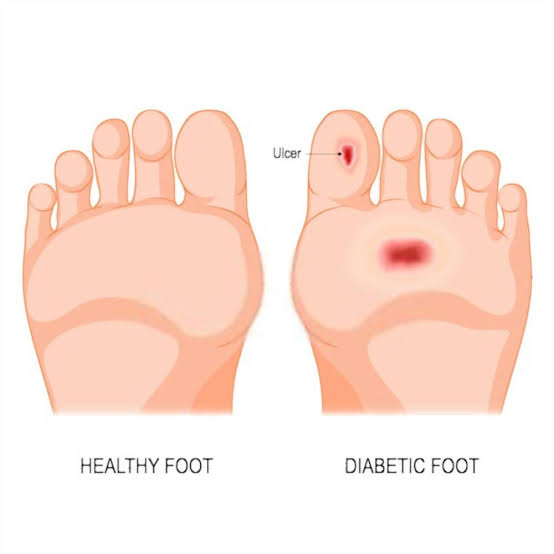
Tingling Feet and Diabetes: Causes and What to Do
The connection between tingling feet and diabetes is one of the most clinically significant and diagnostically important symptom relationships in metabolic medicine. Tingling, burning, or numbness in the feet — the hallmark sensations of diabetic peripheral neuropathy — are among the most common complications of diabetes, affecting approximately 50 percent of people with long-standing diabetes and an estimated 20 to 30 percent at the time of initial Type 2 diabetes diagnosis. That last statistic is sobering: it means that for many people, nerve damage has been accumulating silently for years before a formal diagnosis is made. Tingling feet can be an early warning sign of blood sugar problems that have gone undetected — or evidence of the cumulative damage of years of known but suboptimally controlled diabetes. Understanding what causes tingling feet in diabetes, how it progresses, and what can be done to slow or prevent it is critical information for anyone with diabetes or at risk for it.
What Is Diabetic Peripheral Neuropathy
Peripheral neuropathy refers to damage or dysfunction of peripheral nerves — the nerves outside the brain and spinal cord that carry sensation from the skin, feet, legs, and arms to the central nervous system, and motor signals from the central nervous system to muscles. Diabetic peripheral neuropathy (DPN) is the most common form of neuropathy worldwide, caused by the cumulative damage that elevated blood glucose inflicts on nerve fibers over years of exposure. It is the most prevalent chronic complication of both Type 1 and Type 2 diabetes.
DPN preferentially affects the longest nerves in the body — the sensory nerves running from the spinal cord to the toes. The reason for this length-dependent vulnerability is partly mechanical (longer nerves are harder to maintain and more susceptible to damage accumulating along their length) and partly metabolic (the distal ends of nerves are farthest from the cell body, making them most vulnerable to the energy supply disruptions and toxic byproduct accumulation that elevated glucose produces). This length-dependent pattern produces the characteristic “stocking-glove” distribution of early DPN symptoms: tingling and numbness beginning in the toes and ball of the foot, gradually ascending to the ankles, then the lower legs, and eventually the knees — with the hands affected only later and in a similarly distal distribution. Understanding the broader context of symptoms of type 2 diabetes helps situate peripheral neuropathy within the full picture of how blood sugar dysregulation manifests throughout the body.
How Elevated Blood Sugar Damages Nerves
The mechanisms through which high blood glucose damages peripheral nerves are multiple and interconnected. Understanding them helps explain both why the damage is cumulative and largely irreversible once established, and why early blood sugar control is so critical for neuropathy prevention.
The polyol pathway and sorbitol accumulation. In nerve tissue, as in the lens of the eye, glucose that cannot be used efficiently through normal metabolism is converted by aldose reductase to sorbitol, which accumulates within Schwann cells (the cells that produce and maintain the myelin sheath protecting nerve fibers) and nerve axons. Sorbitol accumulation depletes inositol (a molecule essential for normal nerve conduction) and causes oxidative stress through secondary reactions, impairing nerve cell function and ultimately damaging nerve fiber structure.
Advanced glycation end products (AGEs). Chronic exposure of proteins to elevated glucose produces a class of modified proteins called advanced glycation end products through a series of non-enzymatic chemical reactions. AGEs accumulate in nerve tissue and nerve blood vessels, altering protein function, activating inflammatory signaling pathways, and contributing to the vascular damage (reduced endoneurial blood flow) that starves nerves of oxygen and nutrients.
Microvascular damage to the vasa nervorum. Peripheral nerves are supplied by small blood vessels called the vasa nervorum that run alongside them. Diabetic microvascular disease damages these vessels through the same mechanisms that produce retinopathy and nephropathy — thickening of vessel walls, reduced endothelial function, and ultimately insufficient blood flow to the nerve. The result is a chronic state of nerve ischemia: nerve fibers trying to function with insufficient oxygen, glucose, and nutrient delivery. This ischemic component of DPN is one reason why peripheral artery disease (which further reduces blood flow to the legs) significantly worsens neuropathy risk and severity.
Oxidative stress and inflammation. Elevated blood glucose generates excess reactive oxygen species (free radicals) that damage cellular components throughout the nervous system. Chronic low-grade inflammation — a consistent feature of poorly controlled diabetes — further impairs nerve cell function and survival. Both mechanisms compound the direct chemical effects of glucose on nerve tissue described above. For a comprehensive understanding of how blood sugar affects the body at the cellular and organ level, see our guide on why blood sugar matters for long-term health.
The Progression of Symptoms: From Tingling to Numbness
Diabetic peripheral neuropathy progresses through a characteristic pattern of symptoms that reflects the natural history of nerve damage from early dysfunction to structural loss.
In the earliest stage, symptoms may be intermittent and subtle: mild tingling or pins-and-needles in the toes, a slight burning sensation in the balls of the feet (particularly at rest or in bed at night), or heightened sensitivity — feet that feel more sensitive to light touch or temperature change than before. Some people in this stage notice that their feet feel “different” without being able to specify exactly how, or experience occasional brief electric-shock sensations in the toes.
As neuropathy progresses to a moderate stage, symptoms become more persistent and more severe. Burning, stabbing, or cramping pain in the feet and lower legs is common and often worst at night — the classic nocturnal neuropathic pain that significantly disrupts sleep. Allodynia — pain produced by normally non-painful stimuli such as the light touch of bed sheets — can make the feet so sensitive that sleep is severely disrupted. The feet may feel simultaneously numb (reduced sensitivity to pinprick) and painful — a paradox characteristic of neuropathic pain that reflects simultaneous loss of normal sensory conduction and abnormal spontaneous firing of damaged nerves.
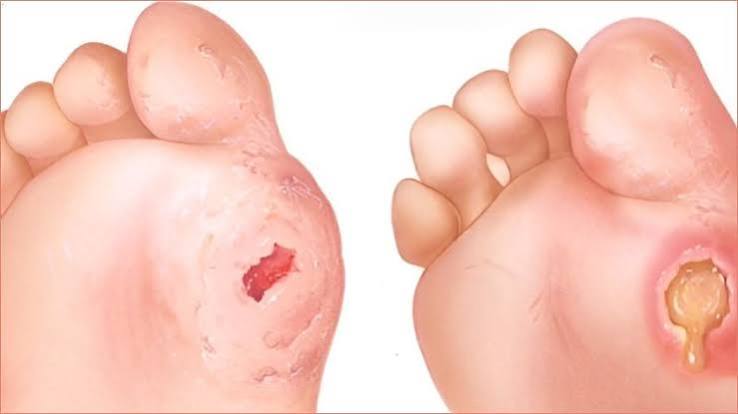
In advanced neuropathy, numbness becomes the dominant feature as nerve fibers are progressively lost. The burning pain of moderate neuropathy may paradoxically decrease as the nerves responsible for pain transmission are lost, while protective sensation — the ability to feel pressure, temperature, and pain that protects the foot from injury — is simultaneously eliminated. This is the most dangerous stage clinically: the relief from pain that many patients experience as numbness develops can be misinterpreted as improvement, when in fact it represents the loss of the very sensations that protect the foot from the undetected injuries that lead to diabetic foot disease. The relationship between neuropathy, loss of protective sensation, and slow wound healing in diabetes explains why advanced peripheral neuropathy carries the highest risk for the serious foot complications that diabetic neuropathy is most feared for.
- Prevalence: Approximately 50% of people with long-standing diabetes develop peripheral neuropathy
- At diagnosis: 20–30% of people with newly diagnosed Type 2 diabetes already have detectable neuropathy
- Distribution: Begins in toes and ball of foot; ascends symmetrically in a stocking-glove pattern
- Worst time: Symptoms are typically most prominent at rest and at night
- Prevention: Good blood sugar control reduces neuropathy risk by 60%+ (DCCT trial)
- Foot care: Daily foot inspection becomes essential once neuropathy affects protective sensation
When Tingling Feet Signals Undiagnosed Blood Sugar Problems
A critical and underappreciated aspect of peripheral neuropathy is that it can be the presenting symptom of previously undiagnosed diabetes or prediabetes — the sign that prompts blood glucose testing and leads to a diagnosis that was not previously known. Epidemiological studies of people presenting with newly diagnosed Type 2 diabetes consistently find that a substantial proportion already have peripheral neuropathy at the time of diagnosis, reflecting years of elevated blood sugar that produced nerve damage while the metabolic condition went undetected.
For a person without a prior diabetes diagnosis who develops tingling, burning, or numbness in the feet — particularly with the symmetric, bilateral, distally prominent pattern characteristic of DPN — blood glucose testing is a priority step in the evaluation. Other common causes of peripheral neuropathy (vitamin B12 deficiency, thyroid dysfunction, alcohol-related neuropathy, certain medications, and less commonly inflammatory and autoimmune conditions) must also be considered and appropriately excluded, but diabetes is consistently among the most common causes of peripheral neuropathy in adults and should be tested for early in any neuropathy evaluation.
The diagnostic threshold matters less here than the diagnostic impulse: if you have tingling feet and have not had blood glucose testing recently, getting tested is the right next step. A simple fasting glucose and A1C test can confirm or rule out diabetes as a contributing cause within days, directing appropriate treatment before neuropathy progresses further. For a full picture of the risk factors that make diabetes more likely, see our guide on diabetes risk factors, which helps identify whether your specific situation makes blood sugar a likely contributor to your neuropathic symptoms. And for a broader understanding of all the early signs of high blood sugar that often accompany tingling feet — including thirst, fatigue, and blurry vision — our comprehensive guide helps connect these symptoms into a coherent clinical picture that motivates appropriate evaluation.
Treatment: Managing Symptoms and Slowing Progression
Treatment of diabetic peripheral neuropathy operates on two levels: slowing or stopping disease progression (through glucose control) and managing the symptoms that already exist (through pain management, foot care, and other supportive approaches).
Blood sugar control is the only intervention that definitively slows the progression of diabetic peripheral neuropathy. The DCCT trial demonstrated that intensive glucose management in Type 1 diabetes reduced the development of clinical neuropathy by 60 percent compared to conventional treatment. In Type 2 diabetes, the evidence for glucose control reversing established neuropathy is more limited (because the condition is typically diagnosed after years of glucose elevation), but progression is clearly slowed with better control. Early glucose intervention — before significant nerve damage has accumulated — provides the greatest neuropathy-prevention benefit, reinforcing the value of early diagnosis and treatment.
Symptomatic pain management addresses the burning, stabbing, and allodynic pain of moderate neuropathy without affecting the underlying nerve damage. First-line medications approved for diabetic neuropathic pain include: duloxetine (a serotonin-norepinephrine reuptake inhibitor that modulates pain signaling in the central nervous system), pregabalin and gabapentin (anticonvulsants that reduce abnormal nerve firing), and tricyclic antidepressants such as amitriptyline (which modulate central pain processing). Topical agents — capsaicin cream, lidocaine patches — can provide localized relief for some patients. Opioids are generally not recommended for chronic neuropathic pain management due to their limited efficacy, high risk of dependence, and numerous adverse effects.
Foot care becomes increasingly important as neuropathy progresses and protective sensation decreases. The daily foot inspection practices described in our guide on slow wound healing and diabetes — daily visual inspection of all foot surfaces, proper footwear selection, moisturizing dry skin, prompt attention to any skin break — are particularly critical for people with neuropathy because of the inability to rely on pain to signal developing wounds. Regular professional foot care from a podiatrist is recommended for people with significant neuropathy, particularly those with impaired vision or mobility that makes self-inspection difficult. For people monitoring their blood sugar at home, understanding how glucose levels correlate with neuropathic symptoms — worse burning pain when blood sugar is high, modest improvement when control improves — provides both motivation for glucose management and a practical monitoring tool. Our guide on home blood sugar monitoring covers how to implement effective glucose monitoring between clinic visits to support the glucose control that is the foundation of neuropathy prevention and management.
Autonomic Neuropathy: Beyond Tingling Feet
While peripheral sensory neuropathy produces the tingling, burning, and numbness described above, diabetes can also affect autonomic nerves — the nerves controlling involuntary body functions including heart rate, blood pressure, digestion, bladder function, and sexual function. Autonomic neuropathy is less immediately recognizable than peripheral neuropathy because it does not produce the obvious sensory symptoms of tingling or numbness, but it can be just as disabling and carries significant cardiovascular risk.
Cardiovascular autonomic neuropathy (CAN) — damage to the nerves controlling heart rate and blood pressure regulation — is among the most clinically significant forms. People with CAN may experience resting tachycardia (a persistently elevated heart rate at rest, because the parasympathetic tone that normally slows the heart is impaired), orthostatic hypotension (a significant drop in blood pressure on standing, causing dizziness, lightheadedness, or fainting), or impaired heart rate response to exercise. CAN is associated with increased risk of silent myocardial infarction (heart attacks without chest pain — another autonomic effect) and is an independent predictor of cardiovascular mortality in people with diabetes.
Gastrointestinal autonomic neuropathy can produce gastroparesis — delayed gastric emptying in which food remains in the stomach far longer than normal — causing early satiety, bloating, nausea, vomiting, and unpredictable blood glucose swings (because the timing of glucose absorption from digested food becomes erratic). Bladder autonomic neuropathy produces neurogenic bladder dysfunction — incomplete emptying, overflow incontinence, or urinary retention. Sexual dysfunction, both erectile dysfunction in men and impaired arousal and lubrication in women, is associated with autonomic neuropathy affecting the pelvic nerves. All of these manifestations are driven by the same cumulative nerve damage that produces peripheral neuropathy, and their risk similarly depends on the duration and degree of blood glucose elevation — another reason why comprehensive management of diabetes and long-term glucose control matters so profoundly for quality of life.
Distinguishing Diabetic Neuropathy From Other Causes of Foot Tingling
Tingling and numbness in the feet have many causes beyond diabetes, and appropriate evaluation by a healthcare provider is needed to confirm that diabetes (or elevated blood sugar) is the specific cause rather than one of several other conditions that can produce similar symptoms.
Vitamin B12 deficiency is a common cause of peripheral neuropathy that can be clinically indistinguishable from diabetic neuropathy. It is particularly important to consider in people with diabetes taking metformin, which reduces B12 absorption from the gut over time, and can contribute to or worsen neuropathy in people who also have glucose-driven nerve damage. B12 levels should be checked in anyone with peripheral neuropathy, particularly those on long-term metformin.
Lumbar spinal stenosis or radiculopathy — compression of nerve roots in the lower back — can produce tingling, numbness, and pain in the feet and legs in a pattern that can superficially resemble DPN. Key distinguishing features include: symptoms that are asymmetric (one leg worse than the other), worsened by walking and improved by sitting or bending forward (unlike DPN, which is not positionally dependent), and associated with back pain or buttock pain. An MRI of the lumbar spine or nerve conduction studies can distinguish the two.
Hypothyroidism can produce peripheral neuropathy through mechanisms of altered nerve metabolism and fluid accumulation that compress nerve fibers. Thyroid function testing is routinely included in neuropathy evaluations.
Alcohol-related neuropathy produces a pattern similar to DPN — symmetric, distal, length-dependent — through a combination of direct toxic effects of alcohol on nerve tissue and nutritional deficiencies (B vitamins) that alcohol consumption promotes. It occurs independently of blood sugar but may coexist with diabetic neuropathy.
A comprehensive neuropathy evaluation typically includes nerve conduction studies and electromyography (which directly measure the speed and amplitude of nerve conduction, objectively confirming peripheral nerve damage and its severity), blood tests for diabetes, B12, thyroid function, and potentially other specific causes, and a thorough neurological examination assessing sensation, reflexes, and motor function. This evaluation helps confirm the diagnosis, establishes the severity and type of neuropathy, and guides appropriate management. For context on the full range of diabetes symptoms and complications that often accompany neuropathy, see our guides on symptoms of type 2 diabetes and early signs of high blood sugar.
Lifestyle Approaches That Support Nerve Health in Diabetes
Beyond blood glucose control and pharmacological pain management, several lifestyle interventions have evidence of benefit for peripheral neuropathy in diabetes:
Exercise improves peripheral nerve function through multiple mechanisms: it increases blood flow to peripheral nerves (addressing the ischemic component of neuropathy), reduces systemic inflammation, and promotes neurotrophic factor production — growth factors that support nerve survival and regeneration. Studies of structured exercise programs in people with DPN have shown improvements in nerve conduction velocity, reduced neuropathic pain scores, and improved balance compared to sedentary controls. Even walking — the most accessible form of exercise — produces measurable neurological benefit when performed regularly.
Alpha-lipoic acid is an antioxidant that has shown benefit in several randomized controlled trials for reducing neuropathic pain in diabetic neuropathy, particularly at doses of 600 mg daily for a period of weeks to months. While not approved as a pharmaceutical treatment in the United States (it is a dietary supplement), it has regulatory approval for this indication in Germany and is widely used in Europe. Its mechanism involves reducing the oxidative stress that contributes to nerve damage. It is generally well tolerated, though should be discussed with a healthcare provider before starting.
Smoking cessation is strongly indicated in anyone with diabetes and neuropathy because smoking constricts blood vessels, further reducing the already impaired blood flow to peripheral nerves and dramatically worsening both neuropathy progression and foot complication risk. Smokers with diabetes have substantially higher rates of amputation than non-smokers, reflecting the additive effect of smoking-related vascular disease on already impaired diabetic circulation.
Sleep position and foot protection can meaningfully reduce nocturnal neuropathic pain. Keeping bed sheets and blankets from pressing on hypersensitive feet — using a foot cradle or tent device that holds covers off the feet — significantly reduces allodynic pain for many people. Soft cotton socks worn at night protect sensitive feet from contact with bed sheets while absorbing any moisture. For people with neuropathy-related foot vulnerability, proper footwear during all waking hours — and the daily foot inspection routine described in our guide on slow wound healing and diabetes — are not optional additions to care but essential protective practices. The combination of neuropathy (loss of protective sensation) and impaired wound healing in diabetes creates the conditions for the serious foot complications that are among the most devastating and preventable consequences of poorly controlled blood sugar. Addressing both through comprehensive diabetes management — including regular A1C monitoring (see our guide on the A1C test), home glucose monitoring (home blood sugar monitoring guide), and attention to the full range of risk factors identified in our guide on diabetes risk factors) — is the most reliable path to preventing neuropathy from reaching the advanced stage where foot complications become a constant threat.
Sources: American Diabetes Association. Standards of Medical Care in Diabetes — 2024. Diabetes Care. 2024;47(Suppl 1):S20–S42. • Pop-Busui R, et al. Diabetic Neuropathy: A Position Statement by the American Diabetes Association. Diabetes Care. 2017;40(1):136–154. • The Diabetes Control and Complications Trial Research Group. The Effect of Intensive Treatment of Diabetes on Long-Term Complications. N Engl J Med. 1993;329(14):977–986.
This is one of the clearest explanations of tingling feet and diabetes: causes and I have found. The section on managing this condition day-to-day was especially useful for planning. Exactly the kind of evidence-based information that is hard to find in one place.
As someone dealing with this personally, the tingling feet and diabetes: causes and section was very helpful. It is refreshing to see an article that acknowledges individual variation rather than one-size-fits-all advice. Appreciate the effort that went into researching and writing this — it shows.
I shared this article on tingling feet and diabetes: causes and with my doctor and they appreciated the level of detail. The specific numbers and thresholds mentioned are exactly what I needed to understand my results. Appreciate the effort that went into researching and writing this — it shows.