
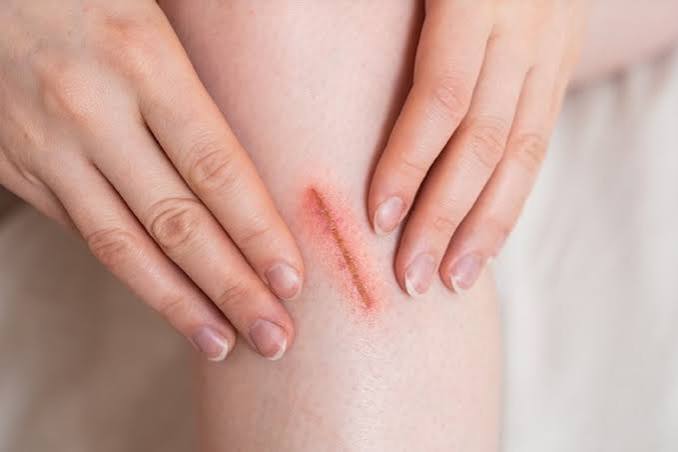
Slow Wound Healing and Diabetes: Causes and Care
Slow wound healing and diabetes are connected through several interlocking mechanisms that impair the body’s ability to repair damaged tissue. Normal wound healing is a coordinated, multi-phase process involving inflammation, cellular proliferation, and tissue remodeling — and elevated blood sugar disrupts each of these phases in specific and measurable ways. The result is that cuts, scrapes, blisters, and bruises that would heal in days for a person without diabetes may take weeks in someone with poorly controlled blood sugar — and minor wounds that would ordinarily resolve without complication may progress to infected wounds, chronic ulcers, or serious tissue damage requiring intensive medical treatment. Understanding why diabetes impairs wound healing — and what can be done about it — is essential knowledge for anyone managing diabetes or elevated blood sugar, particularly in the context of foot health where impaired healing carries the greatest risk.
The Normal Wound Healing Process
To understand how diabetes disrupts wound healing, it helps to understand how the process normally works. Normal wound healing proceeds through four overlapping phases: hemostasis (clot formation to stop bleeding, beginning within seconds of injury), inflammation (immune cell recruitment to clean the wound and signal repair, beginning within hours), proliferation (new tissue formation including collagen deposition and skin cell migration, occurring over days to weeks), and remodeling (scar maturation and tissue strengthening, continuing for months). Each phase depends on specific cells, proteins, and molecular signals, and each is susceptible to disruption by elevated blood glucose, poor circulation, or impaired immune function.
In a healthy person, this process closes a small skin wound within three to seven days and progressively strengthens the healed tissue over the following weeks. In a person with poorly controlled diabetes, the same wound may take two to four weeks to close, may fail to close at all without medical intervention, and is at substantially higher risk of developing secondary bacterial or fungal infection during the extended healing period. Understanding why blood sugar matters for long-term health in terms of microvascular and immune effects provides important context for understanding these wound healing failures at the cellular level.
Mechanism 1: Impaired Immune Function
The immune system plays a central role in wound healing from the moment of injury. Neutrophils — the first responders of the immune system — arrive at wound sites within minutes to hours, where they kill bacteria, clean cellular debris, and release cytokines that signal the next phases of healing. Macrophages follow, continuing bacterial clearance, releasing growth factors that stimulate tissue repair, and orchestrating the transition from the inflammatory to the proliferative phase. The entire cellular choreography of wound healing depends on these immune cells functioning effectively.
Elevated blood glucose directly impairs neutrophil function in multiple measurable ways: it reduces neutrophil chemotaxis (their ability to navigate toward the wound site), impairs phagocytosis (their ability to engulf and kill bacteria), reduces the production of reactive oxygen species used to destroy pathogens, and disrupts the cytokine signaling that coordinates the healing response. Studies in people with poorly controlled diabetes consistently show neutrophils that kill bacteria at 30 to 50 percent the rate of neutrophils from people with normal glucose control. Macrophage function is similarly impaired: diabetic macrophages show abnormal activation states, prolonged inflammatory signaling (which damages tissue rather than promoting healing), and impaired transition to the anti-inflammatory, pro-repair phenotype that the proliferative phase of healing requires.
The practical consequence is a wound that is simultaneously more susceptible to infection (because bacterial killing is impaired) and slower to progress through the repair phases (because the growth factor signals that drive tissue regeneration are disrupted). This combination — higher infection risk and slower repair — explains why wounds in people with poorly controlled diabetes can progress from minor injuries to serious infected wounds requiring medical intervention in ways that would not occur in people with normal glucose function.
Mechanism 2: Impaired Circulation and Oxygen Delivery
Wound healing requires an abundant supply of oxygen, nutrients, and circulating cells — all of which are delivered to wound sites through blood flow. Diabetes impairs this delivery through two distinct vascular mechanisms: macrovascular disease (arterial disease affecting large and medium blood vessels) and microvascular disease (changes to the small vessels that supply tissues directly).
Microvascular disease — the same process that causes diabetic retinopathy and diabetic nephropathy — reduces the density and function of capillaries in the skin and subcutaneous tissues, impairs capillary permeability for the exchange of oxygen and nutrients, and reduces the responsiveness of blood vessels to the vasodilation signals that normally increase blood flow to wound sites. The result is a wound that receives less oxygen and fewer circulating immune cells than the repair process requires — the equivalent of trying to build a house while the supply chain is partially broken.
Macrovascular disease — peripheral artery disease (PAD), which narrows or blocks the arteries supplying the legs and feet — compounds microvascular changes in many people with long-standing diabetes. PAD reduces blood flow to the lower extremities dramatically in severe cases, producing the ischemia (insufficient tissue oxygenation) that makes foot wounds in some people with diabetes nearly impossible to heal without vascular intervention. PAD is present in approximately 20 to 30 percent of people with diabetes over age 50, making it a major contributor to the high rate of diabetic foot complications. Understanding the full picture of symptoms of type 2 diabetes, including vascular symptoms, provides context for understanding why circulation impairment is such a central feature of diabetes complications.
- Healing time: Minor wounds may take 2–4 weeks vs. 3–7 days in people without diabetes
- Annual amputation rate: People with diabetes account for approximately 60% of non-traumatic lower limb amputations in the US
- Foot ulcer lifetime risk: Approximately 15% of people with diabetes develop a foot ulcer at some point
- Infection risk: Diabetic wounds are 2–5x more likely to develop bacterial or fungal infection
- Prevention: Daily foot inspection, proper footwear, and good glucose control prevent the majority of serious diabetic foot complications
- When to seek care: Any foot wound that has not improved within 2–3 days, or any signs of infection, warrants medical evaluation
Mechanism 3: Peripheral Neuropathy and Loss of Protective Sensation
A third mechanism that compounds slow wound healing in diabetes is peripheral neuropathy — nerve damage in the feet and lower legs that reduces or eliminates the pain and pressure sensations that normally alert people to skin injury. In a person without neuropathy, stepping on a sharp object, developing a blister from tight shoes, or sustaining a small cut produces immediate pain that motivates prompt attention and care. In a person with significant peripheral neuropathy, the same injuries may produce no pain at all — allowing wounds to develop, enlarge, and become infected without the person’s awareness.
This combination of impaired wound healing (from immune and circulatory mechanisms) and impaired injury detection (from neuropathy) is the foundation of diabetic foot disease — the serious complication in which relatively minor foot injuries progress to severe infections, osteomyelitis (bone infection), and potentially limb-threatening wounds. People with diabetes account for approximately 60 percent of non-traumatic lower extremity amputations in the United States, representing outcomes that are largely preventable with adequate foot care, glucose control, and early wound management.
Peripheral neuropathy in diabetes follows a characteristic pattern described in detail in our guide on tingling feet and diabetes — beginning with abnormal sensations (tingling, burning) and potentially progressing to numbness. The transition from abnormal sensation to numbness represents a worsening of the underlying nerve damage and an increased risk of undetected injury. Anyone with diabetes who notices that their feet feel numb or that they have lost the ability to feel temperature, pressure, or pain in the feet should inform their healthcare provider immediately and begin daily foot inspection as a standard practice.
Diabetic Foot Care: Prevention and Daily Practice
Because the consequences of foot wounds in diabetes can be severe, preventive foot care is one of the most important self-management practices for any person with diabetes. The following practices are evidence-supported and recommended by the American Diabetes Association:
- Daily foot inspection: Examine all surfaces of both feet every day — tops, soles, between toes, and around heels — using a mirror for hard-to-see areas if needed. Look for cuts, blisters, cracks, redness, swelling, or discoloration. Address any finding promptly.
- Wash and dry feet daily: Wash with lukewarm (not hot) water and dry thoroughly, especially between the toes where moisture promotes fungal infection. Test water temperature with a hand rather than a foot to compensate for reduced temperature sensation.
- Moisturize dry skin: Apply lotion to the tops and soles of the feet (not between the toes) to prevent the cracking that creates entry points for infection. Dry, cracked heel skin is a common and preventable source of foot wounds in diabetes.
- Never go barefoot: Even indoors, wearing well-fitting footwear protects feet from the minor injuries — stubbed toes, splinters, sharp objects — that can initiate serious wound sequences in people with impaired healing and sensation.
- Wear proper footwear: Shoes should fit well, have adequate toe space, and have no internal seams that rub. People with significant neuropathy may benefit from therapeutic footwear designed to distribute foot pressure evenly and minimize friction.
- Regular professional nail care: Cutting nails improperly can cause nail edges to cut adjacent skin. People with visual impairment, neuropathy, or poor circulation may benefit from professional nail care by a podiatrist to reduce this risk.
For any wound that does not show clear improvement within two to three days of standard first aid — cleaning, covering with appropriate dressing, and monitoring — medical evaluation is warranted. Signs of infection requiring immediate evaluation include increasing redness spreading from the wound, warmth and swelling, increasing pain (or in the context of neuropathy, any unusual smell or change in appearance), pus or cloudy discharge, fever, or streaking redness along the leg from the wound site. Diabetic wound infections can progress rapidly to serious limb-threatening infections and must be evaluated and treated promptly. For more about the connection between blood sugar levels and all the early warning signs that indicate elevated glucose is affecting the body, see our comprehensive guide on early signs of high blood sugar. Understanding what diabetes is at the physiological level helps explain why all of these complications — including impaired wound healing — arise from the same fundamental disruption of insulin-mediated glucose regulation. And for people whose blood sugar has not yet been formally evaluated, understanding the full range of diabetes risk factors helps assess whether the slow wound healing you may be experiencing warrants testing that could reveal an underlying blood sugar problem driving it. Monitoring blood sugar at home between clinical visits supports better glucose control — and better glucose control is the most effective intervention for improving wound healing capacity over time. Our guide on home blood sugar monitoring explains how to implement this monitoring effectively.
The Role of Blood Sugar Control in Wound Healing
The most fundamental intervention for improving wound healing capacity in diabetes is blood glucose control. Every mechanism that impairs wound healing in diabetes — neutrophil dysfunction, macrophage abnormalities, microvascular damage, collagen synthesis impairment — is driven by or worsened by elevated blood glucose, and every mechanism responds to glucose normalization. Clinical studies consistently demonstrate that people with better glucose control have faster wound healing, lower wound infection rates, and better surgical outcomes than those with poorly controlled glucose.
The specific A1C target that optimizes wound healing is the same as the general diabetes management target: below 7 percent for most people with diabetes, adjusted upward for older adults or those with significant hypoglycemia risk. People who are scheduled for elective surgery are typically asked to achieve A1C below 8 percent before the procedure, and ideally below 7 percent when time permits — because the surgical wound healing that follows any procedure is substantially impaired by poorly controlled blood sugar, increasing infection risk, anastomotic leak rates, and healing time across all types of surgery. For practical guidance on tracking and understanding glucose control at home, see our guide on home blood sugar monitoring, which covers how to use glucose meters to monitor the trajectory of glucose control between clinical measurements.
In the context of an active wound, tighter short-term glucose control is often beneficial even for people whose usual management is less intensive. Hyperglycemia during the acute wound healing period is particularly damaging — studies of surgical site infections show that intraoperative and early postoperative glucose elevation is a stronger predictor of wound infection than preoperative A1C, reflecting the acute sensitivity of the inflammatory and immune phases of healing to blood glucose at the moment they are occurring. Hospital protocols now typically target blood glucose below 180 mg/dL in all surgical patients during and immediately after procedures, regardless of prior diabetes diagnosis — a recognition of the acute wound-healing implications of blood sugar elevation.
Collagen Synthesis Impairment: The Structural Deficit
Beyond immune function and circulation, elevated blood sugar impairs wound healing through a third mechanism that operates at the molecular level of tissue construction: it disrupts collagen synthesis and cross-linking, the processes through which the structural scaffold of new tissue is built.
Collagen is the primary structural protein of skin, tendons, blood vessel walls, and virtually all connective tissue. Wound healing depends on fibroblasts — the cells that produce collagen — migrating into the wound site, producing new collagen fibers, and organizing them into a structured scaffold that restores tissue integrity. Elevated blood glucose impairs fibroblast proliferation, reduces their migration speed toward wound sites, and impairs the quality of the collagen they produce through a process called glycation — the non-enzymatic attachment of glucose molecules to collagen proteins that alters their structure and reduces their mechanical strength.
The result is a wound that, even when it eventually closes, may produce a weaker, less well-organized scar than normal — one that is more prone to breakdown under mechanical stress. This is particularly significant for foot ulcers, which are subject to the repetitive mechanical forces of walking even after apparent healing, and helps explain the high recurrence rate of diabetic foot ulcers: approximately 40 percent recur within one year of apparent healing, and 65 percent within three years. The structural weakness of glucose-impaired scar tissue is one contributor to this recurrence, alongside the persistent circulation and neuropathy changes that created the initial vulnerability.
Wound Care Products and Approaches for People With Diabetes
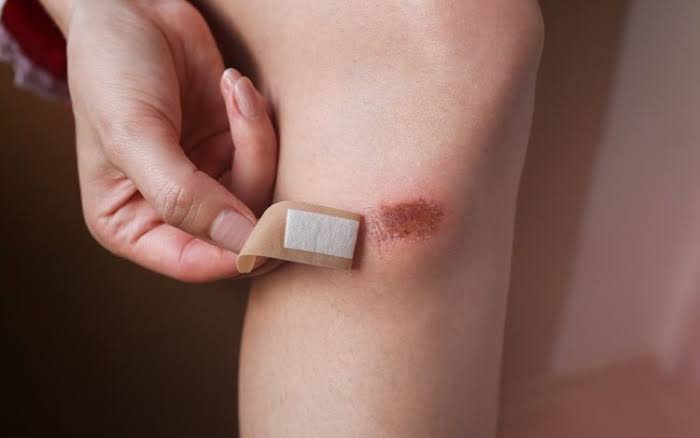
For minor wounds — small cuts, abrasions, and blisters — the principles of wound care in diabetes are similar to those for anyone, but with heightened attention to monitoring and a lower threshold for escalation to professional care.
Cleaning: Rinse the wound gently with clean water or saline. Avoid using hydrogen peroxide, iodine, or Betadine directly on wound tissue — these products, while traditionally used for wound cleaning, are toxic to the fibroblasts and immune cells that drive healing and delay rather than accelerate the healing process. Mild soap around (not in) the wound is appropriate for cleaning surrounding skin.
Covering: Cover the wound with an appropriate dressing that maintains a moist wound environment — research consistently demonstrates that moist wound healing environments accelerate epithelialization and reduce scar formation compared to dry healing. Hydrocolloid dressings, foam dressings, and simple non-stick gauze moistened with saline all maintain appropriate moisture. Allowing wounds to dry out and form hard crusts slows healing by requiring the epithelial cells growing across the wound to work under the crust rather than across a moist surface.
Offloading pressure from foot wounds: For any wound on the bottom of the foot, reducing pressure on the wound site dramatically improves healing speed. Total contact casts, removable offloading boots, or specialized footwear can redirect weight away from wound areas, allowing healing to occur without the repetitive mechanical disruption that prevents closure.
Blood sugar management during healing: As discussed above, achieving the best possible glucose control during the active wound healing period is the single most impactful intervention available. Discussing temporary intensification of diabetes management with a healthcare provider during wound healing is appropriate, particularly for more significant wounds.
When Wounds Require Professional Diabetic Wound Care
Not all wounds in people with diabetes can be managed at home, and recognizing the transition points at which professional evaluation is needed prevents minor wounds from becoming serious complications. The following are clear indications for medical evaluation rather than continued home management:
- Any wound on the foot or lower leg that has not clearly improved (decreasing size, decreased drainage, reduced surrounding redness) within two to three days of appropriate home care
- Any wound showing signs of infection: increasing redness, warmth, swelling, pus or cloudy discharge, worsening pain (or any pain in a foot with neuropathy), fever, or red streaking from the wound along the leg
- Any wound that reaches bone or that can be probed to bone with a cotton swab — a finding called “positive probe to bone” that strongly predicts osteomyelitis (bone infection) requiring prolonged antibiotic treatment and sometimes surgical debridement
- Any wound larger than 2 cm that fails to show clear improvement within one week of home care
- Wounds accompanied by signs of ischemia in the affected limb: pale or bluish color, coldness, absence of hair, diminished or absent pulses — suggesting peripheral artery disease that may require vascular evaluation and intervention before wound healing can occur
Specialized diabetic wound care centers provide multidisciplinary management including infectious disease consultation, vascular assessment, surgical debridement of non-viable tissue, advanced wound dressing technologies (negative pressure wound therapy, bioengineered skin substitutes), and hyperbaric oxygen therapy for wounds with poor tissue oxygenation. Early referral to these centers for wounds that do not respond to initial treatment significantly improves outcomes and reduces amputation rates. For the full context of how diabetes affects the body systemically — including vascular and immune effects that underlie wound healing impairment — see our guide on why blood sugar matters for long-term health. For people whose slow wound healing raises questions about whether they may have undiagnosed elevated blood sugar, reviewing the full spectrum of early signs of high blood sugar and pursuing blood glucose testing through the A1C test is a valuable and potentially important step. Slow wound healing in the context of other blood sugar symptoms — fatigue, thirst, frequent urination — is a meaningful clinical cluster that warrants formal evaluation rather than management in isolation.
Sources: American Diabetes Association. Standards of Medical Care in Diabetes — 2024. Diabetes Care. 2024;47(Suppl 1):S20–S42. • Armstrong DG, et al. Diabetic Foot Ulcers and Their Recurrence. JAMA. 2017;318(3):241–251. • Boulton AJ, et al. Comprehensive Foot Examination and Risk Assessment. Diabetes Care. 2008;31(8):1679–1685.
I have been reading about slow wound healing and diabetes: causes for weeks and this is the most thorough guide I found. This is the kind of evidence-based writing that actually changes how people approach their health. Thank you for making complex medical information accessible without dumbing it down.
My doctor recommended I look into slow wound healing and diabetes: causes and this article covered it perfectly. It is refreshing to see an article that acknowledges individual variation rather than one-size-fits-all advice. Keep up this kind of thorough health journalism — it genuinely helps patients like me.
Finally a resource that explains slow wound healing and diabetes: causes in plain language. The article answered questions I didn’t even know I had until I started reading. Keep up this kind of thorough health journalism — it genuinely helps patients like me.