
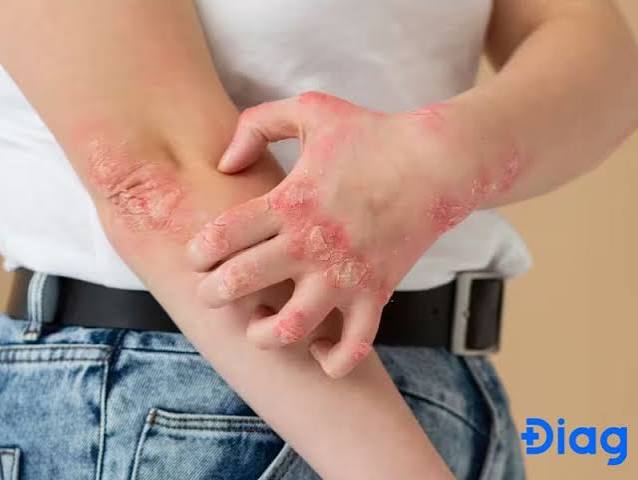
How Diabetes Affects the Skin: Mechanisms and Scope
The connection between diabetes and skin health is broader than most people realize. Skin conditions affect up to one-third of people with diabetes at some point during their lifetime, ranging from minor nuisances like dry skin and fungal infections to serious complications including diabetic dermopathy, necrobiosis lipoidica, and impaired wound healing that can lead to chronic ulcers. The skin is, in a sense, a window into the metabolic state of the whole body — many skin changes in diabetes are direct reflections of the hyperglycemic, pro-inflammatory, and vascular environment that elevated blood glucose creates. Understanding which skin conditions are linked to diabetes, how to recognize them, and how to manage them appropriately is an underappreciated component of comprehensive diabetes care. Our guide on what is diabetes provides foundational context; this article focuses on the full spectrum of skin manifestations associated with diabetes and their management.
The mechanisms by which diabetes damages the skin are multiple and overlapping:
- Impaired microvascular supply: Small vessel disease in the dermis reduces blood flow to skin tissue, impairing the delivery of oxygen, nutrients, and immune cells. This creates a skin environment that is more vulnerable to infection, heals more slowly, and is less resilient to physical stress.
- Collagen glycation and structural changes: Glucose attaches to collagen molecules through the same AGE (advanced glycation end-product) mechanism that damages kidney and retinal vessels. Glycated collagen loses its flexibility, becomes cross-linked and stiff, and is more resistant to normal tissue remodeling — contributing to the thickened, waxy skin changes seen in some diabetes-related skin conditions.
- Impaired immune defense: Elevated blood glucose suppresses the skin’s local immune defenses, making people with diabetes more susceptible to bacterial and fungal skin infections and slower to clear them once they develop.
- Neuropathic skin changes: Autonomic neuropathy affecting the small nerve fibers that control sweat glands and cutaneous blood flow causes reduced sweating (anhidrosis) and dry skin, particularly in the lower legs and feet. Our guide on diabetes and nerve damage covers the neuropathic mechanisms that contribute to skin vulnerability in the diabetic foot.
- Altered wound healing: Hyperglycemia impairs virtually every phase of wound healing — reducing neutrophil and macrophage function in the inflammatory phase, impairing fibroblast proliferation and collagen synthesis in the proliferative phase, and reducing angiogenesis (new blood vessel formation) needed to supply the healing wound.
Common Skin Conditions Linked to Diabetes
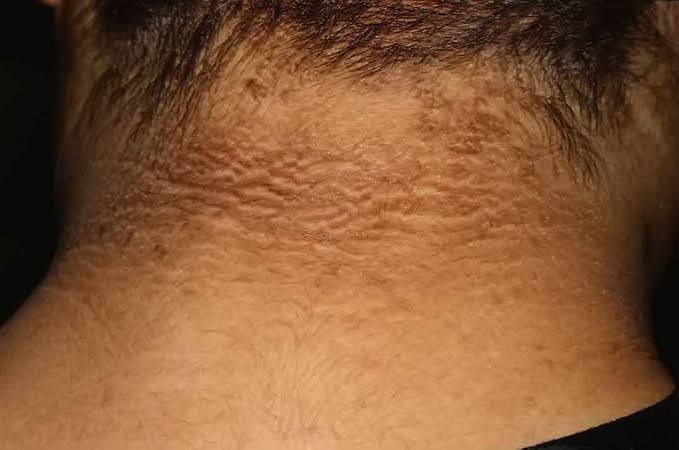
Acanthosis Nigricans
Acanthosis nigricans is a distinctive skin change characterized by dark, velvety, thickened patches of skin in body folds — typically the back of the neck, armpits, groin, and skin creases under the breasts and belly. It is a cutaneous marker of insulin resistance and hyperinsulinemia: excess circulating insulin stimulates insulin-like growth factor receptors in keratinocytes (skin cells), driving their proliferation and producing the characteristic velvety thickening. Acanthosis nigricans can appear years before Type 2 diabetes develops, making it a valuable early warning sign of insulin resistance and metabolic dysfunction. Finding it in a patient — particularly in a young person with obesity — should prompt blood glucose testing and assessment of cardiovascular risk factors. Our guide on what is insulin resistance covers the metabolic context in which acanthosis nigricans develops.
Diabetic Dermopathy
Diabetic dermopathy — sometimes called “shin spots” — is the most common skin manifestation of established diabetes, affecting approximately 30–60% of people with long-standing Type 2 diabetes. It appears as light brown, scaly, oval patches on the shins, caused by changes in the small blood vessels of the dermis driven by chronic hyperglycemia. The spots are painless, not itchy, and do not require specific treatment — but their presence correlates with the duration and severity of diabetes and with the presence of other microvascular complications (retinopathy, nephropathy, neuropathy). They often fade over time even without treatment and should not be confused with vasculitis or other serious conditions. People who notice new shin spots should mention them to their diabetes care provider as documentation of cutaneous microvascular disease.
Necrobiosis Lipoidica
Necrobiosis lipoidica diabeticorum (NLD) is a chronic, inflammatory skin condition that occurs in approximately 0.3% of people with diabetes — appearing most often in middle-aged women with long-standing Type 1 diabetes, though it can occur in Type 2 diabetes as well. NLD presents as reddish-brown, waxy, atrophic plaques on the shins with a characteristic yellow center and violaceous border. The center of the plaque becomes thin, shiny, and telangiectatic (showing small surface blood vessels). NLD lesions can ulcerate with minor trauma and are notoriously difficult to heal. The pathophysiology involves collagen degeneration in the dermis related to microvascular disease and immune dysregulation. Treatment is challenging and includes topical or intralesional corticosteroids, tacrolimus, phototherapy, and — importantly — smoking cessation (smoking significantly worsens NLD). Improving blood glucose control does not reliably improve NLD, but protection of the affected skin from trauma is critical to prevent ulceration.
Granuloma Annulare
Granuloma annulare is a benign inflammatory skin condition characterized by ring-shaped, flesh-colored or reddish papules that typically appear on the hands, feet, and forearms. While granuloma annulare occurs in people without diabetes, the disseminated (widespread) form is associated with diabetes in a significant proportion of cases. It is generally self-limiting and resolves without treatment over months to years, though treatment with topical corticosteroids or phototherapy may accelerate resolution. Its discovery in a patient without known diabetes may prompt blood glucose screening.
Skin Infections in Diabetes: Bacterial and Fungal
People with diabetes are substantially more susceptible to skin infections because of impaired immune defense, reduced skin barrier function from dryness and microtrauma, and the glucose-rich environment that supports pathogen growth. The two main categories are bacterial and fungal infections:
Bacterial Skin Infections
Staphylococcus aureus and Streptococcus species cause the majority of bacterial skin infections in people with diabetes. Common presentations include:
- Folliculitis: Infection of hair follicles causing pustules around follicular openings, particularly on the trunk, thighs, and buttocks
- Furuncles and carbuncles: Deep follicular infections that form painful nodules or clusters of interconnected nodules. People with diabetes are more likely to develop carbuncles (multiple adjacent furuncles) than people without diabetes, and these may require incision and drainage plus systemic antibiotics
- Cellulitis: Bacterial infection of the dermis and subcutaneous tissue presenting as a spreading area of warmth, redness, swelling, and pain. Cellulitis in people with diabetes is more likely to be severe, spread rapidly, and require hospitalization and IV antibiotics, particularly when it involves the lower extremities where lymphatic drainage may be impaired
- Erysipelas: A more superficial, rapidly spreading streptococcal skin infection with sharply demarcated borders and significant systemic symptoms (fever, chills) — requiring prompt antibiotic treatment
Fungal Skin Infections
Candida albicans is the most important fungal pathogen in diabetes-related skin disease. Elevated blood glucose creates a carbohydrate-rich environment that supports Candida proliferation, while impaired cellular immunity reduces the ability to control overgrowth. Common Candida skin manifestations include:
- Intertrigo: Moist, red, itchy rash in skin folds (groin, under the breasts, axillae, between toes) where warmth and humidity combine with elevated skin glucose to create ideal Candida conditions
- Vulvovaginal candidiasis: Recurrent vaginal yeast infections are among the most common presenting complaints in women with newly diagnosed or poorly controlled diabetes — and are now known to be a side effect of SGLT-2 inhibitors (which increase urinary glucose excretion)
- Balanitis: Inflammation of the glans penis from Candida overgrowth — similarly linked to high urinary glucose and a recognized SGLT-2 inhibitor side effect in men
- Onychomycosis: Fungal nail infection causing thickened, discolored, crumbling nails — more common in people with diabetes and potentially serving as a portal for bacterial entry when the nail structure is disrupted
Treatment of candidal skin infections requires antifungal therapy (topical clotrimazole, miconazole, or nystatin for superficial infections; oral fluconazole for resistant or recurrent cases) alongside improved blood glucose control. Infections that recur despite adequate antifungal treatment should prompt HbA1c reassessment, as recurrent Candida infections often signal inadequate glycemic control.
Dry Skin, Itching, and Wound Healing in Diabetes
Dry skin (xerosis) is among the most common and underappreciated skin problems in diabetes. Diabetic autonomic neuropathy impairs sweat gland function, reducing skin surface moisture; microvascular disease reduces the delivery of nutrients needed for healthy skin turnover; and elevated blood glucose draws water out of skin cells osmotically. The result is skin that is chronically dry, prone to cracking (particularly on the heels and lower legs), and less resilient to friction and pressure. Cracked skin on the heels is not merely a cosmetic problem in people with diabetes — heel fissures can deepen into painful wounds, and in people with neuropathy who cannot feel the heel, these fissures may go undetected until they are infected. Our guide on diabetes and foot health covers heel fissure management as a component of the comprehensive foot care that prevents diabetic amputation.
Itching (pruritus) in people with diabetes can have multiple causes: dry skin, fungal infections, uremic pruritus from kidney disease (as kidney function declines), neuropathic itch from small fiber nerve damage, and rarely allergic reactions to diabetes medications. Identifying and treating the underlying cause is more effective than symptomatic antihistamine therapy alone. Our guide on diabetes and kidney health covers the uremic pruritus that develops in advanced diabetic nephropathy.
Wound healing is impaired at multiple levels in people with poorly controlled diabetes. Superficial wounds that would heal within days in people without diabetes may take weeks in people with diabetes, particularly when blood glucose is elevated, blood supply is compromised by peripheral arterial disease, or infection has taken hold. Optimizing blood glucose is the most important modifiable factor for improving wound healing capacity — each percentage point reduction in HbA1c measurably improves the metabolic environment in which wounds must heal. Our guide on diabetes and high blood pressure covers blood pressure management that also contributes to skin perfusion and wound healing through its effects on peripheral vascular function.
Protecting Skin Health With Diabetes: Daily Practices
A consistent daily skin care routine is as important for people with diabetes as glucose monitoring and medication adherence — particularly for protecting the feet and lower extremities where neuropathy and vascular disease create the highest risk:
- Moisturize daily: Apply a fragrance-free, urea-containing or ceramide-based moisturizer to dry areas — particularly the lower legs, heels, and hands — immediately after bathing to lock in moisture. Urea-based creams (10–25% urea) are particularly effective for very dry, cracked skin as urea is both a humectant and a keratolytic that removes excess dead skin cells.
- Bathe in lukewarm water: Hot water strips skin of natural oils and worsens dryness. Test bath water temperature with your elbow rather than your feet if neuropathy is present.
- Treat skin breaks promptly: Clean any cut or scrape with soap and water, apply antibiotic ointment, and cover with a bandage. Monitor for signs of infection (increasing redness, warmth, swelling, pus). Do not self-treat deep wounds, wounds with signs of infection, or any wound that is not healing within a week — seek medical evaluation promptly.
- Protect skin from sun damage: People with diabetes are at increased risk of some skin conditions (including NLD) that are worsened by sun exposure, and some diabetes medications (notably the sulfonylureas) increase photosensitivity. Use broad-spectrum SPF 30+ sunscreen daily on exposed areas.
- Control blood glucose: Many diabetes-related skin conditions improve — or occur less frequently — when blood glucose is well controlled. This is the most fundamental intervention for skin protection. Our guide on Type 2 diabetes: causes and diagnosis covers the HbA1c monitoring and management strategies that form the basis of skin protection alongside all other diabetes complication prevention.
Diabetes Medications and Skin Side Effects
Several medications commonly used to treat diabetes have specific skin-related side effects that people should be aware of — both to recognize them when they occur and to discuss management with their healthcare provider:
- SGLT-2 inhibitors (empagliflozin, dapagliflozin, canagliflozin): These medications increase urinary glucose excretion, creating a glucose-rich environment in the genital area that promotes Candida overgrowth. Genital mycotic infections (vulvovaginal candidiasis in women and balanitis in men) are the most common skin-related side effect of SGLT-2 inhibitors, occurring in approximately 5–10% of users. Most cases respond to topical antifungal treatment without discontinuing the medication, but recurrent infections may require consideration of a dose reduction or switch. SGLT-2 inhibitors are also associated with a rare but serious condition called Fournier’s gangrene (necrotizing fasciitis of the perineum) — an aggressive bacterial infection requiring emergency surgery. While extremely rare, any person on an SGLT-2 inhibitor who develops perineal pain, swelling, or tenderness should seek urgent medical evaluation.
- Sulfonylureas (glipizide, glyburide, glimepiride): These medications cause photosensitivity reactions in some people — increased sensitivity to sunlight causing exaggerated sunburns with relatively minimal UV exposure. Sun protection (protective clothing, SPF 30+ sunscreen applied daily) is advisable for people taking sulfonylureas, particularly during outdoor activities.
- Insulin: Injection site reactions — including localized lipohypertrophy (fatty lumps from repeated injections in the same spot) and lipoatrophy (skin depressions from immune reactions to earlier insulin formulations) — affect skin appearance and more importantly affect insulin absorption, causing erratic glucose control. Rotating injection sites systematically within a region (abdomen, thigh, arm) prevents lipohypertrophy. Insulin degludec and insulin glargine U-300 have lower immunogenicity than earlier formulations, reducing lipoatrophy risk. People who notice skin changes at injection sites should bring them to their diabetes care provider’s attention.
- Metformin: Occasionally associated with allergic skin reactions in susceptible individuals. More commonly, long-term metformin use depletes vitamin B12, and B12 deficiency itself can cause skin changes including hyperpigmentation and mucosal changes. Annual B12 monitoring is recommended for people on long-term metformin.
When to See a Dermatologist for Diabetes-Related Skin Conditions
While many diabetes-related skin conditions can be managed in primary care or by the diabetes care team, several situations warrant referral to a dermatologist:
- Necrobiosis lipoidica: NLD is a specialist-level diagnosis with a complex treatment algorithm. A dermatologist experienced with inflammatory skin diseases should guide therapy, including the decision about corticosteroid use, phototherapy, or biologic medications for refractory cases.
- Any rapidly spreading skin infection: Necrotizing fasciitis, Fournier’s gangrene, and other rapidly spreading infections in people with diabetes require emergency surgical and infectious disease consultation, not dermatological outpatient care — but recognizing these conditions early before they spread is critical.
- Non-healing skin wounds: Skin wounds that fail to show clear improvement after two weeks of appropriate wound care — in the absence of active foot ulcer disease, which is managed by podiatry and wound care specialists — should be evaluated by a dermatologist to exclude other diagnoses (pyoderma gangrenosum, vasculitis, malignancy) that can mimic chronic wound disease.
- Suspicious skin lesions: People with diabetes should follow the same skin cancer screening guidelines as the general population — regular self-examination for changing moles or new pigmented lesions, with prompt dermatological evaluation for any lesion that changes, bleeds, or doesn’t heal. Some immunosuppressive medications used in transplant recipients with diabetes increase skin cancer risk, requiring more intensive surveillance.
- Refractory skin infections: Bacterial or fungal skin infections that do not respond to standard antibiotic or antifungal treatment, or that recur frequently, may require culture-guided treatment (to identify resistant organisms), biopsy to exclude alternative diagnoses, or specialist guidance on long-term antifungal suppression.
The Skin-Diabetes Connection: Key Takeaways
The relationship between diabetes and skin health spans a wide spectrum — from cosmetic markers of insulin resistance (acanthosis nigricans) to serious wound healing impairment that contributes to amputation. Recognizing this spectrum matters because skin signs can arrive years before formal diabetes diagnosis, providing an opportunity for early metabolic intervention; because active skin conditions signal glucose control that may need attention; and because preventing the most serious skin consequences (wound infections, fungal overgrowth, impaired healing) requires the same consistent habits — good glucose control, daily skin inspection, prompt treatment of any break in the skin — that protect every other organ system in diabetes.
The most practical steps for protecting skin in diabetes are daily moisturizing, keeping blood glucose well controlled, seeking early evaluation for any skin infection or non-healing wound, and informing both the dermatologist and the diabetes care team of all skin changes so that care can be coordinated. Our guides on diabetes and foot health and diabetes and eye health cover the parallel organ protection strategies that comprehensive diabetes care requires alongside skin health management.
People with diabetes who experience any sudden worsening of a skin condition, rapidly spreading redness, fever accompanying a skin infection, or any wound that does not begin healing within a week should seek medical evaluation promptly rather than waiting for a scheduled appointment. In diabetes, the window between a manageable skin problem and a serious complication can be surprisingly narrow — and early intervention almost always leads to better outcomes than delayed care.
Sources: American Diabetes Association. “Standards of Medical Care in Diabetes.” Diabetes Care 2024. | American Academy of Dermatology — Skin Conditions Related to Diabetes. | NIDDK — Diabetes and Skin Complications. | Mayo Clinic — Diabetes and Skin. | Demirseren DD, et al. “Relationship Between Skin Diseases and Extracutaneous Complications of Diabetes Mellitus.” American Journal of Clinical Dermatology 2014.
Finally a resource that explains diabetes and skin health in plain language. I appreciate that the article is careful about distinguishing between what is known and what is still being researched. This gave me real confidence going into my next specialist appointment.
My doctor recommended I look into diabetes and skin health and this article covered it perfectly. The specific numbers and thresholds mentioned are exactly what I needed to understand my results. Will definitely be coming back to this site for more health information.
Bookmarked this article on diabetes and skin health immediately — going to reference it regularly. The article answered questions I didn’t even know I had until I started reading. This gave me real confidence going into my next specialist appointment.