
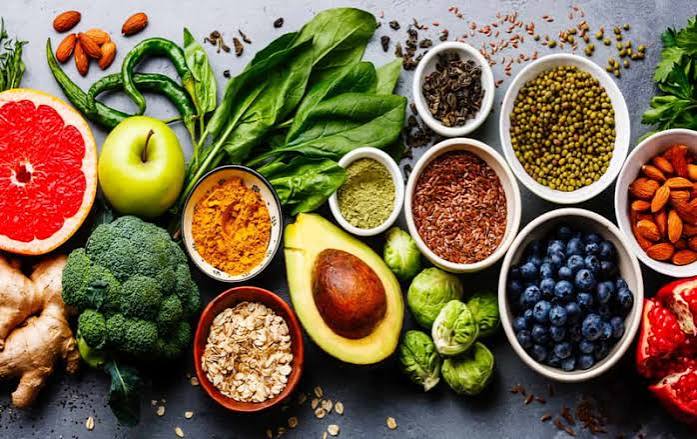
A well-structured diabetes diet is the single most powerful tool available to adults managing blood sugar — more impactful, in many cases, than any individual medication. Yet the phrase “diabetes diet” carries connotations of restriction, deprivation, and complexity that cause many adults to abandon dietary management before giving it a genuine chance. The clinical reality is more encouraging: the dietary patterns with the strongest evidence for blood sugar control are not punishing or exotic — they are built from ordinary foods prepared in straightforward ways, with the key differences being which foods occupy the center of the plate and which are relegated to occasional indulgences. For adults newly diagnosed with prediabetes or Type 2 diabetes, and for those who have managed blood sugar for years without a clear dietary framework, understanding the core principles of a diabetes diet — what to prioritize, what to limit, and how to structure meals throughout the day — provides the practical foundation that makes blood sugar management achievable without requiring culinary expertise, expensive specialty foods, or constant restriction. This beginner’s guide translates the clinical evidence into actionable starting points that can be implemented immediately, with the flexibility to build more sophisticated dietary habits over time as the foundational changes become routine.
Adults who adopt a structured dietary approach to blood sugar management reduce HbA1c by an average of 0.5–2.0 percentage points — equivalent to the effect of one to two diabetes medications — within 3–6 months of consistent implementation. The Look AHEAD trial found that intensive lifestyle intervention (predominantly dietary change) produced sustained improvements in blood sugar control, weight, and cardiovascular risk markers over 4 years.
The Core Principles of a Diabetes Diet
Despite the variety of named dietary approaches — Mediterranean, low-glycemic, low-carbohydrate, DASH — the most evidence-supported diabetes diet patterns share a set of underlying principles that produce blood sugar improvements across different food cultures and individual preferences. Understanding these principles allows adults to adapt them to their own cooking traditions and food preferences rather than adopting a foreign dietary template wholesale:
- Prioritize fiber-rich carbohydrates over refined ones: Carbohydrates are not inherently harmful for blood sugar — their effect depends entirely on how quickly they convert to glucose in the digestive tract. Fiber-rich carbohydrates (vegetables, legumes, whole grains, most fruits) digest slowly, producing gradual glucose rises that insulin can manage. Refined carbohydrates (white bread, white rice, sugary drinks, pastries) digest rapidly, producing sharp glucose spikes that overwhelm insulin response. The most impactful single dietary shift for blood sugar control is replacing refined carbohydrates with fiber-rich alternatives — a change that can reduce postprandial glucose by 30–50% without reducing overall food volume or satisfaction. Our guide on fiber and blood sugar control details this mechanism with specific food recommendations.
- Include protein at every meal: Dietary protein slows gastric emptying, reducing the rate of carbohydrate absorption and blunting postprandial glucose spikes. Protein also stimulates glucagon-like peptide-1 (GLP-1), an incretin hormone that enhances insulin secretion in response to meals and reduces appetite between meals. Including a palm-sized serving of lean protein (fish, poultry, legumes, eggs, low-fat dairy) at every meal is one of the most consistent recommendations across all evidence-based diabetes dietary guidelines, for both its blood sugar benefits and its contribution to satiety that prevents overeating of carbohydrate-rich foods. See our guide on protein and blood sugar balance for detailed recommendations.
- Use healthy fats to slow glucose absorption: Unsaturated fats (olive oil, avocado, nuts, fatty fish) consumed with carbohydrate-containing foods slow gastric emptying and reduce postprandial glucose spikes while improving insulin sensitivity over time. The Mediterranean dietary pattern — in which olive oil is the primary fat source — has more randomized controlled trial evidence for blood sugar improvement than any other dietary pattern, largely because of this fat quality effect. Adding olive oil to vegetables and legumes, using nuts and avocado as snacks, and reducing saturated fat from processed and fried foods collectively shifts fat quality in the direction most supported by clinical evidence for metabolic health.
- Control portion sizes without obsessive measuring: The relationship between food quantity and blood sugar is direct — more carbohydrate grams consumed at a meal produces a higher and more prolonged glucose response. The plate method provides a practical visual framework that approximates optimal macronutrient distribution without requiring precise measurement: filling half the plate with non-starchy vegetables, one quarter with lean protein, and one quarter with whole grains or starchy vegetables creates a balanced meal with appropriate carbohydrate quantity for most adults managing blood sugar. Our guide on portion control for blood sugar support expands on this approach.
- Establish consistent meal timing: Eating at consistent times each day prevents the prolonged fasting periods that trigger reactive overeating and the large, irregular meals that produce the highest postprandial glucose spikes. Distributing calories across 3 meals (and 1–2 small snacks if needed) at consistent daily times creates a predictable glucose pattern that is easier to manage with medication and lifestyle adjustments than the erratic patterns produced by skipping meals or eating very large meals infrequently.
What to Eat: The Best Foods for a Diabetes Diet
The most effective diabetes diet is built from a core set of foods with strong clinical evidence for blood sugar benefit — foods that can be combined in countless ways to create varied, satisfying meals without requiring specialty ingredients or complicated preparation:
- Non-starchy vegetables (unlimited): Leafy greens (spinach, kale, arugula, Swiss chard), cruciferous vegetables (broccoli, cauliflower, Brussels sprouts, cabbage), cucumbers, peppers, tomatoes, zucchini, and green beans have minimal carbohydrate content and abundant fiber, vitamins, minerals, and antioxidants. These vegetables can be consumed in unlimited quantities without meaningful blood sugar impact and should constitute the foundation of every meal — not a small side dish but the primary volume of food on the plate.
- Legumes (beans, lentils, chickpeas): Legumes are among the most metabolically beneficial foods for blood sugar management — they provide high fiber (15–19g per cup), substantial plant protein, resistant starch that feeds beneficial gut bacteria, and a very low glycemic response despite significant carbohydrate content. Substituting legumes for refined grains in meals reliably reduces postprandial glucose by 30–40% compared to equivalent carbohydrate quantities from bread or pasta. A half-cup serving of black beans, lentils, or chickpeas is one of the most blood-sugar-friendly carbohydrate sources available. Our guide on best foods for blood sugar control covers legumes and other top choices in detail.
- Whole grains: Oats, barley, quinoa, brown rice, farro, and whole grain bread provide substantially more fiber and slower glucose release than their refined equivalents. The beta-glucan fiber in oats and barley is particularly well-studied for blood sugar benefit — multiple meta-analyses show that 3–4g of beta-glucan daily (from approximately 1.5 cups of cooked oatmeal) reduces fasting blood glucose and HbA1c significantly in adults with Type 2 diabetes.
- Fatty fish: Salmon, mackerel, sardines, herring, and trout provide high-quality protein with zero carbohydrates and abundant omega-3 fatty acids (EPA and DHA) that reduce inflammation, improve insulin sensitivity, and protect cardiovascular health — particularly important for adults with diabetes, who have 2–4 times the cardiovascular risk of the general population. Eating fatty fish 2–3 times per week is a consistent recommendation across all major diabetes dietary guidelines.
- Berries: Blueberries, strawberries, raspberries, and blackberries provide natural sweetness with relatively low glycemic impact (glycemic index of 25–40), high fiber content, and abundant anthocyanin polyphenols that independently improve insulin sensitivity in multiple randomized trials. A one-cup serving of berries is one of the best fruit choices for adults managing blood sugar, providing satisfying sweetness without the sharp glucose spike of higher-glycemic fruits like watermelon, pineapple, or overripe bananas.

What to Limit: Foods That Spike Blood Sugar
An effective diabetes diet requires reducing certain foods that consistently produce the most damaging blood sugar effects — not necessarily eliminating them entirely, but reducing their frequency and quantity to levels where their glucose impact is manageable. Our detailed guide on foods to limit for blood sugar control covers these in depth, but the key categories are:
- Sugar-sweetened beverages: Regular sodas, fruit juices, sweetened teas, sports drinks, and flavored coffees produce the most rapid blood glucose spikes of any common food category — their liquid form bypasses many of the normal digestive mechanisms that slow glucose absorption, delivering large glucose loads to the bloodstream within 15–30 minutes of consumption. Eliminating or dramatically reducing SSBs is the single most impactful dietary change most adults can make for blood sugar control, as these beverages provide substantial glucose with essentially no nutritional benefit.
- Refined grain products: White bread, white rice, regular pasta, most breakfast cereals, crackers, and baked goods have had the fiber-rich bran and germ removed during processing, leaving starch that digests very rapidly and produces sharp postprandial glucose spikes. Replacing refined grains with whole grain equivalents — choosing brown rice over white, whole grain bread over white bread, oats over sugary cereals — is one of the highest-impact dietary substitutions for blood sugar management.
- Ultra-processed foods and snacks: Packaged chips, cookies, candy, pastries, and fast food combine refined carbohydrates, unhealthy fats, and large calorie loads in forms engineered to override satiety signals and encourage overconsumption. These foods simultaneously spike blood sugar from their carbohydrate content and promote the weight gain and visceral fat accumulation that worsen insulin resistance over time.
- High-sugar condiments and sauces: Ketchup, barbecue sauce, teriyaki sauce, sweet salad dressings, and flavored yogurts often contain 5–15 grams of added sugar per serving — enough to meaningfully raise blood glucose when used generously or frequently. Reading nutrition labels (as covered in our guide on reading food labels for blood sugar) to identify hidden sugars in condiments and packaged foods is an important skill for effective blood sugar management.
Simple Meal Planning Strategies for Beginners
The practical challenge of a diabetes diet for most beginners is not knowing which foods to eat — it is consistently applying that knowledge during busy workdays, social meals, restaurant dining, and the inevitable times when convenience foods are the only immediately available option. Several strategies make consistent implementation more achievable than willpower alone:
- Batch-cook protein and grains weekly: Preparing a large batch of cooked chicken breasts or hard-boiled eggs, a pot of brown rice or quinoa, and a pot of beans or lentils at the beginning of each week creates a ready supply of the highest-impact diabetes diet foods that can be quickly assembled into meals without daily cooking. Most adults find that meal consistency improves dramatically when the core components are already prepared rather than requiring fresh cooking at every meal.
- Build meals around vegetables first: Starting meal planning by deciding which vegetables to include — rather than which protein or grain — naturally produces the non-starchy-vegetable-heavy plate composition that best supports blood sugar control. The vegetables determine the plate structure; protein and grains fill the remaining portions.
- Keep healthy snacks visible and accessible: Hunger-driven snacking on refined carbohydrate foods is one of the most common ways that otherwise healthy dietary intentions fail. Keeping nuts, cheese, hard-boiled eggs, baby carrots, or Greek yogurt readily accessible and placing them at eye level in the refrigerator and pantry reduces the friction that leads to choosing chips or crackers when hunger strikes between meals.
- Apply the stress management connection: Emotional and stress eating consistently undermines dietary management — as covered in our guide on stress management and blood sugar, stress hormones both drive cravings for high-sugar foods and directly raise blood glucose. Building stress management practices into the daily routine supports dietary consistency as much as any specific food substitution.
Understanding Carbohydrates in a Diabetes Diet: Counting vs. Quality
Carbohydrate management is the central challenge of a diabetes diet, and the debate between carbohydrate quantity (how many grams per day) and carbohydrate quality (which types of carbohydrates) reflects a genuine tension in diabetes nutrition research. Both approaches have clinical evidence supporting them — the question for individual adults is which strategy produces sustainable improvement in their specific circumstances. Carbohydrate counting (tracking total grams consumed per meal and per day) is the most precise approach to managing postprandial glucose: by limiting the total carbohydrate load at each meal, it directly limits the amount of glucose available for absorption regardless of the carbohydrate sources chosen. Very low-carbohydrate diets (under 50g/day) consistently produce the most dramatic short-term reductions in blood glucose and HbA1c in clinical trials, and for adults highly motivated to follow a strict carbohydrate restriction, this approach can produce medication-level blood sugar improvements within weeks. However, very low-carbohydrate diets also require eliminating most fruits, legumes, and whole grains — foods with strong independent health benefits — and the adherence rates at 12–24 months are significantly lower than for less restrictive approaches in most clinical studies. The carbohydrate quality approach — eating fiber-rich carbohydrates freely while dramatically limiting refined carbohydrates — produces more modest but still clinically meaningful blood sugar improvements (0.3–0.8% HbA1c reduction) with substantially higher long-term adherence in most populations. The practical recommendation for beginners: start with carbohydrate quality improvements (replacing refined with whole food carbohydrates) as the first step, since this change produces meaningful blood sugar benefit without the complexity or restriction of carbohydrate counting. If blood sugar control remains inadequate after 3 months of carbohydrate quality improvement, introduce portion control of even whole-food carbohydrates and consider formal carbohydrate counting with guidance from a registered dietitian. The American Diabetes Association’s carbohydrate guidance provides a nuanced overview of these approaches that supports individualized decision-making rather than a single universal prescription.
Reading Food Labels: A Critical Skill for the Diabetes Diet
Effective diabetes diet implementation in the modern food environment requires the ability to interpret nutrition labels accurately — because most packaged foods are formulated and labeled in ways that obscure their actual impact on blood sugar. Several label-reading skills are particularly important for adults managing blood sugar:
- Serving size awareness: All nutrition label information refers to a single serving, which is frequently much smaller than the quantity most people actually consume. A bag of crackers labeled “140 calories per serving” may contain 2.5 servings — meaning the entire bag delivers 350 calories and 45–60 grams of carbohydrates. Always check the serving size first and multiply all nutrients by the number of servings you actually consume, not the label’s serving size.
- Total carbohydrates vs. net carbohydrates: The “Total Carbohydrates” line includes all carbohydrate types: sugars, starches, and dietary fiber. Fiber is listed separately beneath total carbohydrates and does not raise blood glucose — it can be subtracted from total carbohydrates to calculate “net carbohydrates” (the grams that actually affect blood sugar). A food with 25g total carbohydrates and 10g fiber has only 15g net carbohydrates and a much lower blood sugar impact than its total carbohydrate number suggests. Our full guide on reading food labels for blood sugar covers this and additional label analysis skills in detail.
- Added sugars identification: The “Added Sugars” sub-line beneath total sugars (required on labels since 2020) identifies sugars added during food processing rather than naturally present in the food. A yogurt with 12g total sugar but 0g added sugar is sweetened by naturally occurring milk lactose; a yogurt with 12g total sugar including 10g added sugar contains the equivalent of 2.5 teaspoons of added sweetener. High added sugar content predicts rapid blood glucose spikes independent of total carbohydrate content.
- Ingredient list sugar identification: Sugar appears under numerous names in ingredient lists — high-fructose corn syrup, dextrose, maltose, sucrose, evaporated cane juice, honey, agave nectar, brown rice syrup, molasses, and dozens of other variants. When any form of sugar appears in the first three ingredients, the food is likely to produce significant blood sugar impact regardless of the carbohydrate number on the label.
Eating Out and Social Situations on a Diabetes Diet
Restaurant dining and social eating represent the most common contexts where diabetes diet intentions fail in practice — not because healthy choices are unavailable, but because the social dynamics of dining out, the unfamiliarity of restaurant portion sizes, and the visible presence of appealing high-glucose foods make it easier to abandon dietary management temporarily. Several strategies consistently help adults maintain blood sugar control without eliminating the social pleasures of dining out:
- Preview menus in advance: Most restaurants publish menus online. Reviewing the menu before arriving allows a deliberate food choice in the calm of home rather than a reactive decision under social pressure with a server waiting and attractive-looking dishes visible at nearby tables. Pre-deciding what to order removes the in-the-moment temptation that undermines dietary management.
- Apply the plate method to restaurant portions: Restaurant portions are typically 2–3 times the serving size appropriate for blood sugar management. Mentally applying the plate method — identifying the vegetable, protein, and starch components of the restaurant dish and ensuring vegetables occupy the largest portion — allows reasonable choices across most cuisines without requiring detailed nutritional knowledge of specific menu items.
- Request modifications without hesitation: Most restaurants will substitute a salad or vegetable for fries, serve sauces on the side, or prepare dishes with less oil upon request. These modifications meaningfully reduce the blood sugar impact of restaurant meals and are entirely standard requests that any kitchen can accommodate.
- Eat a small protein-rich snack before social events: Arriving at a party or social dinner having eaten a small snack (a handful of nuts, a boiled egg, or a piece of cheese) reduces hunger-driven overeating of high-glucose party foods and provides the blood sugar stability that prevents the reactive food choices that come from arriving hungry.
Common Beginner Mistakes and How to Avoid Them
Adults beginning a diabetes diet commonly make several mistakes that undermine their early progress and lead to discouragement before the dietary changes have had time to produce measurable improvements in blood sugar control:
- Replacing sugar with artificial sweeteners but keeping refined carbohydrates: Switching from regular soda to diet soda while continuing to eat white bread, white rice, and refined pasta addresses only a small fraction of the dietary blood sugar burden. The largest glucose impact of most adults’ diets comes from refined grain products, not from sugar-sweetened beverages alone. Addressing sweetened beverages without replacing refined grains produces minimal blood sugar improvement.
- Eating “diabetic” or “sugar-free” packaged foods: Many products marketed specifically for people with diabetes contain maltitol and other sugar alcohols that still raise blood glucose (though more slowly than regular sugar), and often contain significant quantities of refined carbohydrates. These products are rarely the healthiest choice and can create a false sense of security about blood sugar management. Whole foods require no special marketing.
- Skipping meals to reduce glucose: Skipping meals — particularly breakfast — leads to greater hunger later in the day, larger subsequent meals, and worse overall blood sugar patterns than eating consistent, moderate meals throughout the day. The NIDDK’s guidance on eating patterns and diabetes emphasizes consistent meal timing as a fundamental component of effective blood sugar management, not an optional feature. For the complete metabolic health framework that integrates dietary management with physical activity, stress reduction, sleep, and hydration for maximum blood sugar benefit, our guide on diabetes prevention: a practical guide provides the unified evidence-based approach to long-term blood glucose control and diabetes risk reduction.
Sources: American Diabetes Association — Standards of Medical Care in Diabetes; National Institute of Diabetes and Digestive and Kidney Diseases (NIDDK) — diabetes meal planning; Look AHEAD Research Group — long-term effects of lifestyle intervention in Type 2 diabetes; meta-analyses on dietary patterns and HbA1c reduction published in Diabetes Care and The Lancet Diabetes and Endocrinology.
Thank you for covering diabetes diet: a practical beginner’s guide so thoroughly without being overly technical. The practical tips made this immediately actionable, not just theoretical. Keep up this kind of thorough health journalism — it genuinely helps patients like me.
As someone dealing with this personally, the diabetes diet: a practical beginner’s guide section was very helpful. The practical tips made this immediately actionable, not just theoretical. Exactly the kind of evidence-based information that is hard to find in one place.
My doctor recommended I look into diabetes diet: a practical beginner’s guide and this article covered it perfectly. I have tried following advice from several sources but this is most consistent with what my specialist told me. This gave me real confidence going into my next specialist appointment.