
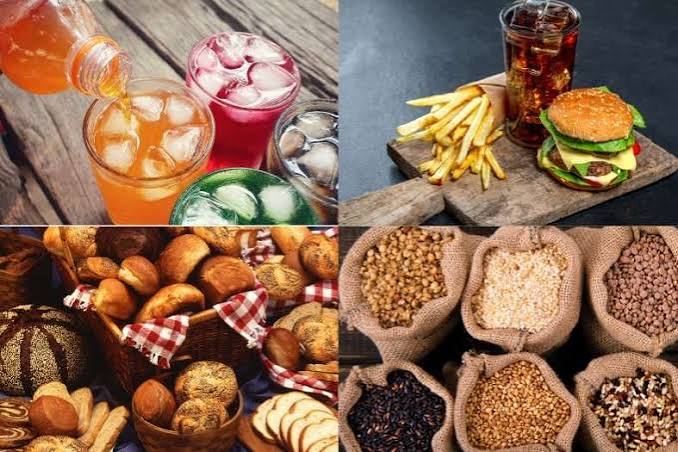
Understanding the foods to limit for blood sugar control is as important as knowing which foods to prioritize — because the blood sugar harm from consistently consuming the wrong foods accumulates over years and decades in ways that dietary improvements alone may not fully reverse once significant insulin resistance or beta cell dysfunction has developed. Identifying specific foods and food categories that reliably spike blood glucose, promote insulin resistance, or drive the systemic inflammation that underlies Type 2 diabetes progression allows adults to make targeted reductions that produce the most meaningful improvements in blood sugar control with the least disruption to overall eating patterns. The goal is not to eliminate entire food categories wholesale — an approach that often backfires through dietary restriction psychology that creates cravings and binge eating — but to reduce the frequency and quantity of the highest-impact blood sugar disrupting foods while increasing the proportion of blood-sugar-supportive alternatives. This article identifies the specific foods to limit for blood sugar control with the mechanisms behind their glucose impact and practical substitution strategies that minimize the feeling of deprivation while maximizing blood sugar benefit.
Adults who consume one or more sugar-sweetened beverages daily have a 26% higher risk of developing Type 2 diabetes compared to those who consume less than one per month, independent of BMI and other dietary factors. Replacing just one daily serving of white rice with a serving of whole grains reduces Type 2 diabetes risk by 36% in large prospective studies.
Sugar-Sweetened Beverages: The Highest-Impact Food to Limit
Among all the foods to limit for blood sugar control, sugar-sweetened beverages (SSBs) — regular sodas, fruit punches, sweetened teas, energy drinks, sports drinks, and flavored coffees — have the strongest and most consistent epidemiological association with Type 2 diabetes risk and the most direct blood sugar impact per serving. Their dominance as the top priority for reduction reflects several unique characteristics that make liquid sugars more metabolically harmful than equivalent amounts of sugar consumed in solid foods: beverages bypass the oral and gastric signals that slow solid food gastric emptying, delivering large glucose loads to the small intestine rapidly and producing blood glucose spikes that peak higher and faster than equivalent carbohydrate quantities from solid food sources. A 355ml (12 oz) can of regular cola contains 39 grams of sugar (primarily high-fructose corn syrup) — equivalent to 10 teaspoons of sugar — delivered entirely through liquid, producing a blood glucose spike within 15–30 minutes of consumption that must be managed by a surge of insulin secretion. At doses of 1–2 servings per day (which many Americans consume habitually), this insulin demand, repeated multiple times daily over years, drives the progressive beta cell exhaustion and insulin resistance that culminates in Type 2 diabetes. A 2019 meta-analysis of 17 prospective cohort studies found that each additional daily serving of SSBs was associated with a 27% higher risk of Type 2 diabetes — one of the strongest food-disease associations in nutritional epidemiology. The practical response: replace SSBs with water (ideally), unsweetened sparkling water, unsweetened tea or coffee, or if transitioning from heavy SSB consumption, diet beverages as an intermediate step. As covered in our guide on hydration and blood sugar, the choice of beverage has large effects on blood glucose that extend beyond simply avoiding sugar — adequate water intake independently supports glucose excretion and blood sugar regulation. Our guide on sugar, carbs, and diabetes risk covers the specific mechanisms through which different sugars affect insulin and blood glucose in detail.
Refined Grain Products: The Everyday Blood Sugar Disruptor
Refined grain products — white bread, white rice, regular pasta, most breakfast cereals, crackers, white flour tortillas, and most baked goods — represent perhaps the most impactful category of foods to limit for blood sugar control in terms of daily caloric contribution, because these foods form the structural foundation of most Western diets and are consumed at nearly every meal by most adults without recognition of their blood sugar impact. The refining process that produces white flour, white rice, and similar products removes the fiber-containing bran and nutrient-rich germ from the original whole grain, leaving the starchy endosperm that digests very rapidly — nearly as quickly as table sugar in many cases — producing sharp postprandial glucose spikes. The glycemic index of white bread (75) is nearly identical to glucose itself (100) and substantially higher than whole grain bread (50–55), reflecting how completely refining eliminates the fiber and structural matrix that slow starch digestion in whole grains. The blood sugar case against refined grains goes beyond the immediate postprandial spike: regular refined grain consumption is associated with higher fasting insulin levels, greater visceral fat accumulation, and higher HbA1c in prospective studies — effects that reflect the long-term insulin resistance produced by repeated high insulin demands from frequent refined carbohydrate consumption. In the Nurses’ Health Study following over 75,000 women for 18 years, each serving of white rice per day was associated with a 17% increase in Type 2 diabetes risk, while replacing one daily serving of white rice with whole grains reduced risk by 36%. Practical substitution: replacing white bread with 100% whole grain bread (checking that the first ingredient is a whole grain), white rice with brown rice or quinoa, and regular pasta with whole grain or legume-based pasta produces meaningful blood sugar improvements without requiring caloric reduction or complex meal restructuring.
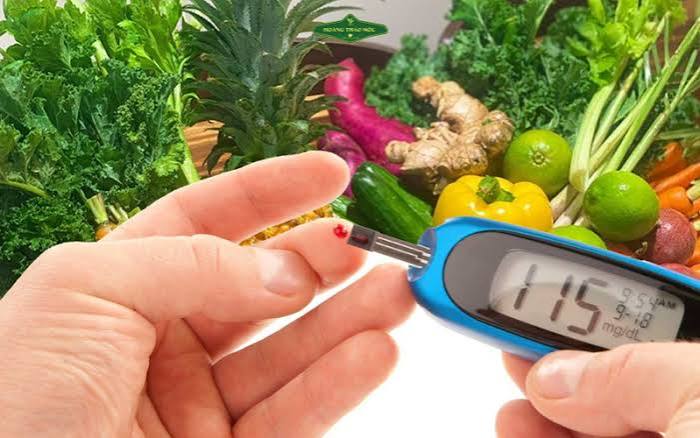
Ultra-Processed Foods: The Compounding Blood Sugar Problem
Ultra-processed foods — a category that includes packaged snacks, fast food, frozen meals, commercial baked goods, processed meats, and most foods with long ingredient lists including unfamiliar chemical additives — deserve attention as foods to limit for blood sugar control not only for their carbohydrate content but for the multiple mechanisms through which their processing methods and ingredient combinations harm blood sugar regulation beyond what their macronutrient profile alone would predict. The NOVA food classification system defines ultra-processed foods as formulations of cheap industrial sources of dietary energy and nutrients (refined starches, sugars, vegetable oils, and protein extracts) plus additives (emulsifiers, stabilizers, artificial flavors, colors, and preservatives) designed to produce hyperpalatable, highly convenient food products that override normal satiety signals. Ultra-processed foods are engineered to produce overconsumption — their specific combinations of fat, sugar, salt, and texture exploit hedonic eating pathways to encourage continued eating beyond satiety, contributing to the excessive caloric intake and visceral fat accumulation that are primary drivers of insulin resistance. A 2019 NIDDK-funded randomized controlled trial (Hall et al., Cell Metabolism) that carefully matched caloric and macronutrient content of ultra-processed versus unprocessed diets found that participants eating ad libitum on the ultra-processed diet consumed 508 more calories per day and gained 0.9 kg more weight over 2 weeks compared to the unprocessed diet period — despite being offered matching macronutrient compositions. Beyond caloric overconsumption, ultra-processed foods frequently contain additives (certain emulsifiers, artificial sweeteners) that disrupt gut microbiome composition, reduce gut barrier integrity, and promote the systemic inflammation that directly worsens insulin resistance. Reducing ultra-processed food consumption toward whole food alternatives — replacing packaged chips with nuts, commercial pastries with whole fruit, deli meat with home-prepared chicken or fish — addresses blood sugar management through multiple simultaneous mechanisms beyond simply reducing carbohydrate or sugar intake.
Fruit Juice, Dried Fruit, and the “Healthy Sugar” Misconception
Several food categories are widely perceived as healthy blood sugar choices because of their natural sourcing or association with whole foods, but rank among the important foods to limit for blood sugar control because their processing concentrates sugars in ways that produce rapid blood glucose elevation without the fiber that moderates glucose absorption in whole foods. Fruit juice — even 100% juice without added sugars — delivers 24–36 grams of naturally occurring sugars per 8-oz serving with essentially no fiber (pressing juice removes the fibrous pulp), producing blood glucose spikes nearly identical to sugar-sweetened beverages. The same fructose and glucose that in whole fruit are surrounded by and bound within the fibrous cellular matrix that slows digestion are delivered in juice as free sugars in liquid form, bypassing the digestive mechanisms that moderate their absorption. Replacing orange juice with a whole orange provides the same vitamins and antioxidants with 3g of fiber that dramatically reduces the blood glucose impact. Dried fruit presents a similar issue: raisins, dates, dried apricots, and dried mango concentrate the sugars of whole fruit while removing water, producing calorie- and sugar-dense foods where a 1/4 cup of raisins (equivalent in volume to a small handful) contains 29g of sugar — as much as most candy bars. In small quantities as an ingredient (a tablespoon of raisins in oatmeal), dried fruit’s impact is manageable; consumed as a snack in typical portions, it produces significant blood sugar spikes that make it an inappropriate “healthy snack” choice for adults managing blood glucose. Our guide on fruits and diabetes: what to know covers how to choose whole fruits that provide maximum nutritional benefit with minimum blood sugar impact, and which fruit forms are most and least appropriate for adults managing glucose levels. The ADA’s guidance on types of carbohydrates and the NIDDK’s nutrition and diabetes overview both address fruit and juice consumption in the context of overall carbohydrate management for blood sugar control. For the comprehensive food choice framework that pairs limiting these foods with increasing the best foods for blood sugar management, our guide on best foods for blood sugar control provides the complete substitution-based approach that maximizes dietary change impact while maintaining meal satisfaction and variety.
Saturated and Trans Fats: How Dietary Fat Harms Blood Sugar
While carbohydrates dominate the conversation about foods to limit for blood sugar control, certain dietary fats also contribute to long-term blood sugar problems through mechanisms that are distinct from acute glucose spiking but equally important for metabolic health over time. Saturated fatty acids (found primarily in red meat, full-fat dairy, butter, and tropical oils like coconut and palm oil) impair insulin receptor signaling by incorporating into cell membrane phospholipids and altering membrane fluidity in ways that reduce insulin receptor sensitivity — the receptor conformation change required for insulin to trigger intracellular glucose uptake becomes less efficient when membrane composition is dominated by rigid saturated fats. This mechanism, demonstrated in both animal models and human muscle cell studies, explains why diets high in saturated fat are consistently associated with higher fasting insulin, greater insulin resistance (measured by HOMA-IR), and higher Type 2 diabetes risk independent of their effect on body weight. Replacing saturated fat calories with unsaturated fat calories — without reducing total fat intake — improves insulin sensitivity by approximately 9% for each 5% of daily calories shifted in this direction, according to a comprehensive meta-analysis. Trans fatty acids (partially hydrogenated vegetable oils, found in some margarines, commercial fried foods, and packaged baked goods) are even more strongly associated with insulin resistance and Type 2 diabetes risk than saturated fats: large prospective cohort studies consistently show that each 2% increase in daily caloric intake from trans fats is associated with a 39% higher Type 2 diabetes risk. The elimination of partially hydrogenated oils from the US food supply (completed in 2021) has substantially reduced dietary trans fat exposure, but some trans fats remain in restaurant fried foods and imported products — reading ingredient labels for “partially hydrogenated oil” remains important for adults with metabolic risk. As covered in our guide on healthy fats and blood sugar, the solution is not fat avoidance but fat quality improvement: replacing the saturated and trans fat sources identified here with olive oil, nuts, avocado, and fatty fish produces the most meaningful dietary fat quality improvement for blood sugar management.
High-Sodium Processed Foods and Blood Sugar: An Indirect but Important Link
High-sodium processed foods — canned soups, deli meats, packaged seasonings, frozen meals, fast food, and salty snacks — appear on the list of foods to limit for blood sugar control not because sodium directly raises blood glucose, but through the indirect mechanisms of hypertension worsening insulin resistance and the sodium-palatability effect that drives overconsumption of the refined carbohydrate foods these products typically contain. The metabolic diabetes-hypertension-kidney disease triad reflects the biological reality that high blood pressure and insulin resistance share common pathophysiological roots — the same endothelial dysfunction and vascular inflammation that impairs insulin delivery to peripheral tissues also elevates blood pressure through impaired nitric oxide signaling. Adults with Type 2 diabetes have hypertension at rates of 70–80% — far exceeding the general population — and the blood pressure elevation from high-sodium diets in these adults worsens both cardiovascular risk and the kidney disease (diabetic nephropathy) that represents one of diabetes’ most serious complications. The palatability effect of sodium on high-carbohydrate foods is the more direct blood sugar concern: chips, crackers, pretzels, and processed snack foods use salt to enhance the appeal of refined carbohydrate bases that would otherwise be less appealing, driving the overconsumption of refined starch that produces repeated blood glucose spikes. The solution is not necessarily strict sodium restriction in all foods (which can reduce adherence to otherwise healthy dietary patterns) but specifically replacing the high-sodium, high-refined-carbohydrate processed snack foods with lower-sodium whole food alternatives: replacing pretzels and crackers with unsalted nuts, swapping canned soups with homemade vegetable soups seasoned with herbs rather than salt, and replacing deli meat with home-roasted chicken or turkey reduces both sodium and refined carbohydrate exposure simultaneously.
Alcohol and Hidden Sugars: Two More Foods to Watch
Beyond the major food categories discussed above, two additional sources of blood sugar disruption deserve attention among foods to limit for blood sugar control because they are frequently overlooked in dietary assessments. Alcohol’s dual blood sugar effects — blocking hepatic glucose production (hypoglycemia risk) while delivering glucose from carbohydrate-containing beverages (hyperglycemia risk from beer, cocktails, and sweet wines) — make it a complex blood sugar concern for adults with diabetes or prediabetes. While moderate consumption of dry wines may carry some metabolic benefit through polyphenol mechanisms (as discussed in our guide on alcohol and blood sugar), cocktails, sweet wines, ciders, and regular beers deliver significant carbohydrate glucose loads that compound their other metabolic effects. Hidden sugars in seemingly non-sweet foods represent the second overlooked category: tomato-based pasta sauces commonly contain 8–12g of added sugar per half-cup serving; flavored yogurts frequently contain 20–25g of total sugar per cup (including 12–18g added sugars); granola bars marketed as healthy snacks often contain 15–25g of sugar per bar; and even many “whole grain” breakfast cereals contain more sugar per serving than comparable quantities of cookies. The skill of identifying these hidden sugar sources — covered in detail in our guide on reading food labels for blood sugar — is essential for adults who are already limiting the obvious sugar sources (sodas, candy) but continue to consume significant quantities of added sugar through foods they perceive as healthy or neutral. The CDC’s diabetes risk factors overview and the NIDDK’s Type 2 diabetes prevention guidance both emphasize dietary change as the highest-impact lifestyle modification for reducing diabetes risk.
Practical Substitution Guide: Replacing the Top Blood Sugar Disrupting Foods
The most sustainable approach to limiting the key foods to limit for blood sugar control is not rigid elimination but systematic substitution — replacing each high-impact food with an alternative that satisfies the same hunger, flavor preference, or convenience need while dramatically reducing the blood sugar burden:
- Regular soda → sparkling water with citrus or berries: Carbonated water with a squeeze of lemon, lime, or a handful of fresh berries provides the carbonation satisfaction of soda without the 39g sugar spike. If transitioning from heavy soda consumption, flavored diet soda serves as an intermediate step that eliminates the glucose impact while preserving the familiar carbonated sweetness during behavioral change.
- White bread → 100% whole grain bread: Verify the first ingredient on the label reads “whole wheat flour” or another whole grain — many breads labeled “multigrain” or “wheat” are primarily made from refined white flour with small amounts of whole grain added. True 100% whole grain bread has 2–4g of fiber per slice versus white bread’s 0.5g, producing a substantially lower postprandial glucose response for the same serving size.
- White rice → cauliflower rice or brown rice: Cauliflower rice (raw cauliflower processed into rice-sized pieces) reduces the carbohydrate content of a rice portion by approximately 85%, producing near-zero blood glucose impact while providing comparable volume and a mild neutral flavor that works with most rice dishes. Brown rice is a more moderate substitution — it still spikes blood glucose but more slowly and to a lower peak than white rice due to its higher fiber content (3.5g vs 0.6g per cup).
- Packaged snacks → nuts and seeds: Replacing an afternoon snack of chips or crackers with a 1-oz handful of almonds, walnuts, or mixed nuts eliminates the refined carbohydrate glucose spike while providing protein, healthy fats, and fiber that produce satiety lasting through to the next meal. The upfront cost of nuts can be reduced by buying in bulk and portioning into single-serve bags at the beginning of the week.
- Fruit juice → whole fruit: Replacing a glass of orange juice (24g sugar, 0g fiber) with a whole orange (12g sugar, 3g fiber) halves the sugar content while adding fiber that dramatically slows absorption. The same applies to all fruit forms: whole fruit is consistently preferable to juice for blood sugar management, as detailed in our guide on best fruits for blood sugar support.
- Sweetened yogurt → plain Greek yogurt with berries: Replacing flavored yogurt (15–25g added sugar) with plain Greek yogurt (0g added sugar, 15–17g protein) topped with fresh berries provides the sweet-creamy satisfaction of flavored yogurt while dramatically reducing added sugar exposure and substantially increasing protein content that supports blood sugar stability and satiety between meals.
- Fast food → meal-prepped alternatives: The convenience appeal of fast food is its primary advantage over home-prepared alternatives. Addressing this requires investing in meal preparation that makes whole food alternatives equally or more convenient than fast food during busy weekdays — as covered in the meal planning strategies in our diabetes diet beginner’s guide. Batch cooking chicken, legumes, and whole grains on weekends creates a readily accessible fast food alternative for weekday meals that requires only assembly rather than cooking.
Sources: American Diabetes Association — types of carbohydrates and blood sugar; National Institute of Diabetes and Digestive and Kidney Diseases — nutrition and diabetes; meta-analyses on sugar-sweetened beverage consumption and Type 2 diabetes risk (Diabetes Care); Nurses’ Health Study on refined grain consumption and diabetes incidence; Hall et al. (2019) Cell Metabolism — ultra-processed diet randomized controlled trial.
I shared this article on foods to limit for blood sugar with my doctor and they appreciated the level of detail. The section on managing this condition day-to-day was especially useful for planning. Appreciate the effort that went into researching and writing this — it shows.
As someone dealing with this personally, the foods to limit for blood sugar section was very helpful. It is refreshing to see an article that acknowledges individual variation rather than one-size-fits-all advice. Appreciate the effort that went into researching and writing this — it shows.
As someone dealing with this personally, the foods to limit for blood sugar section was very helpful. The specific numbers and thresholds mentioned are exactly what I needed to understand my results. This is going into my health folder that I bring to every doctor’s visit.