
Identifying the best foods for blood sugar control requires looking beyond the simple glycemic index numbers that dominate popular nutrition discussions and understanding the multi-dimensional ways that specific foods interact with glucose metabolism, insulin signaling, gut microbiome composition, and systemic inflammation — the four primary biological pathways through which diet affects blood sugar over both the short and long term. Some foods produce direct, immediate blood sugar benefits by slowing glucose absorption at the meal level; others work more subtly over weeks and months by improving insulin receptor sensitivity, reducing the inflammatory signaling that drives insulin resistance, or feeding the gut bacteria populations most associated with metabolic health. The most effective dietary approach to blood sugar management combines foods that work through all these pathways simultaneously — creating a dietary pattern that addresses the multi-factorial biology of blood glucose dysregulation rather than targeting a single mechanism. This guide covers the scientifically validated best foods for blood sugar control with the specific mechanisms behind each recommendation, so that the choices become intuitive rather than rote rule-following.
A Mediterranean dietary pattern — rich in vegetables, legumes, olive oil, nuts, and fish — reduces Type 2 diabetes incidence by 30% and lowers HbA1c by 0.3–0.5% in adults with established diabetes. Replacing just 5% of daily calories from saturated fat with unsaturated fat sources improves insulin sensitivity by a clinically meaningful 9%, independent of weight change.
Leafy Greens: The Foundation of Blood Sugar-Friendly Eating
Leafy green vegetables — spinach, kale, Swiss chard, collard greens, arugula, romaine, and beet greens — consistently rank among the best foods for blood sugar control across virtually every clinical dietary guideline, and the evidence supporting this position is remarkably consistent across different research methodologies. From a direct glycemic perspective, leafy greens contain minimal carbohydrates (1–4g per cup raw) and therefore produce negligible blood glucose elevation — they can be consumed in large quantities as the primary volume of any meal without meaningful impact on postprandial glucose. Beyond their negligible glycemic effect, leafy greens provide a dense concentration of blood-sugar-relevant micronutrients: magnesium, found abundantly in spinach and Swiss chard, improves insulin receptor function and reduces fasting glucose — prospective studies show that each 100mg increase in daily magnesium intake reduces Type 2 diabetes risk by 15%. Vitamin K, concentrated in dark leafy greens, improves insulin sensitivity through its role in activating osteocalcin — a hormone produced by bone cells that stimulates insulin secretion and promotes glucose uptake in fat and muscle cells. Alpha-lipoic acid, present in spinach, functions as a potent antioxidant that directly reduces the oxidative stress implicated in beta cell (insulin-producing cell) dysfunction. The practical application is straightforward: adding 2–3 cups of leafy greens to daily meals — in salads, cooked as side dishes, blended into smoothies, or added to eggs and soups — provides consistent micronutrient support for blood sugar regulation that supplements every other dietary intervention. Our diabetes diet beginner’s guide provides the broader framework into which these specific food choices fit.
Legumes: The Most Underutilized Blood Sugar Control Food
Beans, lentils, and chickpeas represent perhaps the single most underutilized category among the best foods for blood sugar control — foods with extraordinarily strong clinical evidence for blood sugar benefit that are consumed far less frequently than their metabolic value warrants in most Western dietary patterns. The blood sugar benefits of legumes operate through multiple simultaneous mechanisms that make them uniquely effective: their high fiber content (15–19g per cooked cup) slows gastric emptying and carbohydrate absorption; their substantial protein content (14–18g per cooked cup) triggers GLP-1 and other incretin hormones that enhance insulin secretion and promote satiety; their resistant starch content (which increases further after cooling and reheating cooked legumes) feeds the Bacteroidetes and Prevotella gut bacteria populations most associated with improved insulin sensitivity; and their low glycemic index (20–40) produces the most gradual glucose rise of any common carbohydrate-containing food. A landmark randomized trial published in the Archives of Internal Medicine found that replacing one serving per day of refined carbohydrates with legumes reduced HbA1c by 0.5 percentage points over 3 months — equivalent to the blood sugar improvement produced by some low-dose diabetes medications. The ADA explicitly recommends increasing legume consumption as a core element of diabetes nutrition therapy, noting that legumes can replace both refined grains and animal proteins in ways that benefit both blood sugar control and cardiovascular risk simultaneously. Practical legume incorporation for adults who are not regular bean eaters: adding a half-cup of canned (rinsed) chickpeas to a green salad, using lentil soup as a weekday lunch, substituting black beans for rice in burrito bowls, and using hummus (made from chickpeas) as a vegetable dip all provide meaningful quantities of legumes without requiring dramatic changes to meal patterns.
Whole Grains: Choosing the Right Carbohydrates
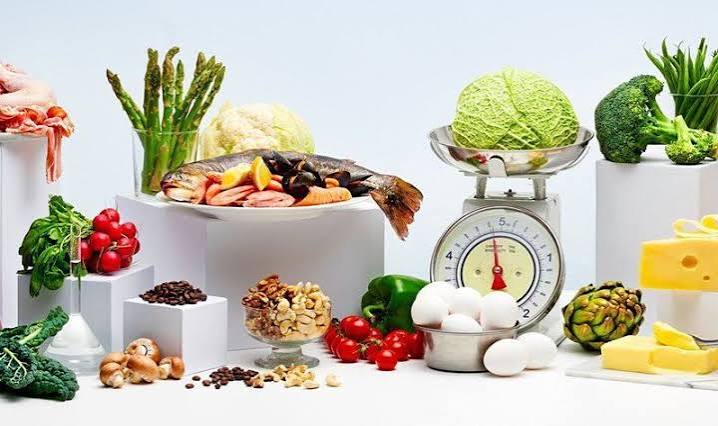
Among the best foods for blood sugar control in the carbohydrate category, whole grains produce significantly better metabolic outcomes than their refined equivalents — and specific whole grains have particularly strong evidence for blood sugar benefit. Oats are the most extensively studied: the beta-glucan soluble fiber in oats (3–4g per 1.5 cups cooked) forms a viscous gel in the digestive tract that slows glucose absorption, reduces postprandial glucose spikes by 20–30%, and lowers LDL cholesterol — the combination that makes oats the most evidence-supported breakfast carbohydrate for adults managing blood sugar. Meta-analyses consistently show that regular oat consumption reduces fasting glucose and HbA1c independently of weight change. Barley contains even higher beta-glucan concentrations than oats (6–10g per cup cooked) and produces the most dramatic reduction in postprandial glucose of any common whole grain — replacing white rice with barley in a meal reduces the postprandial glucose response by 50–70% in head-to-head trials. Quinoa, while technically a seed rather than a grain, provides complete protein (9g per cup), substantial fiber (5g per cup), and a glycemic index of approximately 53 — significantly lower than white rice (73) or white bread (75). Brown rice, the whole grain equivalent of white rice, contains the bran and germ layers that white rice processing removes, providing additional fiber and magnesium that modestly slow glucose absorption. The blood sugar benefit of switching from white to brown rice is real but modest compared to the more dramatic improvements from switching to oats, barley, or legumes — the fiber content difference between white and brown rice (1g vs 3.5g per cup) is smaller than the fiber content difference between rice and legumes (3.5g vs 15–19g per cup). Our guide on whole grains and blood sugar provides detailed comparisons of specific whole grain options for blood sugar management.
Fatty Fish, Nuts, and Olive Oil: Fats That Support Blood Sugar
The healthy fat sources that rank among the best foods for blood sugar control work primarily through long-term improvements in insulin sensitivity rather than immediate meal-level glucose effects — their clinical benefits accumulate over weeks to months of consistent consumption rather than appearing as meal-by-meal glucose reductions. Fatty fish (salmon, mackerel, sardines, herring, and anchovies) provide EPA and DHA omega-3 fatty acids that reduce inflammatory signaling at the cellular level, particularly the chronic low-grade inflammation that is one of the primary drivers of insulin resistance in adults with Type 2 diabetes. Large-scale meta-analyses of prospective studies find that fish consumption of 1–2 servings weekly is associated with 18–25% lower Type 2 diabetes risk, with stronger associations for fatty fish than lean fish — reflecting the specific benefit of omega-3 content rather than protein alone. Walnuts are the richest plant source of ALA omega-3 fatty acids and have specific mechanistic evidence for blood sugar benefit: a randomized trial of walnut-enriched diets in adults with Type 2 diabetes found significant improvements in fasting insulin and insulin resistance markers (HOMA-IR) at 6 months compared to control diets. Extra-virgin olive oil, the primary fat of the Mediterranean diet, provides monounsaturated oleic acid and polyphenols (oleocanthal, oleuropein, hydroxytyrosol) that improve insulin receptor signaling and reduce the postprandial oxidative stress that contributes to endothelial damage after high-glucose meals. A 2013 PREDIMED trial randomized high-risk adults to Mediterranean diets with olive oil supplementation, nuts supplementation, or a control low-fat diet — the olive oil group showed a 40% reduction in new diabetes cases over 4 years. Our guide on healthy fats and blood sugar covers fat quality in comprehensive detail, including specific fat substitution strategies for the most clinically meaningful dietary changes.
Berries, Cinnamon, and Vinegar: Additional Blood Sugar Allies
Beyond the primary food categories, several specific foods deserve mention as best foods for blood sugar control based on compelling clinical evidence for blood sugar benefit through mechanisms distinct from fiber and protein effects. Berries (blueberries, strawberries, raspberries, and blackberries) contain anthocyanin polyphenols that directly improve insulin sensitivity: a controlled study found that consuming 2 cups of blueberries daily improved insulin sensitivity by 22% in obese non-diabetic adults with insulin resistance over 6 weeks — an effect size comparable to some pharmaceutical interventions. The glycemic index of most berries (25–40) is low enough that their natural sugar content produces minimal blood glucose elevation, making them the most metabolically favorable sweet food available. Apple cider vinegar has generated substantial popular interest for blood sugar management, and the clinical evidence, while limited in scale, is consistently positive: randomized controlled trials show that consuming 20ml of apple cider vinegar (diluted in water) with or before meals reduces postprandial glucose by 20–35% in adults with Type 2 diabetes and insulin resistance — an effect attributed to acetic acid slowing gastric emptying and inhibiting disaccharidase enzymes that break down complex carbohydrates. Cinnamon similarly has a modest but consistent evidence base: a 2013 meta-analysis of 10 randomized controlled trials found that 1–6g of cinnamon daily reduced fasting blood glucose by 24.59 mg/dL and HbA1c by 0.27% on average — effects that, while smaller than major dietary interventions, are additive with them and require no preparation beyond sprinkling on oatmeal or yogurt. The NIDDK’s diabetes nutrition overview contextualizes these individual food findings within the comprehensive dietary framework most supported by clinical evidence for long-term blood sugar management. For the full dietary picture integrating these food choices with portion management, meal timing, hydration, and stress considerations, our guide on diabetes prevention: a practical guide provides the evidence-based synthesis of all dietary and lifestyle factors with the strongest support for reducing diabetes risk and improving glycemic control in adults at elevated metabolic risk. For specific information on which foods to reduce or avoid as a complement to these positive additions, see our guide on foods to limit for blood sugar control.
Non-Starchy Vegetables: Unlimited Blood Sugar Protection
Non-starchy vegetables form the widest and most unrestricted category of best foods for blood sugar control — a diverse group that can be consumed in virtually unlimited quantities without meaningful blood glucose impact while simultaneously providing fiber, antioxidants, and micronutrients that support insulin sensitivity and reduce the chronic inflammation that drives diabetes progression. Understanding which vegetables fall in this category helps adults expand the volume and variety of their diets without blood sugar concern:
- Cruciferous vegetables (broccoli, cauliflower, Brussels sprouts, cabbage, bok choy): Beyond their negligible carbohydrate content, cruciferous vegetables contain sulforaphane — a compound that activates Nrf2 transcription factors that reduce oxidative stress in pancreatic beta cells, the insulin-producing cells most vulnerable to oxidative damage in Type 2 diabetes. A clinical trial found that supplementation with broccoli sprout extract (equivalent to 10 cups of regular broccoli) reduced fasting blood glucose by 10% and HbA1c significantly in adults with Type 2 diabetes over 12 weeks. Regular cruciferous vegetable consumption at ordinary dietary quantities (1–2 cups daily) provides consistent Nrf2 activation that contributes to beta cell protection over time.
- Bell peppers: Red, yellow, and orange bell peppers provide exceptional vitamin C content (190% daily value per cup) and quercetin — a flavonoid that inhibits alpha-glucosidase enzymes in the small intestine, slowing starch digestion and reducing postprandial glucose absorption. As one of the more palatable and versatile non-starchy vegetables, bell peppers serve as an excellent vehicle for including beneficial compounds in meals through raw snacking, stir-frying, roasting, and stuffing preparations.
- Mushrooms: Mushrooms contain beta-glucan polysaccharides (structurally similar to but distinct from oat beta-glucans) that improve insulin sensitivity and glucose metabolism. Specific medicinal mushrooms — maitake, reishi, and shiitake — have clinical trial evidence for blood sugar reduction, but culinary mushrooms consumed at typical dietary quantities also contribute meaningful beta-glucan content and are among the lowest-calorie, highest-satiety additions to diabetes-focused meals.
- Cucumber, celery, and zucchini: These water-dense, fiber-containing vegetables provide maximum volume with minimum carbohydrate and calorie contribution — an important benefit for adults managing blood sugar through portion control, as these vegetables can fill a plate without adding meaningful glucose load. Their mild flavors make them compatible with a wide range of seasoning and preparation approaches.
Greek Yogurt and Fermented Foods: The Gut-Blood Sugar Connection
Among the best foods for blood sugar control with emerging and increasingly robust evidence, fermented dairy and other fermented foods occupy a uniquely important position because of their effects on the gut microbiome — the community of bacteria, fungi, and other microorganisms in the digestive tract that exerts profound influence on insulin sensitivity and glucose metabolism. Adults with Type 2 diabetes consistently show reduced diversity and altered composition of gut microbiota compared to metabolically healthy individuals, with lower populations of Akkermansia muciniphila, Bifidobacterium, and other bacteria associated with insulin sensitivity, and higher populations of Clostridium and other bacteria associated with intestinal permeability and systemic inflammation. Fermented foods directly introduce beneficial bacteria into this ecosystem and provide prebiotic substrates that support their growth: plain Greek yogurt (unsweetened) provides 15–17g of protein per 3/4 cup — one of the highest protein concentrations of any common food per calorie — plus live cultures of Lactobacillus and Streptococcus that contribute to gut microbiome diversity. A randomized controlled trial in adults with Type 2 diabetes found that consuming 3 servings of probiotic yogurt daily for 8 weeks significantly reduced fasting blood glucose (by 8.56 mg/dL) and HbA1c (by 0.38%) compared to conventional yogurt without live cultures — an effect attributed to probiotic influences on gut barrier integrity and hepatic glucose metabolism. Other fermented foods with metabolic evidence include kefir (fermented milk drink), kimchi (fermented Korean cabbage), sauerkraut (fermented cabbage), and miso (fermented soybean paste) — each providing different probiotic species that contribute to microbiome diversity. The fiber-blood sugar connection covered in our guide on fiber and blood sugar control explains how prebiotic fibers from vegetables and legumes feed these beneficial bacteria, creating a synergistic relationship between high-fiber foods and probiotic-rich fermented foods for blood sugar management.
Eggs: A Frequently Misunderstood Blood Sugar Ally
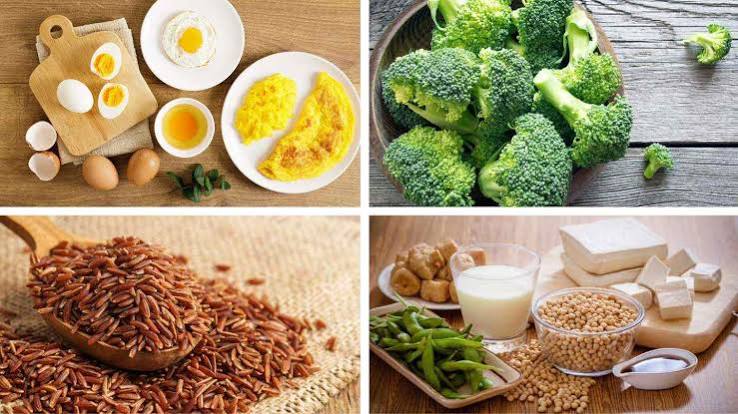
Eggs deserve specific attention as one of the best foods for blood sugar control because their reputation has been confused by decades of controversy about dietary cholesterol that obscured their genuine metabolic benefits. Eggs contain zero carbohydrates and therefore produce no direct glucose elevation — they are one of the very few satiating, calorie-containing foods that can be added to any meal without affecting blood sugar at all. Their protein content (6g per egg) provides the GLP-1 stimulation and gastric emptying slowing that blunts postprandial glucose spikes from carbohydrates consumed at the same meal. The dietary cholesterol concerns about eggs (based on the hypothesis that dietary cholesterol raises blood cholesterol and cardiovascular risk) have been substantially revised: a 2020 meta-analysis of 17 prospective studies found no significant association between egg consumption of up to 1 per day and cardiovascular disease or Type 2 diabetes risk in healthy adults, and the American Diabetes Association no longer restricts egg consumption for adults with diabetes as part of an overall healthy dietary pattern. Beyond their absence of glycemic effect, eggs provide choline (essential for liver function and fat metabolism), lutein and zeaxanthin (antioxidants that protect against diabetic retinopathy in the long term), and complete protein with all essential amino acids — making them one of the most nutritionally efficient protein sources per unit cost available. For adults managing blood sugar through a whole-food dietary pattern, eggs at breakfast are particularly valuable: multiple studies show that a high-protein egg breakfast reduces caloric intake at subsequent meals by 20–25% compared to a high-carbohydrate breakfast of equivalent calories, through greater GLP-1 and PYY satiety hormone stimulation that persists for hours after the meal.
How to Build Meals Around the Best Foods for Blood Sugar
Knowing which individual foods rank among the best foods for blood sugar control is necessary but insufficient — the way foods are combined at meals, the order in which they are consumed, and the meal timing relative to physical activity all affect the blood sugar outcome of any given set of ingredients. Several evidence-based meal construction principles maximize the blood sugar benefit of high-quality food choices:
- Eat vegetables before starches: Consuming non-starchy vegetables and protein at the beginning of a meal before eating starchy foods (rice, bread, pasta) reduces postprandial glucose by 25–37% compared to the same foods consumed in the opposite order. This “food order” effect — studied in rigorous randomized crossover trials — works through multiple mechanisms: vegetables and protein reach the upper intestine first and trigger satiety hormone release that slows gastric emptying of subsequently eaten carbohydrates. Simply starting each meal with salad, cooked vegetables, or soup and ending with the starchy component produces a meaningful blood sugar benefit without any change in food quantities.
- Pair carbohydrates with fiber, protein, and fat at every meal: Consuming carbohydrates in isolation produces the highest blood glucose spikes — eating a plain rice cake raises blood sugar faster and higher than eating the same rice cake with almond butter and sliced apple. Every carbohydrate-containing food consumed at a meal should be accompanied by protein, fiber, and healthy fat sources that collectively slow gastric emptying and glucose absorption. This pairing principle explains why legumes (which naturally combine carbohydrate, fiber, and protein) produce lower glucose responses than rice of similar carbohydrate content.
- Add a brief walk after meals: Post-meal physical activity — even a 10–15 minute walk within 30 minutes of eating — reduces postprandial glucose by 25–35% by activating insulin-independent glucose uptake in working muscles. As covered in our guide on exercise after meals and blood sugar, this simple habit can produce blood sugar improvements equivalent to changing the composition of the meal itself. For adults who cannot exercise regularly, a post-meal walk is one of the highest-impact, lowest-barrier habits available for blood sugar management.
- Drink water or unsweetened tea with meals: Replacing any sweetened beverages at meals with water or unsweetened green or black tea removes a significant source of rapid glucose delivery while adding polyphenols (from tea) with independent blood sugar benefits. Our guide on hydration and blood sugar covers the specific effects of different beverages on glucose metabolism in detail, including why adequate hydration independently supports kidney glucose excretion and reduces the hemoconcentration that can inflate blood glucose readings. The CDC’s healthy eating for diabetes prevention guidance integrates these meal construction principles with the specific food choices most supported by clinical evidence for reducing Type 2 diabetes incidence in adults at elevated metabolic risk.
Sources: American Diabetes Association — Standards of Medical Care in Diabetes; National Institute of Diabetes and Digestive and Kidney Diseases (NIDDK) — nutrition and diabetes; PREDIMED trial (NEJM, 2013) — Mediterranean diet and diabetes prevention; meta-analyses on legumes, oats, and HbA1c published in Diabetes Care; randomized trials on blueberries and insulin sensitivity; meta-analysis of cinnamon and blood glucose control.
I shared this article on best foods for blood sugar control with my doctor and they appreciated the level of detail. I appreciate that the article is careful about distinguishing between what is known and what is still being researched. I wish I had found this article earlier — would have saved a lot of confusion.
I never fully understood best foods for blood sugar control until I read this. I especially valued the explanation of why these recommendations exist, not just what they are. Will definitely be coming back to this site for more health information.
As someone dealing with this personally, the best foods for blood sugar control section was very helpful. The section on managing this condition day-to-day was especially useful for planning. Forwarding this to others in my support group who are dealing with similar issues.