
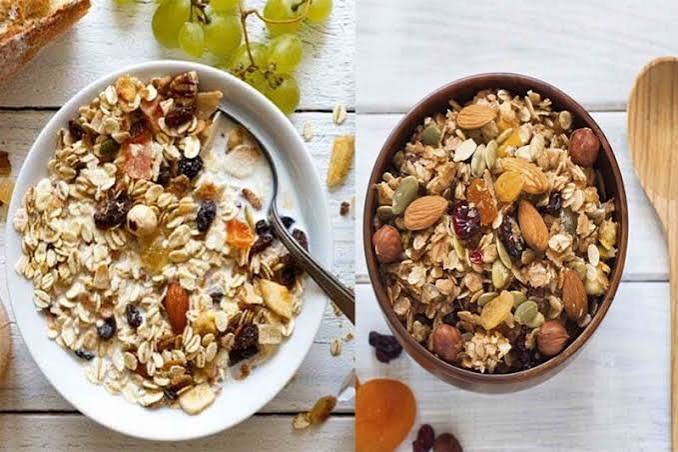
The relationship between whole grains and blood sugar is one of the most consistently supported findings in diabetes nutrition research — and one of the most practically significant, because grains occupy the center of most people’s diets and the difference between choosing whole and refined grain options is one of the highest-leverage dietary substitutions available for blood sugar management. Whole grains retain all three anatomical components of the original grain: the fiber-rich outer bran layer, the nutrient-dense germ, and the starchy endosperm. Refined grains have the bran and germ removed during milling, leaving only the endosperm — the starch-rich component that digests rapidly and produces sharp blood glucose spikes. The removal of bran and germ also removes 25% or more of the protein, 17 of 24 key nutrients, and virtually all of the fiber — transforming a nutritionally complex food into a calorie-dense, fiber-poor, rapidly-digesting glucose delivery vehicle. For adults managing blood sugar, understanding specifically which whole grains provide the greatest benefit, how different preparation methods affect their glycemic impact, and how to practically replace refined grain staples without sacrificing meal satisfaction provides the actionable dietary foundation for meaningful blood sugar improvement through grain choice alone.
Replacing three servings of refined grains per day with whole grains reduces Type 2 diabetes risk by 30% in prospective cohort studies. Beta-glucan fiber from oats (3–4g daily from 1.5 cups cooked oatmeal) reduces fasting blood glucose by an average of 6.2 mg/dL and HbA1c by 0.21% in adults with Type 2 diabetes across multiple randomized controlled trials.
Why Whole Grains and Blood Sugar React Differently Than Refined Grains
The mechanistic explanation for the superior blood sugar profile of whole grains and blood sugar interactions operates through several simultaneous pathways that together produce a dramatically slower and lower glucose response compared to refined grain equivalents. The intact bran layer of whole grains physically slows the access of digestive enzymes (amylases) to the starch in the endosperm — the fibrous bran matrix must be partially disrupted before enzymatic starch digestion can proceed, creating a rate-limiting step that substantially slows glucose release. When grains are refined into flour, this physical barrier is removed and the starch is ground into fine particles with enormous surface area for immediate enzyme contact, allowing very rapid digestion. The soluble fiber component of certain whole grains (particularly oats and barley) provides an additional and potent mechanism: beta-glucan soluble fiber dissolves in digestive fluids to form a viscous gel that coats the intestinal walls, physically slowing the rate at which digested carbohydrates can be absorbed across the intestinal epithelium. This viscous fiber gel reduces postprandial glucose by 20–30% for oats and even more for barley (which has higher beta-glucan concentrations). The resistant starch fraction present in intact whole grains — the portion of starch that resists enzymatic digestion in the small intestine entirely and instead ferments in the large intestine — further reduces the effective glycemic load of whole grain foods while simultaneously providing the prebiotic substrate that feeds the beneficial gut bacteria populations most associated with improved insulin sensitivity. Cooling cooked whole grains increases their resistant starch content substantially through retrogradation (the starch molecules recrystallize into a more enzyme-resistant form), making leftover cooked oats, barley, or brown rice consumed cold or reheated the lowest-glycemic preparation of these already low-GI foods. For the broader context of which carbohydrate sources produce the best blood sugar outcomes, our guide on low-glycemic foods: what they are covers the full spectrum of low-GI food choices across all carbohydrate categories.
The Best Whole Grains for Blood Sugar Control: Ranked by Evidence
Not all whole grains and blood sugar interactions are equal — specific whole grains have substantially stronger evidence for blood sugar benefit than others, based on both their beta-glucan content, glycemic index values, and clinical trial results in adults with diabetes or prediabetes:
- Barley (strongest evidence, GI 22–33): Barley has the highest beta-glucan content of any common grain (6–10g per cooked cup, compared to oats’ 3–4g per cup) and the lowest glycemic index of any widely available whole grain. Multiple randomized controlled trials and meta-analyses confirm that barley consumption significantly reduces postprandial glucose, fasting blood sugar, and HbA1c in adults with Type 2 diabetes. A head-to-head study comparing barley and oats found that barley reduced postprandial glucose by 50–70% compared to white rice, versus oats’ 20–30% reduction — reflecting barley’s superior beta-glucan concentration. Pearl barley (partially processed) still retains more beta-glucan than oats; hulled barley (minimally processed) is the most nutritionally complete form. Barley can replace rice in most dishes, serves as an excellent base for soups and stews, and can be used to make barley salads and pilafs that provide superior blood sugar management compared to rice-based equivalents.
- Oats (best studied, GI 42–55): Oats have more clinical trial evidence for blood sugar reduction than any other whole grain, with decades of research consistently demonstrating that the beta-glucan in oats reduces postprandial glucose, lowers fasting blood sugar, and improves HbA1c in adults with Type 2 diabetes and prediabetes. Steel-cut oats (GI 42–47) are the least processed form and produce the lowest glycemic response; rolled oats (GI 50–55) are slightly faster-digesting but still low-GI; instant oats (GI 66–83) are pre-gelatinized and produce substantially higher glucose responses than traditional rolled oats. For blood sugar management, choosing steel-cut or traditional rolled oats and avoiding instant oat packets (which are often pre-cooked, finely ground, and may contain added sugar) produces meaningfully better glycemic outcomes from the same ingredient. Overnight oats (soaked in cold liquid, not cooked) retain the highest resistant starch content and produce the lowest glycemic response of any oat preparation.
- Quinoa (complete protein grain alternative, GI 50–53): Quinoa (technically a seed) provides a nutritionally distinctive combination of complete protein (9g per cooked cup), substantial fiber (5g per cup), and a glycemic index of 50–53 — meaningfully lower than white rice (GI 64–72) and slightly lower than brown rice (GI 50–55). Quinoa’s protein content contributes to its lower glycemic impact by slowing gastric emptying, and its complete essential amino acid profile makes it particularly valuable as a grain alternative for adults who want to increase protein intake while maintaining carbohydrate from whole food sources. Quinoa cooks in 15 minutes, stores well, and works in both sweet (breakfast bowl) and savory (pilaf, salad) preparations.
- Brown rice (most practical substitution, GI 50–55): Brown rice is the whole grain most important to recommend simply because white rice is the most widely consumed refined grain globally, and the substitution of brown for white rice captures a large portion of the glycemic improvement available from grain choice changes in populations where rice is a dietary staple. Brown rice’s benefit over white rice is genuine but more modest than the benefits of barley or oats — the fiber difference between brown and white rice (3.5g vs 0.6g per cup) is smaller than the fiber difference between rice and barley (3.5g vs 10g) — but as a practical, accessible substitution in Asian-influenced dietary patterns, brown rice provides consistent if moderate blood sugar benefit. Basmati rice (GI 50–58) is the lowest-GI common rice variety due to higher amylose content, and is available in both white and brown versions.
- Buckwheat (emerging evidence, GI 45–51): Buckwheat (despite its name, not related to wheat) provides rutin — a flavonoid with direct anti-diabetic properties that inhibits alpha-glucosidase enzymes involved in starch digestion — in addition to its fiber and resistant starch content. Small clinical studies in adults with Type 2 diabetes show significant postprandial glucose reduction from buckwheat consumption, with the mechanism distinct from beta-glucan and therefore complementary to oat or barley consumption.
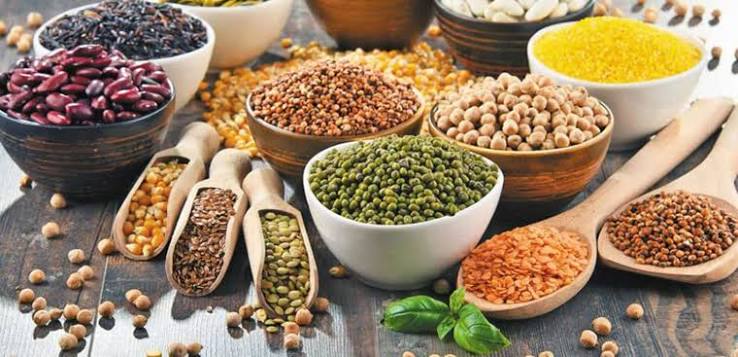
Reading Labels: Identifying Genuine Whole Grain Products
One of the most important practical skills for capitalizing on the whole grains and blood sugar relationship is correctly identifying genuine whole grain products in the supermarket — because food labeling regulations permit terms like “multigrain,” “made with whole grain,” “wheat bread,” and “stone ground” to appear on products that are primarily made from refined flour. These terms do not guarantee whole grain content; only “100% whole grain” or “100% whole wheat” on the front of the package, combined with whole wheat flour or another whole grain as the first ingredient on the ingredient label, reliably indicates a truly whole grain product. The specific label-reading rules for whole grain identification:
- First ingredient must be a whole grain: The ingredient list ranks ingredients by weight from most to least. If the first ingredient reads “whole wheat flour,” “whole oats,” “whole grain barley,” or another whole grain, the product genuinely leads with whole grain. If it reads “enriched wheat flour,” “wheat flour,” or “unbleached flour” — even if “whole wheat” appears later in the list — the product is primarily refined grain with minor whole grain addition.
- “Multigrain” means multiple grain types, not multiple whole grains: A multigrain bread may contain white flour, oat flour, and millet flour — all of which could be refined. Multigrain says nothing about whether any of the grains are whole.
- Color is not an indicator of whole grain content: Some commercial breads use molasses, caramel color, or other brown colorings to give white bread the appearance of whole grain bread. Dark color does not confirm whole grain content — only the ingredient list does.
- Fiber content can be a rough guide: Genuine whole grain bread typically contains 2–4g of fiber per slice versus 0.5–1g for white bread. Checking the fiber content per serving as a proxy for whole grain authenticity provides a fast label-reading shortcut when time is limited. Our full guide on reading food labels for blood sugar covers these label-reading strategies in comprehensive detail across all food categories.
Whole Grain Substitutions and Meal Integration
The practical application of whole grains and blood sugar research requires substituting whole grain alternatives into existing meal patterns without requiring dramatic changes to cooking approach or meal structure. Several high-impact substitutions capture most of the blood sugar benefit of whole grain selection:
- Oatmeal for sugary breakfast cereal: Replacing a commercial breakfast cereal (even one marketed as healthy) with steel-cut or rolled oatmeal eliminates the high-GI refined grain base that most commercial cereals consist of and substitutes the most clinically validated blood-sugar-beneficial whole grain available. The time investment can be minimized by preparing overnight oats or batch-cooking a week’s worth of steel-cut oats on Sunday, refrigerating in portions for weekday reheating.
- Barley or farro for rice in dinner dishes: Barley absorbs cooking liquid similarly to rice and works in pilafs, grain bowls, soups, and side dishes that would otherwise use white or brown rice. Its superior beta-glucan content produces dramatically better blood sugar outcomes than even brown rice. Farro (an ancient wheat variety) cooks to a similar chewy texture with a GI of approximately 45 and provides 7g of fiber per cup.
- Whole grain bread for white bread: Substituting genuine 100% whole grain bread for white bread at all meal occasions where bread appears — sandwiches, toast, as a side with soup — is one of the simplest and most consistent whole grain substitutions. The fiber and starch structure difference produces a substantially lower postprandial glucose response that adds up meaningfully across multiple daily bread-consuming occasions.
- Quinoa for couscous or white pasta in salads: Grain salads and bowls that call for couscous (a refined pasta product with GI ~65) or white pasta can substitute quinoa (GI 50–53) for a complete protein, higher-fiber, lower-GI alternative with minimal flavor compromise. Quinoa’s slightly nutty flavor is often preferred over couscous in cold salad preparations.
The American Diabetes Association’s whole grain guidance and the NIDDK’s nutrition and diabetes overview both emphasize whole grain selection as a core component of evidence-based diabetes dietary management. Combined with the fiber from legumes (covered in our guide on beans and blood sugar control), the protein balance from our guide on protein and blood sugar balance, and the overall dietary framework in our diabetes diet beginner’s guide, whole grain substitutions form a central pillar of the dietary pattern most strongly associated with reduced Type 2 diabetes risk and improved long-term blood glucose control. The CDC’s healthy eating for diabetes prevention guidance supports whole grain selection as part of the dietary intervention with the most robust evidence base for reducing Type 2 diabetes incidence in adults at elevated metabolic risk.
Whole Grains and Blood Sugar: What Prospective Studies Show Over Time
The long-term clinical significance of whole grains and blood sugar management extends well beyond individual meal glucose readings to encompass meaningful reductions in Type 2 diabetes incidence across decades of follow-up in large prospective cohort studies — the strongest observational evidence available for dietary disease relationships. The Nurses’ Health Studies I and II, following over 150,000 women across multiple decades, consistently found that higher whole grain intake was associated with substantially lower Type 2 diabetes risk: women in the highest quintile of whole grain consumption had 30–40% lower diabetes risk than those in the lowest quintile, independent of BMI, physical activity, and other dietary factors. The Health Professionals Follow-up Study showed similar associations in male cohorts. A 2020 pooled analysis of multiple large cohort studies found that each serving-per-day increase in whole grain consumption was associated with a 7.5% reduction in Type 2 diabetes risk — suggesting that the protective relationship is dose-dependent and that increasing whole grain intake from low to moderate levels provides proportional benefit. The biological mechanisms explaining these long-term associations extend beyond the short-term postprandial glucose effects already described: habitual whole grain consumption reduces chronic low-grade inflammation (measured by C-reactive protein, IL-6, and other inflammatory markers) that is one of the primary drivers of progressive insulin resistance; improves gut microbiome diversity and increases populations of bacteria associated with better glucose metabolism and insulin sensitivity; and reduces visceral adiposity over time compared to refined grain-dominant diets of equivalent caloric content — through the satiety and appetite-regulation effects of whole grain fiber. These mechanisms collectively explain why the diabetes prevention benefit of whole grain consumption exceeds what would be predicted from their acute glycemic index advantage alone, operating through multiple complementary pathways that produce compounding benefits with sustained dietary change over months and years.
Whole Grains vs. Low-Carbohydrate Approaches: Finding the Right Balance
Adults managing blood sugar through dietary modification sometimes encounter the argument that even whole grains and blood sugar outcomes would improve further by eliminating grains entirely in favor of a very low-carbohydrate approach. This represents a genuine dietary strategy — very low-carbohydrate diets (under 50g of total carbohydrate daily) consistently produce the most dramatic short-term blood glucose reductions in clinical trials, and for some adults motivated to sustain this level of carbohydrate restriction, the results can be medication-equivalent. However, the comparison of whole grain-inclusive moderate carbohydrate approaches versus very low-carbohydrate approaches in longer-term studies (12–24 months) reveals that the advantage of very low-carbohydrate diets diminishes substantially at longer follow-up, as adherence rates fall and carbohydrate intake creeps upward — while the blood sugar benefit of whole grain-inclusive Mediterranean and low-GI dietary patterns remains more stable because they are more sustainable within normal social eating patterns. Adults who choose to maintain moderate carbohydrate intake (100–150g daily from whole grain, legume, vegetable, and fruit sources) can achieve meaningful and sustained blood sugar improvement without the social restriction and potential micronutrient gaps associated with eliminating grains entirely. The optimal approach depends heavily on individual adherence: a dietary pattern followed consistently for years is more metabolically protective than a nutritionally superior pattern that is abandoned within months because of practical or social unsustainability. For adults who find that even moderate whole grain carbohydrate intake keeps blood sugar above target, reducing portion sizes of whole grains while increasing non-starchy vegetables, legumes, and protein provides a middle path that reduces glycemic load without eliminating the fiber, micronutrient, and gut health benefits of whole grain consumption. Our guide on glycemic index vs glycemic load provides the analytical framework for adjusting portion sizes to achieve target glycemic loads from any mix of whole grain and other carbohydrate sources. The guidance from the CDC Diabetes Prevention Program — the most evidence-supported structured lifestyle intervention for Type 2 diabetes prevention — emphasizes whole grain consumption within a moderate carbohydrate framework rather than carbohydrate elimination, reflecting the evidence that sustainable lifestyle change produces better long-term outcomes than aggressive short-term dietary restriction. Together with the strategies in our guide on portion control for blood sugar support, appropriate whole grain selection and portioning creates the most metabolically favorable carbohydrate approach for adults managing blood sugar over the long term.
Getting Started: Three Daily Whole Grain Habits for Blood Sugar
Converting the research on whole grains and blood sugar into consistent daily practice requires identifying the three or four meal occasions where refined grains currently appear most frequently and systematically replacing them with whole grain alternatives. For most adults, these occasions are breakfast (sugary cereal or toast made from white bread), lunch (white bread sandwiches or white rice), and dinner (white rice, pasta, or refined bread as a side). Addressing all three occasions simultaneously can feel overwhelming; addressing them sequentially — one substitution per week until each becomes habitual — allows dietary change to consolidate before the next substitution is added. The first substitution should be breakfast because it sets the blood sugar tone for the entire morning: starting the day with steel-cut oats or rolled oatmeal instead of commercial breakfast cereal eliminates the high-GI glucose spike that often causes mid-morning energy crashes and hunger that drives poor snacking choices before lunch. The second substitution — replacing white rice at dinner with barley or quinoa two to three times per week — captures the largest single mealtime glycemic improvement available from whole grain selection because white rice portions at dinner are typically large and refined rice is among the highest-GI staple foods. The third substitution — genuine whole grain bread for white bread at lunch — provides consistent daily fiber contribution that adds to the cumulative blood sugar benefit of the breakfast and dinner changes. Combining these three substitutions with the vegetable-forward dietary patterns from our guide on vegetables and blood sugar control creates the dietary foundation most strongly supported by clinical evidence for sustained blood glucose improvement.
Sources: American Diabetes Association — whole grains and blood sugar management; National Institute of Diabetes and Digestive and Kidney Diseases — nutrition and diabetes; meta-analyses on oat beta-glucan and blood glucose published in Diabetes Care; randomized trials on barley consumption and postprandial glucose; prospective cohort studies on whole grain intake and Type 2 diabetes incidence from the Nurses’ Health Study and Health Professionals Follow-up Study.
As someone dealing with this personally, the whole grains and blood sugar section was very helpful. This is the kind of evidence-based writing that actually changes how people approach their health. Will definitely be coming back to this site for more health information.
Bookmarked this article on whole grains and blood sugar immediately — going to reference it regularly. The connection between lifestyle choices and long-term outcomes is explained clearly here. This is going into my health folder that I bring to every doctor’s visit.
Really well-written article on whole grains and blood sugar. I especially valued the explanation of why these recommendations exist, not just what they are. Appreciate the effort that went into researching and writing this — it shows.