
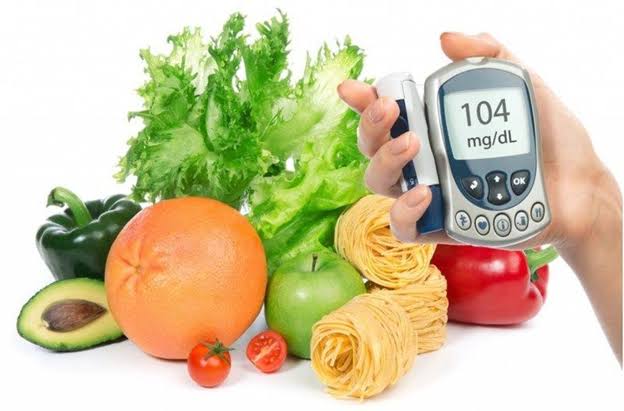
The relationship between vegetables and blood sugar control is one of the most favorable in all of nutritional science — non-starchy vegetables are the one food category that virtually every dietary framework for diabetes management, from standard medical nutrition therapy to very low-carbohydrate approaches, agrees can be consumed freely and generously without meaningful blood sugar concern. This near-universal consensus reflects the unique metabolic profile of non-starchy vegetables: they provide extraordinarily low carbohydrate loads (typically 3–7g of carbohydrates per cup raw, of which 2–3g is fiber with negligible net glycemic effect), exceptionally high micronutrient and phytochemical density, and specific bioactive compounds — particularly magnesium, chromium, fiber, and polyphenols — that actively improve insulin sensitivity, reduce inflammation, and support the cellular machinery of glucose metabolism. Understanding the mechanisms through which vegetables and blood sugar control intersect — and which vegetables provide the most concentrated active blood sugar benefit — allows adults to optimize their vegetable consumption for maximum metabolic benefit rather than simply eating vegetables as a passive filler that avoids causing harm.
A meta-analysis of 23 prospective cohort studies found that each additional serving of green leafy vegetables per day was associated with a 9% lower risk of Type 2 diabetes. Higher total vegetable consumption was associated with improved HbA1c, lower fasting glucose, and reduced insulin resistance in adults with existing Type 2 diabetes across multiple randomized controlled trials.
Non-Starchy Vegetables: The Foundation of Blood Sugar Control
The category of non-starchy vegetables — which encompasses the majority of vegetables adults encounter outside of potatoes, corn, peas, and winter squash — forms the nutritional foundation of any effective approach to vegetables and blood sugar control. Non-starchy vegetables are defined as vegetables containing less than 5g of carbohydrates per 100g serving, almost always with high fiber content that reduces their net glycemic impact below even this already-low threshold. The glycemic impact of most non-starchy vegetables is so minimal that standard diabetes nutrition guidelines treat them as having effectively zero glycemic effect for practical meal planning purposes — a cup of spinach (1.1g carbs, 0.7g fiber), a cup of chopped broccoli (6g carbs, 2.4g fiber), a cup of sliced cucumber (3.8g carbs, 0.5g fiber), and a cup of cherry tomatoes (5.8g carbs, 1.8g fiber) all produce blood glucose elevations so small as to be clinically meaningless for most adults managing glucose levels. This near-zero glycemic impact combined with high nutritional density makes non-starchy vegetables the most metabolically permissive food category available — they can be consumed in quantity at every meal without blood sugar concern. Beyond their passive glycemic advantage (providing few carbohydrates), non-starchy vegetables actively support blood sugar control through several mechanisms: their fiber content contributes to the daily fiber intake associated with improved insulin sensitivity and HbA1c in randomized trials; their magnesium content supports the magnesium-dependent enzymes involved in insulin signaling and glucose transport; their chromium content supports insulin receptor function; and their diverse polyphenol content provides anti-inflammatory effects that reduce the chronic low-grade inflammation associated with insulin resistance and Type 2 diabetes progression. Our best foods for blood sugar control guide covers vegetables within the comprehensive ranking of all food categories for blood sugar management.
Leafy Greens: The Most Potent Vegetables for Blood Sugar
Within the category of non-starchy vegetables, leafy greens — spinach, kale, Swiss chard, collard greens, arugula, romaine lettuce, and related varieties — stand out as the vegetables with the strongest evidence for active blood sugar benefit through specific bioactive mechanisms. The meta-analysis showing a 9% reduction in Type 2 diabetes risk per additional daily serving was driven primarily by green leafy vegetable consumption, with leafy greens showing stronger associations than other vegetable categories. Several specific compounds in leafy greens explain this concentrated benefit:
- Magnesium (the insulin sensitivity mineral): Leafy greens — particularly spinach, Swiss chard, and kale — are among the most magnesium-dense foods available. A cup of cooked spinach provides 157mg of magnesium; a cup of cooked Swiss chard provides 151mg; a cup of cooked kale provides 93mg. Magnesium is required as a cofactor for more than 300 enzymatic reactions, including the insulin receptor kinase cascade that initiates glucose uptake in muscle cells — when insulin binds its receptor, a magnesium-dependent phosphorylation cascade activates GLUT4 glucose transporters that move glucose from the bloodstream into cells. Adults with hypomagnesemia (magnesium deficiency, which is more common in people with Type 2 diabetes due to increased urinary magnesium excretion caused by elevated blood glucose) have significantly impaired insulin signaling, and multiple randomized controlled trials have shown that magnesium supplementation improves insulin sensitivity and fasting glucose in magnesium-deficient adults with Type 2 diabetes. Consuming leafy greens regularly maintains dietary magnesium intake in the range associated with optimal insulin sensitivity, providing a pharmacologically meaningful quantity of this critical cofactor from food rather than supplements.
- Alpha-lipoic acid (ALA — the universal antioxidant): Spinach and broccoli contain alpha-lipoic acid — a potent antioxidant that regenerates other antioxidants (including vitamins C and E and glutathione) and has been studied as a diabetes supplement specifically for its effects on insulin sensitivity and peripheral glucose metabolism. Alpha-lipoic acid activates AMPK and improves insulin-mediated glucose uptake in skeletal muscle through mechanisms that complement magnesium’s effects on insulin receptor signaling. While the dietary quantities of ALA in leafy greens are lower than the pharmacological doses used in most clinical trials (300–600mg/day in supplementation studies), regular dietary exposure contributes meaningfully to total ALA availability and supports the antioxidant defenses that protect against oxidative stress — a key driver of insulin resistance progression in adults with prediabetes and Type 2 diabetes.
- Vitamin K (adiponectin and bone-diabetes connection): Leafy greens are exceptionally rich in vitamin K1 — a cup of cooked kale provides 1062mcg, a cup of cooked spinach provides 888mcg, and a cup of cooked Swiss chard provides 573mcg. Vitamin K has received increasing attention in diabetes research for its role in activating osteocalcin, a bone protein that acts as a hormone stimulating insulin secretion from pancreatic beta cells and improving insulin sensitivity in muscle and fat tissue. Observational studies consistently find inverse associations between vitamin K intake and Type 2 diabetes risk, and randomized trials of vitamin K supplementation show modest improvements in insulin sensitivity markers — effects attributable to the osteocalcin-insulin secretion pathway that represents a genuine food-to-glucose mechanism distinct from fiber and glycemic index effects.
Cruciferous Vegetables: Sulforaphane and Inflammation Control
After leafy greens, cruciferous vegetables — broccoli, Brussels sprouts, cauliflower, cabbage, and bok choy — represent the next most important category in the vegetables and blood sugar control landscape, with specific bioactive compounds that address the inflammatory component of insulin resistance:
- Sulforaphane (Nrf2 activation and HbA1c): Broccoli and Brussels sprouts are the richest dietary sources of sulforaphane precursors — glucosinolates that are converted to sulforaphane by the enzyme myrosinase when cruciferous vegetables are chopped or chewed. Sulforaphane activates Nrf2, the transcription factor that controls the expression of antioxidant and anti-inflammatory enzyme systems throughout the body. This Nrf2 activation reduces the oxidative stress and chronic inflammation that drive insulin resistance progression in muscle and liver tissue. A randomized controlled trial published in Science Translational Medicine found that sulforaphane-enriched broccoli sprout extract administered to adults with Type 2 diabetes for 12 weeks reduced fasting glucose by 10% and HbA1c by 0.2 percentage points compared to placebo — clinical effect sizes comparable to low-dose pharmaceutical interventions. While broccoli sprouts contain 10–100 times more glucosinolates than mature broccoli, regular broccoli consumption at 1–2 cups several times per week provides meaningful sulforaphane exposure with cumulative anti-inflammatory effects across weeks and months of consistent consumption.
- Indole-3-carbinol and glucosinolates (gut microbiome and inflammation): Beyond sulforaphane, cruciferous vegetables contain a broad array of glucosinolate compounds that are metabolized by gut bacteria into indoles and other bioactive metabolites with anti-inflammatory effects. This gut microbiome metabolism of cruciferous vegetable compounds represents an emerging mechanism for their blood sugar benefit — the same dietary pattern that is associated with favorable gut microbiome composition (high fiber, high vegetables, low refined carbohydrates) is the dietary pattern that maximizes conversion of glucosinolates to active indole metabolites. Adults who consume fermented foods alongside their cruciferous vegetables — which supports diverse gut microbiome populations — may convert cruciferous vegetable glucosinolates to active metabolites more efficiently than those with less diverse microbiomes.
- Fiber content and satiety: Cruciferous vegetables provide among the highest fiber content of non-starchy vegetables — a cup of Brussels sprouts provides 4g of fiber; a cup of broccoli provides 2.4g; a cup of cauliflower provides 2g. This fiber content contributes meaningfully to daily fiber totals that support improved insulin sensitivity, slows gastric emptying and glucose absorption from foods consumed alongside cruciferous vegetables, and promotes satiety that reduces total caloric intake — an important mechanism given that caloric excess is a primary driver of insulin resistance progression. Eating a large serving of broccoli or Brussels sprouts before or alongside higher-carbohydrate foods creates a viscous fiber buffer that moderates the glycemic impact of the entire meal, not just the vegetables themselves.
Allium Vegetables: Garlic, Onions, and Blood Sugar
Allium vegetables — garlic, onions, leeks, chives, and shallots — occupy a special place in the vegetables and blood sugar control evidence base because garlic has more randomized controlled trial data on blood sugar outcomes than almost any other vegetable, owing to a long history of use in traditional medicine that motivated systematic scientific investigation:
- Garlic (allicin and insulin secretion): A meta-analysis of 33 randomized controlled trials found that garlic supplementation significantly reduced fasting blood glucose (by approximately 5.6 mg/dL), HbA1c (by 0.21 percentage points), and total cholesterol in adults with elevated blood glucose. The active compound responsible is allicin — produced when garlic is crushed or chopped (allowing the enzyme alliinase to convert alliin to allicin) — which stimulates insulin secretion from pancreatic beta cells, reduces hepatic glucose production, and improves peripheral glucose uptake in multiple cellular mechanisms. Consuming 1–3 cloves of garlic daily, added to cooked dishes, is sufficient to provide pharmacologically meaningful allicin exposure — the equivalent of what produced significant blood glucose reduction in most included trials. Allowing chopped or crushed garlic to rest for 5–10 minutes before cooking maximizes allicin formation and its survival through the brief high-temperature exposure of sautéing; very long cooking destroys allicin, so adding garlic near the end of cooking or using raw garlic (in dressings, aioli) preserves more active compound.
- Onions (quercetin and chromium): Onions — particularly red onions — provide high concentrations of quercetin, the flavonoid that inhibits alpha-glucosidase enzymes involved in starch digestion (producing acarbose-like blood glucose moderation after carbohydrate-containing meals) and that is also concentrated in apple skin. Onions additionally provide meaningful chromium content — a trace mineral that is a component of glucose tolerance factor, the chromium-containing compound that enhances insulin receptor binding and signaling. Chromium deficiency is common in adults consuming refined diets and has been associated with impaired insulin signaling; regular onion consumption provides dietary chromium in bioavailable organic form alongside quercetin’s complementary blood sugar mechanisms. Raw onions provide more active quercetin than heavily cooked onions (quercetin is heat-sensitive), so using raw onion in salads, salsas, or as a garnish maximizes delivery of this compound alongside the cooking applications where onion flavor is essential.
Starchy Vegetables: Understanding Blood Sugar Impact
The vegetables and blood sugar control relationship becomes more nuanced with starchy vegetables — potatoes, sweet potatoes, corn, peas, winter squash, and parsnips — which contain significantly more carbohydrates than non-starchy vegetables and produce meaningful blood glucose elevations at typical serving sizes. Understanding how to incorporate starchy vegetables without compromising blood sugar management allows adults to benefit from their nutritional value while managing their glycemic impact:
- Sweet potatoes vs. regular potatoes: Sweet potatoes (GI 44–61, depending on preparation method) have a lower glycemic index than white potatoes (GI 58–82 depending on variety and preparation) due to their higher fiber content and different starch composition. Both provide valuable nutrients — potatoes are exceptionally high in potassium and vitamin C; sweet potatoes provide beta-carotene and additional fiber — but their blood sugar impact requires portion awareness. A half-cup serving of mashed sweet potato provides approximately 20g of carbohydrates; a medium baked potato provides 37g. Cooling cooked potatoes after cooking (making them into potato salad or reheating refrigerated potatoes) increases resistant starch content, measurably lowering their glycemic index by converting some digestible starch to resistant starch through retrogradation.
- Peas (high protein and fiber, moderate GI): Green peas occupy an interesting metabolic middle ground — they are classified as a starchy vegetable but contain approximately 8g of protein and 9g of fiber per cup, giving them a much lower glycemic impact (GI 48–54) than their 20g of carbohydrates per cup might suggest. The combination of protein and fiber in peas substantially slows their glucose delivery relative to equivalent carbohydrate portions from lower-fiber sources, and they provide active nutritional benefits (folate, thiamine, manganese) that make them nutritionally superior to most starchy vegetable alternatives. Peas can be incorporated into blood-sugar-conscious diets in cup-sized portions without disproportionate glycemic concern when their carbohydrate content is accounted for within daily totals.
- Winter squash (butternut, acorn, delicata): Winter squash varieties provide higher carbohydrate loads than summer squash (zucchini and yellow squash are non-starchy), ranging from 15–22g per cup cooked, with GI values in the 51–65 range. Their orange-yellow flesh provides high beta-carotene content — which has independent associations with reduced diabetes risk in epidemiological research — alongside meaningful fiber (3–6g per cup) that moderates their glycemic impact. Half-cup to one-cup portions of roasted winter squash can be incorporated as part of a blood-sugar-managed diet, replacing higher-GI carbohydrate sources rather than adding to them. See our guide on low-glycemic foods: what they are for the complete framework for selecting vegetables and other foods by their glycemic impact.
Practical Strategies for Maximizing Vegetables and Blood Sugar Control
The evidence on vegetables and blood sugar control translates into practical daily eating strategies that are achievable within normal meal patterns:
- Fill half the plate with non-starchy vegetables at every meal: The most widely recommended and evidence-supported dietary structure for blood sugar management — endorsed by the ADA, the NIDDK, and the CDC — is the “plate method” in which non-starchy vegetables occupy half of every plate. This ensures that every meal begins with a substantial fiber and micronutrient load that moderates the glucose absorption from the remainder of the meal, establishes a generous caloric buffer of nutrient-dense food that reduces overconsumption of higher-glycemic foods, and provides the consistent daily vegetable intake associated with the best blood sugar outcomes in clinical research. Achieving the half-plate standard requires intentional meal design — mentally assigning at least two large portions of non-starchy vegetables to each meal before allocating plate space to protein, grains, and other carbohydrates. Practical implementations: a large mixed salad as a first course; two vegetable side dishes instead of one alongside a protein main; spiralized zucchini replacing half the pasta in pasta dishes; roasted broccoli and peppers filling the largest section of the plate with a smaller protein portion and a very small grain portion.
- Eat vegetables first at each meal (the “vegetable-first” eating sequence): A Japanese research group has extensively studied the metabolic effect of eating vegetable components of a meal before carbohydrate-containing components — finding that consuming the vegetable portion of a meal first, followed by protein and fat, followed by carbohydrates last, reduced postprandial glucose peaks by 28% and insulin peaks by 29% compared to the same meal eaten in the conventional order (carbohydrates first). The mechanism is viscous fiber accumulation in the stomach creating a slower-emptying bolus before carbohydrates arrive, combined with early vegetable consumption stimulating GLP-1 and PYY secretion that reduces gastric emptying rate and enhances insulin secretion in anticipation of incoming glucose. This eating sequence modification requires no change in what is eaten — only when during the meal each component is eaten — and produces clinically meaningful blood glucose improvements that compound over time with consistent practice.
- Prioritize raw or minimally cooked preparation for maximum polyphenol delivery: The polyphenol and glucosinolate compounds responsible for many vegetables’ active blood sugar benefits are heat-sensitive — prolonged high-heat cooking destroys significant portions of sulforaphane, quercetin, vitamin K, and other bioactive compounds. Raw salads, lightly steamed vegetables (5–7 minutes maximum), and quick stir-frying (high heat, short time) preserve more polyphenol content than boiling, slow-cooking, or roasting at high temperatures for extended periods. Including raw vegetables daily — as salads, sliced vegetables with dips, vegetable sticks — alongside cooked vegetable preparations ensures the full spectrum of heat-sensitive bioactive compounds is delivered alongside the heat-stable nutrients (fiber, minerals, carotenoids) that cooking may actually enhance by breaking down cell walls. Our comprehensive guide on the diabetes diet beginner’s guide integrates optimal vegetable strategies within the complete framework of blood-sugar-conscious eating, covering how vegetable choices interact with whole grains, legumes, fruits, proteins, and healthy fats in the dietary patterns associated with best blood sugar outcomes. The American Diabetes Association’s nutrition guidance, the NIDDK diabetes nutrition overview, and the CDC’s diabetes prevention nutrition guidance all identify non-starchy vegetables as the cornerstone of diabetes-friendly eating — the one food category adults can consume freely, frequently, and in generous quantities as the foundation of blood sugar management through dietary change.
How Many Vegetable Servings Support Blood Sugar Control?
For vegetables and blood sugar control, the research consistently shows that more non-starchy vegetables produce better metabolic outcomes — and most adults with diabetes or prediabetes consume far fewer vegetables than the amounts associated with the strongest blood sugar benefit in clinical research. The ADA’s dietary guidance does not set an upper limit on non-starchy vegetable consumption; the practical guidance is to fill half the plate at every meal and aim for five or more servings daily (one serving = one cup raw or half a cup cooked). The epidemiological research showing 9% lower Type 2 diabetes risk per additional daily serving of leafy greens was based on population-level data where most adults were consuming one to three servings daily — the benefit of increasing from one to five servings would be substantially greater. Adults aiming to use dietary change as a primary blood sugar management tool should treat non-starchy vegetable consumption as unlimited and actively build every meal around a large vegetable base, using protein and healthy fat as accompaniments rather than as the meal’s centerpiece. Tracking vegetable intake — even briefly, for two to four weeks — using a food diary or nutrition app consistently reveals that most adults overestimate their vegetable consumption relative to their actual intake, and that intentional plate-filling with vegetables at every meal typically doubles or triples habitual vegetable consumption with immediate improvement in satiety, fiber intake, and downstream blood sugar measurements. The beans and blood sugar control guide and the whole grains and blood sugar guide cover the other plant food categories that complement vegetables as the cornerstones of a blood-sugar-conscious dietary pattern built around high-fiber, high-polyphenol plant foods.
Sources: American Diabetes Association — nutrition standards and recommendations for diabetes management; National Institute of Diabetes and Digestive and Kidney Diseases — diet, eating, and physical activity for diabetes; Carter et al. meta-analysis of green leafy vegetables and Type 2 diabetes risk; Bahadoran et al. systematic review of cruciferous vegetables and cardiometabolic risk; meta-analysis of garlic interventions on blood glucose and HbA1c; research on vegetable eating sequence and postprandial glucose reduction; prospective cohort studies on vegetable consumption and insulin sensitivity outcomes.
I have been reading about vegetables and blood sugar control for weeks and this is the most thorough guide I found. I appreciated how the article addressed both the clinical side and the practical adjustments. Looking forward to reading more articles from this website.
I shared this article on vegetables and blood sugar control with my doctor and they appreciated the level of detail. What I liked most was that the article didn’t just say what to avoid — it also gave alternatives. I wish I had found this article earlier — would have saved a lot of confusion.
Bookmarked this article on vegetables and blood sugar control immediately — going to reference it regularly. This is the kind of evidence-based writing that actually changes how people approach their health. Keep up this kind of thorough health journalism — it genuinely helps patients like me.