
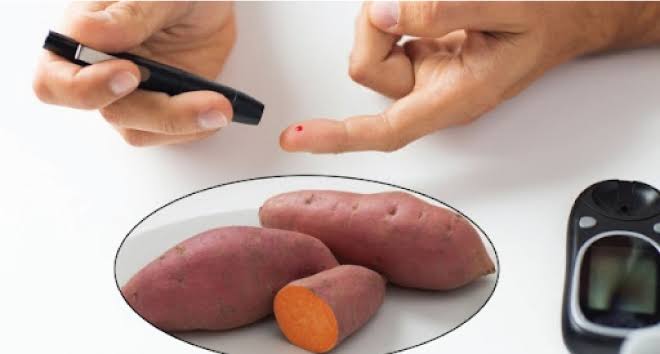
The relationship between sweet potatoes and blood sugar is more nuanced than most adults managing diabetes or prediabetes realize — sweet potatoes occupy an unusual position in diabetes nutrition because they are marketed and perceived as a health food, yet their carbohydrate content (roughly 20–26g per half-cup cooked) and moderate-to-high glycemic indices (ranging from GI 44 for boiled to GI 94 for baked, depending on preparation method) mean they require the same portion awareness and preparation strategy as other starchy carbohydrate sources. The critical insight that makes sweet potatoes and blood sugar management more tractable than raw glycemic index numbers suggest is that preparation method, cooling, portion size, and co-ingested foods collectively determine the actual blood glucose response to a sweet potato serving — and these factors can shift the glycemic impact by as much as 50% from a worst-case preparation (large baked sweet potato eaten alone) to a best-case preparation (small boiled and cooled sweet potato eaten as part of a mixed meal with protein and fat). Sweet potatoes do provide genuine nutritional advantages over white potatoes that justify their preference in a blood-sugar-conscious diet — including higher fiber content, higher beta-carotene (which has independent associations with reduced insulin resistance), and a moderately higher potassium content — but these advantages function as marginal improvements over white potato rather than a green light for unrestricted consumption. Understanding the complete picture of sweet potatoes and blood sugar allows adults with prediabetes or Type 2 diabetes to include this nutritionally rich food in their diet strategically, rather than either avoiding it entirely out of carbohydrate fear or consuming it freely under the assumption that “sweet potato is a health food.”
The glycemic index of sweet potatoes ranges dramatically by preparation: boiled sweet potato (GI 44–46), steamed sweet potato (GI 63), baked sweet potato (GI 82–94), and sweet potato fries (GI 76). A medium boiled sweet potato produces roughly half the postprandial glucose response of the same potato baked. Cooling cooked sweet potato for 24 hours then reheating reduces its glycemic index by approximately 15–20% through resistant starch formation.
Sweet Potato Glycemic Index: Understanding the Range
The most important fact about sweet potatoes and blood sugar is that the glycemic index of sweet potato is not a fixed number — it is a range that spans from low-moderate (GI 44 for boiled) to high (GI 94 for baked), depending entirely on preparation method, and this range has profound clinical significance for blood sugar management. The GI 44–94 range is not a measurement error or data inconsistency; it reflects a genuine physiological difference in how different preparation methods alter the starch structure of sweet potato and its subsequent behavior during digestion. Understanding this range requires understanding the underlying starch chemistry:
- Boiling (GI 44–46 — lowest glycemic impact): When sweet potatoes are boiled in water, their starch granules absorb water and swell but remain partially intact within their cellular matrix — a state called “partially gelatinized” starch. These partially intact starch granules are digested more slowly by amylase enzymes because the enzyme must penetrate the intact granule surface rather than freely accessing already-gelatinized starch. The result is slower glucose absorption, lower peak blood glucose, and a GI of approximately 44–46 — in the low GI range. Boiling with skin intact preserves even more starch integrity than peeling before boiling, providing a marginally lower GI. The significant amount of water absorbed during boiling also dilutes the starch concentration per bite, reducing the effective glycemic load of a given volume of potato.
- Steaming (GI 63 — moderate): Steaming produces more complete starch gelatinization than boiling because steam heat penetrates the potato more uniformly — the result is more fully broken-down starch that is digested more rapidly than boiled sweet potato. The GI of steamed sweet potato (approximately 63) places it in the medium GI range, producing a meaningfully higher blood glucose response than boiled sweet potato at equivalent serving sizes. Steaming is nutritionally superior to boiling for preserving water-soluble vitamins (it doesn’t leach nutrients into cooking water), but its higher GI compared to boiling makes boiling the preferred preparation specifically for blood sugar management.
- Baking (GI 82–94 — highest glycemic impact): Baking sweet potatoes in dry oven heat causes complete and extensive starch gelatinization — the high dry heat breaks down starch granule structures completely, creating highly digestible gelatinized starch that amylase enzymes can access immediately upon entering the small intestine. The result is rapid glucose absorption and blood glucose elevations equivalent to high-GI refined carbohydrates at equivalent carbohydrate loads. A medium baked sweet potato (roughly 37g of carbohydrates) at GI 94 produces a glycemic load of approximately 35 — in the very high GL range that produces significant postprandial glucose spikes even in adults without metabolic disorders. Baking is the most popular preparation for sweet potatoes in the United States, which means most adults who consume sweet potatoes regularly are consuming them at their highest-GI preparation and experiencing much greater blood sugar impact than they would from the same potato boiled.
- Resistant starch formation through cooling (GI reduction of 15–20%): Cooking sweet potato (by any method) and then cooling it in the refrigerator for 12–24 hours causes a portion of the gelatinized starch to retrograde — reforming crystalline structures that are resistant to amylase digestion. This resistant starch passes through the small intestine without being absorbed as glucose, reaching the large intestine where it is fermented by gut bacteria. Reheating the cooled sweet potato (even to serving temperature) does not fully reverse this resistant starch formation — the retrograded starch retains much of its resistance to digestion. Preparing sweet potatoes a day ahead, refrigerating, and then reheating is a practical strategy for reducing their glycemic impact by 15–20% regardless of the initial preparation method used.
Glycemic Load: Portion Size Is More Important Than Glycemic Index
For practical sweet potatoes and blood sugar management, glycemic load — which combines glycemic index with the actual carbohydrate content per serving — is a more clinically useful measure than GI alone. A boiled sweet potato with GI 44 still produces a significant blood glucose response if consumed in a large enough portion because the total carbohydrate load overwhelms the moderation provided by its lower GI. Understanding standard serving sizes and their carbohydrate and glycemic load implications:
- Half cup cooked (approximately 100g): The smallest standard serving — approximately 20g of carbohydrates, 2g of fiber. At GI 44 (boiled), the glycemic load is approximately 8 — in the low GL range. At GI 94 (baked), the glycemic load rises to approximately 17 — in the medium-high GL range. A half-cup portion is the recommended serving size for adults managing blood sugar who want to include sweet potato in their diet without disproportionate glucose impact.
- One cup cooked (approximately 200g): A generous serving — approximately 40g of carbohydrates, 4g of fiber. At GI 44 (boiled), glycemic load approximately 16. At GI 94 (baked), glycemic load approximately 34 — very high. A full cup of baked sweet potato produces a glucose response comparable to drinking a full can of regular soda at the same carbohydrate load. Even the same cup of boiled sweet potato exceeds the medium GL threshold and warrants careful consideration of total carbohydrate intake at that meal.
- A “medium baked sweet potato” (approximately 130–150g): The size often served in restaurants or prepared at home for a single serving. Approximately 37g of carbohydrates before toppings. At GI 94, the glycemic load is approximately 33 — high. Most adults underestimate the carbohydrate content of a “medium” baked sweet potato, which is comparable to eating 2.5 slices of white bread. Our guide on glycemic index vs glycemic load explains the distinction between these two measures and how to use both for more effective blood sugar management.
Sweet Potato vs White Potato for Blood Sugar
One of the most common questions in the sweet potatoes and blood sugar discussion is whether sweet potatoes are genuinely better than white potatoes for blood sugar management. The comparison requires nuance because the popular perception dramatically overstates the difference:
- When preparation is matched, the GI difference is modest: Boiled white potato has a GI of approximately 50–59 (depending on variety — waxy varieties like red potatoes have lower GI than floury varieties like russets); boiled sweet potato has a GI of approximately 44–46. The difference of 5–15 GI points in matched (boiled) preparation is real but relatively modest — both fall in the low-to-moderate GI range when boiled. The more dramatic comparison emerges when preparations are mismatched: a baked sweet potato (GI 94) compared to a boiled white potato (GI 50) actually produces a higher blood glucose response despite sweet potato’s superior health reputation. People choosing sweet potatoes over white potatoes for blood sugar management while using baked preparation are potentially getting a worse glycemic outcome than boiled white potato would provide.
- Sweet potato genuine advantages: Sweet potatoes provide approximately 4–5g of fiber per cup cooked versus 2.5–3g for white potato — a meaningful difference that contributes to both lower effective glycemic impact and greater satiety. Sweet potatoes provide approximately 1000–1200mcg of beta-carotene per half-cup (100g) compared to negligible amounts in white potato — beta-carotene (the precursor to vitamin A) has been associated with reduced insulin resistance and lower diabetes risk in epidemiological research. Sweet potatoes provide slightly higher potassium content on a per-gram basis than white potato, supporting blood pressure management that is important for adults with diabetes who have elevated cardiovascular risk. These advantages justify preferring sweet potato over white potato when other factors are equal, but they do not justify ignoring preparation method or portion size.
- The practical recommendation: When consuming starchy potato vegetables for blood sugar management, choose sweet potato over white potato AND use boiling or steaming as the preparation method AND limit to half-cup to one-cup portions — achieving the benefit of all three advantages (lower GI variety, lower GI preparation, appropriate portion) simultaneously. See our complete guide on low-glycemic foods: what they are for the comprehensive framework that positions sweet potato within the broader landscape of low-to-moderate GI carbohydrate choices.
Nutrients in Sweet Potatoes That Benefit Blood Sugar Beyond Fiber
Sweet potatoes provide several bioactive compounds beyond their fiber content that have specific mechanisms supporting improved blood sugar outcomes — distinguishing them from nutritionally simpler high-starch foods:
- Caiapo (white sweet potato extract — clinical evidence): A specific variety of white-fleshed sweet potato (Ipomoea batatas “Caiapo”) has been studied in multiple randomized controlled trials for its effects on blood sugar. A 3-month randomized trial found that 4g per day of Caiapo sweet potato extract reduced fasting blood glucose by 11.6 mg/dL, HbA1c by 0.3 percentage points, and insulin resistance (HOMA-IR) scores in adults with Type 2 diabetes compared to placebo. The active compounds are glycoproteins in the white sweet potato skin that appear to improve insulin receptor sensitivity — a pharmacologically specific mechanism distinct from fiber-mediated glycemic moderation. While most commonly available sweet potatoes (orange-fleshed varieties) are not the same as Caiapo, this research establishes that sweet potato contains compounds beyond carbohydrates that actively improve insulin sensitivity.
- Beta-carotene and insulin sensitivity: Orange sweet potatoes are the richest dietary source of beta-carotene (pro-vitamin A) commonly available — providing more than 100% of the daily vitamin A requirement per half-cup serving. Beta-carotene functions as an antioxidant in cell membranes, reducing oxidative stress in muscle and adipose tissue that contributes to insulin resistance. Multiple epidemiological studies have found inverse associations between serum carotenoid levels and Type 2 diabetes risk — adults with the highest beta-carotene blood levels have substantially lower diabetes incidence than those with the lowest levels. While these associations do not prove causation, they support the biological plausibility of beta-carotene’s role in maintaining insulin sensitivity.
- Magnesium and potassium (electrolytes that support glucose metabolism): A half-cup of boiled sweet potato provides approximately 27mg of magnesium and 475mg of potassium. Magnesium supports the insulin receptor kinase signaling cascade responsible for glucose uptake in muscle cells — the same mechanism that is impaired by magnesium deficiency in adults with Type 2 diabetes. Potassium maintains the membrane potential of beta cells in the pancreas that is necessary for normal insulin secretion, and higher dietary potassium intake is associated with lower blood pressure in adults with diabetes who are at elevated cardiovascular risk. The combined magnesium-potassium profile of sweet potato adds meaningful nutritional value beyond the carbohydrate and fiber content that dominates most blood sugar discussions of this food.
How to Incorporate Sweet Potatoes Into a Blood-Sugar-Conscious Diet
Practical strategies for managing sweet potatoes and blood sugar allow adults to include this nutritious food while controlling its glycemic impact:
- Boil instead of bake: As established above, switching from baked to boiled preparation reduces sweet potato’s GI from approximately 94 to 44 — a reduction of 50% in glycemic impact from the same food at the same serving size. For adults accustomed to baked sweet potato, this is the single highest-impact dietary change available for improving their sweet potato-related blood sugar outcomes. Boiled sweet potato can be seasoned similarly to baked — with olive oil, herbs, cinnamon, and salt — without losing the lower-GI benefit of the boiling preparation.
- Eat the skin: Sweet potato skin contains a significant portion of the potato’s total fiber, polyphenols, and glycoproteins that contribute to its blood sugar benefits. Peeling sweet potato before cooking removes these beneficial compounds along with the skin — eating the skin intact (scrubbed well) maximizes the nutritional benefit per serving.
- Pair with protein and fat: Adding protein and healthy fat alongside sweet potato at the same meal substantially reduces the glycemic response to the sweet potato’s carbohydrate load. A half-cup of boiled sweet potato with a 4-oz chicken breast and a tablespoon of olive oil produces a fundamentally different blood glucose curve than the same sweet potato eaten alone — the protein stimulates GLP-1 secretion that slows gastric emptying, and the fat extends transit time through the stomach, both contributing to lower and slower glucose absorption from the sweet potato’s starch. The American Diabetes Association’s meal planning guidance (available at diabetes.org/food-nutrition) specifically recommends pairing starchy vegetables with protein and non-starchy vegetables to moderate their blood sugar impact — a principle directly applicable to sweet potato consumption.
- Prepare ahead, refrigerate, and reheat: Cooking sweet potatoes in advance and refrigerating for 12–24 hours before reheating and serving creates resistant starch that reduces GI by 15–20%. Meal prepping a batch of boiled sweet potatoes at the start of the week and reheating portions as needed combines the lowest-GI preparation method (boiling) with the resistant starch benefit (refrigerating) for the maximum possible reduction in sweet potato’s glycemic impact. This approach also supports the practical benefit of having a pre-cooked portion-controlled side dish ready for weeknight meals when cooking time is limited. The NIDDK’s diabetes and diet guidance and CDC’s healthy eating guidance for diabetes both identify starchy vegetable preparation and portion management as key components of effective blood sugar dietary strategy. The complete dietary framework integrating sweet potato with vegetables, legumes, whole grains, proteins, and fruits for comprehensive blood sugar management is covered in our diabetes diet beginner’s guide and our best foods for blood sugar control overview.
Sweet Potatoes and Blood Sugar: How Much Is Safe?
One of the most practical questions in sweet potatoes and blood sugar management is how much sweet potato an adult with prediabetes or Type 2 diabetes can safely consume. The answer depends on several individual factors — current blood glucose levels, overall carbohydrate targets, medications, and insulin sensitivity — but general evidence-based guidelines provide useful starting parameters. The ADA does not prohibit sweet potato consumption for adults with diabetes; instead, it recommends counting sweet potato’s carbohydrate content within daily carbohydrate budgets and using appropriate portion sizes. For adults following a moderate carbohydrate approach (typically 130–180g of carbohydrates per day for Type 2 diabetes management), a half-cup serving of boiled sweet potato (approximately 20g of carbohydrates) represents a reasonable allocation that leaves adequate carbohydrate budget for other nutrient-dense carbohydrate sources including non-starchy vegetables, legumes, and whole grains. Adults following very low-carbohydrate approaches (below 50g per day) may need to limit sweet potato to very small quantities or eliminate it from regular rotation given its relatively high carbohydrate density compared to non-starchy vegetables. Adults with access to continuous glucose monitoring can directly test their personal blood glucose response to a specific sweet potato serving size and preparation method — measuring glucose at 1 hour and 2 hours after consumption to determine whether the serving falls within their personal acceptable postprandial range. This monitoring-guided approach produces individualized guidance that is more accurate than population-level GI data alone, because individual glucose responses to starchy foods vary substantially based on gut microbiome composition, gastric emptying rate, and other factors. The practical composite recommendation for most adults managing blood sugar who wish to include sweet potatoes in their diet: half-cup of boiled or steamed sweet potato, prepared a day ahead and refrigerated to maximize resistant starch, eaten alongside a protein source and non-starchy vegetables as part of a mixed meal, counted within total daily carbohydrate targets, and monitored with blood glucose testing to confirm the individual response is acceptable. This approach allows adults to benefit from sweet potato’s genuine nutritional advantages — its fiber, beta-carotene, magnesium, and potassium content — without the blood sugar impact that comes from unrestricted consumption of large baked sweet potato servings. The broader strategy for incorporating starchy carbohydrate sources including sweet potato into a diabetes-conscious diet is covered in our guide on vegetables and blood sugar control, which contextualizes sweet potato within the complete spectrum of vegetable choices available to adults managing glucose levels.
Understanding how sweet potatoes fit alongside other starchy carbohydrates — rice, bread, oatmeal, and legumes — gives adults the complete picture needed to build a blood-sugar-conscious diet that is both nutritionally complete and practically sustainable over the long term. Sources: American Diabetes Association — starchy vegetables and carbohydrate counting for diabetes management; NIDDK — diabetes nutrition guidance; International GI database — glycemic index values for sweet potato by preparation method; Ludvik et al. randomized controlled trial of Caiapo sweet potato extract in Type 2 diabetes; epidemiological research on carotenoid blood levels and Type 2 diabetes risk; research on resistant starch formation through cooking and cooling; systematic review of sweet potato bioactive compounds and their effects on glycemic control and insulin sensitivity in adults with metabolic disorders.
As someone dealing with this personally, the sweet potatoes and blood sugar section was very helpful. It is refreshing to see an article that acknowledges individual variation rather than one-size-fits-all advice. Shared this with three friends who are dealing with related issues. Very useful resource.
Came across this while researching sweet potatoes and blood sugar for a family member. The connection between lifestyle choices and long-term outcomes is explained clearly here. Shared this with three friends who are dealing with related issues. Very useful resource.
I have been reading about sweet potatoes and blood sugar for weeks and this is the most thorough guide I found. The section on managing this condition day-to-day was especially useful for planning. Thank you for making complex medical information accessible without dumbing it down.