
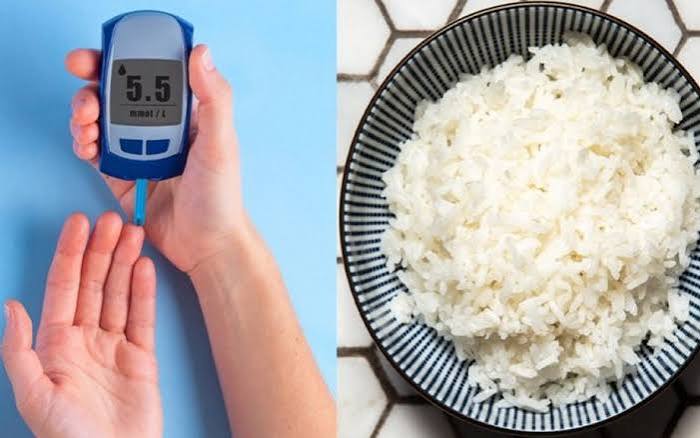
Understanding the relationship between rice and blood sugar is essential for adults managing diabetes or prediabetes, particularly those from Asian, South Asian, Latin American, and other cultural backgrounds where rice is a dietary staple consumed at multiple meals daily — because the decision of whether and how to eat rice is one of the most practically significant dietary choices these adults face for blood sugar management. The challenge of rice and blood sugar management is that rice’s glycemic impact varies by a factor of nearly two across different rice varieties and preparation methods — white jasmine rice (GI 68–80) produces a blood glucose response approaching that of white bread, while parboiled rice (GI 38–47) and cold basmati rice (GI 50–58 fresh, lower when cooled) produce glucose responses in the same range as whole grain bread. This variability means that the choice of rice variety, preparation method, and portion size determines whether rice is a manageable component of a diabetes diet or a major blood sugar disruptor — and that blanket advice to “avoid rice” discards substantial cultural, practical, and nutritional value without addressing the actual management levers that matter most. Rice also provides meaningful nutrients (B vitamins, manganese, and, in the case of brown rice, magnesium and fiber) and as a globally consumed grain, it has been studied more extensively in the context of diabetes risk than almost any other single food — producing a rich evidence base on exactly which rice types, preparation methods, and consumption patterns are associated with better versus worse blood sugar outcomes.
A Harvard prospective cohort study following 197,228 adults found that replacing one-third cup of white rice per day with brown rice was associated with a 16% lower risk of Type 2 diabetes. Each additional daily serving of white rice was associated with an 11% higher diabetes risk. Conversely, higher consumption of whole grain alternatives (including brown rice) was consistently associated with lower diabetes risk across multiple large cohort studies.
Rice Varieties and Their Glycemic Index: A Practical Guide
The glycemic index of different rice varieties spans a wide range that directly determines their rice and blood sugar impact:
- White jasmine rice (GI 68–80 — highest, most common in Asian cuisines): Jasmine rice is a fragrant long-grain rice variety popular in Thai, Vietnamese, and Southeast Asian cuisines. Its high starch gelatinization during cooking and low amylose content (amylose is the starch fraction that is digested more slowly; jasmine rice has relatively low amylose content compared to basmati) produce rapid digestion and high blood glucose responses. A one-cup serving of cooked jasmine rice (approximately 45g of carbohydrates) at GI 75 produces a glycemic load of approximately 34 — in the high GL range that produces significant postprandial glucose elevation. For adults whose cultural diet centers on jasmine rice, switching to a lower-GI rice variety is the highest-impact intervention available for reducing rice-associated blood sugar impact.
- White short-grain rice / sushi rice (GI 72–83 — very high): Short-grain white rice (used in Japanese and Korean cuisines, and for sushi) has the highest starch gelatinization of common rice varieties due to its high amylopectin content (the rapidly-digested starch fraction). A cup of short-grain cooked rice produces blood glucose responses similar to jasmine rice or slightly higher. Sushi rolls additionally combine this high-GI rice with vinegar (which modestly lowers GI by slowing gastric emptying) but this modest correction does not substantially offset the high baseline GI of short-grain rice.
- Basmati rice (GI 50–58 — moderate): Basmati is a long-grain rice variety from the Indian subcontinent with higher amylose content than jasmine or short-grain rice — its amylose-rich starch structure digests more slowly, producing a meaningfully lower glycemic index. Brown basmati (GI 50–55) and white basmati (GI 52–58) differ modestly, with brown basmati’s bran layer providing additional fiber that marginally further reduces its glycemic impact. Basmati rice is the preferred choice for blood sugar management among traditional rice varieties eaten hot, providing flavor and texture consistent with Indian, Pakistani, and Middle Eastern culinary traditions at a substantially lower glycemic index than short-grain or jasmine alternatives.
- Brown rice (GI 50–55 — moderate, equivalent to basmati): Brown rice retains its bran and germ layers, providing approximately 3.5g of fiber per cup cooked compared to 0.6g for white rice. This fiber content contributes to the lower glycemic index of brown rice compared to white rice of the same variety — the fiber slows gastric emptying and glucose absorption, and the intact bran layer creates a physical barrier to starch digestion. The Harvard study finding of 16% lower Type 2 diabetes risk per serving switch from white to brown rice was likely driven primarily by brown rice’s fiber and magnesium content (brown rice provides 84mg of magnesium per cup, compared to 19mg in white rice) alongside its lower GI. Brown rice requires longer cooking time (40–45 minutes versus 15–18 minutes for white rice) and has a chewier texture that requires adjustment for those accustomed to white rice.
- Parboiled rice / converted rice (GI 38–47 — lowest among white rice options): Parboiling is a processing method where rice is partially boiled in the husk before milling, driving nutrients from the bran into the grain’s interior and creating starch gelatinization-retrogradation cycles that increase resistant starch content in the final cooked rice. Parboiled white rice looks and tastes similar to regular white rice but has a substantially lower GI — in the same range as brown rice or lower — making it the best option for adults who want lower glycemic impact without the textural change of switching to brown rice. Parboiled rice is widely available in supermarkets (often labeled “converted rice” in the United States) and in brands like Uncle Ben’s Converted Rice.
Preparation and Serving Strategies That Lower Rice’s Blood Sugar Impact
Beyond variety selection, several preparation and serving strategies significantly modify the rice and blood sugar relationship:
- Cook, cool, and reheat (resistant starch strategy): Cooking rice and cooling it in the refrigerator for 12–24 hours before reheating and serving increases resistant starch content by 10–15%, measurably lowering the glycemic index regardless of the rice variety used. The retrograde starch formed during cooling remains partially resistant to digestion even after reheating to serving temperature. Meal-prepping rice at the beginning of the week and reheating portions as needed is a practical implementation of this strategy that simultaneously improves glycemic outcomes and reduces weeknight cooking time.
- Add vinegar or acidic ingredients: Adding vinegar, lemon juice, or fermented ingredients (like pickled vegetables or kimchi) to a rice-containing meal reduces the postprandial glucose response by slowing gastric emptying. A study published in the European Journal of Clinical Nutrition found that adding 2 tablespoons of white vinegar to a rice-containing meal reduced postprandial blood glucose by 20% and postprandial insulin by 23%. Serving rice with pickled vegetables (common in Japanese cuisine), adding lemon juice to rice dishes, or eating rice alongside an acidic salad dressing all implement this strategy naturally.
- Portion control: the half-cup standard: Regardless of variety, portion discipline is essential for rice and blood sugar management. A half-cup of cooked rice (approximately 22g of carbohydrates) rather than a full cup or more substantially reduces the glycemic load per serving. At restaurants, requesting a half-portion of rice or replacing half the rice with steamed vegetables achieves a similar effect. The practical plate-building approach: fill half the plate with non-starchy vegetables, one-quarter with protein, and one-quarter with rice — allocating a much smaller plate footprint to rice than is typical in many rice-centered meals.
- Pair with protein, fat, and fiber: Eating rice as part of a mixed meal rather than as a standalone carbohydrate substantially reduces its blood glucose impact. A study on the “second meal effect” found that the fiber, protein, and fat in foods consumed alongside rice delayed gastric emptying, reduced amylase access to starch, and stimulated incretin hormone secretion — collectively reducing peak postprandial glucose by 25–40% compared to the same rice eaten alone. Building rice-containing meals around substantial protein (fish, tofu, chicken, legumes), healthy fat (avocado, nuts, olive oil), and generous non-starchy vegetables implements this strategy naturally within traditional rice-based cuisines.
Rice Alternatives for Lower Blood Sugar Impact
For adults managing rice and blood sugar who want to reduce total rice consumption, several alternatives provide similar culinary functions with lower glycemic impact:
- Cauliflower rice (GI approximately 15 — very low): Riced cauliflower (cauliflower chopped to rice-sized pieces) provides the visual appearance and mouthfeel of rice with approximately 5g of carbohydrates per cup compared to 45g in white rice — a 90% reduction in carbohydrate content. Cauliflower rice has become widely available in fresh and frozen forms in most grocery stores. While its taste and texture differ from grain rice, blending it 50/50 with actual rice provides a compromise that reduces total carbohydrate and glycemic load by approximately 45% while maintaining more familiar texture and flavor.
- Quinoa (GI 53 — similar to brown rice, higher protein): Quinoa provides a complete protein profile (all essential amino acids) alongside its carbohydrates, contributing approximately 8g of protein per cup cooked alongside 39g of carbohydrates and 5g of fiber. Its GI is similar to brown rice but the protein content meaningfully lowers its glycemic response when eaten at typical serving sizes, because the protein stimulates GLP-1 secretion that moderates glucose absorption from the grain’s carbohydrates. Quinoa works well as a rice substitute in bowls, salads, and dishes where distinct grain texture is desired.
- Barley (GI 25–30 — the lowest GI grain): Pearl barley has the lowest glycemic index of any common grain, driven by its exceptionally high beta-glucan soluble fiber content (4–6g per cup cooked) that forms a viscous gel in the stomach dramatically slowing glucose absorption. Barley is less common as a direct rice substitute but works well in soups, stews, grain salads, and as a rice replacement in dishes where a chewier, nuttier grain is acceptable. The complete landscape of low-GI grain alternatives is covered in our whole grains and blood sugar guide and our guide on low-glycemic foods: what they are. The overall dietary framework incorporating rice within a blood-sugar-conscious eating pattern is covered in our diabetes diet beginner’s guide. The American Diabetes Association’s nutrition guidance, the NIDDK nutrition overview, and the CDC’s diabetes prevention eating guidance all support including whole grain and lower-GI carbohydrate sources within a balanced diabetes dietary plan.
White Rice and Diabetes Risk: What the Research Shows
The evidence on rice and blood sugar extends beyond individual meal glucose responses to long-term diabetes risk — and the epidemiological data on white rice consumption and diabetes incidence is among the most consistent in nutrition research. Multiple large prospective cohort studies following hundreds of thousands of adults across different countries and dietary patterns have found significant associations between habitual white rice consumption and Type 2 diabetes risk:
- The Harvard cohort study (2010): The Sun et al. study published in Archives of Internal Medicine followed 197,228 U.S. adults from three prospective cohorts (Nurses’ Health Study I and II, Health Professionals Follow-Up Study) and found that each additional daily serving of white rice was associated with an 11% higher Type 2 diabetes risk, while substituting one-third cup per day of white rice with brown rice was associated with a 16% lower risk. This study was notable for its size, methodological rigor, and the specific finding that the same amount of carbohydrate from brown rice produced a substantially lower diabetes risk than from white rice — pointing to rice quality beyond total carbohydrate quantity as the key variable.
- Asian cohort studies: Research conducted in China, Japan, South Korea, and other Asian countries where rice consumption is substantially higher than in Western populations has found even stronger associations. A meta-analysis of prospective studies across Asian populations found that the highest white rice consumers (averaging 3–4 servings daily) had a 55% higher Type 2 diabetes risk than the lowest consumers — an association that remained significant even after adjustment for total caloric intake, body mass index, and other confounders. The absolute risk increase associated with high white rice consumption was larger in Asian populations than in Western populations, likely reflecting the higher absolute quantities consumed and the longer duration of high-rice dietary patterns.
- The mechanisms behind the association: White rice consumption is associated with higher diabetes risk through several interacting mechanisms: the high glycemic index of white rice produces repeated postprandial glucose spikes that over years of consumption contribute to progressive beta-cell exhaustion and insulin resistance; the low fiber and magnesium content of white rice (relative to brown rice and other whole grains) means high white rice consumption crowds out more metabolically beneficial carbohydrate sources; and the low protein and fat content of plain white rice means it is typically consumed in larger quantities and with more rapid gastric emptying than foods with similar carbohydrate loads but higher protein and fat content. Understanding these mechanisms helps explain why the research intervention most likely to reduce rice-related diabetes risk is not simply reducing rice quantity but rather switching to lower-GI, higher-fiber rice varieties and consuming rice within nutritionally complete meals.
How Much Rice Is Safe for Adults with Diabetes or Prediabetes?
There is no universal restriction on rice quantity for all adults managing blood sugar — the appropriate amount depends on the rice variety chosen, the overall carbohydrate target, medications, blood glucose monitoring data, and individual insulin sensitivity. However, several practical frameworks from the evidence base and clinical guidelines provide useful starting parameters:
- The half-cup standard for blood glucose control: For adults with Type 2 diabetes or prediabetes using a moderate carbohydrate approach (130–180g of carbohydrates per day), a half-cup of cooked rice (approximately 22g of carbohydrates) per meal represents a manageable rice allocation that leaves room for other nutrient-dense carbohydrate sources at that meal. This portion produces a glycemic load of approximately 12–16 (low to medium) for lower-GI varieties like parboiled or basmati rice, versus approximately 18–20 for jasmine rice — meaningfully different blood glucose outcomes from the same portion size based on variety choice. Using a kitchen scale rather than estimating “half a cup” by eye is recommended for adults who are using rice as part of a structured carbohydrate management plan, as most adults substantially overestimate what a half-cup of rice looks like on a plate.
- For very low carbohydrate approaches (below 50g per day): A half-cup of cooked rice represents 22g of carbohydrates — nearly half a day’s carbohydrate budget for someone following a strict very-low-carbohydrate approach. At this level of carbohydrate restriction, rice is effectively eliminated or reduced to very small portions used primarily for flavoring (a few tablespoons in a stir-fry) rather than as a significant component of any meal. Adults following this approach typically replace rice entirely with cauliflower rice or other very-low-carbohydrate alternatives and find that blood glucose targets are more consistently achievable without any grain-based starch.
- The monitoring-guided approach: Adults with access to continuous glucose monitors (CGM) or regular finger-stick testing can directly determine their personal acceptable rice portion by testing blood glucose at 1 and 2 hours after eating a specific rice variety and portion size. Blood glucose responses to rice vary substantially between individuals due to differences in gastric emptying rate, gut microbiome composition, and insulin sensitivity. An adult who discovers that a half-cup of brown rice eaten with protein and non-starchy vegetables keeps their 2-hour postprandial glucose below 140 mg/dL (a commonly used target for postprandial glucose management) has empirical evidence that this serving is appropriate for their metabolic context — more precise information than population-level GI data can provide. This personalized approach is endorsed by the ADA’s updated Standards of Medical Care, which emphasizes individual glucose response monitoring as the most reliable method for determining appropriate carbohydrate portions.
Rice in Cultural and Practical Context: A Balanced Approach
For the many adults with diabetes or prediabetes from cultures where rice is a central dietary staple — Vietnamese, Chinese, Japanese, Korean, Indian, Filipino, Thai, West African, Caribbean, and Latin American cuisines all feature rice prominently — the goal of rice and blood sugar management should be optimization rather than elimination. Complete rice avoidance is rarely sustainable for adults with deep cultural connections to rice-based cuisines, often leads to dietary patterns that are nutritionally deficient or socially isolating at family meals, and is not required for good blood sugar outcomes when rice is consumed in appropriate varieties, quantities, and meal contexts. The evidence supports a middle path: switching from high-GI white rice (jasmine, short-grain) to lower-GI alternatives (parboiled, basmati, or brown), implementing cooling and reheating for resistant starch benefit, maintaining half-cup portion sizes, eating rice as part of nutritionally complete meals rather than as the dominant component, and monitoring blood glucose responses to confirm that chosen rice varieties and portions produce acceptable glucose outcomes. This approach respects cultural food traditions, maintains dietary sustainability, and achieves the glycemic management goals that justify the dietary modification in the first place. Our best foods for blood sugar control guide integrates rice choices within the comprehensive dietary strategy for managing blood glucose through food selection and meal structure. The complete context of how carbohydrate quality and quantity interact with blood sugar outcomes is covered in our glycemic index vs glycemic load guide, which explains how to combine GI and GL data with serving size information for practical meal planning. For the full framework of building a blood-sugar-conscious diet that is nutritionally complete, culturally inclusive, and practically sustainable, our diabetes diet beginner’s guide provides the comprehensive context within which rice management decisions can be made with the most nuanced understanding of their role in the complete dietary picture.
Making informed choices about rice variety, preparation method, portion size, and meal composition transforms rice from a blood sugar liability into a manageable and culturally meaningful component of a diabetes-conscious dietary pattern. Sources: American Diabetes Association — carbohydrate counting and diabetes management; Sun et al. (2010) Archives of Internal Medicine — white rice, brown rice, and Type 2 diabetes risk; International GI database — glycemic index values for rice varieties; Liljeberg and Björck research on vinegar and postprandial glucose; NIDDK — diabetes eating and activity guidance; research on resistant starch formation in cooked-cooled-reheated rice; meta-analysis of prospective cohort studies on white rice consumption and Type 2 diabetes risk across Asian and Western populations; clinical evidence on vinegar co-ingestion and postprandial glucose reduction mechanisms; systematic review of glycemic index variation in rice varieties by amylose content and processing method.
Finally a resource that explains rice and blood sugar: what adults in plain language. I especially valued the explanation of why these recommendations exist, not just what they are. This is going into my health folder that I bring to every doctor’s visit.
My doctor recommended I look into rice and blood sugar: what adults and this article covered it perfectly. I appreciated how the article addressed both the clinical side and the practical adjustments. This is going into my health folder that I bring to every doctor’s visit.
Came across this while researching rice and blood sugar: what adults for a family member. I especially valued the explanation of why these recommendations exist, not just what they are. Forwarding this to others in my support group who are dealing with similar issues.