
Among all the dietary strategies supported by clinical evidence for blood glucose management, the role of beans and blood sugar control stands out for the breadth and consistency of the evidence, the magnitude of the metabolic effect per serving, and the remarkable number of complementary mechanisms through which legumes benefit glucose metabolism simultaneously. Beans, lentils, and chickpeas — the primary legume categories — are unique among carbohydrate-containing foods in that they combine high carbohydrate content (20–40g per cooked cup) with extraordinarily high fiber (15–19g per cup), substantial plant protein (14–18g per cup), significant resistant starch, and prebiotic compounds that directly feed the gut bacteria most associated with improved insulin sensitivity. No other commonly consumed food matches this combination of properties that collectively produce the lowest glycemic index values (20–40) of any significant carbohydrate food, the strongest satiety per calorie, and the most favorable effects on gut microbiome composition of any widely available dietary staple. The clinical trial evidence for beans and blood sugar control is sufficiently robust that the American Diabetes Association explicitly recommends legumes as a preferred carbohydrate source in diabetes nutrition therapy — a designation not given to grains, fruits, or dairy, reflecting the unique strength of the legume evidence base for blood sugar management specifically. This article examines the mechanisms, the specific legume options and their comparative glycemic profiles, the practical integration strategies for adults who do not currently eat many beans, and the long-term diabetes prevention evidence that makes legumes the most defensible single dietary addition for metabolic health.
Adding one cup of legumes per day to the diet reduces HbA1c by 0.5 percentage points and fasting blood glucose by 3.0 mg/dL over 3 months in adults with Type 2 diabetes — equivalent to low-dose diabetes medication in blood sugar effect. Adults who consume legumes 4 or more times per week have a 27% lower Type 2 diabetes risk compared to those who consume them less than once per week.
How Beans Reduce Blood Sugar: Five Simultaneous Mechanisms
The blood sugar benefit of beans and blood sugar control is the product of five distinct biological mechanisms operating simultaneously in ways that produce an effect greater than any single mechanism could achieve alone:
- Mechanism 1 — Soluble fiber gel formation: The high soluble fiber content of legumes (particularly the guar gum and pectin-like fibers in beans and lentils) forms a viscous gel in the digestive tract that physically impedes the access of starch-digesting amylase enzymes to starch molecules, slows gastric emptying, and reduces the rate of glucose absorption across the intestinal wall. This direct physical slowing of carbohydrate digestion is the primary mechanism behind legumes’ dramatically lower glycemic index compared to grains of equivalent carbohydrate content.
- Mechanism 2 — Resistant starch fermentation: Legumes contain high concentrations of resistant starch — the fraction of starch that passes through the small intestine undigested and ferments in the large intestine. This fermentation produces short-chain fatty acids (SCFAs), particularly butyrate, propionate, and acetate, that signal the liver to reduce glucose output, improve insulin receptor sensitivity in peripheral tissues, and reduce the intestinal permeability that contributes to systemic inflammation and insulin resistance. The resistant starch content of legumes increases further when they are cooked and then cooled (retrogradation), making leftover bean dishes particularly beneficial.
- Mechanism 3 — Plant protein and incretin stimulation: Legumes contain 14–18g of plant protein per cooked cup — significantly more than any grain — and this protein content triggers GLP-1 (glucagon-like peptide-1) secretion from intestinal L-cells, which amplifies meal-stimulated insulin secretion, slows gastric emptying, and reduces appetite between meals. GLP-1 is the same hormonal pathway targeted by GLP-1 receptor agonist medications (semaglutide, liraglutide) — legumes stimulate this pathway naturally through their protein content.
- Mechanism 4 — Gut microbiome modulation: The prebiotic fibers and resistant starch in legumes selectively feed the bacterial species most consistently associated with improved insulin sensitivity and metabolic health, including Akkermansia muciniphila, Bifidobacterium, Faecalibacterium prausnitzii, and Roseburia. These bacteria produce the SCFAs described above and also reduce intestinal permeability — preventing the endotoxin leakage that drives the chronic low-grade inflammation that is a primary driver of insulin resistance in Type 2 diabetes. Regular legume consumption shifts gut microbiome composition toward the metabolically beneficial profile in ways that persist with continued consumption.
- Mechanism 5 — Second meal effect: Legumes consumed at one meal improve blood glucose responses at the subsequent meal through a phenomenon called the “second meal effect” — validated in multiple randomized crossover trials showing that consuming legumes at lunch reduces the postprandial glucose spike at dinner, even when dinner contains no legumes at all. This effect operates through the persistent SCFA production from legume fermentation and the ongoing GLP-1 stimulation that continues for hours after the legume-containing meal.
Comparing Legumes: Which Beans Are Best for Blood Sugar?
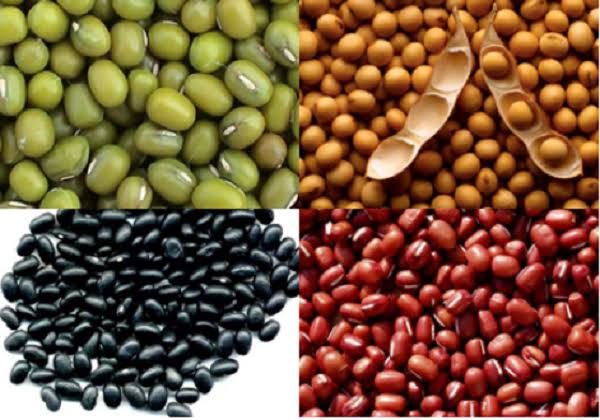
All legumes provide meaningful beans and blood sugar control benefits, but specific varieties have different glycemic index scores, fiber content, protein concentration, and evidence bases that make some more valuable than others for blood sugar management specifically:
- Lentils (GI 21–30, best overall profile): Lentils combine the lowest glycemic index of common legumes with the fastest cooking time (15–20 minutes, no soaking required), making them the most practical legume for regular consumption by adults who don’t have time for lengthy bean preparation. Red lentils (GI ~21) are slightly lower-GI than green or brown lentils (GI ~28–30) due to their higher amylose ratio. One cup of cooked lentils provides 18g of fiber, 18g of protein, and only 40g of net carbohydrates with a postprandial glucose response comparable to consuming half that quantity of whole grain bread.
- Chickpeas (GI 28–36, most versatile): Chickpeas provide 15g of fiber and 15g of protein per cup, with a GI of 28–36 that places them among the lowest-glycemic carbohydrate foods available. Their neutral, slightly nutty flavor makes them the most versatile legume for diverse culinary applications — whole chickpeas work in salads, soups, and roasted as a snack; ground into hummus they provide a low-GI dip that replaces higher-GI chip accompaniments; chickpea flour can replace wheat flour in flatbreads and baked goods with dramatically lower glycemic impact.
- Black beans (GI 20–30, highest antioxidant content): Black beans have among the lowest GI scores of common beans (20–30) and the highest antioxidant content of any legume variety due to their anthocyanin pigments — the same compounds found in blueberries that independently improve insulin sensitivity. Black beans provide 15g of fiber and 15g of protein per cup, making them metabolically equivalent to chickpeas and lentils while providing additional antioxidant benefits specifically relevant for adults with diabetes, who experience higher rates of oxidative stress than metabolically healthy individuals.
- Kidney beans (GI 22–34): Kidney beans provide similar fiber and protein content to other legumes (13g fiber, 13g protein per cup) with a GI of 22–34, but require thorough cooking because raw kidney beans contain phytohemagglutinin — a lectin that causes nausea and vomiting when beans are undercooked. Canned kidney beans are safe and convenient; dried kidney beans must be soaked overnight and boiled vigorously for at least 10 minutes before consumption.
- Edamame (soybeans, GI 15–18): Edamame (immature soybeans) and cooked soybeans have the lowest glycemic index of any legume (GI 15–18) and an exceptional nutritional profile: 18g of complete protein and 8g of fiber per cup with a minimal glucose response. Edamame’s protein content includes all essential amino acids in adequate proportions, making it the most nutritionally complete plant protein source available. Frozen edamame requires only brief microwave preparation, making it one of the most convenient high-protein, very-low-GI snacks available.
Practical Legume Integration: From Zero to Four Servings Weekly
The gap between knowing that beans and blood sugar control are strongly linked and actually consuming enough legumes to achieve the clinical benefit (at least 3–4 servings per week, ideally daily) is primarily a practical one — most adults who report low legume consumption cite preparation time, unfamiliarity with cooking methods, digestive discomfort from gas production, and uncertainty about how to incorporate legumes into existing meals as the main barriers. Practical strategies that address each barrier:
- Start with canned legumes: Canned beans (rinsed to reduce sodium) are nutritionally equivalent to home-cooked dried beans for blood sugar management — their fiber, resistant starch, and protein content is fully preserved in canning. Starting with canned chickpeas, black beans, or lentils eliminates all preparation time and removes the soaking and prolonged cooking that deter many adults from cooking dried beans. Opening and rinsing a can of chickpeas takes 2 minutes; it’s the most accessible entry point to regular legume consumption.
- Begin with small quantities to manage digestive adjustment: Gas and bloating from legumes are caused by oligosaccharides (raffinose, stachyose) that gut bacteria ferment, producing gas as a byproduct. Adults not accustomed to legumes often experience uncomfortable gas when they suddenly add a full cup serving — starting with a quarter cup and increasing by a quarter cup per week over 4 weeks allows gut bacteria populations to adjust to the new prebiotic substrate, substantially reducing gas production. Thoroughly cooking and rinsing canned beans also reduces oligosaccharide content.
- Add legumes to existing dishes rather than creating new dishes: The most sustainable legume integration approach is adding them as an ingredient to meals already in the weekly rotation: adding a half-cup of black beans to a taco or burrito bowl, stirring a half-cup of rinsed chickpeas into a green salad, adding a cup of lentils to a soup or stew that already exists in the meal plan. This approach requires no new recipes or cooking skills — only the habit of keeping canned legumes available and adding them to existing meals.
- Use legumes to replace meat at 1–2 meals per week: Substituting legumes for meat protein (replacing ground beef in tacos with black beans, replacing chicken in a soup with chickpeas, making a lentil-based pasta sauce) provides the blood sugar benefit of legumes while simultaneously reducing saturated fat intake from meat. This substitution improves both the glycemic and the cardiovascular risk profiles of meals, consistent with the recommendations in our guide on healthy fats and blood sugar. The ADA’s diabetes nutrition resources and the NIDDK’s diabetes eating guidance both emphasize legumes as a priority food for adults managing blood sugar, with specific guidance on practical incorporation that complements the strategies covered here.
Beans vs. Other Carbohydrates: A Direct Blood Sugar Comparison
To fully appreciate the significance of beans and blood sugar control, direct comparisons between beans and commonly consumed carbohydrate alternatives are more illuminating than glycemic index scores in isolation. Consider the postprandial blood glucose effects of equal calorie or equal carbohydrate portions of different foods at the same meal: one cup of cooked white rice (200 calories, 44g carbohydrates, 0.6g fiber, GI 73, glycemic load 32) versus one cup of cooked black beans (227 calories, 41g carbohydrates, 15g fiber, GI 30, glycemic load 12). The white rice and black beans contain similar caloric and total carbohydrate content — but the black beans produce a glycemic load 63% lower than the white rice, a postprandial glucose response approximately half as high, and a satiety effect that lasts substantially longer due to the protein and fiber content that white rice entirely lacks. Replacing white rice with black beans at dinner is therefore not a minor nutritional adjustment — it is a transformation of the meal’s metabolic character that reduces postprandial glucose, extends satiety, increases protein delivery, and provides prebiotic fiber for gut microbiome health, all from a substitution of equivalent caloric content. The comparison with other refined carbohydrate alternatives is equally dramatic: one cup of cooked lentils (230 calories, 24g net carbs after fiber subtraction, GI 29, GL 7) versus one serving of white bread (130 calories, 25g carbohydrates, 1g fiber, GI 75, GL 19). The lentils provide nearly twice as many calories as the bread portion while producing a glycemic load 63% lower — illustrating that choosing beans over refined grains produces simultaneously higher nutritional value and substantially lower blood sugar impact. For adults who are concerned about carbohydrate quantity and have considered very low-carbohydrate approaches, substituting beans for refined grains achieves most of the glycemic benefit of carbohydrate reduction while maintaining a more nutritionally diverse, sustainable, and socially compatible dietary pattern. The glycemic load analysis framework covered in our guide on glycemic index vs glycemic load provides the analytical tools for these meal-level comparisons in detail.
Long-Term Evidence: Beans and Diabetes Prevention
Beyond their acute blood sugar effects, the evidence on beans and blood sugar control extends to meaningful reductions in Type 2 diabetes incidence in large prospective studies — the strongest evidence that regular legume consumption provides genuine long-term metabolic protection rather than merely favorable immediate glucose responses. A comprehensive meta-analysis of 14 prospective cohort studies found that the highest legume consumption category was associated with 27% lower Type 2 diabetes risk compared to the lowest consumption category, after adjusting for BMI, physical activity, total caloric intake, and other dietary factors. The China Health and Nutrition Survey found that adults who consumed legumes daily had 35% lower Type 2 diabetes incidence over 9 years compared to those who consumed them rarely — an association particularly strong for lentil consumption specifically. The women’s health study in the United States found that substituting one serving per day of refined grains with legumes was associated with a 36% lower diabetes risk — a larger benefit than switching from refined to whole grains (23% risk reduction), confirming that legumes represent a superior carbohydrate substitution target compared to whole grain staples from a diabetes prevention perspective. The mechanisms connecting long-term legume consumption to reduced diabetes incidence include the gut microbiome improvements described above (which accumulate with sustained consumption and do not fully reverse between meals), the reduction in chronic inflammation from SCFA production, and the weight management benefits of legumes’ high satiety per calorie that reduce visceral adiposity over time — all of which collectively explain why the diabetes prevention benefit of legumes exceeds what their glycemic index advantage alone would predict. Adults at elevated diabetes risk — with prediabetes, family history of Type 2 diabetes, obesity, or metabolic syndrome — have the most to gain from prioritizing legume consumption, as these are the populations in whom the gut microbiome modulation and anti-inflammatory effects of sustained legume consumption have the largest protective impact. Our guide on diabetes prevention: a practical guide provides the comprehensive lifestyle framework into which regular legume consumption fits as one of the most evidence-supported dietary pillars. The broader dietary context that maximizes the blood sugar benefit of legume consumption includes the fiber strategies from our guide on fiber and blood sugar control, the whole grain selections from our guide on whole grains and blood sugar, and the best food combinations from our guide on best foods for blood sugar control — which together define the dietary pattern most strongly associated with long-term blood glucose protection and reduced Type 2 diabetes risk in both epidemiological and clinical trial research. The CDC’s diabetes prevention eating guidance supports this bean-inclusive, fiber-rich dietary approach as the nutritional foundation of the most evidence-based lifestyle intervention for reducing Type 2 diabetes incidence in adults at elevated metabolic risk.
Addressing Common Concerns About Beans and Blood Sugar
Despite the strong evidence for beans and blood sugar control, several common concerns lead adults to avoid or underconsuming legumes that deserve direct evidence-based responses:
- “Beans have too many carbohydrates for blood sugar management”: This concern conflates total carbohydrates with net digestible carbohydrates and ignores glycemic load. One cup of black beans contains 41g of total carbohydrates but 15g of fiber — leaving only 26g of net carbohydrates that actually affect blood glucose, delivered at a rate so slow (GI 30) that the resulting glucose rise is smaller than half a cup of white rice. Counting total carbohydrates without subtracting fiber leads to the incorrect conclusion that beans are “high carb” when their effective glycemic impact is among the lowest of any common food. Adults who use carbohydrate counting for blood sugar management should count net carbohydrates (total carbs minus fiber) from legumes.
- “Canned beans are less healthy than dried”: Canned beans that are rinsed before use retain all meaningful nutrition — their fiber content, resistant starch, protein, and mineral content are comparable to home-cooked dried beans. The main difference is sodium content (canned beans contain 300–500mg sodium per cup before rinsing; rinsing removes approximately 40% of this sodium). For adults monitoring sodium intake, rinsing canned beans is sufficient to make them equivalent to home-cooked alternatives without any of the preparation burden of soaking and cooking dried beans.
- “Beans cause too much gas to eat regularly”: The digestive gas from legumes is proportional to the gut bacteria populations that ferment their oligosaccharides — and these bacteria populations adapt with sustained legume consumption, reducing gas production substantially over 3–4 weeks of regular intake. The strategy of starting with small quantities (one quarter cup) and increasing gradually over several weeks, combined with thorough rinsing of canned beans, makes digestive adaptation manageable for most adults and produces a long-term outcome where regular legume consumption causes minimal discomfort. Adults who continue to experience significant digestive discomfort despite gradual introduction may find lentils and split peas easier to tolerate than whole beans, as their lower oligosaccharide content produces less fermentation-related gas.
- “I don’t know how to cook beans”: The simplest entry point requires no cooking skill: adding rinsed canned chickpeas to any salad, soup, or grain bowl that already exists in the weekly meal rotation. The next level — making hummus, a bean soup, or a lentil curry — requires a blender or pot and 20–30 minutes of active preparation. Resources from the ADA’s nutrition resources and the NIDDK’s healthy eating guidance include practical legume-centered recipes appropriate for adults managing blood sugar who are new to cooking with beans.
Weekly Legume Target and Getting There
The clinical evidence on beans and blood sugar control suggests that meaningful blood sugar benefit begins at 3–4 servings per week (approximately half a cup per serving) and increases progressively with daily consumption. Adults currently consuming zero to one serving per week who increase to four or more servings per week should expect measurable improvements in fasting blood sugar within 4–6 weeks and in HbA1c within 3 months of consistent intake, based on the effect sizes seen in randomized controlled trials. The most sustainable approach to reaching this target is the sequential habit addition described earlier — one new legume meal per week for four weeks, building toward daily legume consumption as each new habit solidifies. Pairing beans with the vegetables from our guide on vegetables and blood sugar control creates the most fiber-rich, blood-sugar-protective meals available within a sustainable dietary pattern.
Sources: American Diabetes Association — legumes in diabetes nutrition therapy; National Institute of Diabetes and Digestive and Kidney Diseases — diet and diabetes; Jenkins et al. — randomized trial of legume-enriched diet and glycemic control (Archives of Internal Medicine); meta-analyses on legume consumption and HbA1c reduction in Type 2 diabetes; prospective cohort studies on legume intake and Type 2 diabetes incidence.
Thank you for covering beans and blood sugar control so thoroughly without being overly technical. The article answered questions I didn’t even know I had until I started reading. Exactly the kind of evidence-based information that is hard to find in one place.
This is one of the clearest explanations of beans and blood sugar control I have found. I especially valued the explanation of why these recommendations exist, not just what they are. Looking forward to reading more articles from this website.
As someone dealing with this personally, the beans and blood sugar control section was very helpful. I appreciated how the article addressed both the clinical side and the practical adjustments. Appreciate the effort that went into researching and writing this — it shows.