
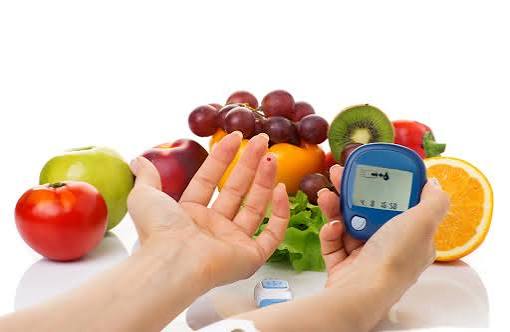
The relationship between fruits and diabetes is one of the most misunderstood topics in diabetes nutrition — generating a spectrum of misinformation from one extreme (“fruit is just sugar and must be avoided”) to the other (“fruit is natural so it’s always fine in any quantity”). The clinical reality is more nuanced and more useful than either simplification: the relationship between fruits and diabetes depends critically on the type of fruit, the form it is consumed in, the quantity per serving, and what else is consumed alongside it — with some fruits providing genuine blood sugar benefit through their polyphenol content while others produce glucose spikes comparable to refined carbohydrates if consumed in large portions or processed forms. Understanding this nuance allows adults with prediabetes or Type 2 diabetes to continue enjoying the nutritional richness, flavor variety, and genuine metabolic benefits of fruit without the blood sugar harm that comes from consuming it in inappropriate forms or quantities. The epidemiological evidence on fruit consumption and diabetes risk is consistently favorable for whole fruit: multiple large prospective studies find that higher whole fruit consumption is associated with lower, not higher, Type 2 diabetes risk — with berries, apples, pears, and grapes showing the strongest inverse associations. This finding surprises many adults who have been advised to minimize fruit intake for blood sugar management, and it reflects the critical importance of form and fiber in determining whether fruit’s natural sugars benefit or harm blood glucose outcomes.
A large prospective study (BMJ, 2013) following 187,382 adults found that replacing three servings per week of fruit juice with whole fruit was associated with a 7% lower risk of Type 2 diabetes. Blueberry consumption specifically was associated with 26% lower diabetes risk, while fruit juice consumption was associated with 8% higher risk — demonstrating that fruit form, not just fruit sugar content, determines the metabolic outcome.
Why Whole Fruit and Fruit Juice Have Opposite Effects on Blood Sugar
The most important foundational concept for understanding fruits and diabetes is the mechanistic difference between whole fruit and fruit juice, which explains why these two forms of what appears to be the same food have opposite metabolic effects on blood glucose and diabetes risk. Whole fruit contains its natural sugars (primarily fructose, glucose, and sucrose) embedded within an intact fibrous cellular matrix — the cell walls of fruit flesh physically surround and contain the sugars, requiring digestive disruption of this matrix before the sugars can be accessed for absorption. This structural containment slows sugar absorption dramatically: the sugars in a whole apple are released from their fibrous cell walls gradually over 1.5–2 hours of digestion, producing a gentle, sustained blood glucose rise rather than a spike. The fiber in the apple (4–5g per medium apple) also independently slows gastric emptying and glucose absorption through viscous gel formation. Fruit juice — even 100% juice without added sugars — is produced by pressing, squeezing, or blending fruit in ways that rupture the cellular matrix and separate the juice (containing the sugars) from the pulp (containing most of the fiber). The result is a liquid containing the same sugars as 2–3 pieces of whole fruit, but without the fibrous structure that moderates their absorption — producing a blood glucose spike that reaches its peak within 15–30 minutes of consumption, nearly as rapidly as a sugar-sweetened beverage. A glass of orange juice (8 oz) contains 21g of sugar with essentially zero fiber, producing a glycemic response comparable to regular soda despite being “100% natural.” Replacing juice with whole fruit provides identical vitamins and antioxidants while dramatically improving the blood sugar outcome — the most impactful single change in fruits and diabetes management that most adults can make. Our guide on foods to limit for blood sugar control covers juice and other concentrated fruit products in the context of all blood-sugar-disrupting foods that deserve reduction.
Glycemic Index of Common Fruits: A Practical Guide
Within the whole fruit category, the glycemic impact of different fruits and diabetes considerations varies substantially based on each fruit’s fiber content, water content, ripeness, and natural sugar composition. Understanding the glycemic profile of common fruits allows adults to make informed choices that maximize the nutritional benefit of fruit consumption while minimizing blood glucose impact:
- Lowest GI fruits (GI 20–40, most favorable): Cherries (GI 22), grapefruit (GI 25), dried apricots (GI 30 — note: fresh apricots GI ~34, dried much more concentrated), plums (GI 24–35), peaches (GI 28–35), pears (GI 38), and apples (GI 36–39) all have glycemic indices below 40, with fiber contents of 3–5g per serving that produce gentle glucose rises. These fruits can be consumed in standard one-cup or medium-fruit serving sizes without significant blood sugar concern for most adults managing glucose levels.
- Low-moderate GI fruits (GI 40–55): Oranges (GI 43–47), strawberries (GI 40–41), blueberries (GI 40–53), grapes (GI 43–53), kiwi (GI 47–53), and mango (GI 51–60 depending on ripeness) fall in this range. These fruits are still appropriate choices for adults managing blood sugar when consumed in single-serving quantities — one medium orange, one cup of berries, a small bunch of grapes (12–15 grapes).
- Higher GI fruits (GI 60–80, consume in smaller portions): Watermelon (GI 72–80), pineapple (GI 59–66), overripe bananas (GI 60–70, versus GI ~42–52 for firm, slightly underripe bananas), and dates (GI 42–62 with very high sugar density) have higher glycemic indices that warrant portion control. A small serving (half a cup of watermelon, a few rings of pineapple, half a firm banana) can be consumed with manageable blood sugar impact; larger portions or combining multiple high-GI fruits in fruit salads creates a cumulative glycemic load that warrants monitoring.
- Ripeness matters: As fruit ripens, starches convert to sugars and the glycemic index rises — a green banana (GI ~30–40) has dramatically lower blood glucose impact than an overripe spotted banana (GI ~60–70). Choosing fruit at moderate rather than peak ripeness consistently produces lower glycemic responses, particularly for bananas, mangoes, and other starchy fruits that ripen significantly during the post-harvest period.
Portion Control and Timing for Fruits and Diabetes
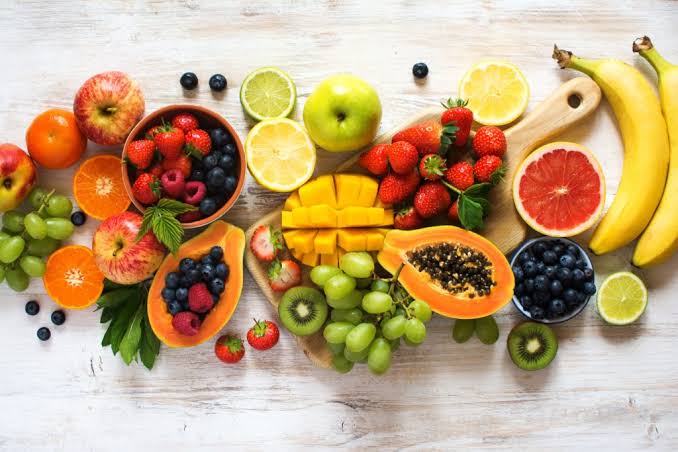
Even the lowest-GI fruits and diabetes management requires appropriate portion awareness — because consuming multiple servings of low-GI fruit simultaneously produces cumulative glycemic loads that can meaningfully elevate blood glucose despite each individual fruit’s favorable glycemic index. A practical portion framework: one serving of fruit at a time, defined as one medium piece of whole fruit (apple, pear, orange), one cup of berries, 12–15 grapes, or half a cup of sliced melon. Consuming more than one fruit serving at a time — even from low-GI fruits — increases total carbohydrate and sugar delivery in ways that may exceed what blood glucose response can manage comfortably, particularly for adults on glucose-lowering medications who are trying to maintain tight glucose control. Fruit timing also matters for blood sugar outcomes: consuming fruit alongside protein and healthy fat — with Greek yogurt, nuts, or as part of a mixed meal — produces a lower blood glucose response than consuming the same fruit alone as a standalone snack, because the protein and fat in the accompanying foods slow gastric emptying and glucose absorption. Consuming fruit in the morning, when insulin sensitivity tends to be higher than in the evening, also produces more favorable blood glucose responses than consuming the same fruit at night — reflecting the circadian rhythm in insulin sensitivity that affects postprandial glucose responses regardless of food composition. For the specific fruits with the strongest clinical evidence for blood sugar support, see our guide on best fruits for blood sugar support. The American Diabetes Association’s fruit guidance and the NIDDK’s diabetes eating overview both confirm that whole fruit consumption is compatible with diabetes management when portion sizes and fruit forms are appropriately selected. The broader dietary context for fruit consumption within a blood-sugar-conscious eating pattern is covered in our diabetes diet beginner’s guide and in our guide on low-glycemic foods: what they are, which covers fruit within the comprehensive framework of low-GI food selection across all categories. The CDC’s healthy eating for diabetes prevention guidance similarly supports whole fruit as a favorable dietary choice within an overall healthy eating pattern for adults managing blood sugar and reducing diabetes risk.
Fruit Polyphenols and Diabetes Prevention: Beyond Glycemic Index
One of the most important findings to emerge from research on fruits and diabetes is that certain fruits provide active metabolic benefits through their polyphenol content that extend well beyond their glycemic index scores — meaning that these fruits don’t merely avoid harming blood sugar, they actively improve insulin sensitivity and reduce diabetes risk through mechanisms independent of fiber and carbohydrate quality. This distinction helps explain why the epidemiological research consistently finds that higher whole fruit consumption is associated with lower Type 2 diabetes risk rather than the higher risk that a simplistic “fruit has sugar” framework would predict. Several fruit categories have particularly strong mechanistic and clinical evidence for active metabolic benefit:
- Berries (anthocyanin-mediated insulin sensitization): Blueberries, strawberries, raspberries, blackberries, and dark cherries are exceptionally rich in anthocyanins — the polyphenol compounds responsible for their red, blue, and purple pigmentation. Anthocyanins activate AMPK (AMP-activated protein kinase), the same cellular energy-sensing enzyme activated by exercise and metformin, which stimulates glucose uptake in muscle cells, reduces hepatic glucose production, and improves insulin receptor signaling. A randomized controlled trial published in the Journal of Nutrition found that consuming two cups of blueberries daily for 6 weeks improved insulin sensitivity by 22% in obese, insulin-resistant adults — an effect size comparable to pharmaceutical insulin sensitizers at the doses tested. Strawberry consumption has been shown to reduce postprandial glucose response by 18% and improve HbA1c by 0.2 percentage points over 12 weeks in adults with metabolic syndrome in a separate randomized trial.
- Citrus fruits (hesperidin, naringenin, and glucose transporter modulation): Oranges, grapefruits, and lemons contain hesperidin and naringenin — flavanone compounds that improve insulin receptor signaling and modulate GLUT4 glucose transporters, the proteins that allow glucose to enter muscle and fat cells in response to insulin stimulation. A meta-analysis of randomized trials found that hesperidin supplementation equivalent to consuming 2 medium oranges daily reduced fasting blood glucose by 4.2 mg/dL and fasting insulin by 2.1 µIU/mL, with effects accumulating over 4–8 weeks of consistent consumption. Grapefruit contains naringenin at particularly high concentrations, and specific clinical trials of grapefruit consumption (half a grapefruit before each meal, three times daily) in adults with metabolic syndrome showed significant reductions in fasting insulin and HOMA-IR scores — though grapefruit interactions with several common diabetes medications (including statins, some calcium channel blockers, and some immunosuppressants) require medical clearance before regular grapefruit consumption in adults taking these medications.
- Apples and pears (quercetin and chlorogenic acid): Apples and pears contain quercetin (concentrated in the skin) and chlorogenic acid — compounds with complementary mechanisms for blood sugar benefit. Quercetin inhibits alpha-glucosidase and alpha-amylase enzymes that digest starch, producing effects similar to acarbose (a diabetes medication) in slowing postprandial glucose absorption. Chlorogenic acid reduces hepatic glucose production and improves insulin sensitivity in both animal models and human studies — the same mechanism responsible for part of coffee’s metabolic benefit, as coffee also contains high chlorogenic acid concentrations. Eating apples with their skin intact (after thorough washing) maximizes quercetin delivery; peeling apples removes the majority of this beneficial compound.
- Avocado (monounsaturated fats and potassium): Avocado, while botanically a fruit, functions metabolically as a healthy fat source — its carbohydrate content is minimal (about 9g per half avocado) and its glycemic impact is negligible. Avocado’s monounsaturated fat content improves insulin sensitivity through the same mechanisms as olive oil, and its high potassium content (690mg per half avocado) supports kidney function and blood pressure management in adults with diabetes who are at elevated cardiovascular risk. Adding avocado to fruit salads, smoothies, or as a standalone fruit serving provides blood sugar benefit rather than the blood sugar burden that higher-carbohydrate fruits carry.
Fruits and Diabetes: What About Dried Fruit, Smoothies, and Canned Fruit?
Several fruit forms beyond juice deserve specific attention in the context of fruits and diabetes management because they are commonly misclassified as equivalent to whole fruit when their processing significantly alters their blood sugar impact:
- Dried fruit (concentrate without fiber benefit): The drying process removes water from fruit while concentrating its sugars — a single quarter-cup of raisins contains 29g of sugar, equivalent to the sugar in one full cup of fresh grapes but delivered without the water that dilutes the grapes’ sugar concentration and contributes to satiety. While dried fruit retains more fiber than juice (the dehydration process concentrates fiber along with sugar), the caloric and glycemic density of dried fruit is far higher than fresh fruit equivalents, making portion control challenging. A small quantity of dried fruit as an ingredient — a tablespoon of raisins in oatmeal, a few dried cranberries in a salad — adds flavor without significant blood sugar impact; consuming dried fruit as a snack in typical snack quantities (a quarter to half cup) delivers substantial sugar loads that produce meaningful glucose spikes. Adults who enjoy dried fruit for its convenience and shelf stability should weigh a precise small portion (15–20g) rather than estimating by handful.
- Blended fruit smoothies (glycemic impact depends on composition): Blending whole fruit in a blender is distinct from juicing — blending preserves the fiber in its original form (the blended fruit retains all components), whereas juicing separates and discards the fibrous pulp. A whole-fruit smoothie has a lower glycemic impact than the same fruit juiced, because the fiber content remains intact and produces the same viscous gel formation that moderates absorption in whole fruit. However, commercial smoothies typically contain 2–4 pieces of fruit per serving — a quantity of carbohydrates and natural sugars that produces a meaningful glycemic load even with fiber present. Home-prepared smoothies with portion-controlled fruit (one serving), combined with Greek yogurt or protein powder and non-starchy vegetables (spinach, cucumber), maintain more favorable blood sugar profiles than fruit-only smoothies or commercial smoothies.
- Canned fruit in syrup (avoid) vs. canned fruit in juice or water (acceptable): Canned fruit packed in heavy syrup adds substantial added sugar to the fruit’s natural sugar content, producing glycemic impacts dramatically higher than fresh or frozen equivalents. Canned fruit packed in its own juice (no added syrup) or in water is nutritionally comparable to fresh fruit, with the caveat that canning softens the fruit’s texture and may slightly increase its glycemic index by disrupting cellular structure — but the difference is modest and canned fruit in water or juice remains an acceptable and convenient fresh fruit alternative for adults managing blood sugar. Frozen fruit (without added sugar) is the closest nutritional equivalent to fresh fruit and is often more affordable and accessible year-round.
- Fruit-flavored products (avoid): Fruit-flavored yogurts, fruit roll-ups, fruit snacks, and fruit-flavored beverages carry the cultural association with fruit but are typically manufactured from refined sugar, artificial flavors, and minimal actual fruit — producing all of the blood sugar harm of candy with none of the nutritional benefit of the whole fruit they nominally represent. Reading ingredient labels (as covered in our guide on reading food labels for blood sugar) quickly distinguishes genuine fruit products from fruit-flavored refined sugar products that misrepresent themselves through fruit imagery and language on packaging.
For the specific fruits with the best clinical evidence for active blood sugar support — including detailed GI scores, serving size recommendations, and evidence for metabolic benefit beyond glycemic moderation — our guide on best fruits for blood sugar support provides the comprehensive fruit-specific guide that complements this broader overview of the fruits and diabetes relationship. The overall dietary framework that integrates optimal fruit choices with the best vegetables, legumes, whole grains, proteins, and fats for comprehensive blood sugar management is covered in our best foods for blood sugar control guide and our diabetes diet beginner’s guide.
How Many Fruit Servings Are Safe for Adults with Diabetes?
The question of optimal daily fruit intake for adults managing blood sugar does not have a single universal answer — it depends on overall carbohydrate intake, medication status, individual insulin sensitivity, and the specific fruits chosen. However, the evidence from clinical dietary guidelines and large prospective studies provides useful parameters. The American Diabetes Association does not specify a fruit serving limit for adults with diabetes, instead recommending individual assessment of blood glucose responses to specific portions — acknowledging that some adults can accommodate more fruit servings than others based on their overall dietary carbohydrate load and metabolic flexibility. As a practical starting framework: 2–3 servings of whole fruit per day (defined as one medium piece of fruit or one cup of berries per serving) is consistent with the fruit intake associated with the lowest Type 2 diabetes risk in prospective research and is manageable within a daily carbohydrate budget appropriate for most adults with Type 2 diabetes or prediabetes who are not following a very low-carbohydrate approach. Adults using continuous glucose monitors or regular finger-stick monitoring can directly test their personal blood glucose responses to specific fruits and quantities — empirically identifying which fruits produce acceptable postprandial responses in their own metabolic context. This personal testing approach, recommended by the ADA’s fruit guidance, is the most accurate method for individualized fruits and diabetes management because it accounts for the individual variability in glucose responses that population-level GI and GL data cannot predict. Adults with access to their glucose monitoring data who are uncertain about specific fruits should test those fruits in isolation (without other carbohydrate foods at the same meal) to isolate their individual glucose response, then incorporate well-tolerated fruits into mixed meals where protein and fat further moderate the glucose response. The broader context of how fruit fits into the overall blood-sugar-conscious dietary pattern is covered in our guides on portion control for blood sugar support and healthy meal timing for blood sugar, which address when and how much to eat alongside what to eat for comprehensive blood sugar management.
Understanding how fruits fit into the overall blood sugar management picture — alongside vegetables, legumes, whole grains, protein, and healthy fats — gives adults the complete dietary picture needed for sustained glucose control. Sources: American Diabetes Association — fruit and diabetes management; National Institute of Diabetes and Digestive and Kidney Diseases — diabetes eating guidance; Muraki et al. (2013) BMJ — whole fruit consumption and Type 2 diabetes risk; International GI database — glycemic index values for fruits; prospective research on blueberry consumption and insulin sensitivity.
This is one of the clearest explanations of fruits and diabetes I have found. What I liked most was that the article didn’t just say what to avoid — it also gave alternatives. Forwarding this to others in my support group who are dealing with similar issues.
I shared this article on fruits and diabetes with my doctor and they appreciated the level of detail. I especially valued the explanation of why these recommendations exist, not just what they are. Forwarding this to others in my support group who are dealing with similar issues.
This breakdown of fruits and diabetes is exactly what patients need before a specialist appointment. I appreciated how the article addressed both the clinical side and the practical adjustments. Looking forward to reading more articles from this website.