
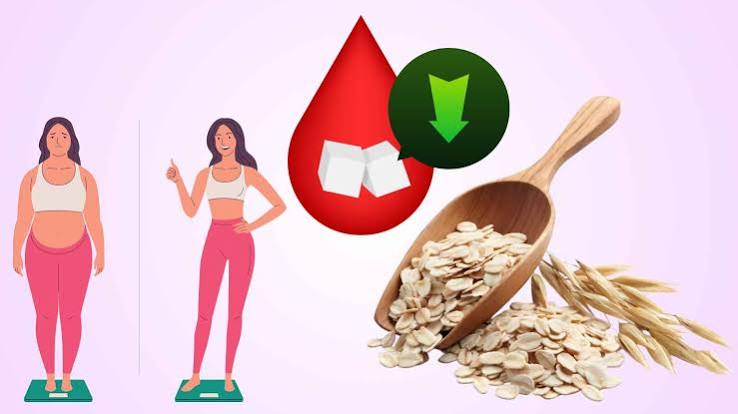
Among all the breakfast grain choices available to adults managing diabetes or prediabetes, oatmeal and blood sugar represent one of the most favorable pairings in nutritional science — oats have one of the most extensively studied blood sugar benefit profiles of any grain, driven by their exceptional beta-glucan soluble fiber content that has been shown in multiple randomized controlled trials to reduce postprandial glucose, improve HbA1c, enhance insulin sensitivity, and lower cardiovascular risk markers in adults with metabolic disorders. However, the oatmeal and blood sugar relationship is not uniformly positive across all oat types, preparation methods, and toppings — the difference between steel-cut oats eaten plain and instant oatmeal eaten with added sugar and dried fruit represents a dramatic shift in blood glucose impact from genuinely favorable to potentially harmful, despite both products carrying the “oatmeal” label. Understanding which oat products provide the clinical benefit demonstrated in research and which preparation and topping decisions undermine that benefit allows adults with diabetes to optimize their oatmeal consumption for maximum metabolic benefit rather than assuming that any oatmeal product automatically delivers the blood sugar improvements shown in clinical studies. The key is selecting the right oat type, preparing it minimally, and topping it strategically — three decisions that collectively determine whether oatmeal is a blood-sugar-beneficial breakfast or a high-glycemic carbohydrate load disguised by its healthful reputation.
A meta-analysis of 14 randomized controlled trials found that 3g of oat beta-glucan daily — the amount in approximately 1.5 cups of cooked oatmeal — significantly reduced postprandial glucose by an average of 24% and postprandial insulin by 18% compared to control. Systematic reviews have confirmed that oat beta-glucan consumption reduces HbA1c in adults with Type 2 diabetes, with effects ranging from 0.2 to 0.5 percentage points in 8–12 week trials.
Oat Types and Their Blood Sugar Impact
The processing level of oats is the primary determinant of oatmeal and blood sugar outcomes — all oat products begin as the same whole grain (oat groats), but different levels of processing create products with very different starch structures and digestion rates:
- Steel-cut oats (GI 42–55 — lowest): Steel-cut oats (also called Irish oats or pinhead oats) are oat groats that have been chopped into 2–4 pieces using steel blades — the minimal processing that reduces cooking time from the whole groat while maintaining the maximum intact starch structure and beta-glucan distribution. The intact, coarsely chopped grain structure of steel-cut oats means that amylase enzymes must penetrate through the grain’s physical architecture to access starch — a slow process that limits glucose absorption rate and produces the most gradual blood glucose rise of any oat format. Steel-cut oats require 20–30 minutes of stovetop cooking, making them less practical for weekday mornings than quicker oat formats; batch cooking a week’s worth on the weekend and refrigerating for daily reheating is the most practical approach to incorporating steel-cut oats into a daily routine. Their chewier texture and nutty flavor are distinct from rolled oats and require some adjustment for adults accustomed to softer oatmeal consistency.
- Rolled oats / old-fashioned oats (GI 57–66 — moderate): Rolled oats are oat groats that have been steamed and flattened with rollers, which gelatinizes the starch partially and reduces the intact grain structure that protects starch from rapid digestion. This processing produces a 10–15 GI point increase over steel-cut oats, but rolled oats still contain substantial intact beta-glucan fiber (approximately 2g per half-cup dry serving) that moderates their glycemic impact significantly compared to refined carbohydrates. Rolled oats cook in 5–10 minutes on the stovetop or 2–3 minutes in a microwave, making them more practical for daily use than steel-cut oats while providing most of the blood sugar benefit of the less-processed format. For most adults managing blood sugar, rolled oats represent the practical optimal choice — providing meaningful beta-glucan content and moderate GI in a format that is convenient enough for consistent daily use.
- Quick oats (GI 65–70 — moderate-high): Quick oats are rolled oats that have been rolled thinner and sometimes pre-cooked to enable 1–2 minute cooking times. The additional processing beyond standard rolled oats creates more fully gelatinized starch with faster digestion rate — producing a GI 5–10 points higher than standard rolled oats. Quick oats still retain meaningful beta-glucan content (less intact but not fully destroyed by processing) and produce lower blood glucose responses than refined grain cereals, making them an acceptable oat choice but not the optimal one when lower-GI alternatives are equally accessible.
- Instant oatmeal packets (GI 65–79 — high, and often sweetened): Instant oatmeal is pre-cooked, dried, and rolled very thin to dissolve almost immediately in hot water — the most processed oat format with the highest GI due to complete starch pre-gelatinization. Beyond the higher GI, most commercial instant oatmeal packets contain substantial added sugar (6–12g per packet in flavored varieties), dried fruit (which concentrates sugar), and artificial flavors — converting what could be a blood-sugar-beneficial breakfast into a high-glycemic, high-sugar product that undermines blood glucose management. Plain instant oats without added sugar retain meaningful beta-glucan content and represent an acceptable compromise between convenience and blood sugar impact; flavored instant oatmeal packets should be avoided or supplemented only with unsweetened varieties in blood-sugar-conscious eating.
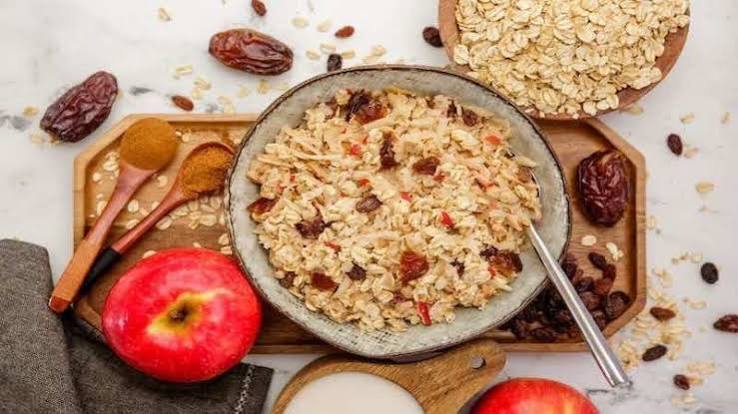
Oatmeal Toppings That Support vs Undermine Blood Sugar
The toppings added to oatmeal can either enhance or completely reverse the blood-sugar benefit of the oat base — making topping choice a critical component of oatmeal and blood sugar optimization:
- Blood-sugar-supportive toppings: Nuts (almonds, walnuts, pecans) add protein, healthy fat, and additional fiber that slow gastric emptying and moderate the glucose absorption from the oats’ carbohydrates — studies show that adding two tablespoons of almond butter to oatmeal reduces the postprandial glucose response by 25–35% compared to plain oatmeal. Fresh berries (blueberries, strawberries, raspberries) add anthocyanin polyphenols that activate AMPK and improve insulin sensitivity, adding blood sugar benefit beyond fiber. Cinnamon (half to one teaspoon) contains cinnamaldehyde and chromium that modulate insulin receptor signaling and have been shown in small randomized trials to reduce postprandial glucose and improve insulin sensitivity in adults with Type 2 diabetes. Unsweetened Greek yogurt stirred into or eaten alongside oatmeal adds protein that further moderates glucose absorption and provides probiotic bacteria that improve gut microbiome composition associated with better insulin sensitivity.
- Blood-sugar-undermining toppings: Brown sugar, honey, maple syrup, and agave nectar add concentrated glucose and fructose that rapidly spike blood sugar — negating the blood sugar benefit of the oat base. Dried fruit (raisins, cranberries, dates) concentrates fruit sugars without the water content that moderates fresh fruit’s glycemic impact — a quarter-cup of raisins adds 29g of sugar to a bowl of oatmeal, potentially doubling or tripling its glycemic load. Flavored syrups, jam, and sweetened plant milks similarly add concentrated sugars that overwhelm the beta-glucan benefit of the oats themselves. Even “natural” sweeteners like honey and maple syrup produce blood glucose spikes essentially identical to table sugar when added to oatmeal — they lack the fiber, protein, or fat that would moderate their glucose delivery rate.
The Second Meal Effect: Oatmeal’s Blood Sugar Benefit Beyond Breakfast
One of the most fascinating findings in oatmeal and blood sugar research is the “second meal effect” — the observation that eating oatmeal at breakfast produces lower blood glucose responses not only at breakfast but also at the following lunch, even when the lunch meal does not contain oats. This effect is driven by the fermentation of oat beta-glucan by gut bacteria during the hours after oatmeal consumption, producing short-chain fatty acids (particularly propionate and butyrate) that stimulate GLP-1 secretion, improve insulin sensitivity in muscle and liver tissue, and slow gastric emptying of the subsequent meal. A randomized controlled trial found that adults who ate oatmeal at breakfast had 20–30% lower postprandial glucose responses at lunch (a standardized meal without oats) compared to adults who ate a low-fiber control breakfast — with the second meal effect persisting for up to 4–6 hours after oatmeal consumption. This second meal effect means that oatmeal’s blood sugar benefit extends beyond the breakfast period to provide improved glucose tolerance at the following meal, making regular morning oatmeal consumption an unusually high-leverage dietary habit for all-day blood sugar management. The complete evidence base on breakfast food choices for blood sugar management — including oatmeal alongside other breakfast carbohydrate sources — is covered in our best foods for blood sugar control guide. The role of oatmeal and whole grain breakfast foods within the complete diabetes dietary pattern is covered in our whole grains and blood sugar guide and our diabetes diet beginner’s guide. The ADA’s nutrition resources, the NIDDK’s diabetes eating guidance, and the CDC’s diabetes prevention nutrition guidance all support whole grain oats as a favorable breakfast carbohydrate choice within a balanced diabetes-conscious dietary pattern.
How Oatmeal Improves Long-Term Blood Sugar: HbA1c Evidence
Beyond the acute postprandial glucose reduction documented in single-meal studies, the research on oatmeal and blood sugar at the HbA1c level — reflecting average blood glucose over the preceding 2–3 months — shows that regular oatmeal consumption produces clinically meaningful improvements in long-term glycemic control in adults with Type 2 diabetes. This long-term evidence is particularly important because it distinguishes oatmeal as a food that provides cumulative metabolic benefit from regular consumption, rather than merely a low-GI breakfast option that avoids causing harm without actively improving metabolic function:
- HbA1c reductions in Type 2 diabetes trials: A systematic review and meta-analysis published in Nutrients examined oatmeal intervention trials in adults with Type 2 diabetes and found that oat beta-glucan supplementation (at doses equivalent to 1–2 cups of cooked oatmeal daily) reduced HbA1c by an average of 0.42 percentage points compared to control over 8–12 weeks. A 0.42 percentage point HbA1c reduction is clinically significant — comparable to the effect of low-intensity pharmaceutical interventions — and represents a meaningful reduction in average daily blood glucose (approximately 12 mg/dL lower average glucose). Several individual trials found larger reductions: a Chinese randomized controlled trial found that eating oatmeal twice daily for 3 months reduced HbA1c by 0.8 percentage points in adults with poorly controlled Type 2 diabetes — an effect comparable to adding a second-line diabetes medication. These HbA1c improvements are attributed to the combination of acute postprandial glucose reduction (fewer glucose spikes over the 3-month averaging period), improved insulin sensitivity from gut microbiome short-chain fatty acid production, and — in trials where oatmeal replaced higher-GI breakfast foods — the removal of daily blood glucose spikes that would have accumulated over the measurement period.
- Cholesterol and cardiovascular risk reduction: The oat beta-glucan clinical evidence extends to cardiovascular risk markers that are particularly relevant for adults with Type 2 diabetes, who have 2–4 times higher cardiovascular disease risk than adults without diabetes. Beta-glucan supplementation equivalent to 3g daily (from approximately 1.5 cups of cooked oatmeal) has been shown in a FDA-approved health claim supported by over 50 clinical trials to reduce LDL cholesterol by 5–7% and total cholesterol by 4–6% — effects achieved through beta-glucan’s binding of bile acids in the intestine, forcing the liver to synthesize new bile acids from LDL cholesterol and reducing circulating LDL. Adults with Type 2 diabetes who add oatmeal to their daily dietary pattern therefore gain simultaneous improvements in blood glucose control and cardiovascular risk reduction from the same food — a combination uncommon among dietary modifications and particularly valuable given the elevated cardiovascular risk associated with diabetes.
- Weight and appetite effects: Oat beta-glucan’s viscosity and slow digestion produces stronger satiety signals than equivalent carbohydrate loads from lower-fiber foods — multiple trials have found that oatmeal breakfasts produce greater satiety (measured by visual analog scales and voluntary energy intake at subsequent meals) than equivalent calorie breakfasts from refined carbohydrates. This satiety benefit is particularly relevant for adults with Type 2 diabetes who are pursuing modest weight loss as a component of blood sugar management — given that 5–10% weight loss in overweight adults with Type 2 diabetes is associated with meaningful improvements in HbA1c, insulin sensitivity, and sometimes medication reduction, the appetite-moderating effect of regular oatmeal consumption contributes to weight management goals in addition to direct blood glucose management.
Overnight Oats: A Blood-Sugar-Optimized Preparation
Overnight oats — rolled oats soaked in liquid (milk, yogurt, or plant-based milk) for 8–12 hours in the refrigerator without cooking — represent one of the most blood-sugar-favorable oatmeal and blood sugar preparation methods for several reasons:
- Lower GI than cooked oatmeal: The cold-soaking process partially softens oats and makes them palatable without heat, but avoids the starch gelatinization that occurs during cooking — producing a product with measurably lower GI than hot-cooked oatmeal from the same oat type. Studies comparing cooked versus soaked oats found that overnight-soaked rolled oats produced postprandial glucose responses approximately 20% lower than equivalent cooked rolled oats, approaching the lower GI of steel-cut oats despite using the more accessible rolled oat format.
- Resistant starch benefit: The combination of cold temperature and extended soaking time during overnight preparation promotes the formation of retrograded starch structures similar to those produced by the cook-cool-reheat strategy in other grains — further contributing to lower digestible starch content and reduced glycemic impact.
- Practical meal-prep convenience: Overnight oats prepared on Sunday evening provide 5 ready-to-eat breakfasts for the week — eliminating breakfast preparation time while ensuring a blood-sugar-favorable, high-fiber, protein-containing breakfast every day. When prepared with Greek yogurt (adding 15–20g of protein), nuts (adding healthy fat), and fresh berries (adding polyphenols and additional fiber), overnight oats provide a nutritionally complete breakfast that simultaneously supports blood glucose management, cardiovascular health, gut microbiome diversity, and satiety-driven appetite moderation throughout the morning. The complete picture of how oatmeal fits within the overall dietary pattern for blood sugar management is integrated in our diabetes diet beginner’s guide. The specific role of oatmeal alongside other low-glycemic foods for blood sugar control is covered in our guide on low-glycemic foods: what they are. For the complete analysis of whole grain foods for blood sugar management including oatmeal, see our whole grains and blood sugar guide. The American Diabetes Association and NIDDK both identify oats as a favorable whole grain choice for adults managing blood sugar, consistent with the substantial clinical evidence supporting oat beta-glucan’s specific blood glucose and cardiovascular benefits in adults with diabetes and metabolic syndrome.
How Much Oatmeal Is Optimal for Blood Sugar Benefit?
The clinical evidence on oatmeal and blood sugar provides specific guidance on the quantity of oatmeal needed to achieve meaningful blood glucose and HbA1c benefit. The FDA-approved health claim for oat beta-glucan specifies 3g of beta-glucan per day as the minimum quantity associated with significant LDL cholesterol reduction, and most blood glucose trials have used similar or higher doses. Translating this to actual oatmeal servings: a half-cup of dry rolled oats contains approximately 2g of beta-glucan; a full cup of dry rolled oats provides approximately 4g; a full cup of dry steel-cut oats provides approximately 3–4g. For adults targeting the clinically effective dose of 3g of beta-glucan daily, a three-quarter to one cup of dry oats cooked with approximately 2 cups of water or milk (producing approximately 1.5–2 cups of cooked oatmeal) represents the practical daily serving. This quantity provides approximately 40–54g of total carbohydrates per serving — a significant carbohydrate load that requires accounting within daily carbohydrate budgets. The blood glucose benefit of this oatmeal serving is most pronounced when the beta-glucan is consumed intact (not dissolved or separated) and alongside protein and healthy fat — the complete meal composition effect that makes the full oatmeal breakfast with nuts, berries, and yogurt more blood-sugar-beneficial than the same quantity of oats consumed alone or in diluted form. Adults following very low-carbohydrate approaches who want to capture oat beta-glucan benefits without the high carbohydrate load can use oat bran (which provides more beta-glucan per gram of carbohydrate than whole oats) in smaller quantities as a supplement to lower-carbohydrate breakfast options.
Oatmeal vs Other Breakfast Cereals for Blood Sugar
Understanding how oatmeal and blood sugar compare to alternative breakfast cereals helps adults make the most impactful breakfast carbohydrate choice available to them. Most packaged breakfast cereals — even those marketed as “heart-healthy,” “whole grain,” or “high fiber” — have significantly higher glycemic indices than plain oatmeal, reflecting their higher processing levels and added sugar content. Corn flakes (GI 72–92), puffed rice cereals (GI 82–95), bran flakes (GI 74–83), and even some “whole grain” cereals (GI 60–75) produce blood glucose responses substantially higher than equivalent portions of plain rolled or steel-cut oats. Even granola — another oat-based product widely perceived as healthful — typically has a GI of 45–65 and is significantly more calorie-dense and sugar-rich than plain oatmeal due to the added oil, honey, maple syrup, or sugar used in its production. When comparing oatmeal to available alternatives in the breakfast cereal and hot grain category, plain rolled oats or steel-cut oats consistently emerge as the most blood-sugar-favorable choice — providing the highest beta-glucan content, the most intact grain structure, the lowest GI among grain-based breakfast foods (outside of specialty low-GI products), and the most clinical evidence for active blood sugar benefit. For adults with diabetes who find plain oatmeal insufficiently palatable, the solution is to improve oatmeal through blood-sugar-supportive toppings (nuts, berries, cinnamon, Greek yogurt) rather than to abandon oatmeal for higher-GI cereal alternatives that provide neither the beta-glucan benefit nor the lower glycemic impact. The cumulative evidence on oatmeal as a blood-sugar-beneficial breakfast choice — when prepared from minimally processed oat types, without added sugar, and with protein and fat accompaniments — places it among the most evidence-supported single dietary habits available for improving long-term glycemic control in adults with Type 2 diabetes and prediabetes, representing one of the few dietary modifications where the clinical evidence for active blood sugar improvement (not merely avoidance of blood sugar harm) is both substantial and consistent across multiple independent randomized controlled trials.
The evidence supporting oatmeal as a blood-sugar-beneficial dietary choice is among the strongest and most consistent in nutritional science for any single food — reflecting the unique combination of high beta-glucan content, intact grain structure, and multiple active mechanisms that collectively improve postprandial glucose, long-term HbA1c, and cardiovascular risk markers in adults with metabolic disorders. Sources: American Diabetes Association — carbohydrate quality and blood glucose management; NIDDK — diabetes nutrition; meta-analysis of oat beta-glucan and postprandial glucose and insulin reduction; systematic review of oat consumption and HbA1c in Type 2 diabetes; research on the second meal effect of oat beta-glucan fermentation; International GI database — glycemic index values for oat types by processing level.
I shared this article on oatmeal and blood sugar with my doctor and they appreciated the level of detail. The article answered questions I didn’t even know I had until I started reading. Will definitely be coming back to this site for more health information.
This breakdown of oatmeal and blood sugar is exactly what patients need before a specialist appointment. The specific numbers and thresholds mentioned are exactly what I needed to understand my results. Keep up this kind of thorough health journalism — it genuinely helps patients like me.
As someone dealing with this personally, the oatmeal and blood sugar section was very helpful. The section on managing this condition day-to-day was especially useful for planning. Looking forward to reading more articles from this website.