
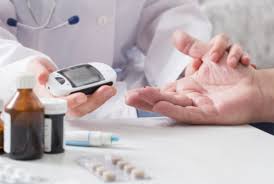
Living with diabetes means developing a working knowledge of blood glucose fluctuations — the predictable rise after a meal, the correctable low after too much activity, the elevated morning reading after a stressful night. But diabetes emergency symptoms are different: they are rapid, severe, and potentially life-threatening departures from the fluctuations that can be self-managed at home. For every adult with diabetes — and for every family member, coworker, or friend who spends time with them — knowing the difference between a manageable glucose excursion and a true diabetes emergency can determine whether someone survives the next hour. The three major diabetes emergency symptoms categories are severe hypoglycemia (dangerously low blood glucose), diabetic ketoacidosis (DKA — predominantly in Type 1 diabetes and insulin-deficient Type 2), and hyperosmolar hyperglycemic state (HHS — predominantly in Type 2 diabetes with extreme sustained hyperglycemia). Each of these emergencies has a distinct pathophysiology, a distinct symptom profile, and a distinct immediate management approach — but all three share the same essential requirement: when the person with diabetes cannot self-treat, is confused, has lost consciousness, or is deteriorating rapidly, call 911 immediately and do not delay professional emergency medical intervention. The mortality rate of untreated DKA is approximately 5%, untreated HHS 15–20%, and severe hypoglycemia with prolonged brain hypoxia can cause permanent neurological injury within minutes of onset. Time is the critical variable in every diabetes emergency.
Each year in the United States, approximately 300,000 emergency department visits are attributed to hypoglycemia — low blood sugar requiring emergency care — with about 100,000 hospitalizations annually. DKA accounts for approximately 150,000 hospitalizations per year, with an overall mortality rate of 0.5–5% depending on age, comorbidities, and time to treatment. HHS, which typically affects older adults with Type 2 diabetes, has a mortality rate of 10–20% even with treatment — reflecting the extreme dehydration and electrolyte disarray at presentation. Adults over 75 with diabetes who experience HHS have mortality rates approaching 20–30%. Collectively, the three major diabetes emergencies represent tens of thousands of preventable deaths annually in adults whose families, healthcare providers, or bystanders either failed to recognize the emergency symptoms or delayed calling for help while attempting home management of an emergency-level situation.
Severe Hypoglycemia — When Low Blood Sugar Becomes an Emergency
Hypoglycemia is the most common acute diabetes emergency and the one most frequently managed incorrectly — either under-treated because the severity is misjudged, or over-treated with so much glucose that dangerous rebound hyperglycemia follows. Understanding the spectrum from mild to severe hypoglycemia is essential for every adult with diabetes:
- The hypoglycemia severity spectrum — mild, moderate, and severe: Mild hypoglycemia (blood glucose 55–70 mg/dL) produces symptoms — shakiness, sweating, heart pounding, hunger, mild anxiety — that are uncomfortable but allow the person to self-treat with 15–20 grams of fast-acting carbohydrates and recheck 15 minutes later. Moderate hypoglycemia (40–55 mg/dL) produces more prominent neurological symptoms — confusion, difficulty speaking or thinking clearly, impaired coordination — but typically still allows partial self-treatment if glucose is available immediately. Severe hypoglycemia (blood glucose below 40 mg/dL, or any hypoglycemia severe enough to require another person’s assistance) is a medical emergency because the person may be incapable of swallowing safely, may have seizures from the brain glucose deprivation, or may lose consciousness. Attempting to treat severe hypoglycemia by forcing juice or food into an unconscious or semi-conscious person risks aspiration (fluid or food entering the airway) — one of the most dangerous complications of hypoglycemia management. The correct response to severe hypoglycemia with inability to self-treat is glucagon administration (intramuscular, intranasal, or subcutaneous, depending on which formulation is available) followed immediately by calling 911 if the person does not respond within 10–15 minutes. Our diabetes complications overview covers the relationship between hypoglycemia frequency and hypoglycemia unawareness development.
- Hypoglycemia unawareness — the hidden danger: Adults with longstanding diabetes — particularly Type 1 diabetes and insulin-dependent Type 2 — can develop hypoglycemia unawareness: a progressive blunting of the sympathetic adrenergic response (sweating, tremor, palpitations) that normally warns of falling blood glucose levels. When hypoglycemia unawareness develops, the first symptom of hypoglycemia may be neuroglycopenic — confusion, impaired judgment, or sudden loss of consciousness — without the warning symptoms that would have prompted early self-treatment. Adults with hypoglycemia unawareness are at dramatically higher risk of severe hypoglycemia requiring third-party intervention: research has shown that adults with hypoglycemia unawareness experience severe hypoglycemia 6 times more often than adults with intact hypoglycemia awareness. Hypoglycemia unawareness can be partially reversed by rigorously avoiding hypoglycemia for 2–4 weeks (allowing the sympathoadrenal response to recover), targeting higher glucose thresholds temporarily, and using continuous glucose monitoring (CGM) to detect falling glucose levels before symptoms would occur. Families and coworkers of adults with hypoglycemia unawareness should be trained in glucagon administration, since those adults cannot be relied upon to self-manage their most dangerous glucose episodes. Our A1C testing schedule guide covers the glucose monitoring approaches that support hypoglycemia prevention. The NIDDK’s hypoglycemia information provides authoritative clinical guidance on hypoglycemia recognition and emergency management.
- Glucagon — the home emergency treatment every household should have: Glucagon is the hormone that raises blood glucose by stimulating hepatic glycogen breakdown — the physiological counter to insulin. Injectable glucagon kits (requiring reconstitution before injection), nasal glucagon (Baqsimi — a dry powder inhaled into one nostril with no mixing required), and autoinjector glucagon (Gvoke — a prefilled device similar to an EpiPen) are all FDA-approved for treating severe hypoglycemia. Every adult with diabetes who uses insulin — and every adult with a history of severe hypoglycemia regardless of medication — should have a glucagon kit in their home, prescribed and filled, and every household member should know where it is kept and how to use it. Glucagon should be given to any adult with diabetes who cannot be safely given oral glucose (unconscious, seizing, unable to swallow safely) — it will not harm someone with hyperglycemia and might save someone with severe hypoglycemia. After glucagon administration, call 911 even if the person begins recovering, because: glucagon works by depleting hepatic glycogen stores (a finite resource), glucose should be given by IV in the ER to prevent rebound hypoglycemia as glucagon wears off, and the cause of the hypoglycemia episode should be medically evaluated to prevent recurrence. The annual diabetes monitoring that includes medication review to reduce hypoglycemia risk is in our annual diabetes care checklist. The CDC’s hypoglycemia emergency guidance covers the full spectrum of hypoglycemia recognition and response.
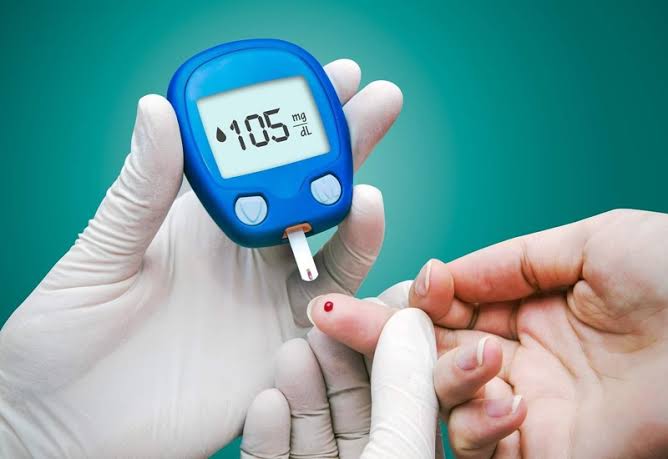
Diabetic Ketoacidosis (DKA) — The Insulin Deficiency Emergency
DKA is the metabolic emergency of absolute or severe relative insulin deficiency — predominantly affecting adults with Type 1 diabetes but increasingly seen in Type 2 diabetes (particularly in adults of African or Hispanic descent, where “ketosis-prone Type 2 diabetes” is more common). The diabetes emergency symptoms of DKA develop over hours to days, not minutes, which creates the dangerous misconception that it can be “waited out” at home:
- The DKA symptom progression — early recognition saves lives: DKA typically begins with elevated blood glucose (often above 250–300 mg/dL, though euglycemic DKA can occur in adults on SGLT-2 inhibitors), excessive thirst, frequent urination, and fatigue — symptoms that overlap with uncomplicated hyperglycemia and are therefore often dismissed. As DKA progresses over the next 12–24 hours, the accumulating ketoacids produce characteristic symptoms that distinguish DKA from simple hyperglycemia: fruity or acetone breath (exhaled acetone from the ketone body acetone), nausea and vomiting, severe abdominal pain (particularly in children but also adults), and the hallmark Kussmaul breathing — deep, rapid, labored respiratory efforts that represent the body’s attempt to blow off CO2 and compensate for the metabolic acidosis. By the time Kussmaul breathing is present, severe DKA is established and inpatient IV insulin and fluid resuscitation is mandatory — attempting to treat DKA at home with additional insulin injections once vomiting has begun is dangerous because the person cannot maintain adequate hydration while continuing to lose fluid through vomiting. Any adult with diabetes who has blood glucose above 300 mg/dL, is vomiting, and cannot keep fluids down should go to the emergency room immediately. The cholesterol management that overlaps with DKA risk through triglyceride elevation is in our cholesterol monitoring guide.
- When to check ketones — and what to do: Adults with Type 1 diabetes and insulin-dependent Type 2 adults should check urine or blood ketones whenever: blood glucose is above 240–250 mg/dL and does not respond to correction insulin within 2 hours; they are experiencing nausea, vomiting, or abdominal pain regardless of blood glucose level; they have an illness or infection (which dramatically increases DKA risk because of counter-regulatory hormone release); or they have missed one or more insulin doses. Urine ketone strips (dipping a strip in urine) measure acetoacetate and are widely available; blood ketone meters (using a fingerstick, similar to blood glucose monitoring) measure beta-hydroxybutyrate, the predominant DKA ketone body, and are more accurate and more sensitive for DKA detection. Moderate or large urine ketones, or blood ketones above 1.5 mmol/L, in the setting of elevated blood glucose and symptoms require same-day medical evaluation — not a “wait and see” approach. Blood ketones above 3.0 mmol/L indicate severe DKA requiring immediate emergency department evaluation and IV treatment. The annual diabetes monitoring that includes sick-day plan development is in our annual diabetes care checklist. The NIDDK’s DKA information covers the full spectrum of DKA recognition, prevention, and emergency management.
Hyperosmolar Hyperglycemic State (HHS) — The Extreme Dehydration Emergency
HHS is the diabetes emergency of extreme, prolonged hyperglycemia producing severe dehydration — predominantly affecting older adults with Type 2 diabetes who have limited access to fluids, reduced thirst sensation, or concurrent illness. HHS carries higher mortality than DKA despite producing less dramatic initial symptoms:
- HHS symptom profile and why it is often missed: HHS develops over days to weeks of sustained hyperglycemia (blood glucose often above 600 mg/dL, sometimes above 1000 mg/dL) without ketoacidosis. The absence of ketones — because residual insulin production is sufficient to suppress lipolysis in Type 2 diabetes, even when not sufficient to control blood glucose — means that HHS does not produce the dramatic Kussmaul breathing or ketone odor that prompts early recognition of DKA. Instead, HHS presents insidiously: progressive weakness, confusion that worsens over days, extreme thirst initially (which may become blunted as dehydration worsens and the person becomes confused), decreased urine output (as the kidneys fail to produce dilute urine due to the combination of dehydration and hyperosmolarity), and ultimately a profoundly altered level of consciousness ranging from confusion to coma. The fluid deficit in HHS is severe — typically 8–10 liters — and the electrolyte disarray (particularly potassium shifts as insulin is given to correct glucose) requires careful inpatient management. Any older adult with diabetes who is becoming progressively confused, excessively lethargic, or shows rapid mental deterioration in the context of elevated blood glucose requires immediate emergency evaluation — waiting for dramatic symptoms before calling 911 dramatically worsens HHS mortality. Our diabetic kidney disease guide covers the renal function context relevant to HHS management.
- Emergency response while waiting for help: When a diabetes emergency is occurring and 911 has been called, the following steps reduce harm while awaiting paramedics: for suspected severe hypoglycemia — if the person is conscious and can swallow safely, give 15–20 grams of fast-acting carbohydrate (glucose tablets, juice, regular soda — not diet); if the person is unconscious or cannot swallow, give glucagon if available and place the person in the recovery position (on their side) to protect the airway; do NOT give anything by mouth to an unconscious person. For suspected DKA or HHS — do not attempt home insulin adjustments in a person who is vomiting or rapidly deteriorating; ensure the person stays as hydrated as possible if they can drink safely; collect any available glucose meter readings, ketone readings, and medication lists to give to paramedics; stay with the person and monitor breathing and level of consciousness. For any diabetes emergency — inform paramedics that the person has diabetes and show them any diabetes ID bracelet, emergency medical information card, or medication list. Medical alert identification (bracelets or pendants stating “diabetes”) is particularly important for unconscious patients who cannot provide their own medical history. Our diabetes and infections guide covers how infection-triggered glucose crises can rapidly escalate to DKA or HHS. The CDC’s comprehensive diabetes complications guidance covers the full spectrum of diabetes emergency recognition and response.
How to Prevent Diabetes Emergencies Before They Happen
Most diabetes emergency symptoms are preventable — not through luck but through consistent execution of the evidence-based monitoring and management practices that diabetes care guidelines recommend. Understanding the specific triggers and prevention strategies for each emergency type reduces the lifetime risk dramatically:
- Preventing severe hypoglycemia — the medication review approach: The vast majority of severe hypoglycemia episodes in adults with Type 2 diabetes are caused by one of three modifiable factors: insulin dose that has not been adjusted to match a decrease in carbohydrate intake or an increase in physical activity; sulfonylurea medications (glipizide, glimepiride, glyburide) that stimulate insulin secretion even when blood glucose is already low; and alcohol consumption without adequate food intake (alcohol suppresses hepatic glucose production, eliminating the body’s primary defense against hypoglycemia). Medication review at every diabetes visit — specifically identifying which medications the person takes that can independently cause hypoglycemia — is the foundation of severe hypoglycemia prevention. Adults who experience more than one hypoglycemia episode per week should have their regimen reviewed for dose reduction, timing adjustments, or medication substitution (e.g., replacing sulfonylureas with DPP-4 inhibitors or GLP-1 receptor agonists that do not independently cause hypoglycemia). Continuous glucose monitoring dramatically reduces severe hypoglycemia incidence in adults with Type 1 diabetes by providing real-time glucose trends and low glucose alarms that prompt early treatment before glucose falls to dangerous levels — the ADA now recommends CGM for all adults with Type 1 diabetes using insulin. Our diabetic neuropathy guide covers the autonomic neuropathy that impairs the sympathetic response underlying hypoglycemia unawareness.
- Preventing DKA — insulin continuity and sick-day rules: The single most common precipitant of DKA in adults with Type 1 diabetes is insulin omission — intentional or unintentional. Insulin pump failures (occlusion, site failure, reservoir depletion), interrupted insulin delivery (losing a prescription, running out of supplies), deliberate insulin omission for weight management (diabulimia), and illness-driven decisions to reduce insulin because of decreased food intake are all documented DKA triggers. The “never stop insulin” principle — even during illness, even when not eating, continue basal insulin at the prescribed dose and adjust only bolus insulin based on actual carbohydrate intake and blood glucose readings — is the cornerstone of DKA prevention in insulin-using adults. Adults with Type 1 diabetes should have a written sick-day action plan from their diabetes care team that specifies: when to check ketones, what blood glucose and ketone thresholds trigger a phone call to the care team vs. ER visit, how to adjust insulin during illness, and when IV fluids are needed. Adults with SGLT-2 inhibitors (empagliflozin, dapagliflozin, canagliflozin) should be counseled to hold these medications during acute illness, surgery, or prolonged fasting, as they increase euglycemic DKA risk in these settings. Our blood pressure monitoring guide covers the cardiovascular monitoring that supports comprehensive diabetes complication prevention. The NIDDK’s diabetes problem prevention guidance covers the full spectrum of diabetes emergency prevention strategies.
- Preventing HHS — hydration, monitoring, and access to care: HHS prevention centers on three critical interventions that are particularly important for older adults with Type 2 diabetes: maintaining adequate hydration even when thirst sensation is blunted (older adults have reduced thirst perception and are at higher risk of dehydration during illness or heat); monitoring blood glucose regularly and responding promptly when sustained elevations above 250–300 mg/dL are detected (HHS develops over days of extreme hyperglycemia, so a glucose reading above 300 mg/dL that persists despite appropriate medication changes requires same-day medical contact); and ensuring that living arrangements provide adequate supervision and access to medical care for adults with significant cognitive impairment or limited mobility (HHS disproportionately affects nursing home residents and older adults living alone who cannot recognize or communicate their deteriorating condition). Caregivers of older adults with diabetes should be educated about HHS warning signs — progressive confusion in an elderly person with diabetes who has been running high glucose levels requires urgent glucose measurement and same-day medical evaluation, not “waiting to see if they feel better tomorrow.” Our diabetes wound healing guide covers the metabolic context that links hyperglycemia to multiple diabetes emergency complications. The ADA’s DKA and emergency complications resources provide authoritative clinical guidance on diabetes emergency prevention.
Preparing Your Household for a Diabetes Emergency
Preparation for a diabetes emergency should be an explicit, documented plan that every household member understands before an emergency occurs — not an improvised response during a crisis. A well-prepared household maintains the following supplies and knowledge: a current glucagon kit in the refrigerator or a clearly labeled drawer, with all household members knowing its location and trained in its use; a list of current diabetes medications, doses, and the treating endocrinologist or diabetes care team contact number posted in a visible location (refrigerator door, inside a kitchen cabinet); a blood glucose meter with test strips and lancets always accessible (not stored in a car glove compartment or gym bag where temperature extremes can degrade strips); ketone strips or a blood ketone meter for households managing Type 1 diabetes or insulin-dependent Type 2 diabetes; and a written sick-day plan from the diabetes care team that both the person with diabetes and their primary caregiver have read and understand. Medical alert identification — a bracelet or wallet card stating the person has diabetes and uses insulin if applicable — ensures that emergency responders can provide appropriate initial treatment if the person is found unconscious and cannot provide their own medical history. Adults with diabetes who travel frequently should carry a diabetes emergency letter from their healthcare provider, particularly for international travel, that lists medications, devices, and emergency treatment protocols in the language of their destination country. The comprehensive annual diabetes care review that updates sick-day plans and emergency preparedness is in our annual diabetes care checklist.
Sources: American Diabetes Association — Standards of Medical Care in Diabetes, hypoglycemia classification and emergency management; NIDDK — diabetic ketoacidosis prevention and emergency management; CDC — hypoglycemia emergency statistics and diabetes complications; ADA — hyperosmolar hyperglycemic state clinical guidelines; severe hypoglycemia definition — requiring third-party assistance for treatment; hypoglycemia unawareness — 6x higher severe hypoglycemia incidence; glucagon formulations — intramuscular kit, nasal (Baqsimi), autoinjector (Gvoke); glucagon mechanism — hepatic glycogen mobilization; 300,000 ER visits annually for hypoglycemia; 150,000 DKA hospitalizations annually; DKA mortality 0.5–5%; HHS mortality 10–20%; HHS in adults over 75 — mortality 20–30%; DKA blood glucose typically above 250–300 mg/dL; euglycemic DKA on SGLT-2 inhibitors; Kussmaul breathing — deep rapid labored respiration in metabolic acidosis compensation; fruity acetone breath in DKA — exhaled acetone from ketone body; urine ketone strips — acetoacetate measurement; blood ketone meters — beta-hydroxybutyrate measurement; blood ketones above 1.5 mmol/L — same-day evaluation threshold; blood ketones above 3.0 mmol/L — immediate ER evaluation; HHS blood glucose above 600 mg/dL, sometimes above 1000 mg/dL; HHS fluid deficit 8–10 liters; HHS electrolyte disarray and potassium shifts with insulin; ketosis-prone Type 2 diabetes — African and Hispanic descent populations; recovery position for unconscious persons — lateral decubitus airway protection; medical alert identification for unconscious diabetic patients; sick-day ketone monitoring protocol — illness-triggered DKA prevention; hypoglycemia unawareness reversal — 2–4 weeks strict avoidance; CGM role in hypoglycemia unawareness detection.
Thank you for covering when diabetes symptoms become an emergency so thoroughly without being overly technical. I appreciate that the article is careful about distinguishing between what is known and what is still being researched. I wish I had found this article earlier — would have saved a lot of confusion.
I shared this article on when diabetes symptoms become an emergency with my doctor and they appreciated the level of detail. This is the kind of evidence-based writing that actually changes how people approach their health. This is exactly why I prefer this website over generic health platforms.
This is one of the clearest explanations of when diabetes symptoms become an emergency I have found. I appreciated how the article addressed both the clinical side and the practical adjustments. Exactly the kind of evidence-based information that is hard to find in one place.