

People often use “kidney health” and “urinary health” interchangeably — or assume that a UTI means a kidney problem, or that a low eGFR is a bladder issue. In reality, the kidneys and the urinary tract are related systems with distinct roles, distinct disease patterns, and distinct clinical approaches. Getting the distinction right matters practically: a declining eGFR is a kidney health finding that requires blood tests and may eventually require a nephrologist; urgency and burning with urination are urinary health findings that require a urinalysis and may require a urologist or pelvic floor physical therapist. The overlap between these systems is real — some conditions genuinely affect both — but knowing which is which changes the tests you need, the specialist you should see, and the interventions that will help.
The Fundamental Difference
The simplest framing: the kidneys are the factory; the urinary tract is the distribution system.
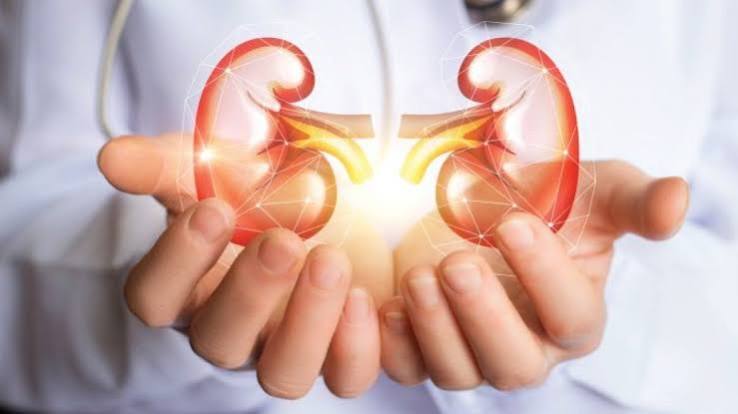
Kidney health refers to how well the kidneys filter blood, remove waste, regulate fluid and electrolyte balance, maintain blood pH, and produce hormones (erythropoietin, renin, calcitriol). It is primarily measured by blood tests — eGFR and serum creatinine — and one urine test: UACR (urine albumin-to-creatinine ratio), which measures how much protein the damaged glomeruli are leaking into the urine.
Urinary health refers to how well the ureters, bladder, and urethra store and eliminate the urine the kidneys have produced. It is primarily assessed through symptoms (frequency, urgency, incontinence, pain, stream quality) and urine tests (urinalysis, urine culture, post-void residual).
This distinction — kidney health is detected by blood tests; urinary health is detected by symptoms and urine tests — is the most practically useful way to think about the difference.
What Kidney Health Problems Look Like
Kidney disease is largely silent in its early and middle stages. No pain. No urinary symptoms. No fatigue until anemia develops (typically in Stage 3b CKD). The earliest evidence of kidney disease appears on routine blood tests — a rising creatinine, a falling eGFR — or on a urine test showing albumin that shouldn’t be there. The kidneys can lose 50–60% of functioning nephrons before any symptoms develop. This is the counterintuitive core of kidney health: the organ doing the most essential biological work gives almost no signal that it is failing until significant damage has occurred.
When kidney disease eventually does produce symptoms, they are non-specific and late-stage:
- Fatigue and weakness — from anemia (low EPO → low red blood cells) and accumulating waste products (uremia)
- Edema in ankles, feet, hands, or face — from reduced sodium and water excretion
- Decreased urine output — occurs in end-stage disease, not early CKD
- Cognitive changes, brain fog — from uremic toxin accumulation
- Nausea, loss of appetite — uremia
- Itching (pruritus) — accumulated waste products in the skin; late-stage CKD
- High blood pressure that is difficult to control — both a cause and consequence of kidney disease
Common kidney conditions: CKD, AKI, glomerulonephritis, polycystic kidney disease, diabetic kidney disease, renovascular hypertension.
What Urinary Health Problems Look Like
Urinary health problems are typically symptomatic — this is the clinical opposite of kidney disease. You feel them. Common urinary symptoms:
- Dysuria (burning or pain during urination) → UTI, urethritis, IC
- Urgency (sudden compelling urge to urinate) → OAB, UTI
- Frequency (more than 8 voids/day) → OAB, UTI, BPH
- Nocturia (≥2 awakenings/night) → OAB, BPH, nocturnal polyuria
- Incontinence (involuntary leakage) → stress incontinence, urge incontinence
- Hematuria (blood in urine) → UTI, stones, bladder cancer, or kidney (glomerulonephritis)
- Weak stream or hesitancy → BPH, urethral stricture
- Pelvic pain or pressure → IC, OAB, pelvic floor dysfunction
Common urinary conditions: UTI (cystitis, pyelonephritis), OAB, stress incontinence, BPH, kidney stones, interstitial cystitis, bladder cancer.
Symptoms That Can Come From Either System
Hematuria — Blood in the Urine
Blood in the urine always warrants evaluation — and the source can be either system. Kidney causes: glomerulonephritis (red blood cells leaking through the damaged filtration barrier), PKD (cyst rupture), renal cell carcinoma. Urinary tract causes: UTI, kidney stones passing through the ureter, bladder cancer, urethritis. Painless hematuria is the classic presentation of bladder cancer — it requires urgent cystoscopy regardless of age or sex. Hematuria with flank pain and nausea suggests a stone. Hematuria with fever and dysuria suggests pyelonephritis.
Nocturia — Waking at Night to Urinate
Nocturia (≥2 voids per night) has multiple causes across both systems: OAB or BPH (urinary tract); impaired urine concentrating ability in CKD (kidney); nocturnal polyuria from heart failure, venous insufficiency, or poorly controlled diabetes (systemic); or fluid intake habits. Because it can come from either system, nocturia warrants a bladder diary, urinalysis, and sometimes eGFR to differentiate.
Flank Pain
Flank pain (between the lower ribs and the hip) can be kidney (pyelonephritis, PKD, renal cell carcinoma) or urinary tract (kidney stone passing through the ureter — renal colic is severe, cramping, radiating to the groin, often with hematuria).
Proteinuria — Always a Kidney Finding
Protein in the urine (albumin detected by UACR) is always a kidney health finding. Albumin appears when the glomerular filtration barrier in the kidney is damaged. The urinary tract itself does not cause proteinuria. A positive urine dipstick for protein warrants eGFR testing — not a UTI workup.
Conditions That Affect Both Systems
- Pyelonephritis: UTI (urinary problem) that ascends to infect the kidneys (kidney problem). Can cause kidney scarring and long-term CKD risk.
- Kidney stones: Form in the kidney; cause symptoms (renal colic, hematuria) as they pass through the ureter. Prevention addresses both systems.
- Hydronephrosis from obstruction: BPH or urethral stricture (urinary problem) → urine backs up → kidney back-pressure → kidney damage over time.
- Diabetes: Causes diabetic kidney disease (glomerular damage → proteinuria → CKD) and increased UTI risk (glucosuria creates a bacterial growth medium). Both systems affected simultaneously.
- Vesicoureteral reflux (VUR): Anatomical urinary valve problem → infected bladder urine reaches kidneys during voiding → recurrent pyelonephritis → kidney scarring → CKD.
Comparing the Tests
| Test | System | What It Measures |
|---|---|---|
| eGFR (blood) | Kidney | Filtration rate — primary kidney function measure |
| Serum creatinine (blood) | Kidney | Waste product cleared by kidneys |
| UACR (urine) | Kidney | Albumin leaking through damaged glomeruli |
| Serum electrolytes (blood) | Kidney | Sodium, potassium, bicarbonate — kidney-regulated |
| Urinalysis dipstick | Both | Blood, protein, WBCs, glucose, nitrites |
| Urine culture | Urinary | Bacteria causing UTI; antibiotic sensitivity |
| Post-void residual | Urinary | Volume remaining after voiding |
| Cystoscopy | Urinary | Direct bladder and urethra visualization |
| Kidney ultrasound | Kidney | Size, cysts, stones, obstruction, hydronephrosis |
Comparing the Specialists
Nephrologist: Manages CKD, AKI, glomerulonephritis, kidney transplant, dialysis, and hypertension from kidney disease. Referral when: eGFR below 30, rapidly declining eGFR, persistent unexplained proteinuria, or suspected glomerulonephritis.
Urologist: Evaluates and treats hematuria, urinary stones, bladder and kidney tumors, BPH, urinary incontinence, and urethral stricture; performs cystoscopy. Referral when: any hematuria (cystoscopy), BPH symptoms, recurrent UTIs without clear cause, incontinence not responding to conservative management.
Pelvic floor physical therapist: Treats stress incontinence, urge incontinence, OAB, IC/pelvic pain, and post-prostatectomy incontinence. Often the most effective first-line intervention for incontinence.
Primary care provider: Manages most uncomplicated UTIs, monitors early-stage CKD, manages blood pressure and blood sugar to protect both systems, and knows when to refer to nephrology or urology.
A Practical Decision Guide
| Finding | Most Likely System | First Test | Next Step |
|---|---|---|---|
| Burning urination, urgency, cloudy urine | Urinary | Urinalysis + culture | PCP or urgent care |
| Elevated creatinine, low eGFR | Kidney | Repeat blood test + UACR | PCP → nephrology if eGFR <30 |
| Blood in urine (painless) | Both — urgent | Urinalysis + cystoscopy | Urologist urgently |
| Blood in urine + flank pain + nausea | Urinary (stone) | CT scan | ER or urology |
| Ankle edema + high BP + low eGFR | Kidney | Blood tests + UACR | PCP → nephrology |
| Urgency, frequency, normal labs | Urinary | Urinalysis + bladder diary | PCP → urology or pelvic floor PT |
| Nocturia + weak stream (men) | Urinary (BPH) | PVR ultrasound | PCP → urology |
| Foamy urine + normal UA otherwise | Kidney (proteinuria) | UACR | PCP → kidney monitoring |
| Flank pain + fever + dysuria | Both (pyelonephritis) | Urine culture + blood tests | PCP/urgent care → possible IV antibiotics |
| Incontinence | Urinary | Urinalysis + bladder diary | PCP → pelvic floor PT or urology |
How the Two Systems Protect — and Threaten — Each Other
Ascending infection: Bacteria entering the urethra → cystitis → may ascend to the kidney → pyelonephritis → kidney scarring. Early, complete UTI treatment protects kidney health. Vesicoureteral reflux makes this pathway much more dangerous — why it is repaired in children with recurrent UTIs.
Obstruction and back-pressure: BPH or urethral stricture → incomplete bladder emptying → hydronephrosis → progressive kidney damage. Treating BPH before it causes persistent urinary retention protects kidney function.
Kidney disease affecting urine quality: CKD impairs urine concentrating ability → higher voiding frequency. Diabetic kidney disease produces glucosuria → increased UTI risk. CKD patients are more vulnerable to UTIs due to reduced immune function and changed urine composition.
For detailed information on the kidney’s structure and function, our how the kidneys work guide covers kidney anatomy and filtration physiology in depth. For the kidney health clinical picture — eGFR, UACR, risk factors, and protective strategies — see our what is kidney health guide. For a comprehensive overview of urinary health including anatomy, common conditions, and protective strategies, see our what is urinary health guide.
Frequently Asked Questions
Is a UTI a kidney problem?
A simple UTI limited to the bladder (cystitis) is a urinary health problem, not a kidney problem — it doesn’t affect kidney function. A UTI that ascends to the kidneys (pyelonephritis) does become a kidney problem, with risks of kidney inflammation, scarring, and acute kidney injury in severe cases. This is why UTIs with fever and flank pain are treated more aggressively than uncomplicated cystitis.
Does CKD cause urinary symptoms like urgency or burning?
No, not directly. CKD typically produces no urinary symptoms in early or moderate stages. Reduced urine concentrating ability in more advanced CKD can increase frequency and nocturia — but burning, urgency, and dysuria are not symptoms of CKD. Those symptoms point to the urinary tract. Adults with CKD can get UTIs (which produce those symptoms), but the CKD itself is not the cause.
Can kidney disease cause urinary incontinence?
Not directly. Incontinence is a urinary tract and pelvic floor problem. CKD does not cause incontinence. However, diuretics used for fluid management in CKD can worsen urgency or stress incontinence. If incontinence worsened after starting a new medication, the medication is more likely to be the explanation than the kidney disease itself.
Does high creatinine mean something is wrong with the bladder?
No. Elevated serum creatinine reflects reduced kidney filtration capacity — specifically, how efficiently the glomeruli in the kidneys are clearing creatinine from the blood. The bladder doesn’t filter anything. Rising creatinine should prompt kidney function evaluation (eGFR, UACR), not a cystoscopy or bladder workup.
Should I see a urologist or a nephrologist?
Urologist: for any hematuria (cystoscopy needed), urinary stones, BPH symptoms, urinary incontinence not responding to conservative management, or suspected bladder/kidney tumor. Nephrologist: for eGFR below 30 or rapidly declining, persistent unexplained proteinuria, glomerulonephritis, or dialysis planning. Primary care is a reasonable starting point for symptoms that could be from either system — they can order the relevant tests and refer appropriately.
Kidney health and urinary health form one integrated system for filtering blood and eliminating waste. But they fail in different ways, produce different symptoms (or none at all), are assessed with different tests, and are managed by different specialists. The clearest practical heuristic: if your blood test is abnormal, think kidney; if you have urinary symptoms with normal blood tests, think urinary tract. Both categories overlap in places — and when they do, careful evaluation of both is usually warranted.
For age-specific guidance on when kidney and urinary health problems become more prevalent and how to screen for them, our why kidney health matters after age 40 guide covers the intersecting risks that emerge in midlife. The NIDDK’s kidney disease resource center provides authoritative clinical information on kidney conditions. The National Kidney Foundation’s CKD overview is the leading patient resource for kidney disease staging and management. The Urology Care Foundation’s urologic conditions guide covers the full range of urinary tract disorders.
Why the Silent Kidney Disease Pattern Matters So Much
The fact that kidney disease is largely asymptomatic in its early and middle stages is not just an interesting medical fact — it has direct practical consequences for how adults should approach their health. When a disease produces symptoms, patients seek care when symptoms appear. When a disease produces no symptoms — as CKD does through Stage 3a and often through Stage 3b — the only way to detect it is through proactive screening.
This is fundamentally different from urinary health problems. A UTI is not a condition you can miss: the dysuria, urgency, and frequency are uncomfortable enough that most people seek treatment within a day or two. OAB forces itself into your awareness. BPH symptoms eventually become impossible to ignore. These conditions self-announce.
CKD does not. By the time a patient feels fatigued from anemia, notices their ankles are swelling, or has difficulty concentrating — typically CKD Stage 4 or 5 — approximately 70–80% of functional kidney tissue may already be permanently lost. The treatment options at that stage are limited: slowing progression, managing complications (anemia, bone disease, metabolic acidosis, hyperkalemia), and preparing for dialysis or transplant if eGFR continues to fall. The interventions that are most effective at preserving kidney function — blood pressure control, SGLT-2 inhibitors in diabetes, RAAS blockade — work best when started early, when eGFR is still above 45 and proteinuria is just beginning to rise. That window requires screening to find.
The implication: if you are in a high-risk group (diabetes, hypertension, family history of kidney disease, over age 60), annual kidney function screening — an eGFR from a blood test and a UACR from a urine test — is the most important kidney health action available to you. It is inexpensive, minimally invasive, and detects the problem at the stage when intervention matters most. Contrast this with urinary health: you will almost certainly know if you have a UTI, OAB, or significant BPH because you will be experiencing symptoms. You need screening for kidney disease; you need treatment for urinary health problems.
How Blood Pressure Sits at the Intersection of Both Systems
Hypertension (high blood pressure) is both a cause of kidney disease and a consequence of it — one of the most important bidirectional relationships in medicine. On the cause side: sustained high blood pressure increases mechanical stress on the glomerular capillaries over years and decades, causing them to scar and lose function. This is the mechanism of hypertensive nephropathy, one of the leading causes of CKD and kidney failure in the United States. On the consequence side: as kidney function declines, the kidneys produce more renin (the first step of the RAAS cascade), driving vasoconstriction and sodium retention — raising blood pressure further. The damaged kidneys drive the blood pressure up, and the high blood pressure damages the kidneys further — a destructive cycle.
Blood pressure control to below 130/80 mmHg is the most consistently evidence-supported kidney-protective intervention across all stages of CKD. It is more impactful than dietary protein restriction. In clinical trials, ACE inhibitors and ARBs — which block the RAAS and reduce intraglomerular pressure — reduce the rate of CKD progression independent of their blood pressure-lowering effect. This is why nearly all adults with CKD and hypertension are on one of these drug classes.
From the urinary health perspective, blood pressure control has a more indirect relevance. Hypertension doesn’t cause OAB or stress incontinence. But the antihypertensive medications used to treat it sometimes do: alpha blockers (used for both BPH and blood pressure) can cause urethral relaxation that worsens stress incontinence in women; calcium channel blockers can reduce bladder contractility, impairing emptying; diuretics increase voiding frequency and can worsen urgency incontinence. When a patient starts an antihypertensive and notices a change in urinary function, the medication is frequently the explanation — not a new urinary tract disorder.
Aging and the Diverging Trajectories of Kidney and Urinary Health
Both kidney health and urinary health deteriorate with age — but through different mechanisms and at different rates, and the practical risks they create differ substantially.
Kidney aging: The number of functional nephrons decreases by approximately 10% per decade after age 40. GFR declines at about 1 mL/min/1.73m² per year on average after age 40, faster after age 70. The kidneys also lose reserve capacity — their ability to respond to acute challenges (dehydration, acute illness, NSAID use, contrast dye) with appropriate compensation. This is why elderly adults are substantially more vulnerable to acute kidney injury from events that younger adults would handle without incident. The gradual baseline decline also means that an eGFR in the 55–65 range in a 75-year-old may represent normal aging, while the same value in a 55-year-old suggests pathology.
Urinary tract aging: The pelvic floor muscles weaken with age in both sexes — more severely in women due to estrogen decline after menopause and the cumulative effects of childbirth. The detrusor muscle (the bladder wall) also changes with age, becoming less able to contract forcefully, which reduces urine stream strength and may impair complete emptying. Bladder capacity decreases. The threshold for detrusor overactivity (involuntary contractions during filling) decreases, contributing to OAB. In men, the progressive prostate enlargement of BPH overlaps with these age-related changes, compounding the LUTS picture.
The practical implication is that adults over 65 are managing both systems at an elevated baseline risk level simultaneously — which is why the intersecting article on why kidney health matters after age 40 covers both kidney and urinary health risks in the context of aging together.
What Both Systems Have in Common — and Why That Matters
Despite their differences, kidney health and urinary health share three things that determine how well each is protected. First, hydration: adequate fluid intake benefits both systems simultaneously. It dilutes urine in the urinary tract (reducing bacterial growth conditions and bladder irritation) and dilutes the waste products the kidneys must excrete (reducing stone-forming mineral supersaturation and concentrating demands on nephrons). Second, diabetes control: well-controlled blood glucose reduces both the risk of diabetic kidney disease (glomerular damage) and the glucosuria that increases UTI risk. Third, smoking cessation: smoking damages both the kidney vasculature (contributing to CKD progression) and is the single strongest modifiable risk factor for bladder cancer. Quitting smoking is one of the few interventions that simultaneously protects both systems. These shared protective factors are worth knowing — they are the foundational actions that benefit the entire kidney and urinary system rather than just one part of it.
Sources: National Institute of Diabetes and Digestive and Kidney Diseases (2023); National Kidney Foundation (2023); Urology Care Foundation (2023); KDIGO Clinical Practice Guidelines (2012); American Urological Association Guidelines (2023); ADA Standards of Care 2024.
Pingback: Common Urinary Problems in Adults
Thank you for covering kidney health vs urinary health: what so thoroughly without being overly technical. I have tried following advice from several sources but this is most consistent with what my specialist told me. Thank you for making complex medical information accessible without dumbing it down.
Thank you for covering kidney health vs urinary health: what so thoroughly without being overly technical. I appreciate that the article is careful about distinguishing between what is known and what is still being researched. Looking forward to reading more articles from this website.
I have been reading about kidney health vs urinary health: what for weeks and this is the most thorough guide I found. I appreciated how the article addressed both the clinical side and the practical adjustments. Thank you for making complex medical information accessible without dumbing it down.