
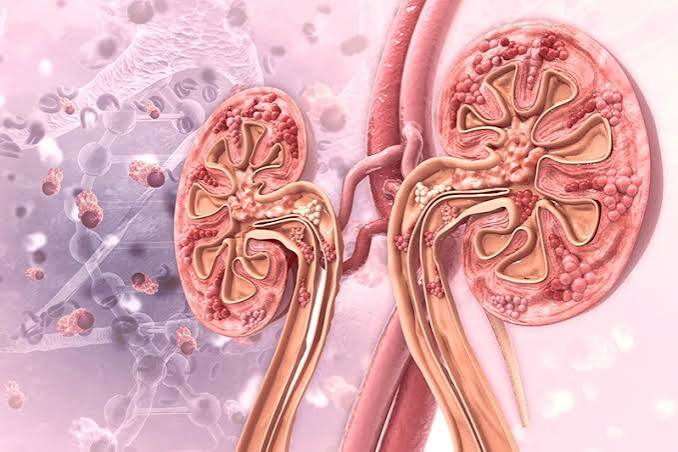
High blood pressure and kidney health are connected in one of medicine’s clearest examples of a self-reinforcing cycle. Hypertension damages the kidneys, and damaged kidneys make hypertension harder to control — which causes more kidney damage. High blood pressure is the second leading cause of kidney failure in the United States after diabetes, accounting for roughly 28 percent of all new end-stage renal disease cases each year. About 70 percent of adults with chronic kidney disease have hypertension, a statistic that tells you something important: these two conditions share the same biology and rarely travel alone. This article covers the mechanisms behind the damage, the specific forms hypertensive kidney disease takes, the blood pressure targets that matter for kidney protection, and the treatments that can break the cycle.
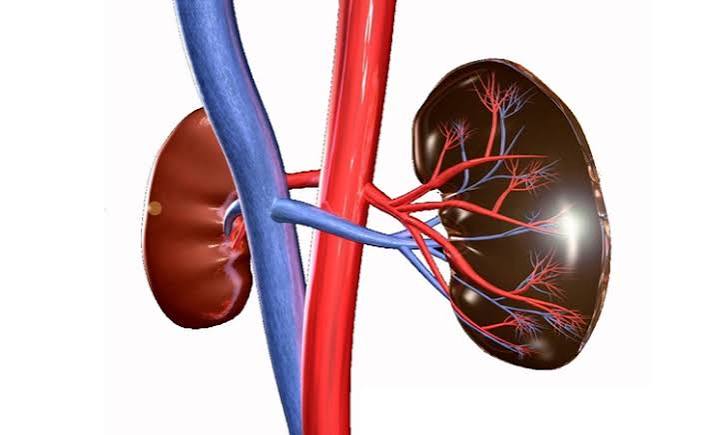
How High Blood Pressure Damages the Kidneys
The kidney’s filtering units — the glomeruli — work under precisely controlled pressure. Think of them as filters designed for a specific water pressure: too little and nothing passes through, too much and the filter tears. When systemic blood pressure stays chronically elevated, that excess pressure is transmitted directly into the glomerular capillaries.
Intraglomerular hypertension. Sustained high pressure inside the glomerular capillaries damages the basement membrane — the molecular filter between blood and urine. The endothelial cells lining these vessels sustain chronic mechanical stress, which reduces their production of nitric oxide (a molecule that relaxes blood vessels) and triggers oxidative stress and inflammation. Over years, the glomerular tuft develops focal scarring — glomerulosclerosis — that progressively eliminates filtering capacity.
Arteriolar disease. The tiny blood vessels feeding and draining the glomeruli undergo characteristic changes under sustained pressure. Their walls undergo hyalinization: smooth muscle cells are replaced by protein deposits, the wall thickens, and the vessel lumen narrows. This blunts the normal autoregulation that usually buffers the glomerulus from systemic pressure spikes — like losing the shock absorbers in a car. The result is the arteriolar pattern of hypertensive nephrosclerosis, driving tubular ischemia and atrophy that gradually reduce eGFR.
Tubular ischemia. The tubules — the nephron segments that recover filtered molecules, concentrate urine, and regulate acid-base balance — depend on the peritubular capillaries for oxygen. As arteriolar disease reduces that blood supply, the tubules become ischemic. Sustained ischemia causes tubular atrophy and, eventually, interstitial fibrosis: the common final pathway of progressive kidney disease regardless of what started it.
How Damaged Kidneys Make Hypertension Worse
The kidney is the body’s master blood pressure regulator, so when kidney function declines, blood pressure control becomes exponentially harder. Healthy kidneys maintain pressure through pressure natriuresis — when blood pressure rises, the kidneys excrete more sodium and water, bringing pressure back down. As hypertensive kidney disease destroys nephrons, this response fails: the remaining nephrons cannot keep up with the sodium load, leading to volume expansion and persistently elevated blood pressure.
Damaged kidneys also activate the renin-angiotensin-aldosterone system (RAAS) inappropriately — the hormonal cascade that normally responds to low kidney perfusion by raising blood pressure. In CKD, RAAS overactivation drives sustained vasoconstriction and sodium retention. Aldosterone, the final RAAS hormone, adds its own kidney harm through tubular injury and fibrosis promotion — independent of blood pressure entirely. The practical result: adults with CKD often need two or three antihypertensive medications to reach blood pressure targets that a person with normal kidney function could achieve with one.
For the full picture of what happens to the kidneys as CKD progresses — including staging and complications — see our article on what is chronic kidney disease.
Hypertensive Nephrosclerosis: The Slow Accumulation of Damage
Hypertensive nephrosclerosis is the kidney disease caused by longstanding, inadequately controlled hypertension. It is the most common form of hypertensive kidney disease and the primary diagnosis for hypertension-attributable end-stage renal disease. It develops slowly — often over two to three decades — and is frequently underappreciated because it produces no symptoms until a substantial portion of kidney function is already gone.
Pathologically, it involves the combination of arteriolar hyalinization, focal glomerulosclerosis, and tubular atrophy with interstitial fibrosis. The kidneys shrink symmetrically as functioning nephrons are lost, and the kidney surface develops a characteristic granular texture from the scarred tissue interspersed with remaining functional glomeruli.
Hypertensive nephrosclerosis is substantially more common in adults of African descent than in the white population at comparable blood pressure levels. The APOL1 genetic risk variants — present in approximately 13 percent of African Americans — amplify the kidney’s susceptibility to hypertensive damage, producing a more aggressive form of nephrosclerosis that progresses faster and to worse outcomes. The AASK trial — African American Study of Kidney Disease — found that ACE inhibitors produced better kidney outcomes than calcium channel blockers or beta-blockers in Black adults with hypertensive CKD, a finding that directly shapes prescribing in this population today.
Malignant Hypertension and Acute Kidney Injury
While hypertensive nephrosclerosis is a slow burn, malignant hypertension is a fire. Malignant hypertension — also called hypertensive emergency — is defined as blood pressure of 180/120 mmHg or higher with evidence of acute end-organ damage: acute kidney injury, hypertensive encephalopathy, aortic dissection, or acute heart failure.
In the kidneys, the extreme pressure physically shears the endothelium of small blood vessels, triggering clot formation and red blood cell fragmentation (thrombotic microangiopathy). Fibrinoid necrosis — literal death of the arteriolar wall tissue — cuts off blood supply to glomeruli and tubules, causing kidney function to plummet over hours to days.
Treatment is urgent: intravenous antihypertensives — most commonly nicardipine, labetalol, or sodium nitroprusside — are titrated to reduce blood pressure by 10 to 20 percent in the first hour, then toward safe targets over 24 hours. Counterintuitively, dropping blood pressure too fast is dangerous. After prolonged extreme hypertension, the kidney’s pressure autoregulation is reset to higher ranges; a sudden drop can itself cause ischemic kidney injury. Controlled, gradual reduction is the goal.
Renovascular Hypertension: When the Arteries Are the Problem
Renovascular hypertension is a distinct condition in which stenosis — narrowing — of one or both renal arteries reduces kidney blood flow, triggering RAAS activation and secondary hypertension. It accounts for 5 to 10 percent of hypertension cases overall, but a disproportionately higher share of treatment-resistant cases.
Two causes dominate. Atherosclerotic renal artery stenosis affects older adults, smokers, and those with established atherosclerosis elsewhere. Fibromuscular dysplasia is a non-inflammatory arterial wall condition that predominantly affects young and middle-aged women. Classic clinical red flags for renovascular hypertension include: onset before age 30, sudden severe hypertension in an older adult with no prior history, hypertension resistant to three or more agents, unexplained episodes of flash pulmonary edema, and asymmetric kidney sizes on ultrasound.
Diagnosis is confirmed by CT angiography, MR angiography, or renal duplex ultrasound. Percutaneous transluminal angioplasty with stenting addresses atherosclerotic stenosis; angioplasty without stenting is the preferred treatment for fibromuscular dysplasia, which responds to it very well. Medical management with RAAS blockade and additional antihypertensives is appropriate when revascularization risk is high.
Blood Pressure Targets for Kidney Health
The KDIGO 2021 Blood Pressure Guidelines recommend a target of less than 120 mmHg systolic when tolerated — a lower bar than the previous 130/80 mmHg standard, based on the SPRINT trial’s demonstration of greater cardiovascular event reduction at lower targets. This remains somewhat controversial; many nephrologists use 130/80 mmHg as the practical target, particularly in older or frailer patients where the AKI risk of aggressive lowering is real.
For adults with both CKD and diabetes, the target is consistently below 130/80 mmHg — aligned across KDIGO and ADA 2024 guidelines. For adults with heavy proteinuria (UACR above 300 mg/g), some guidelines suggest targeting systolic below 125 mmHg if tolerated. Ambulatory blood pressure monitoring — a 24-hour automated recording during normal daily activities and sleep — is more predictive of kidney outcomes than single office measurements and is preferred when accessible.
The bottom line: every 10 mmHg reduction in systolic blood pressure reduces the risk of kidney disease progression and cardiovascular events in CKD by approximately 15 to 20 percent. Treating hypertension in the context of CKD is one of the highest-yield interventions in all of medicine. For the lab values used to track kidney function including eGFR and UACR, see our guide on kidney health numbers every adult should know.
ACE Inhibitors and ARBs: First-Line Kidney Protection
ACE inhibitors (lisinopril, ramipril, enalapril, perindopril) and angiotensin receptor blockers (losartan, irbesartan, valsartan, olmesartan) are the cornerstone of kidney-protective antihypertensive therapy — not just for blood pressure control but for a specific mechanism that protects the glomerulus directly. By dilating the efferent arteriole (the blood vessel exiting the glomerulus), they reduce intraglomerular pressure, taking the mechanical stress off the filtering membrane.
The proteinuria reduction is clinically meaningful: these agents lower urine albumin excretion by 30 to 40 percent — independently of their blood pressure effect — which is associated with significantly slower CKD progression. The REIN study showed that ramipril reduced the progression to end-stage renal disease in adults with non-diabetic proteinuric CKD. The AASK trial confirmed ACE inhibitor superiority over other drug classes in Black adults with hypertensive nephrosclerosis.
One caution: ACE inhibitors and ARBs should not be combined. The ONTARGET trial demonstrated that dual RAAS blockade increases hyperkalemia, acute kidney injury, and hypotension without adding benefit to either the kidneys or the heart. When starting these medications in CKD, recheck serum potassium and creatinine within 1 to 2 weeks. A creatinine rise of up to 30 percent is expected and acceptable — it reflects the intended reduction in intraglomerular pressure. A rise above 30 percent warrants investigation for renovascular disease or volume depletion.
Other Antihypertensive Medications in CKD
When a single ACE inhibitor or ARB does not achieve blood pressure targets — common in CKD — additional agents are layered in.
Calcium channel blockers are well-tolerated across all CKD stages. Non-dihydropyridines (diltiazem, verapamil) add an antiproteinuric effect and are preferred when proteinuria is prominent. Dihydropyridines (amlodipine, nifedipine) are effective add-on agents when combined with RAAS blockade.
Diuretics address the volume expansion that is a core driver of CKD-related hypertension. Thiazide diuretics lose efficacy as eGFR falls below 30 mL/min/1.73m²; loop diuretics (furosemide, torsemide) remain effective across all CKD stages. The CLICK trial confirmed that chlorthalidone is effective even in patients with eGFR 20 to 45 mL/min/1.73m².
Beta-blockers (carvedilol, metoprolol, bisoprolol) are appropriate when concurrent cardiac disease — heart failure, coronary artery disease — is present, and are generally acceptable in CKD.
Resistant Hypertension and the Kidneys
Resistant hypertension — blood pressure above target despite three antihypertensives at optimal doses, including a diuretic — is substantially more common in adults with CKD than in the general hypertensive population. The drivers are layered: volume expansion from impaired sodium excretion, sympathetic overactivation from uremic toxins, secondary hyperaldosteronism, and medication non-adherence in the face of complex multi-drug regimens.
Management targets each layer: ensuring diuretic type and dose match the eGFR (switching to a loop diuretic when thiazides fail), adding a mineralocorticoid receptor antagonist (spironolactone, or finerenone — which carries less hyperkalemia risk than spironolactone in CKD), and screening for reversible secondary causes including primary aldosteronism, renovascular hypertension, and obstructive sleep apnea.
Sodium, Diet, and Lifestyle in Hypertensive Kidney Disease
Dietary sodium is the most important modifiable nutritional factor in hypertensive kidney disease. High sodium intake increases blood volume, blunts the antihypertensive effect of all medications, and directly amplifies urine protein excretion. Cutting intake from the typical Western diet (~3,500 mg/day) to below 2,300 mg/day reduces systolic blood pressure approximately 5 to 8 mmHg and proteinuria by 20 to 30 percent.
The DASH diet — Dietary Approaches to Stop Hypertension — combines low sodium with high potassium, magnesium, calcium, and fiber from fruits, vegetables, and whole grains. It reduces systolic blood pressure 8 to 14 mmHg in hypertensive adults and is associated with slower CKD progression in observational data. One caveat: DASH is high in potassium, which can be dangerous in advanced CKD (eGFR below 30) where the kidneys can no longer adequately excrete potassium. Dietary adjustment with a renal dietitian is advisable.
Physical activity — 150 minutes per week of moderate aerobic exercise — reduces systolic blood pressure 5 to 7 mmHg through improved vascular compliance and reduced sympathetic tone. Weight loss in adults with obesity reduces both blood pressure and glomerular hyperfiltration. Smoking cessation reduces renal vascular resistance and slows CKD progression roughly twofold. For the broader risk factor picture including hypertension and smoking, see our article on kidney disease risk factors every adult should know.
Monitoring Kidney Function in Hypertension
All adults with hypertension should have kidney function evaluated at diagnosis and then regularly. The standard monitoring panel includes serum creatinine (for eGFR calculation), urine albumin-to-creatinine ratio, and serum potassium. For hypertensive adults without established kidney disease, annual eGFR and UACR checks are appropriate — more frequently in those with multiple risk factors or who are starting or adjusting RAAS-blocking therapy. For what the results mean and what ranges to target, see our guide on kidney health numbers every adult should know.
When eGFR drops below 60 mL/min/1.73m² or UACR rises above 30 mg/g, CKD is established and the management plan should intensify: tighten blood pressure targets, add RAAS blockade if not already on it, reinforce sodium restriction, and consider nephrology referral when eGFR falls below 45 mL/min/1.73m².
Preventing Kidney Damage Through Blood Pressure Control
The most powerful single preventive action for hypertension-related kidney disease is maintaining blood pressure below 130/80 mmHg from the moment hypertension is diagnosed — not waiting for kidney function to deteriorate before starting real treatment. Meta-analyses of antihypertensive trials show that sustained blood pressure control reduces the incidence of CKD by 25 to 30 percent and substantially slows the rate of CKD progression to end-stage renal disease.
The real barriers to prevention are practical: hypertension is silent for years while kidney damage accumulates; medications require consistent daily adherence; processed food is still heavily salted despite public health campaigns; and regular monitoring requires healthcare access. For the full landscape of kidney disease causes including the role of sustained hypertension, see our article on what causes kidney disease. None of these barriers is insurmountable. The combination of an appropriate antihypertensive regimen, a low-sodium diet, regular exercise, and annual kidney monitoring gives every adult with hypertension the practical tools to protect their kidneys — for decades.
The SPRINT Trial: How Low Should Blood Pressure Go?
The Systolic Blood Pressure Intervention Trial — SPRINT — is the most influential modern trial shaping blood pressure targets in adults at high cardiovascular risk, including those with CKD. Published in the New England Journal of Medicine in 2015, SPRINT randomized over 9,000 adults with systolic blood pressure of 130 mmHg or higher and elevated cardiovascular risk to either a standard target (systolic below 140 mmHg) or an intensive target (systolic below 120 mmHg). The intensive-target group had significantly fewer major cardiovascular events and lower all-cause mortality — compelling enough results that the trial was stopped early.
The kidney results from SPRINT were more nuanced. The intensive-treatment group experienced a higher rate of acute kidney injury during the trial — a consequence of the lower blood pressure reducing glomerular filtration rate in kidneys that had been operating at higher systemic pressures. However, intensive treatment also produced a greater reduction in the development of new albuminuria, a marker of glomerular injury. Long-term follow-up data from the SPRINT MIND extension study, examining whether cognitive outcomes differed, found sustained cardiovascular benefit from the intensive target.
SPRINT excluded adults with diabetes and those with eGFR below 20 mL/min/1.73m² — two groups most heavily represented in the CKD population. The KDIGO 2021 guidelines extrapolated SPRINT data cautiously to the broader CKD population, recommending systolic below 120 mmHg when tolerated, while acknowledging that the acute kidney injury risk requires individual clinical judgment. The message for clinical practice: lower blood pressure targets reduce long-term kidney and cardiovascular risk, but the rate of reduction matters, and very aggressive lowering in patients with advanced CKD or bilateral renal artery stenosis can cause ischemic kidney injury.
Hyperkalemia: The Most Common Side Effect of Kidney-Protective Therapy
The most important safety concern with ACE inhibitors, ARBs, and mineralocorticoid receptor antagonists in CKD is hyperkalemia — dangerously elevated serum potassium. The kidneys normally excrete approximately 90 percent of the body’s potassium load. As eGFR declines, potassium excretion becomes impaired. Adding RAAS-blocking medications, which reduce aldosterone-driven potassium excretion in the tubule, amplifies that risk further. Spironolactone adds a third layer of hyperkalemia risk when used alongside RAAS blockade.
Hyperkalemia in CKD is clinically important because elevated potassium slows cardiac conduction, producing ECG changes — peaked T waves, widened QRS complex — and, in severe cases, ventricular fibrillation. The risk is not theoretical: multiple clinical trials have had to withdraw participants from RAAS-based therapy due to hyperkalemia, and it is one of the leading reasons that kidney-protective therapies are under-prescribed in CKD patients who would benefit from them.
Several practical strategies reduce hyperkalemia risk. Dietary potassium restriction — limiting high-potassium foods like bananas, oranges, potatoes, tomatoes, and leafy greens — is effective but challenging to implement without dietitian support. Patiromer (Veltassa) and sodium zirconium cyclosilicate (Lokelma) are newer potassium-binding agents that reduce serum potassium reliably and are approved specifically to facilitate continued RAAS blockade in CKD patients who develop hyperkalemia. Finerenone, the nonsteroidal mineralocorticoid receptor antagonist approved for diabetic kidney disease, causes substantially less hyperkalemia than spironolactone — a meaningful advance for patients who need mineralocorticoid blockade but cannot tolerate spironolactone’s potassium-raising effects. Regular potassium monitoring — every 1 to 3 months in patients on RAAS blockade plus CKD — allows early detection before levels reach dangerous thresholds.
Secondary Hypertension in CKD: Beyond Essential Hypertension
Most adults with hypertension and CKD have essential (primary) hypertension — blood pressure elevated without an identifiable single cause. But a clinically important minority have secondary hypertension: a specific underlying cause driving the elevated blood pressure. CKD itself is one of the most common causes of secondary hypertension in adults, but other secondary causes become more prevalent as CKD progresses and should be actively screened for.
Primary aldosteronism — autonomous aldosterone secretion from one or both adrenal glands — is present in 5 to 10 percent of all hypertensive adults and substantially more in those with resistant hypertension. Aldosterone causes both hypertension and kidney damage through tubular injury and fibrosis. Screening with a plasma aldosterone-to-renin ratio is recommended for all adults with resistant hypertension, unexplained hypokalemia, or adrenal incidentaloma. Treatment is surgical (unilateral adrenalectomy for adenoma) or medical (mineralocorticoid receptor antagonist for bilateral hyperplasia).
Pheochromocytoma — a catecholamine-secreting adrenal tumor — causes paroxysmal hypertension with headache, sweating, and palpitations. It is rare but potentially dangerous if undiagnosed. Screening with plasma or urine metanephrines is indicated when the clinical presentation suggests it.
Obstructive sleep apnea is an increasingly recognized cause of resistant hypertension in CKD. Intermittent hypoxia from apneic episodes activates the sympathetic nervous system and RAAS, raising blood pressure — particularly nocturnal blood pressure. Treatment with continuous positive airway pressure (CPAP) reduces systolic blood pressure approximately 2 to 4 mmHg overall, with larger effects in those with the most severe apnea. Screening for sleep apnea is warranted in all patients with resistant hypertension, obesity, daytime sleepiness, or witnessed apneas.
Sources: National Institute of Diabetes and Digestive and Kidney Diseases, niddk.nih.gov; American Heart Association, heart.org; National Kidney Foundation, kidney.org. KDIGO Blood Pressure Guidelines 2021; SPRINT Trial NEJM 2015; AASK Trial; REIN Study; ACC/AHA Hypertension Guidelines 2017.
Pingback: Family History and Kidney Disease Risk
I’ve been on lisinopril for blood pressure for 3 years and my doctor keeps saying my creatinine went up a bit — should I stop taking it? She seemed unsure.
This is actually one of the most commonly misunderstood situations in kidney medicine, Linda. A creatinine rise of up to 30 percent after starting or increasing an ACE inhibitor like lisinopril is expected and is a sign the medication is working correctly — it reflects the drug reducing the high pressure inside your glomeruli (the kidney’s filters), which is exactly the protection it’s designed to provide. Stopping lisinopril because of a mild creatinine rise could actually remove the kidney protection you’re getting. The concern would be a rise above 30 percent, or a high potassium level. We’d suggest asking your doctor specifically: “Is my creatinine rise within the acceptable range, and is my potassium okay?” — that’s the right framing for the conversation.
This is really eye-opening. I’ve had high blood pressure since my late 20s and nobody ever told me it could affect my kidneys. I’m now 44. Should I be getting checked?
Marcus, yes — absolutely get checked. With hypertension since your late 20s, your kidneys have been under elevated pressure for roughly 15 years. The good news is that hypertensive kidney disease is slow and — when caught early — very manageable. The basic panel is straightforward: a serum creatinine (your doctor uses it to calculate eGFR, which tells you how well your kidneys are filtering), and a urine albumin-to-creatinine ratio (UACR), which catches early leakage from the glomeruli before eGFR changes. Both can be ordered at your next routine appointment. If your numbers are normal, that’s reassuring, and you just monitor annually. If they show early changes, there’s a lot your doctor can do to protect your kidneys for decades to come.
Bookmarked this article on high blood pressure and kidney health immediately — going to reference it regularly. The practical tips made this immediately actionable, not just theoretical. Forwarding this to others in my support group who are dealing with similar issues.
Finally a resource that explains high blood pressure and kidney health in plain language. I have tried following advice from several sources but this is most consistent with what my specialist told me. I wish I had found this article earlier — would have saved a lot of confusion.
Bookmarked this article on high blood pressure and kidney health immediately — going to reference it regularly. This is the kind of evidence-based writing that actually changes how people approach their health. Forwarding this to others in my support group who are dealing with similar issues.