
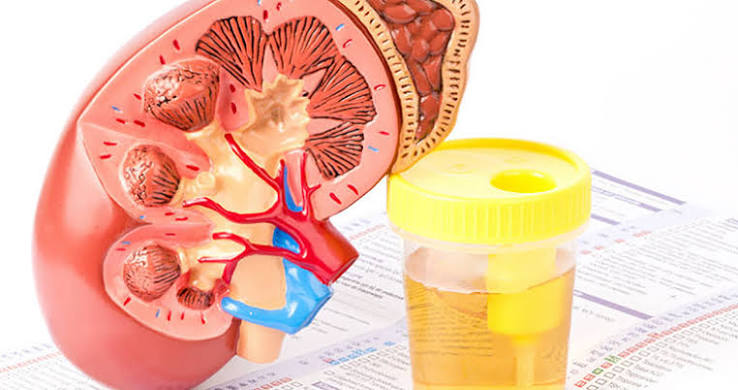
Kidney disease is often called a silent epidemic for a reason: the kidneys can lose more than half their filtering capacity before any symptoms appear, and the window for intervention — when treatments can significantly slow or halt progression — occurs during the years when most patients feel completely well. Systematic annual screening is the only way to catch kidney disease in that window. An annual kidney health checklist structures the tests, lifestyle reviews, medication assessments, and preventive interventions that should happen every year — turning kidney care from something reactive into something deliberate.
This checklist applies to three groups: healthy adults who want to maintain kidney health and detect problems early; people with risk factors for CKD (diabetes, hypertension, family history of kidney failure, obesity, age above 60) who need targeted annual screening; and patients with established CKD who require structured monitoring at defined intervals to detect complications and progression before they become irreversible.
Who Should Follow an Annual Kidney Health Checklist
For healthy adults without any risk factors for kidney disease, the U.S. Preventive Services Task Force (USPSTF) does not recommend routine kidney screening — but basic health maintenance that includes an annual blood pressure check and periodic metabolic panels will capture most incidentally detected kidney abnormalities. The kidney checklist becomes more structured and specific when any of the following risk factors are present:
- Diabetes mellitus: Both the ADA and KDIGO recommend annual urine ACR and eGFR testing starting from the diagnosis of type 2 diabetes, and starting 5 years after the diagnosis of type 1 diabetes. These tests should be done even when blood sugar is well-controlled, because some degree of diabetic nephropathy can develop despite good glycemic control.
- Hypertension: Annual eGFR and urine ACR. Hypertension can both cause and result from kidney disease; detecting albuminuria early in a hypertensive patient changes blood pressure targets and treatment choices.
- Family history of kidney disease or kidney failure: A first-degree relative with CKD, ESRD, ADPKD, or unexplained kidney failure warrants annual eGFR and ACR screening, and kidney ultrasound if ADPKD is suspected.
- Age above 60: eGFR declines approximately 0.5 to 1 ml/min/1.73m² per year as part of normal aging; distinguishing age-related decline from CKD requires longitudinal tracking. Annual eGFR is appropriate.
- Obesity (BMI above 30): Obesity causes glomerular hypertension and a lesion resembling FSGS. Annual eGFR and ACR.
- Recurrent kidney stones: Annual 24-hour urine panel (measuring calcium, oxalate, citrate, uric acid, and creatinine) identifies the specific metabolic abnormalities driving stone formation and guides preventive treatment.
- Chronic NSAID use: NSAIDs reduce renal blood flow and can cause chronic analgesic nephropathy. Annual eGFR for anyone taking NSAIDs regularly for 3 or more months.
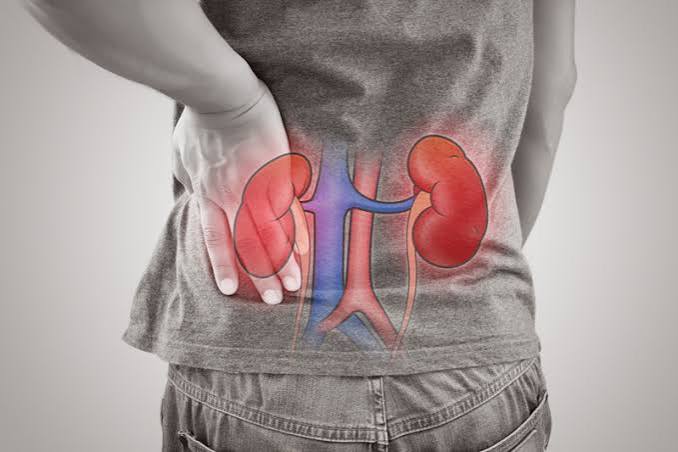
Annual Blood Tests for Kidney Health
Blood tests provide the primary quantitative assessment of kidney function and identify complications of CKD that need management.
eGFR and serum creatinine are the foundation of annual kidney monitoring. The trend over time matters more than any single value — an eGFR that has fallen from 72 to 64 over 3 years tells a very different story from one that has gone from 72 to 55 over the same period. More on what these tests measure is in our guide to kidney function tests.
Electrolytes — sodium, potassium, bicarbonate, and chloride — identify complications that worsen as eGFR declines. Potassium elevation (hyperkalemia) is dangerous above 6.0 mEq/L with ECG changes. Bicarbonate below 22 mEq/L (metabolic acidosis) accelerates bone disease and muscle wasting in CKD and should be treated with bicarbonate supplementation. Phosphate rises as eGFR falls and is managed with dietary restriction and, when needed, phosphate binders.
Complete blood count (CBC) detects anemia of CKD — a normocytic, normochromic anemia caused by reduced erythropoietin production. Iron stores (ferritin and transferrin saturation) should be checked alongside hemoglobin to guide treatment: iron repletion before considering erythropoiesis-stimulating agents (ESAs).
Lipid panel is essential because CKD is a major cardiovascular risk factor — the risk of dying from cardiovascular disease in CKD patients is substantially higher than the risk of reaching dialysis. Statin therapy is recommended for virtually all CKD patients over 50, regardless of baseline cholesterol levels, for cardiovascular risk reduction.
Calcium, phosphate, and PTH should be included annually starting at CKD Stage G3b (eGFR below 45). Secondary hyperparathyroidism from phosphate retention and reduced calcitriol causes renal osteodystrophy — bone weakening that increases fracture risk. 25-hydroxyvitamin D levels are also commonly low in CKD, and supplementation with active vitamin D (calcitriol, paricalcitol) may be needed.
HbA1c and fasting glucose screen for undiagnosed diabetes in at-risk patients and monitor glycemic control in those already diagnosed. In advanced CKD (eGFR below 30), HbA1c becomes less reliable because shortened red cell lifespan falsely lowers the value; fructosamine or glucose monitoring may be needed.
Uric acid is elevated in CKD due to reduced renal excretion. Gout attacks are more common in CKD and require careful medication selection (colchicine dose reduction; avoid NSAIDs; allopurinol dose-adjusted for eGFR). Whether lowering uric acid slows CKD progression remains under investigation.
Annual Urine Tests
The urine albumin-to-creatinine ratio (ACR) is the most important single test for early kidney disease detection in high-risk patients and for CKD monitoring in those already diagnosed. A first-morning void sample is preferred. Normal is below 30 mg/g. An ACR of 30 to 300 mg/g indicates early kidney damage — even before eGFR begins to fall. An ACR above 300 mg/g indicates established nephropathy. Because ACR can vary by up to 40 to 50% on a single measurement, an unexpectedly high result should be confirmed on a second sample 2 to 4 weeks later. More on what elevated ACR means is in our article on protein in urine.
The urinalysis with microscopy adds information about kidney structure and activity. Red blood cell casts on microscopy indicate active glomerulonephritis and trigger urgent specialist evaluation. White blood cell casts indicate pyelonephritis or acute interstitial nephritis. The dipstick detects blood, nitrites, leukocyte esterase, and glucose.
Blood Pressure and Cardiovascular Monitoring
Blood pressure is the single most modifiable factor in CKD progression. The KDIGO 2021 guideline target for most CKD patients is below 130/80 mmHg. A single office measurement is unreliable — a home blood pressure log from the 2 weeks before each annual visit provides far more useful data. Record readings twice daily (morning and evening) in the same arm, seated, after 5 minutes of rest. This eliminates white-coat effect and captures the true average pressure the kidneys experience over time.
For patients with suspected white-coat hypertension or masked hypertension, 24-hour ambulatory blood pressure monitoring (ABPM) provides the most accurate assessment and should be arranged at least once for patients in whom the diagnosis is uncertain.
Vaccinations for Kidney Disease Patients
CKD patients have impaired immune function and are at significantly higher risk of serious infections. Annual vaccination review is part of a complete kidney health checklist.
- Influenza: Annual high-dose or adjuvanted influenza vaccine (higher-dose formulations provide better antibody response in immunocompromised patients).
- Pneumococcal vaccines: A two-vaccine strategy — PCV15 or PCV20 (conjugate) followed by PPSV23 at least 1 year later — is recommended for all CKD patients. Timing depends on prior vaccination history.
- Hepatitis B: All CKD patients who have not been previously vaccinated should receive hepatitis B vaccine before dialysis begins. Patients with CKD often require higher-dose hepatitis B vaccine (40 mcg rather than the standard 20 mcg) because their immune response is blunted.
- COVID-19: Annual updated COVID-19 vaccine, with attention to the most current strain-specific formulations.
- Tdap / Td: Standard adult schedule (Tdap once, then Td booster every 10 years).
Annual Medication and Safety Review
The annual kidney checkup should include a systematic medication review, because the appropriateness of medications changes as eGFR declines. Key questions to work through:
- Are all renally cleared drugs dose-adjusted for the current eGFR? (Metformin, many antibiotics, gabapentin, digoxin, and others require dose reduction or discontinuation at specific eGFR thresholds.)
- Is the patient on an ACE inhibitor or ARB for proteinuric CKD? If not, why not?
- Is the patient on an SGLT2 inhibitor if the eGFR is in the 20 to 45 range with albuminuria above 200 mg/g?
- Is the patient on a statin for cardiovascular risk reduction?
- Is bicarbonate supplementation appropriate if serum bicarbonate is below 22 mEq/L?
- Is the patient taking any NSAIDs, even occasionally?
- Is the patient taking any herbal supplements containing aristolochic acid, chromium, or other nephrotoxic compounds?
- Is there a plan for contrast dye management if CT with contrast is planned? (Hold metformin 48 hours post-contrast in eGFR below 60; IV hydration if eGFR below 30.)
Annual Lifestyle Checklist
Lifestyle modification is one of the most effective interventions available in CKD management. The annual visit should include an explicit review covering:
- Diet: Protein intake 0.6 to 0.8 g/kg/day in CKD Stages 3 to 5. Sodium below 2 grams per day. Potassium restriction when serum potassium is elevated or eGFR falls below 30 to 45. Phosphate restriction as eGFR declines below 30. Adequate calories to prevent malnutrition. Referral to a renal dietitian if not already established.
- Exercise: At least 150 minutes per week of moderate-intensity aerobic exercise (brisk walking, cycling, swimming) plus resistance training twice per week. Exercise improves blood pressure, cardiovascular fitness, mood, and is associated with slower CKD progression.
- Weight management: BMI above 30 worsens kidney disease. Even a 5 to 10% weight reduction improves albuminuria and blood pressure. Ask about structured weight loss support if needed.
- Smoking cessation: Smoking accelerates CKD progression independently of blood pressure and diabetes. Nicotine replacement therapy, varenicline, and bupropion are effective and safe in CKD with dose adjustments.
- Hydration: Two liters of water per day is a reasonable baseline for most CKD patients, unless fluid restriction is specifically needed in later-stage CKD with fluid overload.
Mental Health and Quality of Life
Depression affects 20 to 25% of patients with CKD — a rate two to three times higher than the general population — yet it is vastly underdetected and undertreated. An annual screen with the PHQ-9 (Patient Health Questionnaire-9) takes less than 2 minutes and identifies patients who would benefit from counseling or pharmacotherapy.
Restless legs syndrome (RLS) — an uncomfortable urge to move the legs, worse at rest and at night — affects 20 to 30% of CKD patients and severely disrupts sleep. Iron deficiency is a common and correctable contributing factor: normalizing ferritin above 100 ng/mL often reduces RLS severity. When iron repletion is insufficient, low-dose gabapentin (dose-reduced for eGFR) or dopaminergic agents (pramipexole) are used.
Frequently Asked Questions
How often do kidney health tests need to be done? For healthy adults without risk factors, an annual preventive visit with basic metabolic testing and blood pressure is usually sufficient. For patients with risk factors such as diabetes or hypertension, annual urine ACR and eGFR are the minimum. For patients with established CKD, the frequency increases with disease severity: twice yearly for moderate CKD, three to four times per year for CKD Stage 4, and monthly for Stage 5 or those approaching dialysis. More on kidney function testing is in our guide to kidney function tests.
Can healthy people develop kidney disease without any symptoms? Yes — and this is precisely why screening matters. CKD Stages 1 through 3a produce no symptoms in the vast majority of patients. Even Stage 3b (eGFR 30 to 44) is often asymptomatic. Symptoms typically emerge in Stage 4 or 5 — by which point substantial and irreversible kidney damage has usually occurred. Annual screening finds kidney disease when it is still manageable.
What is the most important thing I can do to prevent kidney disease? The two biggest modifiable drivers of CKD are uncontrolled diabetes and uncontrolled hypertension. Keeping blood sugar in the target range (HbA1c below 7% for most diabetics) and maintaining blood pressure below 130/80 mmHg prevents or delays the development of diabetic nephropathy and hypertensive nephrosclerosis — the two conditions responsible for the majority of kidney failure worldwide. More on the diagnostic workup is in our guide to how doctors diagnose kidney disease and our collection of questions to ask at your kidney checkup.
Age-Appropriate Cancer Screening for CKD Patients
CKD patients have a modestly higher incidence of several cancers compared with the general population, and cancer screening should be part of the annual health review alongside kidney-specific monitoring. Standard age-appropriate cancer screening guidelines apply:
- Colorectal cancer screening: Colonoscopy every 10 years for average-risk adults starting at age 45, or annual fecal immunochemical test (FIT). CKD does not change this schedule, but preparation for colonoscopy (sodium phosphate bowel prep) is contraindicated in CKD — use polyethylene glycol-based prep instead to avoid acute phosphate nephropathy.
- Breast cancer screening: Annual mammography for women starting at 40 to 50 (varies by guideline). No CKD-specific modification.
- Cervical cancer screening: Pap smear every 3 years from age 21, or co-test (Pap + HPV) every 5 years from age 30. Immunosuppressed patients (transplant recipients on calcineurin inhibitors) require more frequent cervical cancer surveillance.
- Prostate cancer screening: Shared decision-making with PSA testing for men aged 55 to 69. PSA is not affected by kidney function directly, though prostatitis and BPH — both more prevalent with aging — elevate PSA independently of cancer.
- Lung cancer screening: Annual low-dose CT chest for current or former heavy smokers aged 50 to 80 (≥20 pack-years). Smoking is also an independent CKD progression risk factor, so smokers with CKD have dual motivation for cessation.
- Renal cell carcinoma and urothelial cancer: No routine screening recommended in the general CKD population, but patients with unexplained gross hematuria, a history of heavy tobacco use or aniline dye exposure, or prior cyclophosphamide therapy warrant urology referral and cystoscopy.
CKD Monitoring Frequency by Stage
One of the most useful things a patient with established CKD can know is how often their kidney tests should be done — because the frequency is not the same at every stage of disease. The KDIGO 2012 guidelines (updated through 2024) specify monitoring intervals based on the combined eGFR and ACR risk category.
CKD G1–G2 (eGFR ≥60) with low or moderate albuminuria: Annual testing is sufficient. This group has reduced kidney reserve but is not yet at high risk of rapid progression. Annual eGFR, ACR, and urinalysis, combined with blood pressure monitoring, are the core of the annual visit. No mineral bone disease monitoring is needed yet.
CKD G3a (eGFR 45–59): Testing every 6 months. At this stage, the risk of complications begins to increase. Electrolytes (potassium, bicarbonate) and CBC should be checked twice yearly. PTH, calcium, phosphate, and 25-hydroxyvitamin D should be measured at least once to establish baseline mineral metabolism status. Referral to nephrology should be considered when the cause of CKD is unclear or progression is faster than expected.
CKD G3b (eGFR 30–44): Testing every 3 to 6 months. Secondary hyperparathyroidism is likely and should be measured and managed. Metabolic acidosis may require bicarbonate supplementation. Hemoglobin should be checked at every visit and iron stores at least twice yearly. ACE inhibitor or ARB dosing should be confirmed at optimal level. SGLT2 inhibitor indication should be reassessed at each visit. Renal dietitian referral is appropriate at this stage for most patients.
CKD G4 (eGFR 15–29): Testing every 1 to 3 months. At this stage, all mineral bone disease markers (PTH, calcium, phosphate, vitamin D), CBC, and electrolytes need to be followed closely. Blood pressure medications may need adjustment. Discussions about kidney replacement therapy should begin actively: educating the patient about the options (hemodialysis, peritoneal dialysis, transplant), completing transplant evaluation if eligible, and planning AV fistula creation 6 to 12 months before anticipated dialysis start. A social worker referral for disability and financial planning is appropriate at this stage.
CKD G5 (eGFR <15, approaching dialysis): Monthly testing. At this stage, all major laboratory parameters (creatinine, electrolytes, CBC, mineral metabolism) are monitored monthly. Uremic symptoms — nausea, fatigue, confusion, pruritus — should be assessed at every visit. Dialysis typically begins when eGFR falls to 5 to 10 ml/min and uremic symptoms become unmanageable, or earlier if there is refractory hyperkalemia, fluid overload, or severe uremic complications. Understanding how kidney function tests evolve through CKD stages is explained in our guide to how doctors diagnose kidney disease.
Building Your Annual Kidney Health Routine
Turning the annual kidney checklist into a sustainable routine requires making it part of a predictable cycle rather than a sporadic reactive response to symptoms. The most effective approach is to anchor kidney health monitoring to an existing yearly habit — a birthday, the beginning of the year, or an annual physical — so the tests and conversations become predictable rather than easily deferred.
Schedule your annual labs 1 to 2 weeks before your physician appointment. This gives the results time to arrive in your chart so your doctor can review them before you walk in, rather than ordering them at the visit and scheduling a follow-up. Efficiency matters in a 30-minute appointment.
Create a personal kidney health log. Keep a simple document (paper or digital) that records your eGFR, ACR, blood pressure average, and weight at each visit. Plotting these numbers over time gives you a patient-generated trend that your physician may not have time to create or review in detail. If your eGFR has fallen by 8 points since last year, seeing that written down makes it concrete — and motivating — in a way that a verbal summary in a brief appointment often does not.
Set up reminders for medication reviews and dose adjustments. Kidney function changes gradually, but the eGFR threshold at which a medication needs dose adjustment is specific. Keep a list of any medications that require adjustment based on your eGFR (metformin, many antibiotics, gabapentin, colchicine), and confirm at each annual visit whether your current doses are still appropriate for your current eGFR.
Connect with a patient organization. The National Kidney Foundation, the American Association of Kidney Patients (AAKP), and the American Kidney Fund all offer educational resources, peer support communities, and advocacy programs for kidney disease patients. These organizations publish plain-language guides to new research, policy changes affecting dialysis and transplant, and dietary resources — all of which complement the medical care your physician provides and help you stay informed between appointments.
The Role of Your Primary Care Doctor and Specialist
Annual kidney health monitoring does not always require a nephrologist. Primary care physicians and internists manage the majority of early and moderate CKD — Stages G1 through G3a — when the cause is clear (diabetic or hypertensive nephropathy), the patient is stable, and complications are absent or well-controlled. The primary care physician orders the annual ACR and eGFR, adjusts blood pressure medications, reviews the medication list for nephrotoxins, and coordinates referrals when needed.
A nephrologist (kidney specialist) should be involved when the cause of CKD is unclear, when eGFR is falling faster than expected, when complications such as difficult-to-control hyperkalemia or secondary hyperparathyroidism require specialist expertise, or when eGFR reaches the 30 to 45 range and kidney replacement therapy planning needs to begin. Many patients benefit from a shared-care model: the primary care physician manages the majority of the annual health review, while the nephrologist provides specialist guidance on complex management decisions and future planning. The two approaches are complementary, not competing. More on when to ask for a specialist referral is in our guide to questions to ask during a kidney checkup.
Sources: NIDDK — Kidney Disease | National Kidney Foundation | KDIGO CKD Guidelines | CDC Adult Immunization Schedule | Related: Kidney Function Tests | How Doctors Diagnose Kidney Disease | Questions to Ask at Your Kidney Checkup | Protein in Urine
Came across this while researching annual kidney health checklist for a family member. The specific numbers and thresholds mentioned are exactly what I needed to understand my results. This gave me real confidence going into my next specialist appointment.
Bookmarked this article on annual kidney health checklist immediately — going to reference it regularly. It is refreshing to see an article that acknowledges individual variation rather than one-size-fits-all advice. Appreciate the effort that went into researching and writing this — it shows.
My doctor recommended I look into annual kidney health checklist and this article covered it perfectly. I have tried following advice from several sources but this is most consistent with what my specialist told me. Keep up this kind of thorough health journalism — it genuinely helps patients like me.