
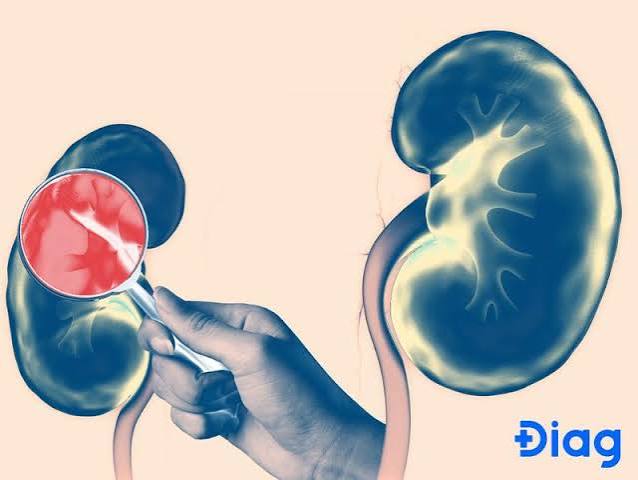
Stage 4 chronic kidney disease marks the point at which the conversation about kidney care fundamentally changes. At earlier stages, the primary goals were slowing progression and managing complications while maintaining as normal a life as possible. At Stage G4 — defined as an eGFR of 15 to 29 ml/min/1.73m² — those goals remain, but they are joined by something more urgent: active preparation for kidney replacement therapy. The kidneys at Stage G4 are functioning at 15 to 29 percent of normal capacity, and while some people at this stage feel surprisingly well, most experience real and often significant symptoms. The decisions made at Stage 4 — about dialysis type, transplant eligibility, vascular access, and advance care planning — shape the quality of life for years to come. Making those decisions from an informed, unhurried position requires starting the conversation at Stage 4, before crisis makes choice feel impossible.
This guide covers what to expect at Stage 4 CKD: what symptoms emerge and why, what complications require active management, how the monitoring schedule intensifies, what kidney replacement options are available and how to prepare for them, and what the practical and emotional dimensions of this stage look like. The broader staging context is covered in our guide to chronic kidney disease stages.
What Stage 4 Kidney Disease Means
Stage G4 CKD is defined by an eGFR of 15 to 29 ml/min/1.73m². At this level, the kidneys are performing 15 to 29 percent of the blood filtration work of a young healthy adult. This level of function is sufficient to sustain life, but only barely — and only for a period of time. The kidneys at Stage G4 can no longer maintain optimal fluid balance, electrolyte levels, acid-base balance, or waste product clearance. They require significant medical support through medications, dietary restrictions, and frequent monitoring. They produce insufficient erythropoietin to maintain normal hemoglobin without supplementation. They cannot excrete sufficient phosphate, potassium, or acid without aggressive dietary management.
The difference between Stage G3b (eGFR 30 to 44) and Stage G4 is not merely a lower eGFR number — it represents a qualitative shift in the clinical situation. At G3b, active planning for kidney replacement therapy is appropriate education. At G4, that planning becomes urgent preparation: a patient at G4 who has not yet been evaluated for transplant, who has not chosen a dialysis modality, and who does not have adequate vascular or peritoneal access may face a crisis-level situation when eGFR falls below 10. Avoiding that crisis by preparing at Stage G4 is one of the most important things patients and their care teams can do.
Symptoms at Stage 4
Stage G4 is the first CKD stage at which uremic symptoms — symptoms caused by the accumulation of waste products that the kidneys can no longer adequately excrete — reliably appear. Not every patient at G4 experiences every symptom, and the severity varies; but the following are common enough to warrant recognition.
Fatigue is the most universally reported symptom at Stage G4. It is driven by multiple simultaneous mechanisms: anemia (with hemoglobin often in the 8 to 10 g/dL range), uremic toxin accumulation impairing cellular energy metabolism, metabolic acidosis causing protein catabolism and muscle wasting, and often the accumulated burden of years of poorly controlled underlying disease (diabetes, hypertension). G4 fatigue is qualitatively different from ordinary tiredness — it is not relieved by a good night’s sleep and can limit the ability to perform activities of daily living.
Nausea and decreased appetite reflect early uremic effects on the gastrointestinal system. Urea is converted to ammonia in the gut by bacterial urease, contributing to nausea, dysgeusia (altered taste), and a metallic taste in the mouth. Appetite decreases, food becomes less appealing, and weight loss may follow. Nutritional decline at G4 is a significant risk: malnutrition worsens anemia, reduces immune function, and impairs recovery from illness. Nutritional monitoring and dietitian support are essential at this stage.
Pruritus — uremic itching — is caused by retained uremic toxins stimulating peripheral nerves and mast cells in the skin. It is often generalized and worse at night, frequently disrupting sleep. At Stage G4, it ranges from mild to severe. Standard treatments include moisturizing creams, antihistamines (with limited efficacy), and gabapentin at adjusted doses (required because gabapentin is renally cleared and accumulates at G4 eGFR). Difelikefalin — a peripherally acting kappa opioid receptor agonist — was FDA-approved in 2021 for pruritus in dialysis patients and is under investigation for pre-dialysis CKD.
Edema and dyspnea reflect the kidneys’ reduced ability to excrete sodium and water. Fluid accumulates in the legs (peripheral edema), sometimes the abdomen (ascites in severe cases), and occasionally the lungs (pulmonary edema causing dyspnea at rest). Loop diuretics (furosemide, torasemide) remain effective at G4 but often require higher doses than at earlier stages. Daily weight monitoring at home is the most sensitive early indicator of fluid accumulation: a gain of more than 2 kg over 24 to 48 hours typically indicates fluid retention and warrants contacting the care team.
Cognitive changes — brain fog, difficulty concentrating, slowed thinking — represent early uremic encephalopathy. Uremic toxins (indoxyl sulfate, p-cresyl sulfate, and others) cross the blood-brain barrier and impair neuronal function. The impairment at G4 is usually mild but can affect work performance, driving safety in some individuals, and quality of life. These symptoms typically improve significantly after dialysis initiation, which is one measurable quality-of-life benefit of starting KRT when indicated.
Restless legs syndrome is significantly more prevalent in CKD patients than in the general population, affecting 20 to 30 percent of dialysis patients and a substantial proportion of pre-dialysis G4 patients. It causes an uncomfortable urge to move the legs, typically worse at rest and at night, and can severely disrupt sleep. Iron deficiency and peripheral neuropathy (both common in CKD) are contributing factors. Treatment includes addressing iron deficiency, dopamine agonists (pramipexole, ropinirole), and gabapentin at renally adjusted doses.
An important caution: the severity of symptoms at G4 does not directly determine when dialysis should start. Dialysis initiation is guided by the combination of eGFR reaching approximately 5 to 10 ml/min AND symptoms that significantly impair quality of life — not by the eGFR threshold alone. Some patients with G4 eGFR feel remarkably well and can safely defer dialysis for an extended period. Others develop severe symptoms at G4 that warrant earlier initiation. The decision is individualized and made with the nephrologist. The complete monitoring framework is in our guide to kidney function tests.
Active Complications at Stage 4
Anemia at G4 is typically more severe than at G3. Hemoglobin of 8 to 10 g/dL is common. ESA therapy (epoetin alfa or darbepoetin alfa) is standard, with a target hemoglobin of 10 to 11.5 g/dL per KDIGO guidelines. Intravenous iron is often preferred over oral iron at G4 because uremia impairs GI iron absorption. Blood transfusions are generally avoided when ESA and iron are available, because transfusions sensitize the immune system against human leukocyte antigens (HLA), potentially reducing the pool of compatible kidney donors for transplant candidates.
Metabolic acidosis at G4 is nearly universal. Sodium bicarbonate doses are often higher at G4 than at G3 (2 to 3 grams two to three times daily). When serum bicarbonate cannot be maintained above 22 mEq/L despite adequate bicarbonate supplementation, this is a signal that the kidneys can no longer keep up with the daily acid load — one of the indications that dialysis initiation is approaching.
Secondary hyperparathyroidism at G4 is often severe, with PTH values of 300 to 700 pg/mL or higher. Treatment requires a combination of active vitamin D analogs (calcitriol, paricalcitol), phosphate binders taken with every meal (calcium carbonate, sevelamer hydrochloride, or lanthanum carbonate), and often cinacalcet (a calcimimetic that directly suppresses PTH secretion by increasing the parathyroid gland’s sensitivity to calcium). Uncontrolled secondary hyperparathyroidism causes renal osteodystrophy — a spectrum of bone diseases including osteitis fibrosa cystica (from PTH-driven bone resorption), adynamic bone disease, and mixed lesions — as well as vascular calcification that independently increases cardiovascular mortality.
Hyperkalemia at G4 is a safety-critical complication. Serum potassium above 6.0 mEq/L can cause life-threatening cardiac arrhythmias. Dietary potassium restriction to below 2 grams per day is generally necessary. Potassium binders (patiromer or sodium zirconium cyclosilicate) are taken daily to increase fecal potassium excretion, allowing patients to maintain ACE inhibitor or ARB therapy despite reduced urinary potassium excretion. If hyperkalemia persists despite maximal medical management, it becomes an additional factor supporting earlier dialysis initiation.
Planning for Kidney Replacement Therapy
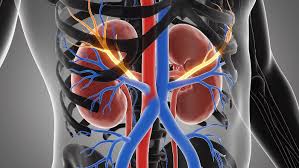
Kidney replacement therapy (KRT) planning is the most consequential clinical activity of Stage G4. The options are: in-center hemodialysis, home hemodialysis, peritoneal dialysis, kidney transplant, and conservative kidney management. All five options deserve thorough, balanced explanation before a patient makes a choice.
Kidney transplant provides the best long-term outcomes for eligible patients — 10-year graft survival rates of 60 to 70 percent for deceased-donor transplants and 70 to 80 percent for living-donor transplants, compared to substantially worse life expectancy on long-term dialysis. A pre-emptive transplant — transplant before dialysis starts — provides even better outcomes than transplant after dialysis and should be the goal when a living donor is available. Patients should be referred for transplant evaluation early at G4 (or G3b) to complete the medical clearance process, and should register on the deceased-donor waiting list when eGFR reaches 20 or below — because time on the list begins from registration, not from dialysis start.
Hemodialysis requires either an arteriovenous (AV) fistula or a graft as the vascular access point for blood to be drawn out, filtered through a dialysis machine, and returned. AV fistulas have the best outcomes — lowest infection rate, longest lifespan, lowest complication rate — but require 6 to 12 weeks to mature after surgical creation and should therefore be placed 6 to 12 months before anticipated dialysis start. Creating access at G4, rather than waiting until G5 when a dialysis catheter may be needed emergently, is a significant quality-of-life difference. Home hemodialysis — performed more frequently (5 to 6 times per week rather than 3) by the patient at home — is associated with better blood pressure control, better phosphate clearance, and better quality of life than in-center hemodialysis and is appropriate for motivated patients with suitable home environments and family support.
Peritoneal dialysis (PD) uses the peritoneum — the membrane lining the abdominal cavity — as a natural filter. A catheter is surgically placed in the abdomen 2 to 4 weeks before PD begins, and dialysis solution is instilled and drained multiple times per day (CAPD: continuous ambulatory peritoneal dialysis, 4 exchanges per day) or overnight by a machine (APD: automated peritoneal dialysis). PD is performed at home, allows greater dietary flexibility than hemodialysis, and preserves residual kidney function longer. Contraindications include prior major abdominal surgery creating adhesions, active abdominal inflammatory disease, or inability to perform the technique safely.
Conservative kidney management — also called maximum conservative management or non-dialytic care — is the choice to manage symptoms without starting dialysis. For carefully selected patients — typically older adults with significant comorbidities (advanced heart failure, dementia, cancer) for whom the burdens of dialysis would outweigh its potential benefits — this is a legitimate and increasingly recognized option. Conservative management focuses on symptom relief, quality of life, advance care planning, and supportive care. Median survival without dialysis in G5 CKD patients who choose conservative management varies from weeks to over a year depending on residual function and comorbidity. The conversation should occur at G4, before crisis forces a rushed decision.
Monitoring Schedule at Stage 4
Monitoring at Stage G4 is the most intensive of any CKD stage outside of G5 on dialysis. Laboratory assessments occur every 1 to 3 months for most parameters: eGFR (from serum creatinine), urine ACR, complete blood count (for hemoglobin and ESA dose adjustment), iron studies (ferritin, TSAT), serum potassium and bicarbonate, phosphate, calcium, and PTH (every 3 months). Vitamin D levels are checked every 6 months or after supplementation dose adjustment. Blood pressure is measured at every clinic visit. Body weight is ideally tracked daily at home using a scale, with any gain over 2 kg in 24 to 48 hours reported to the care team. Nutritional status is assessed every 3 to 6 months, using measures like albumin, pre-albumin, and diet history. Regular review of the complete monitoring parameter set relevant to any stage of CKD is outlined in our guide to the annual kidney health checklist.
Social, Practical, and Emotional Considerations
Stage G4 CKD affects life in ways that extend well beyond laboratory values. For patients who are still working, disability benefit applications may be warranted if fatigue, cognitive changes, or the time demands of treatment and monitoring are significantly impairing work capacity. Financial assistance programs exist for expensive G4 medications — SGLT2 inhibitors, ESA injections, potassium binders, and phosphate binders can collectively represent significant monthly costs. Social workers embedded in nephrology practices or dialysis centers can connect patients with these resources.
Advance directive completion — designating a healthcare proxy, recording preferences for resuscitation, dialysis initiation, mechanical ventilation, and end-of-life care — is appropriate at Stage G4 while patients retain full decision-making capacity. These documents guide care if the patient later becomes unable to express preferences, and having them completed removes an enormous burden from families at critical moments. Depression and anxiety are highly prevalent in CKD patients at G4, with rates substantially higher than in the general population. Screening for mental health conditions and providing referrals to counseling, support groups, and psychiatric care when needed are part of comprehensive G4 management. Questions about prognosis, quality of life, and care priorities that are worth raising at each appointment are outlined in our guide to questions to ask during a kidney checkup.
Frequently Asked Questions
Is Stage 4 CKD life-threatening? Stage G4 CKD is a serious condition, but most G4 patients do not face an immediately life-threatening situation if their complications are being actively managed. The primary risk is long-term: without effective management, progression to G5 (kidney failure) occurs, and dialysis or transplant becomes necessary to sustain life. Cardiovascular risk is also substantially elevated at G4 — heart attack, stroke, and heart failure are more likely causes of death than kidney failure itself for many G4 patients. Serious acute risks do exist: severe hyperkalemia, flash pulmonary edema from fluid overload, and acute worsening of underlying cardiovascular disease are real emergencies in G4 patients. Knowing the signs that require immediate emergency care — severe shortness of breath, chest pain, significant alteration of consciousness, severe edema — is important.
How long can you live at Stage 4 CKD without dialysis? This depends entirely on the rate of eGFR decline and how well complications are managed. A patient at the high end of G4 (eGFR 28) declining at 2 ml/min per year would reach G5 (eGFR 15) in approximately 6 to 7 years. A patient at the low end of G4 (eGFR 16) declining at 5 ml/min per year would reach G5 in approximately 12 to 18 months. Neither of these is the moment dialysis starts — dialysis typically begins when eGFR is 5 to 10. Treatment choices meaningfully affect the trajectory: SGLT2 inhibitors, tight blood pressure control, anemia treatment, and acidosis correction all contribute to slowing the rate of decline.
Can Stage 4 CKD get better or be stabilized? Complete reversal of Stage G4 CKD is rare and would require identification and correction of a major reversible contributing factor — such as a urinary obstruction resolved surgically, or cessation of a nephrotoxic medication that had been causing ongoing injury. Stabilization — maintaining eGFR within the G4 range indefinitely — is achievable for some patients, particularly those with an identified and controllable underlying cause, good blood pressure control, and adherence to kidney-protective therapy. The trajectory is not fixed by the diagnosis itself; it responds to the quality of management. Even at G4, the effort invested in optimizing care makes a measurable difference in how and when the next stage is reached.
Medication Management at Stage 4
Medication management at Stage G4 is more complex than at any earlier CKD stage because: (1) more renally cleared drugs accumulate to toxic levels at eGFR 15 to 29; (2) the kidney-protective agents that work well at earlier stages require review; (3) several new medications become relevant for G4-specific complications; and (4) the total medication burden is typically highest at G4 as all complication management is ongoing simultaneously.
NSAIDs remain absolutely contraindicated at G4 — they cause acute renal vasoconstriction that at G4 eGFR levels can precipitate a genuine acute kidney injury event that accelerates the timeline to dialysis. Metformin should be discontinued at G4 (eGFR below 30) due to lactic acidosis risk — alternative glucose-lowering agents that do not require dose adjustment at G4 (GLP-1 receptor agonists, insulin) are used instead. SGLT2 inhibitors, paradoxically, have diminishing glycemic efficacy at G4 eGFR levels but retain cardiovascular and modest kidney-protective effects down to eGFR 25 per the EMPA-KIDNEY trial data, and KDIGO allows continued use at this range. Many antibiotics, antifungals, antiviral agents, analgesics, and sedatives require dose reduction at G4 — informing every prescriber of the current eGFR remains critical.
One medication class that becomes particularly important at G4 is the potassium binder. Patiromer is taken once daily with food; sodium zirconium cyclosilicate (SZC) can work within hours for acute correction and is dosed daily for maintenance. These agents allow patients to continue ACE inhibitors and ARBs — which remain kidney-protective — despite the hyperkalemia risk that would otherwise require stopping them. The decision to use a potassium binder rather than discontinuing RAAS agents is generally the preferred approach at G4 when hyperkalemia is the limiting factor. The complete framework for what medications, lab tests, and monitoring parameters apply at this stage is reviewed annually using the checklist in our guide to the annual kidney health checklist.
Stage G4 CKD is challenging, but the framework for navigating it is clear: know your complications and their treatment, prepare for kidney replacement therapy before crisis forces a rushed decision, stay engaged with monitoring appointments, and build the support network — medical, social, and emotional — that sustains people through a demanding chronic illness. The patients who do best at Stage G4 are those who approach their care actively: asking questions at appointments, understanding their lab results, completing advance directives, and making KRT decisions from a position of information rather than emergency. None of this is easy, but all of it is navigable with the right team and the right information. The questions worth bringing to each nephrology and primary care appointment as disease management evolves are outlined in our guide to questions to ask during a kidney checkup, and the tests and values tracked at each visit are explained in our guide to how doctors diagnose kidney disease.
Sources: NIDDK — Chronic Kidney Disease | KDIGO CKD Guidelines 2024 | National Kidney Foundation | American Kidney Fund | Related: CKD Stages Explained | Stage 3 Kidney Disease | Kidney Function Tests | Annual Kidney Health Checklist | Questions to Ask at Your Checkup
My doctor recommended I look into stage 4 kidney disease: what to and this article covered it perfectly. The practical tips made this immediately actionable, not just theoretical. Exactly the kind of evidence-based information that is hard to find in one place.
I never fully understood stage 4 kidney disease: what to until I read this. What I liked most was that the article didn’t just say what to avoid — it also gave alternatives. This is exactly why I prefer this website over generic health platforms.
I never fully understood stage 4 kidney disease: what to until I read this. I especially valued the explanation of why these recommendations exist, not just what they are. I wish I had found this article earlier — would have saved a lot of confusion.