
A growing body of research supports plant-based eating as a powerful strategy for protecting kidney function and slowing the progression of chronic kidney disease. For decades, CKD dietary management focused almost exclusively on restriction — limiting potassium, phosphorus, sodium, and protein — with plant foods often caught in the crossfire as sources of minerals to avoid. The emerging picture is more nuanced: a thoughtfully structured plant-based diet is not only compatible with CKD management, it may actively protect kidney function through mechanisms that no single supplement or medication replicates. Understanding what plant-based eating means in the context of kidney disease — and how to do it safely — is one of the most valuable things a person with CKD can learn.
This guide covers the specific mechanisms through which plant-based eating benefits kidneys, how to navigate potassium and phosphorus concerns in a plant-forward CKD diet, which plant foods are most kidney-protective, how to structure complete protein intake from plant sources, and how to transition to a plant-based approach without compromising nutritional status.
Why Plant-Based Eating Benefits Kidney Health
Plant-based eating benefits kidney function through several distinct and complementary mechanisms. None of these benefits is captured in a supplement or single food — they emerge from the combined effects of a diet centered on vegetables, fruits, legumes, whole grains, nuts, and seeds.
Lower dietary acid load: Animal proteins — particularly red meat and processed meat — generate a substantial dietary acid load that damaged kidneys struggle to excrete. The result is metabolic acidosis, which independently accelerates CKD progression, promotes muscle catabolism, worsens bone disease, and impairs insulin sensitivity. Plant foods, by contrast, are alkaline-generating: fruits, vegetables, and legumes produce bicarbonate precursors that buffer acid load and reduce the burden on the kidneys. Clinical studies have shown that shifting from a high-animal-protein to a high-plant-protein diet measurably reduces urinary acid excretion and slows eGFR decline in CKD patients.
Lower phosphorus bioavailability: The phosphorus in plant foods is predominantly bound to phytic acid (phytate), which humans cannot digest efficiently. Only 20 to 40 percent of plant phosphorus is absorbed, compared to 60 to 70 percent from animal proteins and 90 to 100 percent from inorganic phosphate additives in processed foods. A plant-based diet therefore delivers substantially less bioavailable phosphorus than a comparable protein intake from animal and processed food sources — a critical advantage in CKD where hyperphosphatemia drives vascular calcification and cardiovascular mortality. The phosphorus and kidney disease guide covers this mechanism in detail.
Gut microbiome and uremic toxin reduction: Two of the most harmful uremic toxins in CKD — indoxyl sulfate and p-cresyl sulfate — are produced by gut bacteria fermenting aromatic amino acids from animal protein. A plant-based diet shifts gut microbiome composition toward fiber-fermenting species that produce short-chain fatty acids (butyrate, propionate, acetate) instead of uremic toxins. Butyrate specifically supports gut barrier integrity, reducing the “leaky gut” that allows bacterial toxins to enter the bloodstream and drive systemic inflammation in CKD patients. Research in the journal Kidney International has documented that CKD patients with higher dietary fiber intake have lower serum indoxyl sulfate and better clinical outcomes.
Blood pressure reduction: High blood pressure is both a leading cause of CKD and a major driver of CKD progression once established. Plant-based diets are consistently associated with lower blood pressure through multiple mechanisms: higher potassium intake (which counters sodium’s blood pressure effects), higher dietary nitrate (which dilates blood vessels), higher magnesium, and lower saturated fat. The DASH diet — essentially a structured plant-forward eating pattern — has the strongest evidence base of any dietary approach for blood pressure control. The DASH diet and kidney health guide covers this specifically.
Blood sugar control: Diabetes is the leading cause of CKD in developed countries. Plant-based diets improve insulin sensitivity, reduce postprandial glucose spikes through the higher fiber content that slows carbohydrate absorption, and are associated with lower HbA1c in people with type 2 diabetes. Better blood sugar control translates directly into slower CKD progression in diabetic nephropathy — the pathway connecting plant-based eating to kidney protection in diabetic patients.
Navigating Potassium in a Plant-Based CKD Diet
The most common concern about plant-based eating in CKD is potassium. Many plant foods are high in potassium, and CKD impairs potassium excretion, creating risk of hyperkalemia (elevated serum potassium), which causes dangerous cardiac arrhythmias. This concern is legitimate but frequently overstated in early CKD, and it rarely justifies abandoning plant-based eating entirely — even in advanced CKD.
The critical first point is that potassium restriction in CKD is only indicated when serum potassium is actually elevated — persistently above 5.0 to 5.5 mEq/L on repeat testing. CKD stages 1 through 3a very rarely cause hyperkalemia in the absence of other factors such as RAAS-blocking medications (ACE inhibitors, ARBs) or concurrent diabetes. Applying potassium restriction to a CKD patient with normal serum potassium eliminates plant foods unnecessarily and deprives them of the fiber, antioxidants, and alkaline load that protect kidney function. Work with your nephrologist to understand your specific potassium level before restricting plant foods. The potassium and kidney disease guide covers the full picture of when and how to restrict potassium.
When potassium restriction is needed, a plant-based diet can still be structured to stay within the target range through strategic food selection. Low-potassium plant foods are abundant: apples, blueberries, grapes, strawberries, pineapple, and cranberries are all below 150 mg of potassium per serving. Cauliflower, cabbage, green beans, cucumber, lettuce, white rice, and white pasta are low-potassium staples that form the foundation of a plant-forward restricted diet. Cooking methods matter as well: boiling potatoes, carrots, and other root vegetables in large amounts of water (leaching) reduces their potassium content by 30 to 50 percent, making them manageable in moderate restriction.
The most potassium-concentrated plant foods — bananas, oranges, potatoes, tomatoes, spinach, avocado, and dried fruits — require portion control or substitution when restriction is needed, but not complete elimination. Half a banana instead of a whole one, a quarter cup of tomato sauce instead of a half cup, and cauliflower rice instead of potato are the kinds of practical substitutions that preserve the flavor profile and nutritional density of plant-based eating within a potassium budget.
Plant Protein Completeness — Separating Myth From Reality
A persistent concern about plant-based eating is protein completeness: the idea that plant proteins are “incomplete” because individual plant foods lack one or more essential amino acids. This concern is rooted in older nutritional science and has been substantially revised by contemporary research and clinical guidance.
It is true that most individual plant foods are limiting in one or more essential amino acids — legumes are low in methionine, grains are low in lysine, for example. But this limitation is easily overcome by eating a variety of plant foods throughout the day. Legumes and grains together provide all essential amino acids in adequate quantities. The Academy of Nutrition and Dietetics, the largest organization of nutrition professionals in the United States, states clearly in its position paper on vegetarian and plant-based diets that a well-planned plant-based diet provides all essential amino acids without requiring deliberate protein combining at every meal — combining across the day is sufficient.
For CKD patients specifically, the plant proteins with the best amino acid profiles and most favorable kidney outcomes include tofu and other soy products (which contain all essential amino acids and are complete proteins), edamame (young soybeans with complete amino acid profile), lentils combined with rice or bread, and chickpea-based dishes. Soy protein deserves special mention: contrary to early concerns that soy might worsen kidney disease, clinical research has consistently shown that substituting soy protein for animal protein in CKD patients reduces proteinuria, lowers blood pressure, and improves lipid profiles. The protein and chronic kidney disease guide covers protein quality in more detail.
Most Kidney-Protective Plant Foods

Several categories of plant foods stand out for their kidney-protective properties beyond simply being lower in phosphorus and acid load:
Berries — blueberries, strawberries, raspberries, and cranberries — are among the most comprehensively studied foods for kidney protection. They are low in potassium (50–100 mg per half cup), low in phosphorus, and extremely high in anthocyanins — polyphenol compounds that reduce oxidative stress and inflammation. Oxidative stress and inflammation are primary drivers of CKD progression beyond the mechanical damage of reduced nephron mass. Blueberries in particular have been shown in animal and human studies to reduce markers of kidney oxidative damage. Cranberries have a well-established role in reducing UTI risk in the urinary tract, which matters because recurrent UTIs can damage kidney tissue over time.
Cauliflower has become a cornerstone of kidney-friendly plant-based cooking because it is versatile, low in potassium (approximately 150 mg per half cup cooked), low in phosphorus (approximately 20 mg per half cup), and serves as a practical substitute for higher-potassium foods like potatoes and rice. Mashed cauliflower replaces mashed potatoes, riced cauliflower replaces rice in stir-fries and grain bowls, and cauliflower steaks replace meat-centered plates. It also contains sulforaphane, an anti-inflammatory compound studied for its potential to reduce oxidative damage in kidney tubular cells.
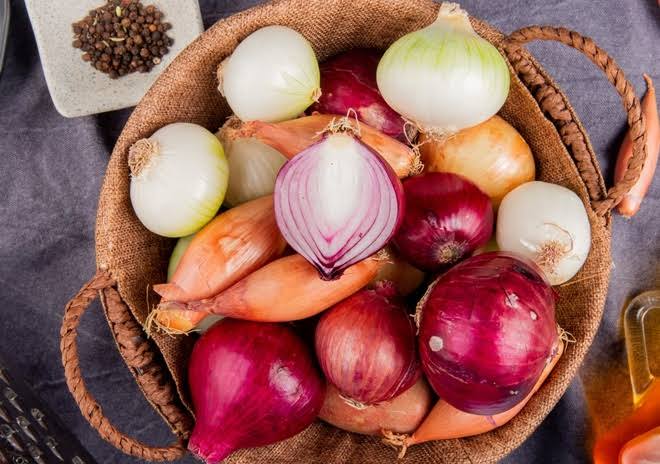
Garlic and onions are potent anti-inflammatory and antioxidant foods that contribute negligible potassium and phosphorus per serving. They contain organosulfur compounds (allicin in garlic, quercetin in onions) that reduce inflammatory cytokine production — relevant in CKD where chronic low-grade inflammation is ubiquitous and drives endothelial dysfunction and cardiovascular risk. They also replace salt as flavor enhancers, supporting sodium reduction without sacrificing palatability.
Olive oil provides oleocanthal (a natural COX inhibitor with anti-inflammatory properties), oleic acid (a monounsaturated fat associated with cardiovascular protection), and vitamin E. It is the primary cooking fat and dressing base in both the Mediterranean diet and the DASH diet — the two dietary patterns with the strongest evidence base for kidney and cardiovascular protection. Olive oil is free of potassium, phosphorus, and sodium, making it an unrestricted addition to any kidney-friendly plant-based diet.
Lentils and chickpeas provide excellent plant protein (9 grams per half cup cooked for lentils), manageable phosphorus (largely phytate-bound and poorly absorbed), soluble fiber that feeds beneficial gut bacteria, and folate. For CKD patients in stages 3–4 without severe potassium restriction, lentils and chickpeas can anchor protein intake as part of a plant-forward diet. Patients on potassium restriction should portion control legumes and check serum potassium trends with their nephrology team when increasing legume intake.
Fiber and the Gut-Kidney Axis
The connection between dietary fiber, gut health, and kidney protection is one of the most exciting and rapidly developing areas in nephrology research. The “gut-kidney axis” refers to the bidirectional relationship between gut microbiome health and kidney function, and it is becoming clear that the microbiome dysbiosis characteristic of CKD patients — marked by reduced fiber-fermenting bacteria and overgrowth of uremic toxin-producing species — is both a consequence and a cause of CKD progression.
Dietary fiber is the primary substrate that feeds beneficial gut bacteria (Bifidobacterium, Lactobacillus, Faecalibacterium prausnitzii, and others) that produce short-chain fatty acids. These bacteria are dramatically reduced in CKD patients compared to healthy controls, and the reduction correlates with higher serum indoxyl sulfate and p-cresyl sulfate levels. Increasing dietary fiber — which plant-based diets do naturally — shifts the gut microbiome back toward a composition that produces less uremic toxins and more butyrate.
Clinical trials specifically testing fiber supplementation in CKD patients have shown reductions in serum indoxyl sulfate and improvements in markers of gut barrier function. The recommended fiber intake for adults is 25 to 38 grams per day; most CKD patients on restricted diets consume far less. A plant-based diet naturally provides 30 to 50 grams of fiber per day — well above the minimum — from legumes, vegetables, fruits, and whole grains. Even patients who cannot tolerate a fully plant-based diet can increase fiber strategically by adding lentil soup, adding a fruit serving, or including a serving of cooked oats to their daily intake. The National Institute of Diabetes and Digestive and Kidney Diseases has increased its emphasis on dietary fiber as a component of CKD management in recent years.
Structuring a Plant-Based Day for CKD
The practical challenge for most CKD patients considering plant-based eating is not the theory — it is figuring out what to actually eat for breakfast, lunch, and dinner. A structured daily framework helps make this concrete:
Breakfast options: Plain oatmeal with blueberries and a drizzle of honey (approximately 250 mg potassium, 120 mg phosphorus, 5g fiber, 4g protein); egg white scramble with sautéed onion, garlic, and red bell pepper over white rice (approximately 300 mg potassium, 50 mg phosphorus from egg whites, 7g protein from two egg whites); or a smoothie with strawberries, pineapple, almond milk, and a tablespoon of flaxseed (approximately 200 mg potassium, excellent omega-3 and fiber content).
Lunch options: Lentil soup with cabbage and garlic, served with white bread (approximately 400 mg potassium, 9g plant protein from lentils, 8g fiber); large salad of lettuce, cucumber, red bell pepper, apple slices, and olive oil-lemon dressing with two egg whites (approximately 300 mg potassium, 7g protein); or tofu stir-fry with cauliflower rice, green beans, and ginger-garlic sauce (approximately 350 mg potassium, 10g plant protein from tofu).
Dinner options: White pasta with olive oil, roasted garlic, cherry tomatoes (quarter cup portion for potassium control), and fresh basil (approximately 300 mg potassium, 8g protein from pasta, generous fiber); chickpea curry with cauliflower and spinach (quarter cup spinach for potassium control) over white rice (approximately 450 mg potassium, 7g plant protein); or grilled tofu with roasted asparagus, lemon, and olive oil over couscous (approximately 350 mg potassium, 12g protein).
A day structured along these lines provides approximately 50 to 70 grams of protein (adequate for most non-dialysis CKD patients at 0.6–0.8 g/kg/day for a 70–90 kg person), 30+ grams of fiber, 1,200 to 1,800 mg of potassium (manageable for most CKD stage 3–4 patients), and phosphorus from predominantly plant-bound (low-bioavailability) sources. The best foods for kidney health guide provides additional food-level detail on the options within each category.
Transitioning to Plant-Based Eating With CKD
A complete overnight transition to plant-based eating is neither necessary nor advisable for most CKD patients. A gradual, monitored transition that replaces one or two animal protein servings per week with plant alternatives — while tracking serum potassium and nutritional markers — is safer and more sustainable. Several practical principles guide a safe transition:
Start with the lowest-risk substitutions first: Replace processed meats (which are high in phosphate additives, sodium, and saturated fat) with fresh chicken, fish, or egg whites before attempting full plant-based protein sources. Then introduce tofu, lentils, or chickpeas in portions that can be monitored against your potassium labs.
Monitor serum potassium within 4 to 6 weeks of significant diet change: Ask your nephrologist or primary care provider to check a potassium level within 4 to 6 weeks of making a significant increase in plant food intake. If potassium remains stable or improves, continue expanding plant food variety. If potassium rises, work with a renal dietitian to identify and reduce the highest-potassium sources while maintaining plant protein and fiber intake.
Prioritize low-potassium plant foods initially: Begin with berries, apples, cauliflower, cabbage, green beans, cucumber, egg whites, and tofu — all of which are low in potassium and appropriate for most CKD stages without restriction. Build these into your regular rotation before adding moderate-potassium foods like lentils, chickpeas, or tomatoes.
Work with a renal dietitian: If you have access to a renal dietitian, transitioning to plant-based eating in CKD is an ideal time to work with them. They can calculate your individual protein and potassium targets, review your lab trends alongside dietary changes, and help you identify plant foods that fit within your specific restrictions. The kidney-friendly diet beginner’s guide covers the broader framework of CKD dietary planning that supports any dietary pattern, including plant-based.
Plant-Based Eating and Dialysis Patients
Dialysis patients face a different nutritional calculus than non-dialysis CKD patients. Their protein requirements are significantly higher (1.2 g/kg/day or more) to compensate for amino acid losses during treatment, and their potassium and phosphorus restrictions are typically stricter due to reduced residual kidney function. A fully plant-based diet that meets dialysis-level protein requirements is challenging but not impossible, and partial plant-based approaches — reducing animal protein intake while not eliminating it — still provide meaningful benefits.
For dialysis patients who want to maximize the plant-based benefits, egg whites (for high-quality, low-phosphorus protein), firm tofu (a complete plant protein with manageable phosphorus), and carefully portioned legumes (with monitoring of potassium trends) can provide significant plant protein alongside adequate fish or chicken to meet higher protein targets. Reducing processed meat and dairy — which contribute inorganic phosphate and high saturated fat — while maintaining overall protein intake from fresher, lower-phosphate sources provides most of the phosphorus and uremic toxin benefits of a more fully plant-based approach without the protein adequacy challenges of eliminating all animal protein. The low-sodium eating for kidney health guide is particularly important for dialysis patients, whose sodium accumulation between sessions drives thirst, fluid retention, and hypertension.
Conclusion
Plant-based eating is not a dietary trend for CKD patients — it is a clinically supported strategy with multiple documented mechanisms for protecting kidney function, reducing cardiovascular risk, improving metabolic control, and lowering the uremic toxin burden that drives disease progression. The concerns about potassium and protein completeness that have historically discouraged plant-based eating in CKD are real but manageable, particularly in early CKD stages, and are far outweighed by the benefits for patients who structure their plant-forward diet with appropriate monitoring and professional guidance.
Start with the safest plant foods for your CKD stage, monitor your labs, work with your nephrology team, and build plant diversity into your diet progressively. Even partial movement toward a plant-based pattern — eliminating processed meat, reducing dairy, increasing berries, cauliflower, and lentils — delivers meaningful benefits. The ideal CKD diet is the one that you can sustain over years, that your labs support, and that your care team endorses based on your specific clinical situation.
Plant-Based Eating and Cardiovascular Risk in CKD
Cardiovascular disease causes more deaths in CKD patients than kidney failure itself, making cardiovascular risk reduction a parallel priority to slowing CKD progression. Plant-based diets address cardiovascular risk through multiple simultaneous pathways that are particularly relevant to CKD patients. They lower LDL cholesterol through soluble fiber (which binds bile acids and reduces hepatic cholesterol synthesis), plant sterols (which compete with cholesterol for intestinal absorption), and the absence of dietary cholesterol that comes only from animal foods. They reduce systemic inflammation through polyphenols, carotenoids, and the short-chain fatty acids produced from plant fiber fermentation. They improve endothelial function through dietary nitrates found abundantly in leafy greens and beets, which are converted to nitric oxide — the primary vasodilator that maintains flexible, responsive blood vessels.
For CKD patients who face a compounded cardiovascular risk from traditional factors (hypertension, dyslipidemia, diabetes) plus uremia-specific factors (chronic inflammation, oxidative stress, vascular calcification from hyperphosphatemia), the broad cardiovascular protection of a plant-based diet represents a meaningful intervention that addresses multiple pathways simultaneously. Research from large epidemiological studies including the PREDIMED trial — which studied Mediterranean diet adherence in high-risk cardiovascular patients, many of whom had CKD — documented significantly reduced major cardiovascular events in participants assigned to a plant-rich dietary pattern supplemented with olive oil or nuts, compared to control diet. This cardiovascular benefit extends to and arguably is amplified in CKD populations where baseline risk is higher.
Sources: Kalantar-Zadeh K et al., “Plant-Dominant Low-Protein Diet for Conservative Management of Chronic Kidney Disease,” Nutrients (2017); Evenepoel P et al., “The Gut-Kidney Axis in Chronic Kidney Disease,” Nephrology Dialysis Transplantation (2017); National Kidney Foundation KDOQI Nutrition Guidelines (2020); Academy of Nutrition and Dietetics Position Paper on Vegetarian Diets (2016); Joshi S et al., “Vegetarian Diet in Renal Disease,” Journal of Renal Nutrition (2020); Kidney International.