

The Mediterranean diet has earned its place as one of the most studied and best-supported dietary patterns in medical research. For kidney health specifically, the evidence is compelling: cohort studies consistently show that higher Mediterranean diet adherence is associated with slower eGFR decline, lower risk of developing chronic kidney disease, and reduced mortality in people who already have CKD. The Mediterranean diet achieves these outcomes not through a single magic ingredient but through the combined effect of high vegetable and fruit intake, olive oil as the primary fat, moderate fish and legumes, reduced red meat, and low processed food consumption — a pattern that simultaneously reduces blood pressure, inflammation, oxidative stress, and metabolic dysfunction, all of which drive CKD progression.
This guide explains what the Mediterranean diet is, how its specific components benefit kidney function, how to adapt it for CKD patients who need to manage potassium and phosphorus, what the research shows about its effects on kidney outcomes, and how to implement it practically in daily life.
What the Mediterranean Diet Actually Is
The Mediterranean diet is a traditional eating pattern from the countries bordering the Mediterranean Sea — Greece, Italy, Spain, Turkey, and others — studied systematically since Ancel Keys documented its cardiovascular benefits in the Seven Countries Study beginning in the 1950s. It is defined not by calorie counting or macronutrient ratios but by food choices and dietary patterns:
Abundantly consumed (daily): Vegetables of all types, fresh fruits, whole grains, legumes, nuts, seeds, herbs, and spices. Olive oil is the primary source of added fat for cooking and dressing. These foods form the bulk of every meal.
Consumed regularly (several times per week): Fish and seafood, particularly fatty fish such as salmon, sardines, mackerel, and anchovies. Eggs, dairy in moderate amounts (primarily yogurt and cheese in traditional Mediterranean cultures, not large quantities of milk). Poultry.
Consumed sparingly (weekly to monthly): Red meat. In traditional Mediterranean diets, red meat was a special-occasion food consumed once or twice monthly, not a daily staple. Sweets and desserts were also occasional, not daily.
Excluded or minimized: Processed foods, fast food, refined carbohydrates, sugar-sweetened beverages, and processed meats. The modern Western diet is essentially the inverse of the Mediterranean diet: high in processed meat, refined grains, added sugar, and processed foods; low in vegetables, legumes, and olive oil.
The Mediterranean Diet Score (MDS) and the Mediterranean Diet Adherence Screener (MEDAS) are standardized tools used in research to quantify adherence. The large PREDIMED trial (Prevención con Dieta Mediterránea) randomized high-risk cardiovascular patients to Mediterranean diet with extra-virgin olive oil, Mediterranean diet with nuts, or control diet — demonstrating that Mediterranean diet groups had significantly fewer major cardiovascular events. The PREDIMED-Plus extension continues this research with additional focus on weight management and metabolic outcomes. The original PREDIMED trial published in the New England Journal of Medicine remains one of the most cited nutrition studies of the 21st century.
How the Mediterranean Diet Protects Kidney Function
The Mediterranean diet benefits kidney health through mechanisms that overlap with but extend beyond its cardiovascular benefits:
Blood pressure control: Hypertension is both a leading cause of CKD and a primary accelerant of CKD progression. The Mediterranean diet reduces blood pressure through its high potassium content (from vegetables, fruits, and legumes), its high dietary nitrate content (leafy greens and beets), its high magnesium content (legumes, nuts, leafy greens), its anti-inflammatory polyphenols, and the displacement of processed, high-sodium foods. In the PREDIMED trial, both Mediterranean diet arms showed significant blood pressure reduction compared to control.
Reduced inflammation: Chronic low-grade inflammation is a central driver of CKD progression and cardiovascular mortality in CKD patients. The Mediterranean diet provides a rich array of anti-inflammatory compounds: omega-3 fatty acids from fish (which reduce inflammatory eicosanoid production), polyphenols from olive oil, vegetables, and fruits (which inhibit inflammatory signaling pathways including NF-kB), and the short-chain fatty acids produced from plant fiber fermentation (which reduce gut permeability and systemic inflammation). Mediterranean diet adherence is consistently associated with lower CRP, IL-6, and TNF-alpha — the inflammatory markers most strongly associated with CKD progression and cardiovascular events in CKD populations.
Reduced oxidative stress: CKD creates a state of elevated oxidative stress, as uremic toxins impair antioxidant defenses and promote free radical production. The Mediterranean diet counters this through its high content of antioxidants: vitamin C from fruits and vegetables, vitamin E from olive oil and nuts, carotenoids from red and orange vegetables, and plant polyphenols (resveratrol in red grapes, lycopene in tomatoes, quercetin in onions and apples). These antioxidants reduce oxidative damage to kidney tubular cells and glomeruli, and lower the burden of 8-isoprostane and other oxidative stress markers elevated in CKD.
Lower dietary acid load: As discussed in the protein and CKD guide, metabolic acidosis accelerates CKD progression and causes muscle wasting and bone disease. The Mediterranean diet, with its abundance of fruits and vegetables (alkaline-generating foods) and moderation of red meat (acid-generating), produces a substantially lower dietary acid load than the typical Western diet. Cohort studies have found that higher Mediterranean diet adherence is associated with better serum bicarbonate and slower eGFR decline, partially mediated through this acid load reduction.
Glycemic control: Diabetic nephropathy accounts for approximately 40 percent of new CKD diagnoses in developed countries. The Mediterranean diet improves insulin sensitivity and glycemic control through its high fiber content (which slows glucose absorption), its healthy fat profile (which improves insulin receptor sensitivity), and its low refined carbohydrate content. The PREDIMED study found significantly lower incidence of type 2 diabetes in Mediterranean diet groups; for people with existing diabetes and CKD, better glycemic control directly slows nephropathy progression.
What Research Says About Mediterranean Diet and CKD Outcomes
The research specifically linking Mediterranean diet adherence to CKD outcomes has grown substantially in the past decade. Several key findings define the current evidence base:
A 2010 analysis from the European Prospective Investigation into Cancer and Nutrition (EPIC) study found that higher Mediterranean diet adherence was associated with significantly lower incidence of CKD over the follow-up period, after adjustment for traditional CKD risk factors. Participants in the highest adherence tertile had approximately 50 percent lower risk of developing CKD than those in the lowest tertile.
The Nurses’ Health Study and the Health Professionals Follow-Up Study, two of the largest cohort studies in nutritional epidemiology, have both found inverse associations between Mediterranean diet adherence and rate of eGFR decline. Women with higher Mediterranean diet scores showed slower kidney function decline over 11 years of follow-up, with effects that were partially independent of blood pressure control, suggesting direct kidney-protective mechanisms beyond hypertension management.
A meta-analysis published in the American Journal of Kidney Diseases synthesizing 11 prospective cohort studies found that each one-point increase in Mediterranean diet score was associated with a 5 to 7 percent reduction in incident CKD risk. The effect was dose-dependent: higher adherence predicted greater protection, and the association was consistent across different Mediterranean diet scoring tools and populations.
In patients with established CKD, a prospective study from Italy found that Mediterranean diet adherence was associated with slower progression to kidney failure and lower all-cause mortality, with the mortality benefit attributable primarily to reduced cardiovascular deaths — consistent with the diet’s established cardiovascular protective effects.
Adapting the Mediterranean Diet for CKD Restrictions
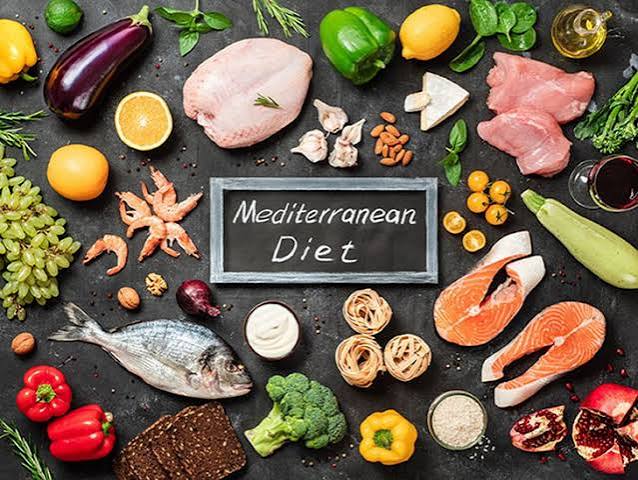
The standard Mediterranean diet is not perfectly aligned with CKD restrictions, particularly for potassium and phosphorus. Some traditionally Mediterranean foods — tomatoes, olives, citrus fruits, legumes — are moderate to high in potassium. However, the Mediterranean diet can be adapted for CKD without losing its core nutritional benefits:
Potassium adjustment: For CKD patients in stages 1 through 3a without hyperkalemia, the full Mediterranean diet can generally be consumed without potassium modification — these patients typically maintain adequate potassium excretion. For patients with confirmed hyperkalemia (serum potassium above 5.0–5.5 mEq/L), strategic substitutions preserve the Mediterranean pattern while reducing potassium: cauliflower for potatoes, apples and berries for oranges and bananas, green beans for tomatoes in cooked dishes, reduced tomato sauce portions (2 tablespoons rather than half a cup), and careful portioning of legumes. The core olive oil, fresh fish, garlic, onion, herbs, and fresh vegetables backbone of the Mediterranean diet remains intact even with these modifications. The potassium and kidney disease guide provides more detail on managing potassium while preserving plant food intake.
Phosphorus adjustment: The Mediterranean diet is naturally lower in inorganic phosphate additives (a primary driver of hyperphosphatemia in CKD) because it centers on fresh, minimally processed foods. Dairy, which is a significant phosphorus source in Mediterranean cultures, can be moderated to one serving per day or replaced with plant-based alternatives. Legumes, which contain phytate-bound phosphorus with low bioavailability, are generally tolerated even in stage 3–4 CKD from a phosphorus perspective. The phosphorus and kidney disease guide covers how to identify and prioritize the reduction of inorganic phosphate additives.
Sodium adjustment: Traditional Mediterranean cooking uses herbs, lemon, garlic, and spices for flavor rather than salt — a characteristic that aligns perfectly with the sodium restriction needed in CKD. The 1,500 to 2,000 mg sodium target recommended for CKD patients is achievable in a Mediterranean pattern focused on fresh ingredients and herb-based seasoning. The low-sodium eating for kidney health guide covers specific strategies for achieving Mediterranean-style cooking without excess sodium.
Protein adjustment: The Mediterranean diet’s naturally moderate protein intake — emphasizing fish, legumes, and moderate poultry over daily red meat — aligns well with the protein moderation recommended in non-dialysis CKD (0.6–0.8 g/kg/day). For dialysis patients requiring higher protein (1.2 g/kg/day), the protein-rich elements of the Mediterranean diet — fish, legumes, and eggs — can be increased while maintaining the overall dietary pattern.
Key Mediterranean Foods for Kidney Health
Several foods that are central to the Mediterranean diet deserve specific attention for their kidney-protective properties:
Extra-virgin olive oil is the most distinctive component of the Mediterranean diet and one of its most medically important. It provides oleic acid (a monounsaturated fatty acid that reduces LDL oxidation and improves insulin sensitivity), oleocanthal (a natural COX inhibitor with anti-inflammatory effects comparable to ibuprofen at high doses), and vitamin E. It is sodium-free, phosphorus-free, and potassium-free — an unrestricted addition to any CKD diet. Clinical studies have shown that substituting olive oil for saturated and trans fats reduces blood pressure, improves lipid profiles, and reduces inflammatory markers in CKD patients.
Fatty fish — particularly sardines, mackerel, salmon, and anchovies — provide EPA and DHA omega-3 fatty acids with documented anti-inflammatory effects in CKD. Several randomized controlled trials have tested omega-3 supplementation in CKD and found reductions in proteinuria, blood pressure, and inflammatory markers. Fresh fatty fish provides these fatty acids alongside high-quality protein with favorable phosphorus content. The best foods for kidney health guide covers fish selection for CKD in detail.
Tomatoes and tomato products are high in lycopene — a carotenoid antioxidant with particularly strong evidence for reducing oxidative stress in kidney tissue. The concern about tomatoes in CKD relates to their potassium content (approximately 290 mg per medium tomato, 400 mg per half cup of tomato sauce). For CKD patients with normal serum potassium, tomatoes are an unambiguous benefit. For patients on potassium restriction, smaller portions (two tablespoons of tomato sauce, cherry tomatoes as a garnish rather than a base) preserve most of the lycopene benefit within a potassium budget.
Nuts and seeds provide vitamin E, plant sterols, magnesium, and anti-inflammatory fats. They are moderately high in phosphorus (phytate-bound and poorly absorbed) and potassium, so portion control is appropriate in advanced CKD with restriction. For CKD patients in earlier stages with normal mineral levels, a small daily serving of walnuts or almonds (approximately one ounce) contributes meaningfully to the overall anti-inflammatory and cardiovascular protective profile of a Mediterranean diet.
Legumes — lentils, chickpeas, white beans, and fava beans in traditional Mediterranean cooking — provide plant protein, soluble fiber, folate, and phytate-bound phosphorus. They are the primary protein anchor of days when fish and poultry are not consumed. For CKD patients with normal potassium, legumes can be used generously. For patients on potassium restriction, lentils and chickpeas in half-cup portions with monitoring of serum potassium trends represent a practical compromise between kidney-protective plant protein and potassium management.
A Mediterranean Week for CKD Patients
Implementing the Mediterranean diet does not require Mediterranean recipes or specialty ingredients. The principles translate easily into practical meals:
Monday: Breakfast — plain oatmeal with blueberries and walnuts. Lunch — large green salad with cucumbers, red bell pepper, olive oil, lemon, and two boiled egg whites. Dinner — grilled salmon fillet with roasted cauliflower and couscous, drizzled with olive oil and fresh herbs.
Wednesday: Breakfast — egg white scramble with onion, garlic, and a small amount of feta (one teaspoon) on white toast. Lunch — lentil soup with carrots, celery, and garlic. Dinner — baked cod with olive oil, lemon, garlic, and steamed green beans, served with white rice.
Friday: Breakfast — fresh fruit salad (apples, grapes, strawberries) with a drizzle of honey. Lunch — chickpea salad with cucumber, red onion, olive oil, and vinegar. Dinner — grilled chicken (fresh, unenhanced) with roasted red and yellow bell peppers, asparagus, and white pasta tossed in olive oil and garlic.
These examples reflect Mediterranean diet principles — olive oil as the primary fat, vegetables at every meal, fish and legumes as primary proteins, minimal processed food — while staying within the potassium and phosphorus parameters appropriate for most CKD stages 3 through 4. Potassium modifications (smaller tomato portions, cauliflower for potatoes, no oranges) are built in. The kidney-friendly diet beginner’s guide provides the foundational CKD dietary framework within which Mediterranean pattern eating fits.
Mediterranean Diet vs DASH Diet in CKD
Both the Mediterranean diet and the DASH diet (Dietary Approaches to Stop Hypertension) are recommended for CKD patients, and they overlap considerably — both emphasize vegetables, fruits, whole grains, lean protein, and healthy fats while limiting sodium, saturated fat, and processed foods. The key difference is emphasis: the DASH diet was specifically designed to reduce blood pressure and places heavy emphasis on sodium restriction and high potassium intake from specific food sources (originally including dairy as a primary source), while the Mediterranean diet has a broader anti-inflammatory and cardiovascular focus with olive oil and fatty fish as distinctive components.
For CKD patients, the DASH diet as originally designed is not ideal because its recommended high dairy and high potassium foods overlap with some CKD restrictions. A modified DASH approach — focusing on the blood pressure-reducing elements (sodium reduction, increased fruits and vegetables, reduced saturated fat) while moderating dairy and monitoring potassium — aligns well with CKD needs. The DASH diet and kidney health guide covers the CKD-specific adaptations in detail. Many nephrology nutrition recommendations now favor an integrated Mediterranean-DASH approach — capturing olive oil, fatty fish, and polyphenol-rich plant foods from the Mediterranean tradition alongside the blood pressure focus of DASH — as the optimal dietary pattern for CKD patients.
Conclusion
The Mediterranean diet provides a comprehensive, evidence-based framework for kidney-protective eating that addresses multiple pathways of CKD progression simultaneously: blood pressure, inflammation, oxidative stress, metabolic acidosis, glycemic control, and cardiovascular risk. Its alignment with kidney health is not accidental — the same features that protect the heart protect the kidneys, and the cardiovascular mortality that kills most CKD patients is precisely what the Mediterranean diet addresses most powerfully.
Adapting the Mediterranean diet for CKD restrictions — moderating potassium-concentrated foods when serum potassium requires it, choosing fresh over processed proteins, using olive oil generously, centering meals on vegetables and fresh fish — preserves its health benefits while fitting within the clinical parameters your nephrologist establishes. Work with your nephrology team to determine which specific restrictions apply to your current CKD stage and lab values, and build Mediterranean eating principles within those parameters progressively.
Olive Oil — The Defining Component of Mediterranean Kidney Protection
Among all the components of the Mediterranean diet, extra-virgin olive oil deserves particular attention for CKD patients because its benefits extend beyond general cardiovascular protection into mechanisms that directly matter for kidney health. Oleocanthal, a phenolic compound in extra-virgin olive oil, inhibits both COX-1 and COX-2 inflammatory enzymes — the same enzymes targeted by ibuprofen and naproxen — providing natural anti-inflammatory activity without the renal vasoconstriction that makes NSAIDs dangerous in CKD patients. Unlike NSAIDs, oleocanthal does not reduce renal blood flow or promote sodium and water retention. For CKD patients who cannot safely use anti-inflammatory medications, the consistent daily use of extra-virgin olive oil as a cooking base and dressing provides a chronic low-level anti-inflammatory effect that accumulates meaningfully over months and years.
Olive oil’s effect on endothelial function is also clinically relevant in CKD. The endothelium — the inner lining of blood vessels — is severely impaired in CKD patients due to uremic toxins, oxidative stress, and chronic inflammation. Impaired endothelial function reduces the kidney’s ability to autoregulate its blood supply and contributes to the progression of glomerular injury. Clinical studies in CKD populations have documented that regular olive oil consumption improves endothelial function markers including flow-mediated dilation — a measure of how well arteries can dilate in response to increased blood flow. This vascular benefit complements the blood pressure-lowering effect of the broader Mediterranean pattern to reduce the hemodynamic stress that accelerates CKD progression.
Mediterranean Diet, Gut Health, and the Kidney-Protective Microbiome
The gut microbiome of CKD patients differs dramatically from that of healthy individuals — reduced bacterial diversity, depleted fiber-fermenting species, and overgrowth of bacteria that produce uremic toxins including indoxyl sulfate and p-cresyl sulfate. These uremic toxins accumulate in CKD, directly damage kidney tubular cells, and are associated with faster progression to kidney failure and higher cardiovascular mortality. The Mediterranean diet directly addresses this microbiome dysbiosis through its high plant fiber content, which feeds the beneficial bacteria that compete with uremic toxin-producing species.
Polyphenols from Mediterranean foods — anthocyanins from berries and red grapes, oleuropein from olive oil, lycopene from tomatoes, quercetin from onions and apples — reach the colon mostly unabsorbed and serve as substrates for microbiome fermentation. Polyphenol fermentation produces additional short-chain fatty acids and directly modifies microbiome composition toward species that produce anti-inflammatory compounds. Research published in the Journal of Nutritional Biochemistry has demonstrated that Mediterranean diet adherence shifts the microbiome toward a composition characterized by higher Faecalibacterium prausnitzii (a primary butyrate producer) and reduced uremic toxin-generating Clostridiales — changes that correlate with lower serum indoxyl sulfate levels. For CKD patients, this gut microbiome benefit represents one of the most direct pathways through which Mediterranean diet adherence protects kidney function independently of blood pressure and lipid effects. The plant-based eating and kidney health guide explores the gut-kidney axis in detail as a complementary reference.
Sources: Estruch R et al., “Primary Prevention of Cardiovascular Disease with a Mediterranean Diet,” New England Journal of Medicine (2013); Huang X et al., “Mediterranean Diet, Kidney Function, and Mortality in Men with CKD,” Clinical Journal of the American Society of Nephrology (2013); Kalantar-Zadeh K & Fouque D, “Nutritional Management of Chronic Kidney Disease,” NEJM (2017); PREDIMED Trial Investigators; National Kidney Foundation; American Journal of Kidney Diseases.