
Caffeine and Bladder Symptoms: What the Evidence Shows
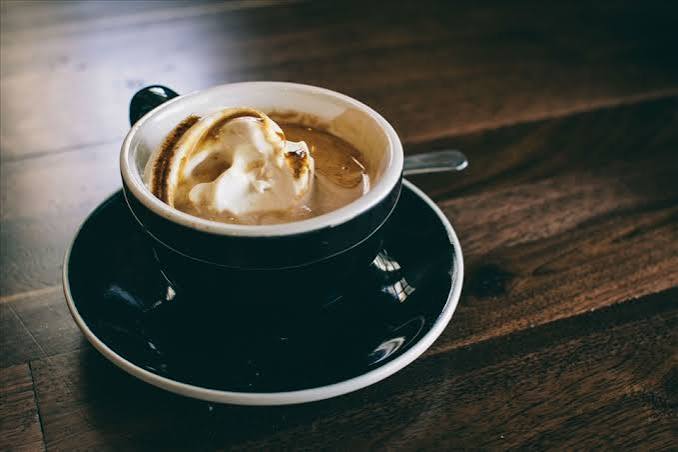
Caffeine is the most widely consumed psychoactive substance in the world, present in coffee, tea, cola, energy drinks, pre-workout supplements, chocolate, and numerous medications. For the majority of adults it is a daily ritual that improves alertness and mood without obvious adverse effects — but for a substantial minority, particularly those with overactive bladder (OAB), urgency urinary incontinence, interstitial cystitis/bladder pain syndrome (IC/BPS), or simply a bladder sensitive to irritants, caffeine is one of the most consistently and directly provocative dietary factors affecting urinary symptoms. The evidence for caffeine’s effects on bladder function is mechanistically well-understood, clinically well-documented, and practically actionable: caffeine increases urine production, directly irritates the bladder wall, lowers the urgency threshold, and worsens the frequency-urgency-leakage cycle in susceptible individuals — effects that are dose-dependent and substantially reversible through caffeine reduction or elimination. Understanding exactly how caffeine affects the bladder, which conditions are most sensitized to it, and what a practical reduction strategy looks like gives any adult with caffeine-associated bladder symptoms the evidence base to make an informed decision about one of the most modifiable factors in their urinary health.
The relationship between caffeine and bladder symptoms is not universal — caffeine’s bladder effects are dose-dependent, condition-dependent, and individually variable. Many adults with normal bladder function drink coffee in moderate quantities (1 to 2 cups per day) without meaningful urinary symptoms and would not benefit measurably from caffeine reduction. The population for whom caffeine reduction is a high-priority intervention includes: individuals with overactive bladder (OAB), where caffeine’s urgency-lowering effect directly amplifies the pathological urgency that characterizes OAB; individuals with urgency urinary incontinence, where caffeine’s combined diuretic and irritant effects increase both bladder fill rate and urgency intensity, increasing leakage episodes; individuals with interstitial cystitis/bladder pain syndrome, who are exquisitely sensitive to all dietary bladder irritants including caffeine; individuals with stress urinary incontinence and high fluid intake (caffeine’s diuretic effect increases bladder fill rate and the frequency of the increased-intra-abdominal-pressure moments that cause leakage); individuals with nocturia, where caffeine consumed in the afternoon or evening worsens nighttime urine production and urgency; and individuals who notice a clear temporal relationship between caffeine consumption and worsening urgency, frequency, or leakage even without a formal diagnosis.
How Caffeine Affects the Bladder: The Two Mechanisms
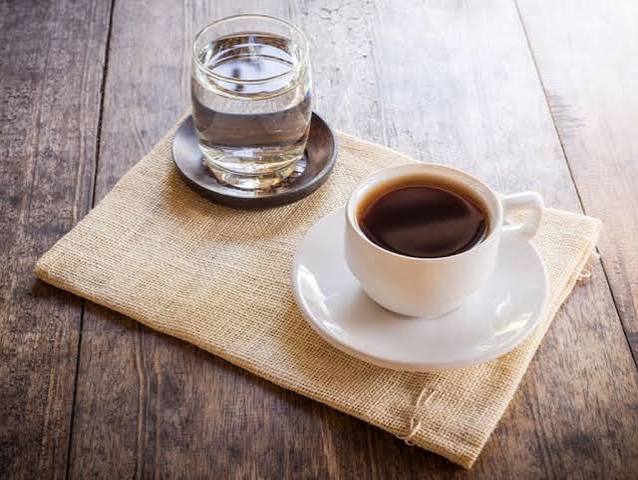
Caffeine exerts its bladder effects through two distinct and additive mechanisms — a systemic diuretic effect on kidney function and a direct local irritant effect on the bladder wall. Understanding both mechanisms explains why caffeine affects urinary symptoms so consistently and why the effects are dose-dependent rather than threshold-based.
Mechanism 1: Diuretic effect (adenosine receptor blockade in the kidney). Caffeine’s primary mechanism of action in the central nervous system — antagonism of adenosine receptors — extends to adenosine receptors in the renal tubules. Adenosine normally promotes sodium and water reabsorption in the renal tubules; caffeine’s adenosine receptor blockade inhibits this reabsorption, increasing urinary sodium and water excretion. The net result is a modest diuretic effect: caffeine increases urine output by approximately 10 to 20% at typical dietary doses (100 to 300 mg, equivalent to 1 to 3 cups of brewed coffee), and by larger amounts at higher doses. This diuretic effect means caffeine directly increases bladder fill rate — the bladder reaches functional capacity more quickly after caffeine consumption than after equivalent volumes of water — reducing the time between voids and increasing total daily void frequency. For individuals who consume multiple caffeinated beverages throughout the day (a pattern common among high coffee or energy drink consumers), the cumulative diuretic effect can add hundreds of milliliters of urine production above baseline, meaningfully increasing urinary frequency and contributing to nocturia when caffeine is consumed in the afternoon or evening. It is worth noting that habitual caffeine consumers develop partial tolerance to the diuretic effect over days to weeks of regular consumption — chronic coffee drinkers experience a smaller diuretic increment from their morning coffee than occasional caffeine consumers — but the diuretic effect does not fully disappear with habituation in most individuals, particularly at higher doses.
Mechanism 2: Direct bladder irritant effect (TRPV1 and afferent nerve sensitization). Independent of its kidney effects, caffeine directly sensitizes bladder sensory (afferent) nerves through multiple pharmacological mechanisms. Caffeine activates transient receptor potential vanilloid type 1 (TRPV1) channels on bladder urothelial cells and sub-urothelial afferent nerve terminals — the same receptor activated by capsaicin in spicy foods and heat — increasing the release of substance P, nerve growth factor (NGF), and other nociceptive and sensitizing mediators that amplify bladder afferent signaling. Caffeine also directly inhibits phosphodiesterase enzymes in bladder smooth muscle (increasing intracellular cyclic AMP), and mobilizes intracellular calcium in urothelial cells through ryanodine receptor activation — pharmacological effects that contribute to detrusor irritability and reduced urgency threshold. The net effect of these mechanisms is to lower the urgency threshold — the bladder volume at which urgency is first perceived — and to increase urgency intensity at any given bladder volume. In susceptible individuals (particularly those with OAB or IC/BPS, in whom bladder afferent nerves are already sensitized through underlying pathophysiology), caffeine’s direct irritant effect can produce meaningful urgency, frequency, and pain at modest doses. This direct irritant mechanism is not subject to the same habituation that attenuates the diuretic effect, which explains why long-term coffee drinkers often report persistent urgency sensitivity to caffeine even after years of regular consumption.
What the Clinical Evidence Shows
Clinical research on caffeine and bladder symptoms spans observational epidemiology, patient survey data, and a smaller number of interventional trials. The epidemiological literature consistently shows an association between higher caffeine intake and greater OAB symptom severity, higher urgency incontinence episode frequency, and more severe nocturia. A large analysis from the Nurses’ Health Study showed that women consuming more than 450 mg of caffeine per day (approximately 4 to 5 cups of brewed coffee) had a 70% higher risk of urgency incontinence compared to non-consumers, with a dose-response relationship across the range of caffeine intake. Patient survey studies consistently show caffeine as the most commonly reported bladder-irritating dietary factor by patients with OAB and IC/BPS — more consistently identified than even spicy foods, acidic foods, or alcohol. The interventional evidence is more limited but directionally consistent: two randomized controlled trials of caffeine reduction in women with OAB demonstrated significant reductions in 24-hour void frequency (by 1 to 2 voids per day) and urgency episodes with caffeine reduction to below 100 mg per day, with improvements proportional to baseline caffeine intake. A reduction from 400 to 400+ mg/day to below 100 mg/day produces greater absolute symptom improvement than a reduction from 200 to under 100 mg/day, consistent with the dose-response relationship observed in the epidemiological data. For authoritative evidence-based guidance on OAB management including dietary modification, the AUA OAB clinical guidelines recommend caffeine reduction as a first-line behavioral modification. The NIDDK bladder control resource lists caffeine reduction among key lifestyle modifications for urinary frequency and urgency. The StatPearls OAB review covers the clinical evidence base for behavioral OAB interventions including dietary modification.
How Much Caffeine Is in Common Beverages?
Understanding the caffeine content of common beverages is necessary for any meaningful reduction strategy. Caffeine content varies widely between beverage types and even within categories depending on brewing method, bean type, and serving size — the range is far broader than most consumers appreciate. Brewed drip coffee: 95 to 200 mg per 8-oz cup (Starbucks Pike Place: approximately 235 mg per 12-oz “tall”; Starbucks “venti” 20-oz: approximately 415 mg). Espresso: 60 to 75 mg per 1-oz shot; a double espresso latte is therefore approximately 120 to 150 mg. Instant coffee: 60 to 80 mg per 8-oz cup (approximately half the caffeine of brewed coffee, making it a useful transitional beverage for people reducing their caffeine load). Black tea: 40 to 70 mg per 8-oz cup; green tea: 20 to 45 mg; white tea: 15 to 30 mg; herbal teas: typically 0 mg (though some blends with “energy” marketing contain added caffeine). Cola drinks: 30 to 45 mg per 12-oz can; diet cola is similar. Energy drinks: highly variable, from 80 mg (Red Bull 8.4 oz) to 300+ mg in larger formats. Pre-workout supplements: 150 to 300 mg per serving, often the single highest-caffeine item in a person’s daily intake. Chocolate: 10 to 50 mg per serving (dark chocolate contains more caffeine than milk chocolate). Caffeine-containing medications: headache remedies (Excedrin: 65 mg per tablet), cold medications, and stimulant medications may contribute meaningfully to daily caffeine intake and are often overlooked in caffeine diaries. A clinically meaningful caffeine reduction target for most OAB patients is under 100 mg per day — which for many coffee drinkers means switching from 3 to 4 cups of brewed coffee to 1 cup of instant or half-strength coffee, or switching to green or white tea.
Practical Caffeine Reduction Strategy
Abrupt caffeine cessation in habitual consumers (those drinking more than 150 to 200 mg per day regularly) produces caffeine withdrawal syndrome: headache (the most prominent symptom, arising from rebound cerebral vasodilation after caffeine’s vasoconstrictive effect is removed), fatigue, irritability, difficulty concentrating, and nausea. Withdrawal symptoms typically begin 12 to 24 hours after the last caffeine dose, peak at 20 to 51 hours, and resolve within 2 to 9 days with full cessation. While withdrawal is not dangerous, it is sufficiently uncomfortable that many patients who attempt abrupt caffeine cessation for bladder health reasons discontinue the attempt within the first few days. A gradual reduction strategy — reducing intake by 25 to 50 mg per week — prevents significant withdrawal symptoms while achieving clinically meaningful reduction over 4 to 8 weeks and is better tolerated than abrupt cessation. Practical reduction steps include: switching from large to standard sizes; replacing one daily caffeinated beverage with decaffeinated or herbal alternatives; progressively diluting caffeinated with decaffeinated (50/50 mixes are indistinguishable in taste to most coffee drinkers); shifting remaining caffeine consumption to earlier in the day (before 2 pm, to minimize the afternoon caffeine effect on evening urgency and nighttime urine production); and replacing afternoon caffeinated beverages with herbal teas, which provide the ritual of a hot beverage without bladder irritant effects. For patients with OAB or urgency incontinence, the symptom response to caffeine reduction typically becomes apparent within 1 to 2 weeks of meaningful dose reduction and provides an objective motivating signal for continued reduction. The broader context of dietary and lifestyle strategies for bladder health is covered in the bladder health tips guide on Horizon Health Guide, and the specific symptom patterns of OAB — including urgency, frequency, and nocturia — are covered in detail in the overactive bladder symptoms guide. For patients whose bladder symptoms include significant pelvic pain alongside urgency and frequency, the bladder pain causes guide covers IC/BPS and other conditions associated with dietary bladder sensitivity. For those wondering whether their bladder symptoms warrant clinical evaluation beyond dietary modification, the when bladder symptoms need evaluation guide provides guidance on which symptoms should prompt a clinician visit.
Sources: NIDDK — Bladder Control · AUA OAB Guidelines · StatPearls — OAB
Caffeine and Nocturia: The Night-Time Problem
Nocturia — waking from sleep one or more times to void — is one of the most impactful urinary symptoms for sleep quality, daytime functioning, and fall risk in older adults, and caffeine is a particularly important modifiable contributor to nocturnal urinary frequency that is often overlooked in nocturia evaluation. Caffeine contributes to nocturia through three mechanisms: the diuretic effect of caffeine consumed during the day adds to 24-hour urine volume and the proportion of that volume produced during recumbency at night; caffeine consumed in the afternoon or evening — when its diuretic effect is still active during the sleep period — directly increases nocturnal urine production; and caffeine’s arousal-promoting effect in the central nervous system reduces sleep depth and increases nocturnal awakenings, meaning a person who would not have been woken by mild bladder filling at a deeper sleep stage is now awoken at a lower bladder volume due to caffeine-disrupted sleep architecture.
The half-life of caffeine in the body is approximately 5 to 7 hours in healthy adults (and substantially longer — up to 10 hours — in older adults, pregnant women, and individuals taking certain medications including oral contraceptives and some antibiotics). This means that a 200 mg dose of caffeine consumed at 2:00 pm leaves 100 mg biologically active at 9:00 pm and 50 mg at bedtime for most adults — still sufficient to measurably affect sleep architecture and urine production during the first portion of the sleep period. For adults with nocturia, a practical guideline is to consume no caffeine after 1:00 to 2:00 pm, which allows approximately 3 half-lives between the last caffeine dose and the first sleep cycle and minimizes the nocturnal caffeine burden. Individuals with a longer caffeine half-life (older adults, those on interacting medications) may need to move this cutoff earlier — to noon or even the morning — to minimize nocturia from afternoon caffeine. The broader management of nocturia, including non-caffeine causes such as nocturnal polyuria, reduced bladder capacity from OAB or BPH, and sleep apnea, is covered in the frequent nighttime urination guide on Horizon Health Guide.
Caffeine and IC/BPS: The Most Sensitive Population
Patients with interstitial cystitis/bladder pain syndrome (IC/BPS) represent the population most acutely sensitive to caffeine’s bladder effects and the one in whom caffeine elimination (not just reduction) is most strongly recommended. IC/BPS is characterized by urothelial barrier dysfunction and sensitization of bladder afferent nerves — the two mechanisms through which caffeine exerts its direct bladder irritant effects — meaning the irritant signal from caffeine reaches a bladder wall that is already more permeable, more inflamed, and more neurologically sensitized than a healthy bladder. The result is that caffeine doses tolerated without symptom impact by healthy individuals or even OAB patients produce disproportionate pain, urgency, and frequency in IC/BPS patients. Patient surveys consistently show caffeine (specifically coffee) as among the top three or four foods most consistently associated with IC/BPS flares, alongside alcohol, carbonated beverages, and acidic foods. Even decaffeinated coffee is frequently reported as an IC/BPS trigger — the acidic pH of coffee and its numerous non-caffeine compounds (including various polyphenols, tannins, and chlorogenic acids) are independent bladder irritants in patients with compromised urothelial barrier function, meaning that for IC/BPS patients, the goal should be elimination of coffee itself rather than simply switching to decaffeinated.
The IC/BPS elimination diet — systematic removal of all major dietary bladder irritants followed by structured reintroduction — is the recommended approach to identifying individual dietary triggers, and caffeine-containing and acidic beverages are typically the first category eliminated because of their high probability of contributing to symptoms. Because IC/BPS dietary sensitivity is highly individual (some patients can tolerate small amounts of caffeine while others react to trace quantities in decaffeinated beverages or chocolate), the elimination-reintroduction approach is more informative than generic restriction and allows the patient to develop a personalized dietary map of their specific triggers. The comprehensive overview of IC/BPS — including dietary management — is covered on this site in a dedicated article, and the bladder pain causes guide on Horizon Health Guide covers the full differential diagnosis of chronic bladder pain including IC/BPS within the broader spectrum of conditions that produce pelvic pain and urinary symptoms.
Decaffeinated Coffee and Other “Safe” Alternatives
Decaffeinated coffee contains approximately 2 to 15 mg of caffeine per 8-oz cup (well below the threshold for significant diuretic or urgency effects in most adults with OAB), making it an acceptable substitute for caffeinated coffee in most OAB patients who find that caffeine reduction below 100 mg per day improves their symptoms. The residual caffeine in decaf coffee is generally insufficient to produce meaningful bladder effects on its own at usual serving sizes, though patients at the most sensitive end of the OAB spectrum or with IC/BPS may notice effects even from decaffeinated beverages through the non-caffeine bladder-irritant compounds in coffee. For these highly sensitive patients, the safest alternatives are: herbal teas (chamomile, peppermint, ginger, rooibos — all caffeine-free and generally bladder-neutral in most patients), still water, diluted non-acidic juices (pear, watermelon), and milk or non-dairy milk alternatives. Strong black tea, green tea, and white tea all contain meaningful caffeine and should be reduced alongside coffee for patients undergoing caffeine reduction. Herbal “bladder health” teas containing corn silk, marshmallow root, or uva ursi are marketed for bladder comfort but have minimal clinical evidence; they are unlikely to cause harm in most patients but should not be expected to produce meaningful symptom improvement in OAB or IC/BPS beyond the caffeine elimination achieved by replacing caffeinated beverages with any caffeine-free alternative. The intersection of diet, fluid intake, and bladder symptoms is addressed comprehensively in the bladder health tips guide on Horizon Health Guide, and the urgency and frequency patterns that caffeine worsens are described in the context of OAB pathophysiology in the overactive bladder symptoms and causes guide.
Stress Incontinence and Caffeine: A Less-Discussed Connection
While caffeine’s relationship with OAB and urgency incontinence is the most widely discussed and best-evidenced, there are also mechanistic reasons why caffeine may worsen stress urinary incontinence — the type of incontinence caused by physical pressure events (coughing, sneezing, lifting, impact exercise) rather than urgency. The primary mechanism is indirect: caffeine’s diuretic effect increases bladder fill rate and urine volume, meaning the bladder is fuller (and therefore under greater internal pressure) during more of the day and during more pressure events. Stress leakage occurs when a sudden intra-abdominal pressure surge exceeds urethral closure pressure at the moment it occurs — the fuller the bladder at that moment, the greater the intravesical pressure that the urethral closure mechanism must resist, and the greater the probability that a given cough or sneeze produces leakage. Reducing bladder fill volume through caffeine reduction means that any given pressure event occurs with a lower baseline bladder volume, reducing the probability of leakage without any change in the underlying urethral closure strength or pelvic floor function. This explains why caffeine reduction often produces modest improvements in stress incontinence frequency even in patients whose primary mechanism is sphincter weakness rather than OAB — the improvement is not through a change in the incontinence mechanism but through a reduction in the bladder volume at which pressure events occur. Patients with mixed urinary incontinence (which has both stress and urgency components) benefit from caffeine reduction through both mechanisms simultaneously: less urgency-triggered leakage through the direct irritant reduction, and less stress-triggered leakage through the reduced bladder fill volume effect. For the full clinical picture of how stress and urgency incontinence differ and how both are managed, the stress incontinence vs urge incontinence guide provides a detailed comparison of mechanisms and treatment approaches across both types.
I’ve had OAB for about 8 years and my urologist always mentioned cutting back on caffeine but never explained the actual mechanism — just ‘caffeine irritates the bladder.’ The explanation of the two separate mechanisms here — the kidney diuretic effect versus the direct TRPV1 nerve sensitization — finally made it click why my urgency was worse than my voiding frequency suggested it should be. I was drinking about 4 cups of coffee a day plus a couple of Diet Cokes in the afternoon. I reduced to one cup of coffee in the morning over about 6 weeks and the afternoon urgency spikes I used to get — the ones that sometimes caused leakage before I could get to the bathroom — have essentially disappeared. The urgency in general is maybe 40% better. I haven’t started medications yet and I’m hoping this level of improvement plus some pelvic floor work might be enough.
Excellent mechanistic breakdown of caffeine’s dual effects on bladder function. The distinction between the diuretic mechanism (adenosine receptor blockade in the renal tubule) and the direct sensitizing mechanism (TRPV1 activation and phosphodiesterase inhibition in the bladder wall) is important for understanding why caffeine reduction works even in patients who don’t increase their total fluid intake as a compensatory measure — they’re addressing both the volume and the sensitivity components simultaneously. The note about decaffeinated coffee still being an IC/BPS trigger through non-caffeine compounds is clinically important and frequently missed — patients who switch to decaf expecting complete symptom relief from the beverage category are often disappointed, and understanding that the acidity and polyphenol content of coffee are independent irritants sets realistic expectations for the IC/BPS population.
Dr. Sinclair, the IC/BPS decaf point is one of the most practically important distinctions for patients navigating dietary modification in that population — the expectation that decaffeinated coffee is ‘safe’ because it removes the caffeine misses the other irritant compounds that remain, and patients who switch to decaf without symptom improvement sometimes conclude incorrectly that dietary modification doesn’t work for them rather than recognizing that the coffee itself (not only the caffeine) is the issue. The elimination diet approach — removing the entire food category first, then reintroducing components systematically — is more informative than substituting decaf for caffeinated. James, the improvement you describe is very consistent with what the intervention trials show — the direct irritant reduction tends to improve urgency intensity and the frequency-urgency cycle within 1 to 2 weeks of meaningful caffeine reduction, while the baseline voiding frequency reduction from the diuretic effect reduction takes a few more weeks to plateau. Adding pelvic floor training for urge suppression alongside caffeine reduction is likely to produce further improvement and may be sufficient to avoid or delay medication.