
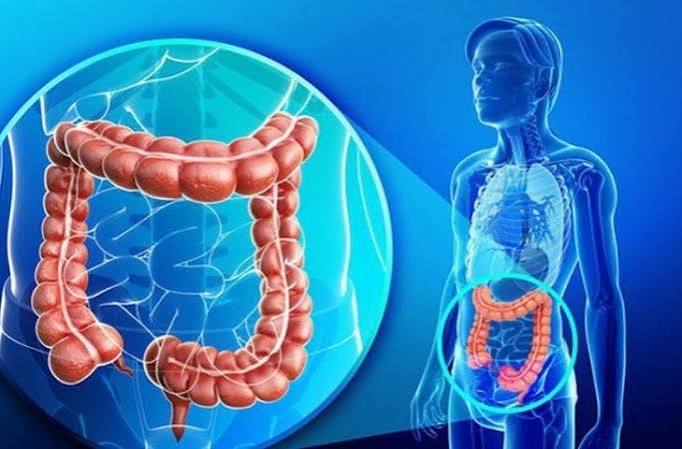
Irritable bowel syndrome (IBS) is one of the most common gastrointestinal conditions worldwide, affecting an estimated 10 to 15 percent of the global population. It is also one of the most misunderstood — often dismissed as “just stress,” sometimes described as though it were a structural gut disease, and frequently undertreated because its mechanisms are not visible on standard investigations. This guide explains what IBS actually is, how it is diagnosed, what causes it, and what the current evidence says about its most effective treatments.
What Is Irritable Bowel Syndrome?
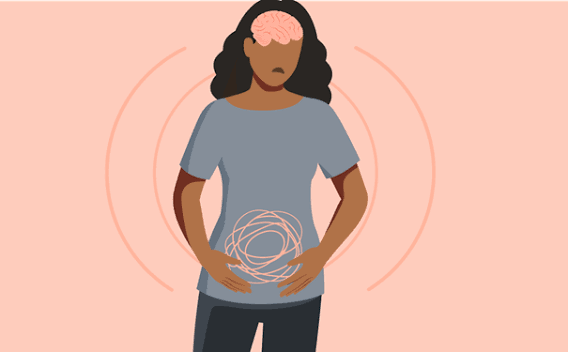
Irritable bowel syndrome is classified as a disorder of gut-brain interaction — a functional gastrointestinal condition characterised by recurring abdominal pain and changes in bowel habit that cannot be explained by structural or biochemical abnormalities on investigation.
This classification matters for several reasons:
IBS is not a structural disease. A colonoscopy in someone with IBS typically shows a normal mucosa — no polyps, ulcers, or inflammation. The diagnosis does not mean “nothing is wrong” — it means the problem lies in how the gut and brain are communicating, not in visible damage to gut tissue. For a deeper explanation of this communication system, see our article on the gut-brain connection.
IBS does not progress to inflammatory bowel disease (IBD) such as Crohn’s disease or ulcerative colitis, and does not increase the risk of colorectal cancer. These are among the most common concerns of people newly diagnosed with IBS — both can be clearly addressed.
IBS affects approximately 10–15% of the global population, making it the most common gastrointestinal condition seen in primary care. It is more common in women than men (approximately 2:1 ratio) and is most commonly diagnosed before age 50. In older adults, new-onset bowel symptoms warrant investigation rather than an assumed IBS diagnosis.
IBS Symptoms
The core symptom of IBS is recurrent abdominal pain associated with a change in bowel habit. The Rome IV diagnostic criteria define IBS as recurrent abdominal pain averaging at least one day per week over the last three months, associated with at least two of:
- Related to defecation (pain improves or worsens when opening the bowels)
- Associated with a change in stool frequency
- Associated with a change in stool form (looser, harder, or more variable than normal)
Beyond the core criteria, people with IBS commonly experience:
- Bloating and distension — often worse through the day, relieved overnight
- Urgency — a sudden compelling need to defecate, particularly in IBS-D
- Incomplete evacuation — the sensation that a bowel movement has not been fully completed
- Excessive mucus in the stool
- Variable stool consistency — ranging from hard pellets to watery stools, sometimes in the same day
IBS Subtypes
IBS-C (constipation-predominant): More than 25% of stools are hard or lumpy; fewer than 25% are loose. Characterised by infrequent, difficult bowel movements and significant bloating. More common in women.
IBS-D (diarrhoea-predominant): More than 25% of stools are loose or watery; fewer than 25% are hard. Characterised by urgency, frequency, and loose stools. More common in men.
IBS-M (mixed): More than 25% hard AND more than 25% loose — significant variability within and between days. Often the most functionally disruptive subtype.
IBS-U (unclassified): Meets IBS criteria but stool consistency does not clearly fit the above categories.
Subtype is not fixed — many people shift between subtypes over time, which is why treatment plans should be flexible.
What Causes IBS?
IBS does not have a single cause. Multiple contributing mechanisms interact, and the combination varies between individuals:
Visceral hypersensitivity is the most consistently demonstrated mechanism. Stress and other triggers sensitise pain receptors in the gut wall, and the central nervous system amplifies gut pain signals. Normal gut events — the stretch of a full meal, ordinary gas passage — are perceived as painful. This explains why colonoscopy can show no damage while pain is simultaneously severe. The role of stress in digestive symptoms is explored in detail in our dedicated article.
Altered gut motility — peristalsis that is too fast (IBS-D) or too slow (IBS-C), or disorganised — contributes to most subtypes.
Gut microbiome dysbiosis — reduced diversity, lower Bifidobacterium and Lactobacillus, altered SCFA production — is consistently found in IBS versus healthy controls.
Low-grade mucosal inflammation: elevated mast cell counts and increased serotonin-producing cells sensitise gut afferents without producing the frank inflammation visible in IBD.
Post-infectious IBS develops after acute gastroenteritis in approximately 10–30% of cases. For more on how the gut microbiome interacts with these pathways, see our articles on probiotics and gut health and prebiotics.
IBS Triggers
Dietary triggers: High-FODMAP foods — fermentable oligosaccharides, disaccharides, monosaccharides, and polyols — are the most evidence-based dietary trigger. FODMAPs are poorly absorbed short-chain carbohydrates fermented by gut bacteria, producing gas and drawing water into the colon. Common high-FODMAP foods include wheat, garlic, onion, legumes, apples, and stone fruits. Fatty and fried foods, caffeine, and alcohol also commonly trigger symptoms.
Stress and psychological factors: Psychological stress is the most consistent and common IBS trigger across subtypes. Stressful life events predict IBS onset; daily stress predicts symptom severity. Understanding how stress directly affects digestion is central to understanding IBS.
Hormonal changes: Many women with IBS report worsening symptoms around menstruation, consistent with sex hormone effects on gut motility and visceral sensitivity.
Infections and antibiotics: Gastroenteritis is a confirmed trigger for post-infectious IBS. Antibiotic courses that disrupt the gut microbiome can also precipitate or worsen IBS.
How Is IBS Diagnosed?
IBS is diagnosed clinically — by symptom history against the Rome IV criteria — not by a single diagnostic test. There is no blood test, imaging finding, or endoscopy result that confirms IBS.
The practical diagnostic approach involves symptom assessment against Rome IV criteria, exclusion of alarm features, and basic tests to rule out common mimics:
- Full blood count (FBC/CBC) — exclude anaemia or elevated white cell count
- C-reactive protein (CRP) — elevated inflammatory markers suggest IBD over IBS
- Coeliac serology (tTG-IgA) — coeliac disease closely mimics IBS symptoms
- Stool calprotectin — elevated levels suggest IBD or infection rather than IBS
- Thyroid function — thyroid disorders can mimic IBS bowel changes
Alarm features requiring investigation before diagnosis: blood in stool; unintentional weight loss; symptoms that wake the patient from sleep; new onset after age 50; family history of colorectal cancer or IBD; fever with GI symptoms. Colonoscopy is only indicated if alarm features are present.
IBS Treatment: Dietary Approaches
The low-FODMAP diet has the best evidence for IBS dietary management, with 50–70% of people reporting significant symptom improvement. It works in two phases:
Phase 1 (elimination, 4–6 weeks): All high-FODMAP foods are removed. Significant symptom improvement during this phase confirms dietary FODMAPs as a contributing trigger.
Phase 2 (reintroduction): FODMAP categories are reintroduced one by one to identify specific individual tolerances. Not all FODMAPs trigger symptoms in all people — the goal is identifying personal triggers rather than permanently eliminating everything. Working with a registered dietitian substantially improves outcomes.
Soluble fibre supplementation (psyllium/ispaghula husk) is a first-line recommendation for IBS-C. Soluble fibre absorbs water and softens stool without the fermentable components that worsen IBS-D. Learn more about the role of different fibre types in our article on fibre and digestive health.
Regular meal timing — three consistent meals per day without excessive gaps or very large portions — supports the gut’s circadian rhythm and reduces gut-brain dysregulation. Adequate hydration alongside dietary fibre is equally important, particularly when increasing fibre intake for IBS-C.
IBS Treatment: Psychological Approaches
Psychological therapies have the most consistent and durable evidence for IBS treatment, reflecting the condition’s gut-brain interaction nature.
Cognitive behavioural therapy (CBT) adapted for IBS achieves approximately 50% reduction in IBS symptom severity in RCTs, with effects maintained at 12-month follow-up. CBT targets catastrophic thinking patterns about gut symptoms (which worsen central sensitisation) and teaches practical stress management and symptom coping skills.
Gut-directed hypnotherapy achieves approximately 70% response rates in IBS clinical trials, comparable to the low-FODMAP diet. Effects persist at 12 months in approximately 70% of responders. The Manchester Protocol audio sessions make this intervention accessible outside specialist clinic settings.
Mindfulness-based stress reduction (MBSR) has moderate evidence for IBS symptom reduction and stronger evidence for quality of life improvement. These psychological interventions treat the gut-brain communication pattern directly — not simply comorbid anxiety.
IBS Treatment: Medications and Supplements
For IBS-C: Linaclotide and lubiprostone (prescription) increase intestinal fluid secretion and improve transit and pain. Prucalopride (prescription) is a serotonin 5-HT4 agonist that accelerates gut transit. Psyllium/ispaghula (OTC) is the first-line fibre supplement.
For IBS-D: Low-dose tricyclic antidepressants (amitriptyline 10–30mg) are the best-evidenced pharmacological treatment — they reduce gut pain signalling and slow transit. Loperamide (OTC) reduces stool frequency and urgency for symptom management. Rifaximin (non-absorbable antibiotic) has evidence for post-infectious IBS-D.
For pain/cramping: Peppermint oil (enteric-coated capsules) is a smooth muscle relaxant with consistent evidence for reducing IBS abdominal pain. Antispasmodics (mebeverine, hyoscine) provide modest cramping relief.
Medication manages symptoms rather than modifying the underlying disorder. Psychological and dietary interventions have more durable effects. Many people use medication for acute flares while pursuing longer-term interventions.
Living With IBS
Exercise: Regular moderate exercise is among the most reliable interventions for IBS symptom reduction. Exercise reduces HPA axis reactivity, improves vagal tone, increases gut microbiome diversity, and improves gut motility — addressing multiple IBS mechanisms simultaneously.
Sleep: Consistent sleep timing regulates the HPA axis rhythm, directly affecting gut stress reactivity. Poor or irregular sleep worsens IBS symptom frequency and severity.
Food and symptom journalling: Tracking meals, stress, sleep, and symptoms together reveals individual patterns that standard dietary advice misses. Apps including the Monash FODMAP app and GI Buddy are designed for this purpose.
IBS does not progress: People newly diagnosed often fear their symptoms represent early-stage IBD or cancer. Clear reassurance — that IBS is not IBD, does not progress to cancer, and does not cause structural damage — is one of the most therapeutically valuable things to understand. Fear of the condition itself worsens central sensitisation and symptom severity.
IBS and Quality of Life
The impact of IBS on quality of life is frequently underestimated by those who have not experienced it. For people with moderate to severe IBS, the condition is not merely an inconvenience — it is a chronic condition that shapes daily decisions, limits social activities, affects work performance, and significantly burdens mental health.
Studies measuring health-related quality of life in IBS consistently find impairment comparable to or exceeding that seen in conditions including GERD (gastro-oesophageal reflux disease), asthma, chronic migraine, and rheumatoid arthritis. People with severe IBS report missing more work days, attending more medical appointments, and having higher rates of anxiety and depression than people with many structurally defined diseases. The invisible nature of IBS — no test result to show, no visible pathology — can compound this, as people with IBS sometimes report feeling dismissed or disbelieved by healthcare providers, family members, and employers.
An estimated 13–14% average reduction in work productivity is attributed to IBS in studies using validated measures — a figure reflecting both presenteeism (reduced performance while at work) and absenteeism (missed days). For people in roles requiring reliable attendance or cognitive performance, this can have significant professional consequences.
Mental health comorbidity rates in IBS are high: approximately 40–70% of people seeking specialist care for IBS have a concurrent anxiety disorder, depression, or both. The directionality is bidirectional — anxiety and depression worsen IBS through HPA-gut pathways, while the burden and unpredictability of IBS worsens anxiety and depression. Treatment of comorbid mental health conditions alongside IBS-targeted interventions produces better outcomes than treating either in isolation.
One of the most therapeutically important aspects of IBS management is simply accurate information about the condition’s prognosis. Many people with IBS live with ongoing fear that their symptoms represent something more dangerous — cancer, IBD, progressive organ damage. This fear is unfounded and also harmful: health anxiety amplifies central sensitisation and worsens IBS symptom severity independently of the actual gut pathology. Clear, accurate reassurance — IBS does not progress to cancer or IBD, does not cause structural damage, and does not reduce life expectancy — reduces this burden and creates the psychological foundation for effective self-management.
IBS Across Different Ages and Groups
IBS is most commonly discussed in the context of adults aged 20–50, but it occurs across the lifespan and has specific features in different populations that are worth understanding.
Children and adolescents: Functional abdominal pain in children — the paediatric equivalent of IBS — is common, affecting approximately 10–15% of school-age children. School-related stress is the most consistent precipitant. Children with parental IBS are at higher risk, reflecting a combination of genetic gut-brain axis susceptibility and learned illness behaviours. Early effective management (which in children typically emphasises parental guidance, school liaison, and CBT) is associated with substantially better long-term outcomes than waiting for symptoms to resolve spontaneously.
Women: IBS affects women at approximately twice the rate of men. Menstrual cycle-linked symptom worsening is reported by many women with IBS, consistent with sex hormone effects on gut motility, visceral sensitivity, and the gut microbiome. IBS symptoms often worsen during perimenopause and may improve or stabilise after menopause — though individual variation is significant.
Older adults: New-onset bowel symptoms in adults over 50 require investigation to exclude colorectal cancer and IBD before an IBS diagnosis is assigned. In people with established long-term IBS, the condition often stabilises with age as HPA axis reactivity typically decreases. However, medication use increases with age, and the risk of drug-drug interactions with IBS medications (particularly tricyclic antidepressants and antispasmodics) warrants review by a clinician familiar with the patient’s full medication list.
People with comorbid conditions: IBS frequently co-occurs with fibromyalgia, chronic fatigue syndrome (ME/CFS), interstitial cystitis, and other functional conditions — a pattern suggesting a shared underlying vulnerability in central pain processing and autonomic regulation. This cluster of conditions is increasingly recognised as reflecting overlapping mechanisms of central sensitisation rather than unrelated coincidences. Treatment approaches that address central sensitisation (psychological therapies, exercise, sleep optimisation) tend to benefit the whole cluster simultaneously.
Emerging and Evolving Areas in IBS Management
IBS research has advanced significantly in the last decade, and several emerging approaches are reshaping how the condition is understood and managed.
The microbiome as a treatment target: The consistent finding of gut microbiome dysbiosis in IBS has driven interest in microbiome-targeted interventions beyond standard probiotics. Faecal microbiota transplant (FMT) trials for IBS show promising results in some studies — a 2019 Norwegian RCT found that FMT produced IBS symptom improvement in 65% of recipients versus 43% in controls at 3 months. However, effect sizes are heterogeneous across trials, optimal donor selection criteria are not established, and FMT for IBS remains investigational. Specific probiotic strains (Lactobacillus acidophilus, Bifidobacterium infantis) have modest but consistent evidence for symptom reduction in IBS. Rifaximin — a non-absorbable antibiotic that selectively targets the gut microbiome — has approval for IBS-D in some countries and acts partly by reducing bacterial overgrowth in the small intestine.
Digital therapeutics: App-based CBT-IBS programmes (including Mahana Therapeutics, which has FDA approval as a prescription digital therapeutic for IBS) provide evidence-based psychological intervention at scale without requiring specialist clinic access. Multiple RCTs support digital CBT-IBS delivery, with effect sizes comparable to face-to-face therapy. This is significant given the well-documented shortage of IBS-trained therapists in most healthcare systems.
Low-dose naltrexone: At low doses (0.5–4.5mg), naltrexone modulates microglial activation and gut immune function through different mechanisms from its standard opioid-antagonist use. Small trials in IBS and IBD show promising anti-inflammatory and visceral pain-reducing effects, and it is an active area of investigation.
Personalised dietary approaches: Machine learning models trained on gut microbiome, glycaemic, and clinical data are being applied to predict individual FODMAP responses more precisely than the current one-size-fits-all elimination approach. Studies from the Weizmann Institute suggest that individual responses to specific foods vary substantially based on microbiome composition — the low-FODMAP diet works for the group because it eliminates broadly fermentable foods, but personalised predictions may eventually allow more targeted, less restrictive dietary recommendations.
Neuroimaging and central sensitisation measurement: Functional MRI studies consistently show altered brain activation patterns in IBS patients compared to controls, particularly in pain processing and emotional regulation circuits. This is providing objective validation of the gut-brain axis model and guiding refinement of psychological interventions. Biomarker development for IBS (based on gut microbiome composition, serotonin metabolites, or neuroimaging patterns) is an active research priority that may eventually enable more targeted treatment selection.
Frequently Asked Questions
What is irritable bowel syndrome?
Irritable bowel syndrome is a common functional gastrointestinal condition — a disorder of gut-brain interaction — affecting approximately 10–15% of the global population. It is characterised by recurring abdominal pain associated with changes in bowel habit, in the absence of structural abnormalities. IBS does not cause IBD, does not increase colorectal cancer risk, and does not cause structural damage to the gut. It is diagnosed clinically by the Rome IV symptom criteria.
What does IBS feel like?
The core experience is recurring abdominal pain or cramping that is linked to bowel movements — often relieved or worsened by going to the toilet. Most people also experience bloating, changes in stool consistency and frequency, urgency, incomplete evacuation, and sometimes excessive mucus in the stool. Severity varies widely — from mild and occasional to daily debilitating pain that significantly affects quality of life.
What are the main IBS triggers?
The most consistent IBS triggers are psychological stress, high-FODMAP foods (fermentable carbohydrates including wheat, garlic, onion, legumes, and certain fruits), irregular eating patterns, and disrupted sleep. Many women with IBS experience worsening around menstruation. Post-infectious IBS can be triggered by gastroenteritis. Caffeine and alcohol commonly worsen IBS-D. Individual triggers vary — a food-symptom diary is the most practical way to identify personal patterns.
How is IBS diagnosed?
IBS is diagnosed by clinical assessment of symptoms against the Rome IV criteria, combined with exclusion of alarm features and basic tests to rule out common structural mimics (coeliac disease, IBD, anaemia). There is no single diagnostic test for IBS. Colonoscopy is only indicated if alarm features are present (blood in stool, weight loss, nocturnal symptoms, new onset after 50, family history of IBD or colorectal cancer).
What is the best diet for IBS?
The low-FODMAP diet has the best evidence, with 50–70% of people reporting significant improvement. It should be completed in two phases — elimination then systematic reintroduction — ideally with dietitian support. Soluble fibre (psyllium) is evidence-based for IBS-C. Reduction of fat, caffeine, and alcohol helps many people with IBS-D. Individual trigger identification through food-symptom tracking is needed because triggers vary substantially between people.
Is IBS serious?
IBS is not life-threatening and does not progress to cancer or IBD. However, it significantly affects quality of life in many people — impairing work productivity, social function, mental health, and daily activities. The quality of life impact of severe IBS is comparable to conditions including GERD, asthma, and migraine. Taking IBS seriously — as a condition with real physiological mechanisms and effective treatments — produces substantially better outcomes than dismissing it.
Can IBS be cured?
IBS does not have a single cure, but it is manageable and can improve substantially with appropriate treatment. Approximately 30% of people improve significantly over 5 years. Effective psychological interventions (CBT-IBS, gut-directed hypnotherapy) produce durable improvements in 50–70% of patients. The low-FODMAP diet with systematic trigger identification enables most people to manage their main dietary triggers. The goal for most is not elimination of all symptoms but reduction to a level that minimises functional impact — which is achievable for most people.
Disclaimer: This article is for educational purposes only and does not constitute medical advice. IBS symptoms can overlap with other gastrointestinal conditions. Anyone with alarm features (blood in stool, weight loss, nocturnal symptoms, new onset after age 50) should seek prompt medical evaluation.
References
- Ford AC et al. Irritable bowel syndrome. N Engl J Med. 2017;376(26):2566–78.
- Lacy BE et al. Bowel disorders (Rome IV). Gastroenterology. 2016;150(6):1393–1407.
- Halmos EP et al. A diet low in FODMAPs reduces symptoms of irritable bowel syndrome. Gastroenterology. 2014;146(1):67–75.
- Lackner JM et al. Efficacy of CBT for irritable bowel syndrome. Gastroenterology. 2018;155(6):1788–1799.
I’ve been dealing with IBS for six years and this is one of the clearest explanations I’ve found. The reassurance about it not progressing to IBD or cancer is something I keep needing to hear — I still google my symptoms periodically and worry. The quality of life section is also validating. I’ve been told it’s ‘just IBS’ as though that’s trivial, but reading that it compares to asthma and migraine severity puts it in perspective. Going to look into gut-directed hypnotherapy — I’ve tried the low-FODMAP diet with moderate results but never the psychological approaches.
Claire — the IBS-is-trivial dismissal is unfortunately common and has real consequences, including delayed access to effective treatment. The quality of life data is robust: multiple well-designed studies using validated QoL instruments consistently show IBS burden comparable to structurally defined conditions that generate far more clinical concern. The framing as ‘just functional’ has historically been used to deprioritise it, but the Rome Foundation and major gastroenterology societies have moved clearly away from this toward ‘disorder of gut-brain interaction’ precisely to signal that the mechanisms are real, measurable, and treatable. On gut-directed hypnotherapy: the Manchester Protocol sessions are worth researching — they are available in audio format for self-administration and have evidence comparable to clinic delivery in some studies. The key is commitment to the full protocol (typically 7–12 sessions), not one or two sessions. Peter’s point about tricyclics is important and reflects a very common reason for treatment refusal. Low-dose amitriptyline (10–30mg — a fraction of the psychiatric dose) works for IBS-D by reducing gut pain signalling at the level of the spinal cord and ENS, and by slowing gut transit. Its antidepressant mechanism is not active at these doses. Clinicians who prescribe it without explaining this rationale are setting up patients for exactly the misunderstanding Peter describes. On FMT: the evidence is real but heterogeneous — effect sizes vary between studies, optimal protocols are not standardised, and it remains investigational for IBS. Interesting area to follow, but not yet ready for recommendation outside trials.
Good overview. I wasn’t aware that tricyclic antidepressants are used for IBS-D at low doses for their gut effects specifically — I’d been offered amitriptyline and declined because I assumed it was because the doctor thought it was ‘all in my head.’ Understanding that it acts directly on gut pain signalling pathways changes the framing considerably. Worth mentioning the FMT research too — I’d seen that discussed online and wasn’t sure how credible it was.