
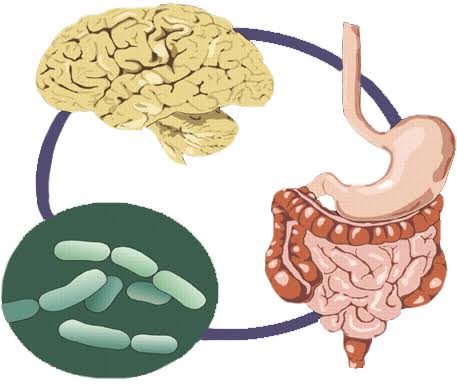
The gut-brain connection is one of the most important — and most underappreciated — systems in human health. Your digestive tract contains more neurons than your spinal cord, produces 95% of the body’s serotonin, and sends far more signals to your brain than it receives back. The nervous system that runs your gut operates so independently that it earned its own name: the second brain. Understanding how gut and brain communicate in both directions explains why stress causes stomach pain, why gut health influences mood, and why conditions like IBS are increasingly understood as brain-gut disorders rather than purely digestive ones.
What Is the Gut-Brain Axis?
The gut-brain axis (GBA) is the bidirectional communication network connecting the central nervous system (CNS) — the brain and spinal cord — with the enteric nervous system (ENS) of the gastrointestinal tract. Communication flows through four integrated systems:
- Neural pathways — primarily the vagus nerve and spinal afferents
- Endocrine pathways — gut hormones (ghrelin, CCK, peptide YY, GLP-1) signalling hunger, satiety, and digestion states
- Immune pathways — gut-associated lymphoid tissue (GALT) accounts for ~70% of the body’s immune cells; inflammatory signals cross between gut and brain
- Metabolic/microbiome pathways — gut bacteria produce neurotransmitters and metabolites that enter systemic circulation and signal the brain
The gut-brain axis is not a metaphor. It is an anatomically defined network with measurable signalling molecules, documented nerve pathways, and established clinical consequences when it malfunctions.
The Enteric Nervous System: Your Second Brain
The enteric nervous system contains an estimated 100 to 500 million neurons — more neurons than either the spinal cord or the peripheral nervous system combined. These neurons are not simply relays for brain commands; they form autonomous circuits that can run the entire digestive process without any input from the brain.
The ENS is organised into two concentric nerve networks that run the full length of the GI tract:
Myenteric plexus (Auerbach’s plexus) sits between the circular and longitudinal muscle layers of the gut wall. It controls motility — the coordinated waves of muscle contraction (peristalsis) that move food from mouth to rectum. This network can generate the entire peristaltic reflex in isolation.
Submucosal plexus (Meissner’s plexus) sits in the inner layer of the gut wall and controls secretion — the release of digestive enzymes, mucus, and fluid into the gut lumen — and local blood flow.
The ENS uses the same neurotransmitters as the brain: serotonin, dopamine, noradrenaline, acetylcholine, GABA, and over 30 neuropeptides. It contains the same types of neurons — sensory, interneurons, and motor neurons — arranged into the same basic reflex circuits as the spinal cord.
People whose vagus nerve is severed (vagotomy, once used for peptic ulcer treatment) can still digest food normally — the ENS continues to function independently. The brain has lost oversight, but the gut has not lost function.
Key fact: The enteric nervous system can operate completely independently of the brain — it is the only part of the peripheral nervous system with this capability. Gastroenterologist Michael Gershon called it “the second brain” after discovering its remarkable autonomy and complexity in the 1990s.
The Vagus Nerve: The Main Communication Highway
The vagus nerve — the 10th cranial nerve — is the primary physical connection between gut and brain. It is by far the most important single pathway in the gut-brain axis.
A critical and often overlooked fact: approximately 80% of vagal nerve fibres carry signals from the gut to the brain (afferent, or ascending). Only 20% carry signals from the brain to the gut (efferent, or descending). The gut is, overwhelmingly, sending information upward — not receiving commands downward.
What travels upward on the vagus nerve?
- Mechanical information — distension, wall tension, the presence of food bolus
- Chemical information — pH, nutrient composition (glucose, amino acids, fatty acids)
- Immune information — cytokines, inflammatory signals from gut immune cells
- Microbiome signals — bacterial metabolites including short-chain fatty acids (SCFAs), which activate vagal sensory neurons in the gut wall
- Endocrine information — hormones from enteroendocrine cells (CCK, GLP-1, PYY) signal satiety and digestive states
The brain uses this continuous stream of ascending information to regulate appetite, energy expenditure, mood, and stress responses — often without conscious awareness. You feel full, calm, or nauseated partly because the vagus nerve is transmitting gut states to the brainstem in real time.
Vagal tone — the baseline level of vagal nerve activity — is associated with both digestive health and mental health. Low vagal tone is associated with IBS, functional dyspepsia, depression, and anxiety. High vagal tone is associated with emotional regulation, resilience to stress, and better digestive function. Vagal tone can be improved through slow diaphragmatic breathing, cold water exposure, exercise, and social connection.
Serotonin: 95% Made in Your Gut
Serotonin is commonly known as the “happiness molecule” — a brain chemical associated with mood, motivation, and wellbeing. The less-known fact is that approximately 95% of the body’s serotonin is produced in the gut, not the brain, by specialised cells called enterochromaffin cells in the gut lining.
Gut serotonin has completely different functions from brain serotonin:
- Initiates and coordinates peristalsis — when food stretches the gut wall, enterochromaffin cells release serotonin, which triggers the myenteric plexus to contract above and relax below the food bolus, propelling it forward
- Stimulates fluid secretion — serotonin signals goblet cells to release mucus and enterocytes to secrete fluid into the gut lumen
- Triggers the nausea reflex — very high gut serotonin (from excess food, spoiled food, or irritants) activates vagal afferents that signal the brainstem vomiting centre
The clinical implications are significant. IBS-constipation (IBS-C) is associated with reduced serotonin signalling in the gut — fewer enterochromaffin cells, lower 5-HT release, impaired peristalsis initiation. IBS-diarrhoea (IBS-D) is associated with excess serotonin signalling — accelerated peristalsis and excess secretion.
SSRI antidepressants raise serotonin in the brain by blocking the serotonin reuptake transporter (SERT). They also raise serotonin in the gut via the same mechanism — explaining why nausea, diarrhoea, and altered bowel habits are among the most common SSRI side effects, particularly in the first weeks of treatment.
The Gut Microbiome and Your Brain
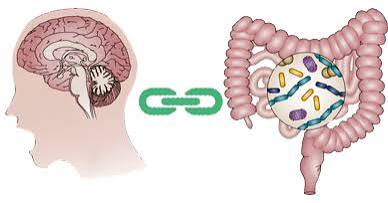
The gut microbiome — the 38 trillion bacteria, fungi, and other microorganisms living in the digestive tract — is an active participant in the gut-brain axis. Gut bacteria are not passive colonisers; they produce signalling molecules that influence brain function and behaviour.
Neurotransmitter production: Several gut bacterial species synthesise GABA (Lactobacillus rhamnosus), the primary inhibitory neurotransmitter of the brain. Others produce serotonin precursors (tryptophan) and dopamine precursors. The gut microbiome is the primary source of tryptophan — the amino acid from which enterochromaffin cells synthesise gut serotonin.
Short-chain fatty acids (SCFAs): Beneficial bacteria ferment dietary fibre to produce butyrate, propionate, and acetate. These SCFAs activate free fatty acid receptors on vagal sensory neurons in the gut wall, directly stimulating the vagus nerve. SCFAs are anti-inflammatory, support gut barrier integrity, and enter systemic circulation where they can cross or signal across the blood-brain barrier.
Germ-free animal evidence: Mice raised in sterile conditions with no gut microbiome show dramatically altered stress responses — an exaggerated HPA axis reaction and increased anxiety-like behaviour. When normal microbiome is transplanted into these mice, the stress response normalises. This is the strongest mechanistic evidence that the microbiome directly shapes brain function and stress reactivity.
The term psychobiotic was coined by Dinan and Cryan in 2013 to describe probiotics with mental health effects. Strains with the most human evidence include Lactobacillus rhamnosus and Bifidobacterium longum, which reduce self-reported anxiety scores and cortisol levels in healthy adults in RCTs, with modest but consistent effect sizes. The field is growing rapidly, but evidence for clinical-grade effects in diagnosed mental health conditions remains early-stage.
Stress, the HPA Axis, and Digestive Symptoms
The hypothalamic-pituitary-adrenal (HPA) axis is the body’s primary stress response system. When the brain perceives a threat — whether physical or psychological — the hypothalamus signals the pituitary, which signals the adrenal glands to release cortisol. Cortisol directly affects the gut in several ways:
Increased gut permeability: Cortisol loosens tight junctions between gut epithelial cells, temporarily increasing intestinal permeability. This allows small amounts of bacterial endotoxins (lipopolysaccharide, LPS) to enter systemic circulation — triggering low-grade inflammation that can persist beyond the stress event.
Altered motility: Acute stress typically accelerates gut motility (explaining stress-induced diarrhoea); chronic stress tends to slow it (explaining stress-related constipation). The effect depends on the type, intensity, and duration of the stressor.
Visceral hypersensitivity: In people with IBS, chronic stress lowers the pain threshold for normal gut sensations. The brain processes ordinary gut signals — the stretch of a full meal, normal gas movement — as painful. This is called visceral hypersensitivity and it is a CNS phenomenon, not a gut lesion. It explains why IBS patients experience pain that has no visible physical cause on colonoscopy.
Central sensitisation is the broader mechanism: repeated stress remodels pain processing circuits in the brain and spinal cord, amplifying gut pain signals at the level of the central nervous system. This understanding underlies the effectiveness of cognitive behavioural therapy (CBT) and gut-directed hypnotherapy for IBS. Multiple RCTs show gut-directed hypnotherapy reduces IBS symptom severity scores comparably to the low-FODMAP diet — by directly modifying how the brain processes gut signals. For more on IBS specifically, see our article on gut health basics.
Gut-Brain Connection and Mental Health
The relationship between gut health and mental health is bidirectional and increasingly well-documented.
Depression: Meta-analyses comparing gut microbiome composition between depressed individuals and healthy controls consistently find significant differences — particularly reduced abundance of Lactobacillus and Bifidobacterium species and altered diversity. Whether this is cause, consequence, or both is not established — depression changes diet, activity, and sleep (all of which alter the microbiome), while microbiome dysbiosis may worsen inflammatory pathways linked to depression.
Anxiety: The gut-anxiety link is more mechanistically consistent. Gut serotonin dysregulation, altered vagal tone, and microbiome-HPA axis interactions all converge on anxiety pathways. Animal models show that gut microbiome manipulation reliably changes anxiety-like behaviours. Human studies show higher rates of anxiety in IBS than in any other chronic condition — up to 90% comorbidity in clinical populations.
The practical bidirectionality: Gut dysbiosis worsens mental health through inflammatory, serotonergic, and HPA pathways; mental health disorders worsen gut health through stress-induced permeability, altered motility, and microbiome disruption. Treating only one side of this relationship produces incomplete results.
How to Support a Healthy Gut-Brain Axis
The gut-brain axis is modifiable — the bidirectionality means that interventions targeting either end improve the whole system.
Dietary fibre is the most evidence-backed gut-brain intervention. Fibre feeds beneficial bacteria that produce SCFAs, which activate vagal signalling and reduce inflammation. Higher fibre intake is associated with greater microbiome diversity and lower rates of anxiety and depression in observational studies. See our detailed guide to fiber and digestive health for practical targets.
Fermented foods: Kefir, yogurt with live cultures, sauerkraut, kimchi, and kombucha contribute live microorganisms to microbiome diversity. A 2021 Stanford RCT (Wastyk et al., Cell) found that a high-fermented-food diet increased microbiome diversity and reduced inflammatory markers over 10 weeks — more effectively than high-fibre diet alone. This is consistent with the gut-brain axis requiring microbiome diversity as a substrate. For more on this topic, see our articles on probiotics and gut health and prebiotics explained.
Stress management for vagal tone: Slow diaphragmatic breathing (4–6 breaths per minute) is the most direct evidence-based method for increasing vagal tone acutely. Heart rate variability (HRV) biofeedback — using apps that guide breathing to maximise HRV — improves both vagal tone and IBS symptoms. Mindfulness meditation and yoga have similar mechanisms.
Sleep: Both the gut microbiome and brain function require adequate sleep for regulation. Sleep deprivation alters gut microbiome composition within days and increases gut permeability. The gut’s myenteric plexus follows circadian rhythms — motility peaks in the morning and governed partly by sleep timing.
Exercise: Physical activity is one of the most reliable methods of increasing gut microbiome diversity. Exercise promotes SCFA-producing bacteria, reduces systemic inflammation, and increases intestinal transit time. Consistent moderate exercise (150 min/week) is associated with a more diverse and stable microbiome compared to sedentary individuals. The role of hydration alongside exercise also supports gut motility and microbiome health.
The Gut-Brain Axis in Specific Conditions
The gut-brain axis is not only relevant to people with IBS or anxiety — it is implicated in a growing list of conditions where gut and brain function are co-affected. Understanding these connections helps explain why digestive symptoms so often accompany neurological and psychiatric disorders, and why gut-targeted interventions can have unexpectedly broad effects.
Parkinson’s Disease and the Gut
One of the most striking findings in gut-brain axis research is the hypothesis that Parkinson’s disease may begin in the gut. Braak and colleagues proposed in 2003 that the pathological protein aggregation characteristic of Parkinson’s (alpha-synuclein Lewy bodies) may originate in the enteric nervous system and propagate via the vagus nerve to the brainstem and substantia nigra. Several epidemiological findings support this: people who had their vagus nerve surgically cut (vagotomy) have lower rates of Parkinson’s; people with IBS have higher rates of Parkinson’s in large population studies; constipation often precedes the motor symptoms of Parkinson’s by 10–20 years. This does not establish causality, but it reshapes the conception of Parkinson’s as potentially a gut-origin condition.
Autism Spectrum Disorder
Children with autism spectrum disorder (ASD) have significantly higher rates of gastrointestinal symptoms — constipation, diarrhoea, abdominal pain, bloating — than neurotypical children, affecting an estimated 45–85% of the ASD population depending on study criteria. Gut microbiome studies consistently find altered composition in children with ASD versus controls. The mechanisms being investigated include: altered gut serotonin signalling (affecting both gut motility and potentially brain development); disrupted gut-brain vagal communication during critical developmental windows; and gut permeability allowing inflammatory signals during early brain development. Gut microbiome intervention trials in ASD are ongoing, with early results suggesting improvement in both GI symptoms and behavioural measures in some subgroups.
Functional Dyspepsia
Functional dyspepsia — persistent upper abdominal discomfort without identifiable structural cause — affects approximately 10–20% of the population and represents a classic gut-brain disorder. The pathophysiology involves impaired gastric accommodation (the fundus failing to relax appropriately after a meal), visceral hypersensitivity (the stomach lining being more sensitive to normal volumes), and altered gut-brain signalling that amplifies discomfort. Unlike IBS, which involves the lower GI tract, functional dyspepsia involves dysregulation at the stomach level. Low-dose antidepressants (particularly tricyclics in small doses) are effective for functional dyspepsia not through their antidepressant effect but through their action on gut pain signalling pathways — consistent with the gut-brain axis mechanism.
Measuring and Monitoring Gut-Brain Health
The gut-brain axis operates continuously beneath conscious awareness, but several accessible measures provide a window into its function.
Heart rate variability (HRV) is the most practical non-invasive measure of vagal tone. Higher HRV reflects better vagal nerve function and is associated with improved stress resilience, better digestive health, and lower rates of IBS. HRV can be measured with consumer wearables (Apple Watch, Garmin, Whoop, Oura Ring) and has become a practical daily biofeedback tool. Consistent slow breathing (4–6 breaths/minute) acutely raises HRV; over weeks of practice, resting HRV increases.
Stool consistency and frequency are the most direct observable outputs of gut-brain axis function. Changes in bowel habit following a period of stress, major life event, or dietary shift reflect the HPA-gut pathway in action. Tracking stool type on the Bristol Stool Scale alongside stress levels provides a practical record of how the gut-brain axis is functioning in daily life.
Gut microbiome testing is available commercially but should be interpreted cautiously. Consumer microbiome tests report genus-level composition against population averages, but normal ranges are not well-established and clinical interpretation is limited. They are most useful for tracking personal changes over time in response to diet, exercise, or probiotic interventions, rather than for diagnostic purposes.
Symptom-mood tracking: Because the gut-brain axis is bidirectional, tracking both digestive symptoms and mood together in a diary often reveals patterns — stress events preceding IBS flares, poor sleep preceding bloating episodes — that make the connection concrete and actionable. Several IBS apps (including the Monash FODMAP app and GI Buddy) include combined symptom and mood tracking for this purpose.
Frequently Asked Questions
What is the gut-brain connection?
The gut-brain connection refers to the bidirectional communication network between the enteric nervous system of the digestive tract and the central nervous system. This communication flows through the vagus nerve, gut hormones, immune signalling, and microbiome metabolites. The gut contains 100–500 million neurons, produces 95% of the body’s serotonin, and sends far more signals to the brain than it receives back. Disruptions underlie conditions including IBS, functional dyspepsia, and the digestive symptoms commonly seen alongside anxiety and depression.
How does stress affect digestion?
Stress activates the HPA axis, releasing cortisol, which directly affects the gut: increasing gut permeability, altering motility, and suppressing digestive secretions. Acute stress typically accelerates gut transit (causing diarrhoea or urgency); chronic stress slows it (causing constipation and bloating). In people with IBS, stress also lowers the pain threshold for normal gut sensations through central sensitisation — the gut becomes painful not because of tissue damage but because the brain’s pain processing has been remodelled by repeated stress.
Can gut health affect your mood?
Yes — through several mechanisms. The gut microbiome produces serotonin precursors, GABA, and neuroactive compounds that influence brain chemistry. SCFA production by gut bacteria stimulates the vagus nerve, with direct effects on mood and stress responses. Chronic gut inflammation or dysbiosis contributes to systemic low-grade inflammation, a recognised feature of depression. Multiple observational studies find associations between gut microbiome composition and depression and anxiety scores, though the causal direction is still being established.
What is the enteric nervous system?
The enteric nervous system (ENS) is the nervous system embedded in the wall of the gastrointestinal tract, running from oesophagus to rectum. It contains 100–500 million neurons organised into the myenteric plexus (controlling gut motility) and the submucosal plexus (controlling secretion and blood flow). The ENS can operate completely independently of the brain, using the same neurotransmitters and neural circuit types as the CNS. It is called the “second brain” because of this autonomy and complexity.
What are psychobiotics?
Psychobiotics are probiotics — live beneficial bacteria — with documented effects on brain function or mental health when consumed. The term was introduced by Dinan and Cryan in 2013. Strains with the most evidence include Lactobacillus rhamnosus and Bifidobacterium longum. Effect sizes in humans are modest, and psychobiotics are not a recognised clinical treatment for depression or anxiety disorders. They may be useful as an adjunct alongside dietary and lifestyle interventions, particularly in people with comorbid IBS and anxiety.
How do I improve my gut-brain axis?
The most evidence-supported approaches are: increasing dietary fibre intake to support SCFA-producing bacteria; eating fermented foods to increase microbiome diversity; regular moderate exercise (150 min/week); slow diaphragmatic breathing to improve vagal tone; and adequate sleep (7–9 hours) with consistent timing. For people with IBS, gut-directed hypnotherapy and CBT have RCT-level evidence for improving gut-brain signalling. Reducing ultra-processed food — which reduces microbiome diversity — is an additional dietary priority.
Is leaky gut linked to brain problems?
Increased intestinal permeability (“leaky gut”) allows bacterial endotoxins — particularly lipopolysaccharide (LPS) — to enter systemic circulation, triggering low-grade inflammation. Inflammatory cytokines can cross or signal across the blood-brain barrier and are associated with depressive symptoms, brain fog, and fatigue. Elevated serum zonulin, a marker of gut permeability, is found in some studies of depression and anxiety. However, increased permeability is a contributing factor in a complex system — not a simple direct cause of brain disease. The mechanism is real but should not be overstated.
Disclaimer: This article is for educational purposes only and does not constitute medical advice. People experiencing significant mood disorders, severe IBS, or other health conditions should work with a qualified clinician rather than relying on self-management strategies alone.
References
- Cryan JF et al. The Microbiota-Gut-Brain Axis. Physiol Rev. 2019;99(4):1877–2013.
- Mayer EA. Gut feelings: the emerging biology of gut-brain communication. Nat Rev Neurosci. 2011;12(8):453–66.
- Dinan TG, Cryan JF. Psychobiotics revisited: advancing the understanding of the microbiome in stress and mental health. Trends Mol Med. 2019.
- Wastyk HC et al. Gut-microbiota-targeted diets modulate human immune status. Cell. 2021;184(16):4137–4153.
The 80% gut-to-brain statistic is genuinely surprising — I always assumed the brain ran the gut, not the other way around. This also explains something I’ve experienced for years: when I’m anxious, my stomach is the first thing to react. I’ve been told it’s ‘just anxiety’ but reading this it seems like the gut-brain communication is the actual mechanism, not just a side effect of stress. The section on IBS and central sensitisation also made a lot of things click.
Laura — you’ve identified the most clinically significant implication of the gut-brain axis for everyday life. The gut-to-brain directionality being ~80% of vagal fibres is counterintuitive to how most people think about the nervous system, but it’s been established anatomy since the 1990s. What you’re describing — anxiety manifesting immediately as gut symptoms — is exactly the HPA-to-gut cortisol pathway and visceral hypersensitivity working together. The gut is not ‘reacting’ to anxiety as a secondary effect; the gut and brain are communicating in real time, and the gut often registers the stress response before conscious awareness catches up. On psychobiotics (Marcus raises this well): the honest position is that the mechanisms are solid — gut bacteria genuinely produce neurotransmitter precursors and stimulate the vagus nerve — but the human clinical evidence for treating diagnosed conditions is preliminary. Effect sizes in healthy adult studies are real but modest. On the Parkinson’s-gut research: several clinical trials are currently underway examining gut microbiome composition in early Parkinson’s and whether microbiome-targeted interventions (probiotics, dietary fibre) affect the GI symptoms that typically precede motor symptoms. The alpha-synuclein-vagal-propagation hypothesis remains active research but is not yet confirmed causally in humans. It’s a genuinely important area to watch.
Good explanation of psychobiotics. I’d seen the term used a lot in supplement marketing but was sceptical — helpful that you note the effect sizes are modest and it’s not a standalone treatment. The Parkinson’s-gut connection in the conditions section is something I hadn’t come across before. Is there any current research on whether treating gut dysbiosis in Parkinson’s patients affects disease progression?