
There is no single universal “digestive health diet” — no eating plan that eliminates all GI symptoms for every person. What the evidence consistently shows is a set of dietary principles that support gut function, promote gut microbiome diversity, and reduce the risk of common digestive conditions. These principles apply whether you are managing IBS, improving bowel regularity, or simply trying to eat in a way that supports long-term gut health.
This guide covers those principles in practical terms: how much fibre you actually need and how to reach it, why hydration is inseparable from fibre, how to feed your gut microbiome, which eating habits matter beyond food choice, and how to adjust the general framework for specific digestive conditions.
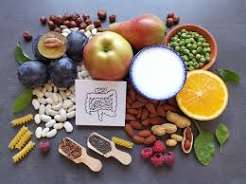
Dietary Fibre — The Foundation of Gut Health
Dietary fibre is the single most evidence-supported dietary factor for gastrointestinal health. It is the portion of plant foods that human digestive enzymes cannot break down — meaning it reaches the large intestine intact, where it has profound effects on bowel function and the gut microbiome.
Soluble fibre dissolves in water to form a gel, slowing gastric emptying and transit time. It feeds beneficial gut bacteria (prebiotic function) and is associated with reduced blood cholesterol. Key sources: oats, barley, psyllium husk, legumes (lentils, chickpeas, kidney beans), apple, pear, citrus fruit, and root vegetables.
Insoluble fibre adds bulk to stool and speeds colonic transit — effective for constipation prevention. Key sources: wholegrain cereals (wheat bran, wholemeal bread), vegetables (especially the skins), nuts, seeds, and brown rice.
Both types are needed for optimal gut function. A practical diet includes both — wholegrains for insoluble fibre bulk, fruit and legumes for soluble fibre and prebiotic function.
The fibre gap: The UK dietary reference value for adults is 30g fibre per day. The average UK adult consumes approximately 18g per day — a shortfall of more than 10g. This population-wide deficiency contributes significantly to the high rates of constipation, diverticular disease, and elevated colorectal cancer risk seen in the UK. Bridging this gap through food — not supplements — is one of the highest-impact changes for digestive health.
Increase fibre gradually: Moving from 18g to 30g per day should happen over 2–4 weeks alongside increased fluid intake. Rapid fibre increase causes bloating and gas as the gut microbiome adjusts. Add one additional vegetable portion per day, swap white bread for wholegrain, and include legumes 3–4 times per week — building progressively from there.
IBS note: In IBS, high-dose insoluble fibre (bran, large quantities of raw vegetables) can worsen bloating and pain, particularly in IBS-D. Soluble fibre — especially psyllium husk — is better tolerated and has stronger evidence for IBS symptom improvement. Low-FODMAP vegetables and fruits provide soluble fibre without high fermentable carbohydrate load.
Hydration and Digestive Function
Dietary fibre and hydration are inseparable in their effects on gut function. Soluble fibre requires water to form its gel; insoluble fibre requires water to soften stool and move effectively through the colon. A high-fibre diet without adequate fluid intake can paradoxically worsen constipation rather than improve it.
The general target is approximately 2 litres of fluid per day — adjusting upward for higher fibre intake, physical activity, and hot weather. This does not need to be plain water: herbal teas, diluted juice, and other low-sugar drinks count. Caffeinated drinks have a mild diuretic effect but provide a net positive fluid contribution at moderate intake.
Dehydration is one of the most common and most overlooked contributors to constipation. Many patients significantly improve with hydration changes alone — before any fibre supplementation or medication.
Alcohol inhibits antidiuretic hormone (ADH), increasing urine output and causing net dehydration. It also irritates the gut mucosa directly and alters motility. Limiting alcohol to within recommended limits (≤14 units per week in the UK, spread across several days) matters both for hydration and for direct GI effects.
The Gut Microbiome — Feeding Your Inner Ecosystem
The gut microbiome — the trillions of bacteria, archaea, fungi, and viruses residing in the large intestine — is central to digestive health, immune function, and the gut-brain axis. Diet is the most powerful modifiable factor affecting microbiome composition and diversity.
Diversity is health: Lower microbiome diversity is consistently associated with IBS, IBD, metabolic disease, and poor immune function. Dietary plant diversity drives microbiome diversity. People who eat 30 or more different plant foods per week have significantly higher gut microbial diversity than those eating fewer than 10. Every distinct vegetable, fruit, legume, whole grain, nut, seed, and herb counts — a salad with 7 different vegetables and seeds provides 7 plant food counts.
Prebiotic foods contain fibres that selectively feed beneficial gut bacteria (Lactobacillus, Bifidobacterium). Key prebiotic sources: onion, garlic, leek, asparagus, artichoke, slightly underripe banana, oats, barley, apple, and chicory. Note: many prebiotic foods are high-FODMAP, so IBS patients following a low-FODMAP protocol should reintroduce these after Phase 2 testing establishes personal tolerance.
Fermented foods supply live microorganisms that support the gut microbiome. A landmark 2021 randomised trial by Wastyk et al. in Cell found that a high-fermented food diet significantly increased microbiome diversity and reduced immune activation markers compared to a high-fibre diet alone. Key fermented foods: live natural yoghurt (look for “contains live cultures”), kefir (highest probiotic density of common fermented foods), kimchi, unpasteurised sauerkraut, miso, and kombucha. Pasteurised kimchi and sauerkraut do not contain live cultures — look for refrigerated, unpasteurised versions.
Ultra-processed foods disrupt the gut microbiome through low fibre content, high refined sugar, and emulsifiers that may disrupt the gut mucosal layer. Replacing ultra-processed foods with whole plant foods — even partially — is one of the most impactful changes for microbiome health.
For more on specific food triggers and gut reactions, see: food triggers and digestive health.

Best Eating Habits for a Healthy Gut
What you eat matters — but how you eat has significant effects on digestive function:
- Meal regularity: The gut has a circadian rhythm — motility is higher in the morning and after meals, lower at night. Irregular eating (skipping breakfast, large late-night meals) disrupts this rhythm and contributes to constipation and bloating.
- Meal size: Very large meals amplify the gastrocolic reflex and slow gastric emptying. For IBS and functional dyspepsia, smaller, regular meals — three moderate meals with planned snacks — are far better tolerated than two very large ones.
- Eating speed: Eating quickly swallows excess air (aerophagia), directly increasing bloating and belching. Eating slowly and chewing thoroughly has measurable benefits for bloating and early satiety in functional GI disorders.
- Morning routine: Colonic motility is naturally highest in the morning. Regular breakfast activates this morning gastrocolic reflex and supports regular bowel habit.
- Mindful eating: Eating under stress or distraction (at a desk, on a phone) activates mild stress responses that suppress gut motility. Eating seated, without screens, supports the parasympathetic gut state associated with effective digestion.
Anti-Inflammatory Eating — The Mediterranean Approach
The Mediterranean dietary pattern has the strongest overall evidence base for gastrointestinal health and chronic disease prevention. It is not a strict protocol — it is a pattern of foods drawn from traditional Mediterranean coastal eating habits.
Core components:
- Vegetables: 5+ portions daily, diverse varieties — the backbone of the diet
- Fruit: 2–3 portions daily, varied types
- Wholegrains: wholemeal bread, brown rice, oats, barley, bulgur, quinoa as principal carbohydrates
- Legumes: 3+ times per week (lentils, chickpeas, cannellini beans, black beans)
- Olive oil: primary cooking and dressing fat — rich in anti-inflammatory polyphenols
- Fish: at least 2 portions weekly; oily fish (salmon, mackerel, sardines) 1–2 times weekly for omega-3
- Limited red meat; rare processed meat
- Moderate dairy: live yoghurt and modest cheese portions
- Herbs and spices abundantly — polyphenol-rich, anti-inflammatory
Mediterranean-pattern eating is associated with reduced colorectal cancer risk, reduced IBD flare frequency, improved IBS symptom scores, and significantly higher gut microbiome diversity compared to a typical Western diet. Each progressive step toward this pattern — adding a vegetable portion, switching to olive oil, including lentils twice weekly — produces measurable gut health benefits without requiring perfect adherence.
Limiting Ultra-Processed Foods
Ultra-processed foods (UPF — NOVA group 4) are industrially manufactured products containing multiple additives, preservatives, emulsifiers, and artificial flavourings. They are consistently associated with adverse digestive health outcomes through several mechanisms:
- Low fibre: most UPFs are stripped of natural plant fibre, starving the gut microbiome of its primary substrate
- High refined sugar: rapid fermentation by less beneficial bacteria; reduced beneficial Bifidobacterium populations
- Emulsifiers (polysorbate 80, carboxymethylcellulose): emerging evidence suggests disruption to the gut mucosal barrier
- Artificial sweeteners with polyols (xylitol, sorbitol, mannitol): these are FODMAPs — direct osmotic diarrhoea at doses in sugar-free products
- High-fructose corn syrup: concentrated source of excess fructose beyond normal intestinal absorption
Practical UPF swaps: white bread → wholegrain or sourdough; flavoured yoghurt → live natural yoghurt with fruit; breakfast cereal → oats; soft drinks → water or sparkling water; crisps → nuts and seeds.
Digestive Health Diet by Condition
General digestive health dietary principles apply across all conditions. Specific conditions require additional targeted adjustments:
- IBS: Low-FODMAP protocol is the most evidence-based dietary intervention (~70% response rate). Stress management is equally important. See: low-FODMAP diet: a beginner’s guide.
- GORD (acid reflux): Limit high-fat meals, caffeine, alcohol, citrus, tomatoes, and carbonated drinks. Avoid eating within 2–3 hours of lying down. Smaller meals reduce gastric distension and reflux frequency.
- Constipation: Increase soluble fibre (psyllium husk) alongside 2L+ fluid per day. Physical activity directly stimulates colonic motility. Review constipating medications (codeine, iron, calcium channel blockers).
- Diverticular disease: High-fibre diet is recommended. The old advice to avoid nuts and seeds has been disproven — large epidemiological studies show no association with diverticular complications. Resume full dietary variety.
- Coeliac disease: Strict lifelong gluten-free diet. Annual nutritional monitoring (ferritin, B12, folate, calcium, vitamin D). Dietitian review at diagnosis.
- IBD (Crohn’s/UC): No single diet manages IBD; dietitian-led management is essential. Low-residue diet during active flares; Mediterranean-pattern diet during remission. Dietitian review is strongly recommended.
Key Nutrients That Support Gut Function
Beyond fibre, several micronutrients directly support gut health:
- Magnesium: Essential for smooth muscle function throughout the GI tract. Deficiency contributes to constipation through reduced gut motility. Sources: dark leafy greens, almonds, Brazil nuts, legumes, wholegrains, avocado, and dark chocolate (70%+).
- Zinc: Critical for gut mucosal integrity — deficiency increases intestinal permeability and impairs gut lining repair. Sources: meat, shellfish (particularly oysters), legumes, nuts, seeds. Deficiency is common in IBD and coeliac due to malabsorption.
- Vitamin D: Key role in regulating gut immune responses. Low vitamin D is associated with increased IBD severity and higher IBS symptom scores. UK recommendation: 10µg (400IU) daily supplementation from October to March.
- Probiotics: For IBS, specific strains (Lactobacillus rhamnosus GG, Bifidobacterium infantis 35624) have the strongest individual evidence. Food-based probiotics from live yoghurt and kefir are preferable to supplements for general gut health — they provide diverse microbial input alongside nutritional value.
Building Your Digestive Health Diet — Practical Steps
- Week 1 — Fibre + fluids: Swap one white/refined grain for wholegrain. Add one extra vegetable portion daily. Drink 2 glasses of water with each meal. Begin closing the fibre gap without rapid symptom onset.
- Week 2 — Fermented foods: Add one serving of live yoghurt or kefir daily. Try one new fermented food (kimchi, miso, sauerkraut). Continue increasing plant food variety.
- Week 3 — Reduce UPF: Identify 2–3 ultra-processed foods eaten regularly and substitute whole-food alternatives. One swap per week is sustainable and measurable.
- Week 4 — 30 plant foods challenge: Count distinct plant foods across the full week. Herbs and spices count. Aim for 30. This reframes eating toward variety rather than restriction.
- Track symptoms: Keep a food and symptom journal to identify which dietary changes produce the most improvement. See: keeping a food and symptom journal.
- Identify personal triggers: If symptoms persist despite general improvements, use structured elimination. See: elimination diets: what to know.
- Involve a dietitian for persistent, complex, or multi-condition GI symptoms, particularly for coeliac, IBD, or complex IBS requiring supervised FODMAP protocols.
Digestive Health Across Life Stages
Digestive function and nutritional needs shift across the lifespan, and so do the most relevant dietary priorities for gut health:
Young adults (18–40): This is the age group most likely to develop IBS (peak incidence in the 20s and 30s), often triggered by dietary change, stress, or a GI infection. The most impactful dietary habits are establishing a high-fibre, diverse plant-food foundation early, managing processed food intake, and learning to identify personal food triggers. Gut microbiome diversity established in early adulthood has implications for long-term health.
Midlife (40–65): Colorectal cancer risk increases with age — the age group where dietary fibre adequacy and alcohol limitation have the most measurable impact on cancer risk reduction. Bowel screening (NHS bowel cancer screening programme from age 50 in England; 45 in some other nations) becomes relevant. Oesophageal reflux is more common in midlife due to lower oesophageal sphincter changes — dietary management of GORD is relevant for many in this age group.
Older adults (65+): Constipation is substantially more common in older adults — related to reduced physical activity, lower fluid intake, medications (particularly opioids, calcium channel blockers, and anticholinergics), and declining gut motility. Dietary strategies: increase soluble fibre (psyllium), prioritise hydration, maintain physical activity, and review constipating medications with a GP. Appetite reduction in older adults also creates nutritional gaps — protein adequacy and micronutrient sufficiency (B12, vitamin D, iron) need regular monitoring. Probiotic foods (live yoghurt, kefir) are particularly well supported in older adults for bowel regularity.
During pregnancy: Constipation is one of the most common GI symptoms of pregnancy, driven by progesterone-mediated relaxation of smooth muscle throughout the gut. Dietary management: increase soluble fibre and fluid; limit iron supplement dose if causing constipation (split dose, switch form). Heartburn is also common in the third trimester — small, frequent meals, avoiding lying down after eating, and elevating the head of the bed are effective first-line management strategies. See also: digestive symptoms after dairy for guidance on lactose tolerance changes that can occur in pregnancy.
Common Digestive Health Myths Debunked
Several widely held beliefs about digestive health are either outdated or unsupported by the evidence:
Myth: Spicy food causes ulcers. False. Peptic ulcers are caused by Helicobacter pylori infection (approximately 80% of cases) or NSAID use — not by spicy food. Spicy food can worsen symptoms in people who already have an ulcer, but it does not cause them. Capsaicin may worsen reflux and IBS-D symptoms in those with visceral hypersensitivity, but it is not an ulcer cause.
Myth: Detox diets cleanse the gut. The liver and kidneys perform detoxification continuously — there is no evidence that commercial “detox” products, juice cleanses, or extreme restriction protocols add to this function. Many detox products contain laxative compounds (senna, cascara) that can cause cramping, electrolyte imbalance, and dependence with regular use. The gut does not accumulate toxins that require periodic purging. The most effective “gut cleanse” is a consistent, high-fibre, diverse diet year-round.
Myth: Gluten is harmful for everyone. Gluten is harmful for the approximately 1% of people with coeliac disease and produces genuine symptoms in those with non-coeliac gluten sensitivity or IBS fructan sensitivity. For the approximately 98% of people without these conditions, gluten is a completely benign protein. Unnecessary gluten avoidance frequently reduces dietary fibre intake (from wholegrains), removes prebiotics, and provides no measurable health benefit.
Myth: Dairy is universally bad for digestion. Dairy products containing lactose cause symptoms in individuals with lactase deficiency — but at low-to-moderate doses, most lactase-insufficient adults tolerate dairy without significant symptoms. Hard cheeses contain negligible lactose. Live yoghurt is frequently well tolerated. Full dairy elimination is necessary only for IgE-mediated cow’s milk allergy or cow’s milk protein sensitivity — not for the general population.
Myth: You should avoid nuts and seeds if you have diverticular disease. This advice persisted for decades based on theoretical concern — not evidence. Multiple large prospective cohort studies have found no association between consumption of nuts, seeds, corn, or popcorn and diverticular complications (diverticulitis, perforation, bleeding). Current guidance recommends a high-fibre diet including nuts and seeds for diverticular disease management.
Frequently Asked Questions
No single diet suits everyone, but the Mediterranean-style dietary pattern — high in vegetables, fruit, wholegrains, legumes, fermented dairy, fish, and olive oil, with limited ultra-processed food — has the strongest overall evidence base for supporting gut health and microbiome diversity. For specific conditions like IBS or coeliac disease, condition-specific modifications are needed on top of these general principles.
Some effects are immediate: increasing hydration relieves constipation within 24–48 hours. Increasing fibre intake produces measurable bowel habit changes within 3–5 days (though initial bloating is common and normal during adjustment). Gut microbiome composition begins to change within 1–2 weeks of sustained dietary shift. Larger structural benefits — reduced diverticular risk, improved gut barrier function — take months of consistent dietary change.
Not for most people with a generally healthy gut. Food-based probiotic sources — live natural yoghurt, kefir, unpasteurised kimchi, and sauerkraut — provide diverse microbial input alongside nutritional value and prebiotic fibre. Probiotic supplements are most evidence-based in specific clinical contexts: antibiotic-associated diarrhoea, IBS (specific strains), and following some GI illnesses. For general gut health maintenance, dietary fermented foods are preferable.
Yes — dietary management is the most effective first-line intervention for IBS symptom management. The low-FODMAP diet achieves clinically meaningful improvement in approximately 50–70% of IBS patients. General principles (adequate hydration, regular meals, reduced UPF, increased plant diversity) produce additional benefit beyond FODMAP management. A food and symptom journal identifies personal triggers. Registered dietitian involvement significantly improves outcomes. See: low-FODMAP diet: a beginner’s guide.
Foods most consistently associated with poor digestive health outcomes: ultra-processed foods (low fibre, emulsifiers, artificial sweeteners), alcohol in excess (mucosal damage, dysbiosis), high-dose insoluble bran fibre without adequate fluid, and — for specific individuals — their personal FODMAP triggers. Processed meat, high-sugar refined foods, and excess alcohol are universally poor choices for gut health across the evidence base.
Yes — profoundly. The gut-brain axis is bidirectional: psychological stress activates the HPA axis, alters gut motility, increases intestinal permeability, and amplifies visceral pain sensitivity. Foods tolerated on low-stress days can trigger symptoms on high-stress days. Dietary management of IBS is most effective when combined with stress management — not because symptoms are imaginary, but because the gut’s physiological response to food is modulated by the nervous system state at the time of eating.
The UK dietary reference value is 30g fibre per day for adults. Most people consume 18–20g. Practical targets: 5+ portions of vegetables and fruit daily; at least 3 portions of wholegrains; legumes 3–4 times per week; regular nuts and seeds. If fibre intake has been low, increase by 2–3g per week alongside increased fluid to minimise bloating during adjustment. Psyllium husk (1 teaspoon, 3–5g fibre, mixed in water once daily) is a convenient supplement for bridging the gap.
References
- Wastyk HC, Fragiadakis GK, Perelman D, et al. Gut-microbiota-targeted diets modulate human immune status. Cell. 2021;184:4137–4153.
- Halmos EP, Power VA, Shepherd SJ, et al. A diet low in FODMAPs reduces symptoms of irritable bowel syndrome. Gastroenterology. 2014;146:67–75.
- NHS. Digestive health. https://www.nhs.uk/live-well/eat-well/digestive-health/
- British Dietetic Association. IBS and diet. https://www.bda.uk.com/
- NICE CKS. Irritable bowel syndrome. https://cks.nice.org.uk/topics/irritable-bowel-syndrome/
- World Gastroenterology Organisation. Diet and the gut. https://www.worldgastroenterology.org/
- Sonnenburg JL, Bäckhed F. Diet-microbiota interactions as moderators of human metabolism. Nature. 2016;535:56–64.
Sources last reviewed September 2026.
The myth about nuts and seeds causing diverticular disease is something my mother was told in the 1990s and she’s been avoiding them ever since. I’ve been trying to tell her the advice has changed but it’s hard to convince her without something credible to point to. Sending her this article. The section on older adults is particularly relevant for her situation — she has significant constipation issues and I don’t think she’s been getting enough fluid alongside her fibre.
The nut and seed restriction advice is unfortunately still widely circulated despite being disproven by multiple large prospective cohort studies — so it can take time for the updated guidance to reach people who received the old advice. The practical combination you’ve identified is exactly right: adequate soluble fibre from a variety of sources, paired with sufficient fluid intake, is the most evidence-based approach for constipation in older adults. The dehydration component is particularly easy to underestimate in this age group, as thirst sensation often diminishes with age.
The 30-plant-foods-a-week concept has completely changed how I think about meal planning. I used to focus on what to restrict — now I focus on adding variety. Last week I counted 24 different plant foods and I’ve never felt better digestive-wise. The fermented food section was also helpful — I’ve started having kefir in the morning and noticed a real difference in regularity.