
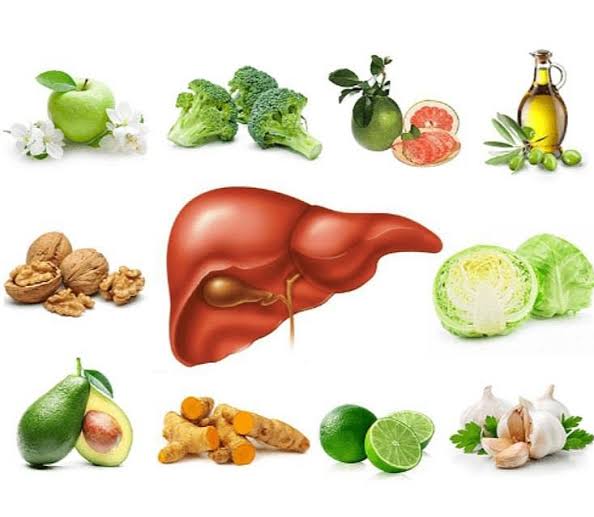
The liver performs over 500 biochemical functions — metabolising nutrients, filtering toxins, producing bile for fat digestion, synthesising proteins, and regulating blood glucose. What you eat directly influences whether the liver can perform these functions efficiently or whether it accumulates fat, develops inflammation, and progresses towards disease.
Non-alcoholic fatty liver disease (NAFLD) now affects approximately 25% of adults globally — making it the most common chronic liver condition worldwide. Diet is both its primary cause and its primary treatment. Understanding which best foods for liver health have genuine evidence behind them allows targeted dietary choices that support hepatocyte function, reduce oxidative stress, and lower long-term liver disease risk.
Coffee — The Most Hepatoprotective Food
Coffee has the strongest and most consistent dietary evidence for liver health of any single food. Multiple large-scale meta-analyses confirm that habitual coffee consumption — two or more cups daily — is associated with substantially reduced risk of liver cirrhosis, hepatocellular carcinoma (HCC), and NAFLD progression.
A comprehensive 2017 review in the BMJ (Poole et al.) examining 201 meta-analyses found that coffee drinking was associated with the greatest reduction in liver-related mortality of any dietary exposure studied, with cirrhosis risk reduced by up to 44% in regular drinkers. Both caffeinated and decaffeinated coffee showed benefit — an important observation that points to non-caffeine compounds as the primary hepatoprotective agents.
The mechanisms are multiple and independent:
- Diterpenes (cafestol and kahweol) — present in unfiltered coffee (espresso, cafetière, Turkish coffee) — directly inhibit hepatic stellate cell activation, the key cell type responsible for driving liver fibrosis
- Chlorogenic acids — the primary antioxidant family in coffee — reduce hepatic fat accumulation and hepatic lipid peroxidation in multiple animal and human studies
- Caffeine promotes hepatocyte autophagy — the cellular clearance process that removes damaged organelles and misfolded proteins, reducing intracellular liver damage accumulation
- Trigonelline — another coffee bioactive — has anti-fibrotic effects and anti-inflammatory properties in liver tissue
Even in patients with established chronic liver disease, coffee consumption is associated with slower fibrosis progression, reduced ALT and AST enzyme levels, and a lower rate of progression to cirrhosis and HCC. Practical guidance: two to four cups daily represents a clinically meaningful dose; choosing unfiltered preparations (espresso, cafetière) maximises diterpene content for the specific hepatoprotective benefit.
Oily Fish and Omega-3 Fatty Acids
Omega-3 fatty acids — specifically EPA (eicosapentaenoic acid) and DHA (docosahexaenoic acid) from oily fish — have a well-established evidence base for reducing hepatic fat in NAFLD, which is the most common liver-relevant benefit for the general population.
A 2016 meta-analysis of randomised controlled trials found that omega-3 supplementation reduced liver fat by approximately 25–30% compared with placebo in NAFLD patients. The mechanism operates primarily through PPAR-α (peroxisome proliferator-activated receptor alpha) activation in hepatocytes — the receptor responsible for stimulating hepatic fatty acid oxidation (the process that burns fat in the liver). When PPAR-α is activated by EPA and DHA, the liver increases its capacity to oxidise fatty acids rather than esterify them into triglycerides, directly reducing hepatic fat accumulation.
Omega-3 fatty acids also modulate the NF-κB inflammatory pathway in hepatocytes — reducing the production of pro-inflammatory cytokines (TNF-α, IL-6, IL-1β) that drive hepatic inflammation and fibrosis progression. The anti-inflammatory effect is particularly relevant in the transition from simple steatosis (fat accumulation) to non-alcoholic steatohepatitis (NASH), where inflammation is the key driver of irreversible fibrosis.
Best dietary sources: salmon, mackerel, sardines, anchovies, herring, and trout. Two to three servings per week provides clinically relevant EPA and DHA. Plant-based omega-3 (ALA from flaxseed, chia, walnuts) has a much lower conversion rate to EPA and DHA (estimated at less than 5–10%) and is a useful addition but not a substitution for oily fish in terms of liver-specific benefit.
Extra-Virgin Olive Oil
Extra-virgin olive oil (EVOO) occupies a central position in the Mediterranean diet — the dietary pattern most consistently associated with reduced liver disease risk. Its hepatoprotective properties come from two distinct components: oleic acid (the primary monounsaturated fatty acid) and its polyphenol content (oleocanthal, oleuropein, hydroxytyrosol).
Data from the PREDIMED trial — one of the largest dietary intervention trials in history — found that participants in the Mediterranean diet + EVOO arm showed significantly lower liver enzyme levels (ALT, AST, GGT) than controls. This liver-protective effect was independent of weight loss or overall caloric intake, suggesting direct hepatoprotective activity from EVOO components rather than just caloric composition.
Oleic acid reduces hepatic lipogenesis (new fat synthesis in the liver) and improves insulin sensitivity in hepatocytes — an important effect given that hepatic insulin resistance is central to NAFLD pathogenesis. The polyphenols in EVOO inhibit the NF-κB pathway in liver tissue and reduce markers of hepatic fibrosis in both in vitro and animal studies. In patients with NAFLD, EVOO consumption is associated with reduced liver enzymes and improved ultrasound liver fat scores.
Practical guidance: choose cold-pressed, unfiltered EVOO to maximise polyphenol content (heat processing reduces polyphenol levels substantially). Use as the primary cooking and dressing fat; two to four tablespoons daily represents the dose range associated with liver benefit in clinical studies.
Cruciferous Vegetables
Broccoli, Brussels sprouts, cauliflower, kale, and cabbage contain a class of compounds called glucosinolates that are hydrolysed during chewing and digestion to produce isothiocyanates — particularly sulforaphane and indoles. These are among the most comprehensively researched liver-supportive phytochemicals in the diet.
Sulforaphane is a potent activator of the Nrf2 (nuclear factor erythroid 2-related factor 2) transcription pathway — often called the master antioxidant regulatory pathway. Nrf2 activation upregulates the synthesis of glutathione, superoxide dismutase, catalase, and a battery of phase II detoxification enzymes in the liver. This translates directly to reduced hepatic oxidative stress and enhanced liver detoxification capacity — two of the key processes compromised in NAFLD and alcoholic liver disease.
A 2016 randomised controlled trial found that broccoli consumption specifically reduced liver fat in NAFLD patients over 12 weeks, independent of weight change. Animal studies consistently show broccoli and cruciferous vegetable consumption preventing hepatic fat accumulation when fed high-fat diets, with mechanisms including direct effects on lipid synthesis pathways and butyrate production from gut bacteria fermentation of glucosinolate residues (connecting to the gut-liver axis discussed below).
Indoles, the other isothiocyanate family produced from glucosinolates, modulate cytochrome P450 enzymes in the liver — the enzyme family responsible for phase I detoxification (metabolising drugs, toxins, and endogenous hormones). This is clinically relevant for medication metabolism and long-term chemical exposure handling. For broader digestive benefits of cruciferous vegetables, see our guide on best foods for digestive health.
Green Tea
Green tea catechins — particularly EGCG (epigallocatechin gallate) — have one of the most extensive evidence bases for liver protection of any dietary compound outside of coffee. EGCG is the most abundant and bioactive catechin in green tea, accounting for approximately 60% of its catechin content.
Multiple meta-analyses of randomised controlled trials have found that green tea catechin supplementation significantly reduces ALT and AST liver enzyme levels and reduces liver fat in NAFLD patients. The mechanisms are well characterised: EGCG inhibits hepatic lipid peroxidation (preventing oxidative damage to liver cell membranes), suppresses NF-κB inflammatory signalling in hepatocytes, and directly inhibits the activation of hepatic stellate cells — the cell type responsible for generating the collagen deposits that constitute liver fibrosis.
EGCG also promotes hepatic autophagy (the same mechanism as coffee’s caffeine), supporting the liver’s cellular maintenance processes. The combined antioxidant, anti-inflammatory, and anti-fibrotic activities make green tea one of the most comprehensively hepatoprotective dietary compounds with clinical trial support.
Practical guidance: three to five cups of brewed green tea daily provides clinically relevant catechin doses without hepatotoxicity risk. Japanese green tea (matcha, sencha, gyokuro) has higher catechin content than Chinese green teas; brewing temperature matters (70–80°C rather than boiling to preserve catechins).
Nuts — Walnuts, Almonds, and Brazil Nuts
Nut consumption is consistently associated with lower liver enzyme levels and reduced NAFLD prevalence in large population studies including NHANES (the US National Health and Nutrition Examination Survey). Three nut types have specific and distinct liver-relevant evidence:
Walnuts: Contain the highest ALA (plant omega-3) content of any nut (2.5g per 30g serving), alongside a rich polyphenol profile and vitamin E. Regular walnut consumption is associated with reduced ALT and GGT levels and lower NAFLD prevalence. The combination of omega-3 and polyphenols provides both anti-inflammatory and antioxidant activity in liver tissue.
Almonds and sunflower seeds: The most concentrated dietary sources of vitamin E (alpha-tocopherol). The American Association for the Study of Liver Diseases (AASLD) specifically recommends vitamin E supplementation (800 IU/day) for non-diabetic adults with biopsy-confirmed NAFLD, based on clinical trial evidence showing improved liver histology. Increasing dietary vitamin E through almonds and sunflower seeds is a food-first approach to the same benefit.
Brazil nuts: Two Brazil nuts daily provides the recommended daily intake of selenium — a trace mineral essential for the synthesis of glutathione peroxidase, the primary antioxidant enzyme that protects hepatocytes from oxidative damage. Selenium deficiency is associated with increased liver disease risk; Brazil nuts are the most reliable and potent dietary source.
Garlic and Allicin
Garlic contains alliin, which converts to allicin (and other organosulphur compounds) when garlic is crushed or chewed. Allicin and its derivatives reduce hepatic lipid peroxidation, directly upregulate glutathione synthesis in the liver, and have direct anti-inflammatory activity in hepatocytes.
A randomised controlled trial in NAFLD patients found that garlic powder supplementation over 15 weeks significantly reduced liver fat (measured by ultrasound), reduced ALT and AST enzyme levels, and produced modest but significant weight reduction compared with placebo. This is one of the few foods with RCT evidence specifically for NAFLD as an endpoint rather than only animal or observational data.
The critical practical consideration: allicin is highly heat-sensitive and is destroyed by cooking. Raw garlic provides approximately 5–10× more allicin than equivalent cooked garlic. A practical workaround: crush or chop garlic and allow it to rest for 10 minutes before cooking — this allows allicin to form from alliin during the resting period; once formed, allicin is somewhat more heat-resistant than its precursor. Adding raw garlic to dressings, dips, or at the end of cooking provides maximum allicin delivery.
Beetroot and Betalains
Beetroot contains two distinct classes of hepatoprotective compounds: betalains (the pigments that give beetroot its deep red-purple colour) and betaine (trimethylglycine — also called TMG).
Betalains — particularly betanin — are potent antioxidants that accumulate specifically in liver tissue and reduce hepatic lipid peroxidation and NF-κB inflammatory signalling in animal models. Unlike most dietary antioxidants that are processed in the gut, betalains are partially absorbed intact, reaching the liver directly via portal circulation.
Betaine (also present in spinach, quinoa, and wheat germ) is one of the most studied nutritional interventions in liver disease. Betaine acts as an osmoprotectant in hepatocytes and is a methyl donor in the one-carbon metabolic cycle, supporting S-adenosylmethionine synthesis — a compound critical for liver detoxification reactions. Clinical trials show betaine supplementation reduces liver fat, improves liver histology, and lowers liver enzymes in NAFLD patients. Dietary beetroot provides substantial betaine alongside its betalain content.
Dietary nitrates in beetroot (converted to nitric oxide in the body) also support hepatic mitochondrial function and reduce oxidative stress. Practical approach: raw beetroot, roasted beetroot, or beetroot juice (without added sugar) two to three times per week; paired with oily fish or avocado to support fat-soluble nutrient absorption.
Berries, Avocado, and Polyphenol Diversity
A broad polyphenol-rich dietary pattern — beyond any single food — is consistently associated with lower liver disease risk. Berries, particularly blueberries and cranberries, contribute proanthocyanidins and anthocyanins that reduce hepatic oxidative stress and inflammation in both animal and observational human studies. Animal data specifically show blueberry extract reducing liver fat, fibrosis markers, and hepatic enzyme elevation in high-fat diet models.
Cranberry has attracted specific attention in alcohol-related liver injury models, with proanthocyanidin extracts showing hepatoprotection against ethanol-induced hepatocyte damage in preclinical studies — though human clinical trials are limited.
Avocado provides a combination of hepatoprotective properties: the monounsaturated fat (oleic acid) reduces hepatic lipogenesis when substituted for saturated fat; the fibre content (6–7g per avocado) supports the gut-liver axis by producing short-chain fatty acids that reduce gut permeability and hepatic LPS exposure; and avocado contains glutathione and compounds that support endogenous glutathione synthesis in liver cells.
The Gut-Liver Axis — Why Digestive Health Matters for the Liver
The liver receives approximately 70–80% of its blood supply from the portal vein — the vessel that drains blood directly from the gut. Every compound absorbed in the intestines — nutrients, microbial metabolites, bacterial cell wall components, food additives — reaches the liver first, before entering systemic circulation. This anatomical relationship means that gut health and liver health are inextricably linked through the gut-liver axis.
The most clinically significant gut-liver mechanism involves bacterial lipopolysaccharide (LPS) — the cell wall component of gram-negative gut bacteria. In a healthy gut with intact barrier function, LPS passes through the portal circulation in only tiny quantities and is efficiently cleared by Kupffer cells (the liver’s resident immune cells) without triggering significant inflammation. When gut permeability increases — due to alcohol, ultra-processed food, low dietary fibre, or gut dysbiosis — higher levels of LPS reach the liver and activate Kupffer cells to produce inflammatory cytokines (TNF-α, IL-1β), driving hepatic inflammation and fibrosis.
High-fibre diets reduce gut permeability by supporting mucus layer integrity, feeding bacteria that produce butyrate (which maintains tight junction proteins), and reducing the abundance of LPS-producing gram-negative bacteria. Fermented foods reduce gut dysbiosis and improve microbiome composition in ways that reduce LPS production. The practical implication: every dietary step that benefits gut health — more fibre, fewer ultra-processed foods, regular fermented foods — also benefits the liver indirectly through the gut-liver axis. See our full guides on digestive health diet: a practical guide and foods to limit for digestive comfort for the gut health foundations that underpin liver health.
Building a Liver-Protective Daily Pattern
Translating individual foods into a daily dietary pattern maximises the combined hepatoprotective effect:
Morning: 2–3 cups of coffee (filtered or espresso); breakfast of walnuts and berries with live yoghurt or oat porridge — providing omega-3, polyphenols, probiotics, and soluble fibre
Lunch: A salad or grain bowl with a portion of cruciferous vegetables (raw broccoli, kale, or shredded cabbage provides maximum sulforaphane), dressed with cold-pressed EVOO and lemon — providing Nrf2 activation, oleic acid, and polyphenols
Dinner: Oily fish (salmon, mackerel, sardines) two to three nights per week, cooked in EVOO with garlic (added at the end of cooking), alongside roasted beetroot or a large portion of vegetables — providing EPA/DHA, allicin, betalains, and dietary fibre
Snacks and additions: 1–2 Brazil nuts daily (selenium), 30g almonds or sunflower seeds (vitamin E), 3–4 cups of green tea throughout the day, avocado in meals for additional MUFA and fibre
For foods to avoid in the context of liver health, see our guide on foods to limit for liver health — which covers alcohol, saturated fat, fructose, and other dietary factors that accelerate hepatic fat accumulation and liver disease progression.
Frequently Asked Questions
References:
- Poole R, et al. “Coffee consumption and health: umbrella review of meta-analyses of multiple health outcomes.” BMJ. 2017. BMJ 2017;359:j5024
- Estruch R, et al. “Primary prevention of cardiovascular disease with a Mediterranean diet supplemented with extra-virgin olive oil or nuts.” NEJM. 2018 (PREDIMED). NEJM 2018
- Chalasani N, et al. “The diagnosis and management of nonalcoholic fatty liver disease.” Hepatology. 2018 (AASLD). AASLD Practice Guideline
- NHS. “Non-alcoholic fatty liver disease (NAFLD).” NHS.uk
- Yan J, et al. “Omega-3 fatty acids and NAFLD: meta-analysis of RCTs.” Nutrients. 2020. Nutrients 2020;12:40
I was recently told I have early NAFLD at my check-up and my doctor mentioned diet changes but wasn’t very specific. This article is exactly what I needed — especially the part about coffee being protective and the explanation of how omega-3 works to reduce liver fat. I had no idea diet could actually reverse early NAFLD. Really well explained.
Great to hear this was helpful, Claire! Early NAFLD is very much in the reversible range with consistent dietary change — the 8–12 week timeline for measurable liver fat reduction means you should be able to see genuine improvement at your next scan if you make the changes consistently. The Mediterranean dietary pattern (olive oil as primary fat, oily fish 2–3×/week, lots of vegetables, minimal processed food) has the strongest overall evidence for NAFLD. Best of luck — do ask your GP about a dietitian referral as well for personalised guidance.
The gut-liver axis section was fascinating — I never thought about how the portal vein connection means gut health directly affects liver health. Makes me want to read your digestive health articles too. The Brazil nuts for selenium tip was also something I hadn’t come across before. 2 nuts a day seems surprisingly simple.