
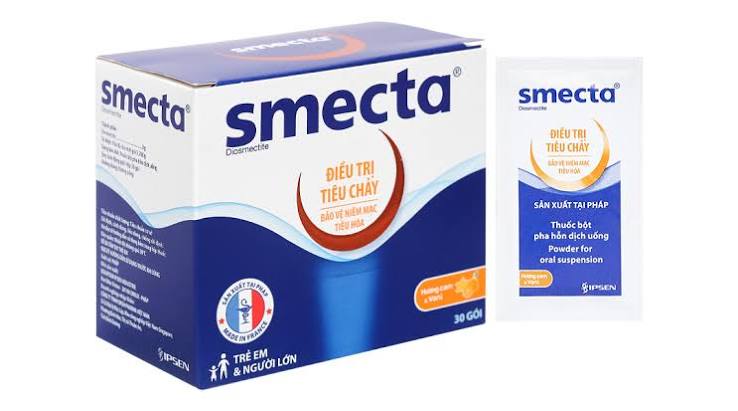
Anti-diarrheal medications are among the most commonly self-administered drugs for a symptom — acute loose stools — that most adults experience several times per year. Yet the decision to use an anti-diarrheal medication is not always straightforward: several clinical situations exist where reaching for loperamide or bismuth subsalicylate is not only unhelpful but actively dangerous. Understanding when these medications work, when they should be avoided, and what the correct management of acute diarrhoea looks like is practical knowledge that can prevent both unnecessary discomfort and genuine medical harm.
This guide covers the main classes of anti-diarrheal medications available to adults, the situations where each is appropriate, and the conditions under which diarrhoea should be treated with fluids and rest rather than medication — or investigated rather than suppressed. For broader context on all digestive medication classes, the article on digestive medications for adults maps the complete landscape. The role of gut microbiome recovery from infections and antibiotics is covered in the related article on antibiotics and digestive side effects.
What Anti-Diarrheal Medications Are and How They Work
Anti-diarrheal medications reduce the frequency or urgency of loose stools through two distinct mechanisms. The first is anti-motility action — slowing intestinal muscle contractions so contents move more slowly, allowing more water and electrolyte reabsorption. The second is antisecretory and direct mucosal action — reducing the amount of fluid secreted into the bowel lumen. Different anti-diarrheal agents use one or both of these mechanisms.
The choice between available agents depends on the likely cause of the diarrhoea, how severe it is, how long it has lasted, and whether alarm features are present. Using anti-diarrheal medications for self-limiting viral diarrhoea is a matter of comfort; using them for bacterial or toxin-mediated diarrhoea without understanding the contraindications can be harmful. The most important clinical skill with these medications is not knowing how to use them, but knowing when not to.
Loperamide: The Most Widely Used Anti-Diarrheal
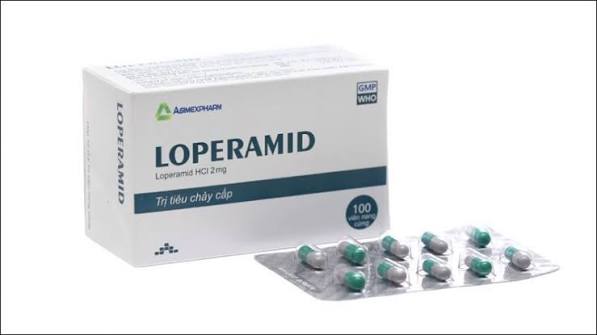
Loperamide (sold under the brand name Imodium and many generics) is the most widely available OTC anti-diarrheal medication. It is an opioid receptor agonist — it acts on mu-opioid receptors in the myenteric plexus of the gut wall, reducing peristaltic contractions and increasing intestinal transit time, which allows more water to be reabsorbed from the intestinal contents. It also decreases rectal muscle tone and increases anal sphincter tone, which reduces the urgency associated with diarrhoea.
Despite its opioid receptor mechanism, loperamide does not significantly cross the blood-brain barrier at recommended doses. It was specifically designed to be peripherally restricted — it is a substrate for the P-glycoprotein efflux pump that lines the blood-brain barrier, which actively pumps loperamide back out of the central nervous system. At standard OTC doses (2 mg initially, followed by 2 mg after each loose stool, up to 8 mg per day for OTC use or 16 mg per day under medical supervision), its central opioid effects are negligible.
When loperamide is appropriate: Acute watery diarrhoea without fever, without blood in the stool, and without severe abdominal cramping that preceded the diarrhoea — patterns consistent with viral gastroenteritis or mild travellers’ diarrhoea. It is particularly useful for managing diarrhoea in situations where access to toilets is restricted (travel, work commitments) and for controlling urgency in people with irritable bowel syndrome or functional bowel conditions.
When loperamide must be avoided:
- Blood in the stool: Bloody diarrhoea suggests invasive bacterial infection (Salmonella, Shigella, E. coli O157:H7, Campylobacter) or inflammatory bowel disease. Anti-motility agents can worsen these conditions by prolonging contact between the pathogen or its toxins and the intestinal mucosa, and can precipitate haemolytic-uraemic syndrome in E. coli O157:H7 infection.
- High fever with diarrhoea: Fever above 38.5°C accompanying diarrhoea suggests a systemic infection requiring diagnosis and potential treatment — not motility suppression.
- Suspected C. difficile infection: Patients who have recently completed a course of antibiotics and develop diarrhoea are at risk for C. difficile colitis. Using loperamide to manage C. difficile diarrhoea can precipitate toxic megacolon. C. difficile requires targeted antibiotic treatment, not anti-motility drugs.
- Children under 2 years: Loperamide is contraindicated in children under 2 due to risk of serious adverse effects including fatal respiratory depression at higher doses.
- Active IBD flare: Loperamide is used cautiously in patients with inflammatory bowel disease and avoided during severe acute flares, where toxic megacolon is a risk.
Bismuth Subsalicylate: A Multi-Action Option
Bismuth subsalicylate (Pepto-Bismol, Kaopectate in some formulations) is a unique anti-diarrheal because it addresses multiple aspects of diarrhoea simultaneously. It has mild antimicrobial properties against several enteric pathogens, antisecretory effects that reduce fluid secretion into the bowel lumen, and anti-inflammatory effects on the intestinal mucosa. It also has antacid properties and can reduce nausea — making it particularly useful when diarrhoea is accompanied by nausea and upper GI discomfort, as often occurs with travellers’ diarrhoea or food poisoning.
The antimicrobial action of bismuth subsalicylate comes from the bismuth ion itself, which disrupts bacterial enzyme systems and inhibits adhesion of enteric pathogens to intestinal epithelial cells. This is why bismuth subsalicylate is specifically recommended in travellers’ diarrhoea guidelines — it reduces both the severity and duration of symptoms in this setting, and in some studies reduces the incidence of travellers’ diarrhoea when taken prophylactically at the recommended dose.
The salicylate component of bismuth subsalicylate carries the same interactions as aspirin: it should be avoided in people who are allergic to aspirin or salicylates, those on anticoagulants (warfarin, direct oral anticoagulants), those taking methotrexate, and children under 16 with viral illnesses due to the theoretical risk of Reye’s syndrome. The bismuth component causes harmless black staining of the stool and tongue — a predictable effect that patients should be warned about rather than alarmed by.
Oral Rehydration: The Core Treatment for Most Diarrhoea
The most important management step for any acute diarrhoea is oral rehydration — replacing the water and electrolytes lost in loose stools. Anti-diarrheal medications reduce the frequency of stools; they do not replace the fluid and electrolytes that have already been lost. Focusing on anti-diarrheal medication while neglecting rehydration leads to dehydration even in adults who feel the diarrhoea is under control.
For healthy adults with mild diarrhoea, increased intake of water, diluted fruit juice, or clear broth may be sufficient. For more significant fluid losses — adults with six or more loose stools per day, significant abdominal cramps, or diarrhoea lasting more than 24 hours — oral rehydration solutions (ORS) are more appropriate. ORS preparations (Dioralyte, Electrolade, Hydralyte) contain a specific sodium-glucose ratio that optimises electrolyte absorption through cotransporter mechanisms in the gut — a significantly more efficient fluid absorption vehicle than plain water. The WHO oral rehydration formula has been one of the most impactful public health interventions of the 20th century and remains the primary treatment for diarrhoea-associated dehydration worldwide.
Signs of dehydration that require urgent medical attention include: significant reduction in urine output, dark concentrated urine, dizziness on standing, dry mouth and tongue, and confusion in older adults. Infants, young children, and adults over 65 dehydrate more rapidly and with more serious consequences — these groups should seek medical advice for diarrhoea earlier than younger healthy adults.
Travellers’ Diarrhoea: A Specific Context
Travellers’ diarrhoea (TD) is the most common travel-related illness, affecting 20 to 50% of international travellers depending on destination. It is caused primarily by enterotoxigenic E. coli (ETEC) and other enteric bacteria acquired from contaminated food or water. The typical presentation is acute watery diarrhoea with 3 to 5 loose stools per day, onset within the first week of travel, and spontaneous resolution within 1 to 5 days.
Anti-diarrheal medications play a useful role in TD management. Loperamide reduces stool frequency and urgency and is appropriate for mild to moderate TD without blood or high fever. Bismuth subsalicylate reduces both severity and duration and has some antimicrobial effect against ETEC. For moderate to severe TD — particularly if it prevents travel activities — a single dose of azithromycin (a prescription antibiotic) alongside loperamide is often recommended by travel medicine specialists, as it significantly shortens the illness duration from 3 to 5 days to 1 to 2 days in most patients.
Antibiotic prophylaxis for TD (taking an antibiotic throughout a trip to prevent diarrhoea) is not routinely recommended for most travellers due to the risk of antibiotic-associated side effects and contribution to antimicrobial resistance. Bismuth subsalicylate prophylaxis at 2 tablets four times daily does reduce TD risk by approximately 65% and may be appropriate for short trips by high-risk travellers (immunocompromised individuals, those with severe IBD). Food and water precautions remain the primary prevention strategy. Guidance on managing digestive health while travelling alongside the stress-related gut effects that commonly accompany travel is a practical complement to any anti-diarrheal strategy.
Chronic Diarrhoea: When Anti-Diarrheal Medications Are Management, Not Treatment
Chronic diarrhoea — loose stools persisting for more than 4 weeks — requires investigation to identify the underlying cause before anti-diarrheal medications are used as long-term management. Using loperamide continuously for months without investigating the cause is a clinical approach that is appropriate only once the underlying condition has been characterised and a decision made that symptom management rather than disease modification is the primary goal.
Loperamide is used as a long-term symptom management tool in well-characterised conditions including IBS-diarrhoea predominant (IBS-D), microscopic colitis, bile acid malabsorption (BAM), and post-surgical diarrhoea following bowel resection or cholecystectomy. In these contexts it is an effective quality-of-life medication that reduces stool frequency and urgency while the underlying condition is managed through other means. The decision to use loperamide long-term for any of these conditions should be made in partnership with a gastroenterologist who has confirmed the diagnosis.
Conditions that must be excluded before attributing chronic diarrhoea to IBS or a functional cause include: coeliac disease (gliadin antibodies and duodenal biopsy), inflammatory bowel disease (Crohn’s or ulcerative colitis), microscopic colitis (colonoscopy and biopsy), bile acid malabsorption (SeHCAT test or empirical bile acid sequestrant trial), chronic infection (stool cultures and ova/parasite examination), and thyroid disease. Each of these conditions has a specific treatment that anti-diarrheal medications cannot substitute for. Healthy bowel patterns, diet, and the relationship between sedentary behaviour and gut motility are explored in the article on sitting too long and digestive symptoms.
Anti-Diarrheal Medications in Older Adults and Special Populations
Older adults are at higher risk from both the diarrhoea itself (faster dehydration, more significant electrolyte shifts) and from anti-diarrheal medications (higher risk of loperamide-related adverse effects at therapeutic doses due to reduced renal and hepatic clearance). For adults over 70, the recommendation is generally to err toward earlier oral rehydration and medical assessment rather than liberal self-medication with loperamide for acute diarrhoea.
During pregnancy, bismuth subsalicylate is avoided, particularly in the third trimester, because the salicylate component carries fetal risks including premature closure of the ductus arteriosus and neonatal bleeding complications. Loperamide has limited data in early pregnancy and is generally avoided unless benefits clearly outweigh risks. Oral rehydration and dietary management (BRAT diet — banana, rice, applesauce, toast — or equivalent low-fibre bland foods) are the primary management approach for diarrhoea in pregnancy, with medical assessment if symptoms are severe or prolonged.
Patients on immunosuppressant medications — including corticosteroids, biologics, chemotherapy, and post-transplant immunosuppression — should seek medical assessment promptly for diarrhoea lasting more than 24 hours, since they are at higher risk for serious bacterial infections and opportunistic pathogens. Self-medicating diarrhoea in immunosuppressed patients delays potentially critical investigation.
- Blood or pus in the stool at any point
- Fever above 38.5°C accompanying diarrhoea
- Diarrhoea following recent antibiotic treatment (possible C. difficile)
- Diarrhoea in a patient who is immunocompromised
- Diarrhoea lasting more than 7 days without clear improvement
- Signs of dehydration: reduced urination, dizziness, dry mouth
- Severe abdominal pain that precedes or accompanies diarrhoea
- Recent return from a high-risk travel destination with persistent symptoms
Frequently Asked Questions
It depends on the type of food poisoning. For the most common presentations — watery diarrhoea from toxin-producing bacteria or norovirus without blood or high fever — loperamide is reasonable for comfort management. For food poisoning presenting with bloody stool, severe abdominal cramping, or fever above 38.5°C — patterns suggesting invasive bacterial infection — loperamide should be avoided and medical assessment sought. If you are unsure whether your food poisoning fits the benign pattern, erring toward oral rehydration without loperamide until the picture is clearer is the safer approach.
Loperamide typically begins reducing intestinal motility within 30 to 60 minutes of an oral dose. The initial 4 mg dose (two 2 mg capsules) is followed by 2 mg after each subsequent loose stool. Most people notice a reduction in stool frequency within 1 to 3 hours of the first dose. Loperamide reaches its maximum effect over 4 to 8 hours. It does not treat the underlying cause — it reduces the symptom while the body’s immune system deals with the cause, which in viral gastroenteritis is typically resolved within 48 to 72 hours.
Yes — loperamide and bismuth subsalicylate have different mechanisms and can be used together for travellers’ diarrhoea or more significant acute watery diarrhoea episodes. The combination provides both anti-motility control (loperamide) and antimicrobial/antisecretory benefit (bismuth). However, combining both should not be done casually for every diarrhoea episode — reserve the combination for situations where the diarrhoea is more disrupting (travel, important events) and the cause is clearly consistent with an uncomplicated infective presentation.
With caution. Antibiotic-associated diarrhoea (AAD) is common and is usually mild and manageable with fluid replacement. However, if the diarrhoea is severe, starts more than 2 days after the antibiotic is begun, or is accompanied by abdominal pain or fever, C. difficile colitis must be excluded before loperamide is used — because loperamide in C. difficile can cause toxic megacolon. If you develop significant diarrhoea on antibiotics, contact your prescriber rather than self-medicating with loperamide. The mechanisms and management of antibiotic-associated digestive effects are explored in detail in the article on antibiotics and digestive side effects.
Bismuth subsalicylate reacts with sulfur compounds in the mouth and digestive tract to produce bismuth sulfide — a black compound. This stains the tongue and turns stools black or very dark. The staining is harmless and temporary, resolving within 1 to 2 days of stopping the medication. It is important to know this in advance: black stools from bismuth are not the same as tarry black stools from upper GI bleeding (melaena), which are distinctively foul-smelling and associated with significant amounts of digested blood — a presentation that always warrants emergency evaluation.
Oral rehydration solution (ORS) contains a specific balance of glucose, sodium, potassium, and bicarbonate designed to maximise electrolyte absorption through the sodium-glucose cotransporter in the intestinal wall. This makes ORS significantly more effective at restoring fluid and electrolyte balance than plain water, sports drinks, or soft drinks. ORS should be used when diarrhoea is producing significant fluid losses (more than 4–6 loose stools per day), when diarrhoea is accompanied by vomiting making drinking difficult, in older adults or children with any degree of diarrhoea, and in anyone showing early signs of dehydration. Plain water is usually sufficient for adults with mild diarrhoea (fewer than 4 loose stools per day, no vomiting).
For acute diarrhoea, loperamide should not be needed for longer than 2 days without the symptoms improving. If diarrhoea is not resolving within 2 days of loperamide use, or if more than 8 mg per day (OTC maximum) is needed to control symptoms, medical assessment is warranted rather than continued self-medicating. For diagnosed conditions like IBS-D or post-surgical diarrhoea, long-term loperamide use under medical supervision is appropriate — but the diagnosis should be established and confirmed before committing to ongoing use.
Dietary Management Alongside Anti-Diarrheal Medications
Anti-diarrheal medications work more effectively when combined with appropriate dietary adjustments during acute diarrhoea. The BRAT diet (banana, rice, applesauce, dry toast) and similar low-fibre, low-fat, easily digestible foods reduce the osmotic load on the intestine, decrease the volume of material the gut needs to process, and lower the stimulation of gut motility. This is not a nutritional strategy — it is a short-term approach to reduce symptom burden during recovery, and should not be maintained for more than 24 to 48 hours in most adults.
Foods that should be avoided during acute diarrhoea include high-fat meals, dairy products (especially if there is secondary lactose intolerance due to mucosal damage during viral gastroenteritis), raw fruit and vegetables with high fibre content, alcohol, and caffeinated beverages. Alcohol and caffeine both increase gut motility and can worsen diarrhoea independent of their dehydration effects. Spicy or heavily seasoned foods can irritate a gut already inflamed from infection. The goal is to give the intestinal mucosa the calmest environment possible while it recovers, supplemented by adequate fluid intake. Probiotic-rich foods — yoghurt with live cultures, kefir — may support faster mucosal recovery in viral gastroenteritis, though the evidence is modest and varies by strain. The broader relationship between gut microbiome recovery, diet, and healthy digestive habits is worth reviewing after acute illness resolves.
You have bloody or black tarry stools (not bismuth-related), high fever with diarrhoea, severe abdominal pain, signs of significant dehydration (dizziness, minimal urination), or diarrhoea following recent antibiotic treatment — especially if associated with abdominal cramping. These presentations may indicate serious bacterial infection, C. difficile colitis, or inflammatory bowel disease, and require medical assessment rather than anti-diarrheal medication.
- NHS. (2023). Diarrhoea and vomiting (gastroenteritis). National Health Service (UK). Available at: nhs.uk/conditions/diarrhoea-and-vomiting
- CDC. (2024). Travelers’ diarrhea. Centers for Disease Control and Prevention. Available at: cdc.gov/travel/travelers-diarrhea
- WHO. (2023). Oral rehydration salts. World Health Organization. Available at: who.int
- MedlinePlus. (2024). Diarrhea. U.S. National Library of Medicine. Available at: medlineplus.gov/diarrhea
- Riddle MS, DuPont HL, Connor BA. (2016). ACG clinical guideline: diagnosis, treatment, and prevention of acute diarrheal infections in adults. American Journal of Gastroenterology, 111(5), 602–622.
- Guarino A, Ashkenazi S, Gendrel D, et al. (2014). European Society for Paediatric Gastroenterology, Hepatology, and Nutrition/European Society for Paediatric Infectious Diseases evidence-based guidelines for the management of acute gastroenteritis in children in Europe. Journal of Pediatric Gastroenterology and Nutrition, 59(1), 132–152.
- Sanders JW, Riddle MS, Brewster SJ, DuPont HL. (2017). Epidemiology of traveler’s diarrhea. Journal of Travel Medicine, 24(suppl_1), S2–S9.
Thank you for the detailed explanation on when NOT to use loperamide. I had no idea that using it during a bacterial infection could be dangerous — I’ve always assumed that stopping diarrhoea quickly was the priority. The section on C. difficile was particularly relevant for me because I was on antibiotics twice in the past year and developed diarrhoea both times. I used loperamide both times without thinking about it, though fortunately I seemed fine. Going forward I’ll be more cautious about checking with my pharmacist or GP before self-medicating after antibiotic courses. The oral rehydration section was also helpful — I’ve been reaching for sports drinks during stomach illness thinking they would help with electrolytes, but the article’s point about the sodium-glucose ratio being the key mechanism makes it clear why ORS is specifically better than sports drinks for this purpose.
The concern about C. difficile after antibiotic courses is a sensible one to hold onto. The practical rule is: if you develop diarrhoea during or within 8 weeks of completing an antibiotic course, the first question to ask before reaching for loperamide is whether the diarrhoea is significant enough to warrant a phone call to your GP or pharmacist. Mild diarrhoea (2–3 loose stools per day, no fever, no cramping, no blood) after a short antibiotic course is usually antibiotic-associated diarrhoea from disruption to the gut microbiome rather than C. difficile, and is often manageable with oral rehydration and dietary measures. But if the diarrhoea is more significant — more than 4–5 loose stools per day, associated with cramping or fever, or not improving within 48 hours — contacting your healthcare provider is the safer path than self-medicating. The reason we flag this is not to create anxiety about every loose stool after antibiotics, but because C. difficile, when present, has a specific treatment (oral vancomycin or fidaxomicin) that loperamide can delay by masking the symptom. Your pharmacist can do a rapid triage assessment — it’s a worthwhile check when you’re unsure.
The travellers’ diarrhoea section is timely — I’m planning a two-week trip to Southeast Asia next month and was trying to figure out what to bring. The recommendation to have both loperamide and bismuth available, plus knowing when azithromycin is appropriate to request from a travel clinic, is practical guidance I can actually act on before the trip. The prophylactic bismuth option was new to me too, though the logistics of four tablets four times daily sounds challenging in practice. I’ll focus on food and water precautions as the primary strategy with loperamide and bismuth as backup for when symptoms appear. The note about not needing prophylactic antibiotics for most travellers and the AMR concern is something I appreciate — I was considering asking for a prophylactic antibiotic prescription but I’ll skip that now.