
Sitting Too Long and Digestive Symptoms: What the Evidence Shows
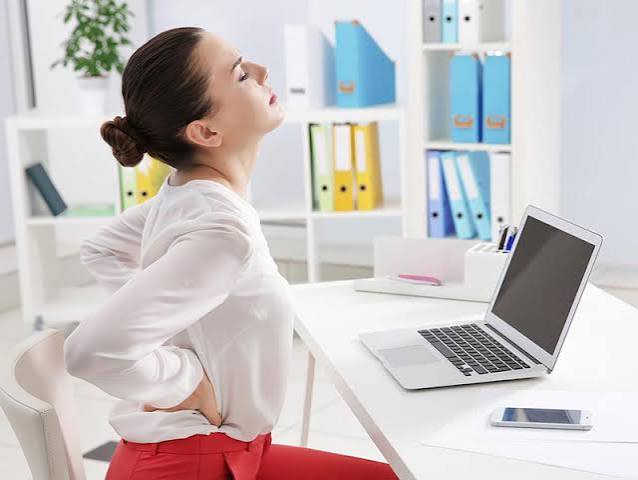
The connection between sitting too long and digestive symptoms has become one of the more practically significant findings in gastrointestinal research over the past decade. Adults in desk-based jobs spend an average of 9–12 hours sitting per day, and the cumulative effects on gut motility, colonic transit, acid reflux, and gut microbiome composition are substantial. This article explains the specific mechanisms linking prolonged sitting to digestive problems, identifies who is most at risk, and provides evidence-based strategies for reducing the impact of sedentary time on gut health.
How Sitting Too Long Disrupts Digestive Function
The digestive tract is an active muscular system that relies on movement — both the body’s movement and the gut’s own peristaltic movement — to function optimally. Prolonged sitting disrupts digestive function through several distinct mechanisms that operate simultaneously:
Reduced gut motility and colonic transit
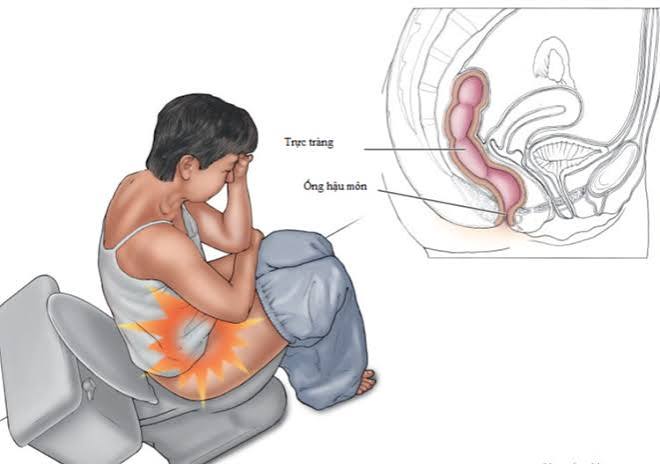
Physical movement stimulates colonic motility through mechanoreceptors in the gut wall and through increased blood flow to the abdominal organs. When the body is sedentary, these stimuli are removed. The enteric nervous system, which controls peristalsis independently of the brain, still functions — but it functions more slowly without the mechanical input that walking and postural changes provide. Studies using radio-opaque marker techniques to measure colonic transit time have consistently found that sedentary adults have transit times 20–40% longer than physically active adults with similar diets. Longer colonic transit time means more water reabsorption from stool, producing harder, more difficult-to-pass stools — the physiological basis of constipation in sedentary individuals. The exercise and digestive health evidence makes clear that even moderate regular activity substantially accelerates transit time through mechanisms that cannot be replicated by diet alone.
Increased intra-abdominal pressure and acid reflux
Sitting compresses the abdominal contents. Slouched or reclined sitting positions increase intra-abdominal pressure significantly — measurements in endoscopy studies show that slumped sitting increases intragastric pressure by 15–20% compared to standing. This pressure increase pushes against the lower esophageal sphincter (LES), the valve between the stomach and esophagus, increasing the likelihood of acid reflux events. For people who eat at their desks and remain seated for 2–3 hours after eating — a common pattern in office environments — the combination of a recently filled stomach and maintained sitting posture creates sustained pressure on the LES. Multiple epidemiological studies have found significantly higher rates of GERD and reflux symptoms in desk workers compared to active occupational groups, even after controlling for BMI and diet.
Slowed gastric emptying
Gastric emptying — the rate at which food leaves the stomach and enters the small intestine — is significantly influenced by posture and physical activity. Both upright posture (standing or walking) and physical activity accelerate gastric emptying compared to sitting or lying. The mechanism involves gravitational effects on gastric contents, increased antral motility from body movement, and higher sympathetic/parasympathetic balance during activity. Sitting too long after eating, particularly large meals, delays gastric emptying and prolongs post-meal symptoms including bloating, nausea, early satiety, and upper abdominal discomfort — symptoms consistent with functional dyspepsia in sedentary individuals.
Compromised gut microbiome
Emerging research suggests that sedentary behavior independently affects gut microbiome composition, beyond the effects of diet. A 2019 cross-sectional study found that sedentary adults had lower microbiome diversity and lower abundance of butyrate-producing bacteria compared to physically active adults with similar dietary patterns. Butyrate is a short-chain fatty acid produced by gut bacteria that fuels colonic epithelial cells, reduces gut inflammation, and supports gut barrier integrity. Lower butyrate production in sedentary individuals is associated with higher intestinal permeability and greater susceptibility to gut inflammation — a finding relevant to anyone with IBS, inflammatory bowel disease risk, or general digestive fragility. Detailed mechanisms are covered in the gut microbiome guide.
Sitting Too Long and Digestive Symptoms: Who Is Most at Risk
While prolonged sitting is problematic for digestive health in general, certain groups experience more pronounced effects:
- People with IBS-C (constipation-predominant IBS): Already have slower colonic transit; sedentary behavior compounds the problem directly. Physical activity is one of the few interventions shown to improve constipation-predominant IBS independently of dietary changes.
- People with GERD or hiatal hernia: The pressure dynamics of sitting make reflux significantly more likely, especially in the 2–3 hours after eating.
- People with functional dyspepsia: Post-meal upper abdominal symptoms are worsened by sedentary behavior due to slowed gastric emptying and increased gastric pressure.
- Older adults: Age-related reduction in gut motility is compounded by the sedentary behavior that tends to increase with age. Colonic transit time in healthy adults over 65 is already 30–50% longer than in younger adults; sedentary behavior magnifies this further.
- People recovering from gut surgery: Post-operative ileus (temporary gut paralysis after abdominal surgery) is standard. Early mobilization — getting out of bed and walking within hours of surgery — is now a standard of care because movement is the most reliably effective stimulus for restoring postoperative gut motility.
The Post-Meal Window Matters Most
The 2–3 hours after eating are when sitting has the most pronounced negative effects on digestion. Gastric emptying, acid reflux risk, and post-meal motility are all most sensitive to posture and movement during this window. A 10-minute walk within 30 minutes of eating produces measurably better outcomes than any intervention applied hours later.
Evidence-Based Strategies for Breaking Sedentary Patterns
The good news is that relatively small changes in sedentary behavior — interrupting sitting at regular intervals — produce disproportionately large improvements in digestive symptoms. The body does not require prolonged exercise to restore gut motility; it requires regular interruption of sitting.
Movement breaks every 30–60 minutes
Multiple randomized trials have tested the effect of seated interruptions on digestive outcomes. A systematic review in the American Journal of Gastroenterology found that interrupting sitting every 30 minutes with 2–3 minutes of walking or standing significantly improved colonic motility markers, reduced post-meal bloating scores, and improved glucose tolerance compared to uninterrupted sitting — the last finding relevant because insulin resistance and type 2 diabetes both independently increase the risk of gut motility disorders. Simple movement breaks do not need to be aerobic: standing, slow walking, or even marching in place for 2 minutes every 30–60 minutes produces meaningful improvements.
Practical implementation for desk workers: set a timer or use a smartwatch reminder for every 30–45 minutes. Use the break to walk to a colleague rather than emailing, use a more distant bathroom, take stairs to a different floor, or simply stand for 2–3 minutes. The research supports frequency over duration — six 5-minute breaks per day outperforms one 30-minute session of the same total duration for digestive outcomes.
Post-meal movement
The post-meal window is the highest-priority time for movement. A 10–15 minute walk within 30 minutes of eating has been shown to accelerate gastric emptying by 15–20%, reduce post-meal bloating, and significantly lower post-meal acid reflux frequency compared to remaining seated. The mechanism involves both the mechanical stimulation of gut motility and the gravity-assisted movement of gastric contents away from the LES. The full evidence base for walking after meals and digestion supports this as one of the highest-yield single habits for gut health in desk workers. Even if no other movement occurs during the day, post-meal walks represent the most strategically placed intervention.
Standing desks and posture changes
Standing desks reduce total sitting time by 2–4 hours per day in studies. For digestive health, the benefit comes primarily from reduced intra-abdominal pressure (important for GERD and post-meal discomfort) and increased postural muscle activity (which feeds back to the enteric nervous system). However, prolonged standing without movement has its own problems — varicose veins, lower back pain, and fatigue. The evidence-based approach is alternating between sitting and standing throughout the day, not standing all day, with the transition happening at least every 60–90 minutes. Standing immediately after meals (rather than during work tasks) targets the window when standing has the greatest gut benefit.
Active commuting and non-exercise physical activity
Walking or cycling to work replaces sedentary commuting time with physical activity and produces significant improvements in gut transit times in observational studies. For people who cannot change their commute, building walking into the journey (parking further away, walking part of the route, using public transport with walking sections) achieves similar total active time. The gut benefit of active commuting appears to be primarily mediated by total daily step count — people who commute actively consistently achieve 3,000–5,000 additional steps per day, enough to meaningfully accelerate colonic transit.
Targeted exercises for digestive stimulation
Beyond general movement, specific exercises have targeted effects on gut function. Abdominal exercises (planks, crunches, gentle leg raises) increase intra-abdominal muscle tone in a dynamic way that massages the abdominal organs and stimulates peristalsis — different from the compressive effect of static sitting. Yoga poses specifically developed for digestive stimulation (twisting poses, wind-relieving pose, forward folds) combine postural change with controlled breathing for amplified effect. The breathing exercises for digestive comfort guide covers the breathing component that optimally complements movement-based stimulation.
Sitting and Liver Health
The connection between sedentary behavior and liver health adds an additional layer to this discussion. Prolonged sitting independently raises the risk of non-alcoholic fatty liver disease (NAFLD) beyond its association with physical inactivity and diet. A 2020 study in the journal Liver International found that adults with high sedentary time had significantly higher rates of liver fat on imaging even after controlling for total physical activity and caloric intake — suggesting that sitting duration, not just exercise frequency, has direct effects on hepatic fat metabolism. Regular movement breaks appear to activate lipid-clearing pathways in the liver (through increased muscle lipoprotein lipase activity) that are suppressed during prolonged sitting regardless of total weekly exercise. More on lifestyle factors and liver health is in the weight management and liver health article.
When sitting-related digestive symptoms need evaluation: If you experience new or worsening abdominal pain that is not clearly related to meals or sitting position, blood in the stool, unintentional weight loss, or difficulty swallowing, see a doctor regardless of your activity level. These symptoms suggest conditions requiring medical investigation rather than behavioral modification. Persistent constipation that does not improve with increased activity and hydration after 4–6 weeks also warrants assessment to rule out structural or metabolic causes.
Building a Practical Anti-Sedentary Routine
The evidence points to a consistent prescription: interrupt sitting frequently and prioritize movement at meal times. A practical daily structure for desk workers:
- Every 30–45 min: Stand or walk for 2–3 minutes (timer or smartwatch reminder)
- After each meal: 10–15 minute gentle walk within 30 minutes of eating
- Lunch break: Use the full break for walking if possible; eat at a table rather than a desk to avoid immediately post-meal desk work
- Morning: 5–10 minutes of gentle abdominal stretches or yoga before starting work sets up gut motility for the day
- Evening: 20–30 minutes of aerobic exercise (walking, cycling, swimming) provides the deeper gut microbiome and motility benefits that brief breaks cannot fully replicate
The most important principle: frequency beats duration for digestive outcomes. Six 3-minute movement breaks throughout the workday have greater digestive benefit than one 18-minute session, because the gut responds to interruption of sitting rather than to cumulative movement time. This is confirmed by the randomized trial data and by the strong clinical evidence for frequent movement in post-operative ileus prevention. Combining this movement strategy with the stress management for gut health approaches most relevant to desk workers produces the most comprehensive protection against sedentary digestive symptoms.
Frequently Asked Questions
How quickly does sitting too long cause digestive symptoms?
The effects begin within 20–30 minutes of continuous sitting, particularly after eating. Intra-abdominal pressure increases with the sitting posture immediately. Gut motility begins to slow within 30 minutes of stopping activity. Post-meal acid reflux risk increases within the first hour of post-meal sitting. For constipation and transit-related symptoms, the effects accumulate over days and weeks of sedentary behavior rather than within a single sitting session — though a particularly long immobile day can produce noticeable constipation within 24–48 hours, especially in people with pre-existing slow transit. The recovery is also relatively quick: one study found that resuming regular walking after a period of enforced bed rest restored colonic transit time to baseline within 48–72 hours.
Does the type of sitting matter — desk chair versus sofa versus car seat?
Yes, posture within sitting matters, and different seating configurations produce different intra-abdominal pressure profiles. Upright desk chair sitting (hips at 90°, spine neutral) produces less intra-abdominal pressure than slouched sitting or reclined sofa sitting. Car seats, which typically produce a reclined posture with hip flexion, are among the worst for post-meal digestion. Long car journeys immediately after eating are a common trigger for acid reflux and post-meal discomfort. If you cannot avoid post-meal car travel, waiting at least 1 hour after eating and maintaining an upright posture reduces reflux risk. For desk workers, an ergonomic upright chair or a slight forward tilt (via a saddle seat or wedge cushion) produces better digestive posture than a standard reclined office chair.
Can regular exercise compensate for sitting too long the rest of the day?
Partially, but not fully. This is the “active couch potato” phenomenon well-established in metabolic and cardiovascular research, and it applies to digestive health too. People who exercise for 30–60 minutes daily but sit continuously for the remaining 10+ hours have worse metabolic and gut outcomes than people who do less formal exercise but interrupt sitting regularly throughout the day. Exercise provides the deeper adaptations — gut microbiome diversity, long-term transit improvements, HPA axis regulation — that brief movement breaks cannot replicate. But brief frequent movement breaks address the acute effects of sitting (elevated intra-abdominal pressure, slowed peristalsis, gastric stasis) that one daily exercise session cannot prevent during the other 22–23 hours. The optimal approach combines both: daily moderate exercise plus frequent sitting interruptions throughout the day.
Is constipation from sitting reversible without medication?
For most people with sitting-related constipation, yes. Increasing daily step count, adding post-meal walks, and establishing regular movement breaks typically produces measurable improvement in transit time and stool consistency within 1–2 weeks. Adequate hydration (the colon reabsorbs more water when transit is slow, so higher fluid intake partially offsets the drying effect of slow transit) and increased dietary fibre support the movement-based interventions. If constipation persists after 4 weeks of genuinely increased activity and adequate hydration, a GP evaluation is appropriate to rule out secondary causes (hypothyroidism, medication side effects, structural problems) that require specific treatment and will not respond to activity changes alone.
Does sitting too long increase the risk of colorectal cancer?
Epidemiological evidence suggests a modest but consistent association between high sedentary time and colorectal cancer risk, independent of body weight and exercise. A 2014 meta-analysis found that the highest sedentary time groups had approximately 24% higher colorectal cancer risk than the lowest groups. The proposed mechanisms include higher post-meal insulin and glucose levels (sedentary individuals have poorer post-meal glucose clearance), slower colonic transit (longer contact time between potential carcinogens and the colon mucosa), and reduced butyrate production from the gut microbiome. These are population-level risk differences rather than individual deterministic factors — sitting does not cause colorectal cancer directly — but they add to the list of reasons to treat prolonged sedentary time as a modifiable health risk, particularly for people over 45 considering colorectal cancer screening.
What is the best position to sit in for digestive health if sitting is unavoidable?
The least harmful sitting posture for digestion combines upright spinal alignment (not slouched or reclined) with a hip angle close to 90° or slightly above. Forward-tilt seats (saddle-style chairs or chairs with a wedge cushion angling the pelvis forward 5–10°) reduce lumbar compression and create a slightly better abdominal geometry than standard chairs. Sitting with feet flat on the floor rather than crossed or folded under reduces pelvic asymmetry that can contribute to pelvic floor tension — relevant in constipation. Avoid post-meal reclining for at least 2–3 hours after eating. If you must remain seated, occasional deliberate posture shifts (leaning slightly forward, then back, side-to-side weight transfers) provide some mechanical stimulation to the gut and reduce the compressive uniformity of static sitting.
Can standing desks make digestive symptoms worse in some cases?
Yes, in specific circumstances. Prolonged continuous standing, without movement, can worsen symptoms in people with varicose veins, pelvic floor dysfunction, or chronic lower back pain through increased venous pressure in the lower body, which can affect splanchnic (gut) blood flow. Some people with pelvic floor hypertension (a cause of constipation and pelvic pain) find that prolonged standing increases symptoms because standing maintains the pelvic floor in a partially contracted state — the opposite of what is needed for complete bowel emptying. The solution is the same as for sitting: alternation and movement, not static postures. Standing for 20–30 minutes then sitting for 20–30 minutes, cycling throughout the day, provides the benefits of both without the downsides of either.
Disclaimer: This article is for informational purposes only and does not constitute medical advice. Consult a qualified healthcare professional before making changes to your treatment plan or if you have concerns about your digestive health.
References:
- Biswas A et al. “Sedentary time and its association with risk for disease incidence, mortality, and hospitalization.” Annals of Internal Medicine, 2015.
- Stamatakis E et al. “Screen-based entertainment time, all-cause mortality, and cardiovascular events.” Journal of the American College of Cardiology, 2011.
- Loosen SH et al. “Sedentary behavior and non-alcoholic fatty liver disease.” Liver International, 2020.
- Ford ES, Caspersen CJ. “Sedentary behaviour and cardiovascular disease: a review of prospective studies.” International Journal of Epidemiology, 2012.
- Ekelund U et al. “Does physical activity attenuate, or even eliminate, the detrimental association of sitting time with mortality?” The Lancet, 2016.
The section on the post-meal window is the part of this that I’ve already acted on. I work from home and had gotten into the habit of eating lunch at my desk and going straight back to work. After reading about the 2–3 hour window being when sitting has the most pronounced negative effects, I now take a 15-minute walk after every meal as a non-negotiable. Three weeks in, the post-lunch bloating that had been bothering me for about a year has genuinely reduced. I hadn’t changed my diet at all. The posture section on the difference between upright and slouched sitting is also new information — I had not understood that the diaphragm mechanically supports the lower esophageal sphincter and that slouching removes that support. I’ve since adjusted my monitor height to encourage more upright sitting.
The LES-diaphragm relationship is one of the most clinically underappreciated mechanisms in GERD management. The standard explanation of GERD focuses on excessive acid production, which is why acid-suppressing medication is the default treatment. But a substantial proportion of GERD is driven not by too much acid but by an incompetent barrier — acid that is at a perfectly normal pH and volume escaping into the esophagus because the LES is weak, poorly coordinated, or inadequately supported. The diaphragm provides what’s called the crural component of LES closure — it wraps around the esophageal hiatus and generates supplementary closure force during swallowing, speaking, and exertion. In chronic thoracic breathers and people with habitual poor posture, the diaphragm is in a mechanically disadvantaged position that reduces this crural closure force. This is precisely why diaphragmatic breathing training and posture correction can produce significant reductions in reflux frequency without any change in acid production — they address a different mechanism entirely. For people on long-term PPIs whose symptoms are positional (worse when bending, after eating, in reclined positions) rather than volume-driven, this mechanical angle is worth discussing with a gastroenterologist before escalating medication dosage.
The finding about frequency over duration for digestive outcomes — six 3-minute breaks being better than one 18-minute session — is counterintuitive and worth highlighting more prominently. Most fitness advice (including from my GP) focuses on total weekly exercise minutes and never mentions the pattern of interruptions during the rest of the day. The colorectal cancer section is also sobering. The 24% higher risk figure for highest vs. lowest sedentary time groups, independent of exercise frequency, is the kind of statistic that should probably be in public health messaging more prominently given how many people work desk jobs. I’ll be sharing this with my team.