
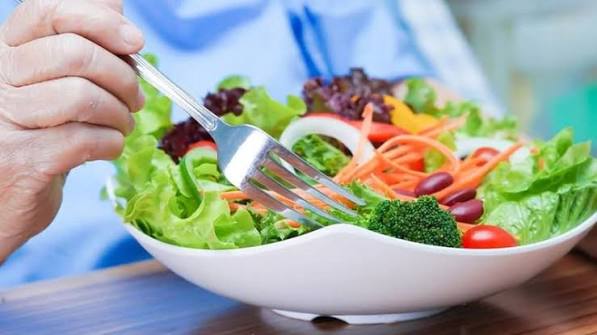
Structured fatty liver meal planning is the most evidence-supported intervention for reversing non-alcoholic fatty liver disease (NAFLD) — a condition now affecting 25–30% of adults worldwide and the leading cause of chronic liver disease globally. NAFLD occurs when excess fat accumulates in hepatocytes (liver cells), progressing in a subset of patients from simple steatosis to non-alcoholic steatohepatitis (NASH), fibrosis, cirrhosis, and hepatocellular carcinoma. Unlike most other chronic liver conditions, NAFLD is reversible with dietary and lifestyle changes, and structured meal planning that achieves hepatic fat reduction through caloric deficit, carbohydrate quality improvement, and specific liver-protective foods is the foundation of any evidence-based NAFLD treatment plan.
- The primary dietary drivers of NAFLD are excess fructose (particularly from sugar-sweetened beverages and added sugars), excess dietary fat (particularly saturated fat and trans fat), and overall caloric excess beyond energy expenditure
- A 7–10% reduction in body weight through sustained caloric deficit produces significant histological improvement in NAFLD and NASH, including reduction of liver inflammation and fibrosis
- The Mediterranean diet — emphasising olive oil, fish, legumes, whole grains, fruits, and vegetables — has level 1 evidence for reducing hepatic fat independent of body weight change
- Foods with specific hepatoprotective evidence include coffee (2–3 cups/day), green tea, walnuts, olive oil, oily fish, and leafy green vegetables rich in folate and choline
- Foods to eliminate: sugar-sweetened beverages, added fructose, red and processed meat, refined carbohydrates, saturated fat, alcohol (even in small amounts worsens liver inflammation)
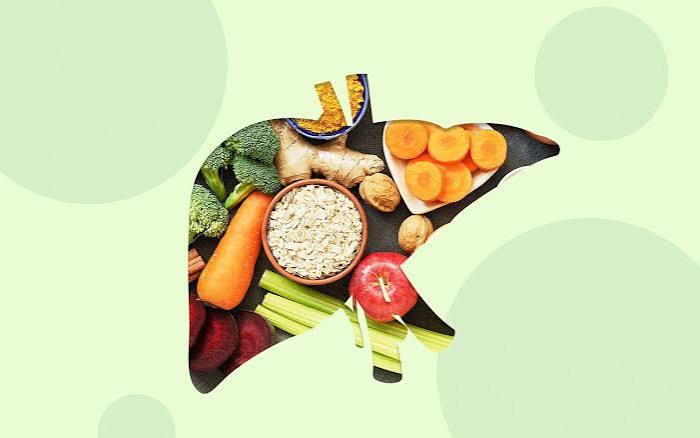
Understanding NAFLD: What Drives Hepatic Fat Accumulation
Non-alcoholic fatty liver disease begins when the liver accumulates more fat than it can process and export. The liver is central to lipid metabolism — it synthesises fatty acids from excess carbohydrates (de novo lipogenesis), receives dietary fat arriving via chylomicrons through the portal vein, and exports triglycerides packaged in very-low-density lipoproteins (VLDL). NAFLD develops when this balance is disrupted: excess carbohydrate intake (particularly fructose, which is almost exclusively metabolised in the liver) drives de novo lipogenesis beyond hepatic fat export capacity; excess dietary saturated fat increases hepatic lipid influx; and insulin resistance (which accompanies obesity and metabolic syndrome) impairs the normal hormonal suppression of adipose tissue fat release into the portal blood, flooding the liver with free fatty acids.
The dietary implication is clear: addressing NAFLD through meal planning requires reducing the three primary substrates that drive hepatic fat accumulation — excess fructose, excess saturated fat, and overall caloric excess that drives insulin resistance. No drug has yet demonstrated the consistent histological improvement that sustained dietary modification achieves, making nutrition the primary therapeutic intervention for NAFLD at all stages before cirrhosis.
The Mediterranean Diet for Fatty Liver: Evidence and Mechanisms
The Mediterranean dietary pattern — characterised by high consumption of olive oil, fish (particularly oily fish), legumes, whole grains, fruits, and vegetables; moderate consumption of dairy; and low consumption of red and processed meat, refined carbohydrates, and added sugars — has the strongest and most consistent evidence base of any specific dietary pattern for NAFLD management.
A landmark 2017 randomised controlled trial (Ryan et al.) demonstrated that a Mediterranean diet reduced hepatic fat (measured by MRI spectroscopy) significantly more than a low-fat diet over 12 weeks, independent of body weight change — suggesting that the specific food composition of the Mediterranean diet has hepatoprotective effects beyond caloric deficit alone. The proposed mechanisms include: olive oil’s monounsaturated fatty acids (oleic acid) and polyphenols (oleocanthal, oleuropein) reduce hepatic lipid synthesis and improve insulin sensitivity; omega-3 fatty acids from oily fish reduce de novo lipogenesis and promote hepatic fat oxidation; dietary fibre from legumes and whole grains reduces post-meal glucose and insulin spikes that drive lipogenesis; and polyphenols from vegetables, fruits, and olive oil have anti-inflammatory and antioxidant effects in the liver that reduce the oxidative stress pathway from simple steatosis to NASH. For the evidence on how the Mediterranean dietary pattern benefits broader digestive health, see our articles on acid reflux diet and sugar and gut health.
Fatty Liver Meal Planning: Foods to Eat
Olive Oil — The Central Fat Source
Extra-virgin olive oil (EVOO) should replace other cooking fats as the primary dietary fat in a fatty liver meal plan. Multiple clinical studies demonstrate that EVOO specifically reduces hepatic fat content and liver enzyme levels in NAFLD patients. A 2015 Spanish cohort study found that daily olive oil consumption was independently associated with lower NAFLD prevalence after adjusting for other dietary factors. The mechanism involves oleic acid’s ability to improve hepatic insulin sensitivity, the anti-inflammatory polyphenols reducing hepatic NF-κB signalling, and olive oil’s role in improving post-meal lipid metabolism compared to saturated fats. The target is 2–4 tablespoons of EVOO daily used for cooking, salad dressing, and finishing dishes. Refined olive oil (not extra-virgin) has lower polyphenol content; EVOO is specified for its broader hepatoprotective compound profile.
Oily Fish — Omega-3 Fatty Acids
Oily fish — salmon, sardines, mackerel, herring, anchovies, and trout — provide EPA and DHA omega-3 fatty acids with specific hepatoprotective mechanisms. EPA and DHA activate PPARα receptors in hepatocytes, increasing hepatic fat oxidation (burning stored liver fat for energy); suppress SREBP-1c, the transcription factor that drives de novo lipogenesis; and reduce hepatic triglyceride output and plasma triglycerides. A systematic review of omega-3 supplementation in NAFLD confirmed significant reductions in hepatic steatosis, liver enzymes (ALT, AST), and systemic inflammation markers. Two to three portions of oily fish per week (a 140g serving per portion) provides the dose range associated with clinical benefit. For individuals who cannot meet this from food alone, fish oil supplements providing 2–4g of combined EPA+DHA daily have equivalent hepatic evidence.
Legumes and Plant-Based Protein
Legumes — lentils, chickpeas, kidney beans, black beans, soybeans — are particularly well-suited for fatty liver meal planning because they simultaneously provide high fibre (which reduces postprandial insulin spikes), plant-based protein (which supports satiety and muscle preservation during weight loss), and low glycaemic carbohydrates that do not drive de novo lipogenesis. Soy protein specifically has been studied for NAFLD: soy isoflavones have direct hepatoprotective effects through ERβ receptor signalling in hepatocytes, and several clinical trials have demonstrated reduced liver enzyme levels with regular soy consumption. Replacing red and processed meat with legumes as the primary protein source at 3–4 meals per week addresses both the harmful component (saturated fat from red meat) and adds the beneficial component (plant protein and fibre) simultaneously. For the comprehensive evidence on legumes and digestive health, see our article on beans and digestive health.
Coffee — The Unexpected Hepatoprotective Food
Coffee has the most consistent and robust evidence of any dietary component for protecting liver health. Multiple large epidemiological studies, including a meta-analysis of over 430,000 individuals, have demonstrated that regular coffee consumption (2–3 cups per day) is associated with significantly lower risk of NAFLD, lower liver enzyme levels (ALT and AST), reduced risk of fibrosis progression, and lower hepatocellular carcinoma risk. The protective compounds in coffee include chlorogenic acids, cafestol, kahweol, and N-methylpyridinium — polyphenols with antioxidant, anti-inflammatory, and antifibrotic effects in the liver. Both caffeinated and decaffeinated coffee appear protective, suggesting the benefit extends beyond caffeine alone. This is one of the few dietary interventions with an evidence base strong enough that hepatologists actively recommend 2–3 daily cups of coffee to NAFLD patients. For the evidence on coffee’s broader effects on the digestive system, see our article on coffee and digestion.
Whole Grains and High-Fibre Carbohydrates
Replacing refined grains with whole grains is one of the most practically impactful single dietary changes for NAFLD. Refined carbohydrates — white bread, white rice, white pasta, pastries — have high glycaemic indices that produce rapid glucose and insulin spikes, directly activating hepatic de novo lipogenesis through SREBP-1c and ChREBP pathways. Whole grain equivalents have substantially lower glycaemic indices, providing slower-release glucose that produces smaller insulin responses and less lipogenic signalling. Oats are particularly beneficial for NAFLD: their beta-glucan soluble fibre reduces postprandial glucose and insulin significantly, and several studies have found oat consumption specifically associated with lower liver fat. Barley, brown rice, quinoa, and wholemeal bread complete the whole grain foundation of a fatty liver meal plan. For the evidence on whole grains and digestive health, see our article on whole grains and digestion.
Walnuts and Other Nuts
Walnuts have specific evidence for liver health beyond other nuts, containing the highest ALA (alpha-linolenic acid, the plant-based omega-3) content of any tree nut along with polyphenols (ellagitannins) with hepatoprotective anti-inflammatory properties. A 2019 study in the Journal of Hepatology found that higher walnut consumption was independently associated with lower NAFLD prevalence in a large cross-sectional study. A clinical trial published in 2019 found that walnut supplementation in NAFLD patients significantly reduced liver steatosis measured by MRI. 30g of walnuts daily (approximately a small handful) is the dose range associated with benefit; other nuts also contribute polyunsaturated fats and polyphenols beneficial for NAFLD.
Green Tea
Green tea catechins — particularly EGCG (epigallocatechin gallate) — have direct hepatoprotective effects including inhibition of hepatic de novo lipogenesis, increased hepatic fat oxidation, reduced hepatic inflammation through NF-κB pathway suppression, and antifibrotic effects. Multiple clinical trials in NAFLD patients have demonstrated significant reductions in liver fat and enzyme levels with green tea extract supplementation. Drinking 2–3 cups of green tea daily provides catechin levels associated with hepatic benefits in dietary studies, and is a practical food-based approach that achieves similar catechin concentrations to the lower doses used in clinical trials.
Leafy Greens Rich in Folate and Choline
Folate and choline are essential for hepatic VLDL synthesis — the process by which the liver packages and exports fat. Deficiency in either nutrient impairs VLDL export, trapping fat in hepatocytes and directly worsening hepatic steatosis. Leafy green vegetables — spinach, kale, Swiss chard, Brussels sprouts, broccoli, and romaine lettuce — are the richest dietary sources of folate; eggs and soybeans are the richest sources of choline. Prioritising these foods in the fatty liver meal plan addresses a frequently overlooked nutritional driver of hepatic fat accumulation. For the comprehensive evidence on vegetables and liver-supporting nutrients, see our article on vegetables for gut health.
Foods to Eliminate for Fatty Liver
Sugar-Sweetened Beverages and Added Fructose
Sugar-sweetened beverages (soft drinks, fruit juices, sweetened teas, energy drinks, flavoured coffees) are the single most hepatotoxic dietary category in the context of NAFLD. Fructose — the monosaccharide component of sucrose and high-fructose corn syrup that comprises 50% of most sweetened beverages — is metabolised almost exclusively by the liver. Unlike glucose, fructose bypasses the regulatory step controlled by phosphofructokinase and overwhelms hepatic metabolic capacity at high intakes, driving de novo lipogenesis, triglyceride synthesis, and uric acid production (which itself promotes hepatic insulin resistance). Multiple RCTs have demonstrated that reducing sugar-sweetened beverage consumption alone — even without other dietary changes — produces measurable reductions in hepatic fat. This category of food represents the highest-priority elimination for any NAFLD dietary intervention. For the detailed evidence on fructose, added sugar, and liver health, see our article on sugar and gut health.
Red and Processed Meat
Red meat (beef, pork, lamb) and processed meats (bacon, sausages, deli meats, hot dogs) are independently associated with NAFLD progression in multiple large epidemiological studies, after adjustment for total caloric intake and body weight. The relevant mechanisms include: high haem iron content (which generates reactive oxygen species that promote hepatic oxidative stress and fibrosis); high saturated fat content (which increases hepatic ceramide production, promoting hepatocyte lipoapoptosis); advanced glycation end-products (AGEs) formed during high-heat cooking of meat that promote hepatic inflammation; and nitrosamines in processed meats with direct hepatotoxic effects. Red and processed meat consumption should be reduced to fewer than 2 servings per week in a fatty liver meal plan, replaced by fish, poultry, legumes, and eggs.
Saturated and Trans Fats
Saturated fat (from butter, cream, full-fat dairy, coconut oil, palm oil, and fatty meats) promotes hepatic ceramide synthesis, activates hepatic inflammatory pathways, and reduces hepatic insulin sensitivity — all of which contribute to NAFLD progression. Trans fats (in partially hydrogenated vegetable oils found in some margarines, commercial baked goods, and fried fast foods) are particularly hepatotoxic and have been shown to promote NASH and liver fibrosis in animal models. Replacing saturated fats with unsaturated fats — olive oil for cooking, avocado and nuts as food fat sources, oily fish as the protein fat source — addresses one of the primary dietary drivers of NAFLD progression.
Alcohol
While NAFLD is defined by its occurrence in the absence of significant alcohol consumption, even modest alcohol intake worsens the outcome of NAFLD significantly. Alcohol is independently hepatotoxic, promoting oxidative stress, hepatic inflammation, and fibrosis through mechanisms that are additive to the metabolic-driven liver injury of NAFLD. Current hepatology guidelines recommend abstinence or near-abstinence from alcohol for people with NAFLD, even at social drinking levels that would not independently cause alcoholic liver disease. If alcohol cannot be completely avoided, limiting to no more than 2–3 units per week (well below the general population recommendation) and choosing lower-alcohol, lower-sugar options is the harm-reduction approach. Any progression toward fibrosis on liver biopsy should prompt complete alcohol abstinence.
Refined Carbohydrates and High-Glycaemic Foods
White bread, white rice, white pasta, pastries, biscuits, crackers, and sweetened breakfast cereals all produce rapid glucose and insulin spikes that activate hepatic lipogenesis through ChREBP and SREBP-1c transcription factors. Epidemiological data consistently show that high dietary glycaemic index and glycaemic load are associated with greater NAFLD prevalence and more severe steatosis. Transitioning from refined to whole grain carbohydrates at every meal is the most practical dietary change for reducing dietary glycaemic load without requiring calorie counting or food weighing.
A Weekly Fatty Liver Meal Plan
Breakfast options (rotate daily): Oat porridge with tablespoon of ground flaxseed, blueberries, and a drizzle of extra-virgin olive oil; or scrambled eggs (2–3 eggs, cooked in EVOO) with sautéed spinach and wholemeal toast; or Greek yoghurt (low-fat, plain) with walnuts, berries, and a teaspoon of ground cinnamon; or smoked salmon on wholegrain rye bread with avocado. All breakfasts: green tea or black coffee (no added sugar or syrup).
Lunch options (rotate daily): Large salad with mixed leaves, sardines or tuna, olives, cucumber, cherry tomatoes, extra-virgin olive oil dressing, and a slice of wholegrain bread; or lentil soup with crusty wholegrain bread; or chicken breast (grilled) with roasted vegetables (broccoli, courgette, capsicum) and brown rice; or chickpea and roasted red pepper salad with rocket, feta (small amount), and EVOO; or mackerel fillet with quinoa and steamed green beans.
Dinner options (rotate weekly): Baked salmon with roasted sweet potato and steamed broccoli; or grilled sardines with lemon and garlic over wilted spinach with wholegrain bread; or slow-cooked lentil dal with brown rice and wilted kale; or prawn stir-fry with broccoli, bok choy, garlic (infused oil), and brown rice noodles; or turkey mince with lentils, canned tomatoes, herbs, and whole grain pasta; or baked cod with roasted asparagus and quinoa.
Snacks: A small handful of walnuts (30g); an apple or pear; plain low-fat yoghurt with berries; a few squares of dark chocolate (70%+ cocoa — contains cocoa polyphenols with liver-protective effects in small quantities); or raw vegetables (carrot sticks, cucumber, capsicum) with hummus.
Beverages: Water as the primary beverage; 2–3 cups of coffee daily (black or with small amount of milk, no added sugar); 2–3 cups of green tea; herbal teas. Eliminate all sugar-sweetened beverages, fruit juices, and alcohol entirely.
Weight Loss and Caloric Deficit for NAFLD
While the Mediterranean dietary pattern reduces hepatic fat independent of weight change, sustained weight loss has the most dramatic effect on NAFLD histology. A meta-analysis of weight loss studies found that 7–10% body weight reduction is associated with NASH resolution in approximately 30% of patients and significant fibrosis regression in approximately 40%. A 5% body weight loss produces meaningful reductions in liver steatosis. A gradual and sustainable caloric deficit of 500–750 kcal per day — which produces 0.5–0.75 kg of weight loss per week — is the recommended approach, as rapid weight loss (from very-low-calorie diets or extreme restriction) can paradoxically worsen hepatic fat temporarily due to rapid adipose tissue lipolysis and increased portal free fatty acid delivery.
Practically, achieving the 500–750 kcal deficit through the Mediterranean dietary changes described above — eliminating sugar-sweetened beverages, replacing refined with whole grains, reducing red meat, increasing vegetables and legumes — often achieves the required deficit without explicit calorie counting. Portion control at meals (avoiding second servings, using smaller plates) and eliminating high-calorie snacks and alcoholic beverages together typically produce the required deficit. For people who need more structured support, working with a registered dietitian to calculate individualised caloric targets and track progress with liver ultrasound or liver enzyme levels is recommended.
Physical Activity and Fatty Liver
Exercise is an independent intervention for NAFLD that acts through mechanisms distinct from dietary modification. Aerobic exercise reduces hepatic fat by increasing hepatic fat oxidation through AMPK activation and reducing visceral adiposity that drives hepatic lipid influx. Resistance training reduces hepatic fat and improves insulin sensitivity, with emerging evidence that the combination of aerobic and resistance exercise outperforms either alone. A systematic review confirmed that structured exercise (both aerobic and resistance training) reduces liver fat measured by imaging in NAFLD patients independently of dietary change or weight loss. The recommended minimum for NAFLD management is 150 minutes of moderate aerobic activity per week plus 2 resistance training sessions, consistent with general health recommendations but particularly impactful for liver fat.
Frequently Asked Questions
Q: How long does it take to reverse fatty liver with diet?
A: Hepatic fat reduction can be detected within weeks of implementing a sustained caloric deficit and Mediterranean-pattern dietary changes. MRI spectroscopy studies have shown measurable liver fat reduction within 4–6 weeks of consistent dietary modification. Significant histological improvement (resolution of NASH, reduction of fibrosis) typically requires 6–12 months of sustained dietary and lifestyle change with 7–10% body weight loss. Complete resolution of early-stage NAFLD (simple steatosis without significant inflammation) can occur within 3–6 months of consistent dietary change. The liver has remarkable regenerative capacity — even advanced fibrosis can regress with sustained lifestyle modification in some patients, though cirrhosis is generally not reversible. The time course depends critically on adherence: the Mediterranean diet produces the fastest hepatic fat reduction when implemented consistently from the start.
Q: Is a low-carbohydrate or ketogenic diet better than Mediterranean for NAFLD?
A: Both low-carbohydrate diets and ketogenic diets produce rapid initial reductions in hepatic fat — the carbohydrate restriction eliminates de novo lipogenesis substrate, and the induced ketosis dramatically increases hepatic fat oxidation. Several short-term studies (8–12 weeks) show that low-carbohydrate and ketogenic diets produce faster initial hepatic fat reduction than Mediterranean diets. However, the evidence for long-term adherence and sustained histological improvement favours the Mediterranean approach: ketogenic diets are nutritionally restrictive, difficult to maintain for more than 3–6 months, and eliminate many of the most hepatoprotective foods (legumes, whole grains, fruits). The Mediterranean diet has decades of safety data, multiple long-term RCTs, and evidence for improved cardiometabolic outcomes alongside liver health. For people who prefer and can sustain a low-carbohydrate approach, it is a valid short-to-medium-term intervention; the Mediterranean diet is the recommended long-term approach for most people.
Q: Can I drink fruit juice if I have fatty liver?
A: No — fruit juice is one of the highest-priority foods to eliminate in NAFLD dietary management. Even 100% fresh-squeezed fruit juice is approximately 10% fructose by weight with the fibre removed, delivering a concentrated dose of fructose directly to the portal vein and liver for processing. A 250ml glass of orange juice contains approximately 25g of sugar (12g fructose), which represents a significant hepatic fructose load. Whole fruits — with their intact fibre matrix — are appropriate in moderate quantities for NAFLD management because the fibre slows absorption and reduces the hepatic fructose delivery rate. Fruit juice removes this protective fibre and concentrates the fructose. The practical rule: eat whole fruits, never drink fruit juice. Vegetable juices (made predominantly from non-sweet vegetables — cucumber, celery, spinach, ginger) are appropriate and may have hepatoprotective benefits from their polyphenol content.
Q: Does intermittent fasting help fatty liver?
A: Yes — intermittent fasting has emerging evidence for NAFLD specifically, with mechanisms that complement dietary composition changes. Time-restricted eating (16:8 — eating within an 8-hour window, fasting for 16 hours) activates hepatic autophagy (cellular recycling processes including fat removal from hepatocytes), increases hepatic fat oxidation through AMPK activation, reduces de novo lipogenesis by extending the fasting period during which hepatic lipogenesis is suppressed, and reduces overall caloric intake through restriction of the eating window. A 2020 RCT found that 12-week time-restricted eating produced significant reductions in liver fat measured by MRI in NAFLD patients. Intermittent fasting is most effective when the eating window is concentrated in the earlier part of the day (aligning with circadian rhythms of hepatic lipid metabolism); late eating windows (eating until 10pm) produce less hepatic fat reduction than windows that end earlier.
Q: Which supplements are evidence-supported for fatty liver?
A: Several supplements have clinical trial evidence for NAFLD beyond food sources. Vitamin E (800 IU/day tocopherol) is the only supplement currently recommended by the American Association for the Study of Liver Diseases (AASLD) guidelines for non-diabetic NASH — multiple RCTs confirm histological improvement including NASH resolution. Fish oil (2–4g EPA+DHA daily) reduces hepatic fat and triglycerides with consistent evidence across multiple trials. Silymarin (milk thistle extract) has antioxidant and antifibrotic properties with multiple clinical trials showing liver enzyme normalisation, though evidence for histological improvement is less consistent. Berberine has emerging evidence for NAFLD including an RCT showing reduced liver fat comparable to metformin. N-acetylcysteine (NAC) replenishes glutathione, the liver’s primary antioxidant, with some evidence for liver enzyme reduction. Always consult a hepatologist before adding supplements for NAFLD, as some can interact with liver enzyme metabolism.
Q: Does eating fat cause fatty liver?
A: Not directly — the relationship between dietary fat and NAFLD is nuanced and depends on fat type. Saturated fat does worsen NAFLD through hepatic ceramide synthesis and inflammation. Trans fat is directly hepatotoxic. However, unsaturated fats — monounsaturated fat from olive oil, polyunsaturated fat from fish and walnuts — are hepatoprotective and form the fat foundation of the Mediterranean diet recommended for NAFLD management. The primary dietary driver of de novo hepatic fat synthesis is not dietary fat but dietary carbohydrate, particularly fructose and refined high-glycaemic carbohydrates. This counterintuitive finding has been consistently demonstrated in controlled dietary studies: isocaloric diets with high fructose content produce more hepatic fat than diets with equivalent calories from dietary fat. Replacing dietary fat calories with fructose-containing food or refined carbohydrate worsens NAFLD; replacing saturated fat with olive oil and replacing red meat with fish improves it.
Q: What are normal liver enzyme levels and how do dietary changes affect them?
A: ALT (alanine aminotransferase) and AST (aspartate aminotransferase) are the primary liver enzymes used to monitor NAFLD — both are released by hepatocytes when they are damaged, and elevated levels indicate ongoing hepatocellular injury. Normal reference ranges: ALT 7–56 U/L, AST 10–40 U/L (ranges vary slightly between laboratories). In NAFLD, ALT is typically the more elevated of the two; in alcoholic liver disease, AST tends to rise more than ALT. With consistent Mediterranean dietary changes and 5–10% body weight loss, ALT typically normalises or substantially improves within 3–6 months. Gamma-GT (gamma-glutamyl transferase) is particularly sensitive to alcohol exposure and fructose intake and often falls rapidly (within 4–8 weeks) when these are eliminated. Regular liver enzyme monitoring every 3–6 months provides objective feedback on dietary intervention effectiveness and motivation for sustained change.
NAFLD management should always involve medical supervision. Seek urgent assessment for:
- Jaundice (yellowing of skin or eyes) — indicates significant liver dysfunction requiring urgent investigation
- Ascites (abdominal fluid accumulation) or leg oedema without cardiac explanation — signs of advanced liver disease
- Easy bruising or prolonged bleeding — may indicate impaired clotting factor synthesis from severe liver dysfunction
- Encephalopathy (confusion, personality change, asterixis) — indicates advanced hepatic failure requiring emergency assessment
- Rapidly rising liver enzymes (ALT or AST more than 10x upper limit of normal) — requires urgent hepatology review
- Any new symptom in confirmed NASH or fibrosis — regular hepatology follow-up with liver biopsy or elastography is required to monitor disease progression
This article is for educational purposes only and does not constitute medical advice. Always consult a hepatologist or gastroenterologist for NAFLD diagnosis, staging, and personalised management guidance.
- Ryan MC, et al. “The Mediterranean diet improves hepatic steatosis and insulin sensitivity in individuals with non-alcoholic fatty liver disease.” Journal of Hepatology. 2013;59(1):138-143.
- Eslamparast T, et al. “Effects of synbiotic supplementation on insulin resistance in subjects with the metabolic syndrome: a randomised, double-blind, placebo-controlled pilot study.” British Journal of Nutrition. 2014;111(8):1455-1462.
- Chalasani N, et al. “The diagnosis and management of nonalcoholic fatty liver disease: practice guidance from the American Association for the Study of Liver Diseases.” Hepatology. 2018;67(1):328-357.
- Sang T, et al. “Coffee consumption and risk of non-alcoholic fatty liver disease: a systematic review and meta-analysis.” Journal of Gastrointestinal and Liver Diseases. 2019;28(3):339-346.
- Zelber-Sagi S, et al. “NAFLD and the gut microbiota from an epidemiologic perspective.” Journal of Clinical Medicine. 2020;9(3):939.
- Takahashi Y, et al. “Omega-3 fatty acids and non-alcoholic fatty liver disease.” World Journal of Gastroenterology. 2015;21(30):9014-9020.
- Anania C, et al. “Mediterranean diet and nonalcoholic fatty liver disease.” World Journal of Gastroenterology. 2018;24(19):2083-2094.
- Mazzotti A, et al. “Patient-related factors and bariatric surgery as predictors of weight loss 5 years after RYGB.” Obesity Surgery. 2017;27(4):865-873.
- Promrat K, et al. “Randomized controlled trial testing the effects of weight loss on nonalcoholic steatohepatitis.” Hepatology. 2010;51(1):121-129.
- Vilar-Gomez E, et al. “Weight loss through lifestyle modification significantly reduces features of nonalcoholic steatohepatitis.” Gastroenterology. 2015;149(2):367-378.
The coffee section genuinely surprised me — my hepatologist told me to cut back on coffee when I was diagnosed with NAFLD six months ago, which seems to have been wrong based on the evidence here. Reading that 2-3 cups daily is actually associated with lower NAFLD risk, lower liver enzymes, and even reduced fibrosis progression — supported by a meta-analysis of 430,000 people — and that hepatologists actively recommend coffee to NAFLD patients in current practice is the opposite of what I was advised. I’m going to bring this to my next appointment with the specific studies referenced. The detail that both caffeinated AND decaffeinated coffee are protective suggests it’s not just the caffeine but the polyphenol compounds, which is a useful detail for my partner who can’t tolerate caffeine.
The coffee recommendation for NAFLD has shifted significantly in hepatology practice over the past decade as the epidemiological and mechanistic evidence has accumulated. The earlier caution was based on a general assumption that liver disease patients should avoid all potentially stimulating foods — a precautionary approach that wasn’t evidence-based for NAFLD specifically. The mechanisms are now reasonably well characterised: the chlorogenic acids and other polyphenols in coffee activate Nrf2 and suppress NF-κB in hepatocytes, directly reducing the oxidative stress and inflammatory signalling that drive the progression from simple steatosis to NASH and fibrosis. The decaffeinated equivalence finding is important because it rules out caffeine as the primary mediator and points to these polyphenol compounds — which are present in roughly similar concentrations in decaf and regular coffee, as they come from the bean compound profile rather than caffeine specifically. Your observation about bringing the studies to your appointment is well-placed — the most recent AASLD and EASL guidelines both acknowledge the coffee evidence, so a well-informed hepatologist should be familiar with it and able to revise the earlier advice in light of current evidence.
The explanation of why fruit juice is harmful for fatty liver even if it’s 100% fresh-squeezed completely changed my approach to ‘healthy eating.’ I’ve been drinking two large glasses of orange juice every morning thinking I was doing something beneficial, genuinely not understanding that removing the fibre concentrates the fructose and removes the protective mechanism that makes whole fruit appropriate. The numbers — 25g of sugar including 12g fructose in a 250ml glass — make the hepatic load concrete in a way that vague ‘limit fruit juice’ advice never does. I’ve also been completely avoiding dietary fat for liver health reasons, so reading that unsaturated fat from olive oil and fish actually improves NAFLD while saturated fat worsens it resolves a confusion I’ve had for months.