
What Causes Cancer?
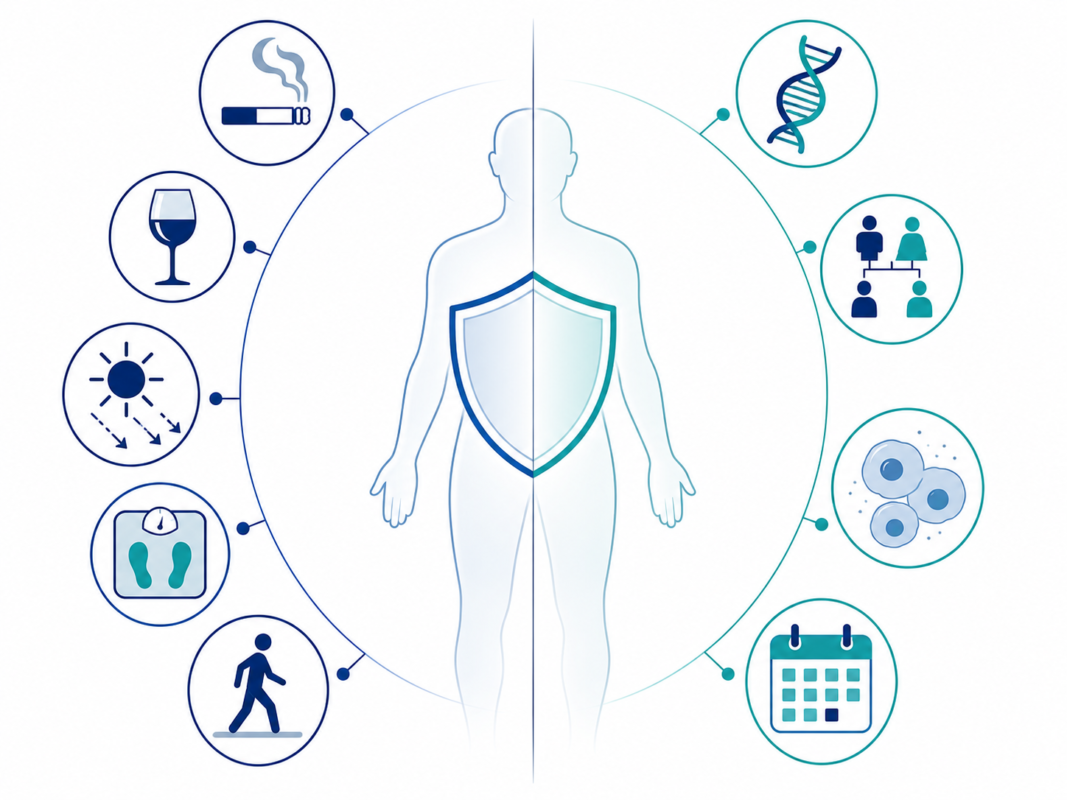
Cancer does not usually begin from one single event. It often develops over time when changes in DNA allow cells to grow, divide, and survive in ways they should not. Some risks are related to daily habits and exposures, while others are tied to age, inherited genes, infections, or the environment.
Why Understanding Cancer Causes Matters
Many people think cancer is mostly about “bad luck,” but the full picture is more practical. Cancer can be influenced by a mix of biology, behavior, infection, environmental exposure, and time. Understanding these causes helps people focus on the risks they can reduce instead of worrying about every possible danger.
In the United States, cancer remains one of the most important public health issues. The American Cancer Society estimated more than 2.1 million new cancer cases and more than 626,000 cancer deaths in 2026. At the same time, a large share of cancer risk is linked to modifiable factors such as smoking, excess body weight, alcohol use, physical inactivity, diet, and preventable infections.
Common Causes and Risk Factors for Cancer
Cancer risk is usually shaped by several factors working together. The most important preventable causes are often the ones that repeatedly expose cells to damage or inflammation over many years.
1. Tobacco and secondhand smoke
Tobacco is one of the strongest and most preventable cancer risk factors. Cigarette smoke contains chemicals that can damage DNA and affect the body’s ability to repair that damage. Smoking is especially linked with lung cancer, but it is also associated with cancers of the mouth, throat, voice box, esophagus, bladder, kidney, pancreas, stomach, cervix, colon, and rectum.
Secondhand smoke also matters because people nearby can inhale many of the same harmful chemicals. For cancer prevention, avoiding tobacco products and reducing exposure to smoke-filled environments are among the most powerful steps.
2. Alcohol use
Alcohol can increase cancer risk because the body breaks it down into acetaldehyde, a chemical that can damage DNA. Alcohol use is linked with several cancers, including cancers of the mouth, throat, voice box, esophagus, liver, colon, rectum, and breast. The risk generally rises as alcohol intake increases.
3. Excess body weight and obesity
Excess body fat is not only stored energy. Fat tissue can influence hormones, insulin signaling, and inflammation, which may affect how cells grow. According to CDC information, being overweight or having obesity is associated with a higher risk of 13 types of cancer, and these cancers make up a large share of cancers diagnosed in the United States.
4. Physical inactivity and unhealthy eating patterns
Low physical activity, frequent ultra-processed foods, high intake of processed meat, and low intake of fiber-rich foods may contribute to cancer risk over time. These patterns can affect body weight, blood sugar regulation, inflammation, gut health, and hormone balance.
A cancer-prevention eating pattern does not need to be complicated. For most adults, the practical goal is to build meals around vegetables, fruits, beans, whole grains, lean proteins, and healthier fats while limiting processed meats, excess added sugar, and heavy alcohol intake.
5. Ultraviolet radiation from the sun and tanning beds
UV radiation can damage DNA in skin cells. Over time, this damage can lead to skin cancers, including melanoma and non-melanoma skin cancers. UV exposure can happen on sunny days, cloudy days, and through reflected light from surfaces such as water, sand, cement, or snow.
Other Important Cancer Causes: Infections, Environment, Genes, and Aging
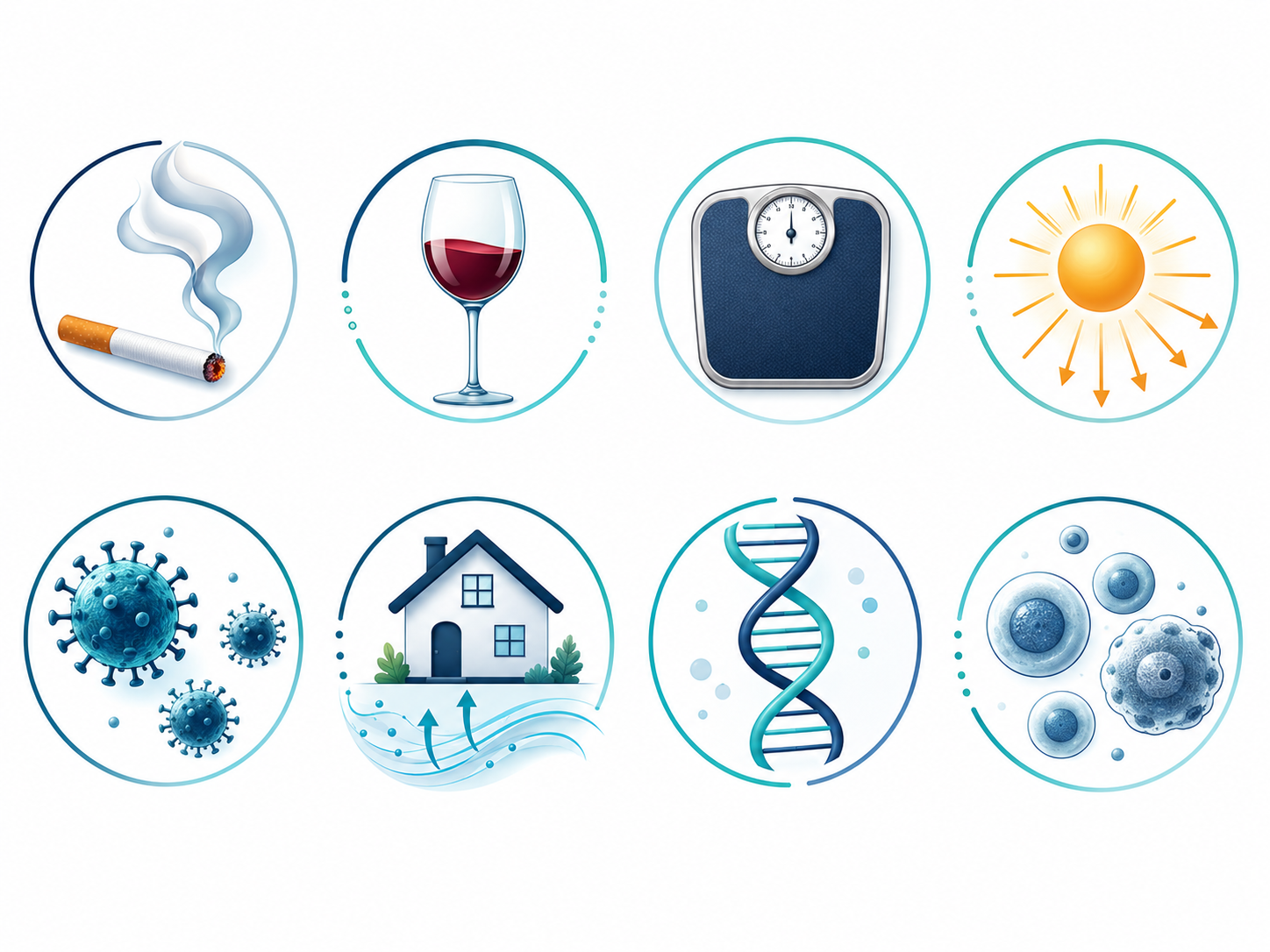
Some cancer risks are less obvious than smoking or sun exposure. Infections, invisible gases in the home, inherited gene changes, and aging can all play a role. These risks are important because some can be prevented, tested for, or managed with earlier screening.
6. Cancer-related infections
Certain infections can raise cancer risk by causing long-term inflammation or by changing how cells behave. Human papillomavirus, or HPV, is one of the best-known examples. In the United States, CDC estimates that HPV causes about 39,300 cancers each year, including many cervical cancers and some cancers of the throat, anus, penis, vagina, and vulva.
Other infection-related risks include hepatitis B and hepatitis C, which can raise liver cancer risk, and Helicobacter pylori, which is linked with some stomach cancers. Vaccination, safer sex practices, testing, and treatment can reduce some of these risks.
7. Radon and environmental exposures
Radon is a naturally occurring radioactive gas that can enter homes through cracks and openings in the foundation. It cannot be seen or smelled, but long-term exposure can increase lung cancer risk. The U.S. Environmental Protection Agency identifies radon as the second leading cause of lung cancer overall and the leading cause of lung cancer among people who do not smoke.
Other environmental and workplace exposures can also matter, depending on the person’s job, location, and long-term contact with certain substances. Examples may include asbestos, diesel exhaust, some industrial chemicals, air pollution, and certain forms of radiation.
8. Family history and inherited gene changes
Most cancers are not caused by a single inherited gene. However, family history can sometimes point to an inherited cancer syndrome. For example, inherited changes in genes such as BRCA1 or BRCA2 can raise the risk of breast, ovarian, prostate, and pancreatic cancers.
Family history is especially important when several close relatives had the same type of cancer, cancers occurred at younger ages than usual, or one person had multiple related cancers. In those situations, genetic counseling may help people understand whether testing or earlier screening is appropriate.
9. Age and accumulated cell damage
Cancer risk generally increases with age because cells have had more time to accumulate DNA damage. The body’s repair systems are powerful, but they are not perfect. Over decades, small changes can build up, especially when combined with smoking, UV exposure, chronic inflammation, obesity, or other long-term risks.
How to Lower Cancer Risk in Everyday Life
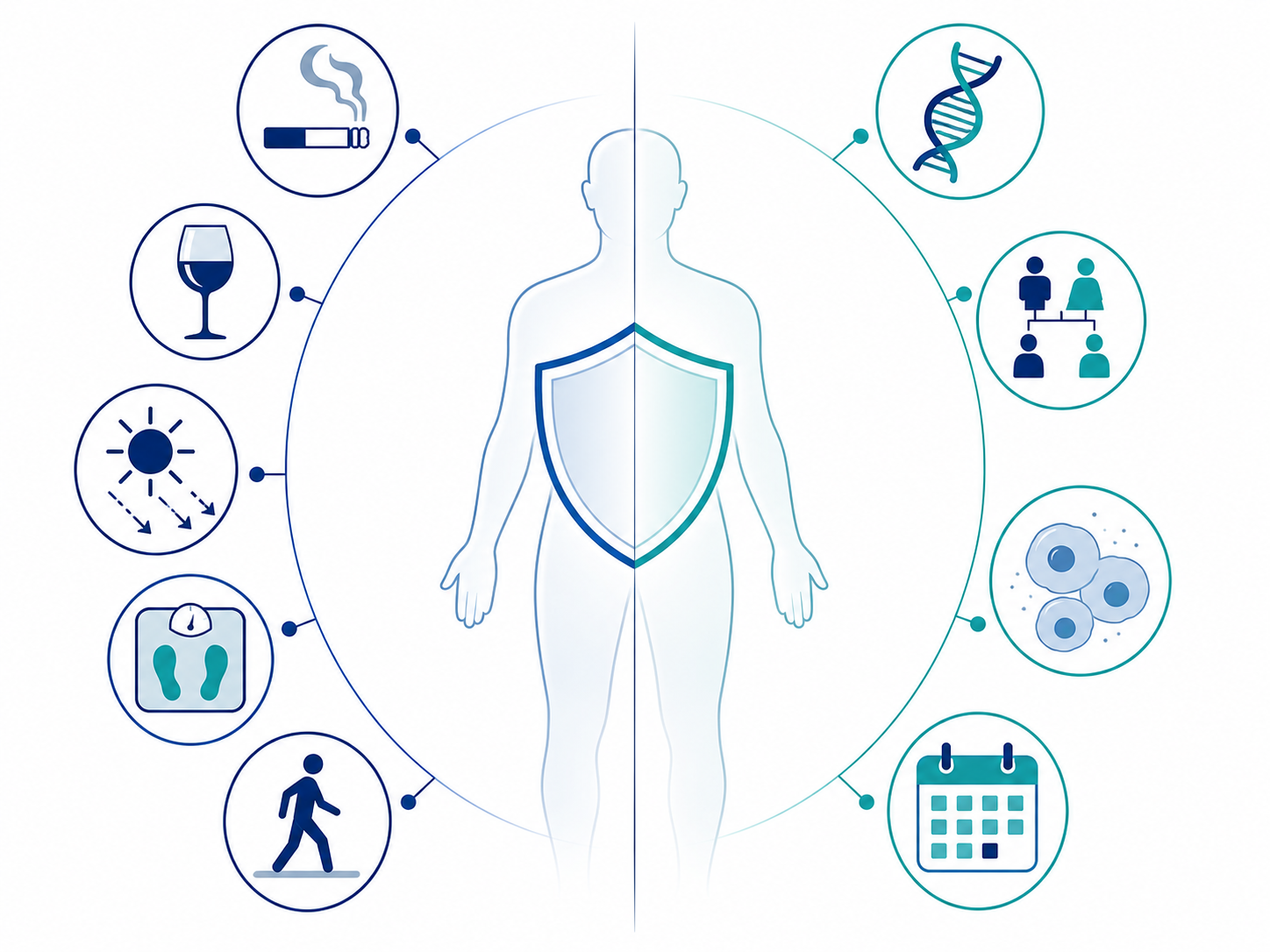
Cancer prevention works best when it is realistic. The goal is not perfection. The goal is to reduce repeated exposures that damage cells, support a healthier body environment, and stay up to date with vaccines and recommended screening.
Screening matters because prevention is not perfect
Even people with healthy habits can develop cancer. That is why screening is a separate and important part of cancer control. Tests such as colonoscopy, mammography, Pap testing, HPV testing, lung cancer screening for eligible adults, and skin checks can help find cancer or precancerous changes earlier.
Screening recommendations depend on age, sex, personal history, family history, and risk level. A person with a strong family history may need a different schedule than someone at average risk.
Frequently Asked Questions About Cancer Causes
Can stress cause cancer?
Stress alone is not usually described as a direct cause of cancer. However, long-term stress can influence sleep, alcohol use, smoking, food choices, physical activity, and medical follow-up. Those indirect effects may affect overall health and cancer risk patterns.
Is cancer mostly genetic?
Some cancers are strongly influenced by inherited gene changes, but many cancers are not caused by a single inherited gene. Cancer usually develops from a combination of DNA changes, age, exposures, lifestyle factors, infections, and sometimes family history.
Can healthy people still get cancer?
Yes. Healthy habits can lower risk, but they cannot remove every risk. Age, inherited factors, random DNA changes, environmental exposure, and infections can still play a role. This is why prevention and screening should work together.
What is the biggest preventable cause of cancer?
Tobacco use remains one of the most important preventable cancer causes. Avoiding tobacco, quitting smoking, and reducing secondhand smoke exposure can lower the risk of several cancer types.
Final Takeaway
Cancer can begin when DNA changes allow cells to grow out of control, but the reasons behind those changes are often complex. Tobacco, alcohol, excess body weight, inactivity, UV exposure, certain infections, radon, family history, and age can all contribute in different ways.
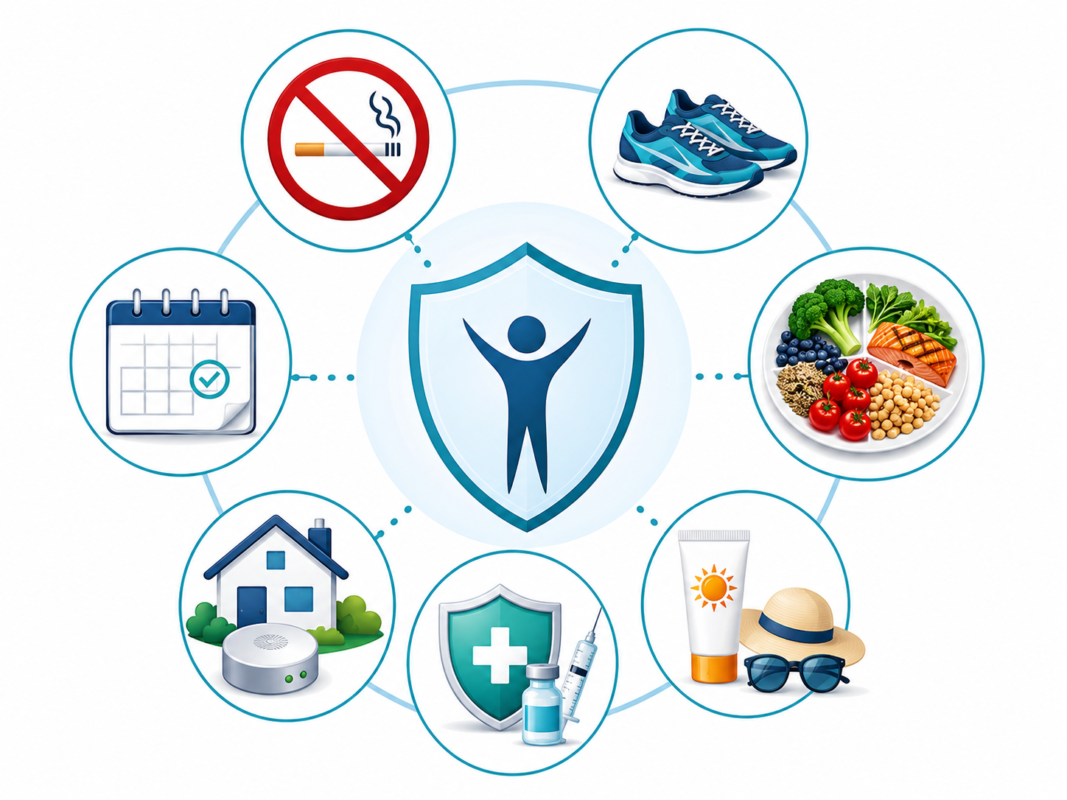
The most useful approach is to focus on what can be changed: avoid tobacco, limit alcohol, stay active, protect your skin, maintain a healthy weight, keep up with vaccines, reduce avoidable exposures, and follow recommended screening. These steps cannot prevent every cancer, but they can help reduce risk and support earlier detection.
I shared this article on what causes cancer? common risk factors, with my doctor and they appreciated the level of detail. The article answered questions I didn’t even know I had until I started reading. Keep up this kind of thorough health journalism — it genuinely helps patients like me.
I have been reading about what causes cancer? common risk factors, for weeks and this is the most thorough guide I have found. It is refreshing to see an article that acknowledges individual variation rather than giving one-size-fits-all advice. Forwarding this to others in my support group who are dealing with similar issues.
Bookmarked this article on what causes cancer? common risk factors, immediately — going to reference it regularly. The section on managing this condition day-to-day was especially useful for meal planning. This gave me real confidence going into my next specialist appointment.
As someone dealing with this personally, the what causes cancer? common risk factors, section was very helpful. I appreciate that the article is careful about distinguishing between what is known and what is still being researched. This is exactly why I prefer this website over generic health platforms.
Thank you for covering what causes cancer? common risk factors, so thoroughly without being overly technical. The specific numbers and thresholds mentioned are exactly what I needed to understand my results. I wish I had found this article earlier — would have saved a lot of confusion.
I shared this article on what causes cancer? common risk factors, with my doctor and they appreciated the level of detail. The article answered questions I didn’t even know I had until I started reading. Appreciate the effort that went into researching and writing this — it shows.