Most cancer symptoms don’t announce themselves dramatically. They arrive quietly — a cough that sticks around a little too long, a lump that feels different, a fatigue that sleep doesn’t fix. We explain them away: “It’s just stress.” “I’ve been eating badly.” “I’m getting older.”
But every four-week delay in getting a cancer symptom evaluated is linked to a 6–13% increase in mortality risk, according to a 2020 study in the BMJ. That’s not a reason to panic at every headache. It is a reason to know the difference between “wait and see” and “call your doctor this week.”
This guide covers the 10 universal cancer red flags, warning signs by body system, which symptoms require same-day attention, and what to do when you notice something that worries you.
What Makes a Symptom a Cancer Red Flag?
In clinical medicine, a “red flag” is a symptom or sign with enough predictive value for serious disease to warrant active investigation — not a symptom that definitively means cancer, but one that makes cancer plausible enough to check.
Most individual red flag symptoms have a positive predictive value of only 5–15% for cancer when they appear alone. The probability rises when the symptom persists beyond 2–4 weeks, when multiple red flags are present simultaneously, when the symptom is progressive, or when there is no obvious benign explanation.
The American Cancer Society’s CAUTION acronym captures the classic warning signs:
C — Change in bowel or bladder habits
A — A sore that does not heal
U — Unusual bleeding or discharge
T — Thickening or lump in breast, testicles, or elsewhere
I — Indigestion or difficulty swallowing
O — Obvious change in wart, mole, or skin lesion
N — Nagging cough or hoarseness
The 10 Universal Cancer Red Flags
These symptoms appear across many different cancer types and should prompt a medical evaluation if persistent.
1
Unexplained Weight Loss
Losing more than 10 pounds — or more than 5% of body weight — without intentional dietary changes or increased activity. Occurs in more than 30 cancer types. Associated with cancers of the pancreas, stomach, esophagus, and lung. The mechanism: cancer cachexia, a metabolic syndrome in which tumor cells consume energy and trigger systemic inflammation.
2
Unexplained, Persistent Fatigue
Cancer-related fatigue is bone-deep exhaustion that persists regardless of rest and doesn’t improve week to week. Associated with leukemia, colorectal cancer, and many others — often appearing early through anemia caused by cancer’s effect on blood production.
3
Unexplained or Recurring Fever
A low-grade fever (37.5–38°C) recurring for more than two weeks without obvious infection is a hallmark of lymphomas and leukemias. Night fever accompanied by drenching sweats is particularly significant. The immune system is responding to abnormal cells.
4
Persistent, Unexplained Pain
New pain that doesn’t resolve over weeks — especially bone pain worse at night or at rest, morning headaches that are progressive, or persistent abdominal/pelvic pain without a diagnosis. Bone pain at rest that doesn’t follow an injury is a particularly concerning pattern.
5
Blood Where It Doesn’t Belong
Any unexplained bleeding deserves attention: coughing blood (hemoptysis — even small amounts), blood in urine (hematuria — even once), blood in stool (red, maroon, or black/tarry), abnormal vaginal bleeding, or bloody nipple discharge. Each type points to different cancer risks.
6
A Lump That Grows, Hardens, or Won’t Go Away
Cancer-associated lumps tend to be hard, non-tender, irregular in shape, and fixed to surrounding tissue rather than moveable. Lymph nodes remaining enlarged for more than two weeks without a concurrent infection should be evaluated. Soft, mobile, tender lumps in young people are usually benign.
7
Skin Changes
A sore or ulcer that does not heal in 4 weeks; jaundice (yellowing of skin and whites of eyes); new or rapidly changing moles; unexplained skin darkening; and itching without rash (occasionally associated with lymphoma and liver cancer). The ABCDE rule applies to any changing mole.
8
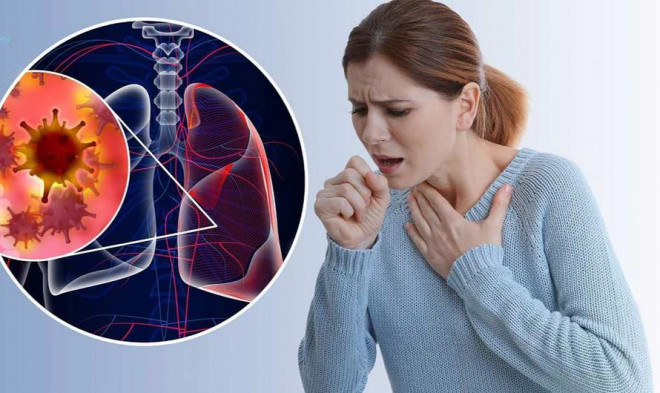
Persistent Cough or Hoarseness
A cough lasting more than three weeks — especially in a smoker or without a clear respiratory cause — requires evaluation. Hoarseness persisting more than three weeks is a red flag for laryngeal, thyroid, or esophageal cancer, or lung cancer pressing on the recurrent laryngeal nerve.
9
Difficulty Swallowing
Progressive dysphagia — where it becomes harder to swallow solid foods, then soft foods, then liquids — is a significant red flag for esophageal or stomach cancer. Occasional difficulty swallowing after eating fast is normal. Consistent trouble swallowing solid food over weeks is not.
10
Changes in Bowel or Bladder Habits
A change in bowel habit persisting more than 4 weeks — new diarrhea, constipation, or alternating between the two — in someone over 50 warrants investigation. Pencil-thin stools may signal a narrowing tumor. Increased urinary urgency or weak stream in men over 50 may indicate prostate issues.
Cancer Red Flags by Body System
Breast
- New lump or thickening in the breast or armpit
- Change in breast size or shape
- Skin dimpling (peau d’orange — orange-peel texture)
- Nipple discharge, especially bloody or spontaneous (without squeezing)
- Nipple inversion (turning inward) that is new
- Redness or thickening of nipple or breast skin
The majority of breast lumps are benign — but any new breast lump should be evaluated by a doctor within 2 weeks.
Lung
- Persistent cough beyond 3 weeks, especially in a current or former smoker
- Coughing up blood — any amount is significant
- New or progressive breathlessness
- Chest pain worsening with deep breathing or coughing
- Recurrent chest infections (pneumonia in the same lobe twice — investigate)
- Hoarseness lasting more than 3 weeks
Colorectal
- Blood in stool — bright red, dark red, or black and tarry
- Change in bowel habits lasting more than 4 weeks
- Pencil-thin or ribbon-like stools
- Sensation of incomplete rectal emptying
- Unexplained abdominal pain or cramping
- Unexplained iron-deficiency anemia, especially in men over 50
Skin and Melanoma — The ABCDE Rule
| Letter |
What to Look For |
| A — Asymmetry | One half doesn’t match the other |
| B — Border | Ragged, notched, or blurred edges |
| C — Color | Variation within the same mole (brown, black, red, white, blue) |
| D — Diameter | Larger than 6mm (pencil eraser size) |
| E — Evolving | Any change in size, shape, color, or a new symptom (bleeding, itching) |
Gynecological (Cervical, Ovarian, Uterine)
- Abnormal vaginal bleeding: between periods, after sex, or any postmenopausal bleeding
- Unusual vaginal discharge, especially foul-smelling or bloody
- Persistent pelvic or abdominal pain
- Persistent bloating, feeling full quickly, urinary urgency — ovarian cancer’s most commonly missed early signs
Lymphoma and Leukemia
- Painless swollen lymph nodes (neck, armpits, groin) persisting more than 2 weeks
- Drenching night sweats — soaking sheets, needing to change clothes at night
- Unexplained fever recurring over weeks
- Extreme, persistent fatigue + weight loss
- Easy bruising or bleeding from minor trauma
- Frequent infections (leukemia impairs immune function)
4 Most Commonly Overlooked Red Flags
- Ovarian cancer bloating — persistent daily bloating is dismissed as IBS for an average of 9–12 months
- Rectal bleeding — attributed to hemorrhoids; only a colonoscopy can rule out colorectal cancer
- Hemoptysis — even a teaspoon of blood in sputum is significant; often dismissed as throat irritation
- Night sweats — drenching sweats that soak bedding are not “just hormones” — lymphoma must be ruled out
Red Flags That Need Same-Day Attention
Most cancer red flags warrant a same-week GP call. But some symptoms require emergency evaluation — not because cancer is suddenly lethal in hours, but because they may signal acute complications that need immediate management.
Go to the Emergency Room Immediately:
- Coughing up significant blood
- Sudden severe headache — the worst of your life, peaking within seconds
- New seizure in an adult with no prior history
- Sudden confusion, slurred speech, or one-sided weakness
- Sudden difficulty breathing at rest
- Severe back pain with leg weakness or loss of bladder/bowel control (possible spinal cord compression)
- Jaundice appearing suddenly with severe pain
For the complete urgency framework — including how to decide between the ER, urgent care, and a regular GP appointment — see our guide to when to see a doctor for cancer symptoms.
What to Do When You Notice a Red Flag
1
Don’t spiral — document. Write down exactly what you noticed, when it started, whether it’s getting worse or staying the same, and any associated symptoms. This is far more useful to your doctor than an anxious summary of what you found online.
2
Call your GP. Don’t wait for your annual checkup if you have a persistent red flag. Describe the symptom clearly: what it is, how long it’s been present, and any accompanying symptoms.
3
Be direct. It’s appropriate to say: “I’ve noticed this symptom for [X weeks] and I’m concerned about whether it needs investigation.” Many patients hesitate to use the word “cancer” — but being explicit helps your doctor understand your concern.
4
Follow through on referrals. If your doctor refers you for imaging or a specialist, do it promptly. Delays in follow-up extend diagnostic timelines just as much as delays in seeking care initially.
5
If dismissed, advocate. Symptoms that should never be dismissed without investigation: hemoptysis, unexplained weight loss, painless hematuria, dysphagia, and postmenopausal bleeding. Consider a second opinion.
Red Flags vs Normal Symptoms — How to Tell the Difference
| Symptom |
Common Benign Cause |
Cancer Red Flag Pattern |
| Fatigue | Poor sleep, thyroid, viral illness | Persists >4 weeks; not improved by rest; plus weight loss or fever |
| Weight loss | Intentional diet, stress, GI illness | >10 lb unintentional; >4 weeks; with fatigue or pain |
| Cough | Viral URTI, post-viral, GERD, allergies | Persists >3 weeks; hemoptysis; progressive; with hoarseness |
| Blood in stool | Hemorrhoids, fissure, dietary | Black/tarry; recurring; with weight loss or bowel change |
| Bloating | IBS, dietary, gas | Daily; progressive; with pelvic pain or early satiety |
The differentiating factor is almost always persistence, progression, and combination with other symptoms.
Frequently Asked Questions
Do cancer red flags always mean cancer? +
No. Most people who experience a cancer red flag do not have cancer. A single red flag typically has a 5–15% positive predictive value for malignancy. Red flags mean “this warrants investigation,” not “you have cancer.” Most investigations come back negative — and that reassurance is valuable too.
What is the most common cancer red flag? +
Unexplained fatigue appears across more cancer types than almost any other symptom, but it’s also highly non-specific. Unexplained weight loss combined with fatigue is more clinically meaningful. Hemoptysis (coughing blood) is one of the most reliably serious individual symptoms, with the highest predictive value for malignancy when seen in a non-smoker.
Can cancer be present with no red flags at all? +
Yes — this is why screening programs matter. Many early-stage cancers cause no symptoms. Pancreatic, ovarian, and lung cancers are notorious for remaining silent until late stages. Colonoscopy, mammography, and low-dose CT for lung cancer in smokers are designed to find cancer before any red flags appear.
What cancers are hardest to detect early? +
Pancreatic cancer (usually found at stage 4; no reliable early symptoms), ovarian cancer (vague symptoms dismissed as IBS for months), brain tumors (symptoms can be subtle for long periods), and stomach cancer (early symptoms mimic acid reflux) are among the most frequently diagnosed late, when outcomes are significantly worse.
How quickly should I act on a cancer red flag? +
Emergency symptoms (coughing blood, sudden neurological changes, severe acute pain) = same day, ER. Urgent symptoms (painless hematuria, hard new lump, jaundice, significant weight loss) = within 48–72 hours. Persistent symptoms (cough >3 weeks, bowel change >4 weeks) = appointment within 2 weeks. See our full
urgency guide for specific scenarios.
Medical Disclaimer: This article is for educational purposes only and does not constitute medical advice, diagnosis, or treatment recommendations. If you are experiencing any of the symptoms described, please consult a qualified healthcare provider promptly.
References
- Lyratzopoulos G, et al. Urgent referral pathways for suspected cancer. BMJ. 2020.
- American Cancer Society. Warning Signs of Cancer. ACS.org. 2024.
- Hamilton W. Cancer diagnosis in primary care. British Journal of General Practice. 2010.
- National Institute for Health and Care Excellence. Suspected cancer: recognition and referral. NICE Guideline NG12. 2023.
- Rubin G, et al. The expanding role of primary care in cancer control. Lancet Oncology. 2015.
- Weller D, et al. The Aarhus Statement: improving design and reporting of studies on early cancer diagnosis. British Journal of Cancer. 2012.
- Neal RD, et al. Comparison of cancer diagnostic intervals before and after implementation of NICE guidance. British Journal of Cancer. 2014.
- American Cancer Society. Cancer Statistics 2024. Atlanta: ACS; 2024.

Really well-written article on cancer red flags: 10 warning signs. It is refreshing to see an article that acknowledges individual variation rather than giving one-size-fits-all advice. This is going into my health binder that I bring to every doctor’s visit.
This is one of the clearest explanations of cancer red flags: 10 warning signs I have found. I especially valued the explanation of why these recommendations exist, not just what they are. I wish I had found this article when I was first diagnosed — would have saved a lot of confusion.
Really well-written article on cancer red flags: 10 warning signs. I have tried following advice from several sources but this is the most consistent with what my specialist told me. Will definitely be coming back to this site for more health information.
Came across this while researching cancer red flags: 10 warning signs for a family member. It is refreshing to see an article that acknowledges individual variation rather than one-size-fits-all advice. Keep up this kind of thorough health journalism — it genuinely helps patients like me.
Came across this while researching cancer red flags: 10 warning signs for a family member. What I liked most was that the article didn’t just say what to avoid — it also gave alternatives. Exactly the kind of evidence-based information that is hard to find in one place.
This breakdown of cancer red flags: 10 warning signs is exactly what patients need before a specialist appointment. I appreciated how the article addressed both the clinical side and the practical adjustments. This gave me real confidence going into my next specialist appointment.