
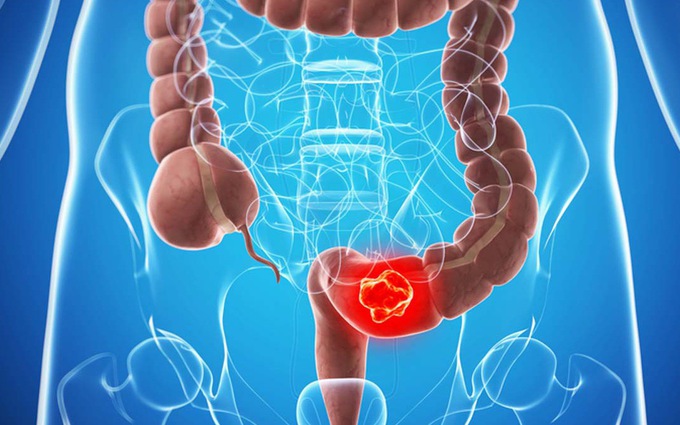
Colorectal cancer is the third most common cancer worldwide and the second leading cause of cancer death in the United States — yet it is also one of the most preventable cancers we know of. That prevention isn’t just a theory. It comes from a biological window that most cancers don’t offer: the decade or more it takes for a normal colon cell to become a full cancer. Intercept that process — remove a polyp before it turns malignant — and the cancer never happens at all.
In 2024, an estimated 153,020 Americans were diagnosed with colorectal cancer, and about 52,550 died from it. Those numbers, while sobering, have been falling in older adults for years, almost entirely due to colonoscopy screening. The troubling countertrend is that rates are rising in adults under 50 — a generation that grew up believing this was a disease for their parents, not themselves.
What Is Colorectal Cancer?
Colorectal cancer is cancer that originates in the lining of the colon (large intestine) or the rectum (the final 12–15 centimeters before the anus). Together they are called colorectal because they share similar tissue, similar risk factors, and — in large part — similar biology. About 95% of cases are adenocarcinomas, meaning they arise from the glandular cells that line the inner wall of the colon.
What makes colorectal cancer different from most cancers is the adenoma-carcinoma sequence. Almost all colorectal cancers grow from polyps — small, benign growths on the colon wall. Most polyps never become cancer. But some, particularly adenomatous polyps, can progress through a chain of molecular changes over ten to fifteen years, gradually accumulating enough mutations to become malignant. That long timeline is the biological basis for a ten-year colonoscopy interval: go in, find any polyps, remove them, and come back a decade later. The cancer was never given the chance to form.
No other major cancer screening works quite like this. Mammography finds breast cancer early. Low-dose CT finds lung nodules early. Colonoscopy does something different — it finds and removes the precursor before cancer develops at all. That distinction matters enormously for how patients and physicians should think about getting screened.

Who Is at Risk?
Age is the single strongest risk factor. Colorectal cancer risk rises sharply after 45, and about 90% of cases occur in people 50 and older. But a concerning epidemiological shift has emerged over the past three decades: incidence in adults younger than 50 has risen approximately 2% per year since the 1990s, and early-onset colorectal cancer now accounts for roughly 12% of all US cases. Researchers don’t fully understand why — leading theories include dietary changes, obesity trends, the gut microbiome, and declining fiber intake in younger generations.
Family history is also important. Having one first-degree relative (parent, sibling, or child) with colorectal cancer approximately doubles to triples your risk, and the risk is higher if they were diagnosed before age 60. Two or more affected relatives amplifies that risk further. This family history pattern should prompt earlier and more frequent screening — typically starting at age 40 or ten years before the youngest relative’s diagnosis, whichever comes first.
A small but important subset of colorectal cancers — roughly 5–10% — is caused by inherited gene mutations. The two most significant syndromes are:
- Lynch syndrome (HNPCC): Caused by mutations in DNA mismatch repair genes — MLH1, MSH2, MSH6, or PMS2. People with Lynch syndrome have a 50–80% lifetime risk of developing colorectal cancer, along with elevated risks for endometrial, ovarian, and urinary tract cancers. Lynch-associated tumors are nearly always MSI-H (microsatellite instability-high), which has important implications for treatment.
- Familial adenomatous polyposis (FAP): A mutation in the APC gene causes hundreds to thousands of polyps to carpet the colon, usually appearing in the teenage years or early twenties. Without prophylactic colectomy, the lifetime cancer risk approaches 100%.
The majority of colorectal cancers, however, are sporadic — driven by lifestyle and environment, not inherited genes. The modifiable risk factors are well established:
- Regular consumption of red and processed meat increases risk by approximately 20–30%
- Physical inactivity raises risk by 30–40%; regular exercise is among the most protective habits
- Obesity — particularly abdominal obesity — is associated with a 1.5 to 2 times higher risk
- Smoking and heavy alcohol use each independently raise risk
- Type 2 diabetes increases risk approximately 1.3 to 1.5 times, likely through insulin resistance and elevated IGF-1
- Inflammatory bowel disease (ulcerative colitis or Crohn’s colitis) raises risk after 8–10 years of extensive disease, with risk compounding over time
On the protective side, regular physical activity reduces risk by 30–40%, dietary fiber is consistently associated with lower rates, and long-term low-dose aspirin use (at least five years) reduces colorectal cancer risk by approximately 20–25% in people who can tolerate it. The USPSTF recommends aspirin for colorectal cancer prevention in specific populations where the cardiovascular and cancer benefits outweigh the bleeding risk.
Symptoms of Colorectal Cancer
The most important thing to understand about colorectal cancer symptoms is that early-stage tumors — Stage I and many Stage II — often cause no symptoms at all. Polyps almost never produce symptoms until they are large or have already become cancer. This is why waiting for symptoms before getting screened is dangerous: by the time a colorectal cancer announces itself through bleeding or pain, it may already be at an advanced stage.
When symptoms do occur, they depend heavily on where in the colon the tumor is located. The colon is roughly 1.5 meters long, and its anatomy produces meaningfully different symptom profiles from one end to the other.
Right colon (ascending colon): The right colon is wide, and stool here is still liquid. A tumor can grow quite large before causing any obstruction. The most common presentation is iron deficiency anemia — the tumor bleeds slowly and chronically, but the blood mixes with liquid stool and is invisible to the eye. Patients often present to a doctor complaining of fatigue, shortness of breath, or dizziness, only to discover on blood work that their hemoglobin is critically low. A vague right lower quadrant discomfort or a palpable mass may also be present in later stages.
Left colon and sigmoid colon: The left colon is narrower, and by the time stool reaches it, it is more formed. Tumors here are more likely to cause visible rectal bleeding, a change in bowel habits (alternating constipation and diarrhea, or new persistent constipation), or pencil-thin stools from narrowing of the lumen. Cramping and bloating are common. Complete obstruction, though a medical emergency, is more often a presenting feature of left-sided tumors than right-sided ones.
Rectum: Rectal tumors tend to cause bright-red blood seen in the toilet bowl or on toilet paper, tenesmus (the uncomfortable sensation of needing to have a bowel movement even when the rectum is empty), urgency, and a change in stool caliber. Because rectal bleeding has many causes — most commonly hemorrhoids — it is frequently dismissed or self-diagnosed. This is a dangerous assumption.
Rectal bleeding is never “just hemorrhoids” without evaluation in a person 45 or older.
Hemorrhoids are common and usually benign, but they cannot be distinguished from colorectal cancer on the basis of symptoms alone. Blood in or on the stool — regardless of color, quantity, or whether it seems “obviously” related to straining — warrants a clinician visit. Other symptoms that should prompt prompt evaluation include:
- Unexplained change in bowel habits lasting more than a few weeks
- Unintentional weight loss
- Persistent fatigue or unexplained iron deficiency anemia
- Abdominal pain or cramping that is new or worsening
- A feeling of incomplete emptying after a bowel movement
Screening — How Colonoscopy Actually Prevents Cancer
Colonoscopy is the gold standard for colorectal cancer screening, and it occupies a unique position among cancer screening tests. A mammogram finds a breast tumor. A low-dose CT scan finds a lung nodule. But a colonoscopy can find a precancerous polyp and remove it in the same procedure — eliminating the cancer before it ever forms. No other routine cancer screening can claim that.
The recommended age to begin screening for average-risk adults is 45, a change made by the United States Preventive Services Task Force in 2021 (the American Cancer Society had updated to this age in 2018). People with family history of colorectal cancer, known Lynch syndrome, inflammatory bowel disease, or a personal history of polyps should start earlier and screen more frequently, in consultation with their physician.
Several screening options exist, with different trade-offs between sensitivity, convenience, and invasiveness:
- Colonoscopy: Direct visualization of the entire colon under sedation. Sensitivity greater than 95% for polyps larger than 1 centimeter; polyps removed during the same procedure. Requires bowel preparation the day before. Repeat every 10 years if no polyps are found; every 3–5 years after polypectomy depending on findings. Risks are low but real: perforation in about 1 in 1,000 procedures, post-polypectomy bleeding in about 1%.
- Fecal immunochemical test (FIT): A non-invasive annual stool test that detects human hemoglobin. Sensitivity approximately 79% for established colorectal cancer and 24–33% for advanced adenomas. A positive result requires follow-up colonoscopy. The trade-off is that FIT must be done every year without exception; missing a year significantly reduces its protective effect.
- Cologuard (FIT-DNA): Combines FIT with stool DNA markers (KRAS mutations and methylated biomarkers). Done every one to three years. Sensitivity approximately 92% for colorectal cancer and 42% for advanced adenomas; specificity 87%. A positive result means colonoscopy. More expensive than FIT, with a meaningfully higher false-positive rate.
- Shield blood test: The first FDA-approved blood-based colorectal cancer screening test, cleared in July 2024. Detects circulating tumor DNA. Sensitivity approximately 83% for colorectal cancer; specificity approximately 90%. A positive requires colonoscopy confirmation. Offers a convenient, no-prep option for patients who have declined other forms of screening.
- CT colonography (virtual colonoscopy): Computed tomography of the colon, done every five years. Can detect polyps larger than 6 millimeters but cannot remove them, requires bowel preparation, and a positive result means a standard colonoscopy. Useful for patients who cannot undergo standard colonoscopy for medical reasons.
Any screening is better than no screening. If a patient declines colonoscopy but will accept a blood draw or a FIT kit, that is a meaningful step toward earlier detection. The best test is the one the patient will actually complete. For a deeper look at the full range of colorectal cancer screening options, including cost and insurance coverage, see our colorectal cancer screening guide.
Diagnosis and Staging
When colorectal cancer is suspected — based on symptoms, an abnormal screening test, or an incidental finding — the definitive next step is colonoscopy with biopsy. Tissue sampling is required to confirm the diagnosis; imaging alone cannot do it.
Once cancer is confirmed, staging determines how far the disease has spread and guides treatment planning. The workup typically includes a CT scan of the chest, abdomen, and pelvis to look for lymph node involvement, liver metastases, or spread to other organs. For rectal cancer specifically, an MRI of the pelvis is essential — it provides precise local staging, defines the relationship of the tumor to the mesorectal fascia (a critical surgical landmark), and guides radiation planning.
In the United States, approximately 38% of colorectal cancers are diagnosed at Stage I or Stage II, when the prognosis is most favorable. About 20% are found at Stage IV, when the cancer has already spread to distant sites. Molecular testing has become an essential part of the diagnostic workup for advanced disease:
- MSI/MMR status: Microsatellite instability (MSI-H) or mismatch repair deficiency (dMMR) is present in about 15% of all colorectal cancers. It identifies patients who may be Lynch syndrome carriers, and — critically for Stage IV disease — predicts a dramatic response to immunotherapy.
- KRAS/NRAS/BRAF mutations: These mutations determine eligibility for targeted therapies. KRAS or NRAS mutations (present in about 50–60% of cases) rule out certain anti-EGFR antibodies. BRAF V600E mutations (about 10%) indicate an aggressive subtype and guide treatment selection.
- CEA (carcinoembryonic antigen): A blood tumor marker elevated in about 70% of colorectal cancers. Not used for diagnosis, but useful for monitoring treatment response and detecting recurrence after surgery.
Treatment Overview
Treatment for colorectal cancer is organized by stage, with surgery forming the backbone at every level and additional therapies layered on depending on how far the disease has spread.
Stage I: Surgery alone — a segmental colectomy (removal of the affected portion of colon) — is curative in the vast majority of patients. The five-year survival rate at this stage is approximately 90%.
Stage II: Surgery remains the primary treatment. Adjuvant chemotherapy (FOLFOX — a combination of oxaliplatin, leucovorin, and 5-fluorouracil) may be added for high-risk features: T4 tumor (invasion through the colon wall), perforation, lymphovascular invasion, or poorly differentiated histology.
Stage III: Cancer has spread to regional lymph nodes. Surgery followed by six months of adjuvant FOLFOX chemotherapy significantly improves disease-free survival and overall survival compared to surgery alone. Stage III survival ranges from approximately 40–90% at five years depending on substage.
Stage IV — limited metastases: When cancer has spread only to the liver or lungs, and those metastases are surgically removable, curative-intent resection combined with perioperative chemotherapy can achieve five-year survival rates of 30–40%. This is a meaningful outcome for what most patients think of as “stage four cancer,” and it has improved substantially over the past two decades.
Stage IV — unresectable metastatic disease: When surgery is not an option, the goal shifts to disease control and quality of life. Standard first-line treatment combines chemotherapy (FOLFOX or FOLFIRI) with a targeted biologic agent: bevacizumab for RAS-mutant tumors, or cetuximab or panitumumab for RAS wild-type, left-sided tumors. With modern regimens, median overall survival for metastatic colorectal cancer now exceeds 30 months.
MSI-H/dMMR Stage IV: Approximately 15% of metastatic colorectal cancers carry MSI-H or dMMR status, and these tumors respond remarkably well to immunotherapy. The KEYNOTE-177 trial established pembrolizumab (an anti-PD-1 checkpoint inhibitor) as the preferred first-line treatment for MSI-H/dMMR metastatic colorectal cancer, showing superior progression-free survival compared to standard chemotherapy. Some patients experience durable, long-lasting responses.
Rectal cancer: Rectal cancer treatment is distinct from colon cancer because of the rectum’s proximity to surrounding organs and the pelvic floor. Many patients with locally advanced rectal cancer receive neoadjuvant chemoradiation — chemotherapy combined with radiation — before surgery, to shrink the tumor and reduce local recurrence. The surgical standard is total mesorectal excision (TME), a precise technique that removes the rectum and surrounding tissue along defined anatomical planes. For patients who achieve a complete clinical response to neoadjuvant treatment, a “watch and wait” approach allows approximately 70–80% to avoid surgery for at least five years in experienced centers.
Frequently Asked Questions
Is colorectal cancer curable?
Yes — when caught early. At Stage I, approximately 90% of patients are alive at five years after surgery. Even Stage III is treated with curative intent, and many patients are long-term survivors. Stage IV is more challenging, but a meaningful subset of patients with limited metastatic disease achieve long-term survival after surgery and chemotherapy. Immunotherapy has also produced durable remissions in MSI-H patients.
What is the difference between colon cancer and rectal cancer?
Colon cancer and rectal cancer are often grouped together as “colorectal cancer” because they share common risk factors and molecular biology, but treatment differs significantly. Rectal cancer often requires radiation (which is rarely used for colon cancer), a specialized surgical technique (total mesorectal excision), and multidisciplinary planning involving colorectal surgery, radiation oncology, and medical oncology. Prognosis is broadly similar by stage.
Do I need a colonoscopy if I’ve had a clear FIT test?
A negative annual FIT test is reassuring, but it does not replace colonoscopy for everyone. FIT has a sensitivity of about 79% for established cancer, meaning roughly 1 in 5 cancers could be missed on a single test. It also has much lower sensitivity for precancerous polyps (24–33%). If you have risk factors — family history, symptoms, Lynch syndrome — colonoscopy is the more reliable choice. For average-risk individuals who prefer non-invasive testing, annual FIT is an accepted option per major guidelines.
What does blood in stool mean — could it be cancer?
Blood in or on the stool has many causes, most of them benign: hemorrhoids, anal fissures, and inflammatory bowel disease are far more common than cancer. But blood in the stool cannot be attributed to hemorrhoids without evaluation, especially in adults 45 and older. A doctor can determine the source, and if it isn’t immediately obvious, a colonoscopy is the appropriate next step.
Is colorectal cancer hereditary?
About 5–10% of colorectal cancers are caused by an inherited gene mutation, most commonly Lynch syndrome or familial adenomatous polyposis. Another 20–25% have a hereditary component — meaning a family history increases risk — without a clearly identified single gene. The majority of colorectal cancers are sporadic, arising from the interaction of lifestyle, environmental factors, and accumulated somatic mutations over decades.
Sources
- American Cancer Society. Cancer Facts & Figures 2024. cancer.org
- US Preventive Services Task Force. Colorectal Cancer: Screening, 2021. uspreventiveservicestaskforce.org
- Siegel RL et al. Colorectal cancer statistics, 2023. CA: A Cancer Journal for Clinicians, 2023.
Related reading: Lung cancer early detection | Lung nodule: what it is and when to worry | Cancer screening overview
Additional Resources on Colorectal Cancer
Colorectal cancer encompasses a spectrum of cancers with different biological behaviors, staging implications, and treatment approaches depending on location (colon vs. rectum), histological type, and molecular profile. For individuals seeking deeper information on specific aspects of colorectal cancer, the following authoritative resources and related articles provide comprehensive guidance.
The American Cancer Society’s colorectal cancer resource center provides comprehensive guides covering prevention, early detection, staging, and treatment options. The National Cancer Institute’s colorectal cancer PDQ offers evidence-based treatment summaries updated regularly by oncology experts. The NCCN Colon and Rectal Cancer Guidelines represent the most widely used clinical practice standards in the United States and are available in patient-friendly versions.
For information about colorectal cancer screening — including colonoscopy, FIT, Cologuard, and the newer Shield blood test — see our comprehensive guide to colorectal cancer screening. For detailed information about the most common symptoms that lead to colorectal cancer diagnosis, see our article on colon cancer symptoms. For patients whose tumor is specifically located in the rectum, our guide to rectal cancer covers the distinct treatment approach — including total mesorectal excision, neoadjuvant chemoradiation, and watch-and-wait strategies — that applies to rectal tumors specifically.
My cardiologist recommended I look into colorectal cancer: symptoms, screening, and survival and this article covered it perfectly. I have tried following advice from several sources but this is the most consistent with what my specialist told me. This is going into my health binder that I bring to every doctor’s visit.
Thank you for covering colorectal cancer: symptoms, screening, and survival so thoroughly without being overly technical. I appreciated how the article addressed both the clinical side and the practical lifestyle adjustments. Keep up this kind of thorough health journalism — it genuinely helps patients like me.
I have been reading about colorectal cancer: symptoms, screening, and survival for weeks and this is the most thorough guide I have found. The practical tips at the end made this immediately actionable, not just theoretical. This gave me real confidence going into my next specialist appointment.
Came across this while researching colorectal cancer: symptoms, screening, and survival for a family member. This is the kind of evidence-based writing that actually changes how people approach their health. Looking forward to reading more articles from this website.
As someone dealing with this personally, the colorectal cancer: symptoms, screening, and survival section was very helpful. The section on managing this condition day-to-day was especially useful for planning. This is going into my health folder that I bring to every doctor’s visit.
Bookmarked this article on colorectal cancer: symptoms, screening, and survival immediately — going to reference it regularly. The article answered questions I didn’t even know I had until I started reading. Keep up this kind of thorough health journalism — it genuinely helps patients like me.