
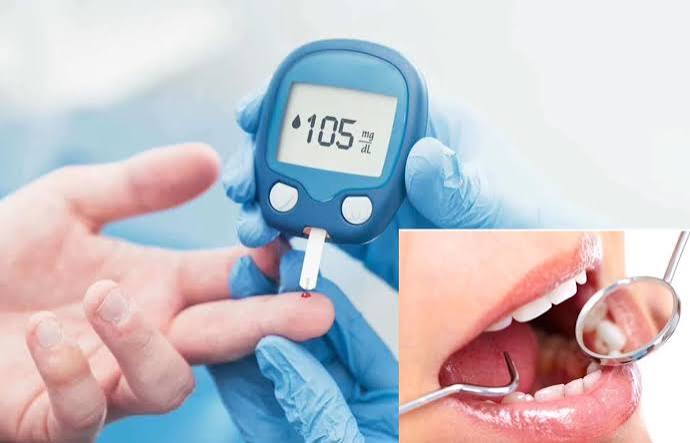
The Bidirectional Relationship Between Diabetes and Oral Health
The relationship between diabetes and oral health is one of the most compelling bidirectional relationships in medicine: not only does diabetes worsen oral health conditions — particularly gum disease — but severe gum disease independently worsens blood glucose control, creating a vicious cycle that amplifies the harm of both conditions. This bidirectionality means that treating oral disease is not simply a cosmetic or comfort matter for people with diabetes — it is an integral component of metabolic management that can meaningfully improve HbA1c alongside the more commonly discussed interventions of medication, diet, and exercise. Dental care and diabetes care must be coordinated, yet in practice they frequently exist in separate silos — a gap that leads to worse outcomes for both conditions.
Our guide on what is diabetes covers the foundational mechanisms of diabetes; this article focuses on how diabetes affects the mouth and what evidence-based oral care looks like as part of comprehensive diabetes management. Our guides on diabetes and kidney health, diabetes and eye health, and diabetes and nerve damage cover the parallel microvascular complications that periodontal disease shares mechanisms with.
Periodontitis: The Sixth Complication of Diabetes
Periodontitis — severe inflammatory gum disease that destroys the bone and connective tissue supporting the teeth — has been called the “sixth complication” of diabetes, alongside the classical five microvascular and macrovascular complications (retinopathy, nephropathy, neuropathy, coronary artery disease, and peripheral arterial disease). The evidence for this designation is robust:
- People with diabetes have approximately three times the risk of developing periodontitis compared to people without diabetes
- Periodontitis in people with diabetes is more severe, progresses more rapidly, and responds more poorly to standard treatment than in people without diabetes
- The more poorly controlled the diabetes (higher HbA1c), the more severe the periodontitis — a clear dose-response relationship
- Successful periodontal treatment reduces HbA1c by an average of 0.27–0.4% — a clinically meaningful reduction comparable to adding a second glucose-lowering medication
The mechanisms by which diabetes promotes periodontitis are analogous to the mechanisms of other diabetic microvascular complications:
- Impaired immune function: Elevated blood glucose impairs the function of neutrophils — the first-line immune cells that attack bacterial invaders in the gingival sulcus (the space between the tooth and gum). Impaired neutrophil chemotaxis, phagocytosis, and bactericidal activity allow the periodontal pathogens that colonize plaque to survive and proliferate more effectively in people with diabetes than in those without.
- Advanced glycation end-products (AGEs): AGEs accumulate in the gingival connective tissue of people with diabetes, altering collagen structure, impairing tissue repair, and amplifying inflammatory signaling through RAGE receptors on periodontal cells. The same AGE-RAGE axis that damages retinal and renal capillaries also drives periodontal tissue destruction.
- Altered gingival microvascular function: Diabetes impairs the microvascular supply to periodontal tissues, reducing oxygen and nutrient delivery to the gingiva and impairing the clearance of inflammatory mediators from periodontal pockets.
- Pro-inflammatory cytokine environment: Chronic hyperglycemia creates an environment of elevated systemic inflammatory markers (TNF-α, IL-6, IL-1β) that amplifies the local inflammatory response to periodontal bacteria, accelerating bone resorption and connective tissue destruction.
Other Oral Health Conditions Associated With Diabetes
Beyond periodontitis, diabetes is associated with several other oral health problems:
- Dry mouth (xerostomia): Reduced salivary flow is common in people with diabetes, caused by autonomic neuropathy affecting the salivary glands, dehydration from polyuria (frequent urination), and some diabetes medications. Saliva is essential for oral health — it buffers plaque acids, delivers antimicrobial proteins to the oral cavity, and facilitates remineralization of early tooth decay. Dry mouth from diabetes accelerates dental caries (cavities), makes chewing and swallowing uncomfortable, and impairs taste. Management includes adequate hydration, sugar-free gum or lozenges to stimulate saliva, and prescribed saliva substitutes or pilocarpine for severe xerostomia.
- Dental caries: The combination of dry mouth (reduced salivary protection), elevated glucose in gingival crevicular fluid (providing substrate for cariogenic bacteria), and impaired immune defense against oral pathogens creates an environment that accelerates tooth decay in people with poorly controlled diabetes. Regular fluoride use, twice-daily brushing, daily flossing, and professional fluoride applications at dental visits are important preventive measures.
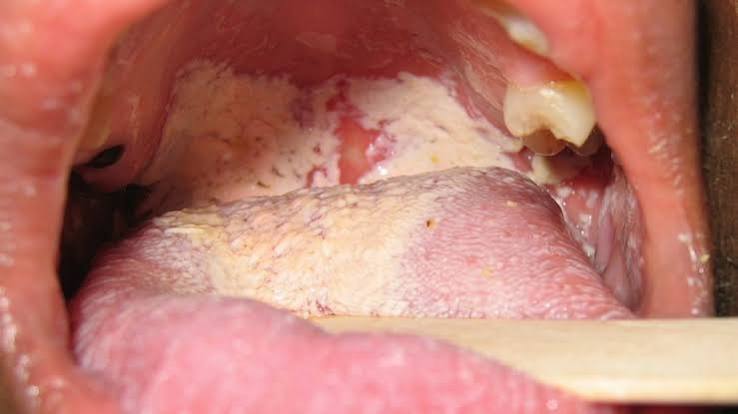
- Oral candidiasis (thrush): Elevated glucose levels in saliva and a suppressed immune environment promote overgrowth of Candida albicans in the mouth — causing white patches on the tongue and inner cheeks, redness, burning, and difficulty swallowing. Denture wearers with diabetes have particularly high risk. Treatment requires antifungal medications (nystatin, fluconazole), improved glycemic control, and attention to denture hygiene.
- Burning mouth syndrome: A chronic oral pain condition characterized by burning or scalding sensations of the tongue, lips, or palate without visible mucosal changes. While the etiology is multifactorial, diabetic oral neuropathy — analogous to the peripheral neuropathy that causes burning foot pain — is an important contributing factor in people with diabetes. Our guide on diabetes and nerve damage covers the neuropathic pain mechanisms that operate in burning mouth syndrome as elsewhere in the body.
- Impaired wound healing after dental procedures: People with poorly controlled diabetes heal more slowly after tooth extractions, periodontal surgery, and dental implant placement. Elevated blood glucose impairs collagen synthesis, reduces blood supply to healing tissues, and increases infection risk. Elective dental procedures are best performed when blood glucose is well controlled; and emergency procedures require careful post-operative monitoring and often antibiotic prophylaxis.
How Periodontal Disease Worsens Blood Glucose Control
The mechanism by which periodontitis worsens glycemic control is increasingly well understood and involves the systemic inflammatory burden of periodontal infection. Periodontal pockets — the spaces between the inflamed gum and tooth root — harbor large numbers of anaerobic bacteria that produce lipopolysaccharide (LPS) and other bacterial products that enter the bloodstream through the ulcerated pocket epithelium (a person with severe periodontitis has a wound surface area roughly equivalent to the palm of their hand). These bacterially-derived inflammatory products stimulate systemic production of TNF-α, IL-6, and other cytokines that promote insulin resistance through mechanisms identical to those by which obesity-related adipose tissue inflammation causes insulin resistance:
- TNF-α and IL-6 directly inhibit insulin receptor signaling
- Elevated systemic inflammatory markers increase serum CRP and promote the stress response that raises cortisol and glucagon
- Chronic low-grade infection activates the sympathetic nervous system, raising blood glucose through catecholamine-mediated effects
Treating periodontitis reduces these systemic inflammatory mediators. A systematic review and meta-analysis of 35 randomized controlled trials found that periodontal treatment reduced HbA1c by 0.27% on average in people with Type 2 diabetes — modest in absolute terms, but clinically significant and additive to all other glucose-lowering interventions, achievable through dental treatment without adding any medication or dietary changes. For a person with HbA1c of 8.5%, achieving 0.27% reduction through periodontal treatment alone brings meaningful cardiovascular risk reduction. This is why the ADA includes dental care in its Standards of Medical Care in Diabetes and recommends that people with diabetes inform their dentist of their diabetes status and maintain regular professional dental care. Our guide on Type 2 diabetes: causes and diagnosis covers the HbA1c monitoring that allows quantification of this periodontal treatment benefit alongside other diabetes management changes.
Practical Dental Care for People With Diabetes
The dental care recommendations for people with diabetes build on standard oral hygiene practices and add several diabetes-specific considerations:
- Brush twice daily with fluoride toothpaste, using a soft-bristled brush and two-minute brushing time. Electric toothbrushes remove more plaque than manual brushing and are particularly useful for people with reduced dexterity from neuropathy.
- Floss or use interdental brushes daily to remove plaque from between teeth where brushing cannot reach. Water flossers are an alternative for people who find flossing difficult.
- Professional dental cleanings every 3–6 months rather than the once-yearly or twice-yearly schedule typical for low-risk adults. People with diabetes and existing periodontitis typically require maintenance cleanings every 3 months to prevent recurrence.
- Inform your dentist of your diabetes status, current medications (some affect oral health — metformin can cause dry mouth; some blood pressure medications used in diabetes cause gingival overgrowth), and most recent HbA1c. Morning dental appointments are typically preferred to avoid hypoglycemia — blood glucose is more stable in the morning, and early appointments avoid the stress response of a long wait that can elevate glucose.
- Blood glucose management around dental procedures: Continue all diabetes medications before dental appointments unless specifically instructed otherwise. If a procedure will prevent eating for several hours (extractions, oral surgery), plan with your diabetes care team for medication adjustments. Monitor blood glucose before and after major dental procedures.
- Carry glucose for emergencies: Dental anxiety can cause delayed eating, and some procedures disrupt eating patterns — people with diabetes who take insulin or sulfonylureas should carry rapid-acting glucose (glucose tablets, juice) to all dental appointments.
The integration of dental care and diabetes management — achieved when the dentist and diabetes care provider communicate about shared patients, when HbA1c is tracked alongside periodontal status, and when improvements in gum health are recognized as metabolic wins alongside medication adjustments and dietary improvements — represents the evidence-based standard of comprehensive diabetes care. Our guide on diabetes and foot health covers the parallel pattern of daily self-care habits and regular professional assessment that effective diabetes complication prevention requires throughout the body.
Recognizing the Warning Signs of Periodontal Disease
Periodontal disease progresses through stages — gingivitis (reversible inflammation of the gums) to periodontitis (irreversible destruction of bone and connective tissue) — and recognizing the early signs allows intervention before permanent damage occurs. Warning signs that warrant a dental evaluation in people with diabetes include:
- Bleeding gums during brushing or flossing: Healthy gums do not bleed with normal brushing. Bleeding is the cardinal sign of gingivitis — early inflammatory gum disease that is fully reversible with professional cleaning and improved home care. In people with diabetes, gingivitis may bleed more profusely and with less provocation than in people without diabetes, due to the altered gingival microvascular response and impaired vascular integrity.
- Red, swollen, or tender gums: Inflamed gums that look brighter red than normal, feel puffy or tender to touch, or bleed easily indicate active gingival inflammation requiring professional attention.
- Receding gums: Gum tissue pulling back from the teeth — making teeth appear longer — indicates periodontitis with destruction of the gingival attachment. Exposed root surfaces are more sensitive and more vulnerable to decay than enamel-covered crowns.
- Persistent bad breath (halitosis): Chronic bad breath that does not resolve with brushing may indicate periodontal pockets harboring anaerobic bacteria that produce volatile sulfur compounds (hydrogen sulfide, methyl mercaptan). This is distinct from transient bad breath from foods or morning mouth and warrants periodontal evaluation.
- Loose teeth or teeth moving position: Tooth mobility or spacing changes indicate significant bone loss around the affected teeth — an advanced periodontitis finding that requires prompt treatment. Teeth that are mobile may be at risk for loss if treatment is not pursued.
- Pain when chewing: Discomfort when eating can indicate periodontal abscess (a localized collection of pus in a periodontal pocket), deep periodontal pockets with bacterial overgrowth, or fractured teeth — all requiring dental evaluation.
- White patches or red sores in the mouth: These may indicate oral candidiasis (thrush) or, less commonly, oral lesions that require biopsy to exclude malignancy. People with diabetes who notice persistent oral mucosal changes should have them evaluated at the next dental appointment — or sooner if the lesions are painful, enlarging, or present for more than two weeks without a clear explanation.
The Role of Dentists in Diabetes Screening
An intriguing and clinically important aspect of the diabetes-oral health relationship is that dentists are increasingly positioned as points of contact for identifying undiagnosed or poorly controlled diabetes in patients presenting for routine dental care. This matters because:
- Dental visits are often more frequent than physician visits for many adults — some people see their dentist twice a year but their primary care doctor once every several years
- The oral manifestations of diabetes — particularly severe periodontitis — may be the first clinical sign of undiagnosed diabetes or of worsening glycemic control
- Point-of-care HbA1c testing can be performed in a dental office from a finger-stick blood sample in minutes
Several pilot programs in the United States and Europe have demonstrated that dental offices can serve as effective diabetes screening venues — identifying a meaningful proportion of patients with undiagnosed prediabetes or Type 2 diabetes among those presenting with severe periodontal disease. While widespread implementation of dental-office diabetes screening is not yet the standard of care, the concept highlights the importance of communication between dental and medical providers, and of patients sharing their diabetes status — including their most recent HbA1c — with their dentist at every visit.
Conversely, dentists who identify patients with severe periodontitis and poor response to periodontal treatment should consider whether uncontrolled diabetes may be contributing — and may recommend that patients seek medical evaluation for blood glucose assessment if not already established in diabetes care. This bidirectional communication loop between dental and diabetes care providers represents an important frontier in comprehensive chronic disease management. Our guide on prediabetes causes and prevention covers the screening context in which dental-office testing may play a role in detecting glucose abnormalities before full-blown Type 2 diabetes develops.
Special Considerations: Dental Implants and Diabetes
Dental implants — titanium posts surgically placed into the jawbone to replace missing teeth — are commonly used in people with diabetes who have lost teeth to periodontitis or decay. The success of dental implants depends on osseointegration (the bonding of the implant to surrounding bone) and the absence of peri-implant infection. Both processes are affected by diabetes:
- Osseointegration is impaired by elevated blood glucose because bone formation (osteoblast function) is suppressed and bone resorption is enhanced in the hyperglycemic environment. Studies show that dental implant failure rates are higher in people with poorly controlled diabetes than in those with well-controlled diabetes or no diabetes.
- Peri-implantitis — infection and bone loss around a placed implant, analogous to periodontitis around natural teeth — is more common and more severe in people with diabetes, driven by the same mechanisms of impaired immunity and amplified inflammatory response that promote periodontitis around natural teeth.
For people with diabetes who are considering dental implants, most evidence suggests that implants can be successfully placed and maintained with good long-term outcomes when diabetes is well controlled (HbA1c below 7.5–8%), meticulous oral hygiene is maintained, and regular professional monitoring of peri-implant tissues is performed. Consultation between the implant surgeon and the diabetes care team before implant placement — to optimize glycemic control and antibiotic prophylaxis — is standard practice for good outcomes.
Integrating Oral Health Into Diabetes Self-Management
For most people with diabetes, adding comprehensive oral health management to an already demanding self-management regimen (blood glucose monitoring, medication management, dietary attention, exercise, and appointments with multiple specialist providers) can feel overwhelming. The practical approach is to build oral care habits as part of the existing daily and periodic routines of diabetes management:
- Brush teeth as part of the morning and evening routine — the same time as taking diabetes medications creates a simple paired habit
- Floss or use interdental brushes at the same time as the evening brushing routine
- Schedule dental cleaning appointments at the same time as planning other diabetes-related appointments (ophthalmology, podiatry, nephrology) to treat oral health as an equal component of the diabetes complication monitoring schedule
- Bring a list of current diabetes medications to every dental appointment — several diabetes drugs affect oral health (metformin may cause a metallic taste or dry mouth; some ARBs used for blood pressure control in diabetes can cause gingival overgrowth) and the dentist needs this information to correctly interpret oral findings
- Share HbA1c results with the dentist at each visit — the dentist can use this information to appropriately risk-stratify periodontal disease activity and treatment intensity
Diabetes and Oral Health: The Bottom Line
The evidence connecting diabetes and oral health is now strong enough to consider dental care a component of diabetes management — not a separate activity. The bidirectional relationship between periodontitis and blood glucose means that neglecting oral health directly worsens glycemic control, and treating gum disease produces measurable HbA1c improvement. For people with diabetes, the practical implications are straightforward: brush twice daily, floss daily, see the dentist every 3–6 months for professional cleaning, inform the dentist of your diabetes and HbA1c, and seek evaluation promptly when gum bleeding, bad breath, or gum recession appears. The mouth is not separate from the metabolic body — in diabetes, they are deeply and consequentially connected, and treating them as such leads to better outcomes for both. Our guide on diabetes and heart disease covers the cardiovascular complications whose shared inflammatory mechanisms with periodontitis underscore why oral health matters beyond the mouth itself.
Sources: American Diabetes Association. “Standards of Medical Care in Diabetes.” Diabetes Care 2024. | American Dental Association — Diabetes and Oral Health. | National Institute of Dental and Craniofacial Research — Diabetes and Oral Health. | Mayo Clinic — Diabetes and Dental Care. | Sanz M, et al. “Scientific Evidence on the Links Between Periodontal Diseases and Diabetes.” Journal of Clinical Periodontology 2018.
I shared this article on diabetes and oral health with my doctor and they appreciated the level of detail. I appreciate that the article is careful about distinguishing between what is known and what is still being researched. Looking forward to reading more articles from this website.
Finally a resource that explains diabetes and oral health in plain language. The section on managing this condition day-to-day was especially useful for planning. This gave me real confidence going into my next specialist appointment.
I shared this article on diabetes and oral health with my doctor and they appreciated the level of detail. This is the kind of evidence-based writing that actually changes how people approach their health. Shared this with three friends who are dealing with related issues. Very useful resource.