
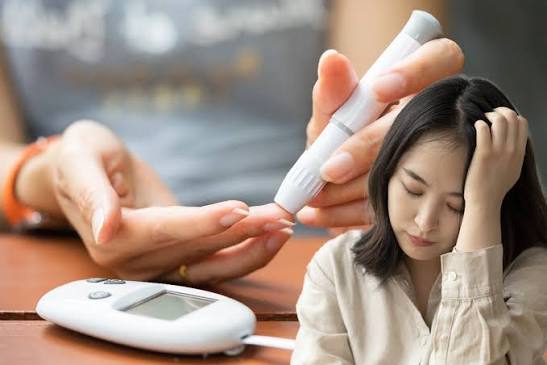
Why Diabetes in Women Requires a Sex-Specific Perspective
Diabetes in women is shaped by hormonal influences across the entire lifespan — from the menstrual cycle’s monthly fluctuations in insulin sensitivity, through the pregnancy-related demands of gestational diabetes, to the menopausal transition that dramatically alters body composition and glucose metabolism in midlife. Women also face unique diabetes risk factors (particularly polycystic ovary syndrome) and complications profiles that differ meaningfully from men’s, and research has documented that women with diabetes face a disproportionately elevated cardiovascular risk relative to their non-diabetic female peers compared to men in the same comparison — meaning that diabetes “erases” the cardiovascular protection that women normally enjoy relative to men of the same age. Understanding the sex-specific aspects of diabetes in women improves recognition, screening, management, and prevention. Our guide on what is diabetes provides the foundational overview; this article focuses on the signs, risk factors, hormonal influences, and management considerations specific to women.
Signs of Diabetes in Women That Are Often Overlooked
Beyond the classic diabetes symptoms (excessive thirst, frequent urination, fatigue, blurred vision) that affect all adults, several signs of diabetes occur specifically in women or are particularly common in women with undiagnosed or poorly controlled diabetes:
- Recurrent vaginal yeast infections: Excess glucose in vaginal secretions creates a favorable environment for Candida overgrowth, producing recurrent vaginal yeast infections (vulvovaginal candidiasis) that are resistant to standard antifungal treatment or recur within weeks. Recurrent yeast infections — particularly in a woman who has not had frequent infections previously — should prompt blood glucose testing, as they are a recognized presenting sign of undiagnosed Type 2 diabetes and a common sign of poor glycemic control in women with known diabetes.
- Recurrent urinary tract infections (UTIs): Women with diabetes have significantly higher rates of UTIs than women without diabetes, driven by elevated urinary glucose (which promotes bacterial growth), impaired immune cell function, and diabetic neuropathy that can produce incomplete bladder emptying (leaving residual urine that is more susceptible to infection). Two or more UTIs in a year — especially in a woman with no structural urinary tract abnormality — should prompt diabetes screening.
- Polycystic ovary syndrome symptoms: PCOS — the most common endocrine disorder in reproductive-age women — is strongly associated with insulin resistance and is both a symptom-complex that can indicate underlying insulin resistance and a major risk factor for Type 2 diabetes. Women with PCOS should be screened for prediabetes and Type 2 diabetes at diagnosis and regularly thereafter regardless of age or BMI, as many lean women with PCOS have significant insulin resistance that produces diabetes risk disproportionate to their weight. Our guide on hormones and blood sugar covers the hormonal mechanisms linking PCOS, androgen excess, and insulin resistance.
- Menstrual irregularity and cycle-related blood sugar swings: Insulin sensitivity fluctuates throughout the menstrual cycle — driven primarily by progesterone, which is insulin-antagonizing, rising in the luteal phase (the 2 weeks before menstruation) and falling before the period begins. Women with diabetes often experience higher and more difficult-to-control blood glucose in the 1–2 weeks before their period, followed by a drop in glucose at menstruation onset as progesterone falls. Recognizing this pattern allows better insulin dose adjustments and reduces frustration from seemingly unexplained blood glucose variability.

Risk Factors for Diabetes in Women
Women share the general Type 2 diabetes risk factors with men — family history, overweight and obesity, physical inactivity, age, and high-risk ethnicity — but several risk factors are specific to or disproportionately prevalent in women:
- Polycystic ovary syndrome (PCOS): PCOS is present in 5–10% of reproductive-age women and carries a dramatically elevated Type 2 diabetes risk — women with PCOS have a 3–4 times higher lifetime risk of Type 2 diabetes than women without PCOS. PCOS-related insulin resistance is often severe and occurs independently of body weight — lean women with PCOS can have significant insulin resistance driven by androgen excess and ovarian hormonal dysregulation.
- History of gestational diabetes: Women who had gestational diabetes in one or more pregnancies have a 35–50% lifetime risk of developing Type 2 diabetes — making gestational diabetes the most significant diabetes-specific risk factor in women. See our guide on gestational diabetes: what pregnant women should know for the full overview of this condition and its long-term implications.
- Menopause and its aftermath: The hormonal changes of menopause — particularly the loss of estrogen’s insulin-sensitizing effects — produce significant increases in insulin resistance, visceral fat accumulation, and cardiovascular risk. Women who enter menopause have substantially higher rates of new diabetes diagnosis in the years following menopause compared to premenopausal women of the same age, reflecting the metabolic consequences of estrogen withdrawal.
- Autoimmune conditions: Women have higher rates of autoimmune diseases (thyroid disease, celiac disease, rheumatoid arthritis, lupus) than men, and several of these conditions increase Type 2 diabetes risk through mechanisms including systemic inflammation, corticosteroid treatment (which raises blood glucose), and shared genetic susceptibility. Women with autoimmune conditions should be screened for both Type 1 diabetes (particularly autoimmune thyroid disease) and Type 2 diabetes (in the context of inflammation and treatment effects).
Diabetes and Cardiovascular Risk in Women: The Disproportionate Burden
Women normally have lower cardiovascular disease rates than age-matched men throughout the reproductive years — a protective effect attributed to estrogen’s beneficial effects on lipid profiles, vascular tone, and inflammation. Diabetes substantially erases this female cardiovascular advantage: women with diabetes have approximately 4 times higher cardiovascular disease risk compared to women without diabetes, while men with diabetes have approximately 2–3 times higher risk compared to men without diabetes. This means that diabetes confers a proportionally larger increase in cardiovascular risk in women than in men, and that women with diabetes have similar cardiovascular event rates to men with diabetes — losing the usual sex-based advantage. Our guide on metabolic syndrome and diabetes covers the cluster of risk factors that compound cardiovascular risk in women with Type 2 diabetes. Despite this elevated cardiovascular risk, research has shown that women with diabetes are less likely than men with diabetes to receive aggressive cardiovascular risk factor management (statins, aspirin, blood pressure medications) — a gap that deserves clinical attention.
Diabetes Management Across Women’s Life Stages
The hormonal and physiological changes across a woman’s lifespan create distinct management challenges at each stage:
Reproductive years and menstrual cycle: Insulin dose adjustments timed to the menstrual cycle (increasing doses in the luteal phase, reducing around menstruation) can significantly improve glycemic control in women with Type 1 or insulin-treated Type 2 diabetes. Continuous glucose monitoring is particularly valuable in detecting the blood glucose patterns associated with hormonal fluctuations. Our guide on how to track your blood sugar numbers covers the logging approach that helps identify hormonal blood glucose patterns.
Pregnancy: Women with pre-existing diabetes planning pregnancy need intensive pre-conception glycemic optimization (A1C ideally below 6.5% before conception) to minimize the risk of congenital abnormalities and pregnancy complications. Blood glucose targets during pregnancy are substantially tighter than outside pregnancy, requiring more frequent monitoring and often more complex insulin regimens. Our guide on gestational diabetes covers the pregnancy-specific management approach.
Perimenopause and menopause: The hormonal volatility of perimenopause — with erratic estrogen and progesterone fluctuations — can produce unpredictable blood glucose swings that require careful monitoring and flexible medication management. After menopause, the loss of estrogen’s insulin-sensitizing effect often requires medication intensification to maintain prior glucose targets. Menopausal hormone therapy (MHT) — particularly transdermal estrogen — can improve insulin sensitivity and glycemic control in postmenopausal women with diabetes when used appropriately under medical supervision. Our guide on hormones and blood sugar covers the broader relationship between sex hormones and glucose regulation.
Diabetes and Depression in Women: A Bidirectional Relationship
Women are approximately twice as likely as men to experience depression, and diabetes doubles the risk of depression in both sexes — making women with diabetes one of the highest-risk groups for clinically significant depression. The relationship between diabetes and depression in women is bidirectional and self-reinforcing: depression reduces motivation for self-care behaviors (healthy eating, physical activity, medication adherence, glucose monitoring), worsening glycemic control; and poor glycemic control worsens fatigue, cognitive function, and physical well-being in ways that perpetuate depression. In women specifically, the hormonal changes of the menstrual cycle, pregnancy, postpartum period, and menopause can trigger or worsen both depression and blood glucose dysregulation simultaneously, creating complex interactions that require integrated management of both conditions rather than treating them in isolation. Research shows that women with diabetes who receive integrated treatment for both diabetes and depression achieve better glycemic control, better medication adherence, and better quality of life than those in whom only the diabetes is treated while depression goes unaddressed. Routine depression screening — using validated tools such as the PHQ-9 — is recommended at all clinical visits for women with diabetes, and referral to mental health care should be facilitated as readily as referral to endocrinology or cardiology. Women who are managing difficult-to-control blood glucose despite apparently adequate medication regimens should be evaluated for undertreated depression as a contributing factor, since the behavioral impairments of depression can undermine even the best pharmacological regimen.
Diabetes Complications in Women: What Differs From Men
While all major diabetes complications — cardiovascular disease, kidney disease, retinopathy, neuropathy, and foot problems — affect women as well as men, several aspects of the complication profile in women deserve specific attention:
- Cardiovascular disease: As discussed above, women with diabetes lose their sex-based cardiovascular protection and have cardiovascular event rates comparable to men with diabetes, despite normally being at lower cardiovascular risk. The specific pattern of cardiovascular disease in women with diabetes tends to include more microvascular disease and heart failure relative to coronary artery disease compared to men — a pattern that may not be captured by standard coronary artery disease screening tools that were developed primarily in male populations. Women with diabetes who develop heart failure, exertional dyspnea, or signs of microvascular disease warrant evaluation from a cardiologist familiar with female-specific cardiovascular presentations. Our guide on what is insulin resistance covers the vascular mechanisms underlying cardiovascular risk in diabetes.
- Sexual dysfunction: Female sexual dysfunction (FSD) — encompassing reduced sexual desire, impaired arousal, decreased lubrication, and painful intercourse — is significantly more common in women with diabetes than in women without it, yet is substantially underreported and underaddressed in clinical diabetes care. The mechanisms are similar to those producing erectile dysfunction in men — diabetic neuropathy impairing genital sensation and arousal, reduced blood flow from vascular disease impairing vaginal lubrication and engorgement, and hormonal changes (particularly hypoestrogenism in postmenopausal women with diabetes) reducing sexual response. Women experiencing sexual dysfunction in the context of diabetes should be asked about it explicitly by their healthcare provider and offered appropriate evaluation and treatment, which may include improved glycemic control, vaginal estrogen therapy (in postmenopausal women), lubricants, and psychosexual counseling.
- Pregnancy complications: Women with pre-existing diabetes (both Type 1 and Type 2) face significantly elevated rates of pregnancy complications compared to women without diabetes — including congenital anomalies, stillbirth, macrosomia, preeclampsia, preterm birth, and cesarean delivery. Pre-conception glycemic optimization and intensive glucose management during pregnancy dramatically reduce these risks. Our guide on gestational diabetes covers the pregnancy management framework, and women with pre-existing diabetes planning a pregnancy should work with a multidisciplinary team including an endocrinologist and maternal-fetal medicine specialist to optimize their glucose control before and throughout pregnancy.
- Kidney disease: Diabetic kidney disease develops in women with diabetes at a lower absolute rate than in men, but the cardiovascular implications of kidney disease in women with diabetes are particularly serious. Women with both diabetes and chronic kidney disease have extremely high cardiovascular mortality risk, and aggressive management of all cardiovascular risk factors — blood pressure, lipids, glucose — is essential in this combination. Annual urine albumin and kidney function testing is standard of care for women with diabetes as it is for men.
Eating Disorders and Diabetes in Women: A Hidden Intersection
A significant and often under-recognized intersection in women’s diabetes care is the elevated rate of disordered eating behaviors in women with diabetes — particularly “diabulimia” in women with Type 1 diabetes. Diabulimia refers to the deliberate reduction or omission of insulin doses as a method of weight control — exploiting the fact that insulin deficiency causes the body to excrete glucose (and calories) in the urine and break down fat for energy, producing weight loss at the cost of dramatically elevated blood glucose and accelerated complications. Estimates suggest that 30–40% of women with Type 1 diabetes engage in insulin restriction at some point, and approximately 10% meet diagnostic criteria for an eating disorder. Women with Type 1 diabetes who engage in chronic insulin restriction face dramatically elevated rates of early-onset diabetic retinopathy, kidney disease, and neuropathy — the consequences of prolonged periods of severe hyperglycemia — as well as the direct health consequences of the underlying eating disorder. Recognition of diabulimia requires clinical awareness: women who present with persistently high A1C despite reporting good management, who have unexplained repeated episodes of DKA, or who show signs of body image distress around diabetes management should be evaluated for insulin restriction and eating disorder behaviors, and referred to specialized eating disorder care with diabetes expertise. Our guide on Type 1 diabetes symptoms, causes, and diagnosis covers the broader management context for Type 1 diabetes in which these behaviors occur.
Diabetes Prevention Strategies for Women at High Risk
For women who have been identified as at high risk for Type 2 diabetes — through prediabetes diagnosis, PCOS, history of gestational diabetes, or accumulation of other risk factors — the evidence-based prevention strategies are the same as for the general population but with several considerations specific to women:
Lifestyle intervention and the DPP for women: The Diabetes Prevention Program (DPP) demonstrated 58% reduction in diabetes progression with intensive lifestyle intervention targeting 7% weight loss and 150 minutes of moderate-intensity exercise per week. Women with gestational diabetes history were actually one of the subgroups showing the strongest benefit from lifestyle intervention in the DPP — making DPP referral after a gestational diabetes pregnancy one of the highest-value diabetes prevention interventions available. Our guide on prediabetes causes and prevention covers the full DPP evidence base and how to access these programs.
Physical activity adapted to the menstrual cycle: Insulin sensitivity is naturally higher during the follicular phase (first half of the cycle) than the luteal phase, meaning that the same amount of physical activity may produce greater blood glucose improvement earlier in the cycle. Understanding this hormonal pattern can help women with prediabetes or diabetes time their exercise more strategically and interpret blood glucose responses to exercise in context.
Addressing PCOS-specific insulin resistance: Women with PCOS often have significant insulin resistance that is disproportionate to their body weight and does not respond as fully to standard lifestyle interventions as insulin resistance in the general population. Metformin — which is used both for diabetes prevention and for menstrual regulation in PCOS — is particularly well-suited for women with PCOS and prediabetes, as it addresses insulin resistance through mechanisms complementary to lifestyle intervention. GLP-1 receptor agonists are also increasingly used in women with PCOS and significant obesity, as they produce metabolic improvements including weight loss, A1C reduction, and improvements in androgen levels that address multiple PCOS manifestations simultaneously. Women with PCOS who have been diagnosed with prediabetes should discuss these options with their healthcare provider, particularly if lifestyle intervention alone has not been sufficient to improve glucose values into the normal range.
Weight management in the postpartum period: As discussed in our guide on gestational diabetes, the postpartum year after a gestational diabetes pregnancy is one of the most important windows for diabetes prevention in women — when motivated women are already in contact with the healthcare system and have seen the metabolic consequences of insulin resistance firsthand. Breastfeeding, which improves insulin sensitivity and promotes postpartum weight loss, should be encouraged as a component of postpartum diabetes prevention in women with gestational diabetes history. Our guide on belly fat and diabetes risk covers the importance of reducing visceral fat after pregnancy as a strategy for reducing long-term Type 2 diabetes risk in women with prior gestational diabetes.
Women who experience any combination of the sex-specific signs described in this guide — recurrent vaginal yeast infections, recurring UTIs, menstrual irregularity, acanthosis nigricans, unexplained fatigue, or blurred vision — alongside risk factors such as PCOS, gestational diabetes history, family history of Type 2 diabetes, or overweight, should discuss diabetes screening with their healthcare provider at the next available opportunity. The sooner prediabetes or diabetes is identified in women, the more intervention options are available — and the more preventable the cardiovascular, kidney, and pregnancy-related consequences that make early diagnosis so valuable. Our guide on what is normal blood sugar provides the complete reference for interpreting any blood glucose test result you receive.
Sources: American Diabetes Association. “Standards of Medical Care in Diabetes.” Diabetes Care 2024. | CDC — National Diabetes Statistics Report 2022. | NIDDK — Risk Factors for Type 2 Diabetes. | Mayo Clinic — Diabetes and Women. | Peters SAE, et al. “Diabetes as a risk factor for stroke in women compared with men.” Diabetologia 2014.
This is one of the clearest explanations of diabetes in women: signs and risk I have found. I appreciate that the article is careful about distinguishing between what is known and what is still being researched. Thank you for making complex medical information accessible without dumbing it down.
I shared this article on diabetes in women: signs and risk with my doctor and they appreciated the level of detail. I appreciated how the article addressed both the clinical side and the practical adjustments. Looking forward to reading more articles from this website.
Really well-written article on diabetes in women: signs and risk. The specific numbers and thresholds mentioned are exactly what I needed to understand my results. Looking forward to reading more articles from this website.