
What Is Prediabetes and Why Does It Matter?
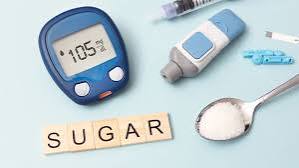
Prediabetes is a metabolic condition in which blood glucose is higher than normal but not yet high enough to be diagnosed as Type 2 diabetes. It represents a critical juncture in the progression of metabolic disease — the window where blood glucose dysregulation is established enough to carry meaningful health risks, but reversible enough that intervention can return blood sugar to normal and prevent or indefinitely delay the development of Type 2 diabetes. Approximately 96 million American adults — more than 1 in 3 — have prediabetes, yet approximately 80% of them are unaware of the condition because it produces no symptoms. Understanding the prediabetes causes and prevention framework gives people the knowledge to act during this most actionable window of metabolic risk. Our guide on what is diabetes covers the full spectrum of glucose metabolism disorders; this guide focuses on prediabetes specifically — its definition, causes, health risks, and the evidence-based interventions that can prevent its progression.
Prediabetes Blood Sugar Ranges: The Diagnostic Criteria
Prediabetes is diagnosed using the same blood tests as Type 2 diabetes but at lower glucose thresholds. The three accepted diagnostic criteria are:
- Fasting plasma glucose (FPG): 100–125 mg/dL. Values at or above 126 mg/dL meet the criteria for Type 2 diabetes diagnosis. Our guide on fasting blood sugar explained covers interpretation of fasting glucose values in detail.
- A1C (glycated hemoglobin): 5.7–6.4%. A1C at or above 6.5% on two occasions meets the criteria for Type 2 diabetes. A1C in the prediabetes range reflects an average blood glucose of approximately 117–137 mg/dL over the prior 3 months. Our guide on what the A1C test means explains the A1C test and its interpretation.
- 2-hour oral glucose tolerance test (OGTT): 140–199 mg/dL at 2 hours after a 75-gram glucose load. Values at or above 200 mg/dL meet the criteria for Type 2 diabetes. OGTT identifies “impaired glucose tolerance” — abnormal post-meal glucose handling — which is often the earliest detectable glucose abnormality in people developing Type 2 diabetes.
Any one of these three criteria, confirmed on a second test if the person has no symptoms, is sufficient for a prediabetes diagnosis. The different tests can identify different people — someone may have a normal fasting glucose but an abnormal 2-hour OGTT result, reflecting early impairment in post-meal glucose disposal before fasting glucose rises. Our guide on what is normal blood sugar covers the full range of blood glucose values and their clinical implications.
Causes of Prediabetes: What Drives Blood Glucose Above Normal
The fundamental cause of prediabetes is the combination of insulin resistance and insufficient compensatory insulin secretion by the pancreatic beta cells — the same underlying mechanism that, if it continues, eventually produces Type 2 diabetes. Several interconnected factors drive this process:
Insulin resistance: The reduced ability of muscle, liver, and fat cells to respond normally to insulin’s glucose-uptake signal is the foundational driver of prediabetes. Skeletal muscle, which accounts for the majority of insulin-stimulated glucose disposal, is the primary site of early insulin resistance. When muscle cells resist insulin’s action, post-meal glucose disposal is impaired, and blood glucose remains elevated for longer after meals. Our guide on what is insulin resistance covers the cellular mechanisms in detail.
Excess visceral fat: Visceral (intra-abdominal) fat — distinct from subcutaneous fat — is metabolically active in ways that drive insulin resistance directly. Visceral fat cells release free fatty acids, inflammatory cytokines (particularly TNF-alpha and IL-6), and reduced levels of adiponectin (an insulin-sensitizing hormone) that impair insulin signaling throughout the body. Our guides on belly fat and diabetes risk and weight gain and insulin resistance cover the mechanisms linking excess adiposity to prediabetes and Type 2 diabetes risk.
Physical inactivity: Skeletal muscle’s insulin-stimulated glucose uptake is dramatically lower in sedentary individuals than in active ones, and regular physical inactivity reduces the number and activity of GLUT4 glucose transporters (the protein responsible for insulin-stimulated glucose entry into muscle cells). Our guide on sedentary lifestyle and blood sugar covers the specific mechanisms by which inactivity worsens blood glucose dysregulation.
Genetic predisposition: Over 400 genetic variants contribute to Type 2 diabetes risk, and these same variants underlie prediabetes susceptibility. Genetic variants affecting beta cell function (capacity for insulin secretion in response to glucose) and insulin sensitivity (how efficiently tissues respond to insulin) determine who develops prediabetes and how quickly at any given level of lifestyle risk factors. Family history is a significant risk marker for prediabetes — see our guide on family history and diabetes risk.
Risk Factors for Prediabetes: Who Should Be Screened
Prediabetes screening is recommended for all adults aged 35 and older, and for younger adults with any of the following risk factors:
- Overweight or obesity (BMI at or above 25, or at or above 23 in Asian adults)
- Physical inactivity
- First-degree relative with Type 2 diabetes
- History of gestational diabetes or delivery of a baby over 9 pounds
- High-risk race/ethnicity (Black, Hispanic, Asian, Pacific Islander, Native American)
- High blood pressure (at or above 130/80 mmHg or on treatment for hypertension)
- HDL cholesterol below 35 mg/dL or triglycerides above 250 mg/dL
- Polycystic ovary syndrome (PCOS)
- History of cardiovascular disease
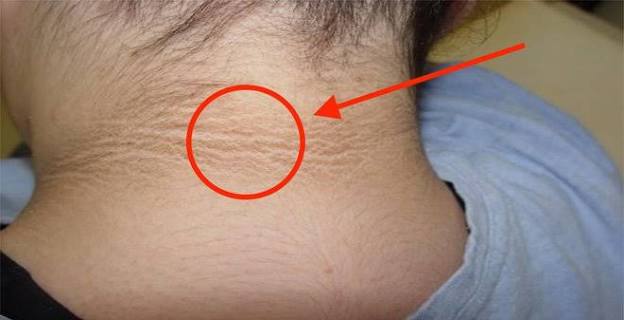
- Acanthosis nigricans (darkened skin patches in skin folds) — see our guide on skin changes and diabetes
Health Risks of Prediabetes Beyond Diabetes Progression
Prediabetes is not simply a “pre-disease” that only matters if it progresses to Type 2 diabetes — it carries its own independent health risks that begin before the diabetes threshold is crossed. People with prediabetes have measurably elevated risks for:
- Cardiovascular disease: Insulin resistance, chronic low-grade inflammation, dyslipidemia (high triglycerides and low HDL), and hypertension — all common in prediabetes — drive accelerated atherosclerosis. Adults with prediabetes have an estimated 15–20% higher cardiovascular disease risk than adults with normal glucose metabolism.
- Kidney disease: Blood glucose in the prediabetes range begins to damage kidney filtration structures, and microalbuminuria (early kidney damage) is detectable in a proportion of people with prediabetes — before the formal Type 2 diabetes threshold is reached.
- Peripheral neuropathy: Nerve damage from elevated blood glucose begins in the prediabetes range. Studies using nerve conduction testing show that peripheral neuropathy is detectable in approximately 10–15% of people with prediabetes, and painful neuropathy (burning or tingling in feet) is a recognized feature of prediabetes that predates Type 2 diabetes diagnosis. Our guide on tingling feet and diabetes covers this early complication.
The Diabetes Prevention Program: What the Evidence Shows
The landmark Diabetes Prevention Program (DPP) trial, conducted from 1996 to 2001 with over 3,000 adults with prediabetes across 27 U.S. clinical centers, remains the most important and influential evidence base for prediabetes prevention. The DPP randomized participants to three groups: intensive lifestyle intervention (targeting 7% weight loss and 150 minutes of moderate-intensity exercise per week, with individual counseling support), metformin (850 mg twice daily), or placebo. After an average follow-up of 3 years, the results were striking: the lifestyle intervention group reduced their rate of progression to Type 2 diabetes by 58% relative to placebo, and the metformin group reduced progression by 31% relative to placebo. The lifestyle intervention outperformed metformin in all age groups, but was particularly superior in older adults (age 60+), who showed a 71% reduction in diabetes incidence with lifestyle intervention versus only 11% with metformin in this age group. The DPP’s long-term follow-up study (the DPP Outcomes Study) found that even a decade after the intensive lifestyle intervention phase ended, participants in the lifestyle group maintained substantially lower rates of Type 2 diabetes compared to placebo. These findings established intensive lifestyle intervention as the most effective available tool for prediabetes prevention and led directly to the creation of the CDC-recognized National Diabetes Prevention Program — now available throughout the United States in both in-person and online formats. Adults with prediabetes who qualify for a DPP-based lifestyle intervention program (which is covered by Medicare and many insurance plans) should be referred to this evidence-based program as a first-line intervention.
Dietary Strategies for Prediabetes Prevention
The dietary component of prediabetes prevention does not require an extreme or highly restrictive approach — the evidence supports moderate, sustainable changes that reduce the overall glycemic burden of the diet while creating a modest caloric deficit to support gradual weight loss. The key dietary principles for prediabetes prevention include:
- Reducing refined carbohydrates and added sugars: White bread, white rice, regular pasta, sugar-sweetened beverages, pastries, and processed snacks cause rapid, large blood glucose spikes that demand significant insulin responses. Replacing these with lower-glycemic alternatives (whole grains, legumes, non-starchy vegetables) distributes the carbohydrate load more evenly and reduces post-meal glucose peaks. Our guide on what foods raise blood sugar covers the glycemic impact of specific food categories in detail.
- Increasing dietary fiber: Soluble fiber (from oats, legumes, fruits, and vegetables) slows carbohydrate digestion and glucose absorption, blunts post-meal glucose spikes, and improves insulin sensitivity over time. High-fiber diets are consistently associated with lower prediabetes progression rates in observational studies and with better glucose control in clinical trials.
- Prioritizing lean protein and healthy fats: Replacing some carbohydrate calories with protein and monounsaturated fats (olive oil, avocado, nuts) reduces the overall glycemic load of the diet while promoting satiety and preserving lean muscle mass during weight loss — which is important because skeletal muscle is the primary site of insulin-stimulated glucose disposal.
- Limiting sugary beverages: Sugar-sweetened beverages (sodas, fruit juices, sweetened coffees and teas, sports drinks, energy drinks) are the single most glycemically impactful dietary element in the modern diet — delivering large glucose loads rapidly, with no fiber, protein, or solid food structure to slow absorption. Replacing sugary beverages with water, unsweetened coffee, or tea is one of the highest-impact single dietary changes for blood glucose management.
- Modest overall caloric restriction: The DPP’s goal of 7% weight loss was achieved through a combination of dietary changes and increased physical activity producing an approximately 500-calorie-per-day deficit. Even losing 5–10% of body weight produces meaningful improvements in insulin sensitivity that translate into measurably lower fasting and post-meal glucose values within weeks. Our guide on blood sugar after meals covers how dietary choices affect post-meal glucose patterns that are central to prediabetes management.
Physical Activity for Prediabetes: The Evidence and the Minimum Effective Dose
Physical activity is equally important to dietary change in prediabetes prevention, and the mechanisms are distinct from those of weight loss — meaning that exercise improves insulin sensitivity and glucose metabolism even in the absence of weight change, through direct effects on skeletal muscle glucose handling. Regular aerobic exercise increases the number and activity of GLUT4 glucose transporters (the protein responsible for insulin-stimulated glucose uptake into muscle cells), improves mitochondrial function in muscle, and reduces systemic inflammation — producing sustained improvements in insulin sensitivity that persist for 24–72 hours after each exercise session. Resistance training builds skeletal muscle mass, which increases the body’s overall glucose disposal capacity and basal metabolic rate. The ADA and DPP recommend:
- Aerobic exercise: At least 150 minutes per week of moderate-intensity activity (brisk walking, cycling, swimming, dancing) spread across most days of the week. Moderate intensity means exercising at a pace where you can hold a conversation but are slightly out of breath. Studies show that walking alone — the most accessible and sustainable form of aerobic exercise — produces meaningful insulin sensitivity improvements when performed at this frequency and intensity.
- Resistance training: 2–3 sessions per week of resistance exercise (weights, resistance bands, bodyweight exercises) targeting major muscle groups. Building and maintaining muscle mass is particularly important in adults over 50 who experience age-related muscle loss (sarcopenia) that reduces insulin-stimulated glucose disposal capacity.
- Breaking prolonged sitting: Even in people who meet exercise guidelines, prolonged uninterrupted sitting between activity bouts worsens post-meal glucose metabolism. Breaking sitting with 2–3 minutes of light walking every 30 minutes is an effective strategy for reducing daily glucose exposure that complements structured exercise. Our guide on sedentary lifestyle and blood sugar covers the mechanisms and practical strategies in detail.
Prediabetes Medications: When Lifestyle Is Not Enough
For most people with prediabetes, lifestyle intervention alone is sufficient and should be the first-line approach. Pharmacological treatment for prediabetes prevention is appropriate in specific high-risk situations where lifestyle intervention alone is unlikely to be adequate or where additional risk reduction is warranted:
- Metformin: The ADA recommends considering metformin for diabetes prevention in adults with prediabetes who are under age 60, have BMI at or above 35 kg/m², or have a history of gestational diabetes — these are the populations where metformin showed the strongest benefit in the DPP relative to lifestyle-only intervention. Metformin reduces hepatic glucose production, improves peripheral insulin sensitivity, and produces modest weight loss. It is inexpensive, generally well tolerated, and has an excellent long-term safety profile. The main side effects are gastrointestinal (nausea, diarrhea) and can be minimized by starting at a low dose and taking it with meals.
- GLP-1 receptor agonists: Medications like semaglutide (Ozempic, Wegovy) and liraglutide (Victoza, Saxenda) produce substantial weight loss (10–15% of body weight with semaglutide) and significant improvements in insulin sensitivity, and have been associated with dramatic reductions in prediabetes progression in post-hoc analyses of obesity treatment trials. These medications are not yet specifically approved for prediabetes prevention but are increasingly used in this context for people with significant obesity and high cardiovascular risk who need pharmacological support beyond metformin.
The decision to add pharmacological treatment to lifestyle intervention in prediabetes should be made in partnership with a healthcare provider who can assess individual risk, weigh the benefits against potential side effects, and ensure appropriate follow-up monitoring.
Monitoring Blood Glucose in Prediabetes: Tracking Progress
Self-monitoring of blood glucose gives people with prediabetes direct, actionable feedback on how their dietary choices, physical activity, sleep, and stress levels affect their blood glucose — information that motivates behavior change and helps identify specific foods and activities that have disproportionate glycemic impacts. Fasting glucose self-monitoring (checking blood glucose first thing in the morning before eating) is the most accessible measurement, but post-meal glucose measurements (1–2 hours after meals) provide the most sensitive signal of improving or worsening glucose regulation. Our guide on how to track your blood sugar numbers provides the logging and pattern analysis framework that makes home monitoring clinically meaningful. Some people with prediabetes are now using continuous glucose monitors (CGMs) to track their glucose patterns in real time — a tool that was previously limited to people with Type 1 and insulin-treated Type 2 diabetes but is now available over the counter and provides a level of glucose pattern detail that finger-stick testing alone cannot match.
Sleep and Stress: Two Underrecognized Drivers of Prediabetes
Most prediabetes prevention discussions focus on diet and exercise — the two factors with the most direct evidence from the DPP trial — but two additional modifiable factors play a significant and often underappreciated role in blood glucose regulation and prediabetes progression: sleep quality and chronic psychological stress. Insufficient or poor-quality sleep (less than 6–7 hours per night, or sleep disrupted by sleep apnea or insomnia) raises cortisol levels, increases ghrelin (appetite-stimulating hormone), reduces leptin (satiety hormone), decreases insulin sensitivity in peripheral tissues, and impairs glucose tolerance — producing blood glucose elevations that mimic and can worsen prediabetes. Multiple large cohort studies have found that adults who sleep fewer than 6 hours per night have significantly higher rates of Type 2 diabetes incidence than those sleeping 7–9 hours, even after controlling for other lifestyle factors. Our guide on hormones and blood sugar covers the mechanisms by which cortisol and the adrenal stress response raise blood glucose — which applies equally to the cortisol-raising effects of inadequate sleep and to the cortisol-raising effects of chronic psychological stress. Chronic stress — from work demands, financial pressure, relationship difficulties, or other sources — activates the hypothalamic-pituitary-adrenal (HPA) axis in ways that raise fasting glucose, impair insulin sensitivity, and drive cortisol-mediated visceral fat deposition. People managing prediabetes who address sleep hygiene and stress management alongside diet and physical activity achieve better glycemic outcomes than those who focus on dietary and exercise changes alone, which is why comprehensive prediabetes prevention programs now routinely incorporate sleep assessment and stress reduction components alongside the traditional lifestyle change pillars. Our guide on dehydration and blood sugar provides additional context on how physiological stressors beyond food choices affect glucose metabolism throughout the day.
Sources: American Diabetes Association. “Standards of Medical Care in Diabetes.” Diabetes Care 2024. | CDC — National Diabetes Statistics Report 2022. | NIDDK — Prediabetes and Insulin Resistance. | Knowler WC, et al. “Reduction in the Incidence of Type 2 Diabetes with Lifestyle Intervention.” NEJM 2002. | Tabak AG, et al. “Prediabetes: a high-risk state for diabetes development.” Lancet 2012.
Bookmarked this article on prediabetes: causes, risks, and prevention immediately — going to reference it regularly. The connection between lifestyle choices and long-term outcomes is explained clearly here. Will definitely be coming back to this site for more health information.
As someone dealing with this personally, the prediabetes: causes, risks, and prevention section was very helpful. I especially valued the explanation of why these recommendations exist, not just what they are. Appreciate the effort that went into researching and writing this — it shows.
Bookmarked this article on prediabetes: causes, risks, and prevention immediately — going to reference it regularly. The section on managing this condition day-to-day was especially useful for planning. This gave me real confidence going into my next specialist appointment.