

Exercise and blood pressure are connected through one of the most rigorously studied dose-response relationships in cardiovascular medicine. Regular physical activity lowers blood pressure through multiple specific physiological mechanisms — reducing sympathetic nervous system tone, improving endothelial function, changing arterial structure, suppressing the renin-angiotensin system, and improving insulin sensitivity — and the magnitude of the effect is clinically meaningful: comparable, on average, to the blood pressure reduction produced by a single antihypertensive medication. The evidence comes not from a few small studies but from hundreds of randomized controlled trials, thousands of participants, and multiple independent systematic meta-analyses conducted over more than three decades. Understanding what types of exercise work, how much is needed, and why it works helps translate a well-established scientific consensus into an effective practical strategy for blood pressure management.
How Much Does Exercise Lower Blood Pressure?
The blood pressure-lowering effect of exercise has been quantified across different modalities in multiple large meta-analyses, and the results consistently point to meaningful reductions.
For aerobic exercise, meta-analyses consistently report reductions of approximately 4 to 5 mmHg systolic and 3 to 4 mmHg diastolic blood pressure in hypertensive individuals. Cornelissen and Smart’s 2013 meta-analysis in the Journal of the American Heart Association, analyzing 93 randomized trials, found aerobic exercise reduced systolic blood pressure by 3.5 mmHg and diastolic by 2.5 mmHg across a general population, with larger reductions in hypertensive subgroups.
A landmark 2023 network meta-analysis published in the British Journal of Sports Medicine by Edwards and colleagues — synthesizing data from more than 270 trials and 270,000 participants — provided the most comprehensive comparison of exercise modalities to date. The findings revealed a ranking that has attracted significant clinical attention: isometric exercise showed the largest blood pressure reductions of any modality at approximately 8.2 mmHg systolic and 4.0 mmHg diastolic. Combined aerobic plus resistance training showed the second largest reductions at approximately 6.0/3.0 mmHg. Dynamic resistance training produced approximately 4.5/3.5 mmHg, aerobic training approximately 4.5/3.0 mmHg, and high-intensity interval training approximately 4.1/2.3 mmHg. All modalities produced statistically significant and clinically meaningful blood pressure reductions.
To put these magnitudes in context: a 5 mmHg reduction in systolic blood pressure is associated with approximately a 10 percent reduction in risk of major cardiovascular events in meta-analyses of antihypertensive drug trials. If exercise reliably produces this magnitude of reduction — which the meta-analytic evidence suggests it does in hypertensive individuals — the cardiovascular risk reduction from a sustained exercise habit is substantial.
Why Exercise Lowers Blood Pressure: The Mechanisms
The blood pressure reduction from regular exercise occurs through multiple converging physiological adaptations that address different upstream drivers of elevated blood pressure.
The most consistently documented adaptation is reduced resting sympathetic nervous system tone. Regular aerobic training progressively reduces basal muscle sympathetic nerve activity (MSNA), directly measured using microneurographic recordings in resting study participants. Lower resting sympathetic tone means lower resting heart rate, reduced cardiac output at rest, and reduced peripheral vascular resistance — all directly lowering blood pressure. This adaptation takes weeks to months to develop fully and explains why the blood pressure benefits of exercise require sustained regular practice.
Endothelial adaptation is the second major mechanism. During aerobic exercise, blood flow through skeletal muscle vasculature increases dramatically, producing shear stress on endothelial cells. Repeated exposure stimulates endothelial nitric oxide synthase (eNOS), increasing nitric oxide production. Chronic training upregulates eNOS expression, increasing basal nitric oxide availability at rest. Flow-mediated dilation (FMD) improves significantly with aerobic training. Structural arterial changes add a third pathway: aerobic endurance training increases the compliance (elasticity) of large arteries, reducing pulse wave velocity and pulse pressure, directly reducing systolic blood pressure.
The renin-angiotensin-aldosterone system is modulated by exercise in a direction that opposes hypertension. Aerobic training reduces circulating angiotensin II levels and upregulates ACE2 — the enzyme that converts vasoconstricting angiotensin II to the vasodilatory peptide angiotensin 1-7 — shifting the RAAS balance toward vasodilation through a mechanism functionally analogous to pharmacological ACE inhibitors. Exercise also improves insulin sensitivity in skeletal muscle, reducing compensatory hyperinsulinemia and the insulin-mediated sodium retention and sympathetic activation that contribute to obesity-related hypertension.
Aerobic Exercise for Blood Pressure
Aerobic exercise — sustained rhythmic activity involving large muscle groups at moderate intensity — is the most extensively studied modality for blood pressure reduction. The American Heart Association and American College of Cardiology hypertension guidelines recommend 90 to 150 minutes per week of moderate-intensity aerobic activity or 65 to 75 minutes per week of vigorous-intensity activity. Translated into practical terms: brisk walking, cycling, swimming, jogging, or aerobic classes for 30 minutes on five or more days per week.
Walking deserves specific emphasis: it is accessible to virtually all adults regardless of fitness level, available at no cost, and has been directly tested as a blood pressure intervention in multiple randomized trials. A meta-analysis of walking interventions found that walking programs reduced systolic blood pressure by approximately 5 mmHg — as large as many pharmacological agents and achievable by nearly everyone. The target speed for blood pressure benefit is brisk walking at approximately 3.5 to 4 miles per hour rather than casual strolling. High-intensity interval training shows comparable or slightly larger acute blood pressure reductions in some trials, with the practical advantage of greater cardiovascular stimulus in less total exercise time.
Resistance Training and Blood Pressure
Dynamic resistance training — conventional weightlifting using machines or free weights at moderate to high repetitions — shows consistent systolic blood pressure reductions of approximately 3 to 5 mmHg in hypertensive individuals. The blood pressure-lowering mechanism differs from aerobic training: resistance training improves insulin sensitivity, reduces adiposity, and appears to improve arterial compliance through different structural adaptations.
Isometric resistance training — contracting specific muscles against a fixed resistance without joint movement and maintaining the contraction for a defined duration — produces the largest blood pressure reductions of any single exercise modality according to the 2023 Edwards et al. network meta-analysis. The most studied protocols are isometric handgrip exercise (squeezing a dynamometer at 30 to 40 percent of maximal voluntary contraction for 2 minutes, repeated 4 times with 1 to 4 minute rest intervals, 3 days per week) and wall squats (sitting with back against the wall and knees at 90 degrees for similar durations). The physiological mechanism appears to involve enhanced baroreflex sensitivity and sustained vagal activation. The 8+ mmHg systolic blood pressure reduction documented for isometric training is remarkable given the simplicity and low time requirement of the intervention.
Post-Exercise Hypotension: How a Single Workout Lowers Blood Pressure
Beyond the chronic adaptations from regular training, a single bout of aerobic exercise produces a distinct blood pressure-lowering effect that persists for hours after exercise completion — a phenomenon called post-exercise hypotension (PEH). Following a session of moderate-intensity aerobic exercise lasting 30 to 45 minutes, blood pressure typically falls 5 to 7 mmHg below pre-exercise resting levels and remains suppressed for 4 to 12 hours. The mechanism involves sustained vasodilation in previously exercised skeletal muscle (mediated by nitric oxide, prostaglandins, and other vasodilatory factors), reduced sympathetic outflow, and reset baroreflex sensitivity. PEH is larger in magnitude in hypertensive individuals than in normotensives — those with the most to gain show the largest acute response.
The clinical implication is that daily aerobic exercise produces a period of reduced blood pressure for much of the waking day through the PEH mechanism alone, even before long-term training adaptations have fully developed. Morning exercise produces this hypotensive effect for the remainder of the morning and afternoon, potentially blunting the high-risk morning blood pressure surge period that follows waking — making regular morning aerobic exercise a particularly targeted strategy for individuals whose blood pressure is consistently highest in the morning hours.
Exercise and Antihypertensive Medications
Exercise and antihypertensive medications have additive blood pressure-lowering effects — exercising while taking medications produces lower blood pressure than either intervention alone. Several practical considerations apply.
Beta-blockers reduce heart rate at rest and during exercise, blunting the normal heart rate increase during aerobic exercise. Individuals taking beta-blockers should use perceived exertion (the “talk test” or the Borg scale) rather than heart rate to guide exercise intensity. The long-term training adaptations and PEH still occur. Diuretics require attention to hydration during exercise — adequate fluid intake before and during exercise prevents dehydration that could exacerbate the blood pressure-lowering effect to symptomatic levels. Alpha-blockers can cause post-exercise hypotension of larger magnitude; standing up rapidly after exercise should be done slowly to avoid orthostatic symptoms.
For those with very high uncontrolled blood pressure — systolic above 160 to 180 mmHg — it is advisable to achieve some blood pressure reduction with medication before beginning vigorous exercise programs, as very high blood pressure during high-intensity exercise carries elevated cardiovascular risk. Moderate-intensity walking carries no increased risk even at these levels and can begin immediately without physician consultation for most people.
Building a Blood Pressure-Lowering Exercise Program
A practical blood pressure-lowering exercise program combines aerobic training with resistance training, with progressive increases in duration and intensity over the first few weeks. For beginners, starting with 10-minute bouts of brisk walking three times daily produces the same cumulative blood pressure benefit as a single 30-minute session, while the shorter duration is more manageable. Progressively consolidating these bouts into longer sessions and adding days to reach the target of 30 minutes on five days per week over 4 to 6 weeks. Adding resistance training 2 to 3 times per week — targeting major muscle groups with 2 to 3 sets of 10 to 12 repetitions at moderate resistance — provides additive blood pressure benefit and metabolic advantages.
For those interested in the isometric exercise evidence, adding two to three sessions per week of isometric wall squats or handgrip exercises requires minimal time and no equipment and may produce the largest blood pressure reductions of any single addition to the routine. Even in people who exercise regularly, prolonged sitting during the day is independently associated with higher blood pressure — breaking up sitting every 30 minutes with brief walking reduces ambulatory blood pressure on that day. Older adults benefit from both aerobic and resistance training; resistance training is particularly important for preserving muscle mass, and Nordic walking (with poles) adds an upper body resistance component to walking that may be especially beneficial in this population.
For anyone working to understand blood pressure management comprehensively, what high blood pressure is provides foundational context. Weight and blood pressure covers the complementary mechanisms through which weight loss and exercise together produce larger effects than either alone. Stress and blood pressure is relevant because exercise is one of the most powerful stress-reduction interventions. Sleep and high blood pressure connects through exercise’s bidirectional relationship with sleep quality. Guidance on physical activity for blood pressure is available from the American Heart Association, the National Heart, Lung, and Blood Institute, and the CDC.
Exercise and blood pressure are connected through specific, well-characterized physiological adaptations — reduced sympathetic tone, improved endothelial function, arterial structural changes, RAAS modulation, and enhanced insulin sensitivity — that each independently lower blood pressure and together produce effects comparable to pharmaceutical antihypertensive therapy. The 2023 network meta-analysis established that isometric exercise may be the most powerful single modality, but the most effective program combines regular aerobic training with resistance exercise. The question for most people with hypertension is not whether exercise helps — the evidence on that is clear — but how to structure a sustainable, progressive routine that delivers the documented benefits consistently over time.
Genetic Variability in Exercise Blood Pressure Response
One important caveat to the meta-analytic averages is that individuals vary considerably in their blood pressure response to an identical exercise program. The HERITAGE Family Study — a landmark investigation of the genetic determinants of cardiovascular fitness and blood pressure response to aerobic training — documented approximately three-fold variability in blood pressure change with a standardized 20-week aerobic training program across a large sample of sedentary adults. Some individuals show reductions of 10 to 15 mmHg systolic; others show little or no change. This variability does not mean that exercise is not working in non-responders from a cardiovascular standpoint — maximal oxygen uptake (VO2max) and other fitness measures improve in virtually everyone with training — but it does mean that the blood pressure response is not uniform. Genetic factors account for a substantial proportion of this variability. Practically, this means that an individual who begins an exercise program and does not see the expected blood pressure reduction after 8 to 12 weeks of consistent training should not conclude that exercise is ineffective for them — they may be a moderate responder rather than a high responder — and should consider whether adding isometric training, dietary modification, or sleep improvement could provide additional benefit through complementary mechanisms.
Yoga, Tai Chi, and Mind-Body Exercise for Blood Pressure
Yoga and Tai Chi occupy an interesting position in the exercise-blood pressure evidence base. Both modalities show consistent modest blood pressure reductions in meta-analyses — approximately 3 to 5 mmHg systolic — and they may be particularly valuable as entry points for individuals who are not yet ready for conventional aerobic exercise or as complementary practices for those already doing aerobic training.
Yoga’s blood pressure benefits appear to come from multiple components: the physical postures provide a form of isometric and dynamic resistance, pranayama (breathing exercises) activates the baroreflex and reduces sympathetic tone through slow breathing mechanisms, and the mindfulness component reduces the stress-driven sympathetic activation that independently elevates blood pressure. Forms of yoga that emphasize pranayama and active postures — such as Hatha yoga — consistently show larger blood pressure reductions than purely meditative or restorative yoga. Tai Chi — the slow-motion Chinese martial art practiced as a moving meditation — combines low-intensity aerobic activity, balance training, and a meditative quality that activates parasympathetic nervous system dominance. Meta-analyses of Tai Chi for blood pressure show reductions of approximately 3 to 4 mmHg systolic, with particularly consistent evidence in older adults. Both modalities are low-impact, accessible regardless of fitness level, and directly address the stress pathway through which psychological tension maintains elevated blood pressure.
Sedentary Behavior and Blood Pressure: Why Exercise Alone Is Not Enough
A growing body of research documents that even among people who meet weekly exercise guidelines, prolonged uninterrupted sitting during the day is independently associated with higher blood pressure and adverse cardiovascular outcomes. This means that exercising for 30 minutes in the morning and then sitting at a desk for 8 hours is not equivalent, from a blood pressure standpoint, to the same 30 minutes of exercise combined with regularly breaking up sitting time throughout the day.
Studies measuring ambulatory blood pressure alongside accelerometry (wrist or hip-worn movement monitors) have found that breaking sitting every 30 minutes with 3 to 5 minutes of light walking reduces 24-hour ambulatory blood pressure by 2 to 4 mmHg compared to equivalent total sitting without breaks. The mechanism involves the repeated activation of calf muscle contractions — the calf muscles are sometimes called the “second heart” because their contraction pumps venous blood back to the heart — and the prevention of the vascular endothelial dysfunction that develops within 30 to 60 minutes of sustained blood flow reduction in the lower limbs during sitting. Practical strategies include standing desks, regular scheduled break reminders, taking stairs rather than elevators, and walking meetings — all of which contribute to blood pressure benefit through mechanisms that are complementary to, not redundant with, the benefits of scheduled exercise sessions.
Exercise as a Medication Reduction Strategy
For overweight, sedentary hypertensive individuals who are currently taking one or more antihypertensive medications, sustained regular exercise may ultimately allow medication reduction or elimination under physician supervision. The magnitude of blood pressure reduction from regular exercise — 4 to 8 mmHg systolic — is comparable to the effect of a single antihypertensive agent at standard doses. When combined with other lifestyle modifications (weight loss, sodium reduction, alcohol moderation), the cumulative blood pressure-lowering effect of comprehensive lifestyle change can equal or exceed that of multiple medications.
Studies of lifestyle interventions in hypertensive patients have documented medication reduction rates of 30 to 50 percent in individuals who sustain comprehensive lifestyle changes including regular exercise for 6 or more months. The practical requirement is sustained commitment — 150 or more minutes per week of aerobic activity, maintained over months rather than weeks — and the blood pressure benefit that allows medication step-down is lost if exercise is discontinued. For patients motivated by the prospect of taking fewer medications — reducing cost, side effects, and complexity — this represents a concrete outcome goal that regular exercise can contribute to achieving, in combination with other lifestyle modifications discussed with and supervised by a physician.
Outdoor Exercise and Blood Pressure: The Green Space Effect
A growing body of research suggests that the setting of exercise may influence its blood pressure-lowering effect. Studies comparing equivalent doses of aerobic exercise performed in outdoor natural environments (parks, trails, green spaces) versus indoor environments (treadmills, indoor tracks) have found larger acute blood pressure reductions and larger reductions in cortisol and self-reported stress with outdoor exercise. The proposed mechanism involves simultaneous activation of both the physiological blood pressure-lowering pathways of exercise and the stress-reducing effects of nature exposure — which independently lowers cortisol and sympathetic nervous system activity. Green space exposure reduces the stress-driven sympathetic activation that chronically elevates blood pressure, producing an additive benefit beyond the direct vascular effects of physical activity. While the evidence base for this specifically in blood pressure outcomes is still developing, it suggests that for individuals who exercise to lower blood pressure, choosing outdoor routes through parks or natural environments over equivalent indoor alternatives may provide additional benefit through complementary stress-reduction mechanisms.
Monitoring Blood Pressure During an Exercise Program
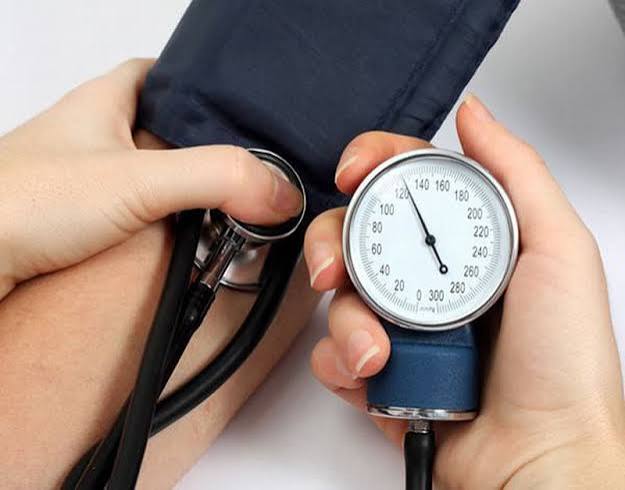
For hypertensive individuals who begin an exercise program specifically to improve blood pressure, systematic home blood pressure monitoring provides essential feedback and motivation. Blood pressure should ideally be measured at the same time each day — typically in the morning before exercise and in the evening — using a validated upper-arm cuff, after at least 5 minutes of rest, avoiding caffeine and vigorous activity for 30 minutes prior. The blood pressure response to an exercise program develops over weeks to months: the acute PEH effect begins from the first session, but the sustained resting blood pressure reduction from vascular adaptations typically takes 4 to 12 weeks to fully manifest at rest. Tracking weekly averages rather than individual readings provides a less variable picture of the trend. Blood pressure variability — the day-to-day scatter in readings — often decreases with regular exercise as the autonomic nervous system becomes more stable, and this reduction in variability is itself prognostically favorable independent of the reduction in average blood pressure.
An exercise log alongside a blood pressure log — recording the type, duration, and intensity of each workout alongside morning and evening blood pressure readings — enables pattern recognition: does a rest day show higher readings the next morning? Does the intensity of the workout correlate with the magnitude of PEH in the hours following? This type of self-monitoring helps individualize an exercise program to an individual’s specific physiological response and supports the shared decision-making needed to determine when blood pressure has improved enough to consider medication reduction with a physician.
What Happens to Blood Pressure When Exercise Stops?
The blood pressure reductions achieved through regular exercise are not permanent — they require sustained practice to maintain. Studies of exercise detraining — ceasing regular exercise after a period of training — show that resting blood pressure begins to return toward pre-training levels within 2 to 4 weeks of stopping exercise. The vascular adaptations from training (improved FMD, reduced arterial stiffness) similarly reverse over weeks to months of detraining. This is not a reason to avoid starting an exercise program — it is simply a reminder that exercise is a behavioral medication with pharmacokinetics: its blood pressure effect requires regular dosing to sustain. For individuals who are seasonally active or who exercise consistently only during certain periods, blood pressure should be monitored more closely during detraining periods, particularly if medications have been reduced based on the exercise-achieved blood pressure improvement. The goal is to incorporate regular physical activity as a permanent lifestyle component, not as a temporary intervention — which is why finding forms of exercise that are enjoyable, accessible, and socially supported is as important as finding those with the largest blood pressure effect size.
Really well-written article on exercise and blood pressure control: what. What I liked most was that the article didn’t just say what to avoid — it also gave alternatives. Keep up this kind of thorough health journalism — it genuinely helps patients like me.
My cardiologist recommended I look into exercise and blood pressure control: what and this article covered it perfectly. I appreciated how the article addressed both the clinical side and the practical lifestyle adjustments. Exactly the kind of evidence-based information that is hard to find in one place.
Came across this while researching exercise and blood pressure control: what for a family member. The article answered questions I didn’t even know I had until I started reading. This gave me real confidence going into my next specialist appointment.
Bookmarked this article on exercise and blood pressure control: what immediately — going to reference it regularly. I appreciated how the article addressed both the clinical side and the practical adjustments. This is going into my health folder that I bring to every doctor’s visit.
I have been reading about exercise and blood pressure control: what for weeks and this is the most thorough guide I found. The practical tips made this immediately actionable, not just theoretical. This is exactly why I prefer this website over generic health platforms.
I never fully understood exercise and blood pressure control: what until I read this. The connection between lifestyle choices and long-term outcomes is explained clearly here. Looking forward to reading more articles from this website.