
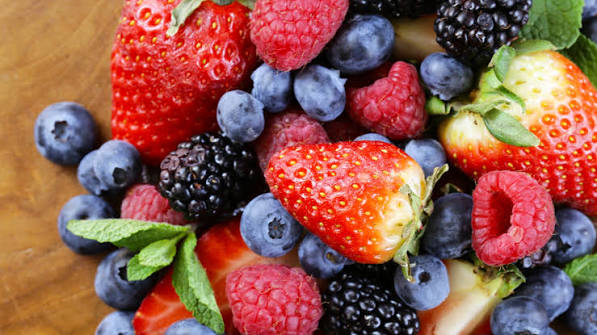
Fruit is frequently underestimated as a digestive health food. While fibre-dense vegetables and legumes dominate the conversation about gut health, several fruits that support digestion have evidence-backed mechanisms that are distinct from and complementary to those of other plant foods. Kiwi, berries, pear, apple, papaya, and banana each operate through specific pathways — enzymes, prebiotic pectin, anthocyanins, resistant starch — that make them genuinely functional in ways that generic “eat more fruit” advice does not capture.
This guide covers the eight most well-evidenced fruits for digestive health, the mechanisms behind each, and the practical considerations that determine which fruits benefit which digestive conditions.
Kiwi Fruit — The Best-Evidenced Fruit for Digestion
Kiwi fruit (Actinidia deliciosa) has the strongest clinical evidence base of any fruit for digestive health applications, attributable to a unique enzyme it contains: actinidin. Actinidin is a cysteine protease — a protein-digesting enzyme — that accelerates the digestion of food proteins in the stomach and small intestine, speeds gastric emptying, and promotes peristalsis (the wave of smooth muscle contractions that moves food through the gut). This enzyme activity translates directly into faster gut transit and reduced constipation.
The clinical evidence is specific and robust. A 2023 randomised controlled trial compared kiwi fruit (2 green kiwis daily for 4 weeks) with psyllium husk supplementation in patients with IBS-C and chronic constipation. Both interventions produced significant improvements in stool frequency and consistency, but kiwi was better tolerated with fewer side effects, greater participant satisfaction, and comparable efficacy. This comparison is particularly meaningful because psyllium husk is the Cochrane-identified best supplement for IBS — kiwi performing comparably places it in a very small group of food interventions with clinically meaningful digestive evidence.
Kiwi’s fibre content (3g per 100g) is above average for fruit and includes both soluble and insoluble components, adding to the transit benefit. The vitamin C in kiwi (93mg per 100g — the highest of common fruits) also supports gut mucosal integrity, and the polyphenol content contributes to microbiome diversity. Green kiwi provides more actinidin than gold (yellow) kiwi; both provide digestive benefits. Two standard kiwis daily (the dose used in the clinical trial) provides approximately 6g fibre plus full actinidin activity.
Berries — Highest-Fibre Fruit and Prebiotic Polyphenols
Berries represent the highest-fibre fruit category and one of the most important polyphenol sources in the diet. Raspberries and blackberries are particularly notable at 6–8g fibre per 100g — comparable to some legumes and higher than most vegetables. This fibre is primarily insoluble, contributing to stool bulk and accelerated colonic transit.
The polyphenol dimension is equally important for gut health. Berries are among the richest dietary sources of anthocyanins, proanthocyanidins, and ellagic acid — polyphenol classes that have been consistently shown to selectively stimulate Bifidobacterium growth in the colon. This prebiotic effect of berry polyphenols is independent of and additive to their fibre content: polyphenols that are not absorbed in the small intestine reach the colon and function as selective carbon sources for beneficial bacteria. A 150g serving of mixed berries provides an anthocyanin dose in the range associated with measurable microbiome diversity increases in clinical studies.
Berries also reduce gut inflammation through direct polyphenol-mediated anti-inflammatory effects: ellagic acid inhibits NF-κB signalling in intestinal epithelial cells; proanthocyanidins from blueberries specifically reduce gut inflammatory cytokine production in both in vitro and animal models. Observational data consistently show high berry consumption associated with lower rates of colorectal cancer and gut dysbiosis — the combination of fibre, prebiotic polyphenols, and direct anti-inflammatory activity explaining this association.
Pear — Highest-Fibre Common Fruit
Pears provide the highest fibre content of commonly available fresh fruit at 3.1g per 100g — higher than apples, oranges, bananas, or most other fruits. The fibre is mixed: soluble pectin (prebiotic; gel-forming) and insoluble cellulose and hemicellulose (transit-accelerating).
Pears also naturally contain sorbitol — a sugar alcohol that acts as a mild osmotic laxative by drawing water into the colon. This osmotic effect is why pears are particularly effective for constipation, especially in children and elderly individuals who may be more sensitive to slow gut transit. The combination of insoluble fibre (bulk), pectin (prebiotic), and sorbitol (osmotic water-drawing) makes pear one of the most comprehensively constipation-treating fruits available.
The prebiotic pectin in pears specifically feeds Bifidobacterium — the same mechanism as apple pectin, but at higher total fibre dose. Eating pears with the skin on preserves the insoluble fibre in the skin as well as the flavonoid polyphenols concentrated in the skin tissue.
Apple — Prebiotic Pectin and Microbiome Diversity
Apples contain 2.4g fibre per 100g, of which a substantial proportion is pectin — the soluble prebiotic fibre that forms a gel in the small intestine, slows glucose absorption, and acts as a fermentable prebiotic in the colon. Apple pectin specifically increases Bifidobacterium and Lactobacillus populations and increases SCFA production in multiple controlled feeding studies.
The polyphenol profile of apples adds a second dimension: quercetin, catechin, and chlorogenic acid — concentrated in the skin and just below it — have direct anti-inflammatory effects in the gut mucosa and act as prebiotic substrates for polyphenol-metabolising bacteria. This is why eating apples with the skin provides substantially more gut health benefit than peeled apples: the skin contains 2–3× more polyphenols than the flesh, and removing it removes the majority of the prebiotic polyphenol content alongside the insoluble fibre.
Banana — Resistant Starch and Gut Motility
Bananas offer different gut health properties depending on their ripeness — a distinction with significant practical implications. Green and slightly underripe bananas are among the most concentrated dietary sources of type 2 resistant starch (RS2): the high-amylose starch in an unripe banana is crystalline and resists digestion, reaching the colon intact to be fermented by bacteria into butyrate. As a banana ripens, RS2 converts to freely available sugars — a ripe banana has essentially no resistant starch and provides primarily glucose, fructose, and sucrose.
The practical implication: for gut microbiome benefit (prebiotic resistant starch, butyrate production), eat bananas when firm and slightly green. For palatability without digestive prioritisation, a fully ripe banana provides easily digestible energy with standard fruit fibre (2.6g/100g, predominantly insoluble) but minimal prebiotic benefit. Frozen green bananas in smoothies are a practical way to consume RS2 without the astringency of eating underripe banana fresh.
Ripe bananas also have a mild binding effect on stools due to their pectin and tannin content — which is why bananas are often recommended for diarrhoea management. This binding effect is more pronounced in very ripe bananas and less present in underripe ones, where the RS2 content produces a prebiotic-butyrate effect instead.
Papaya and Mango — Digestive Enzymes
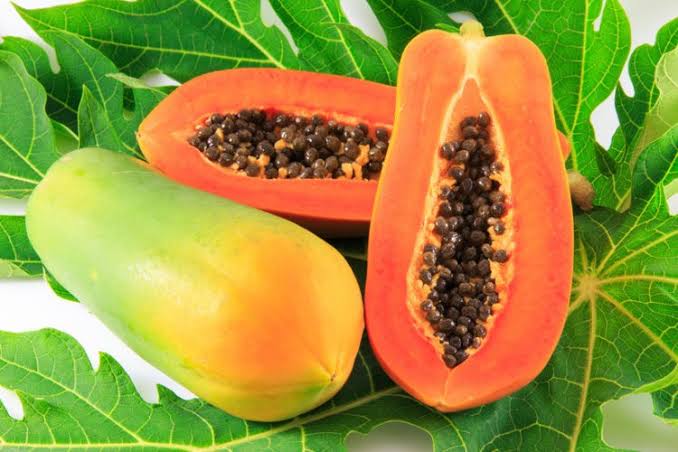
Papaya contains papain — a cysteine protease similar in mechanism to kiwi’s actinidin. Papain is particularly potent at breaking down food proteins in the stomach and small intestine, facilitating protein digestion and reducing the protein load that reaches the colon undigested. Undigested protein in the colon is fermented to putrefactive metabolites (hydrogen sulphide, indoles, amines) that are directly toxic to colonocytes and contribute to gut dysbiosis — papain activity reduces this protein fermentation burden.
Papaya is also a practical IBS-friendly fruit: it is low-FODMAP at standard serving sizes, high in vitamin C, and provides 1.8g fibre per 100g as mixed soluble and insoluble. Fresh papaya contains active papain; commercial papain supplements use concentrated enzyme extract from papaya.
Mango contains amylase and other digestive enzymes alongside 1.6g fibre per 100g. It also provides a unique prebiotic fibre called mango pectin, with emerging evidence for Lactobacillus stimulation. However, mango is moderate-high FODMAP (sorbitol and fructose) at larger serving sizes — half a mango (approximately 80g) is the low-FODMAP serving size for IBS patients.
Prunes and Figs — Specific Evidence for Constipation
Prunes (dried plums) have more clinical evidence for constipation relief than almost any food other than kiwi. A systematic review and meta-analysis found prunes significantly more effective than psyllium for increasing stool frequency and consistency in constipated adults. Prunes work through three mechanisms: sorbitol content (osmotic effect), isatin (a naturally occurring laxative compound specific to prunes), and high fibre content (approximately 7g/100g dried — highly concentrated). Clinical dose: 5–6 prunes (approximately 50–60g) daily.
Figs provide 2.9g fibre per 100g fresh (or approximately 9.8g per 100g dried) and contain ficin — a proteolytic enzyme similar to papain. Evidence: one small RCT found fig paste improved constipation symptoms in IBS-C patients. Figs are also prebiotic, feeding Bifidobacterium specifically through their soluble pectin and oligofructose content.
A Practical Daily Fruit Pattern for Gut Health
Including a variety of fruits across the week maximises the combined fibre, prebiotic polyphenol, enzyme, and microbiome diversity benefit:
- Daily: 2 kiwis (actinidin + transit) + 150g berries (polyphenol prebiotic + fibre) = the highest-evidence daily fruit combination for digestive health
- 3–4×/week: 1 pear with skin (highest-fibre fruit) or 1 apple with skin (prebiotic pectin)
- As needed for constipation: 5–6 prunes or 1–2 figs (sorbitol + isatin/ficin) or 1 firm banana (resistant starch)
- For variety: papaya (papain), mango at low-FODMAP serving (amylase + mango pectin), avocado (unique fibre + MUFA for gut-liver axis)
This rotation provides 30+ plant food types per week from fruit alone, covering multiple prebiotic substrate types, multiple enzyme mechanisms, and diverse polyphenol families. For the fibre content of vegetables and wholegrains that complement these fruits, see our guide on high-fiber foods for better digestion. For the complete digestive health dietary approach, see digestive health diet: a practical guide. For guidance on gut-friendly plant foods in the legume category, see beans and digestive health.
Avocado — Unique Fibre and the Gut-Liver Axis
Avocado is botanically a fruit and provides a fibre profile that is genuinely distinct from other fruits: approximately 6.7g per 100g, predominantly insoluble but with a significant soluble component, and containing a unique prebiotic fibre called avocado sugar alcohol fibre (avocatin). Two randomised controlled trials have specifically examined the effect of daily avocado consumption on gut microbiome composition. Both found that participants eating one avocado daily for 12 weeks showed significantly increased microbiome diversity (alpha diversity) compared with controls, alongside increased Lachnospiraceae abundances — a family of bacteria strongly associated with butyrate production and reduced gut inflammation markers.
The mechanism appears to be the combination of avocado’s unique fibre types, its monounsaturated fatty acid content (MUFA, predominantly oleic acid), and its polyphenol profile (including catechins and procyanidins). MUFA — unlike saturated fat — does not promote gut dysbiosis or intestinal permeability, and the oleic acid in avocado may specifically support the gut-liver axis: MUFA is associated with reduced hepatic steatosis and reduced gut-derived endotoxin translocation to the liver (endotoxin from gram-negative gut bacteria crossing a compromised gut barrier is a primary driver of non-alcoholic fatty liver disease). For this reason, avocado is featured in the best foods for liver health as well as being a beneficial digestive food.
Practically: half an avocado (approximately 75g) provides 5g fibre — equivalent to two medium pears and higher than most other fruits. It is also low-FODMAP at this serving size (high sorbitol content in avocado makes whole avocado high-FODMAP, but half an avocado is within the low-FODMAP threshold for most IBS patients). The fat content means it is calorie-dense; for gut health prioritisation without caloric excess, half an avocado 3–5 times per week provides meaningful prebiotic and fibre benefit.
Polyphenols in Fruit — The Second Gut Health Mechanism
Most of the discussion of fruit and gut health focuses on fibre — but the polyphenol content of fruit is an equally important and often under-appreciated mechanism. Polyphenols are plant compounds that are largely not absorbed in the small intestine; 90–95% of dietary polyphenols reach the colon, where they function as selective carbon sources for beneficial gut bacteria in a mechanism analogous to prebiotic fibre. This polyphenol prebiotic effect is independent of and additive to the fibre prebiotic effect — fruit provides both simultaneously.
The most evidence-backed polyphenol-microbiome interactions in fruit include: anthocyanins from berries and dark-coloured fruits (blueberries, black grapes, cherries) stimulating Bifidobacterium growth; quercetin and catechins from apples and pears (concentrated in the skin) supporting Lactobacillus populations; ellagitannins from raspberries and pomegranate being converted by gut bacteria to urolithin A — a metabolite with direct anti-inflammatory effects on colonic epithelial cells and emerging evidence for mitophagy in gut tissue; and resveratrol from grapes (and red wine in small quantities) stimulating Akkermansia muciniphila, a bacterium strongly associated with healthy gut mucosal integrity and reduced intestinal permeability.
The practical implication is that eating fruit with the most intense, darkest colouration typically maximises the polyphenol prebiotic effect — blueberries over green grapes, red apples over golden apples, dark berries over pale peach. The cooking and processing point from earlier applies here too: raw fruit preserves the most heat-sensitive polyphenols, though many flavonoids survive light cooking. For the full polyphenol and fermented food context, see our guide to fermented foods and gut health — combining high-polyphenol fruit with fermented foods produces greater microbiome diversity than either alone.
Watermelon and Citrus — Transit and Anti-Inflammatory Support
Watermelon is over 90% water and provides a gentle hydration-based benefit for constipation — adequate hydration is necessary for fibre to function; without it, insoluble fibre can worsen constipation rather than resolve it. Watermelon also contains lycopene (a carotenoid antioxidant) and citrulline (an amino acid with anti-inflammatory properties). It is low-FODMAP at a standard serving (approximately 150g) but becomes high-FODMAP at larger servings due to fructose excess over glucose. For gut-sensitive individuals, 150g watermelon cubed is a practical low-FODMAP hydrating snack with additional anti-inflammatory polyphenol content.
Citrus fruits (oranges, mandarins, grapefruit, lemon) contribute to digestive health through their flavonone content (hesperidin and naringenin) — citrus-specific polyphenols with documented anti-inflammatory effects in gut tissue — and their fibre content (2–2.5g per 100g, with the pith being the highest-fibre part of the fruit). Citrus pectin (the soluble fibre in citrus peel and pith) is specifically used as a prebiotic supplement in research settings; eating whole citrus with pith provides a practical food-based dose. Lemon juice in water before meals may also modestly stimulate bile flow (helpful for fat digestion) via cephalic phase digestive responses. For the overall dietary framework that incorporates these fruits, see our best foods for digestive health overview.
Frequently Asked Questions
References:
- Chey SW, et al. “Kiwifruit versus psyllium: a randomized trial in chronic constipation.” Am J Gastroenterol. 2023. AJG 2023
- NHS. “5 A Day: what counts?” NHS.uk
- Stacewicz-Sapuntzakis M. “Dried plums and their products: composition and health effects.” Crit Rev Food Sci Nutr. 2013. CRFSN 2013
- Halmos EP, et al. “A diet low in FODMAPs reduces symptoms of IBS.” Gastroenterology. 2014. Gastroenterology 2014
- British Dietetic Association. “Dietary fibre.” BDA Food Fact Sheet
I’ve been eating two kiwis every morning for the past month after reading about the clinical trial evidence elsewhere and the difference in my digestion has been remarkable. I had chronic constipation for years and nothing worked as consistently as this. The fact that it compared favourably to psyllium in a proper RCT is very reassuring — it’s not just anecdotal. Excellent explanation of the actinidin mechanism, which I hadn’t seen explained properly before.
That’s really encouraging to hear, Emma! The kiwi evidence is some of the strongest food-based evidence for any digestive application — the 2023 RCT comparing it directly with psyllium is a genuinely impressive result for a whole food. The actinidin enzyme is what sets kiwi apart from other high-fibre fruits; it’s the only common fruit with a protease at that potency. Green kiwi has significantly more actinidin than gold/yellow varieties if you want to maximise the transit benefit. Thanks for sharing your experience!
The distinction between ripe and underripe banana for resistant starch was something I never knew. I’ve been buying bananas and letting them go fully yellow thinking that was better — turns out for gut microbiome purposes I should be eating them when they’re still a bit firm. The frozen green banana smoothie suggestion is really practical, I’m going to try that. The FODMAP fruit list is also very helpful for my IBS.