
Heart-Healthy Diet: A Practical Guide
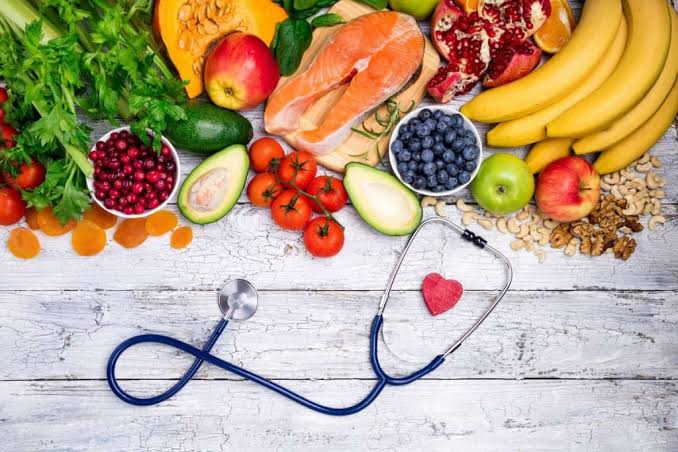
A heart-healthy diet is the single most powerful non-pharmacological intervention for cardiovascular risk — outperforming most individual lifestyle changes in the breadth of its effects on LDL cholesterol, blood pressure, triglycerides, inflammation, weight, and blood glucose simultaneously. Unlike medication, which typically targets one risk factor at a time, a dietary pattern change works across multiple cardiovascular risk mechanisms at once.
But the term “heart-healthy diet” means different things to different people — and a great deal of nutritional misinformation creates unnecessary confusion about what changes actually matter. This guide cuts through that confusion with the evidence-based essentials: what the clinical trials actually showed, which dietary components have the strongest cardiovascular effects, and how to implement sustainable changes in a real diet without turning eating into a source of stress.
What Makes a Diet Heart-Healthy — The Evidence Base
The most important shift in cardiovascular nutrition science over the past two decades is the move away from individual nutrients and toward overall dietary patterns. Early nutrition research focused on single nutrients — fat, cholesterol, sodium — but decades of evidence have established that overall eating patterns predict cardiovascular outcomes far more accurately than any single food or nutrient:
The PREDIMED trial (Prevención con Dieta Mediterránea) is the largest and most definitive dietary intervention trial in cardiovascular prevention. In 7,447 high-risk participants followed for an average of 4.8 years, those assigned to a Mediterranean dietary pattern — supplemented with either extra-virgin olive oil (at least 4 tablespoons per day) or mixed nuts (30 grams per day) — had a 30% lower rate of the composite endpoint of heart attack, stroke, and cardiovascular death compared to those on a low-fat control diet. This magnitude of cardiovascular risk reduction rivals that of pharmacological interventions like statins in primary prevention populations.
The DASH diet trials specifically addressed blood pressure — the most prevalent and modifiable cardiovascular risk factor. The original DASH trial demonstrated a 5 to 6 mmHg reduction in systolic blood pressure from the dietary pattern alone (high fruits, vegetables, low-fat dairy; low saturated fat). The DASH-Sodium trial added graded sodium restriction and demonstrated an 11 mmHg systolic reduction on the full low-sodium DASH diet — equivalent to adding one antihypertensive medication, without the cost or side effects.
The Portfolio Diet (David Jenkins, JAMA 2003) demonstrated that combining four food components — plant sterols (2 grams per day), soy protein (50 grams per day), viscous fiber (20 grams per day from oats, psyllium, and barley), and almonds (30 grams per day) — reduced LDL cholesterol by 28.6% in 4 weeks. This is comparable to a starting dose of a statin and illustrates that targeted dietary interventions can achieve pharmacological-scale LDL reductions.
The Core Components of a Heart-Healthy Diet
The AHA 2021 Dietary Guidance (Circulation, 2021) organizes heart-healthy eating around what to eat more of and what to minimize — with specific emphasis on overall pattern rather than individual food rules:
Eat more vegetables and fruits: Aim for at least 4 to 5 cups combined per day — the variety of colors provides the broadest spectrum of protective compounds. Leafy greens (spinach, kale, Swiss chard) contain dietary nitrates that directly lower blood pressure through vasodilation. Berries provide anthocyanins that improve endothelial function. Citrus provides flavonoids that reduce arterial stiffness. The cardiovascular benefit of vegetable and fruit intake is dose-dependent — more is better, with the largest marginal gains between zero and 5 servings per day.
Choose whole grains: At least half of all grain servings should be whole grain — whole wheat, oats, barley, brown rice, quinoa. Oats and barley contain beta-glucan, a soluble fiber that forms a gel in the digestive tract, binding bile acids and forcing the liver to use LDL cholesterol to produce more bile — reducing serum LDL by 5 to 7% with 3 to 4 grams of beta-glucan per day (one large bowl of oatmeal). This mechanism is why soluble fiber is specifically cardioprotective while insoluble fiber, though beneficial for digestion, has a smaller LDL effect.
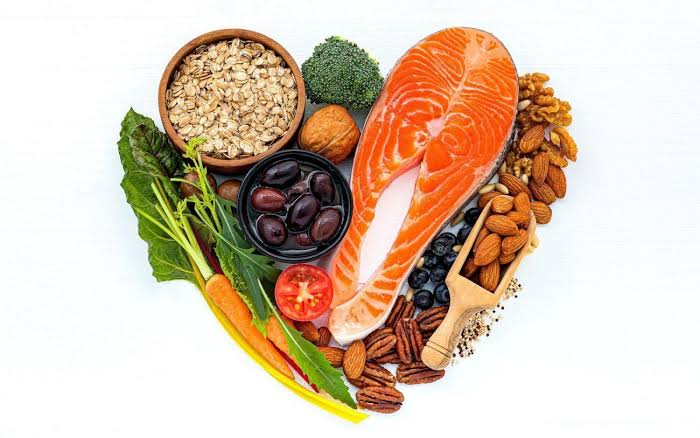
Prioritize lean protein: Fatty fish (salmon, sardines, mackerel, herring, anchovies) — at least 2 servings per week — provides marine omega-3 fatty acids (EPA and DHA) that reduce triglycerides by 20 to 30%, reduce platelet aggregation, and lower cardiovascular mortality. Legumes (beans, lentils, chickpeas) provide both soluble fiber and plant protein — a dual LDL-lowering combination. Unsalted nuts (30 grams per day) are associated with 28 to 35% lower cardiovascular mortality across multiple large cohort studies and reduce LDL through their unsaturated fat content and plant sterol content.
Use healthy fats: Extra-virgin olive oil is the cornerstone fat of the Mediterranean diet — replacing butter and other saturated fat sources in cooking. Olive oil’s primary fatty acid (oleic acid, a monounsaturated fat) reduces LDL when it replaces saturated fat and does not lower HDL. Avocado provides similar MUFA content plus potassium (which lowers blood pressure) and fiber. Replacing saturated fat sources — butter, full-fat dairy, fatty red meat — with unsaturated fat sources is the most reliably LDL-reducing dietary modification available.
Minimize: Sodium (less than 2,300 mg per day; ideally less than 1,500 mg in hypertensive patients); saturated fat (less than 6% of total calories); added sugars (less than 25 grams per day for women, less than 36 grams for men); ultra-processed foods (associated with 12% higher cardiovascular mortality per 10% increase in ultra-processed food proportion in the diet); alcohol (raises triglycerides and blood pressure above 1 to 2 drinks per day).
How a Heart-Healthy Diet Affects Your Numbers
Understanding the specific cardiovascular risk factors that a heart-healthy diet addresses — and by how much — helps patients appreciate why dietary changes are genuinely clinically meaningful rather than merely supportive:
- LDL cholesterol: Replacing saturated fat with unsaturated reduces LDL by 5 to 15% depending on baseline diet; adding soluble fiber (3–10g/day) reduces LDL a further 5 to 10%; plant sterols (2g/day) reduce LDL 8 to 10%; Portfolio Diet combination reduces LDL up to 29%
- Blood pressure: DASH diet alone reduces systolic BP 5 to 6 mmHg; low-sodium DASH reduces systolic BP 11 mmHg; increasing dietary potassium (from vegetables and fruits) reduces systolic BP 3 to 5 mmHg; weight loss of 5 kg reduces systolic BP 4 to 5 mmHg
- Triglycerides: Replacing refined carbohydrates and added sugars with whole foods reduces TG 20 to 30%; omega-3 fatty acids (4g/day EPA) reduce TG 25 to 35%; alcohol reduction reduces TG substantially in heavy drinkers
- Inflammation (hsCRP): Mediterranean dietary pattern reduces hsCRP by 20 to 30% in clinical studies; replacing trans fat and reducing ultra-processed food reduces systemic inflammatory markers
Sodium — The Most Impactful Single Change for Blood Pressure
For patients with hypertension — the most prevalent cardiovascular risk factor — sodium reduction is the highest-yield single dietary modification. The dose-response relationship between sodium intake and blood pressure is well-established: every 1,000 mg reduction in daily sodium intake reduces systolic blood pressure by 4 to 5 mmHg on average, with larger effects in hypertensive patients, older adults, and Black adults (who have higher salt sensitivity on average).
The challenge is that the vast majority of dietary sodium is invisible to most patients. Only 11% of dietary sodium comes from adding salt at the table; 5% is naturally occurring in foods; and 71% — nearly three-quarters — is already in processed, packaged, and restaurant foods before the food reaches your kitchen. The top hidden sodium contributors: commercial bread (100 to 200 mg per slice), restaurant entrées (1,500 to 3,000 mg per meal), canned soups (700 to 1,200 mg per serving), deli meats (400 to 600 mg per 2 ounces), and condiments (soy sauce: 900 mg per tablespoon). These foods taste salty because they are salty — but many high-sodium foods (bread, breakfast cereals, canned goods) do not taste salty, making them particularly easy to underestimate.
Practical sodium reduction: cooking at home replaces restaurant sodium exposure; choosing low-sodium or no-salt-added canned goods; rinsing canned beans under water (reduces sodium by 40%); using herbs, spices, lemon juice, and vinegar in place of salt; and reading Nutrition Facts labels (target less than 600 mg sodium per main meal). Taste adaptation to lower sodium takes 8 to 12 weeks — initially lower-sodium foods taste bland, but the palate recalibrates and high-sodium foods eventually taste too salty.
Fats — Understanding Which Matter for Heart Health
Fat is the most misunderstood macronutrient in cardiovascular nutrition. The low-fat movement of the 1980s and 1990s led many patients to conclude that all fat is harmful — a conclusion the evidence does not support. The critical question is not how much fat, but which fat:
Saturated fat raises LDL: Saturated fatty acids (dominant in butter, full-fat dairy, fatty red meat, palm oil, coconut oil) stimulate hepatic LDL receptor downregulation — reducing LDL clearance and raising serum LDL. The relationship is dose-dependent: each 1% increase in calories from saturated fat raises LDL by approximately 1 to 1.5 mg/dL. The AHA recommends keeping saturated fat below 6% of total calories — approximately 13 grams on a 2,000-calorie diet, compared to the US average of approximately 22 grams per day.
The replacement matters: Replacing saturated fat with monounsaturated fat (olive oil, avocado) or polyunsaturated fat (vegetable oils, nuts, fatty fish) reduces LDL and modestly improves HDL. Replacing saturated fat with refined carbohydrates (white bread, white rice, sugar) — as occurred during the low-fat food era — does not reduce cardiovascular risk because it raises triglycerides and lowers HDL while reducing LDL. The net cardiovascular effect of replacing saturated fat with refined carbs is essentially neutral, explaining why low-fat diets high in refined carbohydrates failed to show cardiovascular benefit in trials.
Marine omega-3 fatty acids: EPA and DHA from fatty fish specifically reduce triglycerides (20 to 30% at dietary doses of 1 to 2 grams per day), reduce platelet aggregation, reduce cardiac arrhythmia susceptibility, and reduce systemic inflammation. For patients with very elevated triglycerides (greater than 500 mg/dL), high-dose prescription icosapentaenoic acid (4 grams per day — REDUCE-IT trial) reduced major cardiovascular events by 25% on top of statin therapy.
Practical Implementation — Making the Diet Sustainable
The most evidence-backed diet is the one followed consistently over years — not the most theoretically optimal diet abandoned after three weeks. Sustainable implementation of a heart-healthy diet requires a gradual, realistic approach:
Start with the highest-impact changes: For most patients, the three changes with the largest cardiovascular impact are: (1) reducing sodium — primarily by cooking more meals at home and choosing low-sodium packaged goods; (2) adding a daily serving of whole-grain oats (oatmeal) — specifically for LDL reduction via soluble fiber; (3) replacing butter and animal fat in cooking with olive oil. These three changes alone can produce measurable lipid and blood pressure improvements within 4 to 8 weeks.
Budget-friendly heart-healthy staples: Dried lentils and beans (protein + soluble fiber at $1 to 2 per pound), rolled oats ($0.10 to 0.15 per serving), canned sardines or salmon ($1 to 4 per serving of omega-3-rich protein), frozen vegetables (equivalent nutrition to fresh at 50 to 70% lower cost), and whole wheat bread and pasta are among the most affordable items in any grocery store — and collectively form the backbone of a highly cardioprotective diet.
Eating out strategies: Choose fish, grilled chicken, or vegetable-based entrees; request sauces and dressings on the side; substitute salad or steamed vegetables for fries; choose tomato-based rather than cream-based sauces; and ask for low-sodium preparation when possible. Restaurant eating need not eliminate the heart-healthy diet — mindful selection within the menu is sufficient for most patients who eat out occasionally.
See our related articles on best foods for heart health, foods to limit for heart health, Mediterranean diet and heart health, DASH diet for heart health, and major risk factors for heart disease. The AHA dietary recommendations, NHLBI heart-healthy eating guide, and ACC/AHA 2019 prevention guidelines provide authoritative clinical standards.
- Estruch R, et al. Primary Prevention of Cardiovascular Disease with a Mediterranean Diet (PREDIMED). N Engl J Med. 2018;378(25):e34.
- Appel LJ, et al. A Clinical Trial of the Effects of Dietary Patterns on Blood Pressure (DASH). N Engl J Med. 1997;336(16):1117-1124.
- Sacks FM, et al. Effects on Blood Pressure of Reduced Dietary Sodium and the DASH Diet (DASH-Sodium). N Engl J Med. 2001;344(1):3-10.
- Jenkins DJ, et al. Effects of a Dietary Portfolio of Cholesterol-Lowering Foods vs Lovastatin on Serum Lipids. JAMA. 2003;290(4):502-510.
- Lichtenstein AH, et al. 2021 Dietary Guidance to Improve Cardiovascular Health (AHA). Circulation. 2021;144(23):e472-e487.
Reading Food Labels for Heart Health — The Three Numbers That Matter Most
For patients transitioning to a heart-healthy diet, the Nutrition Facts label is the most reliable tool for evaluating packaged foods — but only if you know which numbers to prioritize. Most patients scan calorie content; the three numbers with the greatest cardiovascular relevance are sodium, saturated fat, and added sugars:
Sodium: Listed in milligrams per serving. The critical step is multiplying by the number of servings you actually consume — many packaged soups, pasta sauces, and canned goods list per-half-cup or per-cup servings when most people consume the entire can or package. A can of soup labeled “480 mg sodium per serving” with 2.5 servings per can delivers 1,200 mg of sodium — more than half the daily limit in a single bowl. The AHA “Sodium Savvy” guideline provides practical per-meal targets: less than 600 mg for main meals and less than 200 mg for snacks. The “low sodium” regulated claim means 140 mg or less per serving; “reduced sodium” means at least 25% less than the original product — not necessarily low in absolute terms. “No salt added” means no salt was added during processing but does not mean sodium-free (the food may still contain naturally occurring sodium).
Saturated fat: Listed in grams per serving with a percentage of Daily Value (%DV) based on a 2,000-calorie diet. The AHA target of less than 6% of calories translates to less than 13 grams per day total. A single tablespoon of butter contains 7 grams of saturated fat — more than half the daily target. Compare similar products by saturated fat grams per serving rather than total fat — a product with higher total fat but lower saturated fat (from unsaturated fat sources like olive oil or nuts) is cardiovascularly preferable to a lower-total-fat product that is mostly saturated. Foods with 5% DV or less of saturated fat are considered low; 20% DV or more is considered high.
Added sugars: Since 2020, Nutrition Facts labels in the US are required to list added sugars separately from total sugars — distinguishing naturally occurring sugars (in fruit and dairy) from sugars added during manufacturing. The AHA limit is 25 grams per day for women and 36 grams for men. A single 12-ounce regular soft drink contains 39 grams of added sugar — already over the daily limit for both sexes. Flavored yogurts, breakfast cereals, granola bars, bottled sauces, and salad dressings are common hidden added sugar sources. “No sugar added” does not mean sugar-free — the food may contain naturally occurring sugars.
Heart-Healthy Eating Across the Lifespan — Special Considerations
The core principles of a heart-healthy diet apply across all adult age groups, but specific nutritional priorities and practical challenges shift at different life stages:
Adults aged 40–60 (primary prevention): This is the critical window for establishing dietary patterns that prevent subclinical atherosclerosis from progressing to clinical cardiovascular disease. The most important dietary priorities are LDL control (saturated fat reduction, soluble fiber addition, plant sterol consumption) and blood pressure management (sodium reduction, potassium increase from vegetables and fruits, DASH pattern adoption). Metabolic syndrome — the combination of abdominal obesity, elevated triglycerides, low HDL, elevated blood pressure, and elevated fasting glucose — is highly prevalent in this age group and responds dramatically to dietary carbohydrate quality improvement (replacing refined carbs with whole grains and legumes) and added sugar reduction.
Adults aged 60 and older: Protein requirements increase with age — inadequate protein intake accelerates sarcopenia (age-related muscle loss) which in turn reduces metabolic rate, physical function, and cardiovascular fitness. Heart-healthy protein sources (fatty fish, legumes, poultry, low-fat dairy) should be prioritized at every meal. Calcium and vitamin D intake from low-fat dairy and fortified foods supports bone health — important because cardiac medications including loop diuretics and some antihypertensives affect calcium and potassium balance. Sodium sensitivity increases with age — the blood pressure response to dietary sodium reduction is larger in older adults, making sodium management particularly impactful. Appetite often decreases with age — nutrient density per calorie becomes more important than total food volume, favoring whole foods over energy-dense processed foods.
Patients with established cardiovascular disease (secondary prevention): For patients who have already experienced a heart attack, PCI, CABG, or ischemic stroke, dietary modification becomes a component of guideline-directed medical therapy rather than merely lifestyle advice. These patients should target LDL below 70 mg/dL (or below 55 mg/dL by ESC guidelines) — requiring the most aggressive combination of dietary modification and medication. The Mediterranean dietary pattern in this population has demonstrated mortality benefit independent of medication in the Lyon Diet Heart Study (secondary prevention trial). Patients on warfarin should maintain consistent (not zero) dietary vitamin K intake — dramatic changes in green vegetable consumption alter INR unpredictably and require close monitoring.
Common Questions About Heart-Healthy Eating
Is coconut oil heart-healthy? No — coconut oil is approximately 82% saturated fat, higher than butter (63%) or lard (39%). Despite marketing claims about its medium-chain triglyceride content, coconut oil raises LDL cholesterol consistently in clinical trials. The AHA specifically does not recommend coconut oil as a heart-healthy fat and advises replacing it with unsaturated vegetable oils (olive, canola, sunflower, avocado oil).
Are eggs bad for the heart? For most people, eggs in moderate quantities (up to one per day) do not significantly raise cardiovascular risk. Dietary cholesterol from eggs raises LDL only modestly in most individuals (approximately 2 to 5 mg/dL per egg per day in average responders); the effect is larger in “cholesterol hyper-absorbers” (about 25% of the population). The main concern with eggs in a typical Western diet is not the eggs themselves but what accompanies them: bacon, sausage, and butter contribute substantial saturated fat that raises LDL far more than the egg yolk cholesterol. An egg cooked in olive oil with vegetables is a very different cardiovascular exposure than an egg with bacon and white toast.
Does alcohol in moderation protect the heart? Earlier observational studies suggested a J-shaped relationship between alcohol and cardiovascular disease — moderate drinkers having lower rates than abstainers or heavy drinkers. Mendelian randomization studies (which use genetic variants that affect alcohol metabolism to separate cause from correlation) have largely refuted this, suggesting the apparent benefit was confounded by the fact that light drinkers have healthier overall lifestyles than abstainers. The AHA and ACC do not recommend alcohol consumption for cardiovascular benefit; current guidance is that if alcohol is consumed, it should not exceed 1 drink per day for women or 2 for men — and those who do not drink should not start for cardiovascular reasons.
Really well-written article on heart-healthy diet: a practical guide. I especially valued the explanation of why these recommendations exist, not just what they are. Will definitely be coming back to this site for more health information.
Really well-written article on heart-healthy diet: a practical guide. What I liked most was that the article didn’t just say what to avoid — it also gave alternatives. Thank you for making complex medical information accessible without dumbing it down.
Really well-written article on heart-healthy diet: a practical guide. It is refreshing to see an article that acknowledges individual variation rather than giving one-size-fits-all advice. This is going into my health binder that I bring to every doctor’s visit.
This breakdown of heart-healthy diet: a practical guide is exactly what patients need before a specialist appointment. It is refreshing to see an article that acknowledges individual variation rather than one-size-fits-all advice. Shared this with three friends who are dealing with related issues. Very useful resource.
This is one of the clearest explanations of heart-healthy diet: a practical guide I have found. The article answered questions I didn’t even know I had until I started reading. Looking forward to reading more articles from this website.
This breakdown of heart-healthy diet: a practical guide is exactly what patients need before a specialist appointment. The practical tips made this immediately actionable, not just theoretical. Keep up this kind of thorough health journalism — it genuinely helps patients like me.