
Mediterranean Diet and Heart Health
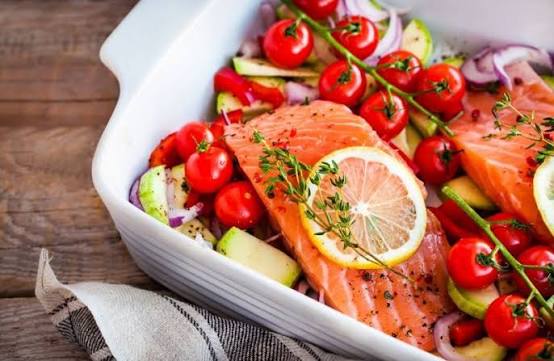
The Mediterranean diet is one of the most extensively studied dietary patterns in cardiovascular medicine, with evidence spanning observational cohorts across decades and a landmark randomized controlled trial — PREDIMED — that found a 30% reduction in major cardiovascular events compared to a low-fat control diet. Unlike many dietary interventions evaluated only in short metabolic studies or observational data, the Mediterranean diet has demonstrated cardiovascular benefit at the clinical endpoint level: reduction in actual heart attacks, strokes, and cardiovascular deaths in high-risk adults over a multi-year trial.
Understanding what constitutes a Mediterranean diet, how it works mechanistically, and how to implement it practically are the key questions this article addresses — drawing from the PREDIMED trial, the Lyon Diet Heart Study, cohort evidence, and the mechanistic science underlying each component’s cardiovascular benefit.
What Is the Mediterranean Diet?
The Mediterranean diet describes the traditional eating patterns of populations bordering the Mediterranean Sea — particularly Greece, southern Italy, and Spain — as observed in the 1950s and 1960s before these regions adopted more Westernized diets. It was first systematically characterized by epidemiologist Ancel Keys in the Seven Countries Study (1958–1978), which identified that Crete had among the lowest coronary artery disease mortality rates of any cohort studied despite moderate total fat intake — distinguished from Northern European and American cohorts primarily by the type of fat consumed (olive oil rather than butter) and the dietary pattern’s emphasis on plant foods, fish, and legumes over meat and processed foods.
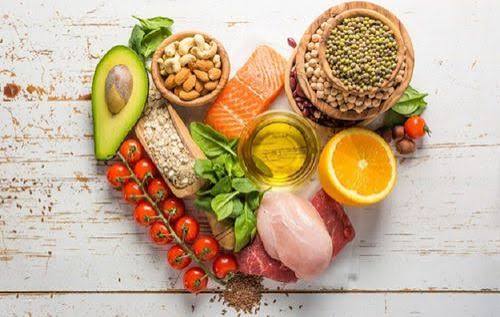
The traditional Mediterranean dietary pattern centers on:
- Daily staples: extra-virgin olive oil as the primary fat source (≥4 tablespoons/day in clinical studies), vegetables (≥3 servings/day), fruits (≥2 servings/day), whole grains, nuts (≥1 serving/day), herbs and spices
- Weekly foods: fish and seafood (≥3 servings — particularly fatty fish: sardines, mackerel, salmon, anchovies), legumes (chickpeas, lentils, beans — ≥3 servings/week), eggs and dairy (primarily yogurt and cheese, in moderate amounts)
- Occasional foods: poultry (≥3 servings/week preferred over red meat), limited red meat (a few times per month), minimal sweets and processed foods
- Avoided or minimized: butter and margarine, sugar-sweetened beverages, commercial pastries, processed meat, ultra-processed foods
The PREDIMED trial used the Mediterranean Diet Adherence Screener (MEDAS) — a validated 14-question tool — to monitor and confirm adherence. A score of ≥9 out of 14 on the MEDAS corresponded to high adherence and was associated with the cardiovascular outcomes benefit seen in the trial. This scoring tool provides a practical framework for assessing dietary quality beyond any single food or nutrient.
The PREDIMED Trial — What It Found
PREDIMED (Prevención con Dieta Mediterránea) is the largest randomized controlled trial of a dietary pattern for cardiovascular outcomes — and one of the few dietary intervention trials to be stopped early due to clear clinical benefit. The trial enrolled 7,447 adults in Spain aged 55 to 80 years who were at high cardiovascular risk (type 2 diabetes, or at least three major cardiovascular risk factors) but had no established cardiovascular disease at enrollment. Participants were randomized to one of three arms:
- Mediterranean diet supplemented with extra-virgin olive oil (≥4 tablespoons/day provided free)
- Mediterranean diet supplemented with mixed nuts (30g/day of walnuts, almonds, and hazelnuts provided free)
- Control diet (low-fat dietary advice)
After a median follow-up of 4.8 years, the primary outcome — a composite of myocardial infarction, stroke, and cardiovascular death — occurred in significantly fewer participants in both Mediterranean diet arms. The Mediterranean diet plus extra-virgin olive oil arm showed a 30% reduction in the primary composite outcome (hazard ratio 0.69, 95% confidence interval 0.53–0.91) compared to the control group. The Mediterranean diet plus nuts arm showed a 28% reduction (HR 0.72, 95% CI 0.54–0.96). In secondary analyses, stroke risk was reduced by 39% in the EVOO arm. The Data and Safety Monitoring Board recommended stopping the trial early because the benefit had crossed pre-specified stopping boundaries — a strong signal in clinical trial design. The original results were retracted and corrected in 2018 due to a protocol deviation (randomization lapses in some participants); the corrected analysis preserved the same direction and magnitude of effect.
The Lyon Diet Heart Study provides complementary evidence from a secondary prevention population. In this French trial (605 post-MI patients), a Mediterranean-type diet enriched with alpha-linolenic acid (ALA) through a special margarine was compared to a Western diet in patients who had already experienced a first heart attack. After 46 months, the Mediterranean diet group had a 73% reduction in cardiac death and non-fatal MI combined (HR 0.27 — one of the largest risk reductions ever observed in a dietary intervention trial). The trial is often cited with the caveat that the alpha-linolenic acid-enriched margarine used is not a traditional Mediterranean food — the ALA enrichment may have amplified the benefit — but the direction and magnitude of protection remain highly informative for secondary prevention.
How the Mediterranean Diet Protects the Heart
The Mediterranean diet does not lower cardiovascular risk through a single mechanism — it operates through at least seven distinct and overlapping biological pathways, which may explain why its cardiovascular benefit exceeds what would be predicted from individual nutrient effects alone:
LDL oxidation protection: Extra-virgin olive oil’s phenolic compounds (hydroxytyrosol, oleocanthal, oleuropein) protect LDL particles from oxidative modification. Oxidized LDL is taken up preferentially by macrophages in arterial walls, driving foam cell formation and atherosclerotic plaque development. Reducing LDL oxidation slows plaque initiation even when total LDL concentration is unchanged. Vitamin E from nuts (particularly almonds) and polyphenols from fruits and vegetables contribute additional antioxidant capacity.
Inflammation reduction: Omega-3 fatty acids from fish (EPA and DHA) reduce production of pro-inflammatory eicosanoids, lower circulating CRP and IL-6, and competitively inhibit arachidonic acid-derived inflammatory mediators. Oleocanthal in high-quality EVOO inhibits both COX-1 and COX-2 enzymes in a mechanism similar to low-dose ibuprofen — the characteristic “throat sting” of robust fresh EVOO is caused by this anti-inflammatory compound. Antioxidants from vegetables, fruits, and olive oil reduce NF-κB activation — a key transcription factor driving vascular inflammation.
Blood pressure reduction: High potassium intake from vegetables and fruits (Mediterranean diets typically provide 3,500–4,700 mg potassium/day, above the 2,600–3,400 mg adequate intake) promotes renal sodium excretion and vasodilation. EVOO phenolics enhance endothelial nitric oxide (NO) synthase activity — NO is the primary endogenous vasodilator — improving vascular reactivity. The low sodium content of a whole-food Mediterranean diet (when not eating out or using high-sodium processed foods) also contributes to blood pressure control.
Lipid profile improvement: Oleic acid (the primary fatty acid in olive oil) replaces saturated fatty acids in the diet — maintaining LDL while replacing the more atherogenic saturated fat-driven LDL pattern. Omega-3s from fish lower triglycerides dose-dependently (10–30% reduction at 1–4g EPA+DHA/day). Soluble fiber from legumes and whole grains binds bile acids in the gut, reducing hepatic cholesterol recirculation and lowering LDL by 3–7% per additional gram of daily soluble fiber intake.
Glycemic control: Legumes (low glycemic index, high fiber), whole grains (complex carbohydrates, B vitamins, magnesium), and regular nut consumption improve insulin sensitivity and flatten postprandial glucose excursions — reducing the glycemic burden that drives endothelial dysfunction, oxidative stress, and advanced glycation end-products.
Endothelial function: EVOO phenolics specifically improve flow-mediated dilation (a marker of endothelial health) in clinical studies, independent of their effects on LDL oxidation and blood pressure. Omega-3s from fish have demonstrated endothelial function improvements at doses of 3–4g EPA+DHA/day in multiple trials.
Gut microbiome: The Mediterranean diet’s high fiber diversity — from vegetables, fruits, legumes, whole grains, nuts, and seeds — supports a diverse and cardioprotective gut microbiome. Key genera increased by MedDiet adherence (Lactobacillus, Bifidobacterium, Faecalibacterium prausnitzii) produce short-chain fatty acids with anti-inflammatory and vasodilatory effects; the diet simultaneously reduces Firmicutes-to-Bacteroidetes ratios associated with obesity and metabolic syndrome.
Extra-Virgin Olive Oil — The Cornerstone
Extra-virgin olive oil is the component of the Mediterranean diet with the strongest single-food cardiovascular evidence — and the quality of the olive oil matters in ways most consumers are unaware of. EVOO is defined as olive oil mechanically extracted from olives at temperatures below 27°C (cold pressing) without refining, bleaching, or deodorizing. This preservation of processing conditions is what maintains the phenolic compounds that are responsible for most of EVOO’s cardiovascular benefit beyond its monounsaturated fat content.
High-quality EVOO contains 50 to 500 milligrams per kilogram of polyphenols, primarily hydroxytyrosol, oleocanthal, oleuropein, and tyrosol. Refined olive oil — the type sold as “light” or “pure” olive oil — contains fewer than 10 milligrams per kilogram because the refining process (heat and chemical treatment) destroys phenolics. The oleic acid content (monounsaturated fat) is similar between EVOO and refined olive oil; the phenolics are not. The cardiovascular benefits of EVOO in studies specifically using high-phenolic EVOO cannot be assumed to extend to refined olive oil. The European Food Safety Authority approved a specific health claim: extra-virgin olive oils containing at least 250 mg/kg of polyphenols, consumed at 20 grams (approximately 2 tablespoons) or more per day, contribute to the protection of blood lipids from oxidative stress.
The characteristic throat “sting” or “burn” of a high-quality, fresh-harvest EVOO is caused by oleocanthal — the same compound responsible for its anti-inflammatory properties. Oleocanthal inhibits both COX-1 and COX-2 prostaglandin enzymes in a mechanism chemically similar (though structurally distinct) to ibuprofen. The stronger the sting, the higher the oleocanthal content. Mild or neutral-flavored olive oils indicate low phenolic content, whether due to refining, old age (polyphenols degrade over time), or poor-quality olives. For maximum cardiovascular benefit: choose EVOO labeled with harvest date (not just “best by”), from producers who specify polyphenol content, and consume within 12 to 18 months of harvest. Store away from heat and light (opaque bottle preferred).
The PREDIMED protocol used 4 tablespoons (approximately 60 mL) of EVOO per day — provided free to participants in the EVOO arm. This is substantially more than typical Western use of olive oil (typically as a dressing accent) and represents EVOO as a true primary cooking fat: used for sautéing vegetables, dressing salads, dipping bread, and finishing cooked dishes.
Fish and Seafood in the Mediterranean Pattern
The Mediterranean diet traditionally emphasizes fish and seafood twice to three or more times per week — particularly fatty cold-water fish that are traditional in Mediterranean cuisine: sardines, mackerel, anchovies, and herring. These are also among the highest sources of EPA and DHA — the long-chain omega-3 fatty acids with the most direct cardiovascular evidence.
EPA and DHA lower triglycerides in a dose-dependent fashion: approximately 10% triglyceride reduction at 1 gram of combined EPA+DHA per day, and up to 30% reduction at 3 to 4 grams per day. This effect is significant because elevated triglycerides (particularly above 200 mg/dL) are an independent cardiovascular risk factor and are commonly elevated in patients with metabolic syndrome and type 2 diabetes — populations where Mediterranean diet benefit is most established. Beyond triglycerides, EPA and DHA reduce platelet aggregation (decreasing thrombotic risk), lower heart rate (cardioprotective in arrhythmia contexts), reduce inflammatory cytokines, and have anti-arrhythmic effects on cardiac myocytes. The REDUCE-IT trial demonstrated that icosapentaenoic acid (pure EPA) at 4 grams per day in statin-treated patients with elevated triglycerides reduced major adverse cardiovascular events by 25% — though the trial’s use of mineral oil as a placebo (which raised LDL and CRP in the control group) has generated ongoing debate about the magnitude of benefit.
Canned oily fish — sardines in olive oil, mackerel in tomato sauce, anchovies — deserve specific mention as an accessible and cost-effective pathway to increasing omega-3 intake within a Mediterranean pattern. These are traditional Mediterranean foods (not processed food substitutes), available year-round at low cost, and contain EPA+DHA levels comparable to fresh fatty fish. A single can of sardines provides 1.5 to 2 grams of EPA+DHA. This matters because fresh fatty fish (salmon, mackerel) can be cost-prohibitive for daily consumption, while canned versions make the 2-to-3-servings-per-week target achievable across income levels.
Legumes, Nuts, and Whole Grains
These three food groups form the fiber and plant protein backbone of the Mediterranean diet — and each contributes distinct cardiovascular mechanisms:
Legumes
Chickpeas, lentils, cannellini beans, black beans, fava beans, and split peas appear 3 to 4 times per week in traditional Mediterranean diets. Their cardiovascular benefit operates through several pathways: soluble fiber (beta-glucan and pectin types) binds bile acids in the intestine, reducing their reabsorption and forcing the liver to synthesize new bile acids from cholesterol — net effect is lower circulating LDL (approximately 3 to 5% per additional 5 to 10 grams of soluble fiber per day). High potassium content (400 to 700 mg per half-cup cooked) contributes to blood pressure reduction. Plant protein from legumes displaces animal protein, reducing saturated fat and heme iron intake while providing arginine (a NO precursor for vasodilation). Low glycemic index (25 to 45 for most legumes) supports glycemic control and insulin sensitivity. The MEDAS tool requires ≥3 servings of legumes per week as a marker of high Mediterranean adherence.
Nuts
Walnuts, almonds, hazelnuts, and pistachios appear daily in high-adherence Mediterranean diets. Each nut type has specific cardiovascular evidence: Walnuts contain the highest alpha-linolenic acid (ALA — plant omega-3) of any tree nut at 2.5 grams per ounce, plus ellagitannins (gut-converted to urolithins with anti-inflammatory effects). A 2019 meta-analysis (Guasch-Ferré et al., Nutrients) found daily walnut consumption (1 oz) reduced LDL by 5.5% on average across 26 trials. Almonds provide vitamin E (15 mg per ounce — 100% of daily value), a lipid-soluble antioxidant that protects LDL from oxidation, and consistently reduce LDL by 5 to 7% in clinical studies. Hazelnuts raise HDL in trials. Pistachios improve triglycerides and HDL. Nuts also provide arginine, polyphenols, and magnesium (which supports blood pressure control). PREDIMED provided mixed nuts (walnuts, almonds, hazelnuts at 30g/day) as the nuts arm supplementation.
Whole Grains
Traditional Mediterranean whole grains — barley, bulgur wheat, farro, oats, whole wheat pita, and polenta — provide multiple components relevant to cardiovascular health: beta-glucan soluble fiber (barley and oats most abundant — 2 to 8 grams per serving — with FDA-approved health claim for LDL reduction); bran insoluble fiber (supports gut microbiome diversity); B vitamins (B6, B9 folate — for homocysteine metabolism); magnesium (for blood pressure regulation and insulin sensitivity); and a lower glycemic index than refined grain equivalents, attenuating postprandial glucose and insulin excursions. Refined grains (white bread, white rice, pasta made from refined flour) are associated with higher cardiovascular risk in cohort studies — not because of the grain itself, but because the bran and germ removal eliminates the components responsible for cardiovascular benefit.
A Practical 7-Day Mediterranean Meal Pattern
Transitioning to a Mediterranean dietary pattern does not require exotic ingredients or complex cooking. The foundational shift is substituting EVOO for butter and other cooking fats, building meals around vegetables and legumes rather than meat, incorporating fish twice weekly or more, and snacking on nuts rather than processed foods. Here is a practical weekly pattern consistent with high MEDAS adherence:
Breakfasts: Plain Greek yogurt with walnuts, berries, and a drizzle of honey; oatmeal with almonds and fresh fruit; whole grain bread with EVOO, tomato, and oregano (pan con tomate — traditional Mediterranean); scrambled eggs cooked in EVOO with vegetables.
Lunches: Lentil soup with vegetables and EVOO; Greek salad (cucumber, tomatoes, olives, red onion, feta, EVOO, oregano) with whole grain pita; sardine or tuna salad sandwich on whole grain bread; hummus with raw vegetables and whole grain crackers; white bean and vegetable stew.
Dinners: Baked or grilled salmon with roasted vegetables in EVOO; chicken with lemon and herbs cooked in EVOO; pasta with olive oil, garlic, cherry tomatoes, and anchovies (pasta puttanesca); stuffed bell peppers with quinoa and chickpeas; mackerel with steamed vegetables and whole grain.
Snacks: Handful of almonds or walnuts (30g); apple or pear with almond butter; olives; fresh fruit; tzatziki with cucumber slices.
Cooking principle: Use EVOO as the primary cooking fat for all savory applications — sautéing vegetables, browning chicken, finishing pasta, dressing salads. Use herbs, garlic, lemon, and spices generously for flavor rather than salt. The Mediterranean pattern’s flavor complexity comes from these ingredients, not from butter, cream, or heavy seasoning with sodium.
Mediterranean Diet vs. Other Heart-Healthy Diets
Patients often ask whether Mediterranean or DASH is “better” for heart health. The honest answer is that both are highly evidence-based, with somewhat different mechanistic emphasis and somewhat different evidence bases:
The DASH diet was specifically designed and tested for blood pressure reduction — its primary cardiovascular mechanism is sodium restriction plus potassium, calcium, and magnesium from low-fat dairy, vegetables, and fruits. DASH has stronger evidence specifically for blood pressure reduction. The Mediterranean diet was not designed with sodium restriction as a core principle, though whole-food Mediterranean eating naturally tends toward lower sodium than processed-food Western diets. The Mediterranean diet has the stronger cardiovascular event outcome evidence (PREDIMED RCT vs. primarily observational DASH data for CV events). Both diets share the same positive food foundation: vegetables, fruits, whole grains, legumes, and nuts are central to both.
The MIND diet (Mediterranean-DASH Intervention for Neurodegenerative Delay) combines Mediterranean and DASH principles with added emphasis on foods specifically studied for brain health (berries, leafy greens, fish, olive oil, nuts) — evidence supports cognitive benefit alongside cardiovascular benefit in cohort studies.
For most patients without specific diagnoses requiring targeted dietary therapy (heart failure with specific fluid/sodium requirements, severe hypertriglyceridemia requiring very-low-fat approaches), the Mediterranean diet is the most broadly supported heart-healthy dietary pattern with the strongest clinical outcome evidence — and for many patients, its emphasis on flavor-rich, culturally palatable foods makes long-term adherence more sustainable than more restrictive dietary prescriptions.
For further reading: heart-healthy diet: a practical guide, best foods for heart health, foods to limit for heart health, DASH diet for heart health, and omega-3 fatty acids and heart health. External references: AHA Mediterranean diet overview, PREDIMED corrected analysis (NEJM 2018), and Oldways Mediterranean Diet Pyramid.
- Estruch R, et al. Primary Prevention of Cardiovascular Disease with a Mediterranean Diet. N Engl J Med. 2018;378(25):e34 (corrected from 2013).
- de Lorgeril M, et al. Mediterranean diet, traditional risk factors, and the rate of cardiovascular complications. Circulation. 1999;99(6):779-785.
- Trichopoulou A, et al. Adherence to a Mediterranean diet and survival in a Greek population. N Engl J Med. 2003;348(26):2599-2608.
- Bhatt DL, et al. Cardiovascular Risk Reduction with Icosapentaenoic Acid (REDUCE-IT). N Engl J Med. 2019;380(1):11-22.
- Lichtenstein AH, et al. 2021 Dietary Guidance to Improve Cardiovascular Health (AHA). Circulation. 2021;144(23):e472-e487.
Pingback: Coffee and Heart Health: What the Research Shows
Pingback: Tea and Heart Health: Green, Black, and Herbal Options
Pingback: Hydration and Circulation: How Water Affects Your Heart
I have been reading about mediterranean diet and heart health for weeks and this is the most thorough guide I have found. The article answered questions I didn’t even know I had until I started reading. Thank you for making complex medical information accessible without dumbing it down.
I shared this article on mediterranean diet and heart health with my doctor and they appreciated the level of detail. The section on managing this condition day-to-day was especially useful for meal planning. Keep up this kind of thorough health journalism — it genuinely helps patients like me.
Thank you for covering mediterranean diet and heart health so thoroughly without being overly technical. The specific numbers and thresholds mentioned are exactly what I needed to understand my lab results. I wish I had found this article when I was first diagnosed — would have saved a lot of confusion.
I have been reading about mediterranean diet and heart health for weeks and this is the most thorough guide I found. It is refreshing to see an article that acknowledges individual variation rather than one-size-fits-all advice. This gave me real confidence going into my next specialist appointment.
I shared this article on mediterranean diet and heart health with my doctor and they appreciated the level of detail. The section on managing this condition day-to-day was especially useful for planning. Shared this with three friends who are dealing with related issues. Very useful resource.
My doctor recommended I look into mediterranean diet and heart health and this article covered it perfectly. I have tried following advice from several sources but this is most consistent with what my specialist told me. Shared this with three friends who are dealing with related issues. Very useful resource.