
Best Foods for Heart Health
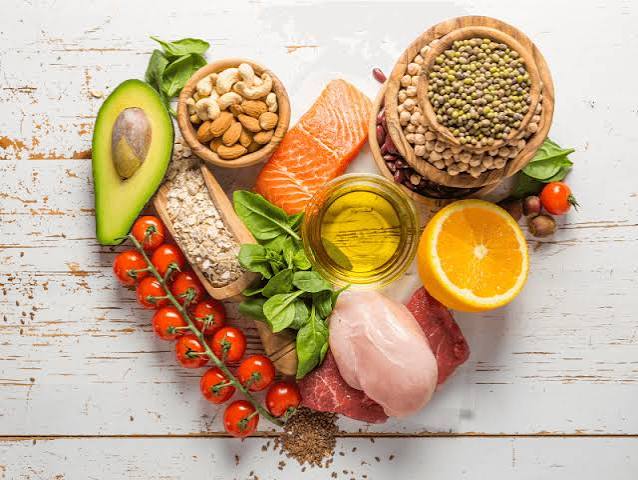
The question of which are the best foods for heart health has a specific, evidence-based answer — not a vague “eat your vegetables” response. Decades of clinical trials, cohort studies, and mechanistic research have identified particular foods whose cardiovascular effects are measurable, reproducible, and clinically significant. These are not foods that are “probably good” based on nutrient theory; they are foods that have been shown to reduce LDL cholesterol, lower blood pressure, cut triglycerides, improve endothelial function, and reduce cardiovascular events in human beings.
This guide organizes those foods by their evidence base — explaining not just what to eat but why each food works at the mechanistic level, by how much each affects specific cardiovascular risk factors, and how to practically incorporate each food into daily eating. Understanding the mechanism behind each food’s benefit makes dietary change more intuitive and sustainable than following an unexplained list of rules.
Fatty Fish — The Omega-3 Powerhouse
Fatty fish — salmon, sardines, mackerel, herring, anchovies, trout — are the most evidence-backed single food category for cardiovascular protection, with clinical trial evidence of mortality reduction rather than merely surrogate marker improvement:
The GISSI-Prevenzione trial enrolled 11,324 patients who had recently survived a myocardial infarction and randomized them to 1 gram per day of omega-3 supplementation or placebo. At 3.5 years of follow-up, the omega-3 group had a 45% lower rate of sudden cardiac death and a 20% lower rate of total mortality — a result driven primarily by anti-arrhythmic effects of EPA and DHA (eicosapentaenoic acid and docosahexaenoic acid). Marine omega-3 fatty acids reduce triglycerides by 20 to 30% at dietary doses of 1 to 2 grams per day, reduce platelet aggregation (reducing thrombosis risk), and decrease cardiac excitability — reducing ventricular arrhythmia susceptibility that underlies most cases of sudden cardiac death.
Which fish to choose: the highest omega-3 content per serving comes from Atlantic mackerel (2.5g EPA+DHA per 100g), salmon (1.5–2.0g), herring (1.5–2.0g), sardines (1.0–1.5g), and trout (1.0–1.5g). Canned sardines and canned salmon are equally effective omega-3 sources at a fraction of the cost of fresh fish and with longer shelf life — a key point for patients who cite convenience and cost as barriers to fish consumption. Aim for at least 2 servings (200g total) per week. White-fleshed fish (cod, tilapia, sole) contain little omega-3 and are not equivalent substitutes for fatty fish.
Oats and Barley — Soluble Fiber for LDL Reduction
Oats and barley are the most reliably LDL-lowering foods available — acting through a well-characterized mechanism that is distinct from and complementary to statin therapy:
Beta-glucan — the soluble fiber in oats and barley — dissolves in the intestinal lumen to form a viscous gel that entraps bile acids and prevents their reabsorption from the ileum. The liver must then synthesize new bile acids from cholesterol — specifically from hepatic LDL — causing the liver to upregulate LDL receptors and remove more LDL from the bloodstream. At 3 grams of beta-glucan per day — achieved by one large bowl of rolled oats (40g dry) — this mechanism produces a 5 to 7% LDL reduction that is additive to statin therapy. The FDA authorized a health claim for oats and coronary heart disease in 1997, one of the first food-specific health claims approved based on scientific evidence. Barley contains similar beta-glucan concentrations and produces equivalent LDL effects; pearled barley added to soups and stews is an underutilized cardiovascular food.
Nuts — 30 Grams a Day
Nuts are one of the most comprehensively studied food categories in cardiovascular nutrition — and one of the most misunderstood, with many patients avoiding them due to calorie concern:
The calorie concern does not withstand clinical scrutiny. Multiple large prospective studies and randomized trials have consistently found that regular nut consumers do not gain more weight than non-consumers — likely because nuts increase satiety (through their protein, fat, and fiber content), reduce appetite at subsequent meals, and because some fat from nuts is not absorbed due to the intact cell wall structure of raw nuts. The cardiovascular evidence for nuts is substantial: the PREDIMED nuts arm (30g mixed nuts per day — walnuts, almonds, and hazelnuts) demonstrated a 30% reduction in major cardiovascular events. Multiple meta-analyses of cohort studies confirm 28 to 35% lower cardiovascular mortality with daily nut consumption. Walnuts are particularly well-studied — they are the only nut with significant alpha-linolenic acid (plant omega-3: 2.5g per 30g), plus substantial polyphenols (ellagitannins), and L-arginine (the precursor to endothelial nitric oxide). Almonds and pistachios are particularly effective at LDL reduction (3 to 5% per 30g serving) through their plant sterol and unsaturated fat content.
Extra-Virgin Olive Oil — Beyond Cooking Fat
Extra-virgin olive oil is the fat with the most cardiovascular trial evidence — specifically from the PREDIMED trial, where participants randomized to at least 4 tablespoons per day had a 30% reduction in major cardiovascular events compared to a low-fat control diet:
Olive oil’s cardiovascular mechanisms extend beyond its well-known monounsaturated fatty acid (oleic acid) content, which reduces LDL when it replaces saturated fat. Extra-virgin olive oil — but not refined olive oil, which loses its polyphenols during processing — contains oleocanthal, a phenolic compound that inhibits cyclooxygenase enzymes (COX-1 and COX-2) in a manner similar to ibuprofen at culinary doses of 4 tablespoons per day. This anti-inflammatory activity reduces vascular inflammation independent of the lipid-lowering effect of oleic acid. Oleuropein (another EVOO polyphenol) reduces LDL oxidation — preventing oxidized LDL from being taken up by macrophages to form atherosclerotic foam cells. Use extra-virgin olive oil (not “pure” or refined olive oil) as the primary cooking fat and raw in salad dressings to maximize polyphenol exposure.
Legumes — Protein and Fiber Combined
Legumes — beans, lentils, chickpeas, black-eyed peas, edamame, peas — are among the most underutilized heart-healthy foods in Western diets, combining soluble fiber and plant protein in a package that both directly lowers LDL and displaces saturated fat-containing animal protein from the diet:
The dual mechanism of legumes for LDL reduction is synergistic: the soluble fiber in legumes (primarily pectin and guar gum fractions) reduces LDL through the same bile acid binding mechanism as oat beta-glucan; simultaneously, replacing red or processed meat protein with legume protein removes the saturated fat that would have raised LDL from the replaced food. Four servings of legumes per week — one serving is approximately half a cup cooked — is associated with a 22% lower coronary artery disease risk in pooled cohort analyses. Legumes also provide substantial potassium (supporting blood pressure reduction), magnesium, folate, and iron. Canned beans (rinsed under water to reduce sodium by 40%) provide equivalent nutrition to cooked dried beans at greater convenience.
Leafy Greens and Berries — Vascular Protection
Leafy green vegetables and berries protect cardiovascular health through distinct mechanisms — dietary nitrates (leafy greens) and anthocyanins (berries) — that complement the lipid-targeting effects of the other top heart-healthy foods:
Leafy greens and dietary nitrates: Spinach, kale, arugula, Swiss chard, collard greens, and beet greens are among the richest dietary sources of inorganic nitrates. When consumed, nitrates are converted to nitrite by oral bacteria and then to nitric oxide in the stomach and bloodstream. Nitric oxide is a potent vasodilator — it relaxes smooth muscle in arterial walls, reducing peripheral vascular resistance and systolic blood pressure. Clinical studies with beetroot juice and high-nitrate vegetables consistently demonstrate 3 to 5 mmHg reductions in systolic blood pressure — with larger effects in hypertensive patients. The INTERMAP study found that each additional standard deviation of dietary nitrate intake was associated with 1.5 to 3 mmHg lower systolic blood pressure across a population of 4,680 adults in 4 countries.
Berries and anthocyanins: Blueberries, strawberries, raspberries, blackberries, and blackcurrants contain high concentrations of anthocyanins — pigments from the flavonoid family that directly improve endothelial function by stimulating endothelial nitric oxide synthase (eNOS) and reducing oxidative stress in arterial endothelial cells. Improved endothelial function translates to reduced arterial stiffness and better vascular reactivity — early markers of atherosclerosis progression. In the Nurses’ Health Study and Health Professionals Follow-up Study combined, the highest quintile of berry intake (3 or more servings per week) was associated with a 32% lower risk of myocardial infarction in women compared to those eating berries once per month or less. RCTs with blueberry supplementation (22g freeze-dried blueberry powder per day) demonstrated reductions in systolic blood pressure of 4 to 6 mmHg in hypertensive patients after 8 weeks.
Additional Evidence-Based Heart-Healthy Foods
Beyond the top seven, several additional foods have meaningful — if less extensively studied — cardiovascular evidence:
Avocado: One avocado provides 10 grams of monounsaturated fat, 10 grams of fiber, 708 milligrams of potassium (more than any other commonly consumed food), and meaningful amounts of vitamin K, folate, and B vitamins. In a 2022 crossover RCT published in the Journal of the American Heart Association, one avocado per day for 5 weeks reduced LDL cholesterol by 13.5 mg/dL compared to a moderate-fat diet without avocado — a clinically meaningful reduction equivalent to a low-dose statin effect.
Garlic: Raw, crushed, or aged garlic preparations consistently reduce LDL by 5 to 7% and systolic blood pressure by 3 to 4 mmHg in meta-analyses of randomized trials. The active compound, allicin, is produced when garlic cloves are crushed or chopped — allowing the enzyme alliinase to convert alliin to allicin. To maximize allicin content, crush or finely chop garlic and wait 10 minutes before adding it to heat.
See our related articles on heart-healthy diet: a practical guide, foods to limit for heart health, Mediterranean diet and heart health, omega-3 and heart health, and fiber and cholesterol. The AHA fish and omega-3 recommendations, NHLBI heart-healthy eating guide, and ACC/AHA 2019 prevention guidelines provide authoritative clinical standards.
- GISSI-Prevenzione Investigators. Dietary supplementation with n-3 polyunsaturated fatty acids and vitamin E after myocardial infarction. Lancet. 1999;354(9177):447-455.
- Estruch R, et al. Primary Prevention of Cardiovascular Disease with a Mediterranean Diet (PREDIMED). N Engl J Med. 2018;378(25):e34.
- Cassidy A, et al. High anthocyanin intake is associated with a reduced risk of myocardial infarction. Circulation. 2013;127(2):188-196.
- Wang L, et al. Effect of a moderate fat diet with and without avocados on lipoprotein particle number, size and subclasses. J Am Heart Assoc. 2022;11(1):e022382.
- Ried K, et al. Effect of cocoa on blood pressure. Cochrane Database Syst Rev. 2017;4:CD008893.
Green Tea and Dark Chocolate — Flavonoid-Rich Additions
Two foods often questioned as genuinely heart-healthy — green tea and dark chocolate — have meaningful clinical evidence when consumed in appropriate forms and quantities:
Green tea contains catechins, particularly epigallocatechin gallate (EGCG), which is the most studied tea polyphenol. EGCG improves endothelial function by activating endothelial nitric oxide synthase, reduces LDL oxidation (preventing foam cell formation in atherosclerotic plaques), and reduces systemic inflammation markers. The largest epidemiological evidence comes from Japanese cohort studies — the Ohsaki cohort (40,530 participants, 11-year follow-up) found that adults who drank 5 or more cups of green tea per day had 26% lower cardiovascular mortality in men and 31% lower in women compared to those drinking less than one cup per day. Green tea also modestly reduces total and LDL cholesterol (approximately 5–7% in RCT meta-analyses at 3–4 cups per day) and reduces systolic blood pressure by 2 to 3 mmHg. Black tea (fermented from the same plant) contains theaflavins and thearubigins that also improve endothelial function — 3 to 4 cups per day black tea reduces LDL by 7% in RCTs. Green tea should be consumed without milk (milk proteins bind tea catechins and reduce their bioavailability) and without excessive sugar addition that would negate cardiovascular benefits.
Dark chocolate at 70% or higher cocoa content provides cocoa flavanols that stimulate endothelial nitric oxide production, improving arterial vasodilation and reducing arterial stiffness. The Cochrane systematic review (Ried et al., 2017, 35 trials) found that flavanol-rich chocolate and cocoa reduced systolic blood pressure by 3.2 mmHg and diastolic by 2 mmHg compared to low-flavanol control, with effects observed within 2 weeks of consumption. Important caveats: the cardiovascular benefits require ≥70% cocoa dark chocolate, which is substantially less sweet than milk chocolate; most commercial “dark chocolate” bars contain 40–55% cocoa and do not provide adequate flavanol content. The COSMOS-Cocoa trial (2022, 21,442 participants, 3.6 years) found no reduction in major cardiovascular events from cocoa flavanol supplements (500mg flavanols/day) — suggesting the blood pressure effects seen in RCTs may not translate to event reduction in already-healthy populations. Dark chocolate is best viewed as a cardioprotective substitute for other less healthy desserts rather than a new addition to an already adequate diet.
Foods That Are Often Considered Heart-Healthy But Have Weaker Evidence
For patients researching heart-healthy nutrition, several foods are widely promoted as cardiovascular superfoods but have weaker or more nuanced evidence than the top seven categories:
Red wine and resveratrol: The observation that French populations had lower cardiovascular disease rates despite high saturated fat diets (the “French Paradox”) led to extensive research on resveratrol — a polyphenol in red wine grape skins. However, Mendelian randomization studies have largely attributed lower cardiovascular risk in moderate drinkers to healthier overall lifestyle rather than alcohol itself, and resveratrol supplementation trials in humans have produced inconsistent results. The AHA does not recommend red wine for cardiovascular benefit, and the cardiovascular harms of alcohol at higher doses (raising blood pressure, causing cardiomyopathy, increasing arrhythmia risk — particularly AF) significantly outweigh any benefits from resveratrol at typical wine consumption levels.
Coconut water: While coconut water provides potassium (600 mg per cup — comparable to a banana) that supports blood pressure reduction, it is not equivalent to consuming whole heart-healthy foods. It contains negligible fiber, no significant beneficial fat, and moderate calories from sugar. It is a reasonable hydration choice with some potassium benefit, but not a major cardiovascular food in the way fatty fish or nuts are.
Flaxseed: Flaxseed provides alpha-linolenic acid (plant omega-3: 2.3g per tablespoon ground flaxseed), lignans (phytoestrogens that modestly reduce LDL), and soluble fiber. Ground flaxseed (whole seeds pass through the gut undigested) at 30g per day reduces total cholesterol by approximately 6% and LDL by 9% in meta-analyses — a meaningful but modest effect. It is a good addition to oatmeal, smoothies, or yogurt for patients seeking to diversify their plant-based omega-3 intake, but conversion of ALA to EPA/DHA is inefficient (5–10%) and flaxseed does not substitute for fatty fish as an omega-3 source.
How to Build a Weekly Eating Pattern Around the Best Heart Foods
Understanding individual heart-healthy foods is most useful when it translates into a coherent weekly eating pattern. The goal is not perfection at every meal but consistent exposure to multiple protective food categories across the week:
A practical framework: every day, include oats or barley (soluble fiber for LDL), olive oil as the primary cooking fat, at least one serving of leafy greens (nitrates for blood pressure), and a small handful of nuts (30g — PUFA, plant sterols, L-arginine). Every week, include at least 2 servings of fatty fish (omega-3), at least 4 servings of legumes (soluble fiber plus plant protein that displaces saturated fat), and 3 or more servings of berries (anthocyanins for endothelial function). Add avocado several times per week, use garlic liberally in cooking, and substitute green tea for some coffee or sweetened beverages. This framework covers all major evidence-based food categories without requiring special meals or expensive ingredients — and is achievable on a modest food budget using canned fish, dried or canned legumes, frozen berries, rolled oats, and a good bottle of extra-virgin olive oil.
The complementary nature of these foods means their effects stack: consuming oats (beta-glucan), olive oil (oleic acid replacing saturated fat), nuts (plant sterols, PUFA), and legumes (soluble fiber + plant protein) together produces LDL reductions of 20 to 30% from diet alone — at the lower end overlapping with statin therapy, and fully complementary to it in patients already on medication. Combining the LDL-lowering foods with the blood pressure-reducing foods (leafy greens, berries, legumes for potassium, low sodium) creates a comprehensive cardiovascular risk reduction strategy that no single supplement or medication can replicate.
Common Mistakes When Eating for Heart Health
Many patients make genuine efforts to eat heart-healthy but undermine their results through several common misunderstandings that are worth addressing directly:
Eating low-fat instead of heart-healthy fat: The low-fat era left a lasting misconception that fat itself is the cardiovascular villain. Patients choosing low-fat yogurt over full-fat — then finding it is loaded with added sugar to restore palatability — are trading a modest saturated fat reduction for a substantial added sugar increase that raises triglycerides and lowers HDL. The cardiovascular benefit from reducing saturated fat is only realized when the saturated fat is replaced with unsaturated fat or whole food carbohydrates (like oats, legumes, vegetables) — not with refined sugars or white flour products. Full-fat plain Greek yogurt (with live cultures providing probiotic benefits) and an olive oil vinaigrette are more heart-healthy choices than low-fat sweetened yogurt and fat-free bottled dressing with high-fructose corn syrup.
Choosing “heart-healthy” processed foods over whole foods: Foods labeled “heart-healthy,” “reduced sodium,” “low cholesterol,” or “made with olive oil” are not automatically cardioprotective. A cracker made with olive oil still contains refined white flour and may contain 400 mg of sodium per serving — far less heart-healthy than a handful of raw walnuts. The strongest cardiovascular evidence is for whole, minimally processed foods — not foods engineered to carry a health halo on their packaging. A useful heuristic: if a food needs a label to tell you it is heart-healthy, it is probably less heart-healthy than a food that has no label at all (an avocado, a can of sardines, a bag of oats).
Focusing only on LDL while ignoring blood pressure: Many patients track their LDL carefully after dietary changes but neglect their blood pressure — even though hypertension causes more cardiovascular deaths worldwide than any other risk factor. The best heart-healthy diet simultaneously addresses both: eating more leafy greens, berries, legumes, and potassium-rich foods (avocado, banana, sweet potato) for blood pressure; and consuming more soluble fiber, plant sterols, and unsaturated fat for LDL. If a dietary change improves LDL but has no effect on blood pressure — it is addressing only half of the cardiovascular risk equation.
I shared this article on best foods for heart health with my doctor and they appreciated the level of detail. The connection between diet, lifestyle, and long-term outcomes is explained clearly here. This gave me real confidence going into my next specialist appointment.
This is one of the clearest explanations of best foods for heart health I have found. What I liked most was that the article didn’t just say what to avoid — it also gave alternatives. Keep up this kind of thorough health journalism — it genuinely helps patients like me.
Finally a resource that explains best foods for heart health in plain language. I have tried following advice from several sources but this is the most consistent with what my specialist told me. Exactly the kind of evidence-based information that is hard to find in one place.
This is one of the clearest explanations of best foods for heart health I have found. The connection between lifestyle choices and long-term outcomes is explained clearly here. Forwarding this to others in my support group who are dealing with similar issues.
As someone dealing with this personally, the best foods for heart health section was very helpful. It is refreshing to see an article that acknowledges individual variation rather than one-size-fits-all advice. Thank you for making complex medical information accessible without dumbing it down.
Really well-written article on best foods for heart health. I appreciated how the article addressed both the clinical side and the practical adjustments. This is going into my health folder that I bring to every doctor’s visit.