
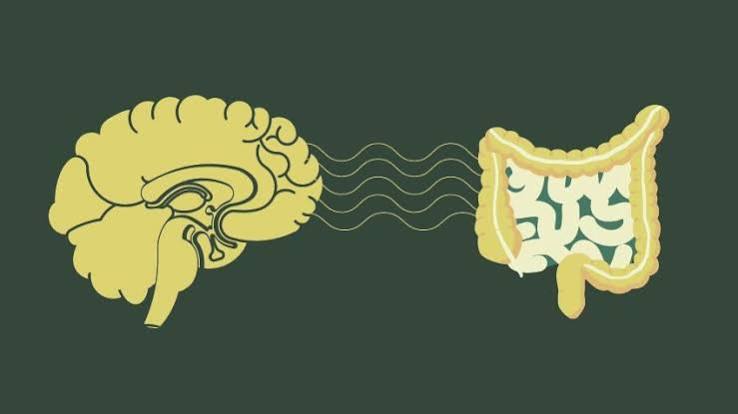
Understanding IBS symptoms and triggers in detail is one of the most practically useful things a person with irritable bowel syndrome can do. IBS does not present the same way in everyone — symptoms vary in type, severity, timing, and pattern; triggers that reliably cause flares in one person may have no effect in another. This guide covers the full range of IBS symptoms, explains how they differ by subtype, describes the most common and evidence-based triggers, and explains how to identify your personal pattern.
Core IBS Symptoms
Abdominal Pain
Abdominal pain is the defining symptom of IBS. The Rome IV diagnostic criteria require recurring abdominal pain averaging at least one day per week — without this, a diagnosis of IBS cannot be made.
The character of IBS pain varies widely: cramping, aching, a sharp stabbing sensation, or a dull pressure. It is most commonly located in the lower abdomen but can be diffuse, periumbilical, or upper abdominal, and the location often varies between episodes.
The most diagnostically important feature of IBS abdominal pain is its relationship to bowel function: the pain is related to defecation (improved, worsened, or unchanged after a bowel movement) and associated with changes in stool frequency or form. Pain completely independent of bowel function suggests a cause other than IBS. IBS pain is typically not nocturnal — pain that wakes a person from sleep is unusual for IBS and warrants investigation.
Bowel Habit Changes
Changes in stool form and frequency are assessed using the Bristol Stool Scale: types 1–2 indicate constipation-pattern stools; types 6–7 indicate diarrhoea-pattern stools; types 3–4 are normal. IBS subtype is defined by the predominant stool type.
Urgency — a compelling sudden need to defecate — is particularly prominent in IBS-D and may limit activities, restrict travel, and create significant anxiety. Incomplete evacuation — the sensation that a bowel movement has not been fully completed — is common in both IBS-C and IBS-D.
Bloating and Distension
Bloating is a subjective sensation of abdominal fullness or pressure; abdominal distension is a measurable increase in abdominal girth. Many people with IBS have bloating without measurable distension (driven by visceral hypersensitivity to normal gas volumes), while others have visible distension without severe pain.
IBS bloating characteristically worsens through the day — most severe in the evening — and relieves significantly by morning after overnight fasting and reduced gut activity. This diurnal pattern is highly characteristic of IBS and distinguishes it from persistent constant distension, which is more suggestive of structural causes.
Other IBS Symptoms
- Mucus in the stool — white or clear mucus does not indicate inflammatory disease; it is produced by the gut lining in response to irritation
- Nausea — particularly after eating; related to altered gastric motility and upper gut visceral hypersensitivity
- Fatigue — very common; related to sleep disruption, HPA axis activation, and microbiome changes
- Heartburn and reflux — approximately 40% of people with IBS have concurrent GERD
Symptoms by IBS Subtype
IBS-C (constipation-predominant): Hard, lumpy stools in >25% of bowel movements; reduced frequency; significant straining; abdominal pain and bloating that may improve after eventually passing stool. More common in women.
IBS-D (diarrhoea-predominant): Loose, watery stools in >25% of bowel movements; increased frequency; urgency; cramping that typically improves after bowel movement; most vulnerable to post-meal symptoms. More common in men.
IBS-M (mixed): Both hard/lumpy AND loose/watery stools in >25% of bowel movements; high unpredictable variability; often associated with more severe anxiety and bloating.
Subtypes are not permanent — many people shift between them over months to years in response to dietary changes, stress levels, antibiotic courses, and hormonal changes.
Symptoms That Are NOT Typical of IBS
The following symptoms should prompt clinical investigation before a functional IBS diagnosis is accepted:
- Blood in the stool — IBS does not cause bleeding; always requires investigation
- Nocturnal diarrhoea or pain that wakes from sleep — unusual for IBS; raises concern for IBD or microscopic colitis
- Unintentional weight loss — IBS does not cause weight loss
- Fever with GI symptoms — suggests infectious or inflammatory cause
- Persistent vomiting — uncommon in IBS; warrants assessment
- New onset after age 50 — requires colonoscopy to exclude colorectal cancer
IBS Dietary Triggers
High-FODMAP Foods
High-FODMAP foods are the best-evidenced dietary trigger for IBS. FODMAPs (Fermentable Oligosaccharides, Disaccharides, Monosaccharides, and Polyols) are short-chain carbohydrates that are poorly absorbed in the small intestine. In the colon they are fermented by gut bacteria, producing gas, and draw water in by osmosis — triggering visceral hypersensitivity, pain, urgency, and stool changes in susceptible people.
Fructans and GOS (oligosaccharides): wheat, rye, garlic, onion, leeks, shallots, legumes (lentils, chickpeas, kidney beans), cashews, pistachios, artichokes. This category is the most universally problematic.
Lactose (disaccharide): cow’s milk, soft cheeses (ricotta, cottage cheese), regular yoghurt, ice cream, cream. Hard cheeses and Greek yoghurt are generally lower in lactose.
Excess fructose (monosaccharide): apples, pears, mangoes, watermelon, honey, high-fructose corn syrup, agave syrup.
Polyols: stone fruits (peaches, plums, cherries, apricots, nectarines), avocado, mushrooms, cauliflower, and sugar-free sweeteners (sorbitol, mannitol, xylitol — common in “sugar-free” gum and diet products).
For a detailed guide to increasing dietary fibre alongside FODMAP management, see our article on fibre and digestive health and the role of soluble vs insoluble fibre.
Other Dietary Triggers
Fat: High-fat meals accelerate the gastrocolic reflex — the colonic motor response to food entering the stomach. In IBS-D, this reflex is exaggerated, producing urgency and diarrhoea shortly after a fatty meal.
Caffeine: A direct prokinetic — increases gut motility. In IBS-D, moderate caffeine intake commonly triggers urgency and diarrhoea. IBS-C patients sometimes use coffee to stimulate bowel movements.
Alcohol: Direct gut wall irritant, disrupts tight junctions (increasing gut permeability), alters gut microbiome, and accelerates gut motility. Commonly worsens IBS-D symptoms.
Spicy food: Capsaicin activates TRPV1 pain receptors — already sensitised in IBS — directly triggering abdominal pain, urgency, and diarrhoea in many people with IBS.
Irregular eating patterns: Skipping meals or eating at unpredictable times disrupts the gut’s circadian rhythm and worsens gut-brain dysregulation. Hydration also matters — adequate water intake alongside fibre reduces constipation-pattern symptoms. See our guide to hydration and digestion.
Individual FODMAP Tolerance
Not all FODMAPs trigger all people with IBS, and individual thresholds vary substantially within FODMAP categories. This is the rationale for the reintroduction phase of the low-FODMAP diet: the elimination phase identifies whether FODMAPs are a significant trigger category overall; the reintroduction phase identifies which specific FODMAP groups — and at what dose — trigger symptoms for that individual.
Most people with IBS find that they can tolerate several FODMAP categories normally after systematic testing, and permanently restrict only the specific foods that reliably trigger their symptoms. Blanket permanent elimination of all high-FODMAP foods is unnecessarily restrictive, may reduce gut microbiome diversity, and is harder to maintain long-term. The goal is personalised trigger identification, not permanent broad restriction.
Non-Dietary Triggers
Psychological Stress
Psychological stress is the most consistent and universal IBS trigger across all subtypes. Stress activates the HPA axis, releasing CRH, which activates gut mast cells, releases serotonin, alters gut motility, and amplifies visceral pain sensitivity — all within minutes. Acute stress typically triggers diarrhoea and urgency; chronic stress more often produces constipation, bloating, and generalised gut hypersensitivity. For a detailed explanation of the mechanism, see our article on stress and digestive symptoms.
Sleep Disruption
Poor or irregular sleep increases cortisol and CRP levels, increases gut permeability, and alters gut motility — all worsening IBS. Diary studies consistently show that poor sleep quality predicts worse IBS severity the following day. The relationship is bidirectional: IBS symptoms also disrupt sleep, creating a negative feedback loop.
Menstrual Cycle
Many women with IBS report worsening symptoms around menstruation and in the premenstrual phase. Prostaglandins released during menstruation increase colonic motility and cramping. Progesterone during the luteal phase slows gut motility; its drop before menstruation may trigger urgency and diarrhoea in IBS-D. Women with severe cyclical gut symptoms should be assessed for endometriosis, which can produce gut symptoms indistinguishable from IBS.
Post-Infectious Trigger
Acute gastroenteritis (food poisoning, traveller’s diarrhoea) triggers IBS in approximately 10–30% of cases. Risk is higher with severe illness, bacterial pathogens, female sex, and pre-existing anxiety. Gut inflammation sensitises pain nerves and increases mucosal mast cells — creating visceral hypersensitivity that persists after the infection resolves. For more on the microbiome’s role in this recovery process, see our articles on probiotics and gut health and prebiotics.
Antibiotic Exposure
Broad-spectrum or repeated antibiotic courses are a documented IBS precipitant. Mechanism: depletion of SCFA-producing bacteria, disruption of the microbiome-vagal axis. Microbiome recovery after antibiotics takes weeks to months and may be incomplete after repeated courses.
The IBS Trigger-Symptom Cycle
One of the most important and least discussed IBS trigger mechanisms is the self-perpetuating cycle between anticipatory anxiety and the symptoms themselves. People with IBS who anticipate gut symptoms in specific situations — before eating socially, before meetings, before travel — activate the stress response in anticipation, which triggers the very symptoms they fear. The anticipatory HPA activation is as physiologically real as stress triggered by an actual event.
Central sensitisation means the gut becomes more reactive over time with repeated episodes — the threshold for pain and urgency decreases as pain pathways are remodelled. Breaking this cycle — through CBT, gut-directed hypnotherapy, or breathing-based vagal tone improvement — is one of the most effective long-term IBS management strategies. Understanding the gut-brain connection helps explain why psychological interventions produce genuine physiological improvement in gut function.
How to Identify Your Personal Triggers
The food-symptom diary is the most practical and evidence-based tool for identifying individual IBS triggers. Record daily:
- Meals and snacks (specific foods, portion sizes, timing)
- Stress level (1–10 scale)
- Sleep quality and hours from the previous night
- Symptoms: pain intensity (0–10), stool type (Bristol scale), frequency, urgency, bloating
Keep the diary for at least 2–4 weeks to identify reliable patterns — IBS symptoms vary day to day, and weekend vs weekday patterns, stress periods vs calm periods, and hormonal cycle timing all need enough data points to be visible.
Apps including the Monash FODMAP app, GI Buddy, and MySymptoms are designed specifically for IBS symptom tracking. Working with a registered dietitian for the FODMAP reintroduction phase substantially improves the precision and reliability of dietary trigger identification.
Overlapping Conditions and Differential Diagnosis
Several conditions produce symptoms that overlap with IBS, and distinguishing between them is important both for appropriate treatment and for preventing missed diagnoses of structural disease. Understanding the distinguishing features reduces unnecessary anxiety and guides the most relevant investigations.
Coeliac disease is the most important differential diagnosis for IBS-D. Coeliac disease — an autoimmune reaction to gluten — produces diarrhoea, bloating, abdominal pain, and fatigue that are clinically indistinguishable from IBS-D without testing. The key distinguishing features are: weight loss (more common in coeliac than IBS), nutritional deficiencies (iron, folate, B12 deficiency from malabsorption), and a positive tTG-IgA antibody test. Coeliac serology should be included in the initial testing of all patients with IBS-D-pattern symptoms before a functional diagnosis is made. Importantly, people should not start a gluten-free diet before testing, as this reduces antibody levels and may produce a false-negative result.
Inflammatory bowel disease (IBD) — Crohn’s disease and ulcerative colitis — can produce abdominal pain and altered bowel habit that initially resembles IBS. The distinguishing features of IBD are: blood in stool; nocturnal symptoms waking from sleep; fever; elevated inflammatory markers (CRP, ESR, stool calprotectin >50 µg/g); and weight loss. IBS does not cause elevated calprotectin — this is the single most useful distinguishing biomarker between IBS and IBD in primary care. If calprotectin is elevated, referral for colonoscopy is indicated.
Small intestinal bacterial overgrowth (SIBO) — an abnormal increase in bacteria in the small intestine — produces bloating, gas, diarrhoea, and abdominal discomfort that mimic IBS-D. SIBO is more common in people with previous abdominal surgery, proton pump inhibitor use, hypothyroidism, and diabetes. It is diagnosed by breath testing (glucose or lactulose hydrogen/methane breath test). SIBO and IBS can co-exist, and treating SIBO in IBS patients who test positive can produce improvement in IBS symptoms.
Microscopic colitis (collagenous colitis and lymphocytic colitis) is an often-missed cause of chronic watery diarrhoea, particularly in older women, that presents similarly to IBS-D. Unlike IBS, it produces persistent watery diarrhoea (often >3–5 times/day), sometimes nocturnal, and requires colonoscopy with biopsies for diagnosis (the colon looks normal macroscopically but shows inflammation on histology). NSAIDs and proton pump inhibitors are common triggers.
Endometriosis affects approximately 10% of women of reproductive age and can produce cyclical gut symptoms — bloating, abdominal pain, altered bowel habit — that are closely correlated with the menstrual cycle. Women with IBS who report severe cyclical worsening disproportionate to other IBS symptoms, or who have concurrent pelvic pain and painful periods, should be assessed by a gynaecologist for endometriosis. The two conditions can co-exist, and treating endometriosis when present improves the gut symptoms independently of IBS management.
Managing IBS Symptom Flares
Even with effective long-term management, most people with IBS experience acute flare periods — days or weeks when symptoms are significantly worse than baseline. Having a flare management plan reduces the functional impact and prevents the anxiety-amplification cycle from extending the flare duration.
During a dietary flare: Return temporarily to the strictest version of your personal low-FODMAP or trigger-free diet. Reduce meal sizes and fat content. Increase fluid intake, particularly if diarrhoea is present — following the fibre-fluid balance principle. Plain rice, oats, and cooked vegetables are a safe base during flares for most people with IBS.
During a stress-triggered flare: Recognise that the flare is physiologically real — the HPA activation is a direct cause, not an imagined one. Use diaphragmatic breathing (4–6 breaths per minute) to actively stimulate vagal tone and reduce the sympathetic gut response. If CBT is in progress, apply the specific IBS-CBT techniques for flare management. Avoid catastrophising — the flare will pass, as previous flares have.
For pain management during a flare: Low-heat pads (heat packs on the lower abdomen) provide symptom relief through muscle relaxation. Peppermint oil (enteric-coated capsules) can reduce cramping. Low-dose antispasmodics (mebeverine, hyoscine) are appropriate for acute cramping episodes. Avoid strong opioid analgesics — opioid bowel syndrome from regular opioid use worsens IBS significantly and produces dependency.
When a flare is prolonged or severe: If a flare lasts more than 4 weeks with no improvement, produces alarm features, or significantly impairs function, clinical reassessment is appropriate. Prolonged severe flares may warrant short-term medication (low-dose tricyclic, linaclotide for IBS-C, or rifaximin for IBS-D) while addressing the underlying trigger.
IBS Symptom Severity Measurement
Objectively measuring IBS symptom severity over time has two main purposes: it provides a baseline for tracking treatment response, and it reveals patterns (good periods vs bad periods) that are not obvious in the moment. The most widely used validated tool is the IBS Symptom Severity Scale (IBS-SSS), a questionnaire measuring abdominal pain severity, days with pain, satisfaction with bowel habits, effect on quality of life, and bloating severity. Scores are classed as: mild (75–175), moderate (175–300), and severe (>300). The IBS-SSS is used in most clinical trials and is freely available online, making it a practical tool for self-monitoring.
Regardless of formal scoring, tracking two simple daily measures — pain intensity (0–10) and stool type (Bristol Stool Scale 1–7) — provides a more informative picture of IBS symptom patterns than memory-based reporting. Most people significantly underestimate symptom variability and overestimate the average severity of their symptoms when asked to recall, because recent bad days are more salient than good days in memory. Daily tracking corrects for this recall bias and makes treatment effects visible.
Frequently Asked Questions
What are the main symptoms of IBS?
The core IBS symptoms are recurring abdominal pain linked to bowel habit changes, and changes in stool form and frequency. Common additional symptoms include bloating (worsening through the day), urgency, incomplete evacuation, and mucus in the stool. The Rome IV criteria require pain averaging at least one day per week, associated with at least two of: related to defecation, change in stool frequency, or change in stool form.
What foods trigger IBS?
The most evidence-based dietary trigger is high-FODMAP foods — fermentable carbohydrates including wheat, garlic, onion, legumes, apples, stone fruits, dairy lactose, and polyol sweeteners. High-fat meals, caffeine, alcohol, and spicy foods are also common triggers, particularly in IBS-D. Individual trigger profiles vary substantially — a food-symptom diary and systematic FODMAP testing are the most reliable ways to identify personal dietary triggers.
Can stress trigger IBS symptoms?
Yes — stress is the most consistent and universal IBS trigger. Stress activates the HPA axis, releasing hormones that alter gut motility, increase visceral pain sensitivity, and activate the serotonin system in the gut. Acute stress typically triggers urgency or diarrhoea within minutes; chronic stress more commonly produces constipation, bloating, and generalised gut hypersensitivity. The gut-brain axis — through which stress directly affects gut function — is the central pathophysiological mechanism of IBS.
What is bloating in IBS?
IBS bloating is a subjective sensation of abdominal fullness driven largely by visceral hypersensitivity — the gut is more sensitive to normal gas and fluid volumes than in people without IBS. Visible abdominal distension also occurs in many people with IBS. IBS bloating characteristically worsens through the day, is most severe in the evening, and relieves by morning — a diurnal pattern highly characteristic of IBS.
How do I know if my symptoms are IBS or something else?
IBS symptoms are characterised by: pain linked to bowel movements; symptoms that vary with stress, diet, and hormones; absence of nocturnal symptoms; absence of blood in stool; absence of weight loss; and onset before age 50. If alarm features are present — blood in stool, weight loss, symptoms waking from sleep, fever, or new onset after age 50 — clinical assessment is needed rather than self-diagnosis of IBS.
What foods are safe for IBS?
Low-FODMAP foods generally safe for most people with IBS include: rice, oats, potatoes, carrots, cucumber, courgette, spinach, tomatoes, bell peppers, strawberries, blueberries, firm tofu, eggs, plain meat and fish, hard cheeses, and lactose-free dairy. However, “safe” foods vary by individual — systematic FODMAP reintroduction testing identifies personal tolerances more accurately than generic lists.
How long do IBS flare-ups last?
IBS flare duration varies by trigger and individual. A stress-triggered acute flare may resolve within hours once the stressor passes. A dietary trigger flare typically lasts 24–72 hours as the triggering food moves through the gut. Sustained stress or repeated dietary exposure can produce weeks of elevated symptoms. Post-infectious IBS flares following gastroenteritis can persist for months. Between flares, many people with IBS have periods of near-normal gut function.
Disclaimer: This article is for educational purposes only and does not constitute medical advice. IBS symptoms can overlap with IBD, coeliac disease, and other conditions. Anyone with alarm features should seek medical assessment.
References
- Ford AC et al. Irritable bowel syndrome. N Engl J Med. 2017;376(26):2566–78.
- Simrén M et al. Food-related gastrointestinal symptoms in the irritable bowel syndrome. Digestion. 2001;63(2):108–15.
- Halmos EP et al. A diet low in FODMAPs reduces symptoms of irritable bowel syndrome. Gastroenterology. 2014;146(1):67–75.
- Gwee KA et al. Psychosocial factors in the post-infectious period predicting IBS. Gut. 1999;44(3):400–6.
The coeliac disease differential section was exactly what I needed — I’ve had IBS-D symptoms for two years and was told it’s IBS, but reading that coeliac disease produces identical symptoms and can be excluded with a simple blood test makes me want to ask for the tTG-IgA test. I hadn’t been tested for it. The note about not going gluten-free before testing is also important — I’d been considering it to ‘see if it helped’ but that would have invalidated the test.
Amy — you’re absolutely right to want the coeliac test before concluding IBS-D. The tTG-IgA is a simple blood test that most GPs will request readily, and it is standard of care in IBS-D assessment in most guidelines. The critical instruction not to go gluten-free first is exactly right: the immune response to gluten that generates the antibody requires ongoing gluten exposure to be detectable. Two to four weeks gluten-free can reduce antibody levels enough to produce a false negative, giving you the false reassurance of a ‘normal’ test when you actually have coeliac disease. If you are already gluten-free, a gluten challenge (eating 3–4 slices of bread daily for 6 weeks) before testing restores detectable antibody levels, though this is uncomfortable for people with coeliac disease. On James’s point about the reintroduction phase: this is the most commonly skipped part of the low-FODMAP protocol and the reason many people end up on unnecessarily restricted permanent diets. The elimination phase tells you whether FODMAPs as a category are contributing to your symptoms — it is a diagnostic tool, not a treatment. The reintroduction phase is where the actual practical information comes from: which specific FODMAP groups trigger you, at what dose, and which you can eat freely. Most people find they can tolerate 3–4 of the 5 main FODMAP categories without symptoms — only eliminating the 1–2 that reliably trigger them. This is far more sustainable and better for gut microbiome diversity than blanket permanent restriction.
Really useful breakdown of the FODMAP categories with specific examples. I’ve been trying the low-FODMAP diet but have been eliminating everything permanently rather than doing the reintroduction phase — that’s clearly not the right approach based on this. I didn’t realise the reintroduction phase is actually the important part.