
Jaundice and Pancreatic Cancer: What You Need to Know
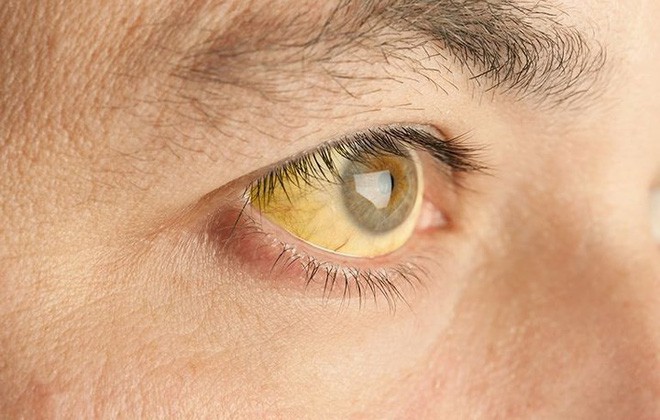
Jaundice — the yellow discoloration of the skin and the whites of the eyes — is one of the most recognizable and clinically important symptoms of pancreatic cancer. It is caused by obstruction of the common bile duct by a tumor arising in the head of the pancreas, which prevents bile from flowing from the liver to the intestines. Bilirubin, the yellow pigment in bile, accumulates in the bloodstream and deposits in the skin and mucous membranes, causing the visible discoloration.
Painless jaundice in an adult over 50 is one of the most important medical signs to recognize and act upon promptly. In most cases, a cause can be identified and treated — and in cases where the underlying cause is pancreatic cancer or another malignancy, the earlier evaluation begins, the greater the chance of accessing effective treatment options.
Why Pancreatic Cancer Causes Jaundice
The relationship between head-of-pancreas cancer and jaundice is anatomical. The common bile duct — the channel that carries bile from the liver and gallbladder to the first part of the small intestine (the duodenum) — travels through or immediately adjacent to the head of the pancreas on its way to the ampulla of Vater, where it opens into the duodenum alongside the pancreatic duct.
When a tumor arises in the head of the pancreas and grows, it progressively compresses or directly invades the common bile duct, narrowing or completely obstructing the channel. As the obstruction worsens, bile that the liver produces has nowhere to go: it backs up through the intrahepatic bile ducts into the liver, from the liver into the systemic circulation, and eventually accumulates throughout the body. Bilirubin — the yellow pigment produced when red blood cells are broken down — accumulates in the skin, sclerae, and mucous membranes, causing the characteristic yellowing of jaundice.
A key imaging finding in this context is the “double duct sign”: on CT or MRI (MRCP), both the common bile duct and the main pancreatic duct appear dilated proximal to the obstruction in the head of the pancreas. The pancreatic duct becomes dilated because the same head-of-pancreas tumor that obstructs the bile duct also obstructs the main pancreatic duct, which normally opens into the duodenum at the same location (the ampulla of Vater). The double duct sign on cross-sectional imaging is highly specific for a malignant process in the head of the pancreas.
The Complete Picture of Obstructive Jaundice
Jaundice in pancreatic cancer is part of a syndrome of obstructive biliary disease that has several characteristic manifestations beyond the visible yellowing:
Yellowing of the Skin and Eyes
The most visible feature. Jaundice begins as a mild yellowing of the sclerae (whites of the eyes) — often noticed first in bright lighting or morning light — and progresses to obvious yellowing of the skin as bilirubin levels rise. The degree of yellowing correlates roughly with the severity of the biliary obstruction.
Dark Urine (Bilirubinuria)
Conjugated (direct) bilirubin — the form that accumulates in obstructive jaundice — is water-soluble and is excreted by the kidneys into the urine. The result is urine that appears dark brown or tea-colored, sometimes resembling strong tea or cola. This symptom is often noticed before skin yellowing becomes obvious and can serve as an early warning sign.
Pale or Clay-Colored Stools
Normal stool is brown because it contains stercobilinogen — a pigment derived from bilirubin that reaches the intestines with bile flow. When the bile duct is obstructed, bile (and its pigments) cannot reach the intestines, so stools become pale, gray, or clay-colored. This is called acholia. Pale stools occurring alongside dark urine is a combination that strongly suggests biliary obstruction regardless of whether skin yellowing is yet visible.
Pruritus (Generalized Itching)
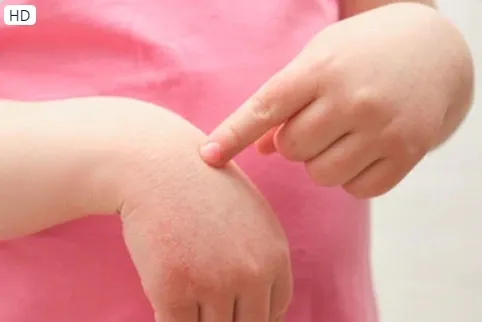
One of the most distressing symptoms of obstructive jaundice is severe generalized itching caused by the deposition of bile salts in the skin. This pruritus is:
- Widespread — affecting the entire body, often particularly intense on the palms and soles
- Worse at night, significantly disrupting sleep
- Not relieved by standard antihistamines (which block histamine-mediated itch, not bile-salt-mediated itch)
- Often described as one of the most intolerable symptoms of obstructive jaundice
Effective treatment requires either relieving the biliary obstruction (with stenting or surgery) or using specific anti-cholestatic agents such as cholestyramine, rifampicin, or naltrexone.
Courvoisier Sign
A palpable, non-tender gallbladder in a jaundiced patient is called the Courvoisier sign and is strongly suggestive of malignant biliary obstruction. The explanation is anatomical:
In obstructive jaundice caused by gallstones, the gallbladder is typically contracted, scarred, and non-distensible from years of chronic inflammation. When the bile duct becomes obstructed, bile accumulates but cannot distend the gallbladder significantly — and the gallbladder may be tender from acute inflammation (acute cholecystitis).
In malignant biliary obstruction from pancreatic cancer, the gallbladder is typically normal and distensible (no prior cholecystitis or scarring). The gradual progressive obstruction of the bile duct causes the gallbladder to distend slowly with accumulated bile, becoming palpable as a smooth, non-tender mass beneath the right costal margin. The non-tenderness reflects the absence of acute gallbladder wall inflammation — a key distinguishing feature from cholecystitis.
When a clinician palpates a non-tender gallbladder in a jaundiced patient, malignant biliary obstruction — most likely from pancreatic head cancer or cholangiocarcinoma — should be considered the cause until imaging proves otherwise.
Painless vs. Painful Jaundice: A Critical Distinction
The distinction between painless and painful jaundice is one of the most important clinical features for determining the underlying cause:
Painless jaundice — jaundice that develops gradually without significant abdominal pain — is characteristic of malignant biliary obstruction. Pancreatic head cancer, cholangiocarcinoma, and ampullary carcinoma cause progressive narrowing of the bile duct without the acute inflammation that produces pain. The jaundice of pancreatic cancer may eventually be accompanied by pain as the tumor invades surrounding structures, but the initial onset of jaundice is typically pain-free.
Painful jaundice — jaundice accompanied by severe, cramping right upper quadrant or epigastric pain (biliary colic) — is characteristic of choledocholithiasis (gallstones in the common bile duct). Gallstone-related biliary colic is caused by acute obstruction of the bile duct by a stone, producing smooth muscle spasm and acute pain. Fever and chills accompanying jaundice and pain (Charcot’s triad) indicate ascending cholangitis — a bacterial infection of the obstructed bile duct that is a medical emergency requiring urgent biliary drainage.
The clinical importance of this distinction is significant:
- Painless jaundice in an adult over 50 warrants urgent evaluation for malignancy, typically beginning with CT imaging of the abdomen within days, not weeks
- Painful jaundice in a younger patient with known gallstone disease is more likely to be choledocholithiasis, but imaging is still needed to confirm and exclude a malignant component
- Any jaundiced patient with fever, rigors, and pain (Charcot’s triad) requires urgent hospital evaluation and biliary drainage within hours, as ascending cholangitis can be fatal without prompt treatment
Blood Tests in Obstructive Jaundice
Laboratory evaluation of jaundice helps confirm the obstructive (biliary) cause and assess its severity:
- Total bilirubin: Elevated, predominantly in the direct (conjugated) fraction — the form produced by the liver from unconjugated bilirubin. A predominantly direct hyperbilirubinemia confirms that the source is biliary obstruction or intrahepatic cholestasis, not hemolysis (which produces predominantly indirect/unconjugated hyperbilirubinemia).
- Alkaline phosphatase (ALP): A biliary enzyme markedly elevated in obstructive biliary disease. ALP elevation disproportionate to aminotransferase (ALT/AST) elevation is a biliary “cholestatic pattern.”
- Gamma-glutamyl transferase (GGT): Elevated alongside ALP in biliary obstruction; helps confirm that ALP elevation is hepatobiliary in origin (not from bone).
- ALT/AST (liver enzymes): Mildly elevated due to hepatocyte stress from cholestasis; typically not dramatically elevated in pure mechanical biliary obstruction (dramatic ALT/AST elevation suggests hepatocellular disease such as hepatitis).
- Prothrombin time (PT/INR): May be prolonged because bile is required for fat-soluble vitamin K absorption in the intestines. Vitamin K deficiency from prolonged biliary obstruction impairs production of clotting factors II, VII, IX, and X, causing coagulopathy. This is clinically relevant before any invasive procedure (biopsy, stenting, surgery) and is typically corrected with vitamin K supplementation.
- CA 19-9: The most useful serum biomarker for pancreatic cancer, though it should be interpreted cautiously in the presence of jaundice — CA 19-9 can be mildly elevated in benign biliary obstruction and is most informative after biliary drainage has normalized bilirubin levels.
What Other Conditions Cause Jaundice?
Not all jaundice is caused by pancreatic cancer. The differential diagnosis of jaundice is broad:
Obstructive (surgical) causes:
- Gallstones in the common bile duct (most common cause of obstructive jaundice overall)
- Cholangiocarcinoma (bile duct cancer)
- Ampullary carcinoma (cancer of the ampulla of Vater)
- Pancreatic head cancer
- Benign biliary stricture (from prior surgery, primary sclerosing cholangitis)
- Mirizzi syndrome (gallstone in cystic duct compressing the common hepatic duct)
Hepatic (liver disease) causes:
- Viral hepatitis (A, B, C, E)
- Alcoholic hepatitis
- Drug-induced liver injury
- Autoimmune hepatitis
- Cirrhosis (in decompensated phase)
- Hepatocellular carcinoma (late-stage liver cancer)
Pre-hepatic causes (excess bilirubin production):
- Hemolytic anemias (sickle cell disease, G6PD deficiency, autoimmune hemolysis)
- These produce predominantly unconjugated (indirect) bilirubin; urine is not dark (bilirubin is not water-soluble in unconjugated form) and stools are not pale
Diagnosis: Imaging and Endoscopy
Evaluating jaundice from suspected pancreatic cancer typically involves:
- CT abdomen/pelvis (pancreatic protocol): First-line imaging; identifies the pancreatic mass, characterizes the double duct sign, assesses vascular involvement, and detects distant metastases. Greater than 95% sensitivity for tumors over 2 cm. For a detailed discussion, see our article on pancreatic cancer diagnosis.
- MRCP (magnetic resonance cholangiopancreatography): Non-invasive imaging of the biliary and pancreatic ducts; excellent for characterizing the level and nature of biliary obstruction; identifies small ampullary lesions and evaluates biliary anatomy for surgical planning.
- ERCP (endoscopic retrograde cholangiopancreatography): Both diagnostic (cholangiogram to visualize the obstruction; brushings for cytology) and therapeutic (biliary stent placement). In current practice, ERCP is primarily therapeutic; CT and MRCP are the primary diagnostic imaging modalities.
- EUS (endoscopic ultrasound): High sensitivity for small pancreatic tumors; allows EUS-guided fine needle aspiration (EUS-FNA) for tissue diagnosis. Often performed alongside ERCP for combined diagnostic and therapeutic procedures.
Treating Jaundice: Biliary Drainage
The definitive treatment for jaundice from pancreatic cancer depends on whether the tumor is resectable:
Resectable disease: Surgical resection (Whipple procedure) is performed to remove the tumor and restore biliary and pancreatic drainage. Pre-operative biliary stenting is generally not recommended for patients who can proceed to surgery within 1–2 weeks, as routine pre-operative drainage increases the risk of stent-related infection and subsequent surgical complications. Biliary stenting before surgery is reserved for patients with complications of jaundice (ascending cholangitis, severe coagulopathy, very high bilirubin that precludes surgery) or when surgery must be delayed.
Unresectable or locally advanced disease: ERCP with biliary stent placement is the primary method for palliating jaundice. Self-expanding metal stents (SEMS) are preferred over plastic stents for unresectable disease because they have significantly longer patency (approximately 6 months vs. 3 months for plastic stents), require fewer reinterventions, and improve quality of life. Biliary stenting relieves jaundice, substantially reduces pruritus, restores fat-soluble vitamin absorption, corrects coagulopathy, and allows normal hepatic function to recover — which is often necessary before chemotherapy can safely be initiated.
When ERCP fails: If ERCP is not successful — due to altered upper GI anatomy (prior gastric surgery), duodenal obstruction from tumor, or inaccessible papilla — alternatives include percutaneous transhepatic cholangiodrainage (PTCD), in which a radiologist inserts a needle through the skin into the intrahepatic bile ducts under imaging guidance, or EUS-guided biliary drainage, in which the gastroenterologist creates a connection between the bile duct and the stomach or duodenum under EUS guidance.
Managing Pruritus From Jaundice
Bile-salt-mediated pruritus does not respond to standard antihistamines and requires specific interventions:
- Biliary drainage (stenting): Most effective intervention — relieving the obstruction stops bile salt accumulation in the skin. Pruritus typically improves within days of successful stenting.
- Cholestyramine: An ion exchange resin that binds bile acids in the gut and interrupts their enterohepatic circulation, reducing circulating bile acid levels. Must be taken well away from other medications (can impair their absorption).
- Rifampicin: An antibiotic that also activates the pregnane X receptor (PXR), promoting bile acid hydroxylation and elimination. Well-established evidence for cholestatic pruritus; usual dose 150–300 mg twice daily.
- Naltrexone or naloxone: Opioid antagonists that block the opioid-mediated central itch pathway activated by cholestasis. Effective in a significant proportion of patients with cholestatic pruritus.
- Sertraline: SSRI with demonstrated benefit in cholestatic pruritus through central serotonergic mechanisms.
Frequently Asked Questions
How quickly does jaundice appear in pancreatic cancer?
The speed of jaundice development depends on how rapidly the tumor is growing and how quickly it compresses the bile duct. In most cases, jaundice develops gradually over weeks to a few months — the patient may notice mild yellowing of the eyes or darkening of urine before obvious skin yellowing appears. Rapidly growing tumors can cause significant jaundice to develop within weeks.
Will jaundice resolve with treatment?
Yes, in most cases. Successful biliary stenting (ERCP with SEMS) typically results in significant improvement in jaundice within 1–2 weeks as bilirubin levels fall and bile flow is restored. Pruritus also resolves, usually within days to a week after successful stenting. In patients undergoing curative resection (Whipple procedure), jaundice resolves after surgery. The complete resolution of jaundice after stenting or surgery is both clinically significant and immediately perceptible to patients as a dramatic quality-of-life improvement.
Can jaundice come back after stenting?
Yes. Biliary stents can become blocked (occluded) by tumor ingrowth or debris accumulation. With plastic stents, occlusion typically occurs within 3 months. With self-expanding metal stents (SEMS), the patency period is longer (approximately 6 months on average) but stents can still occlude. When a stent becomes blocked, jaundice and pruritus return and the stent needs to be replaced or cleared. Regular follow-up with the gastroenterology team is important for monitoring stent function and replacing stents before complete occlusion occurs.
For more information about the full spectrum of pancreatic cancer symptoms including back pain, weight loss, and new-onset diabetes, see our guide to pancreatic cancer symptoms.
Sources
- American Cancer Society. Signs and Symptoms of Pancreatic Cancer.
- National Cancer Institute. Pancreatic Cancer Treatment (PDQ).
- van der Gaag NA, et al. Preoperative biliary drainage for cancer of the head of the pancreas. N Engl J Med. 2010;362(2):129–137.
- Pancreatic Cancer Action Network. Symptoms and Diagnosis of Pancreatic Cancer.
- Beuers U, et al. Pruritus in cholestasis: recommendations. Hepatology. 2014;60(4):1655–1667.
Complications of Untreated Biliary Obstruction
When biliary obstruction from pancreatic cancer is not relieved, progressive complications develop that significantly worsen the patient’s condition and may limit treatment options:
Ascending cholangitis: Bacteria from the duodenum can ascend into the obstructed bile duct and multiply in stagnant bile, causing ascending bacterial cholangitis. This presents with Charcot’s triad: jaundice, right upper quadrant pain, and fever with rigors. In severe cases, it progresses to Reynolds’ pentad: the above three signs plus hypotension and altered mental status, representing septic shock. Ascending cholangitis from biliary obstruction is a life-threatening emergency that requires urgent biliary drainage (emergency ERCP or PTCD) and intravenous antibiotics. Untreated, it carries a high mortality rate.
Hepatic dysfunction: Prolonged biliary obstruction causes progressive hepatic damage from cholestasis. Elevated intrahepatic bile acid concentrations are toxic to hepatocytes, leading to hepatocyte necrosis, periportal fibrosis, and eventually biliary cirrhosis in long-standing obstruction. Hepatic dysfunction impairs the liver’s ability to metabolize chemotherapy drugs, making systemic cancer treatment more dangerous. Most oncologists require bilirubin to be below a threshold (often 1.5–2x the upper limit of normal) before initiating or continuing chemotherapy for this reason.
Coagulopathy: Because fat-soluble vitamin K is only absorbed in the intestine in the presence of bile, prolonged biliary obstruction depletes vitamin K stores and impairs hepatic production of vitamin K-dependent clotting factors (II, VII, IX, X). The result is a bleeding tendency (elevated PT/INR) that increases the risk of bleeding during invasive procedures (ERCP, biopsy, surgery) and from the gastrointestinal tract. Parenteral vitamin K supplementation (given intravenously or intramuscularly to bypass the GI absorption problem) can rapidly correct this coagulopathy in most patients.
Malnutrition: Bile is essential not only for fat digestion but for absorption of fat-soluble vitamins (A, D, E, K) and for emulsification of dietary fat in general. Patients with long-standing biliary obstruction and steatorrhea lose significant weight and develop multiple nutritional deficiencies. Correcting biliary obstruction and providing pancreatic enzyme replacement therapy (PERT) are both essential for improving nutritional status, which in turn affects a patient’s ability to tolerate chemotherapy and surgery.
Jaundice as an Indicator of Prognosis
The presence and severity of jaundice at the time of pancreatic cancer diagnosis has clinical prognostic significance beyond its role as a symptom. While jaundice from a head-of-pancreas tumor can sometimes represent earlier-stage disease (the tumor has caused biliary obstruction before spreading distantly), it also reflects that the tumor has reached a size and position where it obstructs a critical adjacent structure — which corresponds to local tumor advancement. Patients who develop jaundice late in the course of metastatic pancreatic cancer — from liver metastases impairing hepatic function rather than from biliary duct obstruction — are in a different clinical situation, with more limited treatment options and poorer prognosis.
The presence of jaundice does not in itself determine whether surgery is possible — resectability is determined by vascular involvement (whether the tumor involves the portal vein, superior mesenteric artery, or celiac axis) and the presence or absence of distant metastasis, not by the presence or severity of jaundice. Some patients with early-stage head-of-pancreas cancer with significant jaundice are entirely resectable with curative intent after appropriate biliary drainage and staging.
The bottom line for any person who develops painless jaundice — with or without dark urine, pale stools, or pruritus — is that this symptom warrants same-week medical evaluation, imaging of the abdomen, and referral to gastroenterology or surgery if a mass or biliary obstruction is identified. Early evaluation can identify resectable tumors for whom curative surgery is possible, and ensures that appropriate biliary palliation and systemic treatment are initiated promptly in those with more advanced disease.
Bookmarked this article on jaundice and pancreatic cancer: causes, signs, immediately — going to reference it regularly. The specific numbers and thresholds mentioned are exactly what I needed to understand my lab results. Will definitely be coming back to this site for more health information.
I shared this article on jaundice and pancreatic cancer: causes, signs, with my doctor and they appreciated the level of detail. The article answered questions I didn’t even know I had until I started reading. Appreciate the effort that went into researching and writing this — it shows.
I have been reading about jaundice and pancreatic cancer: causes, signs, for weeks and this is the most thorough guide I have found. The article answered questions I didn’t even know I had until I started reading. This gave me real confidence going into my next specialist appointment.
Bookmarked this article on jaundice and pancreatic cancer: causes, signs, immediately — going to reference it regularly. The practical tips made this immediately actionable, not just theoretical. Exactly the kind of evidence-based information that is hard to find in one place.
Finally a resource that explains jaundice and pancreatic cancer: causes, signs, in plain language. The section on managing this condition day-to-day was especially useful for planning. Forwarding this to others in my support group who are dealing with similar issues.
This breakdown of jaundice and pancreatic cancer: causes, signs, is exactly what patients need before a specialist appointment. The section on managing this condition day-to-day was especially useful for planning. Keep up this kind of thorough health journalism — it genuinely helps patients like me.