
Obesity and Heart Health
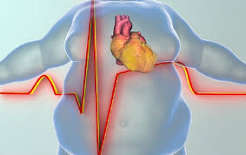
More than 40 percent of American adults are currently classified as obese, and the cardiovascular consequences of this prevalence are reflected in the disease burden: obesity and heart health are linked through multiple converging biological pathways that make excess body fat — particularly abdominal visceral fat — one of the most complex and consequential cardiovascular risk factors in modern medicine.
Understanding the relationship between obesity and cardiovascular disease requires moving beyond the simple notion that “being overweight is bad for your heart.” The mechanisms are specific, the type and location of fat matter enormously, and the magnitude of cardiovascular benefit achievable through weight reduction — even modest weight reduction — is greater than many people realize. Equally important is understanding what obesity does and does not tell us about an individual’s cardiovascular risk, and why weight loss strategies that preserve muscle while reducing visceral fat matter more than total weight change alone.
Visceral Fat vs. Subcutaneous Fat — Why Location Matters
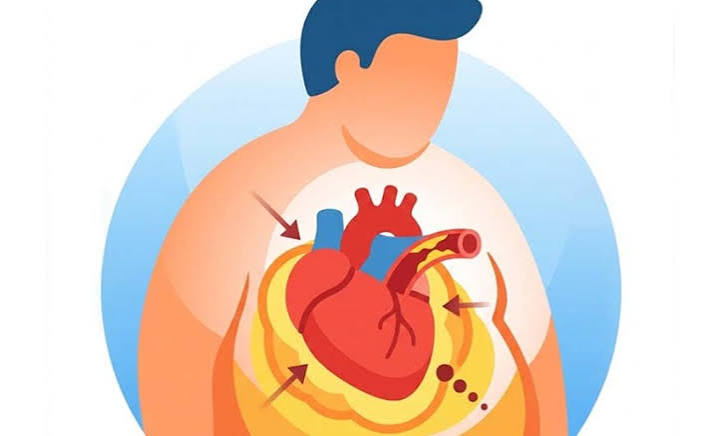
Not all body fat is equally cardiovascularly dangerous. The most important distinction in obesity and cardiovascular risk is between visceral fat (stored around and within abdominal organs — the liver, pancreas, and intestines) and subcutaneous fat (stored beneath the skin throughout the body).
Visceral fat is metabolically active in ways that subcutaneous fat is not. It secretes a distinct profile of adipokines — hormones and signaling molecules produced by fat cells — including elevated TNF-alpha and interleukin-6 (pro-inflammatory cytokines), reduced adiponectin (an anti-inflammatory, insulin-sensitizing hormone), and elevated resistin and leptin. These secreted factors impair insulin signaling in the liver and muscle, promote systemic inflammation, disrupt lipid metabolism, and directly affect vascular function.
The liver is particularly exposed to visceral fat’s biochemical output via the portal circulation — visceral fat’s drainage goes directly to the liver before entering the systemic circulation. Excess free fatty acids and inflammatory signals reaching the liver from visceral fat promote hepatic insulin resistance, increased VLDL production (raising triglycerides), and non-alcoholic fatty liver disease (NAFLD), which itself is an independent cardiovascular risk factor.
Subcutaneous fat, while not risk-free in large quantities, does not have the same metabolic profile or the same proximity to vital organs. Some research even suggests that peripheral subcutaneous fat — particularly in the hips and thighs — may be modestly protective for cardiovascular outcomes compared to the same total fat mass stored viscerally.
This distinction explains why waist circumference is a better cardiovascular risk predictor than BMI in many studies. A waist circumference greater than 40 inches (102 cm) in men or 35 inches (88 cm) in women indicates excess visceral fat accumulation and significantly elevates cardiovascular risk, even at BMI values that fall in the “overweight” rather than “obese” category. Two people with identical BMIs can have dramatically different cardiovascular risk profiles based on where their fat is distributed.
How Obesity Damages the Cardiovascular System — Six Pathways
1. Hypertension. Obesity is the single most common cause of secondary (treatable) hypertension. The mechanisms are multiple: excess visceral fat activates the renin-angiotensin-aldosterone system (RAAS), promoting sodium retention and volume expansion; adipose tissue compresses the kidneys physically, impairing sodium excretion; sympathetic nervous system activation from hyperinsulinemia and hyperleptinemia raises vascular tone. Approximately 65 to 78 percent of hypertension cases in the United States are directly attributable to overweight and obesity. Weight loss of 5 to 10 percent of body weight reduces systolic blood pressure by 3 to 8 mmHg — a clinically meaningful reduction that reduces cardiovascular event rates.
2. Dyslipidemia. Obesity-related insulin resistance drives the same diabetic dyslipidemia triad described in the diabetes context: elevated triglycerides (from hepatic VLDL overproduction), reduced HDL (accelerated clearance in the context of hypertriglyceridemia), and increased small dense LDL particle concentration. This lipid pattern is directly atherogenic and often presents before any other traditional cardiovascular risk factor in obese individuals.
3. Insulin resistance and type 2 diabetes. Obesity is the primary driver of insulin resistance and the most important modifiable risk factor for type 2 diabetes. The cardiovascular consequences of insulin resistance and diabetes — glycation, endothelial dysfunction, pro-thrombotic state, diabetic cardiomyopathy — represent the full mechanism chain described in the diabetes and heart disease section and operate even in the prediabetic state of insulin resistance.
4. Obstructive sleep apnea. Obesity is the most common cause of obstructive sleep apnea (OSA), which is itself an independent cardiovascular risk factor. Excess fat in the neck and pharyngeal soft tissues narrows the upper airway during sleep, causing repetitive apneic episodes that trigger sympathetic surges, hypoxia, and oxidative stress. OSA is the most common secondary cause of treatment-resistant hypertension and is independently associated with atrial fibrillation, right heart disease, and elevated MI risk. Weight loss reduces OSA severity significantly, and in some cases resolves it entirely.
5. Chronic inflammation. Adipose tissue — particularly visceral adipose tissue — produces pro-inflammatory cytokines continuously. Obesity-associated chronic low-grade inflammation elevates high-sensitivity CRP, IL-6, and TNF-alpha, promoting endothelial dysfunction, atherosclerosis, and arterial stiffness through the same inflammatory cardiovascular pathways activated by smoking, diabetes, and psychosocial stress. This inflammatory state compounds the direct metabolic effects of visceral fat on cardiovascular risk.
6. Structural cardiac effects. Obesity directly alters cardiac structure and function independent of its effects on blood pressure, diabetes, or lipids. Increased body mass requires the heart to pump blood through a larger vascular network, increasing cardiac output demands. Over time, this increased workload drives left ventricular hypertrophy and dilation. Obesity is particularly strongly associated with atrial fibrillation — the atria enlarge in response to increased filling pressures and increased adipose tissue infiltration of atrial myocardium, increasing the probability of abnormal electrical conduction. Atrial fibrillation risk increases approximately 50 percent for every 5-unit increase in BMI.
The Obesity Paradox — When BMI Doesn’t Tell the Whole Story
An apparent contradiction in cardiovascular epidemiology — sometimes called the “obesity paradox” — is the observation that in some patient populations with established heart disease, overweight and mildly obese patients (BMI 25-35) have better short-term survival outcomes than normal-weight patients. This finding has been observed in post-MI patients, heart failure patients, and those undergoing cardiac procedures.
Several explanations have been proposed. The most compelling involves the inadequacy of BMI as a body composition measure: a normal-weight person who is sedentary with low muscle mass and high visceral fat (“normal-weight obesity” or “metabolically obese normal weight”) may have worse cardiovascular prognosis than a modestly overweight person with higher muscle mass and lower visceral fat percentage. BMI-defined “overweight” in this scenario is a marker of preserved muscle and nutritional reserve rather than metabolic risk. Additionally, confounding by unintentional weight loss — where patients at normal weight are normal-weight because of underlying illness rather than health — complicates the comparison.
The obesity paradox does not contradict the evidence that intentional weight loss reduces cardiovascular risk — it highlights the limitation of BMI as a single metric and reinforces the value of measuring visceral fat (via waist circumference or imaging) and body composition (lean mass vs fat mass) rather than weight alone.
How Much Weight Loss Is Needed for Cardiovascular Benefit?
One of the most practically important — and frequently misunderstood — aspects of obesity and heart health is the relationship between the magnitude of weight loss and the degree of cardiovascular benefit. Many people assume that meaningful cardiovascular improvement requires reaching a normal BMI or losing a large proportion of total body weight. The evidence suggests otherwise.
Weight loss of just 5 to 10 percent of body weight produces clinically significant improvements across all major cardiovascular risk factors simultaneously. A 10 percent weight reduction in an obese person with hypertension typically reduces systolic blood pressure by 5 to 10 mmHg. The same 10 percent loss reduces triglycerides by 20 to 30 percent, raises HDL by 5 to 10 percent, reduces LDL particle concentration, and reduces fasting insulin and blood glucose. High-sensitivity CRP — the marker of cardiovascular inflammation — falls meaningfully with even modest weight reduction, reflecting a decline in visceral fat’s inflammatory output.
Greater weight loss produces greater improvements in a dose-response relationship, but the most clinically important threshold for many metabolic measures is that first 5 to 10 percent. This has practical implications for goal-setting: a 200-pound person achieving 10 to 20 pounds of weight loss has achieved meaningful cardiovascular risk reduction even if they remain in the obese BMI category.
Weight Loss Approaches — Evidence for Cardiovascular Outcomes
Lifestyle intervention combining reduced caloric intake with increased physical activity remains the foundational approach. Any dietary pattern that achieves a sustained caloric deficit produces weight loss and cardiovascular benefit — specific dietary composition matters less than adherence. The Mediterranean pattern and low-carbohydrate approaches both produce comparable cardiovascular risk factor improvements in head-to-head trials; the best diet is one the individual can maintain long-term.
Bariatric surgery produces the largest and most durable weight loss of any available intervention, with average weight loss of 25 to 35 percent of body weight maintained at 5 to 10 years post-surgery. The cardiovascular benefits are substantial and extend beyond what the weight loss alone would predict: the Swedish Obese Subjects (SOS) study demonstrated a 30 percent reduction in cardiovascular mortality in bariatric surgery patients compared to matched controls receiving conventional treatment over 14 years. Type 2 diabetes goes into remission in 50 to 80 percent of patients following bariatric surgery. Bariatric surgery is now recommended by obesity medicine and cardiovascular guidelines for patients with BMI ≥35 with significant cardiovascular risk factors who have not achieved adequate weight loss with lifestyle intervention.
GLP-1 receptor agonist medications (semaglutide at weight-loss doses, tirzepatide) have transformed pharmacological obesity treatment, producing weight losses of 15 to 22 percent of body weight in clinical trials — approaching bariatric surgery outcomes. The SELECT trial (2023) demonstrated that semaglutide 2.4 mg weekly reduced major adverse cardiovascular events by 20 percent in overweight or obese adults with established cardiovascular disease but without diabetes, providing the first direct evidence that weight-loss medication reduces cardiovascular events in a non-diabetic population. These agents are now recognized as producing cardiovascular benefit beyond the weight loss through direct anti-inflammatory and vascular effects of GLP-1 receptor activation.
The American Heart Association provides guidance on weight management for cardiovascular health. The Centers for Disease Control and Prevention maintains resources on obesity prevention and treatment. The National Heart, Lung, and Blood Institute offers clinical guidelines on obesity and cardiovascular disease.
Related reading: What Causes Heart Disease? | Major Risk Factors for Heart Disease | Diabetes and Heart Disease | Modifiable vs Non-Modifiable Heart Disease Risks | Heart Attack Prevention
Sources
- Loos RJF, Janssens ACJW. Predicting Polygenic Obesity Using Genetic Information. Cell Metab. 2017;25(3):535-543.
- Sjöström L, et al. Effects of Bariatric Surgery on Mortality in Swedish Obese Subjects. N Engl J Med. 2007;357(8):741-752.
- Lincoff AM, et al. Semaglutide and Cardiovascular Outcomes in Obesity without Diabetes (SELECT). N Engl J Med. 2023;389(24):2221-2232.
- Jensen MD, et al. 2013 AHA/ACC/TOS Guideline for the Management of Overweight and Obesity in Adults. J Am Coll Cardiol. 2014;63(25 Pt B):2985-3023.
- Poirier P, et al. Obesity and Cardiovascular Disease: Pathophysiology, Evaluation, and Effect of Weight Loss. Circulation. 2006;113(6):898-918.
- Lavie CJ, et al. Obesity and Cardiovascular Diseases: Implications Regarding Fitness, Fatness, and Severity in the Obesity Paradox. J Am Coll Cardiol. 2014;63(14):1345-1354.
Measuring Obesity Beyond BMI — Why Waist-to-Height Ratio and Body Composition Matter
Body mass index (BMI) — calculated as weight in kilograms divided by height in meters squared — has been the standard clinical measure of obesity for decades because it is simple, inexpensive, and provides a reasonably accurate population-level estimate of adiposity. However, BMI has well-recognized limitations as an individual cardiovascular risk assessment tool, and understanding its limitations helps explain why some people with “normal” BMI have significant cardiovascular risk while some in the “overweight” category do not.
BMI does not distinguish between fat mass and lean (muscle) mass. A highly muscular athlete with very low body fat may have a BMI in the “overweight” category (25-30) due to muscle density, while having no excess fat and no cardiovascular risk from body composition. Conversely, a sedentary person with normal BMI who has low muscle mass and high visceral fat — sometimes called “normal-weight obesity” or being “skinny fat” — may have the metabolic profile of an obese person despite appearing normal on BMI measures.
Several alternative measures provide better cardiovascular risk information than BMI alone:
Waist circumference is the most widely recommended clinical alternative. Values above 40 inches (102 cm) in men and 35 inches (88 cm) in women indicate excess visceral adiposity with elevated cardiovascular risk. Waist circumference captures the metabolically dangerous fat type more accurately than BMI and is the most practical clinical measure beyond BMI in routine care.
Waist-to-height ratio divides waist circumference by height, normalizing for body frame. A waist-to-height ratio above 0.5 (meaning the waist is more than half of height) is associated with elevated cardiovascular risk regardless of BMI. Some research suggests it outperforms BMI for cardiovascular risk prediction across diverse ethnic populations. The simple rule “keep your waist to less than half your height” encapsulates this measure in a format patients can monitor themselves.
Body composition analysis through DEXA scan, CT-based visceral fat quantification, or bioelectrical impedance provides the most granular assessment of fat distribution and fat-to-lean ratios. CT-based visceral fat area measurement (capturing intra-abdominal fat separately from subcutaneous fat) is used in research and increasingly in clinical settings as the gold standard for identifying metabolically dangerous fat distribution. DEXA-measured body fat percentage above 25 percent in men and 35 percent in women is generally associated with metabolic obesity regardless of BMI.
The clinical implication: normal BMI does not rule out obesity-related cardiovascular risk. Waist circumference should be measured in all adults as part of cardiovascular risk assessment, and individuals with normal BMI but elevated waist circumference should receive metabolic risk factor screening (fasting glucose, lipids, blood pressure) with the same priority as traditionally obese patients.
Physical Activity vs. Weight Loss — Separating the Cardiovascular Benefits
An important distinction in obesity and cardiovascular medicine is that the cardiovascular benefits of physical activity are partly independent of weight loss. This has been established across multiple large cohort studies showing that physically active obese individuals (“fit and fat”) have substantially lower cardiovascular mortality than sedentary normal-weight individuals (“thin and unfit”) — sometimes lower even than moderately fit normal-weight counterparts.
The cardiorespiratory fitness studies by Steven Blair and colleagues at the Cooper Institute demonstrated that low cardiorespiratory fitness (measured by treadmill testing) was a stronger predictor of cardiovascular mortality than obesity status when both were measured simultaneously. The least-fit quintile had cardiovascular mortality rates several times higher than the most-fit quintile, and this fitness gradient was consistent within each BMI category. Being fit at an obese BMI conferred better cardiovascular prognosis than being unfit at a normal BMI.
This finding does not undermine the importance of weight loss — it establishes that physical activity provides cardiovascular benefit through mechanisms partly distinct from fat mass reduction. Exercise improves endothelial function, reduces arterial stiffness, lowers resting heart rate, improves autonomic tone, reduces systemic inflammation, and improves insulin sensitivity in muscle tissue — all through mechanisms that operate independently of whether body weight changes. In people for whom significant weight loss is difficult to achieve or sustain, pursuing fitness improvements through regular physical activity delivers meaningful cardiovascular benefit even in the absence of weight change.
The practical implication for obese individuals who struggle with weight loss: even if the scale doesn’t move, adding 30 minutes of moderate-intensity walking five days per week reduces cardiovascular mortality risk substantially. The two goals — weight loss and fitness improvement — are synergistic but not inseparable, and fitness improvement alone is a worthwhile cardiovascular objective.
Obesity in Specific Cardiovascular Contexts
Obesity and atrial fibrillation deserve particular attention because of the strength and consistency of their relationship. The Framingham Heart Study found that each 1-unit increase in BMI raised atrial fibrillation risk by approximately 4 percent, and overall, obese individuals have 50 percent higher risk of developing atrial fibrillation than normal-weight individuals. Weight loss in obese atrial fibrillation patients has been shown to reduce AF burden, improve symptom control, and in some studies enhance the effectiveness of catheter ablation procedures. Weight management is now explicitly recommended by electrophysiology guidelines as part of atrial fibrillation management — not just as background cardiovascular care but as a direct modifier of arrhythmia risk.
Obesity and heart failure interact in ways that have important practical implications. As described in the mechanisms section, obesity drives both left ventricular hypertrophy (from increased cardiac output demands) and the HFpEF phenotype (through diastolic dysfunction, atrial enlargement, and metabolic cardiac remodeling). Weight loss in obese heart failure patients — particularly those with HFpEF — improves exercise capacity, reduces filling pressures, and improves quality of life. The combination of GLP-1 receptor agonist therapy and SGLT2 inhibitors in obese patients with HFpEF addresses both the weight/metabolic drivers and the direct cardiac fluid balance effects, and clinical trials are evaluating this combination approach for HFpEF specifically.
Obesity before and after cardiac procedures affects procedural risk and recovery. Obese patients undergoing coronary bypass surgery, valve replacement, or PCI face higher rates of wound complications, respiratory complications, and prolonged hospitalization. However, very low BMI is associated with even worse procedural outcomes than moderate obesity in many cardiac surgery series — again reflecting the complex relationship between weight and outcomes in established cardiovascular disease. Preoperative weight loss is generally encouraged where feasible, but urgent procedures should not be delayed for weight loss.
Addressing obesity is not simply one item on a cardiovascular risk factor checklist. It is the upstream driver of multiple other risk factors — hypertension, diabetes, dyslipidemia, sleep apnea, atrial fibrillation, and heart failure — that would each independently require their own treatment. Successfully reducing visceral adiposity addresses this entire cluster simultaneously, making weight management one of the highest-leverage cardiovascular interventions available in preventive medicine today.
Genetics, Environment, and Personal Responsibility in Obesity
A clinically and ethically important dimension of the obesity and heart health discussion is the role of genetics versus environment versus personal behavior in determining body weight — and the implications for how clinicians and patients approach obesity treatment.
The heritability of obesity is substantial: twin studies consistently estimate that 40 to 70 percent of the variation in BMI between individuals is attributable to genetic factors. Specific genetic variants influence appetite regulation, energy expenditure, fat storage distribution, gut microbiome composition, and the hormonal signaling systems that regulate satiety. People with strong genetic predisposition to obesity face a genuinely more difficult physiological environment than those with lower genetic risk — their bodies resist weight loss more aggressively and restore lost weight more efficiently when caloric restriction ends.
This genetic reality does not eliminate the role of behavior and environment, but it does explain why obesity cannot be reduced to a simple failure of willpower. The modern food environment — characterized by ultra-processed foods engineered for high palatability, large portion sizes, low physical activity demands, and chronic sleep disruption — interacts with genetic predisposition to produce the obesity epidemic. Treating obesity effectively requires acknowledging both the genetic substrate and the environmental context rather than placing the entire burden of responsibility on individual behavior.
For healthcare providers, this means approaching obesity with the same non-judgmental evidence-based framework applied to other chronic diseases with genetic and environmental components — like hypertension or diabetes. For patients with obesity, it means that difficulty achieving or maintaining weight loss reflects real biology, not moral failure, and that effective tools including pharmacotherapy and bariatric surgery are legitimate medical interventions rather than shortcuts. The stigmatization of obesity in clinical settings remains a significant barrier to effective care and a contributor to avoidance of healthcare encounters — with direct negative consequences for cardiovascular outcomes.
This is one of the clearest explanations of obesity and heart health I have found. The specific numbers and thresholds mentioned are exactly what I needed to understand my lab results. Forwarding this to others in my support group who are dealing with similar issues.
I have been reading about obesity and heart health for weeks and this is the most thorough guide I have found. The practical tips at the end made this immediately actionable, not just theoretical. Looking forward to reading more articles from this website.
Finally a resource that explains obesity and heart health in plain language. The article answered questions I didn’t even know I had until I started reading. Will definitely be coming back to this site for more health information.
My doctor recommended I look into obesity and heart health and this article covered it perfectly. What I liked most was that the article didn’t just say what to avoid — it also gave alternatives. Forwarding this to others in my support group who are dealing with similar issues.
My doctor recommended I look into obesity and heart health and this article covered it perfectly. This is the kind of evidence-based writing that actually changes how people approach their health. Will definitely be coming back to this site for more health information.
Bookmarked this article on obesity and heart health immediately — going to reference it regularly. I appreciated how the article addressed both the clinical side and the practical adjustments. I wish I had found this article earlier — would have saved a lot of confusion.