
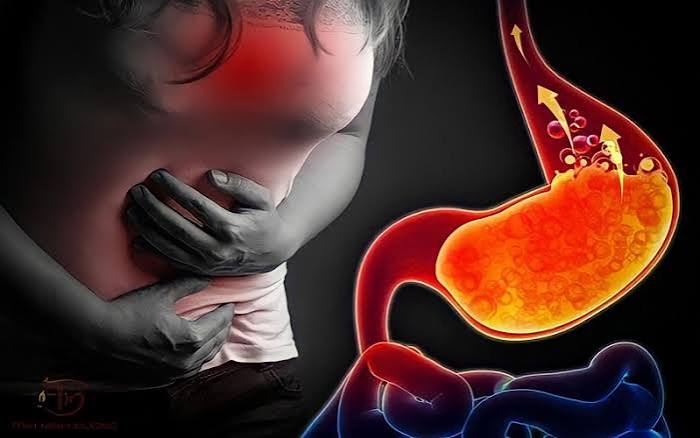
Posture and Acid Reflux: The Mechanical Connection Explained
The relationship between posture and acid reflux is more direct and more clinically significant than most people with GERD understand. While dietary triggers and stomach acid production receive the most attention in GERD management, body posture influences acid reflux through specific mechanical pathways that operate independently of how much acid the stomach produces. Understanding these pathways — and the posture corrections that address them — opens a non-pharmacological route to symptom management that complements, and in some cases reduces dependence on, acid-suppressing medication.
How Posture and Acid Reflux Are Mechanically Linked
Acid reflux occurs when stomach acid escapes past the lower esophageal sphincter (LES) into the esophagus. The LES is a ring of smooth muscle at the junction between the esophagus and stomach that maintains a resting pressure of 15–30 mmHg — sufficient to resist the upward pressure of gastric contents under normal conditions. Two types of barrier failure cause reflux: transient LES relaxations (brief, inappropriate relaxations that allow acid to escape without any swallowing trigger) and reduced LES resting pressure. Posture affects both mechanisms.
Intra-abdominal pressure and the LES
Any posture that increases intra-abdominal pressure pushes against the LES from below, reducing its effective closure force. Slouched sitting compresses the abdominal contents and raises intragastric pressure by 15–20% compared to upright sitting — a difference large enough to push acid past an already marginally competent LES, particularly in the first 2–3 hours after eating when the stomach is full. Forward bending — reaching for items on the floor, bending over a sink — has a similar pressure-raising effect and is a common trigger for reflux episodes that patients attribute to the foods they ate rather than the posture they assumed.
The diaphragm as a secondary LES support
The diaphragm’s crural fibers wrap around the esophagus at the hiatus — the opening through which the esophagus passes from the thorax to the abdomen. These crural fibers generate supplementary closure force on the LES during swallowing and exertion (coughing, straining). In people with shallow thoracic breathing patterns (common in desk workers and anxious individuals), the diaphragm operates in a flattened, mechanically disadvantaged position that reduces this crural contribution. Diaphragmatic breathing training restores proper diaphragm function and has been shown in randomized trials to reduce reflux frequency by strengthening this crural closure mechanism — a purely mechanical effect unrelated to acid production. This is why the breathing exercises for digestive comfort guide directly addresses reflux alongside IBS and bloating.
Sleeping posture and nocturnal reflux
Nocturnal (nighttime) acid reflux is particularly damaging because the supine position eliminates gravity as a defense against acid pooling in the esophagus, and swallowing frequency drops during sleep, reducing the clearance of acid that does reflux. The result is longer acid exposure time per reflux episode — 3–5 times longer than daytime episodes — and a correspondingly greater risk of esophageal mucosal damage, Barrett’s esophagus, and dental erosion. Head-of-bed elevation significantly reduces nocturnal reflux by restoring a partial gravitational gradient. The evidence supports elevation of 6–8 inches using a bed wedge or bed risers under the head posts — pillow stacking is ineffective because it elevates the head without elevating the torso, and the resulting neck flexion can actually increase intra-abdominal pressure.
Left-lateral sleeping position reduces nocturnal reflux compared to right-lateral or supine positions. This is a purely anatomical effect: the gastroesophageal junction is located in the upper-left portion of the stomach, so right-lateral sleeping places it below the level of the stomach, facilitating reflux. Left-lateral sleeping places it above, requiring acid to travel upward against gravity. Multiple studies confirm that switching from right-lateral to left-lateral sleep position reduces nocturnal reflux episodes by approximately 50% in GERD patients. This is among the most evidence-based and costless interventions available for anyone with nocturnal reflux symptoms.
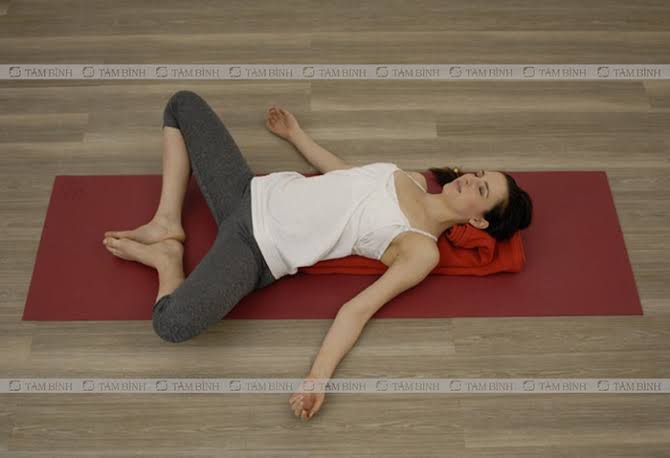
Posture and Acid Reflux: Practical Corrections for Daily Life
The following posture adjustments address the specific mechanical pathways linking posture and acid reflux. They require no equipment, no dietary changes, and no medication — and their effects are additive to any pharmacological treatment already in place.
The Three-Window Rule
The 2–3 hours after eating is the highest-risk window for posture-related reflux. During this window: stay upright (standing or sitting with a neutral spine), avoid forward bending, and avoid lying down. Outside this window, the impact of posture on reflux is substantially reduced because the stomach is emptier and intragastric pressure is lower.
Sitting posture corrections
The optimal seated posture for reflux prevention combines spinal neutrality (natural lumbar curve maintained, not flattened by slouching) with a hip angle of approximately 90° and feet flat on the floor. From a reflux perspective, the key variable is the relationship between the thorax and the abdomen — any position that compresses the angle between the two (slouching forward, reclining backward to less than 70°, or curling the torso inward) increases intra-abdominal pressure and worsens reflux.
Specific adjustments for desk workers:
- Raise your monitor to eye level so you are not looking downward — forward head and neck position compresses the thorax and raises intra-abdominal pressure
- Use an ergonomic chair with lumbar support to maintain spinal neutrality rather than a rounding slouch
- Avoid eating at your desk if it leads to a slumped post-meal posture — a dining table with a straight-backed chair is better for the 30–60 minutes after eating
- Avoid recliner chairs immediately after eating — the reclined position eliminates the gravitational component of LES protection even while sitting
Standing posture and reflux
Standing generally reduces reflux compared to sitting because the upright posture, combined with gravity, keeps gastric contents away from the LES and allows the diaphragm to operate in a better mechanical position. Post-meal walking — the subject of the walking after meals and digestion guide — takes advantage of both the gravitational benefits of upright posture and the motility-stimulating effects of movement to accelerate gastric emptying and reduce post-meal reflux. A 10–15 minute walk within 30 minutes of eating is one of the most evidence-supported behavioral interventions for post-meal reflux reduction.
Exercise posture and reflux
Certain exercises significantly increase intra-abdominal pressure and worsen reflux symptoms in susceptible people. High intra-abdominal pressure exercises include heavy weightlifting (particularly squat, deadlift, and bench press), sit-ups and crunches with loaded spinal flexion, and any exercise requiring forceful Valsalva maneuver (straining or holding the breath under exertion). For people with GERD, these exercises are best avoided within 3 hours of eating and should be done with lighter weights and controlled breathing to minimize intra-abdominal pressure spikes.
Low-reflux exercises include swimming (horizontal position is partly offset by the stomach being emptier during planned exercise than after meals), walking, cycling in an upright position, and yoga in non-inversion positions. Inversion poses in yoga (downward-facing dog, headstands, shoulder stands) should be avoided by people with GERD — the inverted position directly facilitates reflux by inverting the gravitational gradient.
Sleeping posture in detail
For people with significant nocturnal reflux symptoms, sleep posture modification is among the highest-impact interventions available. The evidence-based approach combines two independent strategies:
- Head-of-bed elevation (6–8 inches): Use a foam wedge pillow under the mattress, or raise the head posts of the bed frame on 6-inch risers. This creates a gradual angle along the entire torso, maintaining gravitational protection of the esophagus throughout sleep. Standard pillows folded or stacked under the head are not equivalent — they create neck flexion that can worsen symptoms.
- Left-lateral sleep position: Sleep on the left side, which places the gastroesophageal junction above the level of gastric contents. If you turn during sleep, a body pillow behind the back can discourage rolling right. Some people find that wearing a shirt with a pocket on the front (or a tennis ball in a pocket) achieves the same positional guidance through mild discomfort when rolling right.
The combination of head elevation and left-lateral positioning reduces nocturnal acid exposure time more than either strategy alone and is supported by multiple gastroenterology society guidelines including those of the Mayo Clinic’s GERD treatment guidelines.
Posture, Hiatal Hernia, and Reflux
A hiatal hernia — where part of the stomach pushes through the diaphragmatic hiatus into the thorax — is present in approximately 50–60% of people over 50 and is one of the most common structural causes of GERD. The hernia weakens the LES by disrupting the crural diaphragm support mechanism and can form an acid reservoir above the diaphragm that refluxes during posture changes. People with hiatal hernias have reflux that is particularly sensitive to posture because the structural compromise means there is less reserve before postural pressure changes exceed LES resistance.
Posture corrections are especially important for people with hiatal hernias — not because they correct the hernia (which requires surgical repair if symptomatic enough) but because they reduce the postural pressure changes that trigger reflux episodes over and above the background risk from the hernia itself. The stress management for gut health guide is also relevant here, because the diaphragmatic tension associated with chronic stress can worsen hiatal hernia symptoms by altering diaphragmatic dynamics at the hiatus.
A systematic review in the World Journal of Gastroenterology confirms that lifestyle modifications including postural changes are effective for reducing GERD symptoms in people with and without hiatal hernias, though the magnitude of benefit is greater in people without a hernia (who have more functional LES reserve to restore).
When Posture Corrections Alone Are Not Enough
Posture modifications are most effective when reflux is primarily functional — driven by postural pressure dynamics and mechanical LES factors rather than by structural problems or excessive acid production. They are unlikely to provide complete symptom control when:
- There is a large hiatal hernia causing significant anatomical displacement
- Reflux is volume-driven rather than pressure-driven (high-volume regurgitation rather than acid reflux into the distal esophagus)
- Barrett’s esophagus has developed, requiring close monitoring regardless of symptom control
- Symptoms persist despite 6–8 weeks of consistent posture modification and dietary changes
Core Strength, Body Weight, and Reflux
Two additional physiological factors connect posture to acid reflux: core muscle strength and body weight distribution. The core muscles — particularly the transversus abdominis, the pelvic floor, and the diaphragm — form a pressure chamber around the abdominal contents. When these muscles are weak or poorly coordinated, physical exertion, coughing, and postural changes generate larger intra-abdominal pressure spikes that are transmitted directly to the LES. Core strengthening exercises, performed under low-reflux conditions and not after meals, can improve pressure management and reduce the magnitude of LES pressure surges during daily activities.
Body weight, and particularly central (abdominal) adiposity, independently increases intra-abdominal pressure by mechanically compressing the abdominal organs from outside. Each unit increase in BMI is associated with a measurable increase in intragastric pressure and LES incompetence. For people who are overweight or have central adiposity, even moderate weight loss (5–10% of body weight) produces clinically significant reductions in reflux frequency through this pressure mechanism — quite apart from any dietary change. The weight management and liver health article addresses the broader context of adiposity and its metabolic effects, including those on digestive function. Combining weight management with posture correction and sleep positioning gives the most comprehensive mechanical approach to reflux management outside of pharmacological treatment.
See a doctor promptly if: you have difficulty swallowing solid food, unintentional weight loss, vomiting blood or material resembling coffee grounds, persistent throat pain or hoarseness, or chest pain (to rule out cardiac causes before attributing it to reflux). These symptoms require investigation before starting self-management.
Gastroenterology referral for endoscopy (OGD) to assess the esophageal lining and confirm or exclude Barrett’s esophagus, erosive esophagitis, or other structural problems is appropriate when GERD has been present for more than 5 years, is severe or frequent, or is not responding to medical treatment. Your GP can arrange this referral. For context on how reflux relates to broader gut health, the sitting too long and digestive symptoms article explains how sedentary behavior in general compounds the mechanical factors that make reflux worse.
Frequently Asked Questions
Does slouching cause acid reflux or just make existing reflux worse?
For most people, slouching makes pre-existing reflux significantly worse rather than independently causing it. The LES and diaphragmatic crural fibers provide substantial barrier reserve — slouching alone does not produce reflux in people with a fully competent LES. However, for people with borderline LES competence (common after age 50, during pregnancy, or in people with a small hiatal hernia), the additional pressure from poor posture can be sufficient to trigger episodes. In clinical practice, people often describe their reflux as suddenly worsening during a period when their work posture deteriorated, without any change in diet or medication — in these cases, posture correction can produce rapid improvement without any other change.
How long after eating should I wait before lying down or reclining?
The standard recommendation is 2–3 hours. This is the time required for the stomach to substantially empty (for a normal-sized mixed meal) and for intragastric pressure to return to fasting levels. Large meals, high-fat meals, and meals with high water content slow gastric emptying and extend the high-risk period. If you need to rest or nap after eating, using a wedge pillow or elevating the head of the bed provides better protection than lying completely flat. For people with severe nocturnal reflux, a firm rule of no lying down within 3 hours of the evening meal — combined with head elevation and left-lateral sleep position — produces the most reliable symptom reduction.
Is it better to sit, stand, or walk after eating to prevent acid reflux?
Walking produces the best outcomes of the three for post-meal reflux prevention, combining upright posture’s gravitational benefits with the motility-stimulating effects of movement (which accelerates gastric emptying, reducing the duration of high intragastric pressure). A 10–15 minute gentle walk within 30 minutes of eating consistently outperforms standing still in studies measuring post-meal reflux frequency. Standing is better than sitting for reflux specifically (though sitting is fine for a brief period at a table). The combination to avoid is sitting at a desk, slightly slouched, for the full 2–3 hours after a desk lunch — this is the highest-risk post-meal behaviour for reflux in office workers.
Can yoga or exercise make acid reflux worse?
Some yoga poses and high-intensity exercises can worsen reflux, particularly if performed close to meals. Poses to avoid include downward-facing dog, forward folds with a full stomach, all inversion poses, and abdominal compression poses when the stomach is full. Safe yoga for reflux includes gentle supine poses (knees to chest, lying twists), restorative poses, and breathing-focused practices. Regarding timing, a minimum 2-hour gap between eating and any moderate exercise, and 3 hours before vigorous exercise, significantly reduces the risk of exercise-induced reflux. If reflux during exercise is a regular problem, starting with walking and gradually increasing intensity while monitoring symptoms helps identify the exercise intensity threshold that is individually tolerable.
Does sleeping on the right side cause acid reflux in everyone?
Right-lateral sleeping increases reflux risk compared to left-lateral sleeping in people who already have reflux — it does not reliably cause reflux in people with a fully competent LES and no GERD. The mechanism is anatomical: right-lateral sleeping places the gastroesophageal junction at or below gastric acid level, allowing acid to pool at the LES junction. Left-lateral sleeping places the junction above the main acid pool. If you currently sleep on your right side and have GERD, switching to left-lateral sleeping is one of the simplest and fastest interventions to trial. Many people notice a reduction in overnight symptoms within the first few nights.
Are posture supports or braces helpful for acid reflux?
Thoracic braces or posture correctors that prevent thoracic rounding may provide modest benefit by maintaining a more upright thoracic posture and reducing the compression of the upper abdomen that occurs with forward head and rounded shoulder posture. However, they address a relatively small contributor to intra-abdominal pressure compared to lumbar posture, eating habits, and post-meal position. Their primary benefit is as a prompt to maintain awareness of posture during the workday. More evidence-based interventions (ergonomic chair adjustment, monitor height, post-meal walking, sleep position) have stronger support and should be implemented first. If posture problems are severe or causing musculoskeletal symptoms alongside reflux, assessment by a physiotherapist is more appropriate than a commercially available brace.
Can improving posture reduce the need for PPI medication?
For some patients with mild-to-moderate GERD where postural and mechanical factors are primary drivers, yes. The diaphragmatic breathing trial showing significant reflux reduction after 4 weeks of training — without any change in acid production — demonstrates that mechanical interventions can produce outcomes comparable to PPI treatment for appropriately selected patients. If you have been on PPIs for mild GERD, consistently implementing posture corrections (upright sitting, post-meal walking, left-lateral sleep with head elevation, diaphragmatic breathing) for 6–8 weeks and tracking symptoms with a diary provides objective data to bring to your doctor for a supervised trial of dose reduction. PPI dose reduction should always be done under medical supervision due to the acid rebound effect — abrupt cessation typically worsens symptoms for 2–4 weeks before they settle.
Disclaimer: This article is for informational purposes only and does not constitute medical advice. Consult a qualified healthcare professional before making changes to your treatment plan or if you have concerns about your digestive health.
References:
- Dent J et al. “Epidemiology of gastro-oesophageal reflux disease.” Gut, 2005.
- Iovino P et al. “Diaphragmatic breathing training in GERD.” American Journal of Gastroenterology, 2013.
- Khoury RM et al. “Influence of spontaneous sleep positions on nighttime recumbent reflux.” American Journal of Gastroenterology, 1999.
- Stanciu C, Bennett JR. “Effects of posture on gastro-oesophageal reflux.” Digestion, 1977.
- Vakil N et al. “The Montreal definition and classification of gastroesophageal reflux disease.” American Journal of Gastroenterology, 2006.
The sleeping position section completely changes my approach to my night reflux. I’ve been sleeping on my right side for years — it just felt more comfortable — and I had no idea this was significantly increasing my reflux risk through a purely anatomical mechanism. The explanation of why left-lateral is better (the gastroesophageal junction is anatomically placed so that left-lateral puts it above the gastric acid level) makes the advice immediately memorable and convincing rather than just a rule to follow. I switched to left-lateral plus a wedge pillow under my mattress two weeks ago. First week was uncomfortable because it wasn’t my natural position, but the night reflux episodes have noticeably decreased. The head-of-bed elevation tip about not using stacked pillows — because they elevate the head but not the torso and actually increase neck flexion — was also news to me.
The transition from right to left-lateral sleeping often takes 2–4 weeks before it feels natural, which is exactly your experience. The challenge is that sleep positions are largely habitual — we return to our preferred position during sleep without awareness. A few practical strategies help sustain the left-lateral position through the night: a body pillow behind the back creates a physical barrier that discourages rolling rightward; a tennis ball sewn into the back of a sleeping shirt achieves the same effect through mild positional discomfort when rolling right; and some people find that a firm mattress helps because it provides more resistance to postural drift than a soft one. The wedge pillow under the mattress (rather than a separate wedge on top of the mattress) is the approach with the best sleep architecture data — a wedge on top of the mattress changes the feel of the sleeping surface enough to disrupt sleep in some people, while one beneath the mattress creates the same gravitational gradient without changing the surface feel. Six to eight inches of elevation at the head of the bed is the evidence-based range — at lower elevations the acid suppression effect diminishes significantly, and at higher elevations sleep comfort typically suffers. A 4-inch riser under the head posts is a practical way to achieve this without buying specialized equipment.
The hiatal hernia section is relevant to me — I was diagnosed with a small one two years ago and told it was ‘not significant enough to treat surgically.’ What’s not clearly explained by most sources is whether posture modifications still work in the presence of a hernia, or whether the hernia makes them irrelevant because the structural problem dominates. This article clarifies that posture changes remain beneficial in hiatal hernia because they reduce the additional postural pressure surges on top of the background hernia risk — they don’t fix the hernia but they reduce how often it gets pushed past its threshold. That’s a more nuanced and genuinely useful framing than I’ve encountered elsewhere.