
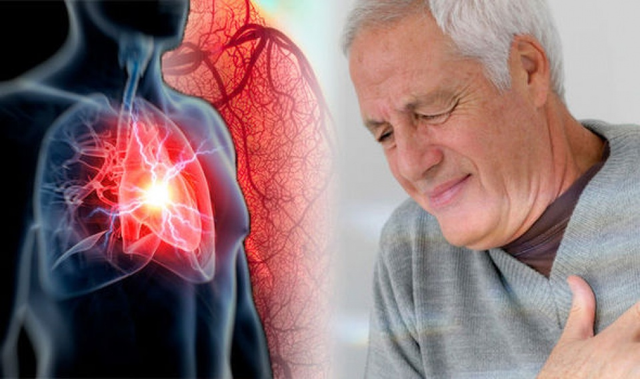
Shortness of breath — the medical term is dyspnea — is one of the most common and least specific symptoms in medicine. It appears across dozens of conditions spanning the heart, lungs, blood, and nervous system. It is also one of the symptoms most commonly attributed to aging or deconditioning when the actual cause is a treatable cardiac condition. Understanding the relationship between shortness of breath and heart health requires understanding both how the heart can cause dyspnea and how to distinguish cardiac from non-cardiac origins.
Dyspnea is defined as the subjective sensation of difficulty breathing or breathlessness — a symptom, not a diagnosis. When heart-related, it reflects one of two mechanisms: inadequate cardiac output (the heart cannot pump enough blood forward to meet the body’s oxygen demands) or elevated filling pressures (pressure in the left ventricle is so high that fluid backs up into the pulmonary circulation, flooding the air sacs of the lungs and impairing gas exchange).
How the Heart Causes Shortness of Breath
The heart and lungs share the pulmonary circulation in a tightly coupled system. When the left ventricle fails — either because it cannot pump adequately (systolic failure) or cannot relax and fill adequately (diastolic failure) — pressure rises upstream in the left atrium and then into the pulmonary veins. Elevated pulmonary venous pressure forces fluid from the pulmonary capillaries into the interstitium and eventually into the alveolar air spaces — a process called pulmonary edema. Fluid-filled alveoli cannot exchange oxygen and carbon dioxide normally, producing dyspnea ranging from mild exertional breathlessness to severe respiratory distress. The right ventricle contributes separately: when pulmonary arterial pressure rises from left-sided disease or massive pulmonary embolism, the right ventricle may fail, further reducing forward flow and oxygen delivery.
Heart Failure
Heart failure is the most common cardiac cause of dyspnea, affecting over 6 million Americans. It exists in two major phenotypes: heart failure with reduced ejection fraction (HFrEF, EF below 40 percent) — the classic dilated, weakly contracting heart — and heart failure with preserved ejection fraction (HFpEF, EF 50 percent or above) — a stiff, non-compliant ventricle that cannot relax adequately to fill at normal pressures. HFpEF accounts for approximately half of all heart failure cases and is increasing in prevalence as the population ages and rates of hypertension, diabetes, and obesity rise.
Exertional dyspnea is the earliest symptom. Activities previously performed without difficulty — climbing stairs, walking flat, carrying groceries — become breathless. This is easy to miss or attribute to deconditioning, which is why many patients present with advanced HF that developed gradually over months to years.
Orthopnea is dyspnea that occurs when lying flat and is relieved by sitting up or propping on pillows. Patients often report needing two, three, or more pillows to sleep (“two-pillow orthopnea”). When supine, venous return from the lower extremities increases, raising pulmonary blood volume and left atrial pressure. In a failing heart, this additional volume load triggers pulmonary congestion. Orthopnea is specific for elevated left-sided filling pressures and should always prompt cardiac evaluation.
Paroxysmal nocturnal dyspnea (PND) is one of the most diagnostically specific symptoms of heart failure. It is sudden awakening 1 to 3 hours after falling asleep with severe breathlessness — often forcing the patient to sit at the edge of the bed or go to an open window. The mechanism: during sleep, fluid pooled in the legs is gradually reabsorbed into the circulation, slowly raising pulmonary venous pressure until it triggers acute dyspnea. PND is more specific for HF than orthopnea and should prompt urgent evaluation.
Bendopnea — dyspnea when bending forward (putting on shoes, socks) — reflects severely elevated filling pressures compressing the abdomen and increasing venous return. Acute decompensated heart failure and flash pulmonary edema represent the most dramatic presentations: sudden severe dyspnea, hypoxia, pink or frothy sputum, and bilateral crackles. This is a cardiac emergency.
Acute Coronary Syndrome as a Cause of Dyspnea
Dyspnea is a primary symptom of acute coronary syndrome, not a secondary complaint. In many patients — particularly women, elderly adults, and those with diabetes — dyspnea may be the dominant or sole presentation of an acute MI without any chest pain. This “dyspnea-equivalent” ACS is a common cause of missed myocardial infarction. Acute ischemia impairs LV function transiently, raising filling pressures and producing pulmonary congestion within minutes to hours. Large anterior MI with extensive involvement can cause cardiogenic shock — profound dyspnea, hypotension, cold extremities, and reduced consciousness — requiring immediate hemodynamic support and emergent revascularization. Any new or sudden exacerbation of dyspnea with cardiovascular risk factors warrants a 12-lead ECG and troponin evaluation, even without chest pain.
Pulmonary Embolism
Pulmonary embolism causes acute dyspnea by obstructing pulmonary arterial flow, creating ventilation-perfusion (V/Q) mismatch — hypoxia from ventilated but unperfused lung segments. Massive PE also causes acute right ventricular strain and failure. Onset is characteristically sudden; tachycardia is present in most patients. Pleuritic chest pain and hemoptysis may accompany the dyspnea. Risk factors include recent surgery or immobilization, DVT, active cancer, oral contraceptive use, and thrombophilic conditions.
Valvular Heart Disease and Dyspnea
Aortic stenosis (AS) classically produces three symptoms as it progresses: exertional dyspnea, angina, and syncope. The appearance of any of these in severe AS is associated with a median survival of 2 to 5 years without valve replacement — the prognosis of untreated severe symptomatic AS is worse than many cancers. Mitral regurgitation (MR) progressively elevates left atrial pressure and causes pulmonary congestion; acute MR (ruptured papillary muscle post-MI or endocarditis) causes flash pulmonary edema with sudden severe dyspnea. Mitral stenosis obstructs left atrial outflow, progressively raising left atrial pressure and causing severe exertional dyspnea and orthopnea — remaining prevalent globally as a complication of rheumatic fever.
Atrial Fibrillation and Dyspnea
Atrial fibrillation causes dyspnea through two mechanisms: loss of organized atrial contraction eliminates the “atrial kick” (15 to 20 percent of ventricular filling), reducing cardiac output by 10 to 20 percent in patients with impaired diastolic function; and rapid ventricular rates shorten diastolic filling time, further reducing stroke volume and elevating filling pressures. New-onset AF with rapid ventricular response is a common acute dyspnea presentation — patients arrive breathless with an irregular pulse and often describe fluttering or racing accompanying the breathlessness.
Non-Cardiac Causes That Overlap
The most common cause of exertional dyspnea in the general adult population is deconditioning — diminished cardiorespiratory fitness from a sedentary lifestyle — producing dyspnea with exertion but not at rest, with gradual onset, and without orthopnea, PND, or other cardiac markers. COPD and asthma cause airflow obstruction; spirometry distinguishes them from cardiac dyspnea. Anemia reduces oxygen-carrying capacity and produces exertional dyspnea — a simple CBC identifies the cause. Anxiety and panic disorder cause hyperventilation and the sensation of dyspnea — a diagnosis of exclusion after cardiac and pulmonary causes are excluded.
How Cardiac Dyspnea Is Diagnosed
BNP and NT-proBNP are released from the ventricles in response to elevated filling pressures. BNP above 100 pg/mL or NT-proBNP above 300 pg/mL strongly suggests heart failure as the cause of dyspnea; values below these thresholds have excellent negative predictive value for ruling out HF. A chest X-ray in HF shows cardiomegaly, pulmonary vascular redistribution, Kerley B lines, and pleural effusions. A 12-lead ECG identifies arrhythmias, prior MI, and LVH. Echocardiography assesses ejection fraction, wall motion, valvular structure, and diastolic filling parameters — the definitive structural evaluation for cardiac dyspnea.
When to Seek Emergency Care for Shortness of Breath
- Sudden severe shortness of breath at rest
- Dyspnea accompanied by chest pain or pressure
- Sudden worsening of leg swelling with dyspnea
- Pink, frothy, or blood-tinged sputum
- Dyspnea with low blood pressure, confusion, or loss of consciousness
- New breathlessness in anyone with known heart disease
- Sudden shortness of breath with risk factors for pulmonary embolism (recent surgery, cancer, DVT)
For cardiovascular metrics related to dyspnea assessment, see our articles on resting heart rate and blood pressure — both of which are abnormal in acute cardiac dyspnea presentations. For foundational cardiovascular numbers, see heart health numbers every adult should know.
The American Heart Association provides comprehensive patient resources on heart failure and dyspnea. The NIH National Heart, Lung, and Blood Institute explains heart failure symptoms and management. The CDC publishes surveillance data on heart failure prevalence and outcomes.
Shortness of breath that is new, worsening, occurring at rest, or disrupting sleep is never a symptom to accept as inevitable aging. The treatable cardiac conditions that cause dyspnea — heart failure, valvular disease, arrhythmias, and coronary disease — all have effective interventions. Identifying the cause early, while the heart’s function can still be improved or preserved, produces dramatically better outcomes than waiting until dyspnea is disabling.
The Spectrum of Dyspnea Severity: NYHA Functional Classification
Heart failure-related dyspnea is clinically staged using the New York Heart Association (NYHA) functional classification, which categorizes patients based on how much physical activity triggers symptoms:
- NYHA Class I: No limitation of physical activity. Ordinary physical activity does not cause dyspnea, fatigue, or palpitations. Heart disease is present but produces no functional limitation.
- NYHA Class II: Slight limitation. Comfortable at rest. Ordinary physical activity (walking more than two blocks, climbing more than one flight of stairs) causes dyspnea, fatigue, or palpitations.
- NYHA Class III: Marked limitation. Comfortable at rest. Less than ordinary activity (walking one to two blocks, climbing one flight of stairs) causes dyspnea or fatigue.
- NYHA Class IV: Symptoms at rest. Unable to carry on any physical activity without discomfort. Symptoms of heart failure may be present at rest; any physical activity causes increased discomfort.
NYHA class guides treatment intensity, determines eligibility for device therapy (ICD, CRT), informs transplant evaluation timing, and provides a standardized language for tracking treatment response. A patient who moves from NYHA Class III to Class II after starting evidence-based HF therapy has experienced a clinically meaningful improvement. The classification also serves as a prognostic indicator — NYHA Class IV heart failure carries a one-year mortality of 50 percent or higher without advanced therapy.
Frequently Asked Questions About Shortness of Breath and Heart Health
Does shortness of breath always mean heart failure?
No. Dyspnea has dozens of causes. The most common cause of exertional dyspnea in the general adult population is deconditioning. COPD, asthma, anemia, and anxiety are also frequent causes. What makes dyspnea warrant cardiac evaluation is: orthopnea (worse lying flat), paroxysmal nocturnal dyspnea (waking from sleep breathless), sudden onset at rest, leg swelling accompanying the dyspnea, or dyspnea with palpitations or chest discomfort. BNP testing rapidly distinguishes cardiac from non-cardiac dyspnea in the emergency setting.
What is the difference between orthopnea and paroxysmal nocturnal dyspnea?
Both are dyspnea symptoms related to body position and are highly specific for elevated left-sided cardiac filling pressures. Orthopnea occurs promptly when lying flat and resolves immediately when sitting up — it is directly positional. Paroxysmal nocturnal dyspnea (PND) occurs after the patient has been lying down for 1 to 3 hours and wakes them from sleep, because fluid gradually reabsorbs from the legs during sleep and raises pulmonary venous pressure. PND is more specific for heart failure than orthopnea.
Can shortness of breath be a sign of a heart attack?
Yes. Dyspnea is an ACS equivalent — a primary symptom of myocardial infarction, particularly in women, elderly adults, and people with diabetes, where dyspnea may be the only symptom of an acute MI. Any new unexplained dyspnea with cardiovascular risk factors warrants an ECG and troponin evaluation.
What does an elevated BNP mean?
BNP (B-type natriuretic peptide) and NT-proBNP are released by the ventricles in response to elevated wall stress from high filling pressures. BNP above 100 pg/mL (or NT-proBNP above 300 pg/mL) strongly suggests heart failure as the cause of dyspnea. Values below these thresholds make heart failure unlikely. BNP can be elevated by severe COPD, pulmonary embolism, and renal failure, and is less reliable in obese patients — so interpretation always requires clinical context.
Key Takeaways
- Cardiac dyspnea arises from impaired LV output or elevated filling pressures — both cause pulmonary congestion and the sensation of breathlessness
- Heart failure is the most common cardiac cause; exertional dyspnea is the earliest symptom; orthopnea and PND are most specific and should trigger urgent evaluation
- PND = awakening 1–3 hours after lying down with severe breathlessness; most specific HF dyspnea symptom
- Dyspnea is an ACS equivalent — common in women, elderly, and diabetics presenting with MI without chest pain
- PE: sudden onset dyspnea + tachycardia ± pleuritic pain; V/Q mismatch; massive PE = RV failure and shock
- Severe AS: exertional dyspnea + angina + syncope triad; symptomatic severe AS without valve replacement carries 2–5 year median survival
- AF: new rapid-rate AF reduces cardiac output by 10–20% — a common cause of acute dyspnea presentation
- BNP >100 pg/mL: strongly suggests HF; BNP <100: good negative predictive value for ruling out HF as dyspnea cause
- NYHA Class IV dyspnea: symptoms at rest, 50%+ one-year mortality without advanced therapy
- Seek emergency care: sudden severe dyspnea at rest, dyspnea + chest pain, pink frothy sputum, dyspnea with hemodynamic instability
Managing Dyspnea in Established Heart Disease
When dyspnea is confirmed to be cardiac in origin, management follows evidence-based protocols that vary by diagnosis. In heart failure with reduced ejection fraction (HFrEF), the four pillars of guideline-directed medical therapy — ACE inhibitors or ARBs (or sacubitril/valsartan in eligible patients), beta-blockers (carvedilol, metoprolol succinate, or bisoprolol), mineralocorticoid receptor antagonists (spironolactone or eplerenone), and SGLT2 inhibitors (dapagliflozin or empagliflozin) — each independently reduce mortality, hospitalizations, and dyspnea severity. The addition of SGLT2 inhibitors to HFrEF therapy was established in the DAPA-HF and EMPEROR-Reduced trials, with approximately 25 percent relative reduction in the composite of worsening HF and cardiovascular death.
In HFpEF — where effective disease-modifying therapy lagged for decades — the EMPEROR-Preserved and DELIVER trials demonstrated that SGLT2 inhibitors reduce worsening heart failure events and cardiovascular death, making them the first class of medication to do so in this phenotype. Diuretics (loop diuretics such as furosemide) relieve the congestion that causes orthopnea and PND and remain central to HF management for symptom relief, even though they do not reduce mortality. Cardiac resynchronization therapy (CRT) improves dyspnea and reduces mortality in eligible HFrEF patients with LBBB and EF below 35 percent.
In atrial fibrillation-related dyspnea, rate control or rhythm control can substantially improve symptoms. The EAST-AFNET 4 trial demonstrated that early rhythm control in newly diagnosed AF (ablation or antiarrhythmic drugs) reduced cardiovascular outcomes compared with rate control alone — a paradigm shift in AF management for early-diagnosed patients. In valvular disease, valve repair or replacement — whether surgical or transcatheter (TAVI for aortic stenosis, MitraClip for mitral regurgitation) — can dramatically reduce or eliminate dyspnea and improve survival in appropriately selected patients.
The message across all cardiac causes of dyspnea is the same: breathlessness that is new, progressive, or occurring at rest is a symptom that warrants evaluation and has treatable causes. The earlier the evaluation, the broader the range of effective interventions available, and the greater the likelihood of improving both symptoms and long-term cardiovascular outcomes.
Dyspnea as a Sign of Decompensation: Recognizing When to Act
For patients who already carry a cardiac diagnosis — whether heart failure, coronary artery disease, valvular disease, or atrial fibrillation — a change in dyspnea pattern is one of the most important early warning signs of decompensation. Studies of heart failure hospitalization consistently show that patients experience worsening dyspnea, weight gain (from fluid retention), and increased leg swelling for days to weeks before a hospitalization — time during which outpatient intervention could potentially prevent admission.
Daily weight monitoring is one of the most effective home management strategies for heart failure: an increase of more than 2 to 3 pounds in 24 hours or 5 pounds in a week generally indicates fluid retention and warrants contacting the care team before dyspnea becomes severe. Patients with HF should have a clearly defined action plan specifying when to adjust diuretics, when to call the clinic, and when to go directly to the emergency department — and this plan should be reviewed and updated at every follow-up visit.
In patients with implanted devices — ICD, CRT-D, or remote monitoring systems — physiological parameters such as intrathoracic impedance (which decreases as fluid accumulates in the lungs) can be monitored remotely and alert the care team to early pulmonary congestion before the patient becomes symptomatic. This form of remote heart failure monitoring has been shown to reduce the time between congestion onset and clinical intervention, potentially reducing the severity of decompensation episodes that reach the hospital.
The practical bottom line for patients with known cardiac disease: dyspnea that is new, worsening beyond your typical pattern, or occurring at a lower exertional threshold than usual is a signal to contact your care team the same day — not next week. Early intervention during the early warning phase of decompensation produces better outcomes, fewer hospitalizations, and a less severe recovery than waiting until respiratory distress requires emergency care.
Exercise, Rehabilitation, and Dyspnea Recovery
Counterintuitively, exercise is one of the most effective treatments for cardiac dyspnea — not a risk to avoid. Cardiac rehabilitation programs, which combine supervised aerobic exercise, strength training, education, and psychosocial support, consistently reduce dyspnea severity and improve functional capacity in patients with heart failure, post-MI, and other cardiac conditions. Exercise training in stable HF improves peak oxygen consumption (VO2 max), peripheral muscle oxygen extraction, and endothelial function — reducing the ventilatory demand for a given level of physical activity and thus the severity of exertional dyspnea.
The HF-ACTION trial — the largest randomized controlled trial of exercise training in HF — demonstrated that aerobic exercise training in patients with stable HFrEF reduced dyspnea severity, improved exercise capacity, and modestly reduced all-cause mortality and hospitalization compared with usual care. Current ACC/AHA HF guidelines give cardiac rehabilitation a Class I recommendation for stable ambulatory HF patients. Fear of exercise is common in patients with dyspnea, but guided gradual progression — starting at a level below the dyspnea threshold and building slowly over weeks to months — consistently improves the symptom it initially seems to worsen.
Dyspnea due to heart disease is not a fixed ceiling on what a patient can do — it is a treatable symptom that responds to medication, device therapy, rehabilitation, and in appropriate cases, surgical or interventional correction of the underlying structural problem. The starting point is always the same: recognize that the breathlessness is there, take it seriously, and get an evaluation that identifies the cause.
My cardiologist recommended I look into shortness of breath and heart health and this article covered it perfectly. The specific numbers and thresholds mentioned are exactly what I needed to understand my lab results. Forwarding this to others in my support group who are dealing with similar issues.
Thank you for covering shortness of breath and heart health so thoroughly without being overly technical. The section on managing this condition day-to-day was especially useful for meal planning. Forwarding this to others in my support group who are dealing with similar issues.
Came across this while researching shortness of breath and heart health for a family member. It is refreshing to see an article that acknowledges individual variation rather than giving one-size-fits-all advice. Appreciate the effort that went into researching and writing this — it shows.
I have been reading about shortness of breath and heart health for weeks and this is the most thorough guide I found. It is refreshing to see an article that acknowledges individual variation rather than one-size-fits-all advice. Will definitely be coming back to this site for more health information.
This breakdown of shortness of breath and heart health is exactly what patients need before a specialist appointment. The article answered questions I didn’t even know I had until I started reading. This gave me real confidence going into my next specialist appointment.
Bookmarked this article on shortness of breath and heart health immediately — going to reference it regularly. I appreciate that the article is careful about distinguishing between what is known and what is still being researched. Appreciate the effort that went into researching and writing this — it shows.