
What Is Cancer?
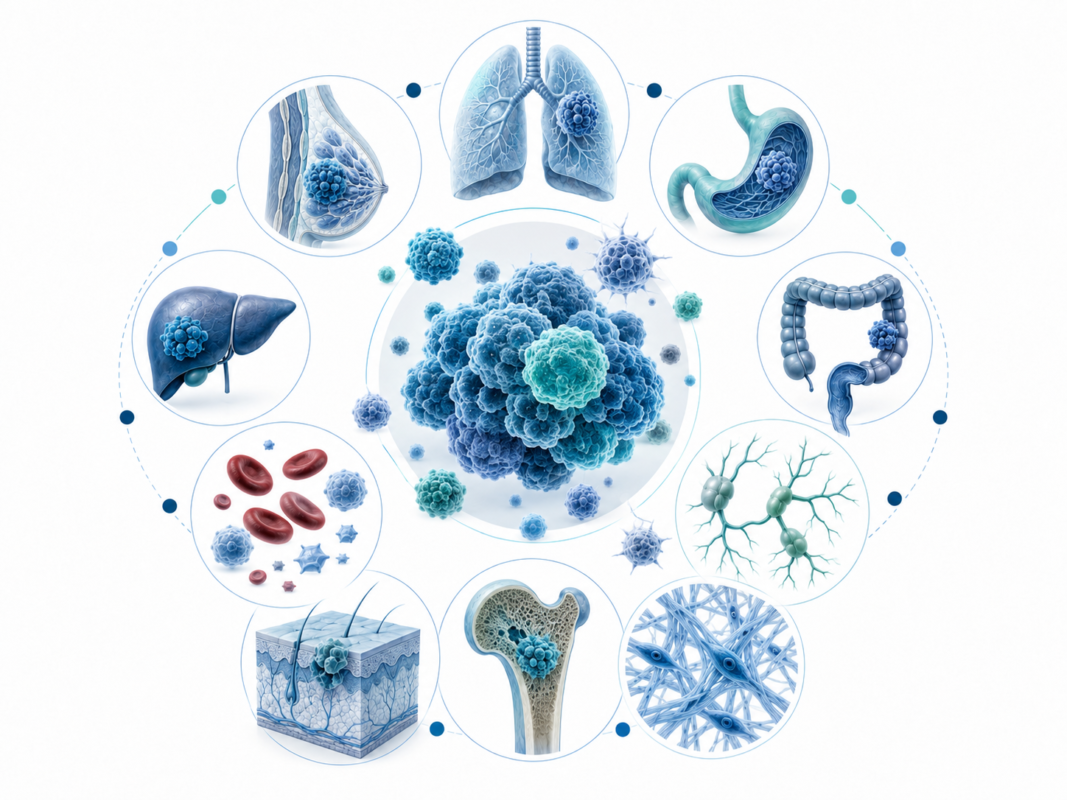
Cancer is not one single disease. It is a large group of diseases that begin when abnormal cells grow in an uncontrolled way, avoid the body’s normal safety signals, and may invade nearby tissues or spread to other parts of the body.
Understanding Cancer in Simple Terms
In a healthy body, cells usually grow, divide, repair damage, and die in an orderly pattern. Cancer begins when this normal process breaks down. Some cells develop changes that allow them to keep multiplying when they should stop. Over time, these abnormal cells can form a mass called a tumor, affect how organs work, or travel through the blood or lymph system.
Not every abnormal growth is cancer. Some tumors are benign, meaning they do not invade nearby tissues or spread to distant organs. Cancerous tumors are malignant. They can grow into nearby tissue and, in some cases, spread to other areas of the body.
A helpful way to think about cancer is this: it starts as a problem of cell control. The body has lost some of its normal ability to tell certain cells when to stop growing, when to repair themselves, or when to die.
How Does Cancer Start?
Cancer usually develops through a series of changes inside cells. These changes may affect genes that control cell growth, DNA repair, and normal cell death. A single change does not always lead to cancer. In many cases, cancer develops over time as cells collect enough changes to grow more freely than normal cells.
This is why cancer risk often increases with age. The longer cells live and divide, the more opportunities there are for DNA damage to occur. Some changes are inherited from parents, while others happen during life because of aging, tobacco smoke, ultraviolet radiation, certain infections, alcohol use, obesity, or other environmental and lifestyle factors.
Normal Cells
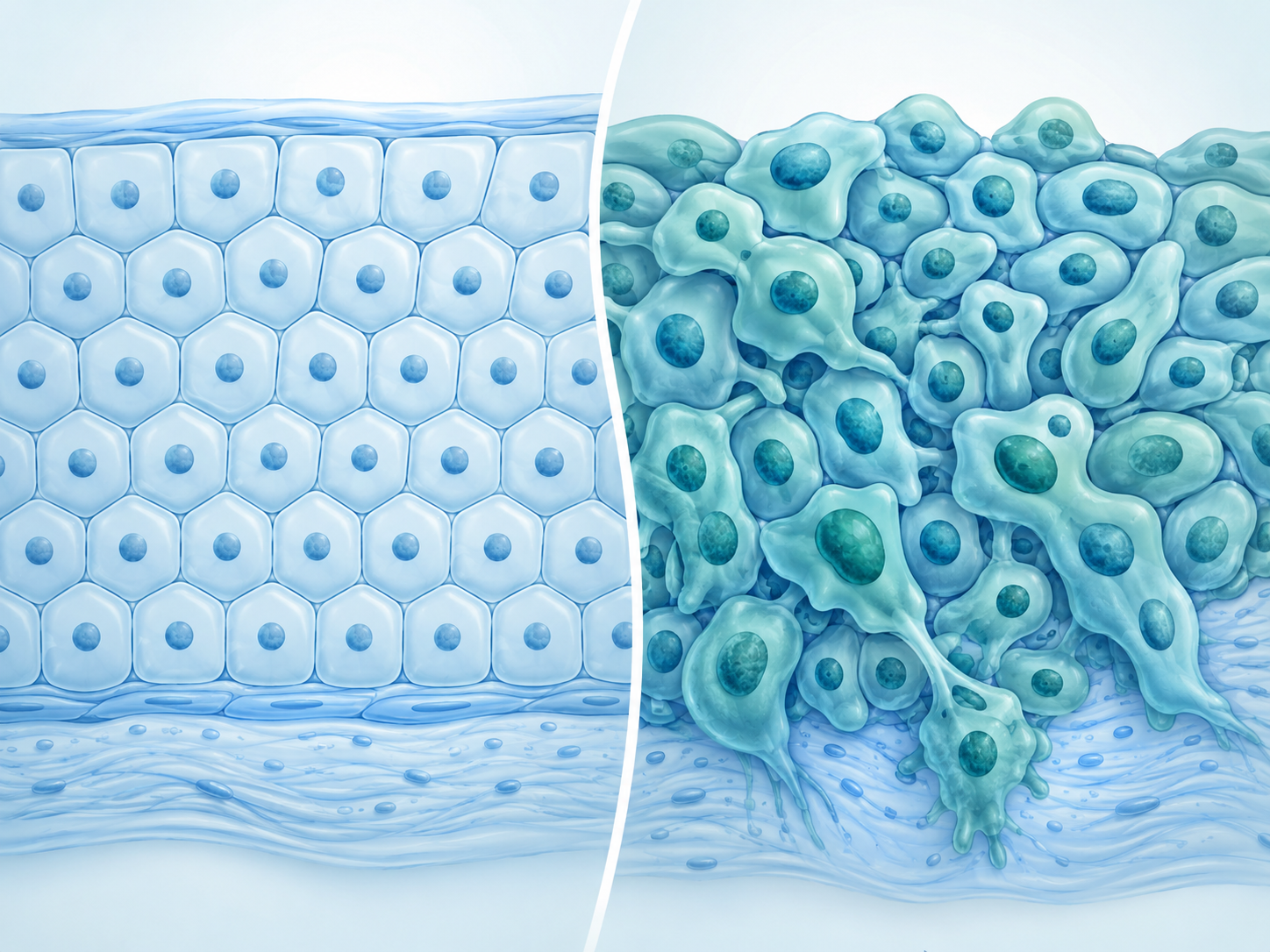
Normal cells follow signals from the body. They divide when needed, repair damage when possible, and die when they become old or seriously damaged.
- Grow in an organized way
- Respect boundaries with nearby tissues
- Respond to repair and stop signals
- Support normal organ function
Cancer Cells
Cancer cells can ignore normal control signals. They may continue growing, avoid cell death, and invade tissues that healthy cells would not enter.
- Grow and divide without proper control
- May form tumors or affect blood-forming tissues
- Can invade nearby areas
- May spread through blood or lymph pathways
Benign Tumors vs. Malignant Tumors
A benign tumor is a noncancerous growth. It can still cause health problems if it presses on important organs, nerves, or blood vessels, but it does not usually invade nearby tissues or spread to distant parts of the body.
A malignant tumor is cancerous. Malignant cells can grow into nearby tissue and may spread to other organs. This ability to invade and spread is one of the reasons cancer can become life-threatening.
What Does It Mean When Cancer Spreads?
When cancer cells break away from the original tumor and travel to another part of the body, the process is called metastasis. The new tumor is still named after the original cancer. For example, breast cancer that spreads to the lung is called metastatic breast cancer, not lung cancer.
This distinction matters because treatment is usually based on where the cancer started, the type of cancer cells involved, genetic features of the tumor, and how far the disease has spread.
Major Types of Cancer
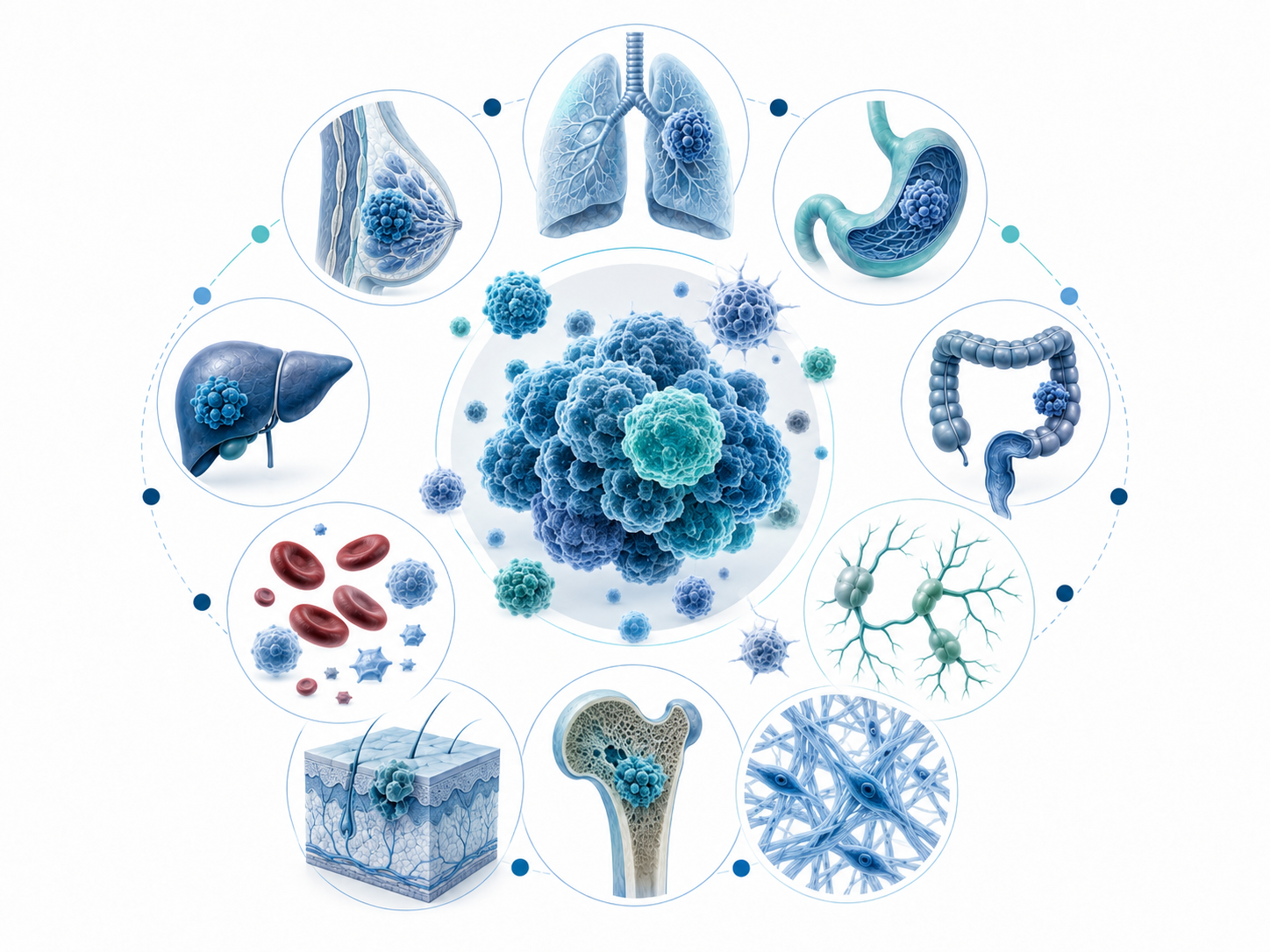
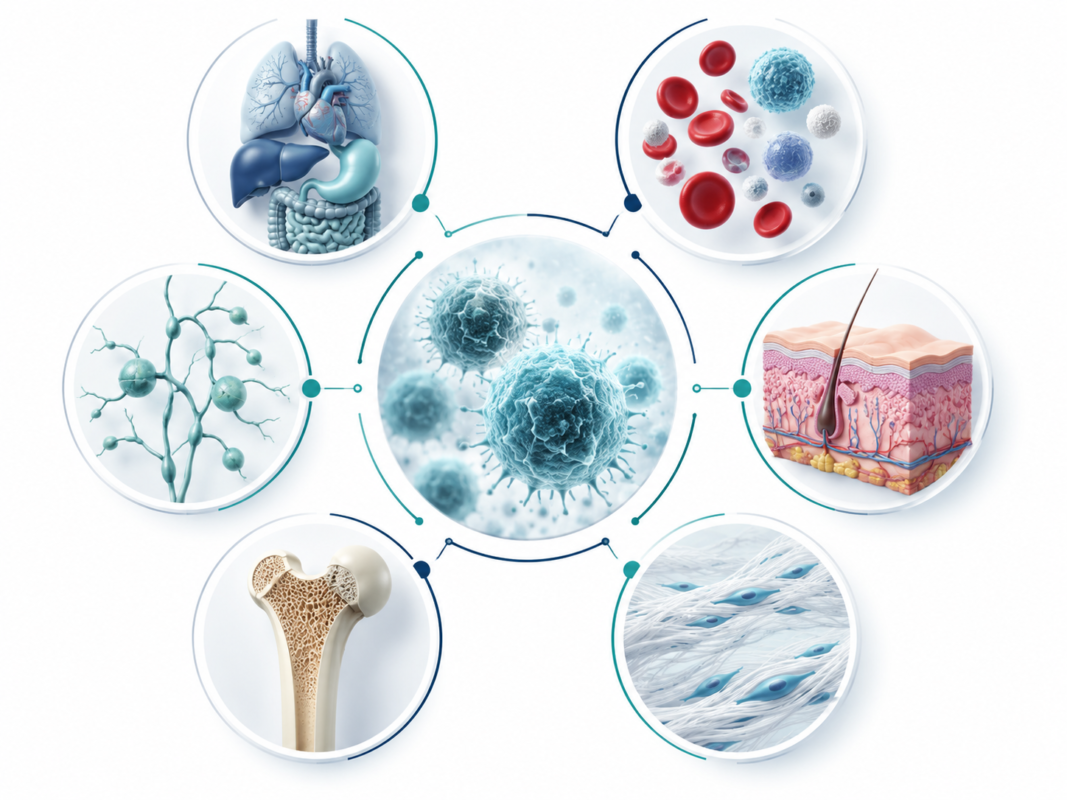
Doctors classify cancer by where it starts and by the type of cell involved. This helps guide testing, staging, treatment options, and follow-up care. Two people may both have “cancer,” but their diseases can behave very differently depending on the cancer type, stage, tumor biology, and overall health.
Carcinomas
These cancers begin in epithelial cells, which line the skin, organs, and internal surfaces. Many common cancers, including breast, lung, colorectal, and prostate cancers, are carcinomas.
Sarcomas
Sarcomas begin in bone, muscle, fat, blood vessels, cartilage, or other connective tissues. They are less common than carcinomas but can occur in both adults and children.
Leukemias
Leukemias are cancers of blood-forming tissues, such as bone marrow. They often affect white blood cells and usually do not form solid tumors.
Lymphomas
Lymphomas begin in lymphocytes, a type of immune cell. They can affect lymph nodes, the spleen, bone marrow, and other parts of the lymphatic system.
Melanoma
Melanoma starts in pigment-producing cells called melanocytes. It often begins in the skin but can also occur in the eye or, rarely, internal tissues.
Brain and Spinal Cord Tumors
These tumors begin in the central nervous system. Some are slow-growing, while others are more aggressive and require specialized care.
Cancer in the United States: Why Awareness Matters
Cancer remains one of the most important public health challenges in the United States. Better screening, lower smoking rates, improved treatments, and earlier diagnosis have helped reduce cancer death rates over time, but the overall burden remains high.
Sources: American Cancer Society, Cancer Statistics 2026; CDC/National Center for Health Statistics, Mortality in the United States, 2024.
Common Symptoms That May Need Medical Attention
Cancer symptoms vary widely. Some cancers cause noticeable changes early, while others may not cause symptoms until they are more advanced. Having one symptom does not mean a person has cancer, but persistent, unexplained, or worsening symptoms should be evaluated by a healthcare professional.
Possible Warning Signs
- Unexplained weight loss
- Ongoing fatigue that does not improve with rest
- A lump, thickening, or swelling that does not go away
- Unusual bleeding or bruising
- Changes in bowel or bladder habits
- A cough, hoarseness, or trouble swallowing that persists
- Skin changes, including a mole that changes size, shape, or color
- Persistent pain without a clear cause
Risk Factors That Can Raise Cancer Risk
- Tobacco use or exposure to secondhand smoke
- Excessive ultraviolet radiation from the sun or tanning beds
- Heavy alcohol use
- Obesity and low physical activity
- Some infections, including HPV and hepatitis B or C
- Family history or inherited genetic changes
- Older age
- Exposure to certain chemicals, radiation, or occupational hazards
When Should Someone Talk to a Doctor?
A medical visit is important when a symptom is new, persistent, unexplained, or getting worse. It is especially important to seek care for unexplained bleeding, a growing lump, major changes in bowel habits, chest pain, severe shortness of breath, sudden neurological symptoms, or rapid unintentional weight loss.
Early evaluation does not always lead to a cancer diagnosis. Many symptoms are caused by noncancerous conditions. However, checking early can help identify serious problems sooner and may make treatment simpler and more effective when cancer is found.
How Is Cancer Diagnosed?
Cancer diagnosis usually involves several steps. A clinician may begin with a medical history, physical exam, symptom review, and risk assessment. Depending on the situation, additional testing may be needed to confirm whether cancer is present and to understand what type it is.
Imaging Tests
Imaging such as X-rays, ultrasound, CT, MRI, PET scans, or mammography may help doctors look for abnormal growths or changes inside the body.
Lab Tests
Blood, urine, and other laboratory tests can provide clues about organ function, blood cell counts, infection, inflammation, or tumor-related markers.
Biopsy
A biopsy removes a small sample of tissue or cells for examination. In many cancers, biopsy is the key test used to confirm the diagnosis.
What Is Cancer Staging?
Staging describes how much cancer is in the body and whether it has spread. Many cancers are staged from I to IV, although staging systems vary by cancer type. In general, a lower stage means the cancer is more limited, while a higher stage means it has grown more extensively or spread farther.
Staging helps doctors estimate outlook, compare treatment options, and choose the most appropriate care plan. Other details, such as tumor grade, genetic mutations, hormone receptor status, and biomarkers, may also influence treatment decisions.
Common Cancer Treatment Options
Cancer treatment depends on the cancer type, stage, location, tumor biology, the person’s overall health, and personal preferences. Many people receive more than one type of treatment.
- Surgery: Removes cancer from the body when the tumor can be safely operated on.
- Radiation therapy: Uses targeted energy to damage or destroy cancer cells.
- Chemotherapy: Uses medicines that kill fast-growing cells or stop them from dividing.
- Immunotherapy: Helps the immune system recognize and attack cancer cells.
- Targeted therapy: Uses drugs aimed at specific cancer-related genes, proteins, or pathways.
- Hormone therapy: Slows or blocks hormones that help certain cancers grow, such as some breast and prostate cancers.
- Stem cell or bone marrow transplant: May be used for some blood cancers after high-dose treatment.
Can Cancer Be Prevented?
Not every cancer can be prevented. Some risks are related to age, inherited genetics, or factors that cannot be fully controlled. However, many cancer risks can be reduced through daily choices, vaccination, screening, and avoiding known carcinogens.
Evidence-Based Ways to Lower Cancer Risk
- Avoid tobacco and secondhand smoke.
- Protect skin from excessive ultraviolet radiation.
- Limit alcohol use.
- Maintain a healthy body weight.
- Stay physically active.
- Eat a balanced diet rich in vegetables, fruits, whole grains, and fiber.
- Consider recommended vaccines, such as HPV and hepatitis B vaccines.
- Follow age-appropriate cancer screening recommendations.
Why Early Detection Matters
Early detection can make a major difference for many cancers. When cancer is found before it has spread widely, treatment may be more effective, less complex, and more likely to preserve quality of life. Screening tests are designed to find certain cancers before symptoms appear or to detect precancerous changes before cancer develops.
Screening recommendations are not the same for everyone. Age, sex, family history, personal medical history, and risk factors all matter. People should discuss screening schedules with a qualified healthcare professional, especially if they have a strong family history of cancer or previous abnormal test results.
Sources and References
- American Cancer Society. Cancer Statistics, 2026. Estimated new cancer cases and deaths in the United States.
- American Cancer Society. Cancer Facts & Figures 2026. National cancer incidence, mortality, prevention, and survival statistics.
- National Cancer Institute. What Is Cancer? Cancer definition, cell growth, tumors, and metastasis overview.
- National Cancer Institute Dictionary of Cancer Terms. Definition of metastasis.
- Centers for Disease Control and Prevention / National Center for Health Statistics. Mortality in the United States, 2024.
Came across this while researching what is cancer? causes, symptoms, types, for a family member. It is refreshing to see an article that acknowledges individual variation rather than giving one-size-fits-all advice. This is going into my health binder that I bring to every doctor’s visit.
As someone dealing with this personally, the what is cancer? causes, symptoms, types, section was very helpful. I appreciated how the article addressed both the clinical side and the practical lifestyle adjustments. This gave me real confidence going into my next specialist appointment.
I have been reading about what is cancer? causes, symptoms, types, for weeks and this is the most thorough guide I have found. The connection between diet, lifestyle, and long-term outcomes is explained clearly here. Exactly the kind of evidence-based information that is hard to find in one place.
I shared this article on what is cancer? causes, symptoms, types, with my doctor and they appreciated the level of detail. The specific numbers and thresholds mentioned are exactly what I needed to understand my results. This is exactly why I prefer this website over generic health platforms.
I have been reading about what is cancer? causes, symptoms, types, for weeks and this is the most thorough guide I found. This is the kind of evidence-based writing that actually changes how people approach their health. Thank you for making complex medical information accessible without dumbing it down.
Came across this while researching what is cancer? causes, symptoms, types, for a family member. It is refreshing to see an article that acknowledges individual variation rather than one-size-fits-all advice. This is exactly why I prefer this website over generic health platforms.