
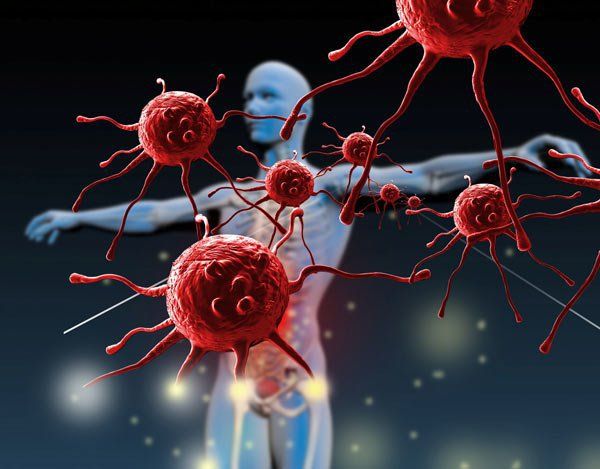
The immune system is not merely a defense against infection — it is also one of the body’s most powerful internal defenses against cancer. Continuously surveilling tissues for abnormal cells, it detects and destroys the vast majority of pre-cancerous and early cancerous cells before they can establish themselves as clinically detectable tumors. Most of us are unaware of the cancer cells our immune systems quietly eliminate throughout our lifetimes.
But cancer, by definition, is the disease that escapes. Established tumors have evolved sophisticated mechanisms to subvert immune surveillance — recruiting immunosuppressive cells, exhausting cytotoxic T cells, and rendering themselves effectively invisible to immune attack. Understanding how cancer evades immunity — and how modern immunotherapy reverses those evasion mechanisms — represents one of the most important medical advances of the past two decades.
This article covers the immune system’s anti-cancer functions, the specific mechanisms by which tumors disable those functions, and the growing arsenal of therapies — checkpoint inhibitors, CAR-T cells, cancer vaccines, and TIL therapy — that restore immunity’s power against cancer.
The Immune System’s Cancer Surveillance Role
Natural Killer Cells — First Responders
Natural killer (NK) cells provide rapid cytotoxic responses without requiring prior sensitization. Normal cells display MHC class I molecules — an “identity signal” that engages NK inhibitory receptors and prevents killing. Cancer cells that have lost MHC class I trigger NK activation and killing via perforin-granzyme cytotoxicity (pore-forming enzymes delivering apoptosis signals) and antibody-dependent cellular cytotoxicity (ADCC) when tumor-reactive antibodies coat cancer cell surfaces.
Dendritic Cells — The Bridge to Adaptive Immunity
Dendritic cells link innate and adaptive immunity. When cancer cells die, DCs in the tumor and draining lymph nodes take up tumor-derived proteins, process them, and present peptide fragments on MHC class I to CD8+ T cells — activating the adaptive anti-tumor immune response. Tumors impair DC function as a strategy to limit effective T cell priming.
CD8+ Cytotoxic T Lymphocytes — The Primary Anti-Tumor Force
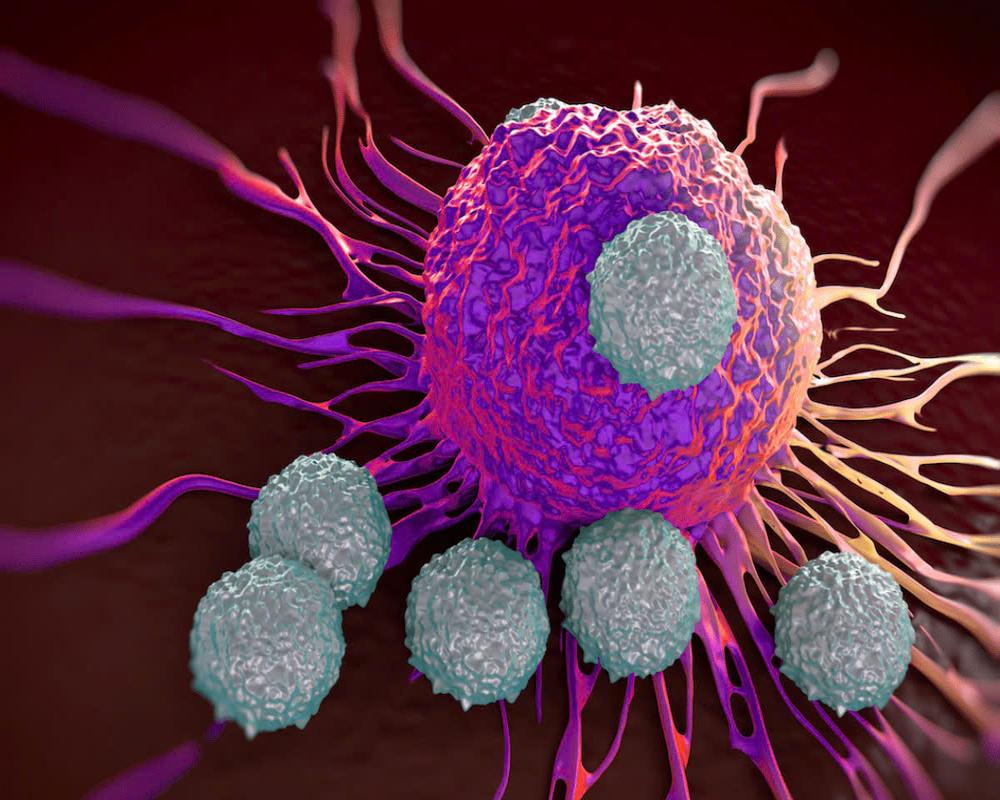
CD8+ cytotoxic T lymphocytes (CTLs) are the immune system’s most potent anti-tumor effectors. When a CTL recognizes a tumor-derived peptide on MHC class I, it deploys:
- Perforin-granzyme cytotoxicity: perforin creates pores in the cancer cell membrane; granzyme B enters and activates the caspase cascade → apoptosis
- Fas-FasL apoptosis: CTLs engage Fas receptors on cancer cells → extrinsic apoptosis pathway
CD8+ T cell infiltration into tumors — the “T cell-inflamed” phenotype — is one of the strongest predictors of immunotherapy response and prognosis across cancer types.
The Cancer Immunoediting Hypothesis
The cancer immunoediting framework (Schreiber et al., Science 2011) describes the immune system–tumor relationship in three phases:
- Elimination: immune system detects and destroys nascent tumor cells; most cancer cells are eliminated before any clinical mass forms
- Equilibrium: surviving cancer cells are held in check in a prolonged standoff — possibly lasting years to decades
- Escape: cancer cells that evolved immune evasion mechanisms break free → clinically detectable, growing tumor
Evidence: organ transplant recipients on immunosuppression have 65–100× elevated skin squamous cell carcinoma rates, EBV-driven lymphomas, and Kaposi sarcoma — demonstrating that intact adaptive immunity actively suppresses cancer in humans.
How Tumors Evade the Immune System
MHC Class I Downregulation
Many tumors reduce or eliminate surface MHC class I expression — rendering themselves invisible to CTL surveillance. The trade-off: this also makes them more vulnerable to NK cells, which is why NK cells and CTLs form complementary surveillance layers.
PD-L1 Upregulation — Adaptive Immune Resistance
The most clinically important evasion mechanism: when CTLs infiltrate a tumor and release IFN-γ attempting to kill cancer cells, IFN-γ paradoxically induces PD-L1 expression on tumor cells → PD-L1 binds PD-1 receptors on CTLs → CTL exhaustion and apoptosis. The tumor adapts: when it senses immune attack, it upregulates the molecule that shuts T cells down.
Building an Immunosuppressive Microenvironment
Tumors actively remodel the tumor microenvironment (TME) by recruiting immunosuppressive cells and secreting suppressive mediators:
- Regulatory T cells (Tregs): suppress CTL and NK activity via IL-10, TGF-β, and adenosine
- M2-polarized tumor-associated macrophages: produce IL-10, TGF-β (suppressing anti-tumor immunity), VEGF (angiogenesis), and MMPs (invasion)
- Myeloid-derived suppressor cells (MDSCs): suppress T cell proliferation via arginine depletion, ROS, and TGF-β
- IDO (indoleamine 2,3-dioxygenase): depletes tryptophan required for T cell proliferation; produces the immunosuppressive metabolite kynurenine
Additional Evasion Strategies
CD47 “don’t eat me” signal: cancer cells overexpress CD47, binding SIRPα on macrophages → prevents phagocytosis. FasL counterattack: cancer cells expressing FasL engage Fas on infiltrating T cells → T cell apoptosis — the tumor literally killing its immune attackers.
Checkpoint Inhibitors — Releasing the Immune Brakes
Understanding immune evasion led directly to immune checkpoint inhibitors — antibodies blocking the inhibitory receptors tumors use to exhaust T cells. The 2018 Nobel Prize in Physiology or Medicine was awarded to James Allison (CTLA-4) and Tasuku Honjo (PD-1) for discovering these checkpoints.
The PD-1/PD-L1 Axis
Anti-PD-1 antibodies — pembrolizumab (Keytruda) and nivolumab (Opdivo) — block the PD-1 receptor on CTLs, restoring T cell activity against PD-L1+ tumors. Pembrolizumab holds FDA approval for more than 20 cancer types — the broadest oncology approval in history. Tumor-agnostic approvals (MSI-H/dMMR solid tumors; TMB-high solid tumors) represent a paradigm shift from tissue-of-origin to biomarker-driven oncology.
The CTLA-4 Checkpoint
Ipilimumab (Yervoy) blocks CTLA-4 in lymph nodes during T cell priming, allowing fuller T cell activation. Combined with nivolumab, it shows synergistic efficacy in melanoma, RCC, NSCLC, and MSI-H CRC by blocking both the priming step and the effector step of anti-tumor immunity.
Clinical Successes
Melanoma: 5-year survival for metastatic melanoma was <5% before ICIs. With nivolumab + ipilimumab (CheckMate 067), 5-year overall survival is approximately 52% — the most dramatic improvement in any metastatic solid tumor in oncology history.
MSI-H/dMMR solid tumors: ~40% objective response rate across tumor types; tumor-agnostic pembrolizumab approval, because MSI-H tumors generate abundant neoantigens that prime strong T cell responses regardless of tissue of origin.
NSCLC: pembrolizumab for PD-L1 ≥50% achieves ~45% ORR vs ~28% for chemotherapy; now first-line standard.
Predictive Biomarkers
| Biomarker | Predictive Value | Notes |
|---|---|---|
| MSI-H/dMMR | Strongest; tumor-agnostic | FDA-approved indication for pembrolizumab |
| TMB-high (≥10 mut/Mb) | Strong; tumor-agnostic | FDA-approved indication for pembrolizumab |
| PD-L1 expression | Moderate; tumor-type dependent | Imperfect — false positives and negatives |
| CD8+ T cell infiltration | Strong correlate; “hot” vs “cold” | Not yet a formal FDA biomarker |
Hot vs Cold Tumors
Hot (T cell-inflamed): MSI-H CRC, melanoma, high-TMB NSCLC, bladder cancer — respond to ICIs. Cold (immune desert): pancreatic cancer, glioblastoma, prostate cancer — absent T cell infiltration; rarely respond to ICI alone. Research focuses on converting cold to hot tumors through combination strategies: radiation, mRNA vaccines to prime new T cells, or VEGF blockade to remove stromal barriers.
Immune-Related Adverse Events (irAEs)
ICIs remove normal immune brakes, causing autoimmune-like inflammation. Common: dermatitis, colitis, pneumonitis, thyroid dysfunction. Less common but serious: myocarditis (~0.1%, potentially fatal), adrenal insufficiency, hypophysitis. Management: hold ICI; mild — monitor; moderate-severe — corticosteroids (prednisone 1–2mg/kg/day); severe refractory — infliximab (colitis) or mycophenolate (hepatitis). Early recognition is critical — most irAEs are reversible with prompt treatment.
CAR-T Cell Therapy — Engineering Immunity Against Cancer
CAR-T cell therapy engineers entirely new anti-cancer immunity by genetically programming a patient’s own T cells to target cancer antigens.
The process:
- T cells collected from the patient via apheresis
- Viral vectors transduce T cells with the CAR gene encoding a cancer antigen-binding domain and T cell activation signals
- CAR-T cells expanded to hundreds of millions in the laboratory
- Patient receives lymphodepleting chemotherapy
- CAR-T cells reinfused; they expand in vivo and target cancer cells expressing the antigen
Approved CD19 CAR-T (for B cell cancers): Tisagenlecleucel (Kymriah) achieves ~81% overall remission in relapsed/refractory pediatric B-ALL. Axicabtagene ciloleucel (Yescarta) and other products are approved for relapsed DLBCL, follicular lymphoma, and mantle cell lymphoma.
Approved BCMA CAR-T (for multiple myeloma): Ciltacabtagene autoleucel (Carvykti) and idecabtagene vicleucel (Abecma) achieve response rates exceeding 90% in heavily pretreated myeloma.
Toxicities: Cytokine release syndrome (CRS) — massive cytokine release → fever, hypotension, hypoxia; managed with tocilizumab for severe cases. ICANS — confusion, aphasia, encephalopathy; managed with corticosteroids. Both manageable in specialized centers.
Solid tumor limitations: antigen heterogeneity (escape), physical TME barriers, and immunosuppressive TME inactivating CAR-T after infiltration remain active research challenges.
Cancer Vaccines — Teaching the Immune System to Attack
Proven preventive vaccines: HPV vaccine prevents HPV 16/18 → ~70% of cervical cancers. HBV vaccine prevents chronic HBV → HBV-driven HCC (Taiwan: >70% HCC reduction in vaccinated cohorts). These are among the most effective cancer prevention interventions in existence.
Personalized mRNA cancer vaccines (emerging): mRNA-4157/V940 (Moderna + Merck) sequences each patient’s tumor, identifies up to 34 tumor-specific neoantigens, and manufactures a personalized mRNA vaccine. In a randomized Phase II trial (KEYNOTE-942) in high-risk resected melanoma, mRNA vaccine + pembrolizumab reduced risk of recurrence or death by approximately 44% vs pembrolizumab alone. Phase III trials enrolling across multiple tumor types.
TIL Therapy and Bispecific Antibodies
TIL Therapy
Lifileucel (Amtagvi) — FDA-approved February 2024 for unresectable or metastatic melanoma previously treated with ICI and BRAF-targeted therapy. First TIL therapy approval; ORR ~31% in heavily pretreated patients. Active research: cervical cancer (~44% Phase II ORR in platinum-refractory disease), NSCLC, breast cancer.
Bispecific Antibodies
Bispecific antibodies simultaneously bind a cancer antigen and CD3 on T cells — physically bridging T cells to cancer cells and triggering killing independent of T cell receptor specificity:
- Blinatumomab (Blincyto): CD19/CD3 for B-ALL
- Teclistamab (Tecvayli): BCMA/CD3 for multiple myeloma; ~63% ORR (MajesTEC-1)
- Mosunetuzumab (Lunsumio) and epcoritamab (Epkinly): CD20/CD3 for lymphoma
What Affects Immune Function Against Cancer
Chronic stress: HPA and SNS activation suppress NK and CTL function through cortisol-mediated lymphopenia and catecholamine-driven β-adrenergic signaling that promotes pro-tumor macrophage polarization.
Aging (immunosenescence): Thymic involution reduces naive T cell output; DC antigen presentation declines; NK cell cytotoxicity falls; “inflammaging” promotes pro-tumor immune phenotypes. Cancer’s steep age-related incidence curve reflects accumulated mutations compounded by declining immune surveillance.
Exercise: Pedersen et al. (Cell 2016) demonstrated voluntary running suppressed tumor growth in mice through epinephrine-driven NK cell mobilization via IL-6. High-intensity exercise transiently elevates adrenaline → NK cells redistribute to tumor-bearing tissues → increased cytotoxic activity. Human observational data consistently associates physical activity with reduced cancer incidence and improved survival.
Gut microbiome: Greater abundance of Faecalibacterium prausnitzii and Bifidobacterium predicts ICI response. Antibiotic use within 30 days before ICI initiation significantly reduces efficacy. Mechanism: specific gut bacteria stimulate systemic DC activation and Th1 responses that enhance anti-tumor immunity.
Immunosuppressive medications: Transplant recipients have 65–100× elevated skin cancer rates, frequent PTLD, and Kaposi sarcoma — the clearest human evidence that intact adaptive immunity prevents cancer.
Frequently Asked Questions
Does the immune system fight cancer?
Yes — and continuously. NK cells, cytotoxic T lymphocytes, and macrophages collectively eliminate the vast majority of pre-cancerous cells before they develop into detectable tumors. The dramatically elevated cancer risk in severely immunosuppressed patients demonstrates this cancer-suppressive function. Cancer, by definition, is the disease that found ways to evade this surveillance. Modern immunotherapy is built on reversing those evasion mechanisms.
What is cancer immunotherapy?
A broad category of treatments that harness or enhance the immune system against cancer. Major approved categories: immune checkpoint inhibitors (antibodies blocking PD-1, PD-L1, or CTLA-4 to restore T cell activity), CAR-T cell therapy (genetically engineered T cells targeting cancer antigens), preventive cancer vaccines (HPV, HBV) and personalized mRNA vaccines in development, TIL therapy (expanded tumor-infiltrating lymphocytes), and bispecific antibodies that bridge T cells to cancer cells.
What are the side effects of checkpoint inhibitors?
Immune checkpoint inhibitors can cause autoimmune-like inflammatory reactions (immune-related adverse events, irAEs) by removing normal immune brakes. Common: skin rash, colitis, pneumonitis, thyroid dysfunction. Less common but serious: myocarditis, adrenal insufficiency, hypophysitis, neurotoxicity. Most are reversible with prompt corticosteroid treatment, but some can be severe if not recognized early. Regular monitoring during treatment is essential.
Who is eligible for CAR-T cell therapy?
Currently approved for specific relapsed or refractory hematologic malignancies: pediatric/young adult B-ALL, large B cell lymphoma, follicular lymphoma, mantle cell lymphoma, and multiple myeloma. Patients must be well enough to tolerate lymphodepleting chemotherapy and potential toxicities (CRS, ICANS). Requires specialized centers with CAR-T experience. Not yet approved for solid tumors, though clinical trials are ongoing.
Why do some cancers respond to immunotherapy and others don’t?
Tumors with high immunogenicity — many mutations (high TMB), deficient mismatch repair (MSI-H), and existing T cell infiltration (“hot” tumors) — respond well to checkpoint inhibitors. Cold tumors with few mutations and absent T cell infiltration (pancreatic cancer, glioblastoma, prostate cancer) rarely respond because there are few neoantigens and no T cells to reactivate. Research focuses on combination strategies to convert cold to hot: radiation, mRNA vaccines to prime new T cell responses, or VEGF blockade to remove stromal barriers.
Does stress weaken the immune system’s ability to fight cancer?
Chronic stress impairs both NK cell and CTL anti-tumor function through cortisol-mediated lymphopenia and catecholamine-driven suppression of immune effector cell activity. Animal models demonstrate clearly that chronic stress accelerates tumor growth through immune suppression. Evidence from human cancer patients is less mechanistically established but biologically consistent. Stress reduction does not substitute for cancer treatment, but the pathway from chronic stress to impaired anti-tumor immunity is well-characterized.
Can exercise improve immune response to cancer?
The most compelling mechanistic evidence: Pedersen et al. (Cell 2016) demonstrated voluntary running suppressed tumor growth in mice through epinephrine-driven NK cell mobilization to tumor sites. High-intensity exercise transiently elevates adrenaline → NK cells redistribute from peripheral blood to tumors → increased cytotoxic activity. Human observational studies consistently associate physical activity with both reduced cancer incidence and improved cancer survival. Exercise is being studied as an adjunct to immunotherapy in clinical trials.
- Schreiber RD, et al. Cancer immunoediting: integrating immunity’s roles in cancer suppression and promotion. Science. 2011;331:1565–1570.
- Wolchok JD, et al. Nivolumab plus Ipilimumab in Advanced Melanoma. N Engl J Med. 2015;373:1270. (CheckMate 067; 5-year OS update 2019)
- Le DT, et al. PD-1 Blockade in Tumors with Mismatch-Repair Deficiency. N Engl J Med. 2015;372:2509.
- Maude SL, et al. Tisagenlecleucel in Children and Young Adults with B-Cell Lymphoblastic Leukemia. N Engl J Med. 2018;378:439.
- Ribas A, Wolchok JD. Cancer immunotherapy using checkpoint blockade. Science. 2018;359:1350.
- Pedersen L, et al. Voluntary Running Suppresses Tumor Growth through Epinephrine- and IL-6-Dependent NK Cell Mobilization. Cell. 2016;164(5):811–822.
- Gopalakrishnan V, et al. Gut microbiome modulates response to anti–PD-1 immunotherapy in melanoma patients. Science. 2018;359:97.
- Khatri A, et al. Adjuvant pembrolizumab plus individualized neoantigen vaccine (V940) in resected melanoma. Lancet. 2023. (KEYNOTE-942)
- Moreau P, et al. Teclistamab in Relapsed or Refractory Multiple Myeloma. N Engl J Med. 2022;387:495.
- June CH, et al. CAR T cell immunotherapy for human cancer. Science. 2018;359:1361.
I shared this article on cancer and the immune system: how with my doctor and they appreciated the level of detail. The specific numbers and thresholds mentioned are exactly what I needed to understand my lab results. Looking forward to reading more articles from this website.
I have been reading about cancer and the immune system: how for weeks and this is the most thorough guide I have found. The practical tips at the end made this immediately actionable, not just theoretical. Forwarding this to others in my support group who are dealing with similar issues.
This is one of the clearest explanations of cancer and the immune system: how I have found. I appreciated how the article addressed both the clinical side and the practical lifestyle adjustments. Will definitely be coming back to this site for more health information.
Thank you for covering cancer and the immune system: how so thoroughly without being overly technical. I have tried following advice from several sources but this is most consistent with what my specialist told me. Forwarding this to others in my support group who are dealing with similar issues.
I never fully understood cancer and the immune system: how until I read this. This is the kind of evidence-based writing that actually changes how people approach their health. Forwarding this to others in my support group who are dealing with similar issues.
I never fully understood cancer and the immune system: how until I read this. The article answered questions I didn’t even know I had until I started reading. Thank you for making complex medical information accessible without dumbing it down.