
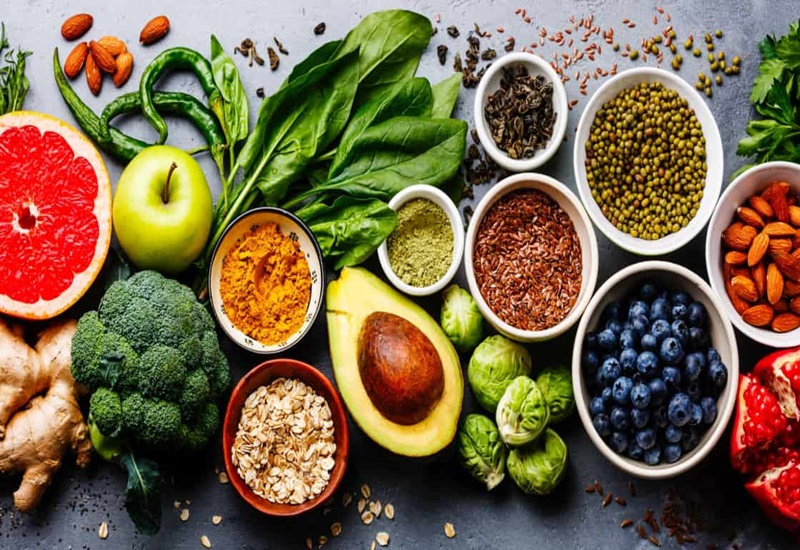
Most cancer prevention advice is written at the level of general lifestyle: eat better, exercise more, don’t smoke. That advice is accurate but rarely specific enough to act on. What should you actually prioritize if you’re concerned about colorectal cancer specifically? Liver cancer? Breast cancer? The primary prevention strategies — and the magnitude of benefit available — differ substantially by cancer type.
This guide takes a different approach. Rather than organizing by prevention domain, it organizes by cancer type — addressing the ten most common and preventable cancers with the specific evidence-backed actions for each. Some of these cancers (cervical, liver, colorectal) have extraordinarily effective prevention tools that make them among the most avoidable diseases in medicine. Others (pancreatic) have fewer modifiable levers, but the ones that exist still matter.
The underlying reality is that 30–50% of all cancers are preventable through known modifiable risk factors (WHO/WCRF). For some specific cancer types, the preventable fraction is far higher. Understanding which prevention actions apply to which cancer type enables a genuinely informed, targeted approach to lifetime cancer risk.
Cancer Prevention at a Glance
| Cancer Type | Primary Prevention | Screening Start Age | Critical Risk Factor |
|---|---|---|---|
| Colorectal | High-fiber diet; limit red/processed meat; colonoscopy | 45 | Diet + sedentary lifestyle |
| Breast | Exercise; healthy weight; limit alcohol; genetic management | 40–50 (mammography) | Hormonal exposure; obesity (postmenopausal) |
| Cervical | HPV vaccination; Pap/HPV screening | 21 | HPV infection |
| Lung | Tobacco cessation; radon testing; occupational protection | 50 (LDCT, high-risk smokers) | Tobacco smoking |
| Liver (HCC) | HBV vaccination; HCV treatment; alcohol limits; weight control | Based on liver disease status | HBV/HCV infection; alcohol; MASH |
| Stomach | H. pylori eradication; dietary changes | By risk level | H. pylori infection |
| Skin | SPF 30+; no indoor tanning; protective clothing | Annual exam (high-risk) | UV radiation |
| Endometrial | Weight management; physical activity | At Lynch syndrome diagnosis | Obesity |
| Prostate | Diet; exercise; shared PSA discussion | 55 (or 45–50 for high-risk) | Age; family history; race |
| Pancreatic | Quit tobacco; weight management; familial surveillance | By genetic risk | Tobacco; obesity; diabetes |
1. Colorectal Cancer Prevention
Colorectal cancer (CRC) is one of the most preventable cancers — and uniquely, colonoscopy is the only cancer screening modality that is simultaneously diagnostic and preventive. Removing adenomatous polyps during colonoscopy prevents their transformation into cancer, rather than merely detecting it early.
Key prevention actions:
- Colonoscopy from age 45: Average-risk adults should begin at 45 (ACS 2018; USPSTF 2021). Alternatives: annual FIT, stool DNA test every 1–3 years, or CT colonography every 5 years.
- Dietary fiber 30g+/day: Meta-analyses show approximately 10% reduced CRC risk per additional 10g/day of fiber. Lentils, chickpeas, raspberries, and whole grains are practical sources.
- Limit red meat; eliminate processed meat: WCRF recommends ≤350–500g cooked red meat per week. Processed meat is IARC Group 1 for CRC — 50g/day increases risk by approximately 18%.
- Physical activity: Reduces colon cancer risk by approximately 20–24% through reduced colonic transit time, lower insulin, and reduced inflammation.
- Aspirin in Lynch syndrome: 600mg/day for ≥2 years reduced CRC incidence by ~50% (CAPP2 trial, Lancet 2011).
High-risk groups requiring enhanced surveillance:
- Lynch syndrome: Colonoscopy every 1–2 years from age 20–25; aspirin chemoprevention after discussion
- Familial adenomatous polyposis (FAP): Annual flexible sigmoidoscopy from 10–12; prophylactic colectomy in the teens
- Inflammatory bowel disease: Extensive UC: colonoscopy every 1–3 years after 8–10 years of disease
2. Breast Cancer Prevention
Breast cancer risk is substantially modifiable — and becomes even more manageable when genetic predisposition is identified and addressed appropriately.
- Regular physical activity: Associated with approximately 20–25% reduced postmenopausal breast cancer risk through reduced circulating estrogen, insulin, and inflammatory cytokines.
- Maintain healthy weight (especially postmenopausal): Adipose tissue aromatase drives ER-positive breast cancer. Each unit of excess BMI incrementally raises risk.
- Limit alcohol: Even one drink per day is associated with approximately 7–10% increased breast cancer risk in women. No safe threshold for breast cancer.
- Breastfeed if able: Approximately 4% reduced maternal breast cancer risk per year of cumulative breastfeeding (Collaborative Group, Lancet 2002).
Chemoprevention for high-risk women: Tamoxifen and raloxifene reduce breast cancer incidence by approximately 38–49% in high-risk women (USPSTF Grade B recommendation). Validated risk models (Tyrer-Cuzick, Gail) estimate individual 5-year risk.
BRCA1/2 carriers — specialized risk reduction:
- Annual breast MRI + mammography from age 25–30
- Risk-reducing salpingo-oophorectomy (RRSO): reduces ovarian cancer risk ~95%; reduces breast cancer risk ~50% for BRCA1 carriers when done premenopausally
- Risk-reducing mastectomy: reduces breast cancer risk by 90–95%
3. Cervical Cancer Prevention
Cervical cancer is one of the most preventable cancers in existence. The combination of HPV vaccination and regular screening can reduce cervical cancer incidence and mortality by over 90% in populations where both are consistently applied.
HPV vaccination: Gardasil 9 protects against HPV types 6, 11, 16, 18, 31, 33, 45, 52, and 58 — covering approximately 90% of HPV-attributable cancers. HPV 16 and 18 alone cause approximately 70% of cervical cancers. Recommended at ages 9–26, ideally at 11–12 before sexual debut; FDA-approved up to age 45 for eligible unvaccinated individuals. Also prevents oropharyngeal, vulvar, vaginal, anal, and penile cancers.
Cervical screening: Pap smear every 3 years from age 21; HPV co-testing every 5 years from age 30. Countries with universal HPV vaccination programs are already documenting dramatic reductions in cervical precancer in vaccinated cohorts.
4. Lung Cancer Prevention
Approximately 85% of lung cancer cases are attributable to tobacco smoking — making lung cancer the clearest example of a major cancer that is substantially preventable through a single behavioral change.
- Quit smoking: After 10 years of abstinence, former smokers have approximately 50% lower lung cancer risk than continuing smokers. Use combination therapy: varenicline + behavioral counseling produces the highest quit rates.
- Test your home for radon: Second-leading lung cancer cause in the US; ~21,000 deaths/year. Self-test kits cost $15–30. EPA action level: 4 pCi/L. Sub-slab depressurization reduces radon by 90%+.
- Avoid secondhand smoke: 20–30% increased lung cancer risk for non-smokers with regular exposures.
- Monitor air quality: PM2.5 is an IARC Group 1 carcinogen. Check air quality index; use HEPA air purifiers indoors.
Lung cancer screening: Annual low-dose CT (LDCT) for adults aged 50–80 with ≥20 pack-year smoking history who currently smoke or quit within 15 years — reduces lung cancer mortality by approximately 20% (NLST, N Engl J Med 2011).
5. Liver Cancer (HCC) Prevention
Hepatocellular carcinoma (HCC) is among the most preventable cancers through vaccination and treatment of viral hepatitis.
HBV vaccination: Prevents chronic HBV responsible for ~80% of HCC globally. Population-level programs have produced >70% reduction in HCC incidence in vaccinated birth cohorts (Chang MH et al., N Engl J Med 1997). Universal infant vaccination is recommended; unvaccinated adults should complete the series.
HCV treatment: Direct-acting antivirals achieve HCV cure in >95% of treated patients. Successful eradication reduces HCC risk by approximately 60–70%. Universal HCV screening is now recommended for all adults.
Additional prevention: Limit alcohol (reduces cirrhosis progression); manage weight (addresses MASH pathway to HCC); avoid aflatoxin B1 (IARC Group 1 liver carcinogen from moldy grain and nuts).
6. Stomach Cancer Prevention
Stomach cancer incidence varies dramatically by geography, largely due to H. pylori prevalence and dietary patterns.
H. pylori eradication: H. pylori is an IARC Group 1 carcinogen that causes most non-cardia gastric cancers through decades of progressive mucosal damage. Antibiotic-based eradication reduces gastric cancer risk by approximately 35%. Recommended testing and treatment for: immigrants from high-incidence countries, first-degree relatives of gastric cancer patients, unexplained iron deficiency, and chronic dyspepsia.
Dietary prevention: Limit salt-cured, smoked, and pickled foods (nitrosamines); increase vegetables and fruits, particularly vitamin C-rich foods that inhibit nitrosation.
CDH1/hereditary diffuse gastric cancer: Germline CDH1 mutations carry approximately 80% lifetime risk of diffuse gastric cancer. Prophylactic total gastrectomy is recommended for carriers after appropriate counseling — it eliminates gastric cancer risk in the context of near-inevitable malignancy.
7. Skin Cancer Prevention
Skin cancer is the most common cancer in the US and among the most directly preventable.
- SPF 30+ broad-spectrum sunscreen daily, 15–30 minutes before outdoor exposure, reapplied every 2 hours and after water exposure. Blocks approximately 97% of UVB.
- Protective clothing: long sleeves, wide-brim hat (≥3 inch brim), UV-blocking sunglasses
- Seek shade between 10am and 4pm when UV index peaks. UVA penetrates clouds and car windows — daily protection matters even on overcast days.
- Never use indoor tanning beds: IARC Group 1 carcinogens. Using one before age 35 increases melanoma risk by 59–75%.
- Annual full-body skin exam by a dermatologist for high-risk individuals (personal/family history of melanoma, numerous moles, chronic high UV exposure)
8. Endometrial Cancer Prevention
Endometrial cancer is the most common gynecologic cancer in the US — and its primary modifiable driver makes it one of the most directly preventable.
Weight management is the central prevention action: obesity accounts for an estimated 40% of endometrial cancer cases in developed countries through adipose aromatase-derived estrogen driving endometrial proliferation. A 5-unit BMI increase above normal increases risk by approximately 50%.
Physical activity reduces endometrial cancer risk by approximately 20–40% independently of weight.
Combined oral contraceptives reduce endometrial cancer risk by approximately 30–50%, with protection persisting years after discontinuation.
Lynch syndrome: Carriers face 40–60% lifetime endometrial cancer risk. Recommended: annual endometrial biopsy from age 30–35; risk-reducing hysterectomy + bilateral salpingo-oophorectomy is an option for women who have completed childbearing.
9. Prostate Cancer Prevention and Screening
Prostate cancer prevention has fewer high-certainty modifiable levers than many other cancer types, but diet, activity, and informed screening decisions carry meaningful evidence.
- Mediterranean diet pattern: epidemiological associations with lower prostate cancer risk, likely through anti-inflammatory pathways
- Lycopene/cooked tomatoes: consistent association with reduced prostate cancer risk; bioavailability increases with cooking in olive oil
- Finasteride/dutasteride: reduce prostate cancer incidence by approximately 25% (PCPT trial); discuss with physician for men at elevated risk
- PSA screening: shared decision-making from age 55 for average-risk men; earlier at 45–50 for Black men and those with first-degree relatives with prostate cancer. BRCA2 carriers face approximately 5–8× elevated risk and may benefit from earlier intensive surveillance.
10. Pancreatic Cancer — Reducing What You Can
Pancreatic cancer has limited early detection tools, but for individuals with relevant risk factors, available preventive actions are still meaningful.
- Quit tobacco: Smokers have approximately 2× the pancreatic cancer risk of non-smokers; risk falls with cessation.
- Manage weight and blood glucose: Obesity and long-standing type 2 diabetes are associated with elevated risk through hyperinsulinemia.
- Limit chronic heavy alcohol: Causes chronic pancreatitis — a recognized precursor to pancreatic cancer.
Hereditary surveillance: BRCA2 (~3.5–5×), PALB2 (~3×), ATM (~2×), Lynch syndrome (~2×), and Peutz-Jeghers syndrome (~130×) significantly elevate risk. Annual endoscopic ultrasound (EUS) and MRCP surveillance through a familial pancreatic cancer program can detect cystic precursor lesions. Refer individuals with multiple affected first-degree relatives to a structured familial surveillance program.
Frequently Asked Questions
Which cancer is most preventable?
Cervical cancer has the highest preventable fraction — combining HPV vaccination (near-eliminates the primary cause) with Pap/HPV screening (detects precancerous lesions) can prevent the great majority of cases. Liver cancer is comparably preventable with access to HBV vaccination and HCV treatment. Lung cancer is most preventable in absolute numbers because tobacco cessation can eliminate ~85% of cases. Colorectal cancer is uniquely preventable through colonoscopy, which removes the precancerous lesions themselves.
What is the single most important cancer prevention action?
Tobacco avoidance — or cessation if you smoke — is the single highest-value action across cancer types, responsible for approximately 30% of cancer deaths across 15+ cancer types. Beyond that, the answer is cancer-type-specific: HPV vaccination for cervical cancer; HBV vaccination for liver cancer; colonoscopy for colorectal cancer; healthy body weight for endometrial, breast (postmenopausal), kidney, and many other cancers.
Does cancer prevention differ by sex?
Yes. Breast, cervical, and endometrial cancers are female-specific; prostate cancer is male-specific. Alcohol’s breast cancer effect occurs in women at low drinking thresholds. Sex-specific screening schedules (Pap, mammography, PSA) reflect these differences. However, the majority of prevention principles — tobacco, weight, diet, exercise, vaccinations — apply equally across sexes.
Can young people develop preventable cancers?
Yes. HPV vaccination is most effective at 11–12 (before any exposure) — protecting against cancers that may not develop for decades. Young smokers accumulate decades of tobacco-related cancer risk. Melanoma occurs in young adults, particularly those who used indoor tanning devices in their teens and 20s. Familial cancer syndromes (BRCA, Lynch, FAP) cause cancer in young adults, and surveillance programs appropriately start in the 20s.
How do I know if I need genetic testing?
Referral to a genetic counselor is appropriate if you have: first-degree relatives with cancer before age 50; multiple relatives with the same or related cancers; specific cancer types with high hereditary fractions (ovarian, pancreatic, male breast); two or more cancer primaries in one individual; or Ashkenazi Jewish ancestry with relevant cancers. A structured family history review is the first step.
Does preventing one cancer increase the risk of another?
In general, no. Most prevention strategies (tobacco avoidance, healthy weight, physical activity, plant-rich diet) reduce risk across multiple cancer types simultaneously. Some nuances: risk-reducing surgery for hereditary syndromes eliminates one cancer’s risk while requiring ongoing surveillance for others. Tamoxifen for breast cancer prevention increases endometrial cancer risk marginally — managed with routine gynecologic follow-up. These tradeoffs are addressed in genetic counseling or preventive oncology consultations.
What cancers have the best screening for early detection?
Colorectal cancer has the strongest screening evidence, both for early detection and for prevention via polyp removal. Cervical cancer screening (Pap/HPV) effectively detects precancer. Breast cancer mammography reduces mortality, particularly in women 40–74. Lung LDCT demonstrates approximately 20% mortality reduction in high-risk smokers. Prostate PSA requires careful shared decision-making due to overdiagnosis concerns. Ovarian, pancreatic, and liver cancer lack validated general-population screening tools, though surveillance is appropriate in high-risk individuals.
- World Cancer Research Fund / American Institute for Cancer Research. Diet, Nutrition, Physical Activity and Cancer: A Global Perspective. Third Expert Report. WCRF/AICR, 2018.
- International Agency for Research on Cancer. IARC Monographs Vols 61, 100B, 100D, 100E, 114. Lyon: IARC.
- Burn J, et al. Long-term effect of aspirin on cancer risk in carriers of hereditary colorectal cancer: CAPP2 trial. Lancet. 2011;378:2081.
- Chang MH, et al. Universal hepatitis B vaccination in Taiwan and the incidence of hepatocellular carcinoma in children. N Engl J Med. 1997;336:1855.
- Thompson IM, et al. Finasteride and the development of prostate cancer. N Engl J Med. 2003;349:215.
- Collaborative Group on Hormonal Factors in Breast Cancer. Breast cancer and breastfeeding. Lancet. 2002;360:187.
- National Lung Screening Trial Research Team. Reduced lung-cancer mortality with low-dose CT screening. N Engl J Med. 2011;365:395.
- Domchek SM, et al. Association of risk-reducing surgery in BRCA1 or BRCA2 mutation carriers with cancer risk and mortality. JAMA. 2010;304:967.
- IARC Working Group. Body Fatness and Cancer. N Engl J Med. 2016;375:794.
- American Cancer Society. Cancer Prevention & Early Detection Facts & Figures 2023–2024. Atlanta: ACS, 2023.
Came across this while researching the cancer prevention guide: what to for a family member. The connection between diet, lifestyle, and long-term outcomes is explained clearly here. Looking forward to reading more articles from this website.
My cardiologist recommended I look into the cancer prevention guide: what to and this article covered it perfectly. The practical tips at the end made this immediately actionable, not just theoretical. Will definitely be coming back to this site for more health information.
My cardiologist recommended I look into the cancer prevention guide: what to and this article covered it perfectly. I appreciated how the article addressed both the clinical side and the practical lifestyle adjustments. I wish I had found this article when I was first diagnosed — would have saved a lot of confusion.
My doctor recommended I look into the cancer prevention guide: what to and this article covered it perfectly. I especially valued the explanation of why these recommendations exist, not just what they are. Shared this with three friends who are dealing with related issues. Very useful resource.
As someone dealing with this personally, the the cancer prevention guide: what to section was very helpful. I have tried following advice from several sources but this is most consistent with what my specialist told me. Looking forward to reading more articles from this website.
As someone dealing with this personally, the the cancer prevention guide: what to section was very helpful. The practical tips made this immediately actionable, not just theoretical. Forwarding this to others in my support group who are dealing with similar issues.