
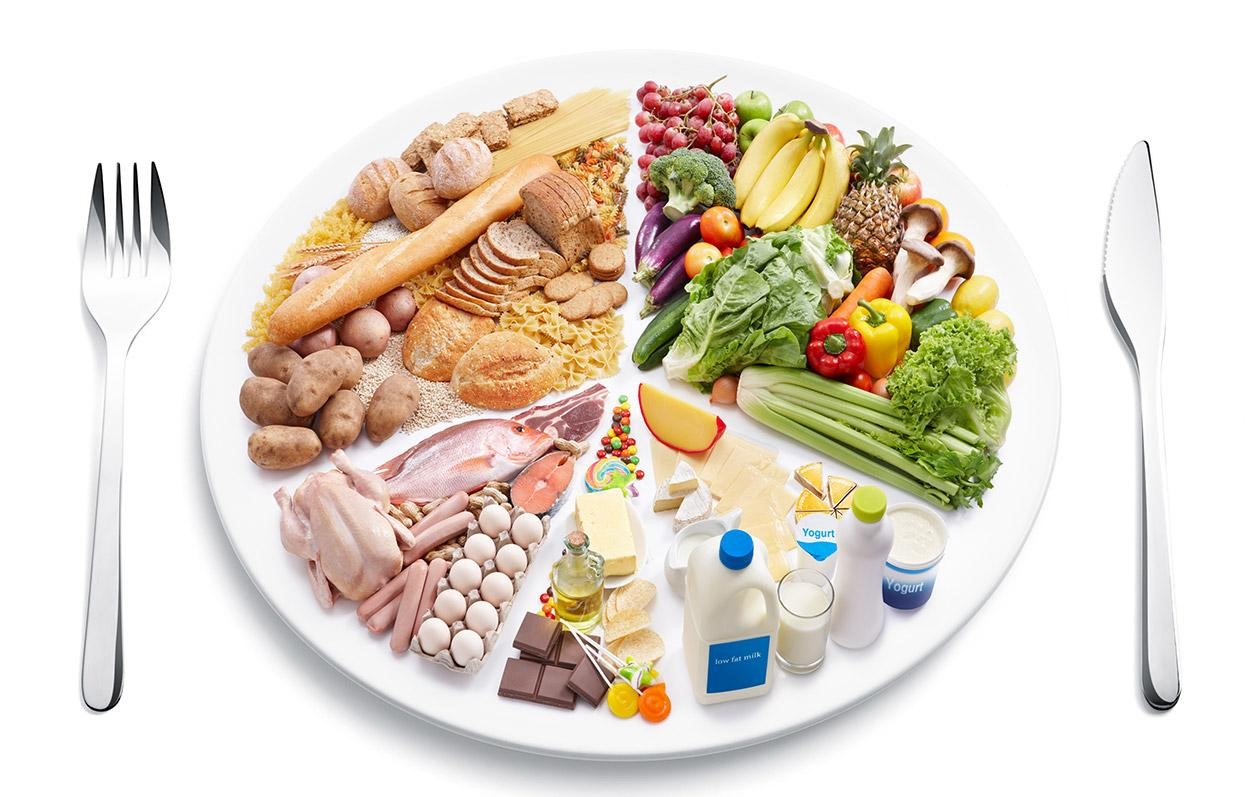
The relationship between diet and cancer is real, complex, and frequently misrepresented in both directions. Proponents of cancer-fighting superfoods often overstate what individual foods can do. Skeptics dismiss the diet-cancer connection entirely. The science lands somewhere more nuanced: dietary patterns, sustained over years and decades, shift cancer risk in measurable ways — not through magic ingredients, but through multiple overlapping biological mechanisms that either promote or constrain carcinogenesis.
The World Cancer Research Fund’s comprehensive systematic review found that diet, nutrition, and physical activity collectively account for approximately 30–35% of cancer deaths worldwide — roughly comparable to tobacco’s share in developed countries. This article focuses specifically on the diet component: what food does to cancer biology at the cellular level, which foods have the strongest evidence for increasing or reducing cancer risk, and what the evidence actually supports versus what is commonly claimed.
One framing point before going further: diet’s effects on cancer are probabilistic and long-horizon. Consuming 50 grams of processed meat daily for decades is associated with approximately 18% higher colorectal cancer risk — a meaningful shift in probability accumulated across a lifetime. This is how diet-cancer relationships work, and it is fundamentally different from the caricature of “broccoli cures cancer.”
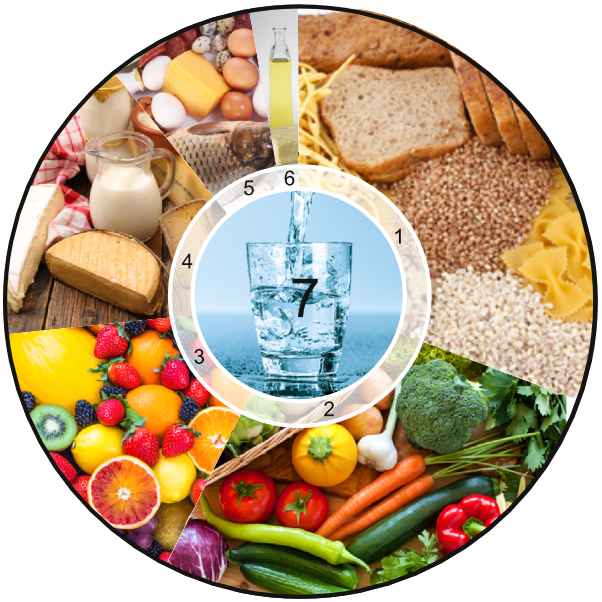
How Diet Influences Cancer at the Cellular Level
Inflammation
Chronic low-grade inflammation is a recognized cancer-promoting state. NF-κB — the master transcription factor of the inflammatory response — when chronically activated drives production of pro-inflammatory cytokines (IL-6, TNF-α, IL-1β) that promote cell survival, proliferation, and angiogenesis. COX-2, induced by NF-κB, converts arachidonic acid to prostaglandin E2 (PGE2), with direct tumor-promoting effects.
Pro-inflammatory dietary patterns: high saturated fat and refined carbohydrates; trans fats; alcohol; high-temperature-cooked processed meat (generates Advanced Glycation End Products that activate RAGE receptors → NF-κB).
Anti-inflammatory patterns: omega-3 fatty acids (EPA, DHA) from fatty fish; polyphenols from berries, tea, and olive oil; dietary fiber fermented to butyrate which directly inhibits NF-κB in colonic epithelium.
The Insulin/IGF-1 Axis
High-glycemic-index foods spike blood glucose → insulin release → chronically elevated insulin activates the insulin/IGF-1 receptor → PI3K/AKT/mTOR signaling cascade → cell proliferation and inhibited apoptosis. This pathway is among the most consistently activated in cancer cells. Dietary fiber, protein, and fat with meals blunt insulin response; whole grains produce significantly lower insulin spikes than refined carbohydrates.
Carcinogen Formation in Food
- N-nitroso compounds (NOCs): Heme iron in red meat and nitrites added to processed meat form NOCs in the colon — DNA adducts in colonocytes
- Heterocyclic amines (HCAs): Formed when muscle protein reacts above ~200°C during grilling or pan-frying; IARC Group 2A
- PAHs: Fat dripping onto flames during grilling; IARC Group 2A
- Aflatoxin B1: Aspergillus mold on grain, corn, and nuts in humid storage; IARC Group 1 liver carcinogen
Antioxidant Defense
Reactive oxygen species (ROS) cause oxidative DNA damage that drives mutagenesis. Dietary antioxidants neutralize ROS: vitamin C (citrus), vitamin E (nuts), carotenoids (lycopene, beta-carotene), and polyphenols from plant foods broadly.
Critical caveat: Food-based antioxidants are protective; high-dose supplements can be harmful. In the ATBC trial, beta-carotene supplementation in male smokers increased lung cancer by 18% and total mortality by 8%. Whole foods contain hundreds of interacting compounds that isolated supplements cannot replicate.
Gut Microbiome and Butyrate
Dietary fiber fermented by colonic bacteria produces short-chain fatty acids — primarily butyrate, the preferred energy source for colonocytes. Butyrate inhibits histone deacetylase (HDAC — an epigenetic mechanism repressing pro-cancer gene expression) and directly inhibits NF-κB. Low-fiber diets reduce butyrate production, reduce microbiome diversity, and allow protein fermentation to hydrogen sulfide and secondary bile acids that are genotoxic to colonocytes.
Folate and DNA Methylation
Adequate folate is essential for one-carbon metabolism supplying methyl groups for DNA methylation. Folate deficiency → aberrant DNA methylation → promoter hypomethylation of oncogenes. Alcohol directly depletes circulating folate. Meeting folate needs through food (leafy greens, legumes, fortified grains) is associated with lower CRC risk.
Foods That Increase Cancer Risk
Processed Meat — IARC Group 1
Processed meat — bacon, sausage, hot dogs, salami, deli meats, corned beef — was classified by IARC in 2015 as a Group 1 carcinogen for colorectal cancer: the same certainty-of-evidence category as tobacco smoke and asbestos.
The dose-response: approximately 50 grams per day (two rashers of bacon, one small sausage) is associated with approximately 18% increased colorectal cancer risk. No safe consumption level has been established.
Mechanisms: added nitrites react with heme iron to form N-nitroso compounds in the colon; high-temperature cooking generates HCAs and PAHs; heme iron catalyzes oxidative DNA damage in colonic epithelium.
Red Meat — IARC Group 2A
Fresh red meat (beef, pork, veal, lamb) is classified as Group 2A — probably carcinogenic — for colorectal cancer. WCRF’s 2018 meta-analysis found approximately 17% increased CRC risk per 100g/day. Heme iron concentration in red meat is far higher than in poultry or fish, catalyzing both the Fenton reaction (hydroxyl radical production → DNA damage) and NOC formation.
WCRF recommendation: limit to ≤350–500g cooked weight per week; cook at lower temperatures; marinate before grilling.
Alcohol — IARC Group 1 for Multiple Cancers
Alcohol is causally linked to cancers of the mouth, pharynx, larynx, esophagus, liver, colorectum, and female breast. Acetaldehyde (primary ethanol metabolite) forms DNA adducts and disrupts DNA repair. Alcohol also generates ROS, depletes circulating folate, and in women raises circulating estrogen — driving ER-positive breast cancer.
The dose-response begins at the lowest levels: even one standard drink per day is associated with approximately 7–10% higher breast cancer risk in women. No established safe alcohol level for cancer prevention.
Ultra-Processed Foods — NOVA Group 4
Ultra-processed foods — packaged snacks, mass-produced bread, soft drinks, instant noodles, reconstituted meat products — are characterized by industrial additives (emulsifiers, preservatives, artificial flavors, colors), high energy density, and near-absence of unprocessed components.
The French NutriNet-Santé cohort (Fiolet T et al., BMJ 2018, n=104,980) found that a 10% increase in ultra-processed food consumption was associated with 12% higher all-cancer risk and 11% higher breast cancer risk. Multiple subsequent studies have replicated these associations.
High-Temperature Cooking
Grilling and pan-frying muscle meat above 200°C generates HCAs and PAHs (both IARC Group 2A). Risk reduction: marinate before grilling (acid-based marinades reduce HCA formation up to 90%); cook at lower temperatures; avoid charring; flip frequently; pre-cook briefly in microwave before grilling.
Foods That Reduce Cancer Risk
Cruciferous Vegetables
Broccoli, cauliflower, Brussels sprouts, kale, cabbage, bok choy, and arugula contain glucosinolates metabolized (by chopping or chewing) to sulforaphane and other isothiocyanates.
Sulforaphane activates the Nrf2 transcription factor — upregulating Phase II detoxification enzymes that neutralize carcinogens, while simultaneously inhibiting Phase I CYP450 enzymes that activate procarcinogens. Indole-3-carbinol modulates estrogen metabolism toward less estrogenic metabolites. Epidemiological associations: consistent inverse links with bladder and lung cancer; moderate associations with CRC.
Dietary Fiber
WCRF 2018: approximately 10% reduced colorectal cancer risk per additional 10g/day of fiber — a dose-response relationship confirmed across large cohort studies. Most adults consume 15–17g/day; reaching 30g/day is achievable through concentrated plant food intake.
Mechanisms: butyrate production (anti-proliferative, NF-κB inhibitor); reduced colonic transit time; carcinogen dilution; reduction in secondary bile acids; blunted post-meal insulin response.
High-fiber foods: cooked lentils (16g/cup), split peas (16g/cup), black beans (15g/cup), chickpeas (12g/cup), raspberries (8g/cup), whole wheat pasta (6g/cup), broccoli (5g/cup).
Whole Grains
Beyond their fiber, whole grains contain phytic acid (antioxidant chelating iron), lignans, and saponins. Meta-analyses show approximately 17% lower CRC risk in the highest whole grain consumers (≥3 servings/day) vs. lowest (WCRF 2018; Aune D et al., BMJ 2016).
Tomatoes and Lycopene
Lycopene — the fat-soluble red carotenoid in tomatoes — quenches singlet oxygen, activates PPARγ (anti-proliferative), and inhibits IGF-1 signaling. Over 30 epidemiological studies associate higher tomato intake with reduced prostate cancer risk. Key bioavailability finding: cooked and processed tomatoes (sauce, paste, canned) deliver significantly more bioavailable lycopene than raw tomatoes — adding olive oil further increases absorption. Tomato paste is the most concentrated source.
Coffee
Multiple large prospective cohort studies find approximately 40% lower liver cancer (HCC) risk in individuals consuming 3–4 cups/day versus non-drinkers. The 2016 IARC re-evaluation moved coffee from Group 2B (“possible carcinogen”) to Group 3 (“not classifiable”) for most cancers, while noting decreased risk for liver and endometrial cancer.
Mechanisms: chlorogenic acids (antioxidants that reduce hepatic inflammation); cafestol and kahweol (in unfiltered coffee) induce Phase II detoxification enzymes.
One exception: Very hot beverages (>65°C) are IARC Group 2A for esophageal cancer — a concern about temperature, not coffee’s composition specifically.
Green Tea and EGCG
EGCG (epigallocatechin-3-gallate), green tea’s primary catechin, inhibits VEGF (anti-angiogenic), mTOR (reduces cancer cell survival), and induces apoptosis. Epidemiological evidence is strongest for gastric cancer risk reduction in high-consumption Japanese populations.
Garlic and Alliums
Garlic, onions, leeks, and chives contain organo-sulfur compounds (allicin, diallyl disulfide) that inhibit CYP2E1 (reducing nitrosamine formation), induce apoptosis, and inhibit H. pylori. Meta-analyses report 30–50% lower gastric and CRC risk in highest-consumption groups in some populations.
Dietary Patterns — The Evidence Beyond Individual Foods
Mediterranean Diet
Olive oil as primary fat, abundant vegetables and legumes, whole grains, fish, limited red meat — associated with approximately 10–20% reduced overall cancer incidence in meta-analyses of prospective studies, with consistent evidence for colorectal, breast, gastric, and liver cancers. Its cancer-preventive profile reflects converging mechanisms: anti-inflammatory omega-3 and polyphenols, high dietary fiber, phytochemical diversity from vegetable variety, and absence of processed meat.
Plant-Based Diets
Vegetarian and vegan patterns show approximately 15–25% lower overall cancer incidence (Adventist Health Studies, EPIC-Oxford). The protective signal comes from high fiber and phytochemical diversity combined with absence of red/processed meat — not simply from avoiding animal products. Plant-based diets high in refined carbohydrates or ultra-processed plant foods do not show the same benefit.
Western Diet
High in red and processed meat, refined carbohydrates, added sugars, and saturated fat; low in vegetables, fiber, and whole grains — consistently associated with elevated colorectal, breast, and endometrial cancer risk across large cohort studies.
Cancer-Specific Dietary Evidence
Colorectal cancer: Fiber (–10%/10g/day), processed meat (+18%/50g/day — IARC Group 1), red meat (+17%/100g/day), whole grains (–17%), alcohol (dose-dependent increase). Modest evidence: calcium (–15%), folate from food.
Breast cancer: Alcohol is the most established dietary risk factor (7–10% per drink/day). Postmenopausal obesity-driving patterns increase risk through aromatase-estrogen pathways. Soy/isoflavones: the epidemiological consensus finds no increased breast cancer risk at typical dietary intake; the ACS states soy foods are safe for breast cancer survivors.
Gastric cancer: Salt-cured and smoked foods increase risk (NOC pathway); fruits and vegetables are inversely associated; H. pylori and dietary salt synergize.
Liver cancer: Alcohol (cirrhosis pathway) increases risk; coffee strongly inversely associated (~40% lower at 3–4 cups/day); aflatoxin B1 is the primary dietary liver carcinogen in high-exposure populations.
Prostate cancer: Lycopene/tomatoes show consistent inverse associations. High dairy intake — a possible modest positive association in some large cohorts — remains an active area of investigation.
Supplements vs. Whole Foods — A Critical Distinction
The repeated failure of antioxidant supplementation trials to reduce cancer risk — and documented harm in some — is one of the most important lessons in cancer prevention research.
ATBC trial (1994): 29,133 Finnish male smokers. Beta-carotene 20mg/day. Result: +18% lung cancer, +8% total mortality.
CARET trial (1996): 18,314 smokers/asbestos workers. Beta-carotene 30mg + retinol. Result: +28% lung cancer, +17% total mortality. Trial terminated 21 months early.
SELECT trial: Vitamin E 400 IU/day in healthy men — no prostate cancer reduction; possible modest increase at high doses.
WCRF Recommendation: Do not use dietary supplements to prevent cancer. Meet nutritional needs through food.
VITAL trial (2022) — emerging exception: 25,871 US adults. Vitamin D3 2,000 IU/day + omega-3 1g/day. Result: vitamin D3 significantly reduced cancer mortality by 13%; omega-3 reduced cancer mortality by approximately 15–17%. The first large RCT demonstrating a cancer mortality benefit from specific supplementation — generating ongoing investigation, particularly in individuals with low baseline vitamin D.
Frequently Asked Questions
Can a specific diet prevent cancer?
No single diet prevents cancer with certainty, but dietary patterns meaningfully shift cancer probability over a lifetime. The most evidence-backed pattern — Mediterranean or plant-rich whole food diet — is associated with approximately 10–20% lower overall cancer incidence and stronger reductions for specific cancer types. “Prevention” in the absolute sense is not guaranteed; “risk reduction” over decades is what the evidence supports.
Are organic foods better for cancer prevention?
The evidence for cancer-specific benefits of organic versus conventional produce is insufficient for a strong recommendation. Organic produce has lower pesticide residue levels, but epidemiological data have not demonstrated that conventional produce’s pesticide residues — at typical dietary exposure levels — significantly increase cancer risk. The most impactful dietary change is increasing total vegetable and fruit intake, regardless of whether it is organic or conventional.
What is the best diet for people at high cancer risk?
Dietary priorities: (1) eliminate processed meat; (2) limit red meat to ≤350–500g cooked/week; (3) reach 30g+ fiber/day through whole grains, legumes, and vegetables; (4) minimize or eliminate alcohol; (5) follow a Mediterranean or predominantly plant-based whole food pattern; (6) avoid ultra-processed foods. These steps address the most evidence-backed dietary cancer risk factors while maximizing protective food intake simultaneously.
Do antioxidant supplements help prevent cancer?
No — and they can be harmful in high-risk groups. The ATBC and CARET trials demonstrated that beta-carotene supplementation increased lung cancer risk in smokers by 18% and 28% respectively. The SELECT trial found no prostate cancer benefit from vitamin E. WCRF explicitly recommends against using supplements for cancer prevention. The one partial exception with emerging evidence is vitamin D3 (VITAL trial), which reduced cancer mortality in one large RCT — but this does not warrant general supplementation without clinical guidance.
Is soy safe regarding breast cancer risk?
Yes. Large prospective studies — including data from Asian populations with lifelong high soy intake — do not show that dietary soy increases breast cancer risk. Most data show either no association or modest inverse associations. The isoflavone-estrogen receptor concern does not translate to increased breast cancer risk at typical dietary intake. The American Cancer Society states that soy foods are safe for breast cancer survivors.
Does coffee cause or prevent cancer?
The evidence now favors cancer risk reduction for several cancer types. The 2016 IARC re-evaluation concluded coffee is not classifiable as a carcinogen for most cancers (downgraded from Group 2B) and specifically noted decreased liver and endometrial cancer risk. Most robust finding: approximately 40% lower liver cancer risk at 3–4 cups/day, replicated across independent cohorts. One separate concern: very hot beverages (>65°C) increase esophageal cancer risk (IARC Group 2A) — this is about temperature, not coffee’s composition.
Should I avoid sugar completely to prevent cancer?
No. The cancer concern about dietary sugar primarily involves its obesity-promoting effect — excess added sugar drives weight gain linked to 13 cancer types. But naturally occurring sugars in whole fruits, legumes, and whole grains are not the concern — these foods are associated with cancer risk reduction. Specific targets: eliminate sugar-sweetened beverages; minimize packaged food added sugars. Severely restrictive zero-sugar diets that eliminate fiber-rich plant foods remove cancer-protective foods in the name of avoiding cancer.
- World Cancer Research Fund / American Institute for Cancer Research. Diet, Nutrition, Physical Activity and Cancer: A Global Perspective. Third Expert Report. WCRF/AICR, 2018.
- International Agency for Research on Cancer. Monographs Vol 114: Red Meat and Processed Meat. Lyon: IARC, 2015.
- International Agency for Research on Cancer. Monographs Vol 116: Coffee, Mate, and Very Hot Beverages. Lyon: IARC, 2016.
- Fiolet T, et al. Consumption of ultra-processed foods and cancer risk: NutriNet-Santé cohort. BMJ. 2018;360:k322.
- The ATBC Cancer Prevention Study Group. Effect of vitamin E and beta carotene on incidence of lung cancer. N Engl J Med. 1994;330:1029.
- Omenn GS, et al. Effects of beta carotene and vitamin A on lung cancer and cardiovascular disease (CARET). N Engl J Med. 1996;334:1150.
- Manson JE, et al. Vitamin D Supplements and Prevention of Cancer and Cardiovascular Disease (VITAL). N Engl J Med. 2019;380:33.
- Aune D, et al. Whole grain consumption and risk of colorectal cancer. BMJ. 2016;353:i2716.
- American Cancer Society. Cancer Prevention & Early Detection Facts & Figures 2023–2024. Atlanta: ACS, 2023.
Thank you for covering cancer and diet: the science behind so thoroughly without being overly technical. The specific numbers and thresholds mentioned are exactly what I needed to understand my lab results. Forwarding this to others in my support group who are dealing with similar issues.
I have been reading about cancer and diet: the science behind for weeks and this is the most thorough guide I have found. The specific numbers and thresholds mentioned are exactly what I needed to understand my lab results. Will definitely be coming back to this site for more health information.
Really well-written article on cancer and diet: the science behind. I especially valued the explanation of why these recommendations exist, not just what they are. This gave me real confidence going into my next specialist appointment.
Bookmarked this article on cancer and diet: the science behind immediately — going to reference it regularly. The practical tips made this immediately actionable, not just theoretical. Thank you for making complex medical information accessible without dumbing it down.
This is one of the clearest explanations of cancer and diet: the science behind I have found. I appreciated how the article addressed both the clinical side and the practical adjustments. Thank you for making complex medical information accessible without dumbing it down.
As someone dealing with this personally, the cancer and diet: the science behind section was very helpful. The section on managing this condition day-to-day was especially useful for planning. Will definitely be coming back to this site for more health information.